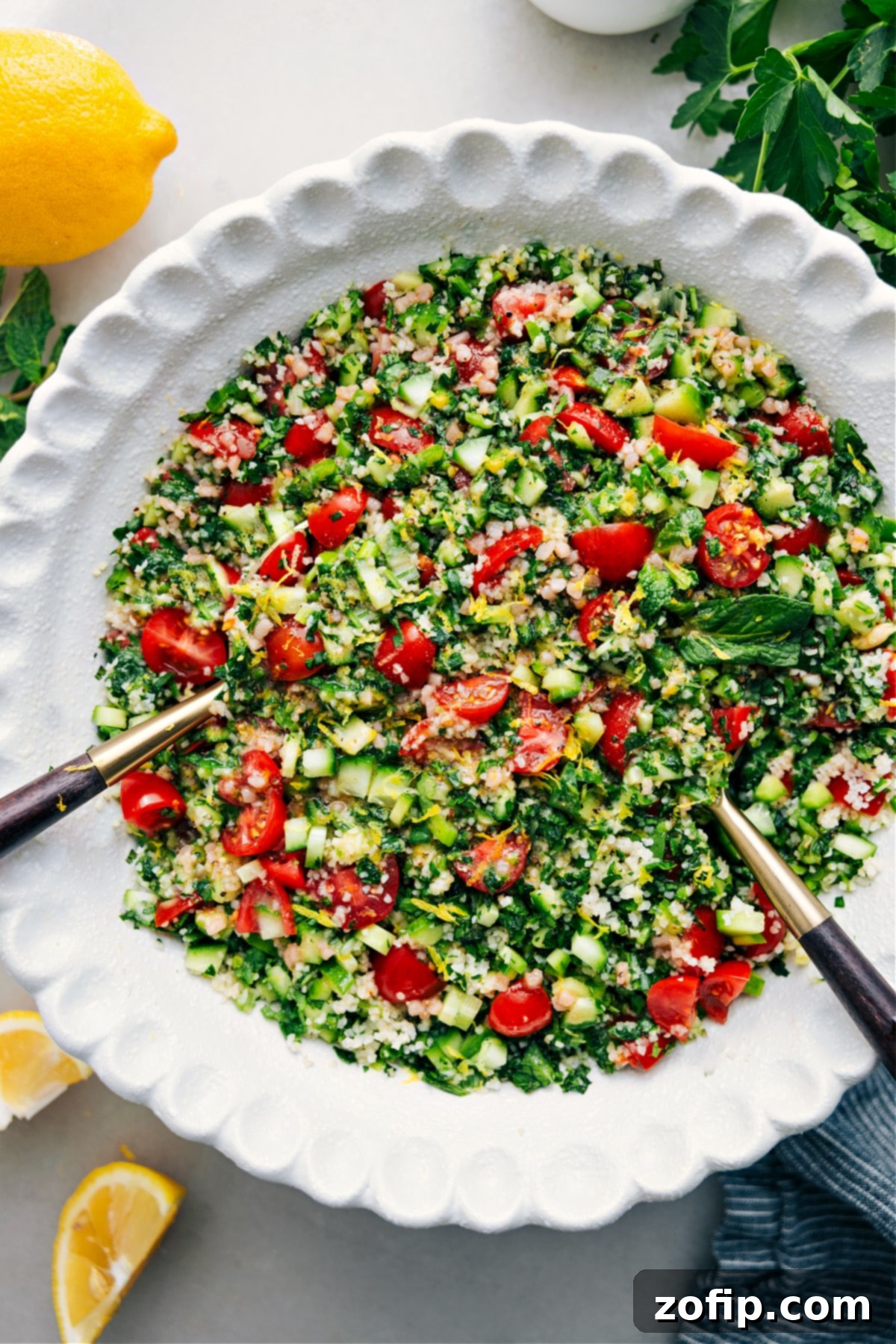
Tabouli, also known as Tabbouleh, is a quintessential Middle Eastern salad renowned for its incredible freshness and vibrant flavors. This bright, zesty dish combines finely chopped fresh parsley, fragrant mint, juicy tomatoes, and crisp cucumber with tender bulgur wheat, all brought together by a simple yet potent lemon-infused dressing. It’s more than just a salad; it’s a celebration of fresh produce and a cornerstone of Mediterranean cuisine.
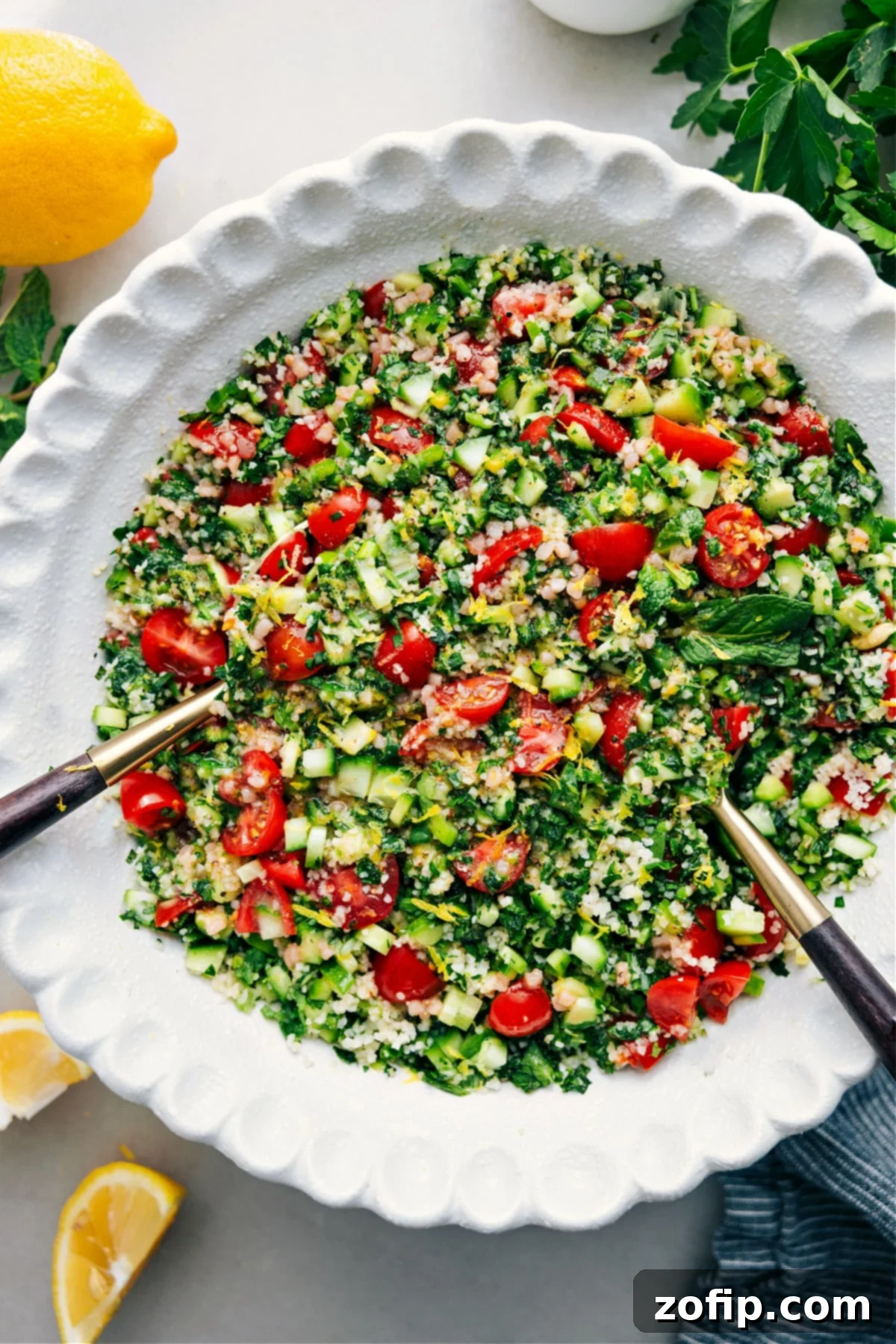
Authentic Tabouli Recipe: A Fresh Taste of the Middle East
My journey to perfecting this Tabouli recipe began a couple of years ago during an unforgettable trip through the enchanting cities of Dubai and the serene Maldives. Everywhere I dined, from bustling markets to upscale restaurants, two salads consistently graced the table: Tabouli and Fattoush. These iconic salads were served alongside almost every meal, often complemented by generous portions of creamy hummus and smoky baba ghanoush. The sheer freshness and invigorating flavors left a lasting impression, compelling me to recreate that authentic experience in my own kitchen.
Since returning home, I’ve prepared this particular Tabouli salad countless times, constantly refining it to capture the essence of those incredible meals. This recipe is directly inspired by the unforgettable Tabouli I savored in Dubai, with a few thoughtful additions to the dressing that elevate its flavor profile even further, ensuring every bite is bursting with aromatic delight.
Quick Tip: Tabbouleh vs. Tabouli – What’s the Difference?
It’s All in the Spelling!
The difference between “Tabbouleh” and “Tabouli” lies simply in their transliteration from Arabic to English. Both spellings refer to the exact same incredibly fresh and flavorful salad. Regardless of how you spell it, the pronunciation is typically “tuh·bu·lee.” For those who like to hear it, you can find various pronunciation guides online to perfect your delivery.
The History and Cultural Significance of Tabouli
Tabouli is not merely a side dish; it’s a culinary icon deeply embedded in Middle Eastern and Mediterranean cultures, particularly in Lebanon and Syria, where it originated. Traditionally, it was a staple of the peasant diet, made with readily available ingredients like bulgur, parsley, tomatoes, and mint. Over centuries, it evolved into a beloved national dish, symbolizing freshness, hospitality, and the region’s rich agricultural heritage.
This vibrant salad is often served as part of a “mezze,” a selection of small dishes that form the beginning of a larger meal, encouraging sharing and communal dining. Its popularity has spread globally, becoming a favorite in many Western cultures due to its healthy ingredients, ease of preparation, and distinctly refreshing taste. Preparing Tabouli is a ritual in itself, emphasizing meticulous chopping and the freshest possible herbs, underscoring its cultural importance beyond just a simple recipe.
Health Benefits of This Fresh Middle Eastern Salad
Beyond its incredible taste, Tabouli offers a wealth of health benefits, making it an excellent addition to any diet. It’s naturally vegan and vegetarian, packed with nutrient-dense ingredients:
- Rich in Vitamins and Minerals: Fresh parsley and mint are powerhouses of vitamins K, C, and A, as well as various antioxidants that support overall health and boost immunity.
- High in Fiber: Bulgur wheat is a whole grain, providing a significant amount of dietary fiber crucial for digestive health, blood sugar regulation, and prolonged satiety.
- Heart-Healthy Fats: The dressing, made with extra virgin olive oil, contributes monounsaturated fats that are known to support cardiovascular health.
- Low in Calories: As a vegetable-heavy dish, Tabouli is relatively low in calories but high in volume, making it a satisfying option for weight management.
- Hydrating: Cucumbers and tomatoes contribute to the salad’s high water content, aiding in hydration.
Incorporating Tabouli into your meals is an effortless way to enhance your nutrient intake and enjoy delicious, wholesome food.
Ingredients for the Perfect Tabouli
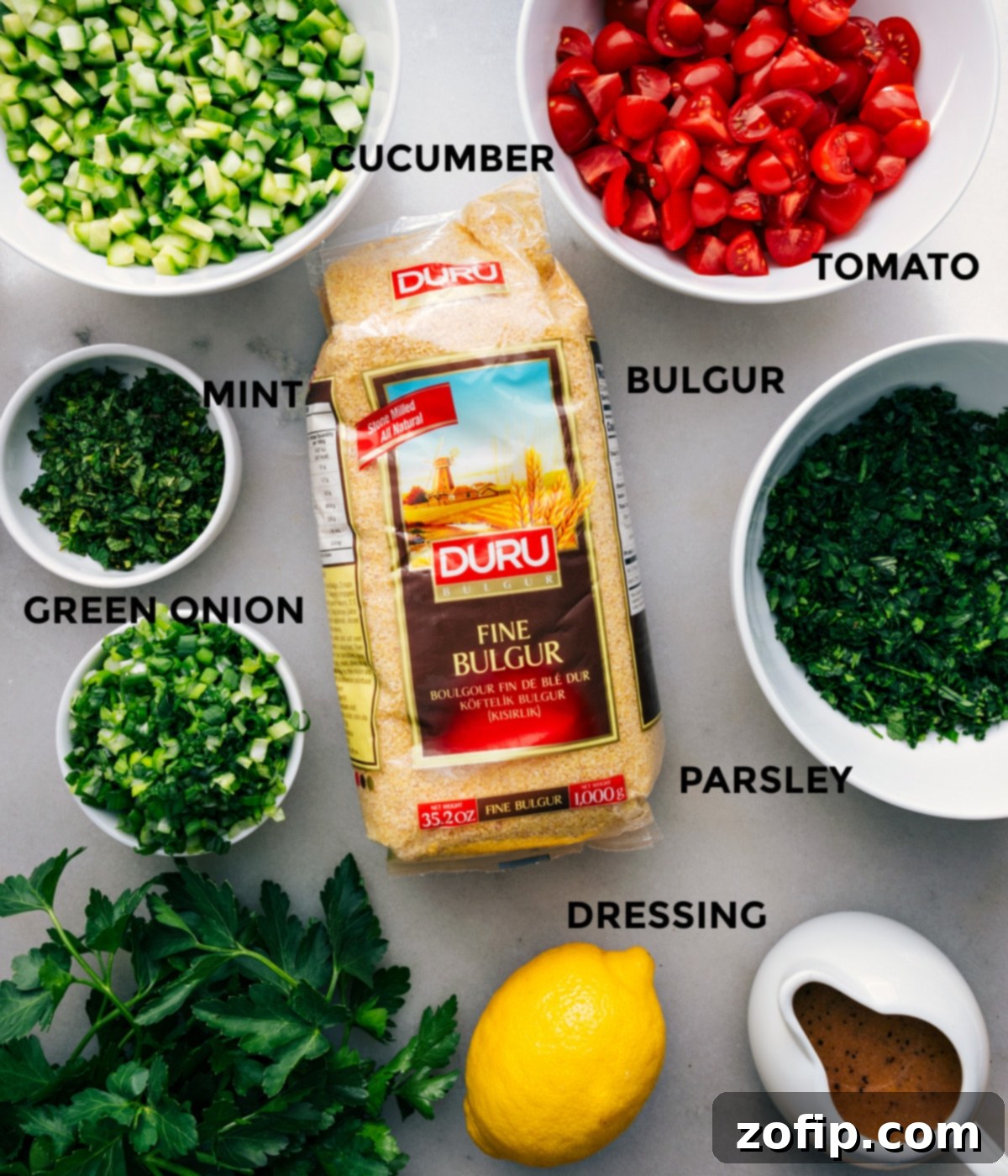
Crafting exceptional Tabouli begins with selecting the finest and freshest ingredients. Each component plays a vital role in creating the salad’s signature texture and explosion of flavor. Here’s what you’ll need:
- Bulgur Wheat: For the ideal texture, opt for fine bulgur. It rehydrates quickly and offers a tender bite without being mushy. Coarse bulgur requires a different cooking method, so always check the package instructions if you use it.
- English Cucumbers: These cucumbers are preferred for their delicate flavor, minimal seeds, and lower water content compared to standard cucumbers. This ensures your salad remains crisp and doesn’t become watery. Alternatively, Persian or mini cucumbers also work wonderfully.
- Cherry Tomatoes: Sweet and vibrant cherry tomatoes add a burst of juiciness and color. Halving or quartering them is best. A serrated knife makes chopping them easier and prevents squishing.
- Fresh Mint: An essential herb for Tabouli, fresh mint brings an incredibly bright, cooling, and aromatic dimension. Chop it finely to distribute its invigorating flavor evenly throughout the salad.
- Flat-Leaf Parsley: This is the star of Tabouli. Flat-leaf (Italian) parsley offers a more robust, peppery flavor compared to curly parsley, which is often used more for garnish. Hand-chopping the parsley is crucial for the best texture and prevents it from becoming bruised or watery, as can happen with a food processor.
- Green Onions: Also known as scallions, use both the white and light green parts for a mild oniony crunch and fresh zest. They add a subtle sharpness that complements the other ingredients beautifully.
Tabouli Dressing: The Heart of the Flavor
The dressing is what truly brings Tabouli to life, infusing every ingredient with its bright, tangy, and subtly spiced notes. My version includes a few extra touches for enhanced depth:
- Extra Virgin Olive Oil: Use a good quality extra virgin olive oil for its rich, fruity flavor, which forms the base of the dressing and adds a desirable silkiness.
- Lemons: Freshly squeezed lemon juice is non-negotiable for Tabouli’s characteristic tang and brightness. Don’t forget the zest – it adds an extra layer of intense citrus aroma and flavor.
- Garlic: Minced or finely pressed fresh garlic provides a pungent, aromatic kick that enriches the dressing’s overall profile.
- Ground Cumin: This warm, earthy spice is a subtle yet crucial addition that adds depth and an authentic Middle Eastern touch, rounding out the flavors beautifully.
- Honey: A small amount of honey (or a touch of maple syrup for a fully vegan option) perfectly balances the acidity of the lemon and vinegar, adding a hint of sweetness without making the dressing cloying.
- Dijon Mustard: Just a tablespoon of Dijon mustard acts as an emulsifier, helping to slightly thicken the dressing and ensuring all the ingredients meld together harmoniously. It also adds a slight tang and depth.
- Red Wine Vinegar: A splash of red wine vinegar boosts the acidity and complexifies the tangy notes of the lemon, adding another layer of bright flavor.
Expert Tips for Perfect Tabouli
Achieving the perfect Tabouli is an art, but with these expert tips, you’ll master it in no time:
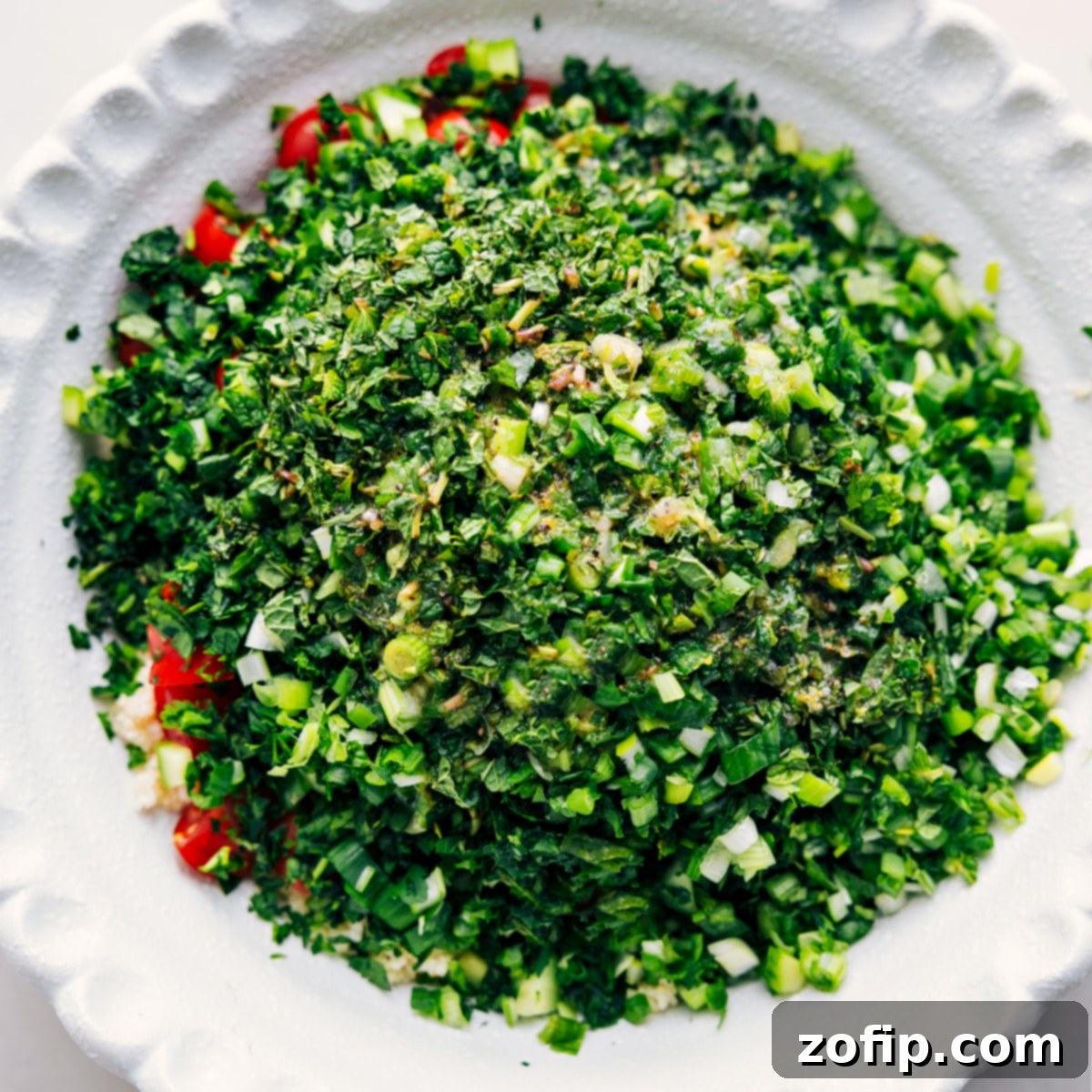
- Chopping is Key: The signature texture of Tabouli comes from finely, almost microscopically, chopped ingredients. Take your time with the parsley, mint, tomatoes, and cucumbers. Smaller pieces integrate better and ensure a balanced flavor in every bite.
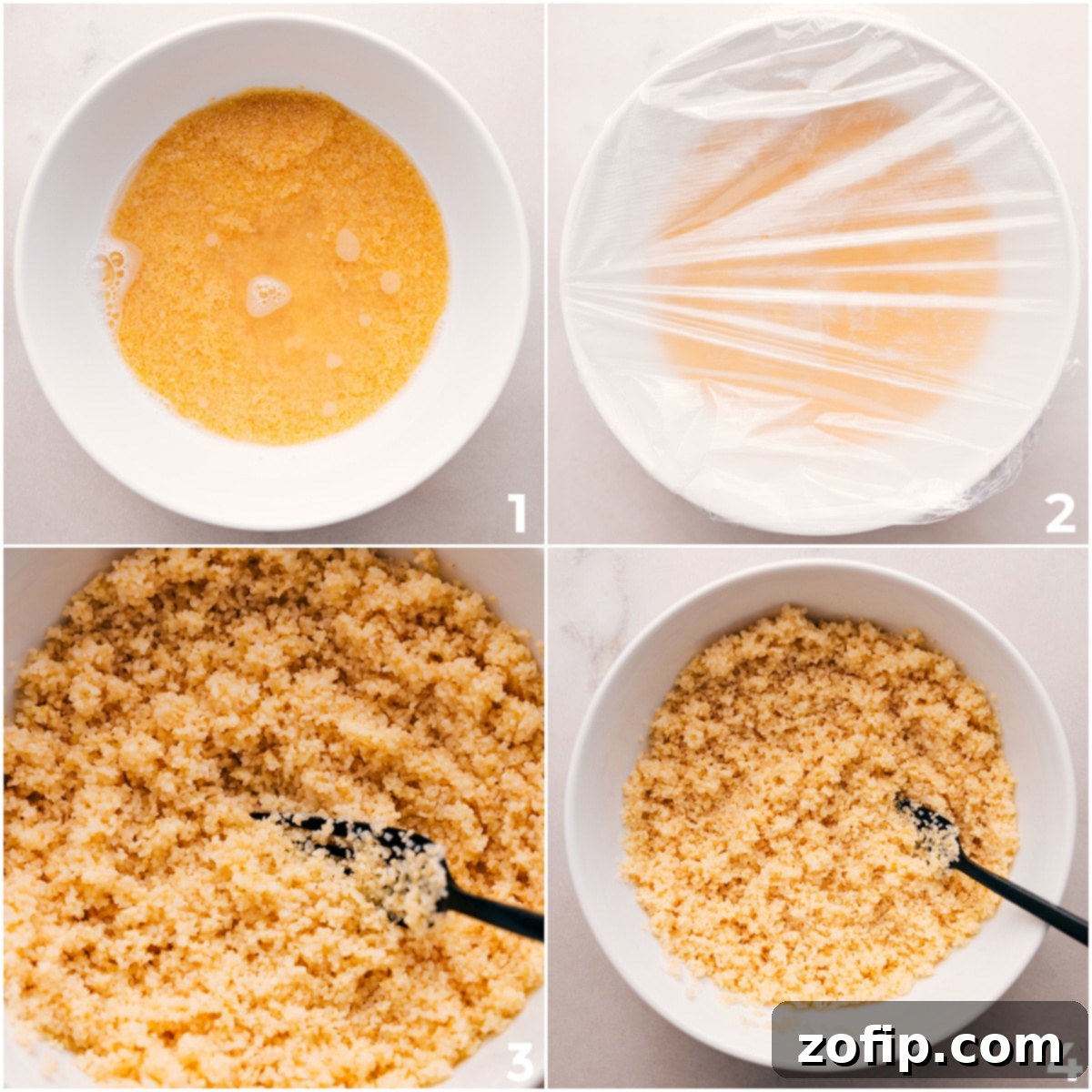
- Don’t Overcook Bulgur: Fine bulgur doesn’t need to be boiled; a simple soak in boiling water is enough. Over-soaking or over-cooking can lead to a mushy texture, which you want to avoid. Fluff it well with a fork after soaking to separate the grains.
- Dry Your Herbs: After washing, ensure your parsley and mint are thoroughly dry before chopping. Excess water can dilute the dressing and make the salad soggy.
- Chill for Flavor: While delicious immediately, Tabouli truly shines after it’s had some time to chill in the refrigerator for at least 30 minutes, or even a few hours. This allows the flavors to meld and deepen beautifully.
- Taste and Adjust: Always taste your Tabouli before serving and adjust the seasoning as needed. You might want a bit more salt, pepper, or a final squeeze of lemon juice to bring out the flavors.
Switch Things Up: Tabouli Variations
While the classic Tabouli is perfect on its own, it’s also incredibly versatile and can be adapted to suit different tastes or dietary needs. Here are a few delightful ways to customize your batch:
- Couscous Tabouli: If bulgur isn’t on hand, or if you prefer a different texture, small couscous makes an excellent substitute. Like fine bulgur, couscous cooks very quickly, making it a convenient alternative.
- Quinoa Tabouli: For a completely gluten-free option, substitute bulgur with cooked quinoa. Quinoa, a nutritious seed rather than a grain, offers a similar texture and a protein boost, making your Tabouli even more wholesome.
- Add Avocado: While not traditional, diced ripe avocado can add a wonderful creaminess and healthy fats to the salad. It’s a fantastic way to make it your own and enhance the richness.
- Mediterranean Additions: Consider folding in finely diced bell peppers (red or yellow for sweetness), Kalamata olives, or crumbled feta cheese for extra savory notes and textures.
- Herb Variations: Experiment with a small amount of dill or oregano alongside the parsley and mint for a slightly different aromatic profile.
Adding Protein to Your Tabouli
To transform Tabouli from a vibrant side dish into a hearty main meal, consider boosting its protein content. It pairs wonderfully with a variety of additions:
- Chickpeas: Roasted or air-fried chickpeas add a fantastic textural contrast and plant-based protein, making it even more satisfying for vegetarians and vegans.
- Grilled Chicken: Cubes of succulent grilled chicken are a classic pairing, offering lean protein that complements the fresh flavors.
- Flank Steak or Salmon: For a more substantial meal, thinly sliced grilled flank steak or pan-seared salmon can be excellent choices, adding richness and omega-3s.
- Halloumi Cheese: Pan-fried or grilled halloumi cheese offers a salty, savory bite and a satisfying chewiness that works beautifully with the salad’s freshness.
How To Eat Tabouli: Serving Suggestions
Tabouli’s versatility makes it suitable for many occasions and pairings. Traditionally served as part of a mezze (a selection of small dishes) or alongside grilled proteins, its refreshing profile also makes it work beautifully as a fresh “salsa” or an elevated side dish.
- As a Side Dish: It’s an impeccable accompaniment to grilled meats like kebabs, chicken shawarma, or homemade falafel. Its bright flavors cut through the richness of heavier dishes.
- With Pita Bread: Scoop up generous amounts of Tabouli with warm pita bread or crunchy pita chips for a delightful snack or appetizer.
- In Wraps and Sandwiches: Add a refreshing element to your wraps, sandwiches, or even gyros by layering in a spoonful of Tabouli.
- Over Greens: For a super-light meal, pile Tabouli onto a bed of fresh lettuce greens or mix it into a larger green salad to boost flavor and nutrients.
- As a Dip: Serve it alongside other dips like hummus or baba ghanoush for a Mediterranean platter.
Storage Tips for Tabouli
Store leftover Tabouli in an airtight container in the refrigerator for 2–3 days. Be aware that the flavor of the green onions tends to strengthen over time. Before serving chilled leftovers, give it a good stir and, if necessary, add a fresh squeeze of lemon juice or a pinch more salt and pepper to revive its flavors. Tabouli does not freeze well, as the fresh herbs and vegetables will lose their crisp texture upon thawing.
More Delicious Salad Recipes to Explore:
Salads
Israeli Salad Recipe
Salads
Cucumber Feta Salad
Salads
Sweet Potato Farro Salad
Healthy
Chickpea Salad Recipe
Print Recipe
Tabouli (Tabbouleh)
Chelsea Lords
25 minutes
25 minutes
10 servings (as a side)
Equipment
- Small pot
- Wide-mouth Mason Jar or other sealable container
Ingredients
- 3/4 cup fine bulgur wheat see note 1
- Salt and pepper
- 1-1/2 cups diced English cucumber see note 2
- 2 cups quartered cherry tomatoes
- 1/3 packed cup finely chopped fresh mint
- 1 packed cup finely chopped flat-leaf parsley 2 bunches, see note 3
- 3/4 cup finely chopped green onions 1 bunch
- 1/4 cup olive oil
- 1 lemon (for juice and zest)
- 1 teaspoon minced garlic
- 1 teaspoon ground cumin
- 1-1/2 teaspoons honey
- 1 tablespoon Dijon-style mustard
- 2 tablespoons red wine vinegar
Instructions
- Bring 1-1/4 cups of water to a rolling boil in a small pot. Add the fine bulgur wheat to a large glass bowl, sprinkle with a pinch of salt, and pour the freshly boiled water over it. Stir gently, then cover the bowl tightly with plastic wrap to trap the steam. Let it sit at room temperature for 15–25 minutes, or until all the water has been completely absorbed and the bulgur is tender. Remove the plastic wrap, fluff the bulgur with a fork to separate the grains, and allow it to cool completely to room temperature. For faster cooling, you can transfer it to the refrigerator. The bulgur can be prepared ahead of time for easier assembly later.
- Carefully zest the lemon to get approximately 1/2 teaspoon of zest, then juice it to yield about 1-1/2 tablespoons of fresh lemon juice. Combine the lemon zest and juice in a wide-mouth jar or a small mixing bowl along with all the other dressing ingredients: olive oil, minced garlic, ground cumin, honey, Dijon mustard, and red wine vinegar. Season generously with salt and pepper to taste (I typically use about 3/4 teaspoon of salt and 1/2 teaspoon of pepper). Secure the lid on the jar and shake vigorously until all ingredients are thoroughly combined and emulsified. Alternatively, whisk well in a bowl. Place the dressing in the fridge until ready to use, allowing the flavors to marry.
- In a large mixing bowl, combine the completely cooled bulgur, diced English cucumbers, quartered cherry tomatoes, finely chopped fresh mint, finely chopped flat-leaf parsley, and finely chopped green onions. Toss all the ingredients gently to ensure even distribution. Pour the prepared dressing over the salad and toss again until everything is well coated. Taste the Tabouli and adjust the seasoning as needed, adding more salt, pepper, or lemon juice to achieve your desired flavor balance. Serve immediately for optimal freshness, or refrigerate for at least 30 minutes to an hour before serving to allow the flavors to deepen and meld beautifully. This salad truly gets tastier after it’s had some time to chill!
Recipe Notes
Note 2: For the best results in your Tabouli, it is important to choose the right type of cucumber. Regular garden cucumbers can be too watery and often lack the intense flavor needed for this salad. Instead, use English cucumbers or Persian cucumbers (also sometimes labeled as mini or salad cucumbers). These varieties have thinner skins, fewer seeds, and a firmer texture that holds up well in the salad. Remember to remove any large seeds and dice them finely for optimal integration.
Note 3: The key to perfectly textured and flavorful herbs in Tabouli is proper preparation. Hand-chopping fresh parsley and mint is strongly advised; using a food processor can over-process the herbs, resulting in an uneven texture, excessive moisture, and quicker browning. For superior flavor, always choose flat-leaf (Italian) parsley over curly parsley, which is generally milder and primarily used for decorative garnishes. Ensure your herbs are thoroughly dried after washing before you begin chopping.
Storage: To maintain the freshness and quality of your Tabouli, store any leftovers in an airtight container within the refrigerator. It will keep well for 2–3 days. Please note that the flavor of the green onions tends to become more pronounced and stronger over time. Before serving chilled Tabouli, give it a good stir to redistribute the ingredients and dressing. Taste it and add additional seasoning, a fresh squeeze of lemon juice, or a drizzle of olive oil if needed to refresh the flavors. Tabouli does not freeze well; the delicate fresh herbs and vegetables will lose their crispness and become mushy upon thawing, affecting the salad’s desirable texture.
Nutrition
|
Calories: 124 kcal
|
Carbohydrates: 14g
|
Protein: 2g
|
Fat: 7g
|
Saturated Fat: 1g
|
Polyunsaturated Fat: 1g
|
Monounsaturated Fat: 5g
|
Sodium: 32mg
|
Potassium: 229mg
|
Fiber: 3g
|
Sugar: 2g
|
Vitamin A: 405IU
|
Vitamin C: 18mg
|
Calcium: 21mg
|
Iron: 1mg
Nutrition information is automatically calculated, so should only be used as an approximation.
Like this recipe? We’d love to hear your thoughts! Leave a comment below!