
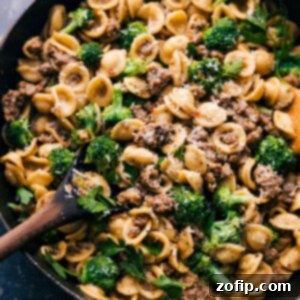
This Broccoli Sausage Pasta is a true culinary delight, balancing savory depth with a refreshing lightness that makes it perfect for any occasion. It’s crafted with premium Italian sausage, an abundance of fresh, vibrant broccoli, and a delectable sauce that beautifully comes together with chicken broth, olive oil, and a generous sprinkle of Parmesan cheese—all without the need for heavy cream. This recipe proves that comfort food can be both satisfying and surprisingly light, offering a wholesome meal the whole family is sure to love.
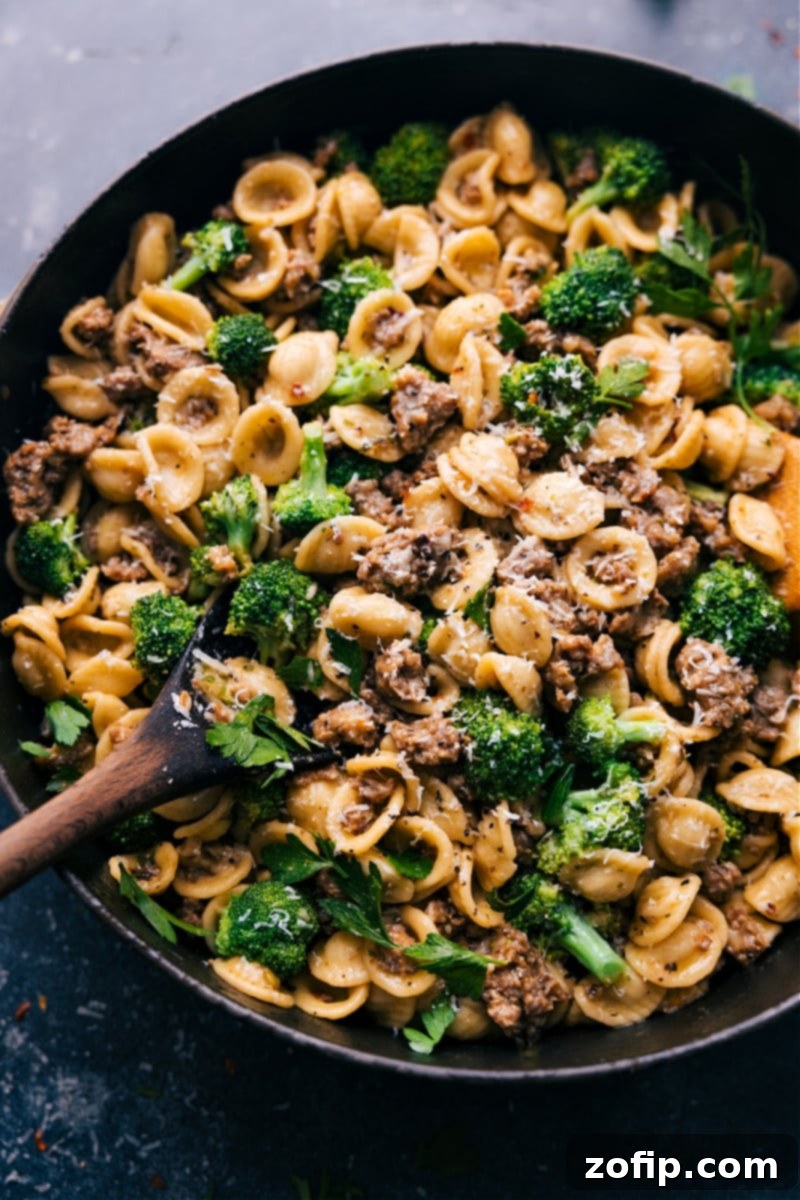
Broccoli Sausage Pasta: A Fresh Take on a Beloved Classic
The pairing of savory sausage with tender pasta is a timeless culinary match, offering a profound sense of comfort and satisfaction that few other dishes can rival. More often than not, this cherished combination is found nestled within a rich, indulgent cream sauce—a truly delicious experience, but one that typically leans towards a more decadent, special-occasion meal. We all adore those hearty favorites, like a luxurious Creamy Sausage Pasta or a robust Sausage Rigatoni, and even a summery delight like Summer Pasta.
However, there are those moments when you yearn for the same comforting embrace of sausage and pasta, but with a lighter, fresher disposition—especially on busy weeknights. This Broccoli Sausage Pasta recipe brilliantly answers that call. It stands apart by completely foregoing heavy cream or milk. Instead, the magic happens in a dynamic, flavorful base crafted from the deeply browned, caramelized bits of Italian sausage (which contribute an incredible depth of flavor), harmoniously blended with aromatic chicken broth, the silkiness of good quality olive oil, and just a hint of butter for a touch of richness. The resulting sauce is remarkably flavorful, yet refreshingly light, creating a pasta dish that satisfies without weighing you down.
What truly elevates this particular dish is the choice of orecchiette pasta. Its unique, concave shape, often described as “little ears,” is perfectly designed to capture and hold every morsel of the savory sausage, tender broccoli, and light sauce, ensuring each bite is bursting with flavor. A final squeeze of fresh lemon juice at the end is a game-changer, brightening all the flavors and adding an invigorating zest that transforms this comforting meal into something truly special and surprisingly vibrant.
Quick Tip: Discovering Orecchiette’s Charm
Are you exploring the versatility of orecchiette pasta? This delightful ‘little ear’ shape is a superstar beyond just this recipe! It’s also the star of our beloved Autumn Crunch Pasta Salad, a reader favorite that showcases how well orecchiette holds texture and flavor in various preparations. Its unique form truly makes it a fantastic canvas for a multitude of sauces and ingredients.
Key Ingredients for Your Perfect Broccoli Sausage Pasta
This Broccoli Sausage Pasta recipe celebrates the beauty of simplicity, achieving remarkable flavor with a relatively minimalist list of ingredients. Each component is carefully selected to contribute to the dish’s overall balance and deliciousness. Here’s a breakdown of the essential ingredients and tips for selecting the best ones:
- Italian Sausage: The Heart of the Flavor
- Choose Wisely: The quality of your Italian sausage significantly impacts the final taste of this dish. Look for sausages where you can see distinct marbling of fat, which indicates a richer flavor and better texture, rather than those with a uniformly lean appearance.
- Mild vs. Spicy: The choice is yours! Both mild and spicy Italian sausages work beautifully. Mild sausage offers a classic, aromatic profile, while spicy sausage infuses the dish with a pleasant warmth and depth. If you have guests with varying spice preferences, consider serving a small bowl of red pepper flakes on the side for them to add as they please.
- Preparation is Key: Before cooking, always remember to remove the casings from the Italian sausage. This allows the meat to crumble evenly and brown properly, releasing all its delicious fats and flavors into the pan to form the foundation of your sauce. Be sure to use genuine Italian sausage, as breakfast sausages have a completely different spice blend that won’t achieve the desired flavor profile for this recipe. You can often find quality options like Great Value Mild Italian Sausage at most grocery stores.
- Parmesan Cheese: The Ultimate Finishing Touch
- Freshly Grated for Best Results: For the most exquisite melt and to ensure precise control over the dish’s saltiness, we cannot stress enough the importance of using a block of high-quality Parmesan cheese. Grate it yourself using the small holes of a cheese grater. This method ensures a silky texture as the cheese melts into the sauce. Pre-grated or canned Parmesan often contains anti-caking agents that can make it clump or feel grainy, and its flavor tends to be overly salty or artificial. For a truly authentic taste, opt for a wedge like BelGioioso Parmesan Cheese Wedge.
- Broccoli: Crisp, Tender, and Vibrant
- Always Fresh: When it comes to this pasta dish, fresh broccoli is absolutely essential. While frozen broccoli is convenient for soups or purees, it tends to become overly mushy and loses its vibrant color and desirable crisp-tender texture when used in pasta. Fresh florets maintain their integrity, adding a satisfying bite and visual appeal to the meal.
- Orecchiette Pasta: The Sauce Catcher
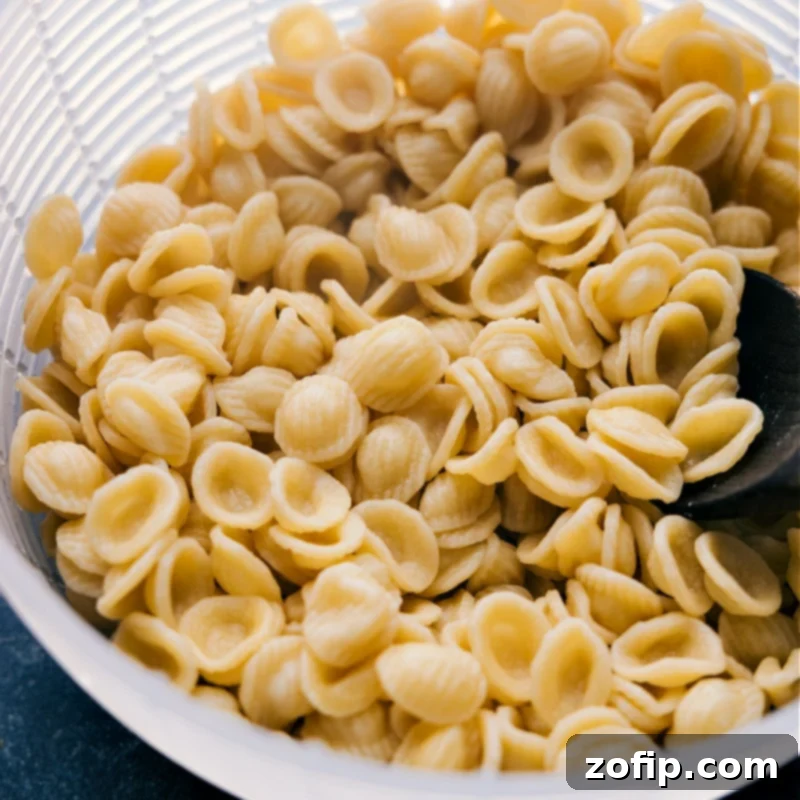
- “Little Ears” Perfection: This pasta shape, whose name literally means “little ears,” is a fantastic choice for hearty sauces like this one. Its unique concave shape and slightly rough exterior are designed to perfectly scoop up and hold onto every bit of the savory sausage, tender broccoli, and rich, light sauce, ensuring a flavorful experience with every forkful.
- Chicken Broth & Olive Oil: The Cream-Free Base
- Flavorful Foundation: This duo creates the light yet incredibly flavorful sauce. High-quality chicken broth adds a savory depth, while good olive oil provides a smooth texture and a hint of fruity richness, allowing the natural flavors of the main ingredients to shine without being masked by heavy cream.
- Garlic & Italian Seasoning: Aromatic Essentials
- Depth of Flavor: Freshly minced garlic and a robust Italian seasoning blend are fundamental for building the aromatic base of this sauce. They infuse the dish with classic Mediterranean flavors that perfectly complement the Italian sausage and fresh broccoli. Dried parsley flakes add a visual appeal and a subtle, earthy freshness.
- Lemon: The Brightening Finish (Optional, but Highly Recommended)
- A Zesty Lift: A final squeeze of fresh lemon juice before serving is a simple yet impactful addition. It acts as a palate cleanser, cutting through the richness of the sausage and brightening all the other flavors, adding a delightful tang that truly elevates the entire dish and enhances its light character.
Customize Your Plate: Delicious Broccoli Sausage Pasta Variations
While the classic Broccoli Sausage Pasta is a star on its own, this recipe is incredibly versatile, allowing for delightful modifications to suit your taste, dietary preferences, or simply what you have available. Here are some fantastic ways to make this dish uniquely yours:
- Orecchiette with Broccoli Rabe: An Authentic Italian Twist
For those seeking a more authentic and slightly fancier Italian experience, consider replacing the standard broccoli with broccoli rabe (also known as rapini). Broccoli rabe offers a distinct, pleasantly bitter flavor profile and longer, thinner stalks, which are highly prized in Southern Italian cuisine. Interestingly, despite their names, broccoli and broccoli rabe are not actually related! Broccoli belongs to the cabbage family, while broccoli rabe is closer to turnips. To prepare, sauté the broccoli rabe with olive oil until tender before adding it to the pasta, which helps to mellow its natural bitterness and enhances its savory notes within the dish.
- Orecchiette with Sausage and Spinach: An Easy Green Boost
If you’re looking to effortlessly incorporate more greens into your meal, fresh baby spinach is an excellent choice. Simply add about 3 cups of coarsely chopped baby spinach to the pan when you stir in the cooked pasta. As you toss the pasta with the warm sauce, the spinach will quickly wilt down, adding a subtle earthy flavor, a beautiful pop of color, and a significant boost of nutrients without overpowering the other ingredients. This is a super simple way to enhance the health factor of your pasta.
- Vegetarian Orecchiette Pasta: A Flavorful Meat-Free Alternative
For those who prefer a meat-free meal, transforming this into a vegetarian orecchiette pasta is definitely achievable, though it requires a mindful approach to ensure it retains its robust flavor. Since Italian sausage provides a significant amount of savory depth and natural saltiness, simply omitting it would leave the dish lacking. Instead, we highly recommend trying our dedicated Broccoli Pasta recipe as a starting point, which is designed to be meatless and flavorful, and then swapping out the pasta type for orecchiette if desired. Additionally, remember to replace the chicken broth with a rich, high-quality vegetable broth to keep the dish entirely plant-based. You might also consider adding ingredients like smoked paprika, sun-dried tomatoes, or even a dash of liquid smoke to introduce a deeper umami character to compensate for the absence of sausage.
Frequently Asked Questions About Broccoli Sausage Pasta
Orecchiette is a distinctive type of pasta that hails from Apulia, a beautiful region in Southern Italy. Its name charmingly translates to ‘little ears,’ a perfect description of its unique, concave, and slightly dome-like shape. One side of this pasta is characteristically rough or textured, which makes it exceptionally adept at catching and holding onto rich, flavorful sauces, ensuring every bite is a delicious experience.
If orecchiette pasta isn’t readily available, don’t worry! You can easily substitute it with other pasta shapes that have a similar size, good ridges, or a rough surface to effectively capture and cling to the sauce. Excellent alternatives include medium shells, fusilli (the corkscrew-shaped pasta), farfalle (bow-tie pasta), or penne. These options will all provide a satisfying texture and ensure your sauce adheres beautifully.
While frozen broccoli can be convenient for certain dishes, we strongly recommend using fresh broccoli florets for this recipe. Frozen broccoli tends to become overly mushy and loses its vibrant color and desired crisp-tender texture when cooked in this manner, which can significantly detract from the overall appeal and enjoyment of the pasta dish. Fresh broccoli provides a much better bite and visual contrast.
Using freshly grated Parmesan cheese from a block is crucial for the best results. Fresh Parmesan melts smoothly into the sauce, creating a luxurious and cohesive texture, and contributes a superior, nuanced salty and umami flavor. Pre-grated or canned Parmesan often contains anti-caking agents that can cause it to clump or become grainy, and its flavor profile is generally not as rich or authentic. Investing in a block and grating it yourself makes a noticeable difference.
Like most pasta dishes, this Broccoli Sausage Pasta is at its absolute best when enjoyed immediately after cooking, when the pasta is perfectly al dente and the sauce is fresh and vibrant. If you have leftovers, they can be stored in an airtight container in the refrigerator for 2-3 days. However, the sauce may thicken upon cooling. When reheating, you will likely need to add a splash more chicken broth (or even water) to thin the sauce and restore its desired consistency. Unfortunately, this dish does not freeze and thaw particularly well; the pasta can become mushy, and the sauce may separate, impacting the overall texture and taste.
This pasta dish is quite complete on its own, but it pairs beautifully with a simple side salad dressed with a vinaigrette to add more freshness. A crusty loaf of garlic bread is also excellent for soaking up any leftover sauce. For a wine pairing, a light-bodied red like a Pinot Noir or a crisp white wine such as a Pinot Grigio or Sauvignon Blanc would complement the flavors wonderfully.
A Must-Know Pro Tip: Always Reserve Pasta Water!
The Secret Ingredient for a Perfectly Emulsified Pasta Sauce
Do you ever drain your perfectly cooked pasta, only to realize moments later that you’ve forgotten to save some of that starchy, flavorful pasta water? It’s a common kitchen mishap, yet this seemingly humble liquid is an absolute game-changer for achieving a perfectly emulsified, glossy, and cohesive sauce that lovingly coats every single piece of pasta. Here’s a brilliant, foolproof trick to ensure you never overlook this crucial step again: Before you even begin boiling your pasta, simply place your colander in the sink with a heat-safe measuring cup or a sturdy mug nestled right in its center. When the time comes to drain your al dente pasta, the presence of the mug will serve as a perfect visual reminder, prompting you to scoop out a cup of that precious, starchy pasta water before letting the rest go down the drain. This small act will elevate your pasta dishes to a whole new level!
Explore More Light and Delicious Pasta Options:
More Healthier Pasta Inspirations
Pasta And Pizza
Corn Pasta (Secretly Healthy!)
Pasta And Pizza
Wholesome Vegetable Pasta Recipe
Dinner
Lightened Chicken Broccoli Alfredo Recipe
Dinner
Healthy and Easy Pasta Bake
Print Recipe
★
★
★
★
Broccoli Sausage Pasta Recipe
Chelsea Lords
Please note: This recipe has been updated. It was originally a one-pot dish utilizing “pronto” noodles, which are no longer available. We’ve since adapted the recipe to use regular pasta, ensuring the same delicious results. If you wish to reference the previous version, you can find it here.
15
20
35
4 servings
Recipe Video
Watch a video on how to prepare this delicious Orecchiette, Sausage, and Broccoli Pasta for visual guidance:
Click here to view the recipe video
Equipment
- Large Pan (or Skillet)
- Large Pot (for pasta)
- Cheese Grater (for fresh Parmesan)
Ingredients
- 1 (16-ounce) box orecchiette pasta (see Note 1 for substitutions)
- 5 tablespoons olive oil (divided)
- 19 ounces Italian sausage (sweet or spicy, casings removed – see Note 2)
- Salt and freshly ground black pepper (to taste)
- 2 teaspoons minced garlic
- 2 teaspoons Italian seasoning
- 2 teaspoons dried parsley flakes
- 1/4 teaspoon red pepper flakes (or more, to taste)
- 1 cup chicken broth
- 4 cups fresh broccoli florets
- 3 tablespoons unsalted butter
- 1/2 cup freshly grated Parmesan cheese (plus more for topping – see Note 3)
- 1 lemon (optional, for squeezing)
- Fresh flat-leaf parsley (optional, for garnish)
Instructions
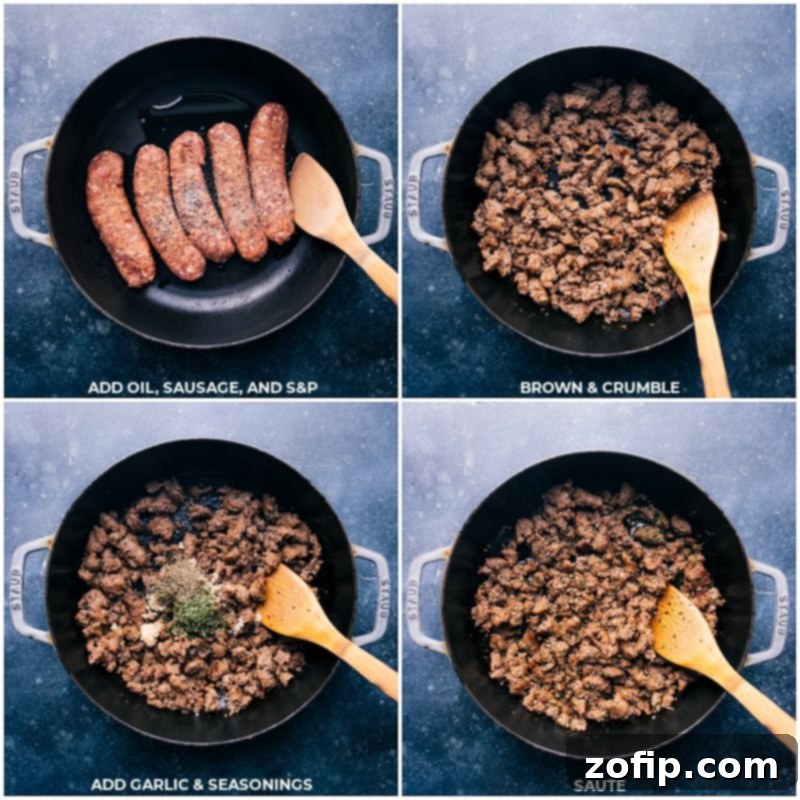
- 1. Brown the Sausage: Heat 1 tablespoon of olive oil in a large pan over medium-high heat. Add the Italian sausage (casings removed) along with 1/2 teaspoon each of salt and freshly ground black pepper. Cook, breaking up the sausage with a spoon, until it is thoroughly browned and cooked through, approximately 5–7 minutes. Drain any excess fat from the pan, leaving behind just a little for flavor.
- 2. Add Aromatics & Spices: Reduce the heat to medium. Stir in the minced garlic, Italian seasoning, dried parsley, and red pepper flakes into the browned sausage. Continue to stir for 30–60 seconds, or until the aromatics are fragrant and lightly toasted, being careful not to burn the garlic.
- 3. Cook the Pasta: Meanwhile, bring a large pot of generously salted water (about 2 teaspoons of salt) to a rolling boil. Add the orecchiette pasta and cook according to the package’s minimum recommended cooking time to ensure it remains al dente. Before draining, reserve approximately 1 cup of the starchy pasta water. Drain the pasta thoroughly but do not rinse it.
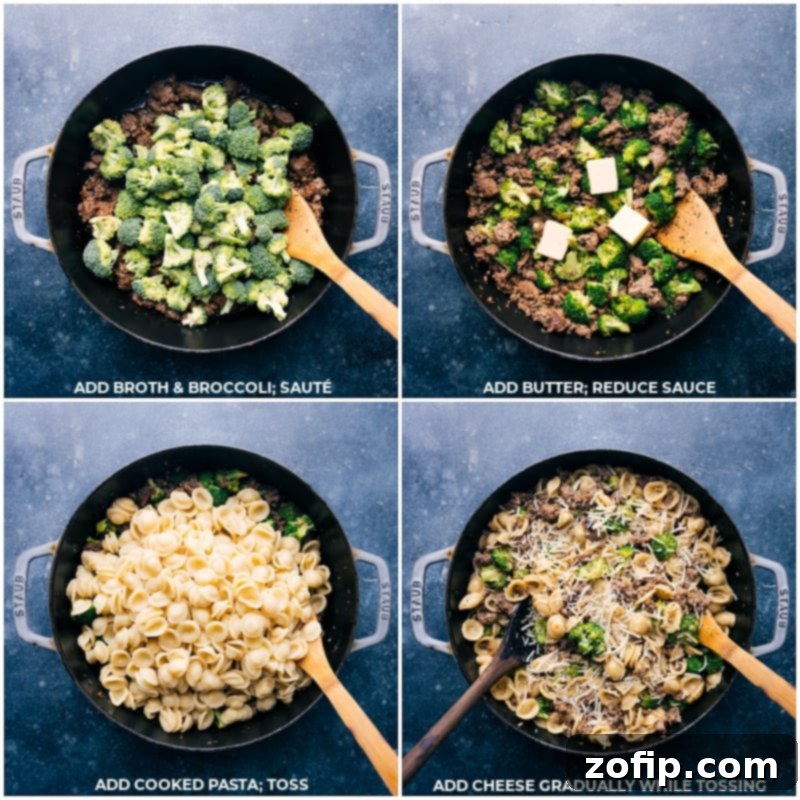
- 4. Develop the Sauce & Broccoli: To the pan with the sausage and aromatics, add the remaining 4 tablespoons of olive oil, chicken broth, and fresh broccoli florets. Cook, stirring frequently, until the broccoli becomes crisp-tender, typically 3–5 minutes. Once the broccoli is cooked to your liking, add the unsalted butter and stir until it is completely melted into the sauce. Allow the sauce to simmer gently for a few minutes until it has slightly reduced and thickened.
- 5. Combine & Finish: Add the drained pasta directly into the pan with the sausage, broccoli, and sauce mixture. Toss everything together vigorously to ensure the pasta is well coated. Gradually add the freshly grated Parmesan cheese, about 2 tablespoons at a time, continuously tossing the pasta. This slow addition and constant motion are key to preventing clumping and helping the sauce emulsify beautifully (see Note 4). If the sauce appears too thick, gradually incorporate some of the reserved pasta water until it reaches your desired consistency – a smooth, even coating on the pasta. Optionally, squeeze fresh lemon juice over the entire dish for a bright, zesty finish. Taste and adjust seasonings (salt, pepper, red pepper flakes) as desired.
- 6. Serve & Enjoy: Divide the Broccoli Sausage Pasta among serving bowls. For an extra touch of freshness and color, garnish with fresh flat-leaf parsley and an additional sprinkle of grated Parmesan cheese, if desired. Serve immediately and savor every bite!
Recipe Notes
Note 2: Choosing Italian Sausage: The quality of your Italian sausage significantly impacts the final flavor. Look for sausages with visible marbling, indicating a richer taste. Always remove the casings before cooking to allow it to crumble and brown properly. You can opt for either mild or spicy sausage based on your preference; both are delicious. If your guests have varying spice preferences, serve red pepper flakes on the side for individual adjustment.
Note 3: The Best Parmesan: For the best melt and flavor, use a block of Parmesan cheese and grate it using the small holes of a cheese grater. Alternatively, you can use finely shredded Parmesan that’s specifically designed for melting. Avoid canned Parmesan as it tends to be too salty and contains anti-caking agents that prevent it from melting smoothly into the sauce.
Note 4: Emulsifying the Sauce: Emulsifying is a key technique here, combining ingredients (like oil and broth) so they stay mixed rather than separating. The gradual addition of Parmesan cheese while tossing, along with a splash of reserved pasta water, helps create a beautifully smooth and cohesive sauce that evenly coats the pasta. This process is essential for that perfect, restaurant-quality texture.
Storage & Reheating: This dish, like most pasta recipes, is at its peak flavor and texture when enjoyed immediately after cooking. If you have leftovers, store them in an airtight container in the refrigerator for up to 2-3 days. When reheating, you will likely need to add a splash more chicken broth (or even water) to thin the sauce and restore its original consistency, as it tends to thicken upon cooling. This particular dish does not freeze and thaw well; the pasta can become mushy, and the sauce may separate, so it’s best to enjoy it fresh.
Nutrition Information (Approximate)
Per Serving (1 serving):
- Calories: 959 kcal
- Carbohydrates: 43 g
- Protein: 33 g
- Fat: 73 g
- Saturated Fat: 25 g
- Polyunsaturated Fat: 8 g
- Monounsaturated Fat: 35 g
- Trans Fat: 0.3 g
- Cholesterol: 135 mg
- Sodium: 1437 mg
- Potassium: 705 mg
- Fiber: 4 g
- Sugar: 3 g
- Vitamin A: 965 IU
- Vitamin C: 84 mg
- Calcium: 228 mg
- Iron: 4 mg
Nutrition information is automatically calculated and should be used as an approximation. Actual values may vary based on ingredients used and preparation methods.
Love this recipe? Share your thoughts below!
Your feedback helps others discover delicious meals and perfect their cooking.