The Ultimate Creamy Hummus Recipe: Authentic Middle Eastern Flavor at Home
Indulge in the rich, velvety texture and authentic flavor of this homemade hummus. Perfect for dipping crispy pita chips, fresh vegetables, or spreading on your favorite sandwiches, this recipe promises a delightful culinary experience that transports you straight to the heart of the Middle East.

A Note from Chelsea Lords
My Journey to the Perfect Blender Hummus
For a long time, hummus wasn’t a staple in my kitchen. I was more of a salsa enthusiast, never fully appreciating the depth and versatility of this humble chickpea dip. That all changed during an unforgettable trip to the Middle East. From the moment I tasted authentic hummus, I was captivated. It was unlike anything I had ever tried in the States – incredibly creamy, bursting with fresh flavors, and so satisfying that I even found myself ordering it for breakfast!
This culinary revelation ignited a mission: to recreate that magical Middle Eastern hummus experience at home. I embarked on a journey of countless trials, testing various recipes and techniques. Many attempts fell short, but persistence paid off when I stumbled upon Adeena Sussman’s approach. Her method unlocked the secret to that authentic taste and texture I had fallen in love with abroad.
Today, I’m thrilled to share my refined version, tailored for ease and maximum flavor, utilizing readily available canned chickpeas. I’m also making a strong case for using a high-powered blender over a traditional food processor to achieve that unparalleled smoothness. Thank you, Adeena, for inspiring the hummus of my dreams!
What Exactly is Hummus?
Hummus, a beloved staple of Middle Eastern cuisine, is a rich and creamy dip traditionally made from cooked, mashed chickpeas blended with tahini (sesame paste), fresh lemon juice, and garlic. Its origins trace back centuries, with variations found across the Levant. More than just a dip, hummus is a versatile, nutritious, and incredibly flavorful dish enjoyed by millions worldwide. It’s surprisingly simple to prepare at home, offering a cost-effective and delicious alternative to store-bought versions.
Key Ingredients for Your Homemade Hummus
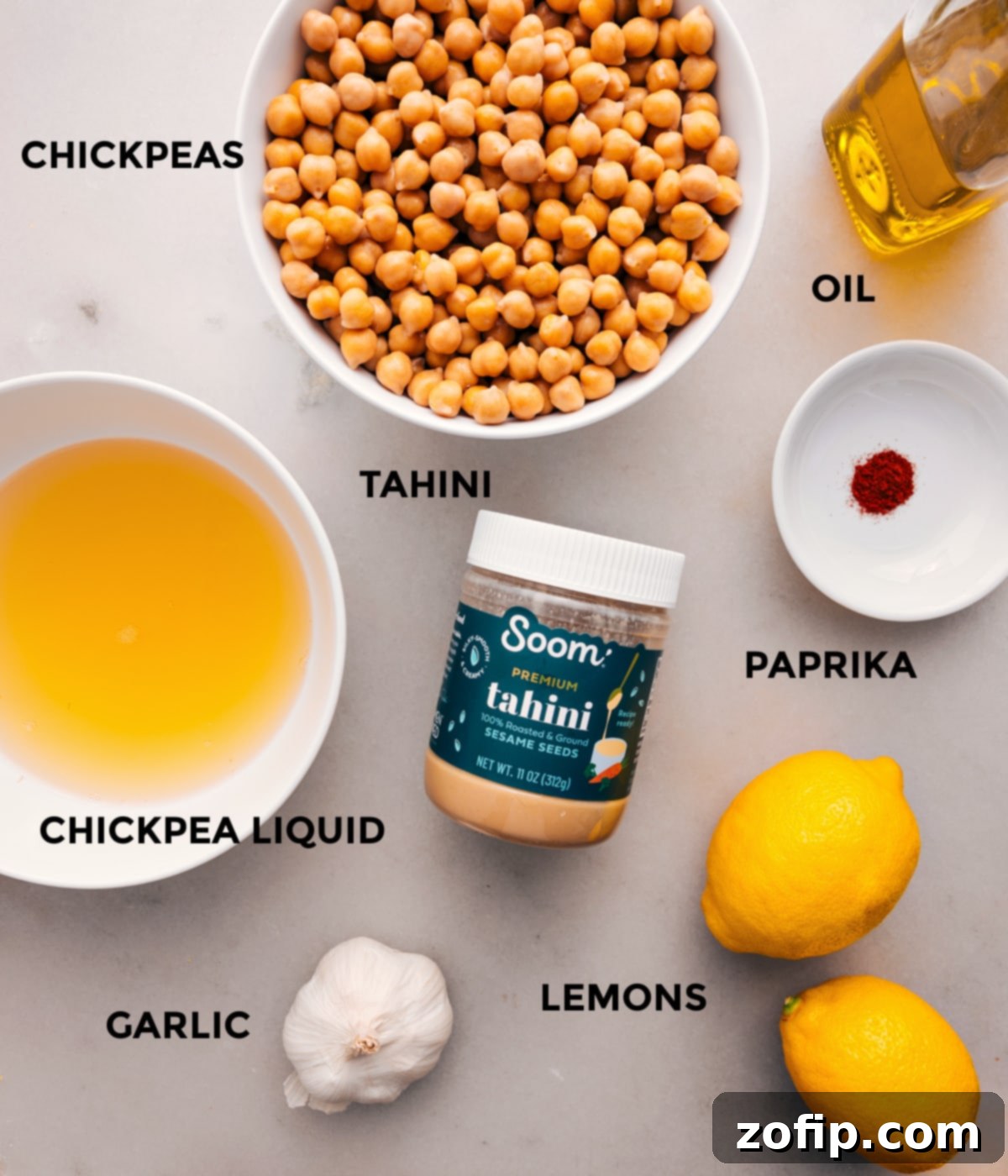
Crafting the perfect hummus starts with selecting fresh, high-quality ingredients. Each component plays a vital role in achieving that rich, creamy texture and vibrant flavor profile. Here’s a closer look at what you’ll need:
- Chickpeas (Garbanzo Beans): While dried chickpeas offer a slightly superior flavor and texture (with more effort), canned chickpeas are a convenient and excellent choice for a quick, delicious hummus. Remember to reserve some of the canning liquid; it’s essential for achieving the perfect creamy consistency without adding extra water. For an ultra-smooth hummus, some even suggest peeling the skins, though a powerful blender can often achieve this without the extra step.
- Fresh Garlic: The pungent, aromatic kick of fresh garlic is indispensable in hummus. Don’t be tempted to use garlic powder; fresh cloves provide a much brighter, more authentic taste. Slicing the garlic before adding it to the blender helps it break down more easily and distribute its flavor evenly throughout the dip.
- Tahini (Sesame Paste): This is the backbone of hummus, contributing its distinct nutty flavor and creamy richness. As we’ll discuss in detail below, the quality of your tahini makes a significant difference. It’s crucial for the authentic Middle Eastern taste and texture.
- Fresh Lemon Juice: Bright, zesty, and essential! Freshly squeezed lemon juice lifts all the flavors in hummus, adding a crucial acidic balance. Bottled lemon juice simply won’t yield the same vibrant results.
- Salt and Black Pepper: These basic seasonings are vital for enhancing all the other flavors. Start with a conservative amount and always taste and adjust after blending. The saltiness of canned chickpeas can vary, so it’s always best to season gradually.
- High-Quality Olive Oil: Primarily used for drizzling generously over the finished hummus, good olive oil adds a luxurious richness and a beautiful sheen. It’s also a key component in the authentic presentation.
- Paprika: A sprinkle of paprika, especially smoked paprika, not only adds a beautiful pop of color but also introduces a subtle, earthy, and slightly smoky flavor that complements the hummus beautifully.
- Pita Chips, Fresh Vegetables, or Warm Bread: Hummus is meant for dipping and spreading! Crispy pita chips, warm flatbread, or an array of fresh, crunchy vegetables like carrots, cucumber, bell peppers, and celery are perfect accompaniments.
Garnishing Your Hummus for the Perfect Finish
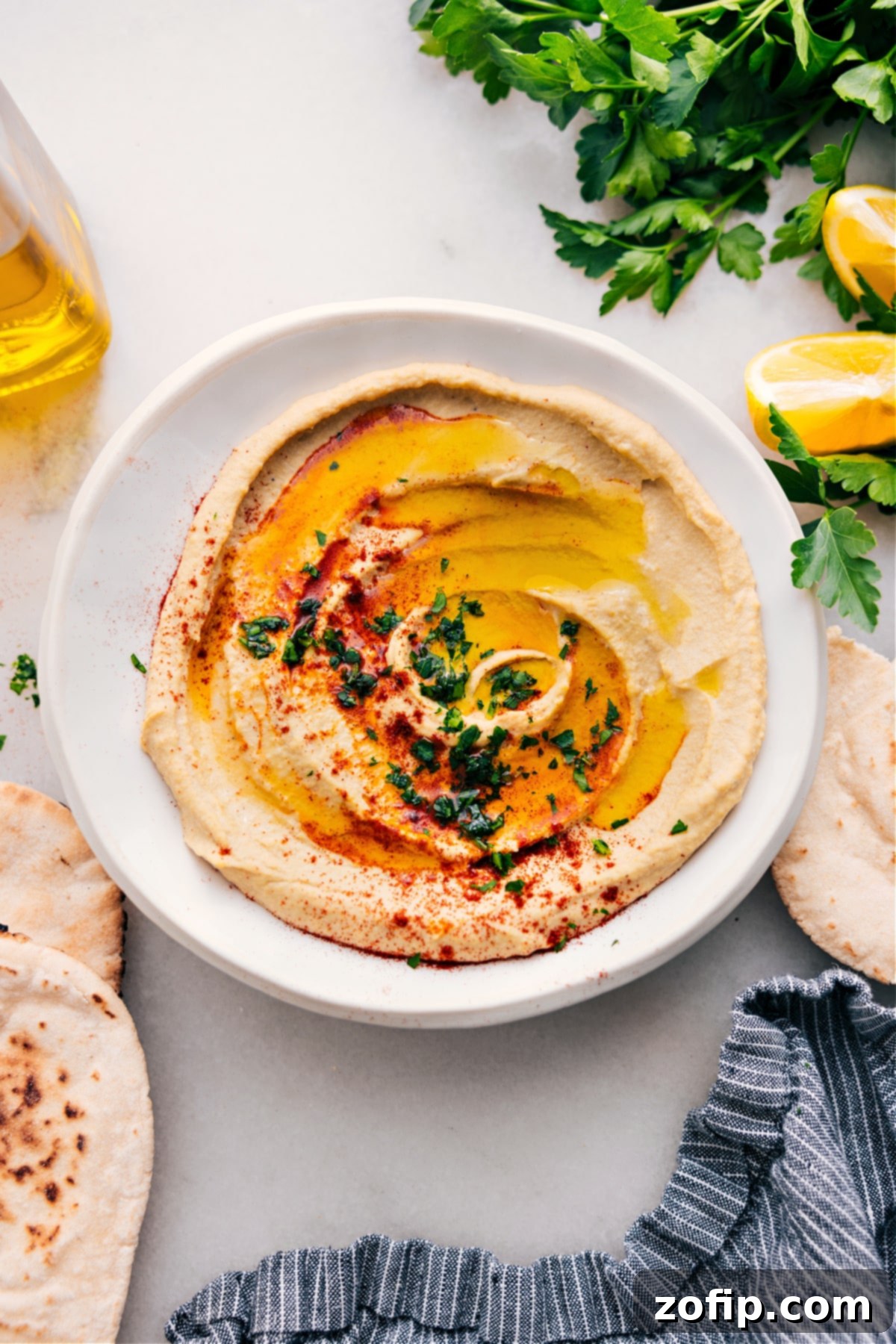
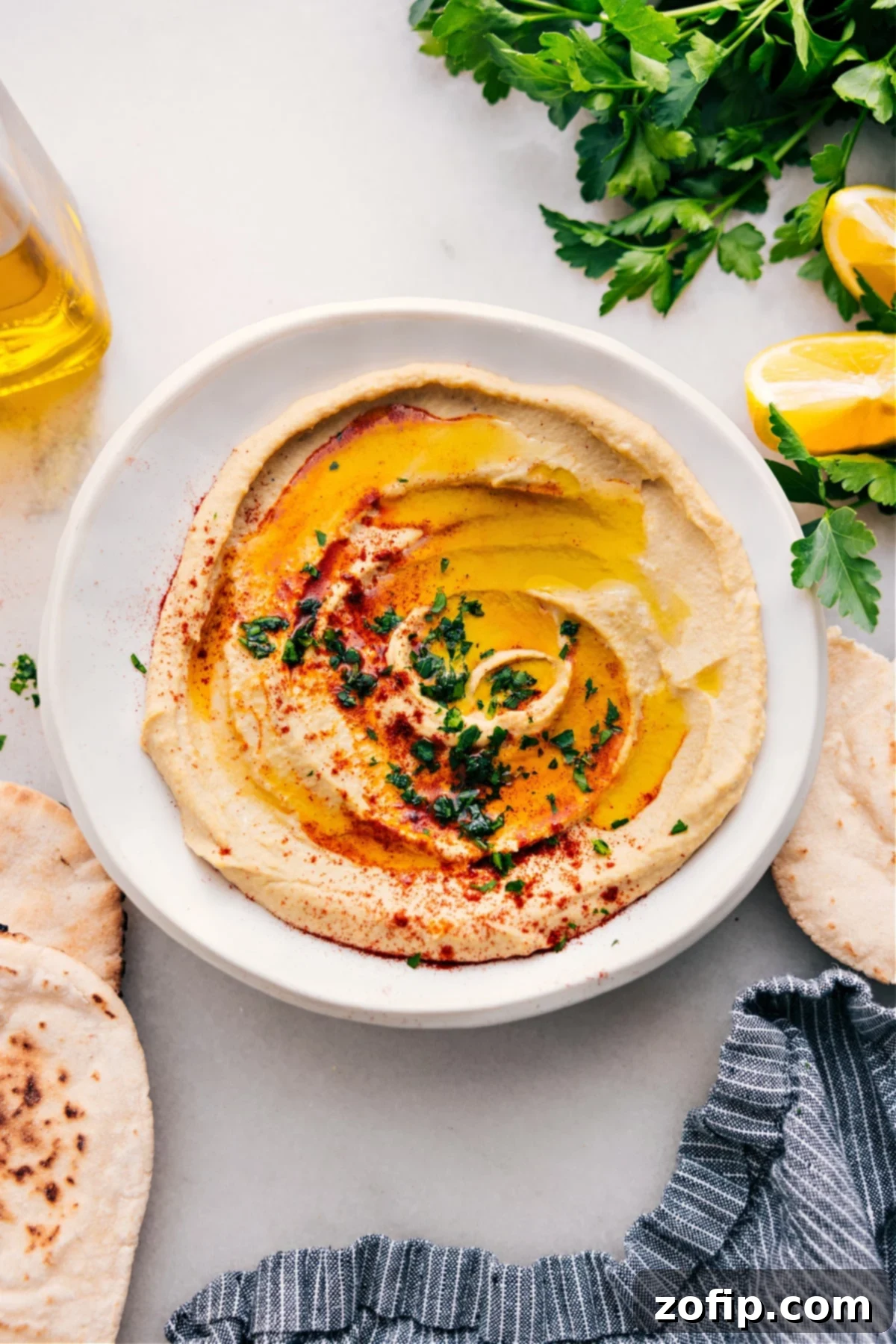
Presentation is key to a truly inviting hummus. After spooning your freshly blended hummus onto a serving plate or shallow bowl, use the back of a spoon to create elegant swirls. This not only looks appealing but also creates small reservoirs for a generous drizzle of olive oil, which will pool beautifully. Finish with a sprinkle of paprika and some freshly chopped parsley for added flavor and a vibrant green contrast. These simple touches elevate your homemade hummus from delicious to dazzling.
The Indispensable Role of Tahini in Authentic Hummus
If you’re aiming for truly authentic, Middle Eastern-style hummus, tahini is not an optional ingredient; it’s absolutely crucial. This rich, creamy paste made from ground sesame seeds provides the distinctive nutty flavor, luxurious texture, and depth that define great hummus. But not all tahini is created equal.
Choosing the Right Tahini
When selecting tahini, always opt for hulled tahini. Hulled sesame seeds have their outer casings removed before grinding, resulting in a smoother, milder, and less bitter paste. Unhulled or “whole-seed” tahini, while nutritious, can impart a significantly more bitter flavor and a grittier texture that is generally not desired in hummus.
The quality of tahini can genuinely make or break your hummus. Some brands are incredibly delicious, offering a smooth, rich, and mellow flavor, while others can be quite bitter or chalky. It’s worth investing in a good quality brand for the best results.
Tahini naturally separates, with a thick, dense paste settling at the bottom and oil rising to the top. Before measuring, it’s vital to stir or shake the jar thoroughly until the oil and paste are fully reincorporated into a uniform, pourable consistency. This ensures consistent flavor and texture in your hummus.
My Recommended Tahini Brands: For consistently excellent results, I highly recommend Mighty Sesame Co.® or Soom Foods® Sesame Tahini. These brands offer a superior flavor profile and smooth texture that will elevate your homemade hummus.
Crafting Your Creamy Homemade Hummus: A Step-by-Step Guide
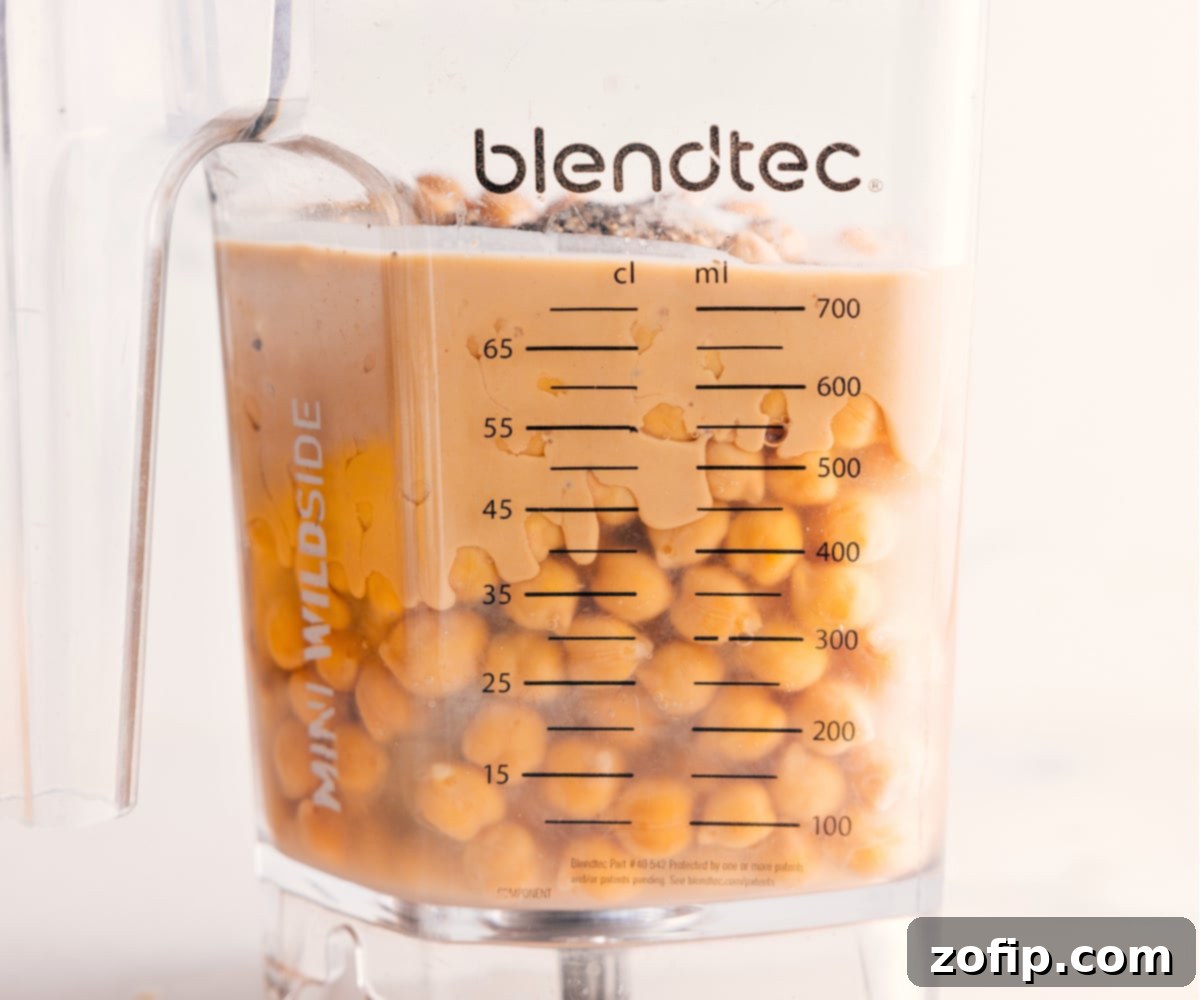
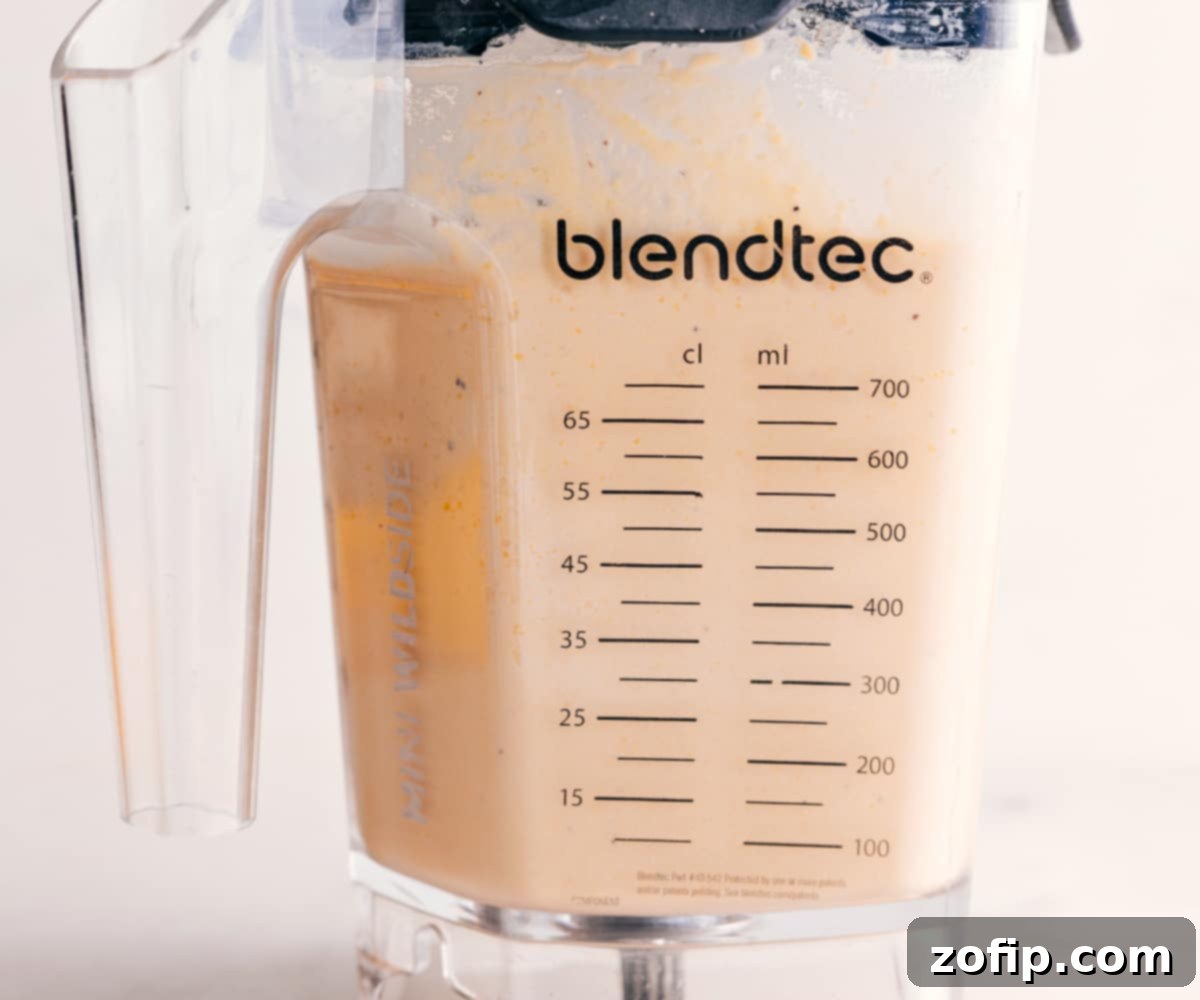
Making hummus from scratch is surprisingly easy, especially with a high-powered blender. The key to achieving that desirable creamy texture, similar to what you’d find in the Middle East, lies in the blending process. While some traditional hummus retains a slight texture from chickpea skins, many prefer a smoother consistency. If you desire an ultra-silky hummus, you can peel the chickpea skins (a time-consuming but effective method). However, a strong blender can often achieve excellent smoothness without this extra step.
Blender vs. Food Processor: Achieving Your Desired Texture
When it comes to equipment, I strongly advocate for a high-powered blender (like a Blendtec® or Vitamix®) over a food processor for this recipe. Blenders are designed to create a much finer, smoother puree, breaking down chickpea skins more effectively. A food processor will certainly make hummus, but it generally yields a thicker, slightly more textured result. If you prefer a hummus with a bit more bite and rustic charm, a food processor might be your preference. For that truly ethereal, light, and creamy hummus, the blender is your best friend.
The Authentic Consistency: Thinner is Better
You might notice that this homemade hummus is slightly thinner than many store-bought varieties. This is intentional and mimics the authentic consistency found in the Middle East, where hummus is often served as a spread rather than a thick dip. Its lighter texture makes it perfect for slathering onto warm pita bread, flatbreads, or as an accompaniment to grilled meats and fresh Israeli Salad.
Serving Temperature Matters: Warm or Cold?
For optimal flavor and creaminess, hummus is best served at room temperature. When chilled, the olive oil and tahini can solidify slightly, making the hummus denser and muting some of its subtle flavors. Allowing it to sit out for about 20-30 minutes before serving will bring out its best qualities, ensuring a richer, more flavorful, and wonderfully spreadable experience.
Storing Your Homemade Hummus for Freshness
- Refrigerator Storage: Store leftover hummus in an airtight container in the fridge for up to a week. If you notice any separation or thickening, simply give it a good stir before serving to restore its creamy texture. A thin layer of olive oil on top can also help prevent it from drying out and forming a crust.
- Freezer Storage: Hummus freezes beautifully! Transfer it to a freezer-safe, airtight container, leaving a little headspace as it may expand slightly. It can be stored for up to 3 months. To thaw, simply move it to the refrigerator overnight, then stir thoroughly before enjoying.
- Toppings After Storage: For the best presentation and flavor, always add fresh olive oil, paprika, and chopped herbs (like parsley) just before serving, not before storing. This keeps your garnishes vibrant and fresh.
Complete Your Middle Eastern Feast: Delicious Pairings!
Salads
Tabouli (Tabbouleh)
Dinner
Baked Falafel
Dinner
Curry Lentil Soup
Dinner
Vegetable Masala

Pin Recipe
Creamy Blender Hummus
Equipment
- High-Powered Blender or food processor (see recipe notes for texture differences)
Ingredients
- 2 (15-ounce) cans chickpeas undrained; reserve liquid (see Note 2 for dried chickpeas)
- 3 garlic cloves sliced (approximately 1 tablespoon)
- 1/2 cup hulled tahini (see Note 3 for brand recommendations and mixing tips)
- Juice of 2 lemons (approximately 1/3 cup fresh lemon juice)
- Salt and freshly ground black pepper (to taste, start with ½ tsp salt and ¼ tsp pepper)
- Extra virgin olive oil (for drizzling on top)
- 1/8 teaspoon paprika (for topping, smoked paprika optional)
- 1 tablespoon finely chopped fresh parsley (optional, for topping)
- Pita chips or fresh vegetables (for serving)
Instructions
- Drain the canned chickpeas, carefully reserving 1 cup of the liquid (aquafaba). Do not rinse the chickpeas. Juice the lemons to yield approximately 1/3 cup of fresh lemon juice.
- Combine the drained chickpeas, ½ cup of the reserved chickpea liquid, sliced garlic, tahini, fresh lemon juice, salt, and pepper into a high-powered blender. Start with ½ teaspoon of salt and ¼ teaspoon of black pepper. The saltiness of canned chickpeas can vary, so you will adjust this later.
- Blend on high for 2–4 minutes until the mixture is exceptionally smooth and creamy. You may need to stop the blender, scrape down the sides, and stir the mixture a few times to ensure everything is thoroughly combined. If the hummus appears too thick, add up to an additional ¼ cup of the reserved chickpea liquid, one tablespoon at a time, until your desired consistency is reached. Taste and adjust seasoning with more salt, pepper, or lemon juice as needed.
- Spoon the finished hummus into a shallow serving bowl. Use the back of a spoon to create attractive swirls on the surface. Drizzle generously with high-quality olive oil, allowing it to pool in the indentations. Finally, sprinkle with paprika and finely chopped fresh parsley (if using) for a vibrant finish. Serve immediately with warm pita chips, fresh vegetables, or your favorite accompaniments.
Recipe Notes & Expert Tips
Note 2: Using Dried Chickpeas for Ultimate Freshness: If you opt for dried chickpeas for an even fresher flavor, start with 1 cup of dried chickpeas and prepare them before blending.
Stovetop Preparation:
- Soak 1 cup of dried chickpeas overnight in plenty of water (they will triple in size).
- Drain the soaked chickpeas, then transfer them to a large pot. Cover with about 2 inches of fresh water and add 1 teaspoon of baking soda (this helps soften the skins).
- Bring to a boil, then reduce heat and simmer gently with the lid slightly ajar for 45-55 minutes, or until very tender. Check every 15 minutes.
- Allow the chickpeas to cool in their cooking liquid, then reserve some liquid before draining for use in the hummus recipe.
Instant Pot Preparation:
- No soaking is needed for Instant Pot cooking. Place 1 cup of dried chickpeas in the Instant Pot and cover with water.
- Cook on high pressure for 50 minutes.
- Allow the pressure to release naturally for 10 minutes, then manually release any remaining pressure.
- Save some of the cooking liquid before draining, as it can be used for adjusting hummus consistency.
Note 3: Tahini Selection and Preparation: Always use hulled tahini; unhulled or whole-seed versions can be quite bitter. Tahini often separates, so stir or shake the jar very well before measuring to ensure a smooth, consistent paste. Recommended brands for superior flavor and texture include Mighty Sesame Co. or Soom Foods Sesame Tahini Paste.
Storage Tips: Store leftover hummus in an airtight container in the fridge for up to a week. To maintain crispiness, keep pita chips in a sealed bag or container at room temperature. For longer storage, hummus can be frozen for up to 3 months; thaw in the fridge and stir well before serving.
Troubleshooting Common Hummus Issues:
- Too Thick? Add more reserved chickpea liquid (or cold water) a tablespoon at a time while blending until desired consistency is reached.
- Too Thin? Add a few more cooked chickpeas or a tablespoon of tahini and blend again.
- Bitter Taste? This often comes from poor quality or unhulled tahini. Ensure you’re using a good quality hulled tahini. You can try adding a pinch of sugar or a bit more lemon juice to balance the bitterness.
- Not Smooth Enough? Continue blending in a high-powered blender, adding a touch more liquid if necessary. Peeling chickpeas before blending can also help, though it’s labor-intensive.
Nutrition Facts
Nutrition information is automatically calculated, so should only be used as an approximation.
Creative Ways to Enjoy Your Delicious Homemade Hummus
Hummus is incredibly versatile and can be enjoyed in so many delicious ways beyond just a simple dip. Here are some inspiring ideas to make the most of your homemade creamy hummus:
- The Classic Dip: The most popular way to enjoy hummus! Serve it with crispy pita chips, warm naan bread, soft flatbread, crunchy crackers, or even pretzels.
- Fresh Veggie Platter: A healthy and satisfying snack. Pair your hummus with a colorful assortment of fresh vegetables such as carrot sticks, celery stalks, cucumber slices, vibrant bell pepper strips, cherry tomatoes, and crisp snap peas.
- Elevated Spreads: Ditch the mayo and use hummus as a flavorful, healthier spread for sandwiches, wraps, or gyros. Its creamy texture and rich taste add an instant Mediterranean flair. Try it with roasted vegetables and feta cheese in a wrap for a quick lunch.
- Nourishing Bowl Base: Create a vibrant and wholesome meal by using hummus as the base for grain bowls. Top it with your favorite roasted vegetables (like sweet potatoes, broccoli, or zucchini), a protein source (grilled chicken, falafel, or chickpeas), and a sprinkle of fresh herbs.
- Savory Topping: Dollop hummus over roasted or grilled meats (chicken, lamb), baked falafel, or grilled halloumi for an extra layer of flavor and moisture. It’s also fantastic spooned over warm grain dishes.
- Mediterranean Breakfast Toast: For a unique and nutritious breakfast, spread hummus generously on toasted bread. Drizzle with a bit more olive oil and sprinkle with za’atar (a Middle Eastern spice blend) for an authentic morning treat.
- Salad Dressing Alternative: Thin out a spoonful of hummus with a little water and lemon juice to create a creamy, flavorful dressing for your salads.
- Stuffing for Vegetables: Hollow out bell peppers or large mushrooms and stuff them with hummus, then bake or grill for a delicious side dish or appetizer.