Air fryers are more than just a kitchen trend; they’re a revolution in healthier, convenient cooking. This versatile appliance allows you to achieve perfectly crispy, delicious foods in less time and with significantly less fat compared to traditional frying methods. It’s a win-win for flavor and wellness! We absolutely love our air fryer and are excited to share everything you need to know. Whether you’re considering a purchase or already own one, this ultimate Air Fryer Guide is packed with essential information, expert tips, and mouth-watering recipes to enhance your culinary journey.
The Ultimate Air Fryer Guide: Cook Healthier, Faster, Crispier
What is an Air Fryer and How Does It Work?
Many people wonder what makes an air fryer different from a conventional oven or stovetop frying. While traditional ovens rely on a stationary heating element, an air fryer takes things a step further. It combines a powerful heating element with a high-speed fan that rapidly circulates hot air around your food. This innovative “rapid air technology” creates a superheated, convection-like environment, similar to a mini convection oven, but often more intense and concentrated due to its smaller size.
This dynamic air circulation is the secret behind the air fryer’s magic. It cooks food more quickly and evenly than conventional methods, effectively mimicking the crispy, golden-brown results of deep frying, but with minimal to no oil. The continuous hot airflow ensures that every surface of your food is exposed to heat, promoting the Maillard reaction – the chemical process responsible for that irresistible crispy texture and rich flavor. The result? Foods that are delightfully crunchy on the outside and tender on the inside, without the excessive grease.
The Role of Oil for Perfect Air Frying Results
One of the biggest advantages of air frying is its ability to drastically reduce the amount of oil needed. Unlike deep frying, which requires submerging food in oil, air frying typically needs just a tablespoon or two, or sometimes even none at all. However, for most dishes, adding a small amount of oil is beneficial. A light coating of oil helps achieve that desired golden color and extra crispiness, enhancing both texture and flavor.
We highly recommend using an olive oil spritzer or a non-aerosol oil mister to apply a fine, even layer of oil. This method allows you to control the amount precisely, preventing oversaturation. It’s important to note that aerosol cooking sprays (like Pam) can contain propellants and additives that may damage the non-stick coating of your air fryer basket over time. Opting for a pump-style sprayer filled with your preferred cooking oil, or simply brushing a thin layer of oil onto your food, is a safer and more effective choice for maintaining your appliance’s longevity.
Choosing the Right Air Fryer: Size and Style
When it comes to selecting an air fryer, size truly matters. Our advice? Go bigger if you can. Most air fryer recipes yield the best results when food is arranged in a single layer, allowing the circulating hot air to reach all surfaces evenly. A larger cooking surface means you can cook more food at once, more efficiently, and achieve a more consistent crisp. Even if you’re primarily cooking for one or two people, a larger capacity air fryer (typically 5-6 quarts or more) offers greater versatility and prevents the need for multiple batches, saving you time and effort. Imagine being able to fit full slices of bread for deliciously grilled air fryer sandwiches, or a whole chicken without overcrowding.
Beyond capacity, air fryers come in two main styles: basket-style and oven-style (or multi-shelf). Basket-style air fryers feature a pull-out drawer with a perforated basket, ideal for shaking and tumbling smaller items like fries, wings, or vegetables. Oven-style air fryers, on the other hand, resemble compact toaster ovens, often featuring multiple racks or trays. These are excellent for larger items such as whole chickens, roasts, or even dehydrating, and allow you to cook different foods simultaneously on separate shelves. While both cook using the same principle, consider your primary cooking needs. If baking cakes or preparing large cuts of meat is a priority, the oven-style might offer more practical space, whereas a basket-style excels at quick, crispy batches.
Mastering Your Air Fryer: Tips for Effortless Cooking
The biggest hurdle for many new air fryer owners is simply getting started. This Air Fryer Guide is designed to demystify the process and boost your confidence! While it’s a new appliance, air frying is incredibly user-friendly. In fact, without vats of boiling oil to manage and dispose of, air fryers are inherently safer than traditional deep frying, making them an excellent tool for beginners and seasoned cooks alike. Just remember to follow the instructions, and you’ll be enjoying crispy delights in no time.
Adjusting Temperatures and Times
Due to the powerful, circulating hot air, foods in an air fryer generally cook faster and often require a slightly lower temperature than conventional oven recipes. A good rule of thumb is to reduce both the cooking time and temperature by about 25% when adapting a standard recipe. For instance, if a recipe calls for baking at 400°F (200°C) for 20 minutes, try 300-325°F (150-160°C) for 15 minutes in your air fryer, checking for doneness. Many handy air fryer cheat sheets are available online, and often included with your appliance, providing quick reference for common foods. While faster than baking or pan-frying, it’s important to remember that air frying is still slower than traditional deep frying, which is often instantaneous.
Essential Air Frying Techniques
Achieving perfect results in your air fryer involves a few key techniques:
- Prevent Lightweight Foods from Flying: The strong circulating air can sometimes cause light items, like the top slice of bread on a sandwich or certain greens, to shift. For the first few minutes, secure lighter components with a toothpick or a small metal rack until they become set.
- To Preheat or Not to Preheat: Preheating isn’t always necessary (check specific recipe instructions), but it can significantly speed up cooking and help achieve a crispier exterior faster. If you’re cooking in batches, the first batch often takes longer as the appliance starts cold. Preheating ensures consistent cooking from the get-go.
- Single Layer and Shaking/Flipping: For optimal crispiness and even cooking, avoid overcrowding the basket. Foods should ideally be in a single layer. For items like fries, nuggets, or vegetables, shaking the basket halfway through the cooking process (or flipping larger items like chicken breasts) ensures all sides are exposed to the hot air, leading to uniformly golden and crispy results.
- Cleaning and Maintenance: To ensure your air fryer performs its best and lasts longer, regular cleaning is crucial. Most baskets and trays are dishwasher safe or can be easily cleaned with warm, soapy water. Always refer to your manufacturer’s instructions for specific cleaning guidelines.
The Health Benefits and Minor Drawbacks of Air Frying
A Healthier Way to Indulge
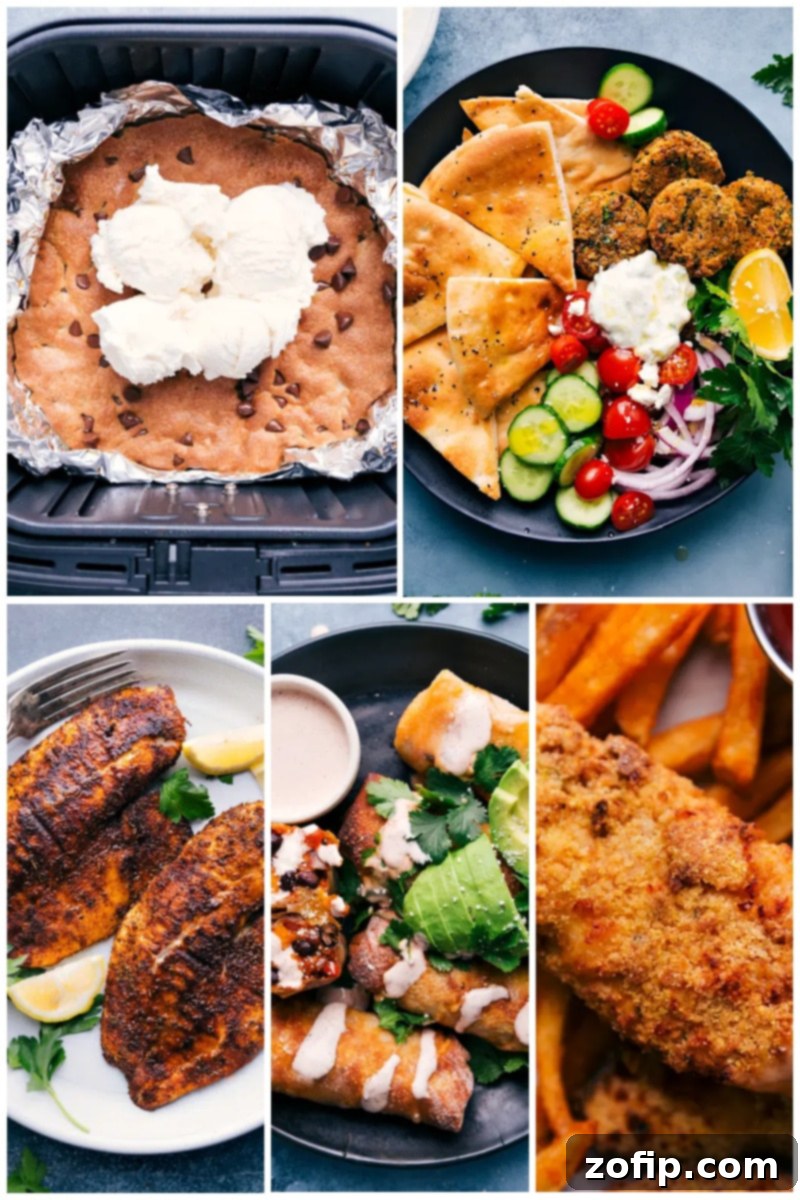
One of the most compelling reasons to embrace air frying is the significant health advantage it offers. By dramatically reducing the need for oil, air fryers transform many of your favorite indulgent foods into healthier alternatives. Dishes like Air Fryer Chicken Tenders, crispy chicken wings, Air Fryer Black Bean Egg Rolls, and classic French fries can all achieve beautiful crispiness with just a fraction of the fat and calories. The air fryer excels at this – **crisping food is truly what air fryers do best!** This allows you to enjoy traditionally fried textures and flavors with less guilt, making it easier to maintain a balanced diet without sacrificing taste.
Considerations and Minor Disadvantages
Like any kitchen appliance, air fryers come with a few considerations. They do occupy some countertop space, which can be a premium in smaller kitchens. While larger models are available, you might still find yourself cooking in batches, especially when preparing meals for a large family or entertaining guests. This requires a bit of planning, but many families quickly adapt to rotating batches. However, for the convenience of healthier, less messy cooking, these minor inconveniences are often well worth it.
It’s also important to manage expectations: an air fryer won’t perfectly replicate the exact texture of deep-fat fried foods. However, if you’re willing to make a few allowances, they are an incredible tool for creating crispy, flavorful meals faster, healthier, and with significantly less splatter and risk of hot oil burns. For us, that’s an undeniable victory in the kitchen!
Air Fryer Guide: Frequently Asked Questions
Air fryers cook food by rapidly circulating superheated air around a small cooking chamber. This strong convection action cooks food quickly and creates a crispy, golden-brown exterior similar to traditional frying, but with minimal oil.
Generally, yes. Air frying uses significantly less fat and oil compared to deep frying or pan frying. This reduction in oil intake typically results in meals with fewer calories and less unhealthy fats, making it a healthier cooking choice for most people.
Air fryers are designed with safety in mind. Most models feature an auto-shutoff mechanism for peace of mind. While the exterior of the unit can get warm during operation, it’s generally not hot enough to cause burns. Crucially, there’s no large vat of hot oil to worry about, eliminating the risk of dangerous splatters. Always follow manufacturer’s cleaning and usage recommendations, typically involving warm soapy water for the basket.
They are similar, but not identical. Both use convection technology to circulate hot air. However, air fryers typically have a smaller cooking area and a much higher speed of air circulation than a standard convection oven. The heating element in an air fryer is often positioned above the food, guiding the airflow differently. This concentrated heat and rapid air movement allow air fryers to cook food faster and achieve crispier results, especially for smaller batches, which is why single-layer cooking is often recommended.
The versatility of an air fryer is remarkable! It can handle almost anything you would bake, fry, roast, or grill. This includes various meats (chicken, fish, steak), eggs, an extensive range of vegetables (from broccoli to potatoes), frozen convenience foods, and even desserts like this air fryer dutch baby. The key is ensuring the food fits comfortably within the cooking basket or trays. You can even make popcorn, provided you use a barrier like foil to prevent kernels from falling through the grates.
It varies by recipe and desired outcome. While not always strictly necessary, preheating can help foods cook more quickly and achieve a crispier exterior from the start. If your recipe calls for it, or if you’re aiming for maximum crispness, a quick 3-5 minute preheat is beneficial. For some foods, especially those with high moisture content, starting cold is perfectly fine. Always check the specific recipe instructions as you gain experience.
Shaking the basket (or flipping larger items) is essential for ensuring even heat distribution and uniform crisping. It’s comparable to tossing ingredients in a hot pan or stirring a dish to prevent burning and promote even cooking. This simple step ensures that all surfaces of your food come into contact with the circulating hot air, preventing some pieces from overcooking while others remain undercooked.
Generally, yes, unless the food already contains sufficient surface fats (like bacon). A very thin coating of oil helps promote browning and crispiness. However, it’s crucial to avoid aerosol cooking sprays, as they can build up and damage the non-stick coating of the air fryer basket over time. Instead, opt for a non-aerosol pump spray or lightly brush your food with a small amount of cooking oil.
While air fryers are incredibly versatile, there are a few exceptions. Fresh, wet batters (like those used for homemade fried chicken or tempura) typically don’t work well, as the powerful circulating air can blow the wet batter off the food before it has a chance to set. For such items, pre-packaged frozen battered foods usually perform better. Also, very large roasts or extremely watery vegetables might not be ideal fits due to space constraints or the need for a different cooking environment.
Delicious Air Fryer Recipes to Get You Started
Ready to put your air fryer to the test? Here are some fantastic recipes to inspire your culinary adventures:
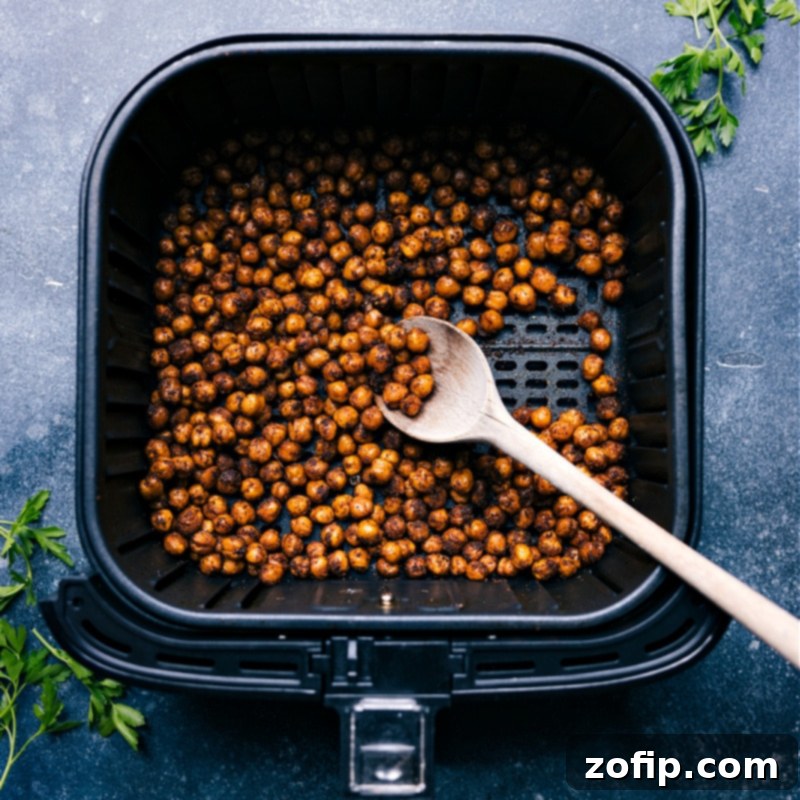
- Air Fryer Chickpeas – A delightfully crispy snack or a perfect crunchy salad topper!
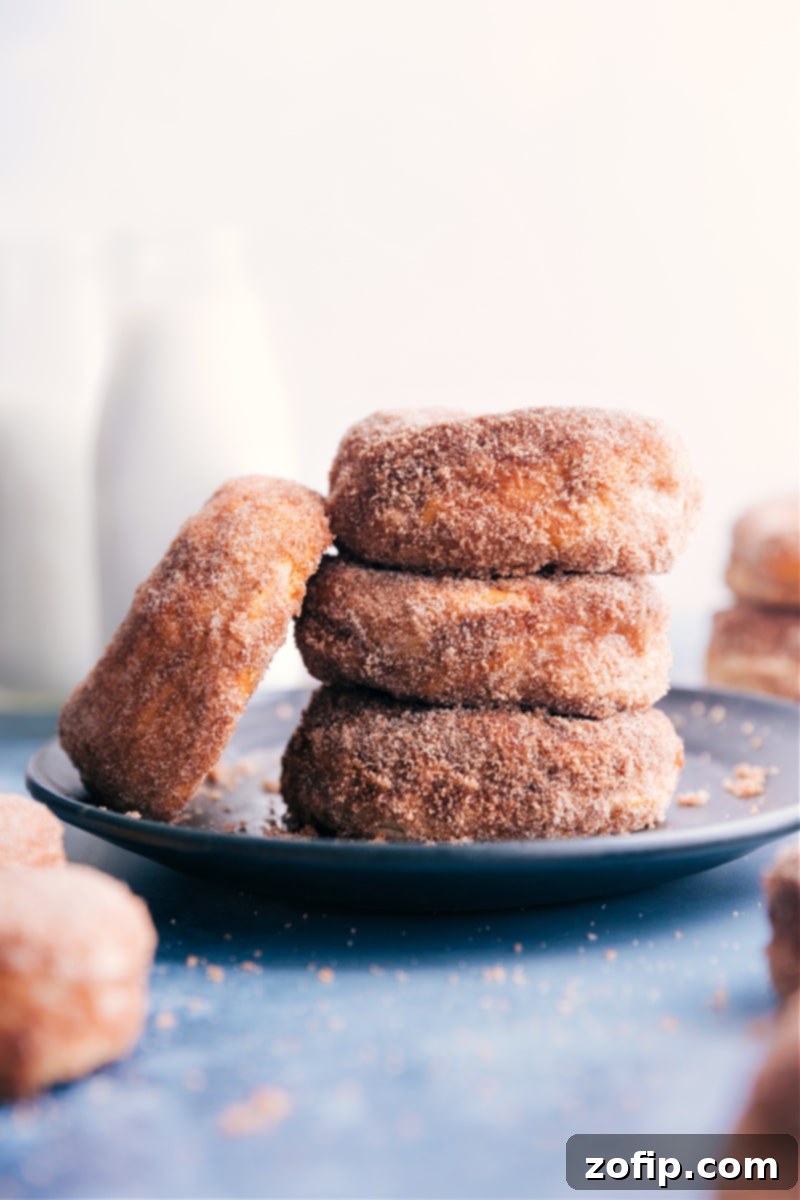
- Air Fryer Donuts – Enjoy warm, fluffy donuts coated in sweet cinnamon sugar without the deep-frying mess.
- Air Fryer Tilapia – Discover two delicious ways to season and cook flaky, tender tilapia.
- Air Fryer Falafel – Our favorite vegetarian lunch, perfectly crispy on the outside and moist inside.
- Air Fryer Pizookie – A gooey, warm chocolate cookie baked right in a pan – a decadent dessert made easy!