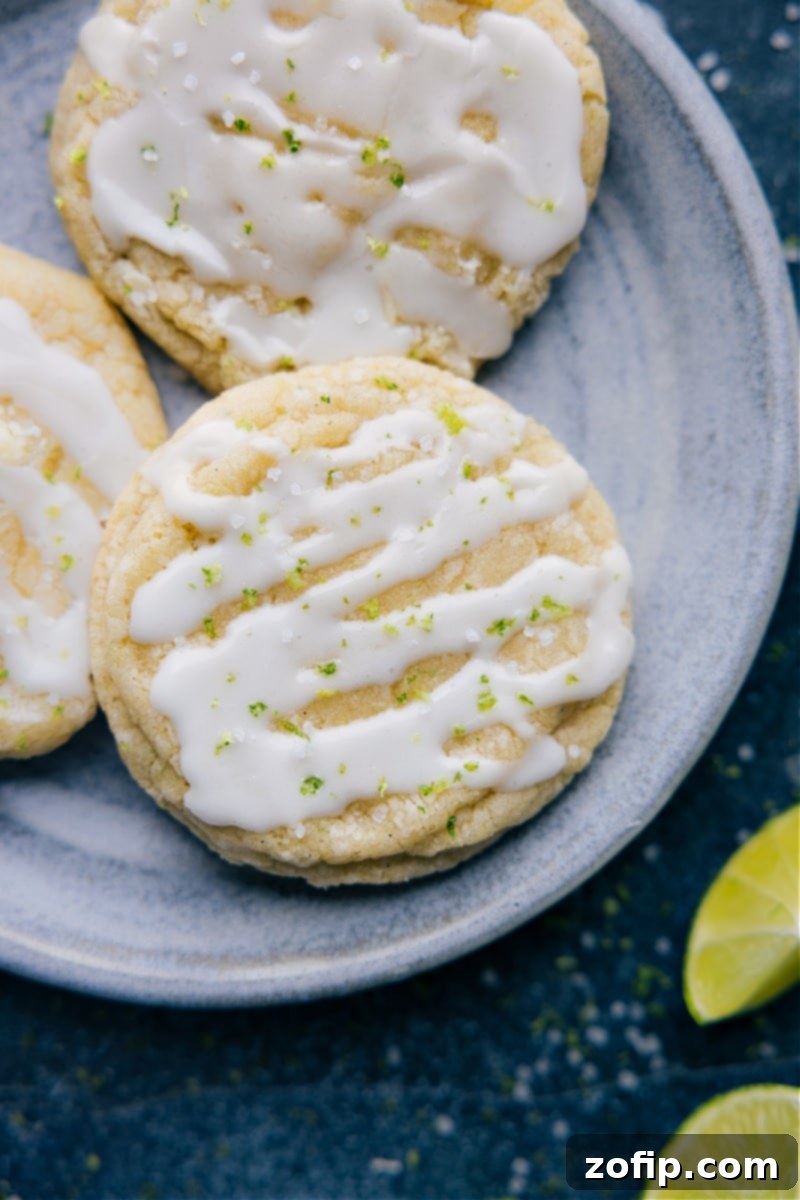
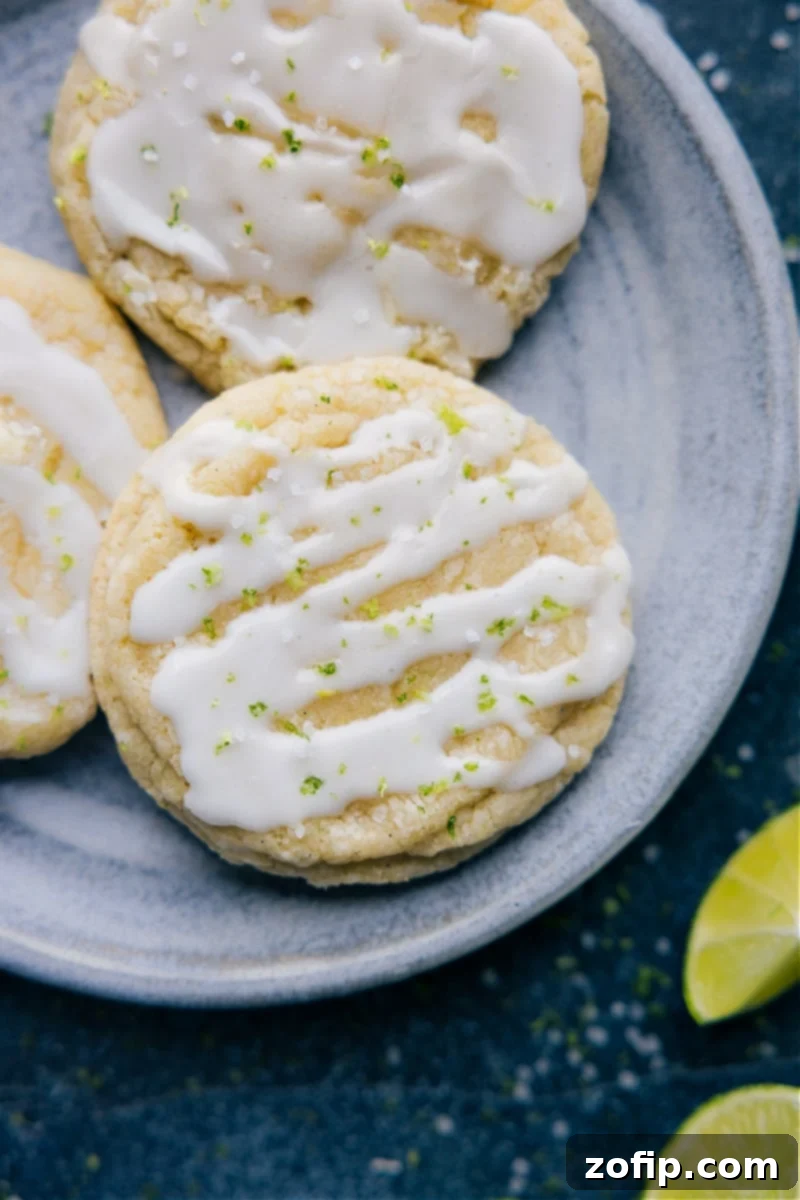
Get ready to indulge in the most delightful and refreshing treat you’ll bake this season: our signature Lime Cookies. These aren’t just any cookies; they are thick, wonderfully chewy, and absolutely bursting with vibrant citrus flavor! Each bite offers a harmonious blend of tangy lime, a subtle whisper of coconut, and a melt-in-your-mouth, bakery-style texture that will have everyone asking for the recipe. Topped with a brilliant, zesty lime glaze, these cookies are a true celebration of fresh, bright flavors.
If you’re a fan of citrus-infused desserts, you’ll definitely want to explore these other fantastic recipes: Classic Key Lime Pie or our delightful Lemon Cheesecake Cookies.

Author’s Note
Sweet, Tart, and Totally Irresistible: My Quest for the Perfect Lime Cookie!
I know, I know. Declaring these the “best” might sound like a bold claim, but please, hear me out. Everyone has their own vision of the perfect cookie, and after years of extensive baking and tasting countless lime cookie recipes, I’ve developed a very discerning palate. Many I tried were either too tart, surprisingly dry, or simply lacked that memorable “wow” factor. It was a journey of trial and error, a pursuit of citrusy perfection.
When I finally landed on this particular version – a cookie that boasts a wonderfully thick, incredibly soft, and satisfyingly chewy texture, all while bursting with an intense and authentic lime flavor – I knew I had stumbled upon something truly special. These cookies embody everything I adore in a citrus-infused treat. The subtle hint of coconut in the dough acts as a fantastic complement to the bright lime, creating a delightful depth of flavor. And that sweet, tangy glaze on top? It’s the crowning glory, bringing all the elements together into a symphony of taste. I genuinely believe these are the most exquisite lime-laced sugar cookies I have ever had the pleasure of baking and eating!
Quick Baking Tip: The Coconut Secret
During my recipe development, I experimented with adding actual shredded coconut to the dough. While tasty, my dedicated taste testers and I unanimously preferred the cookies made with just coconut extract. This method delivers a subtle, aromatic coconut note that perfectly complements the lime without overpowering it. The flavor is wonderfully nuanced, and you can even opt to omit the extract entirely if you prefer a pure lime experience!
Essential Ingredients for Perfect Lime Cookies
Crafting exceptional lime cookies begins with understanding the role of each ingredient. Here are a few key components worth highlighting for their impact on flavor and texture:
- Fresh Lime Zest: Your Flavor Powerhouse. This is where the magic happens! Always use fresh lime zest, carefully grating only the vibrant green outer layer and avoiding the bitter white pith beneath. Lime zest provides an intense, aromatic citrus flavor without adding excess liquid, which could alter the cookie’s texture. Don’t skimp on the zest – the full amount specified is crucial for that bold lime punch!
- Coconut Extract: The Secret to Depth (Optional, but Recommended). While optional, a touch of coconut extract adds a beautiful depth and complexity to the cookies, much like vanilla extract enhances other baked goods. It introduces a subtle, tropical undertone that harmonizes wonderfully with the lime, making these cookies truly unique. You can typically find it alongside other baking extracts in your local grocery store.
- High-Quality Unsalted Butter: The Foundation of Flavor and Texture. For the best possible flavor and an incredibly tender crumb, always opt for high-quality unsalted butter. Ensure your butter is at room temperature – soft enough to indent with your finger but not melted – as this is critical for proper creaming with the sugar, which creates air pockets for a light and fluffy cookie. Using butter straight from the fridge or melted butter will drastically change the outcome.
- Granulated Sugar: Beyond Sweetness. Sugar not only sweetens the cookies but also contributes to their tenderness and helps with browning. When creamed with butter and lime zest, it works to create a light and airy base for the dough.
- Large Eggs: For Structure and Moisture. Eggs bind the ingredients together, add moisture, and contribute to the cookie’s structure. Using room-temperature eggs helps them incorporate more evenly into the batter, preventing a dense texture.
- All-Purpose Flour: The Structural Backbone. Correctly measuring your flour is paramount. Too much can lead to dry, crumbly cookies, while too little can make them spread too much. Using a food scale (400g) is the most accurate method for consistent results.
- Baking Powder & Sea Salt: Leavening and Flavor Balance. Fresh baking powder ensures your cookies rise beautifully and achieve that desirable fluffy texture. A touch of fine sea salt not only enhances all the other flavors but also balances the sweetness of the sugar and the tartness of the lime.
Flavorful Variations: Lemon-Lime Cookies
Craving a different citrus twist? Easily transform these into delightful lemon-lime cookies! Simply replace the coconut extract with pure lemon extract. For a truly vibrant lemon flavor, increase the amount to 2 full teaspoons of high-quality lemon extract. This simple swap offers a bright, refreshing alternative while maintaining the fantastic texture of the original recipe.
The Science of Cookie Texture: Soft vs. Hard
Achieving the perfect cookie texture is an art and a science. Several factors intricately come into play, influencing whether your lime cookies turn out wonderfully soft and chewy or crisp and firm:
- The actual ingredients used: The ratio of wet to dry ingredients, type of sugar, and fat content all play a crucial role. For instance, more fat and brown sugar often lead to softer cookies.
- The size of the cookie dough balls: Larger dough balls tend to yield thicker, chewier cookies with softer centers because they take longer to bake through.
- How long the dough is chilled: Chilling solidifies the butter, preventing excessive spreading during baking and contributing to a thicker, chewier cookie.
- The temperature of the oven and how long cookies are baked for: This is arguably the most critical factor. Baking at a slightly lower temperature or for a shorter duration can preserve moisture, resulting in a softer cookie.
For these exquisitely soft and chewy Lime Cookies, I specifically design the recipe to use a moist dough and recommend making generous-sized dough balls. However, the absolute, number one secret to consistently soft cookies? Do not overbake them! Cookies continue to cook slightly as they cool on the hot baking sheet, so removing them when the edges are just set and the centers still look a little soft is key.
Achieving Fluffy Cookies: Key Techniques
Beyond softness, a light and fluffy texture can elevate a cookie from good to extraordinary. Here’s how to ensure your lime cookies rise beautifully and maintain a delightful loft:
- Fresh Baking Agents: Always use fresh baking powder and baking soda (if applicable). These leavening agents lose their potency over time, which can result in flat, dense cookies. A simple trick to check if your baking powder is still active is to mix a teaspoon with a bit of hot water; if it fizzes, it’s good to go!
- Creaming Room-Temperature Butter with Sugars: This foundational step is vital. Creaming softened (not melted!) butter with granulated sugar incorporates air into the mixture, creating tiny pockets that expand in the oven, leading to a lighter, fluffier texture. Ensure your butter is truly at room temperature for optimal aeration.
- Using Room-Temperature Eggs: Just like butter, room-temperature eggs disperse more evenly throughout the batter and trap air more efficiently when beaten, contributing to a lighter, more uniform crumb. Take them out of the fridge at least 30 minutes before you start baking.
- Chilling the Dough: While chilling primarily helps prevent spreading, it also plays a role in fluffiness. As the dough chills, the fats solidify, and the flour has more time to hydrate, which can lead to a slightly taller, less spread-out cookie with a more tender texture. This also helps the flavors meld and deepen.
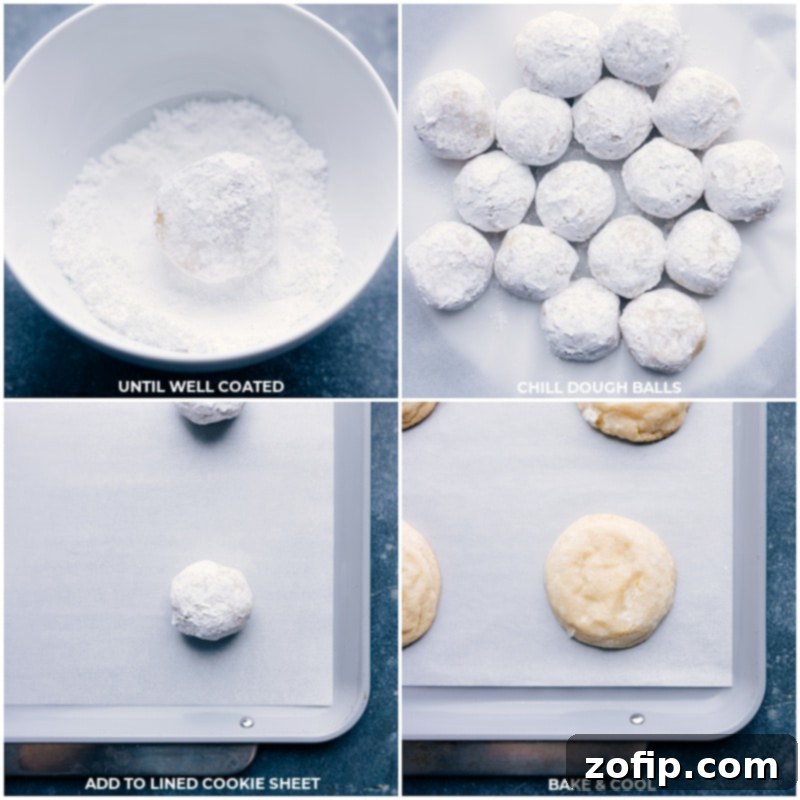
Crafting the Perfect Lime Cookies: Step-by-Step Guide
Making these irresistible lime cookies from scratch is a rewarding experience. Follow these essential tips for a truly successful and delicious batch:
- Precision is Key: Use a Food Scale for Flour. Baking is a science, and accuracy makes all the difference. While measuring cups can be inconsistent, using a food scale to measure 400 grams of flour ensures you have the exact amount needed for the perfect cookie texture. This also helps in portioning even dough balls, which leads to uniform baking and a professional, appealing look.
- Cool Completely for Best Results: Once baked, transfer your cookies to a wire rack to cool fully. Cooling cookies on the hot baking sheet for too long or placing them directly on a flat surface can trap steam, making the bottoms soggy and compromising their crisp edges and soft centers. Patience during cooling will be rewarded!
- Optimize Your Baking Surface: Parchment Paper or Silicone Liner. Always bake your cookies on parchment paper or a high-quality silicone baking mat. This not only prevents sticking, ensuring easy removal, but also promotes more even baking by creating a slight buffer between the pan and the dough. Plus, cleanup becomes an absolute breeze!
- Don’t Rush the Chill Time: Chilling the dough is critical for flavor development and preventing excessive spreading. It allows the butter to firm up and the dry ingredients to fully hydrate, resulting in a thicker, chewier cookie with a more intense lime flavor.
- Bake in Batches: Overcrowding your baking sheet can lead to uneven baking and cookies that spread into each other. Bake a limited number of cookies (e.g., 6) at a time, allowing them enough space to puff up and brown properly.
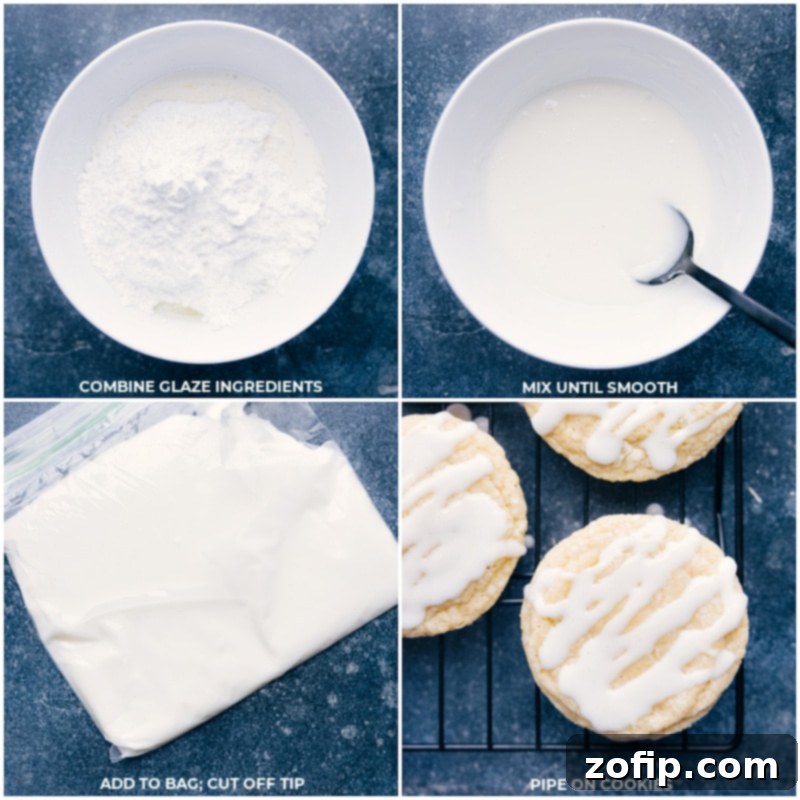
Smart Storage Solutions for Soft Lime Cookies
Keeping Your Lime Cookies Fresh
- Freeze the Dough, Not the Baked Cookies: For optimal freshness and texture, it’s best to freeze the raw dough rather than fully baked cookies. Shape your dough into balls as directed, then place them on a parchment-lined baking sheet and freeze until solid. Once frozen, transfer the dough balls to an airtight freezer-safe container or a heavy-duty freezer bag. They will keep beautifully for up to 3 months, ready for whenever a cookie craving strikes!
- Bake from Frozen for Instant Gratification: When you’re ready to bake, there’s no need to thaw the dough balls. Simply place them on a prepared baking sheet and add a few extra minutes (typically 2-5 minutes) to the regular baking time. Bake until the edges are lightly golden and the centers are still wonderfully soft. This method ensures freshly baked cookies with minimal effort.
- Prepare the Glaze Fresh: The vibrant lime glaze is best when made fresh just before serving. It does not freeze well, as freezing and thawing can cause it to separate or become grainy, losing its smooth, glossy texture.
- Storing Baked Cookies: Once baked and glazed, store these lime cookies in an airtight container at room temperature for up to 3-4 days. For longer storage, you can refrigerate them, but allow them to come to room temperature before serving for the best texture and flavor.
Explore More Delicious Dessert Recipes:
Desserts
Cream Cheese Fruit Dip
Beverages
Orange Julius (Skinny Orange Creamsicle Smoothie)
Desserts
Healthy Blueberry Ice Cream
Desserts
Classic Cheesecake Bars Recipe

Print Recipe
Lime Cookies
Chelsea Lords
30
15
40
1
25
16 cookies
Video
Equipment
- Stand mixer
- Large sheet pan (15″ x 21″)
- Parchment paper or silicone baking mat
Ingredients
- 16 tablespoons unsalted butter (1 cup, room temperature; do not melt!)
- 1-1/2 cups granulated sugar
- 3 large limes (for zest, see note 1)
- 2 large eggs
- 1-1/2 teaspoons coconut extract (optional, see note 2)
- 1-1/2 teaspoons vanilla extract (see note 3)
- 2 teaspoons baking powder
- 1 teaspoon fine sea salt
- 3 cups all-purpose flour (see note 4)
- 1/2 cup powdered sugar
- 1 lime (for lime juice; juice 1 of the limes used for the cookies)
- 1-1/2 cups powdered sugar
- 1 tablespoon heavy cream
- 1/16 teaspoon salt
Instructions
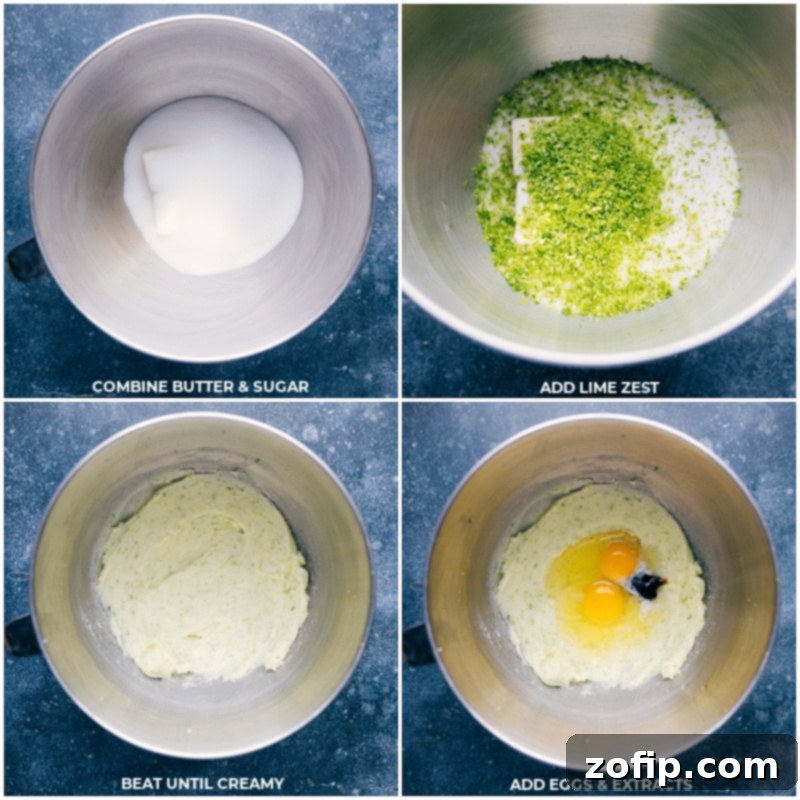
- In the bowl of a stand mixer fitted with the paddle attachment, add the softened unsalted butter. Add the granulated sugar and 3 tablespoons of fresh lime zest. Beat these ingredients together on medium speed for 2–3 minutes until the mixture is light, fluffy, and well combined. Scrape down the sides of the bowl with a spatula, then add the large eggs, vanilla extract, and optional coconut extract. Beat again until all ingredients are just combined and smooth.
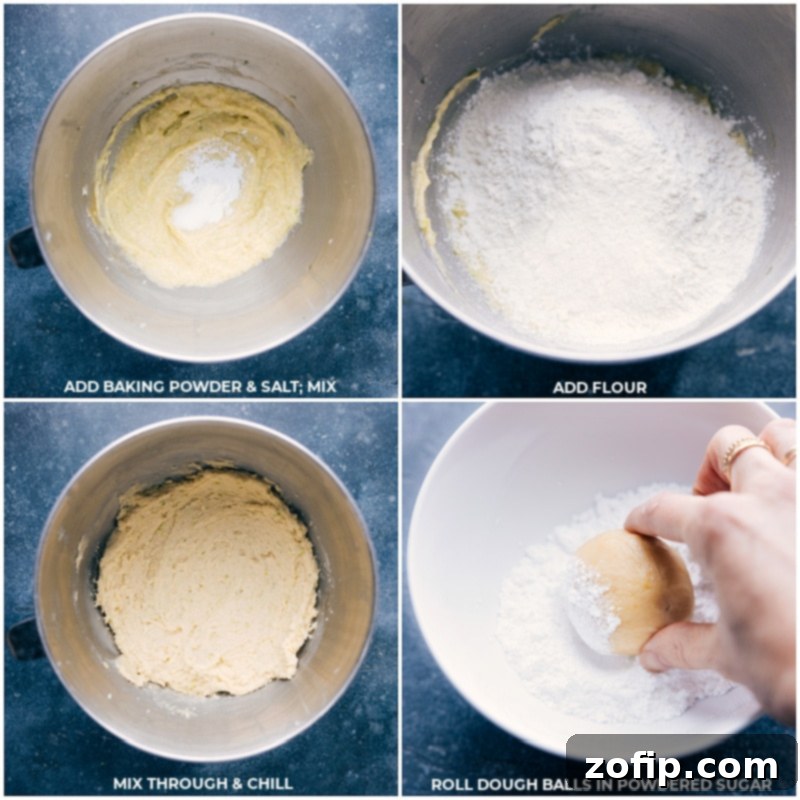
- Once again, scrape down the sides of the bowl. Add the baking powder and fine sea salt, mixing briefly to incorporate. Gradually add the all-purpose flour, beating on low speed until just combined. Be careful not to overmix the dough; stop as soon as no streaks of flour remain to ensure tender cookies.
- Cover the cookie dough bowl tightly with plastic wrap and chill it in the refrigerator for at least 20 minutes. While the dough chills, line a large plate or small baking sheet with parchment paper.
- After chilling, portion the dough into 1/4 cup (approximately 60g) balls. Aim for 16–18 cookies of this size, as this specific dimension is crucial for achieving the desired thick, chewy texture (see note 5 for more details on cookie size). Roll each dough ball generously in the 1/2 cup of powdered sugar, ensuring it’s fully coated. Place the coated dough balls onto the parchment-lined plate.
- Return the sugared dough balls to the refrigerator for another 20 minutes, or place them in the freezer for 10 minutes. This second chill helps prevent spreading and results in a thicker cookie. Meanwhile, preheat your oven to 325°F (162°C). Line a large sheet pan with fresh parchment paper or a silicone baking liner.
- Arrange 6 cookies at a time on the prepared baking pan, ensuring adequate spacing between them as they will spread. Bake for 10–15 minutes. The cookies are ready when they are visibly puffed, no longer appear gooey on top, and have lightly browned edges. To maintain their signature soft and chewy texture and vibrant flavor, it’s crucial to avoid overbaking. Let the baked cookies stand on the hot baking pan for 5 minutes before carefully transferring them to a wire rack to cool completely. Only apply the glaze once the cookies are entirely cool. Repeat this process for any remaining dough, or save it for later (refer to the storage tips).
- To make the Glaze: In a medium bowl, whisk together 2 tablespoons of fresh lime juice, the 1-1/2 cups of powdered sugar, 1 tablespoon of heavy cream, and a pinch of salt until the mixture is completely smooth and free of lumps. For easy application, transfer the glaze to a resealable plastic bag, seal it, and snip a tiny corner off the tip. Drizzle the glaze artfully over the cooled cookies. For an extra touch of beauty and flavor, you can optionally sprinkle a bit more lime zest over the glazed cookies. Enjoy these delightful treats at room temperature or chilled, according to your preference.
Recipe Notes
Note 2: The Role of Coconut Extract. While optional, the coconut extract subtly enhances these cookies, adding a nuanced, tropical dimension that pairs beautifully with the lime. It truly gives these cookies a more complex and appealing flavor profile. You can typically locate coconut extract in the baking aisle of most grocery stores, usually near the vanilla extract and other spices. If you prefer a pure lime flavor or don’t have extract on hand, feel free to omit it.
Note 3: Vanilla Extract vs. Vanilla Bean Paste. For a richer, more pronounced vanilla flavor, I often opt for vanilla bean paste (using 1 teaspoon) instead of standard vanilla extract. The paste offers visible specks of vanilla bean and a more intense, aromatic flavor. However, high-quality vanilla extract will work perfectly fine, so use whichever you prefer or have on hand.
Note 4: The Importance of a Food Scale for Flour. Accurate flour measurement is paramount for consistent baking results, especially with cookies. Using a food scale to measure 400 grams of all-purpose flour is far more reliable than using measuring cups, which can vary wildly depending on how the flour is scooped and leveled. Precise measurement ensures uniform cookie dough balls, which in turn leads to even baking and that desirable bakery-quality look and texture.
Note 5: Why Cookie Size Matters. For these lime cookies, portioning the dough into 1/4 cup (approximately 60 grams) balls is essential for achieving their signature thick, chewy texture and soft centers. While you might be tempted to make smaller cookies, please note that reducing their size will significantly alter the final texture, making them thinner and potentially crispier. Yes, they are big cookies, but trust the process – this size is absolutely perfect for the ultimate lime cookie experience!
Storage: Expert Tips for Freshness. To enjoy the best flavor and texture, it’s recommended to freeze the raw dough rather than fully baked cookies. To do this, shape your dough into balls, place them on a baking sheet, and freeze until they are solid. Once firm, transfer the frozen dough balls to an airtight container or a heavy-duty freezer bag, where they can be stored for up to 3 months. When ready to bake, simply bake them directly from frozen, adding a few extra minutes to the baking time (until the edges are lightly browned and the centers remain soft). The lime glaze should always be made fresh just before serving, as it does not freeze well and can become separated or grainy upon thawing. Baked cookies can be stored in an airtight container at room temperature for 3-4 days.
Nutrition
Serving:
1
serving
|
Calories:
295
kcal
|
Carbohydrates:
46.8
g
|
Protein:
3
g
|
Fat:
11.1
g
|
Cholesterol:
48.2
mg
|
Sodium:
140.6
mg
|
Fiber:
0.7
g
|
Sugar:
29.9
g
Nutrition information is automatically calculated and should be used as an approximation. Individual results may vary.
Love these cookies? Leave a comment and a rating below!
Your feedback helps us create more delicious recipes!