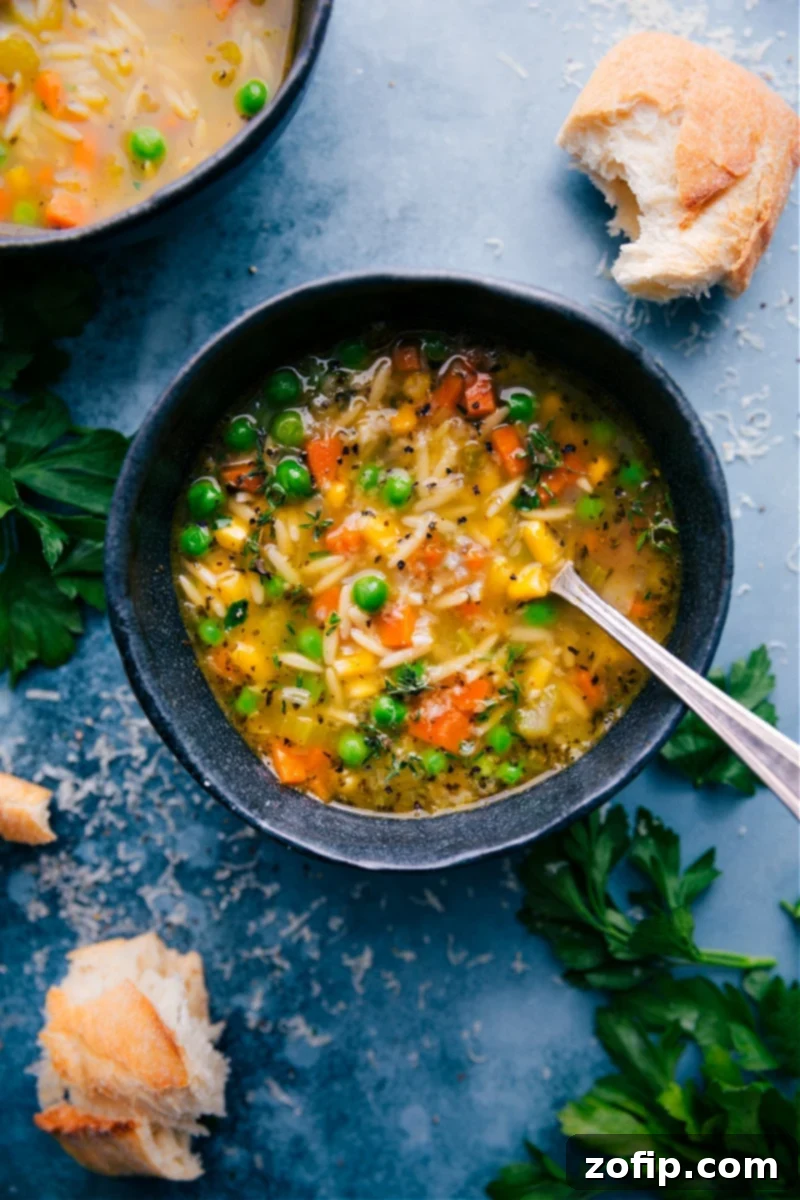
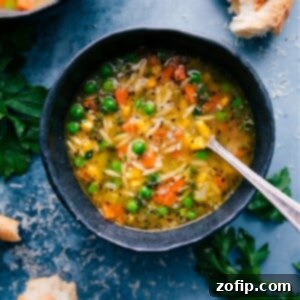
Vegetable Noodle Soup is a cherished recipe, renowned for its incredible ease and heartwarming flavors, all prepared in a single pot. Bursting with fresh vegetables, delicate orzo pasta, and a hint of rich Parmesan cheese, this soup is a true family favorite. Pair it with a slice of warm, crusty bread, and get ready to enjoy a deeply satisfying meal that tastes like it simmered all day!
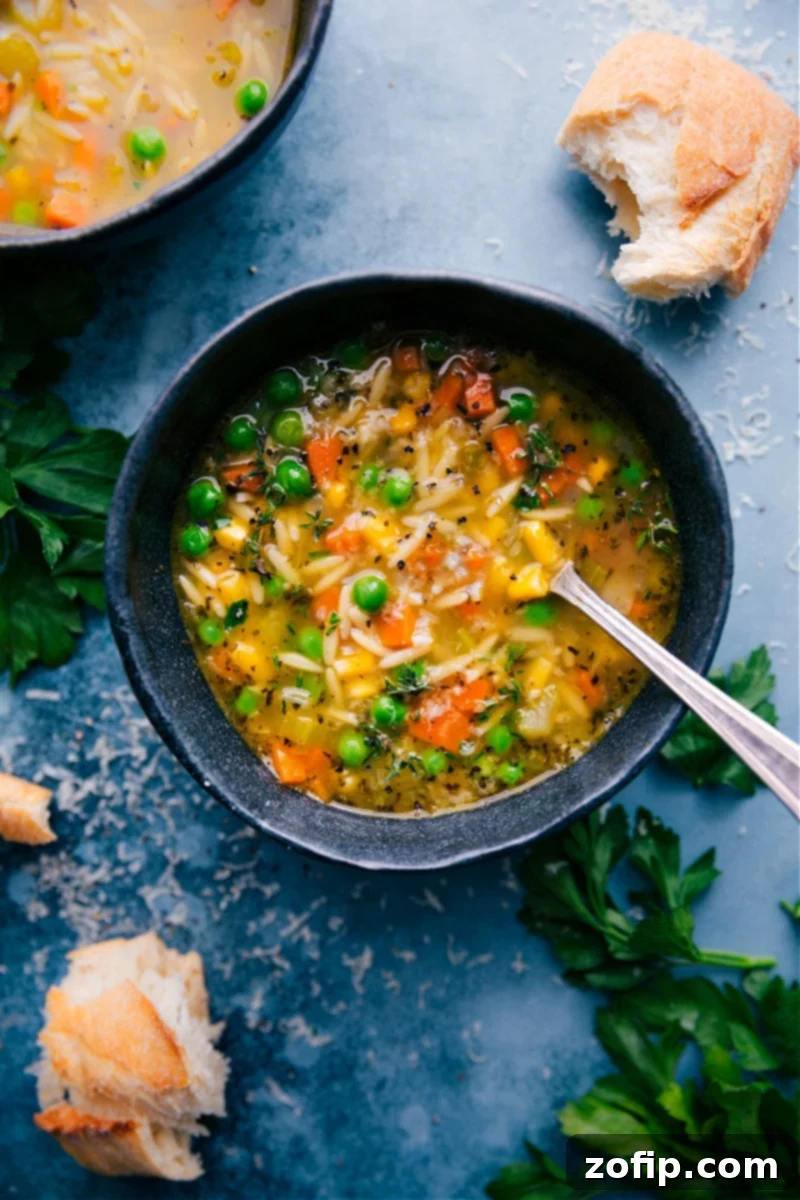

Author’s Insight
Pure Comfort In A Bowl: The Magic of One-Pot Vegetable Noodle Soup!
For me, this Vegetable Noodle Soup recipe is a weekly staple, especially on those hectic evenings when I need a meal that’s not only warm and filling but also universally loved by my family. My kids are absolutely enchanted by the tiny orzo pasta – they affectionately call it “rice pasta!” – and I adore how effortlessly this entire meal comes together in one single pot. It’s a win-win, offering maximum flavor with minimal cleanup.
The true secret to elevating this simple soup into something extraordinary came to me one evening when I discovered some leftover Parmesan rinds tucked away in the fridge. On a whim, I tossed one into the simmering broth. The result was transformative! The rind slowly melted into the soup, infusing it with an incredible depth of salty, umami-rich flavor that made the soup taste like it had been lovingly simmered for hours. Since that day, adding a Parmesan rind has become my signature move, taking a humble veggie soup to gourmet heights.
This recipe isn’t just about a quick meal; it’s about creating a moment of pure comfort and satisfaction. It’s a healthy, hearty option that proves delicious, wholesome food doesn’t have to be complicated. Whether you’re a busy parent, a student, or simply looking for an effortless yet flavorful dinner, this one-pot wonder is sure to become a beloved addition to your recipe collection.
Quick Tip: Get Creative with Orzo Leftovers!
Orzo pasta isn’t just for soup! If you find yourself with extra, don’t let it go to waste. This versatile pasta can be the star of many delicious dishes. Transform your leftover orzo into a delightful one-pot Chicken Orzo, a hearty Italian Sausage Orzo Soup, or a refreshing, lemon-dressed Orzo Pasta Salad. Each offers a unique way to enjoy this tiny, delightful pasta.
Key Ingredients for Your Perfect Vegetable Noodle Soup
Crafting the perfect One-Pot Vegetable Noodle Soup starts with selecting quality ingredients. Each component plays a vital role in building the soup’s robust flavor profile and comforting texture. Here’s a detailed look at the essentials and how to make the best choices:
| Ingredient | Why It Matters / Smart Swap & Tip |
|---|---|
| Orzo Pasta | This small, rice-shaped pasta is ideal for absorbing the delicious broth without becoming too heavy. Its diminutive size makes it kid-friendly and ensures even distribution throughout the soup. If orzo isn’t available, other small pastas like ditalini, small shells, or elbow macaroni work wonderfully. Cook until just al dente for the best texture. |
| Fresh Veggies (Onion, Carrots, Celery) | These aromatic vegetables form the classic “mirepoix” base, essential for building deep flavor. Dice them finely and uniformly to ensure they cook evenly and integrate seamlessly into every spoonful. For added color and nutrition, consider swapping zucchini with yellow squash or incorporating diced bell peppers. Always opt for fresh, firm vegetables for optimal taste and texture. |
| Frozen Veggie Mix (Peas, Corn, Green Beans) | A frozen vegetable medley is a fantastic shortcut for adding extra nutrients and vibrant color to your soup without extensive prep. Peas, corn, and green beans are excellent choices, providing natural sweetness and a pleasant textural contrast. Keep a bag in your freezer to stir in during the final minutes of cooking, ensuring they remain bright and tender-crisp. |
| Parmesan Rind | This is your secret weapon for an incredibly rich, savory broth. A Parmesan rind, often discarded, is packed with umami and slowly releases its salty, nutty essence as it simmers. If you don’t have a rind, stir in 2-3 tablespoons of freshly grated Parmesan cheese at the end of cooking for a similar flavor boost. Ask your local cheese counter for rinds; they often sell them cheaply! |
| Chicken or Vegetable Stock | The quality of your stock profoundly impacts the overall taste of your soup. Choose a good quality chicken or vegetable stock (such as Swanson® for chicken). Low-sodium options are preferable as they allow you to control the saltiness of the finished soup, letting the natural flavors shine through. |
| Garlic & Italian Seasoning | These pantry staples are crucial for layering Mediterranean flavors into the soup. Freshly minced garlic adds pungent depth, while a balanced Italian seasoning blend provides aromatic herbs like oregano, basil, and thyme, unifying the vegetable flavors. |
| Bay Leaves | Bay leaves contribute a subtle, herbaceous note that adds complexity to the broth. Remember to remove them before serving, as they are not meant to be eaten. |
Crafting Your Delicious One-Pot Vegetable Noodle Soup: Step-by-Step
Creating this flavorful and hearty Vegetable Noodle Soup is remarkably simple. Follow these easy steps to bring this comforting meal to your table in under an hour. Remember, the key is to build flavors at each stage for a truly satisfying result.
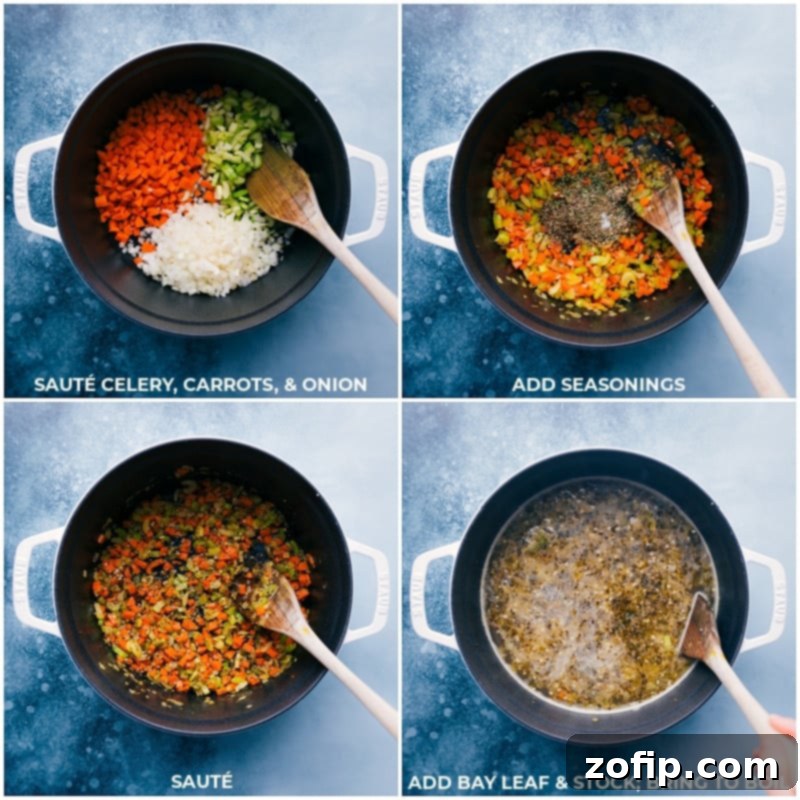
- Sauté the Foundation Veggies: Begin by heating two tablespoons of olive oil in a large (at least 5.5-quart) heavy-bottomed pot or Dutch oven over medium heat. Once shimmering, add your finely diced onion, carrots, and celery. Sauté, stirring occasionally, for 7-9 minutes, or until these vegetables are tender-crisp and slightly softened, but not browned. This step is crucial for developing the foundational flavors of your soup. Reduce the heat if you notice any browning.
- Infuse with Aromatics and Seasonings: Stir in one tablespoon of finely minced garlic, along with 1 teaspoon of Italian seasoning, 1/2 teaspoon each of dried thyme, dried basil, dried oregano, and dried parsley. Season generously with salt and pepper to taste (start with about 1/4 teaspoon of each and adjust later). Cook for another 30 seconds, stirring constantly, until the garlic is fragrant and the spices are lightly toasted, enhancing their aroma and flavor.
- Simmer the Flavorful Broth: Pour in 6 cups of your chosen chicken or vegetable stock. Add the two bay leaves and, if using, the Parmesan rind. Bring the soup to a rolling boil over medium-high heat. Once boiling, reduce the heat slightly to maintain a gentle boil.
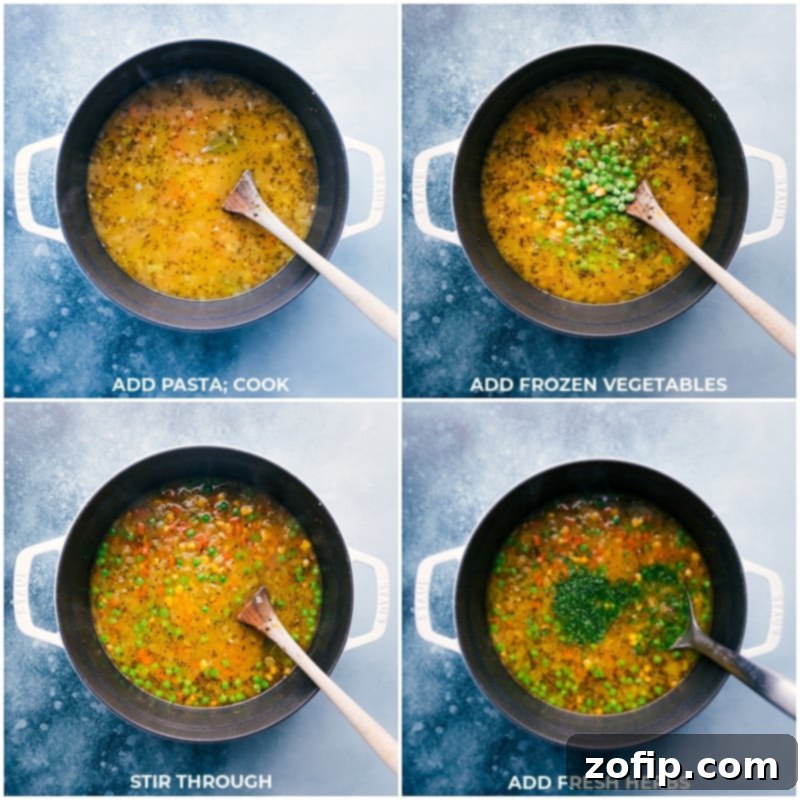
- Cook the Orzo Pasta: Stir in 1 cup of uncooked orzo pasta. Continue to boil, uncovered, for 6-9 minutes, or until the orzo is perfectly al dente. This means it should still have a slight bite to it, as it will continue to soften slightly off the heat. Keep an eye on it to prevent overcooking, which can lead to mushy pasta.
- Finish with Fresh and Frozen Additions: Once the orzo is cooked to your liking, stir in 1 cup each of frozen corn and frozen peas. If you’re adding 1 cup of diced cooked chicken, now is the time to incorporate it. Cook for just 1 minute more, allowing the frozen vegetables to warm through and the chicken to heat up. Remove the pot from the heat.
- Final Touches and Serving: Carefully remove and discard the Parmesan rind and bay leaves from the pot. Taste the soup and adjust seasonings with additional salt and pepper if needed. Stir in 3 tablespoons of finely chopped fresh parsley (if using) for a burst of freshness. Ladle the hot soup into individual bowls. For an extra layer of flavor and garnish, top with a sprinkle of freshly grated Parmesan cheese and a few sprigs of fresh thyme, if desired. Serve immediately with warm, crusty buttered bread for a truly comforting meal. Enjoy!
Storing and Reheating Your Vegetable Noodle Soup
While this Vegetable Noodle Soup is undeniably best enjoyed fresh, right after it’s prepared, understanding how to store and reheat it properly can save you time and maximize enjoyment. The nature of pasta in soup means it will continue to absorb liquid over time, leading to a thicker consistency.
- Fridge Storage: Allow any leftover soup to cool completely before transferring it to an airtight container. It can be stored safely in the refrigerator for 3-4 days. Be aware that the orzo pasta will absorb more broth and expand, making the soup considerably thicker than when first cooked.
- Reheating: To reheat, gently warm the soup on the stove over medium-low heat. As the pasta will have soaked up much of the liquid, you will almost certainly need to add extra chicken or vegetable stock to achieve your desired consistency. Stir frequently to prevent sticking and ensure even heating.
- Freezing: Freezing this soup is generally not recommended if the pasta has already been cooked with the broth. The orzo tends to become mushy and lose its texture upon thawing and reheating. If you wish to make a freezer-friendly version, cook the pasta separately. Prepare and freeze only the broth and vegetable mixture. When ready to serve, thaw, reheat the broth, and then cook fresh orzo directly in the reheated soup or separately to add just before serving. This method ensures optimal texture and flavor.
More Hearty and Healthy Soup Recipes to Explore
Soups And Stews
Classic Chicken and Rice Soup Recipe
Soups And Stews
Rich and Creamy Corn Chowder Recipe
Soups And Stews
Flavorful Chickpea Soup
One Pan / One Pot
Simple and Satisfying White Bean Soup
One-Pot Vegetable Noodle Soup with Orzo
Chelsea Lords
15 minutes
25 minutes
40 minutes
6 servings
Equipment
- Large pot (5.5-quart recommended)
Ingredients
- 2 tablespoons olive oil
- 1 cup finely diced onion (about 1 yellow onion, see Note 1)
- 1 cup finely diced carrot (about 2-3 large carrots, see Note 1)
- 1 cup finely diced celery (about 3 celery stalks, see Note 1)
- 1 tablespoon finely minced garlic (about 3 cloves)
- 1 teaspoon Italian seasoning
- 1/2 teaspoon dried thyme
- 1/2 teaspoon dried basil
- 1/2 teaspoon dried oregano
- 1/2 teaspoon dried parsley
- Salt and pepper (to taste)
- 6 cups chicken stock (or vegetable stock, see Note 2)
- 2 bay leaves
- 1 Parmesan rind (optional, see Note 3 for flavor enhancement)
- 1 cup uncooked orzo pasta
- 1 cup frozen corn
- 1 cup frozen peas
- 1 cup diced cooked chicken (optional, for added protein)
- 3 tablespoons finely chopped fresh parsley (optional, for garnish)
- Serving suggestions (fresh thyme, grated Parmesan, crusty bread, see Note 4)
Instructions
- Heat olive oil in a large (5.5-quart) heavy pot over medium heat. Add diced onion, carrots, celery, and garlic. Sauté, stirring occasionally, for 7–9 minutes or until the vegetables are crisp-tender. Ensure the veggies don’t brown; reduce heat if necessary. Taking time here to get them thoroughly tender is key for the best soup flavor (see Note 1).
- Add the seasonings to the sautéed vegetables: Italian seasoning, dried thyme, dried basil, dried oregano, dried parsley, salt, and pepper. (Season to taste with salt and pepper; I typically add 1/4 teaspoon of each, but adjust based on the saltiness of your stock and cheese). Stir the seasonings for about 30 seconds until fragrant.
- Pour in the chicken stock (or vegetable stock), add the bay leaves, and if using, toss in the Parmesan rind. Bring the soup to a full boil. Once boiling, stir in the orzo pasta and return the soup to a boil. Boil, uncovered, for 6–9 minutes, or until the orzo is al dente (meaning it still has a slight bite to it).
- Once the orzo is al dente, stir in the frozen corn and peas to warm through, cooking for just 1 more minute. (If you are using cooked chicken, add it at this stage as well). Remove the pot from the heat, taste, and adjust seasonings with additional salt and pepper if needed. Remove the Parmesan rind and bay leaves; discard them. Stir through the minced fresh parsley, if using, for a fresh finish. Ladle the hot soup into bowls and top with fresh thyme and freshly grated Parmesan cheese if desired (see Note 5). Serve immediately with some hearty, buttered bread—it’s absolutely delicious!
Recipe Notes
Note 2: The quality of your stock directly impacts the flavor of your soup. For the best possible taste, I highly recommend using a high-quality chicken or vegetable stock. The specified amount of stock results in a beautifully thick and hearty soup, which is how I prefer it. If you prefer a thinner consistency, simply add a touch more stock until it reaches your desired texture.
Note 3: The rind of Parmigiano Reggiano cheese is a natural protective layer that forms on the outside of the cheese wheel as it ages. While it is technically edible, it becomes very tough and hard to chew. However, these rinds are bursting with concentrated flavor and work wonders for enriching sauces, soups, and stews. Throwing one into your broth will add an incredible depth of savory, umami notes that you’ll absolutely love! A useful tip: check the cheese counter at your local grocery store. Many places that carve large wheels of Parmesan to sell in smaller pieces might sell you just the rinds at a reduced rate.
Note 4: Enhance your serving experience with these optional additions: a sprinkle of finely chopped fresh parsley, 3-4 sprigs of fresh thyme for aromatic freshness, a generous topping of freshly grated Parmesan cheese, and/or a side of hearty buttered bread for dipping.
Note 5: For the best texture and melt-in-your-mouth experience, I highly recommend grating a little extra Parmesan cheese with a fine grater directly over individual bowls just before serving. This creates delicate strands of cheese that melt beautifully into the warm soup, adding a luxurious finish.
Nutrition Note: Please be aware that the provided nutrition information is automatically calculated and does not include any optional ingredients, such as the Parmesan rind or diced cooked chicken. It should be used as an approximation only.
Storage: The longer this soup sits, the thicker it will become, as the orzo pasta continues to absorb the liquid until very little is left. For this reason, this soup is truly best enjoyed immediately after it’s prepared. If you do have leftovers, note that the pasta will be a bit bloated, but it will still be incredibly tasty! To thin leftover soup, simply add a splash of additional chicken or vegetable stock when reheating.
Nutrition
Carbohydrates: 45g |
Protein: 12g |
Fat: 8g |
Saturated Fat: 2g |
Polyunsaturated Fat: 1g |
Monounsaturated Fat: 5g |
Cholesterol: 7mg |
Sodium: 395mg |
Potassium: 630mg |
Fiber: 4g |
Sugar: 7g |
Vitamin A: 5873IU |
Vitamin C: 10mg |
Calcium: 48mg |
Iron: 2mg
Nutrition information is automatically calculated and should only be used as an approximation.
Essential Tips for a Perfectly Flavorful Vegetable Noodle Soup
Achieving a truly exceptional bowl of One-Pot Vegetable Noodle Soup is easy with a few key techniques. These tips will help you maximize flavor, ensure perfect texture, and make the cooking process even smoother:
- Don’t Skip the Sauté: This is arguably the most crucial step! Thoroughly cooking your diced onions, celery, and carrots in olive oil before adding any liquid allows them to soften and sweeten, developing a deep, caramelized flavor base that infuses the entire soup. Rushing this step will result in a less complex and flavorful broth.
- Mind the Pasta Texture: Orzo, being a small pasta, cooks quickly and can easily become mushy if overcooked. Keep a close eye on it during simmering and cook it just until it reaches an al dente stage – meaning it’s still firm to the bite. It will continue to soften slightly even after the heat is off, so err on the side of slightly undercooked.
- Uniform Vegetable Cuts are Key: For a balanced texture and consistent cooking, aim to cut all your fresh vegetables (onions, carrots, celery) into small, uniform pieces. This ensures every spoonful offers a harmonious blend of ingredients and that all vegetables cook at roughly the same rate. A food processor can be a great tool for this!
- Fresh Herbs for a Bright Finish: While dried herbs are essential for simmering, finishing your soup with fresh herbs like finely chopped parsley or a few sprigs of fresh thyme adds a vibrant burst of color and a refreshing aromatic lift. Stir them in just before serving to preserve their delicate flavor.
- Quality Stock Makes a Difference: The broth is the heart of any soup. Investing in a good quality chicken or vegetable stock will significantly elevate the overall taste of your soup. Low-sodium options give you better control over the final seasoning.
- The Parmesan Rind Secret: If you have access to a Parmesan rind, don’t throw it away! Simmering it in your broth imparts an incredible umami depth and a subtle, nutty richness that will make your soup taste truly gourmet. Remember to remove it before serving.
Customize Your Vegetable Noodle Soup: Delicious Variations!
One of the best things about this One-Pot Vegetable Noodle Soup is its versatility! It’s incredibly easy to adapt to your dietary preferences, what you have on hand, or simply to change up the flavor profile. Here are some fantastic ways to customize your next batch:
- Add Chicken for Extra Protein: If you’re looking to make this soup even more substantial and turn it into a complete meal, stirring in cooked chicken is a fantastic option. Simply add up to two cups of shredded rotisserie chicken or leftover cooked chicken breast during the final minute of cooking, just enough time for it to warm through.
- Make it Vegetarian or Vegan: This soup is inherently flexible for plant-based diets. To make it strictly vegetarian, simply ensure you substitute chicken stock with a high-quality vegetable stock. For a vegan version, in addition to using vegetable stock, omit the Parmesan rind (or replace with a vegan Parmesan alternative) and any optional cheese topping. The rich flavors of the vegetables and herbs will still shine beautifully.
- For a Creamier Indulgence: If you love a richer, creamier soup, consider adapting elements from our Creamy Vegetable Soup recipe. You can replace the potatoes in that recipe with orzo pasta, adding the orzo about 7 minutes before the soup is scheduled to finish cooking. Alternatively, for a slightly creamy finish to this existing recipe, stir in a splash of heavy cream, coconut milk (for a dairy-free option), or a swirl of plain Greek yogurt (after removing from heat to prevent curdling) just before serving.
- Spice It Up: For those who enjoy a little heat, add a pinch of red pepper flakes along with your other seasonings. A dash of hot sauce in individual bowls can also provide a pleasant kick.
- Boost the Greens: Incorporate more leafy greens by stirring in a few handfuls of fresh spinach, kale, or Swiss chard during the last 2-3 minutes of cooking. Their vibrant color and added nutrients make for an even healthier bowl.
- Experiment with Different Veggies: Feel free to swap or add other vegetables based on seasonality and your preferences. Diced zucchini, yellow squash, bell peppers, green beans, or even small broccoli florets would be delicious additions. Just be mindful of their cooking times and add them accordingly.
Loved this recipe? Leave a comment below!