
Uncover the magic of incredibly tender and flavorful Slow Cooker Porcupine Meatballs. This classic comfort food takes just a few minutes of active preparation before your slow cooker works its magic, simmering them to fall-apart perfection in a rich, savory tomato sauce. It’s the ultimate easy weeknight dinner that the whole family will adore, offering a hearty and satisfying experience with minimal fuss.
These hearty and delicious meatballs, distinctively “prickly” from the rice cooked within, are fantastic served over a fluffy bed of cooked rice. The texture of the rice expanding inside the meatball is truly unique and delightful. For a complete and satisfying meal, pair them with vibrant roasted vegetables and a crisp, fresh garden salad. Get ready to add this beloved, time-tested recipe to your regular dinner rotation, as it’s sure to become a family favorite.


Why You’ll Fall in Love with This Porcupine Meatball Recipe
As a passionate home cook, I’ve discovered a few recipes that truly stand out, and these Slow Cooker Porcupine Meatballs are undoubtedly one of them. They combine simplicity with incredibly robust flavors, making them a go-to for many. Here’s why I believe they’ll become a staple in your kitchen too, simplifying your mealtime while delivering maximum deliciousness:
- Effortless Preparation, Incredible Results: With just about 25 minutes of hands-on time, you can assemble these flavorful meatballs and let your slow cooker do all the heavy lifting. This means significantly less time fussing in the kitchen and more time enjoying your evening or tending to other tasks. The slow cooking process, lasting several hours, ensures the meatballs become incredibly tender, juicy, and infused with the rich sauce, making them taste like you spent hours on them, even though your active involvement was minimal. It’s a true set-it-and-forget-it meal that yields impressive results every time.
- Minimal Cleanup: One of the biggest advantages and a common pain point for home cooks is the amount of post-dinner cleanup. This recipe cleverly integrates the uncooked rice directly into the meatballs. As they simmer, the rice absorbs moisture from the sauce and cooks to perfection *inside* the meatballs. This brilliant technique eliminates the need for a separate pot to cook rice, significantly reducing your pile of dishes. A true win for busy weeknights and anyone who appreciates a tidy kitchen!
- Rich, Irresistible Sauce: The accompanying sauce is far from bland; it’s a symphony of flavors – rich, slightly sweet, tangy, and deeply savory. Made with a blend of robust beef stock, vibrant tomato sauce, a touch of brown sugar for balance, and the complex depth of Worcestershire sauce, it perfectly complements the meaty, tender meatballs. This creates a robust and deeply satisfying meal that coats every bite with an explosion of deliciousness, making it incredibly comforting.
- Perfect for Meal Prep and Freezing: These porcupine meatballs are exceptionally freezer-friendly, making them ideal for meal planning and batch cooking. I frequently double the batch when I make them, allowing me to stash extra portions away for quick, healthy, and homemade meals on busy future days. Simply thaw them overnight in the refrigerator and reheat for a delicious dinner in minutes, proving to be a lifesaver on hectic schedules.
- Simple, Accessible Ingredients: You won’t need any exotic or hard-to-find components for this recipe. It relies on basic, readily available pantry staples and fresh ground beef. This not only makes it a budget-friendly option but also a convenient one, as you likely already have most of the ingredients on hand, simplifying your grocery shopping.
- Kid-Friendly Fun: The unique and whimsical name, “Porcupine Meatballs,” always sparks curiosity and excitement, especially with kids! This fun name often encourages even the pickiest eaters to try them out of sheer intrigue. And once they do, the mild, comforting, and savory flavors, along with the tender texture, are usually a huge hit, leading to requests for seconds. It’s a meal that genuinely appeals to all ages.
These aren’t just meatballs; they’re a warm, inviting embrace in a bowl, promising ease, incredible flavor, and family smiles. Give them a try – you might just discover the comforting, delicious meatballs you didn’t know you needed!
Expert Tip for Easier Meatball Rolling
Achieving perfectly uniform and firm meatballs can make a significant difference in both cooking consistency and presentation. While rolling meatballs can sometimes feel tedious, these invaluable tips will simplify the process, making it quicker and more enjoyable:
- Keep Ingredients Cold: It’s essential to ensure your ground beef and all other mix-ins are well-chilled before you start. Cold meat is naturally firmer and far less sticky, which makes it much easier to handle, shape, and prevents it from mushing between your fingers.
- Lubricate Your Hands: Before you even touch the meat mixture, lightly spray your hands with cooking spray or rub a small amount of neutral oil (such as olive or vegetable oil) on them. This creates a crucial non-stick barrier that prevents the meat mixture from clinging to your palms, allowing for smoother and faster rolling.
- Use a Cookie Scoop for Portioning: For ideal consistency in size, which is key for ensuring all meatballs cook evenly, use a cookie scoop. A 1.5-tablespoon scoop is perfect for portioning out the meat mixture for this recipe. This tool makes the process significantly faster and guarantees that all your meatballs are roughly the same size and shape.
- Roll in Batches: Instead of the less efficient method of mixing, shaping one, then cooking one, it’s much more efficient to streamline your process. First, combine all ingredients for the meatballs. Then, scoop and roll all the meat portions at once, placing them on your prepared sheet pan, before proceeding to the broiling step. This batch approach significantly streamlines your overall preparation time.
- Gentle but Firm Pressure: When rolling each portion into a ball, use enough pressure to compress the mixture firmly, ensuring it holds together without crumbling. However, be mindful to avoid overworking or squeezing the meat too hard, as this can lead to dense, tough meatballs. A gentle yet firm touch is the secret to tender, well-formed meatballs.
Essential Ingredients for Perfect Porcupine Meatballs
Crafting these delicious porcupine meatballs begins with selecting a few simple yet powerful ingredients. Each component plays a vital role in achieving that signature texture, rich flavor, and aromatic profile that makes this dish so comforting and beloved. Here’s a detailed look at what you’ll need to gather:
For the Flavorful Meatballs:
- Lean Ground Beef: This is the primary structure and flavor backbone of our meatballs. Using lean ground beef (such as 93/7 or 90/10) is highly recommended. It ensures that the meatballs are tender and juicy without becoming overly greasy, contributing a robust, meaty flavor that pairs beautifully with the savory sauce. While higher fat content (like 80/20) can be used for extra richness, be prepared for a bit more fat rendering in the slow cooker.
- Uncooked White Rice: The star ingredient that gives “porcupine meatballs” their distinctive and playful name, as well as their unique texture. As the meatballs gently slow cook in the sauce, the rice absorbs moisture, swells, and gently pokes out, creating a charmingly textured, tender bite. Long-grain white rice, such as Basmati or Jasmine, is ideal for its firm yet tender texture when cooked within the meatball. Avoid instant or quick-cooking rice, as it cooks too rapidly and won’t achieve the desired “porcupine” effect or texture.
- Grated Yellow Onion: Instead of finely chopping, grating the onion ensures that its flavor is subtly and evenly distributed throughout the meatballs without leaving behind noticeable chunks. It adds a crucial touch of sweetness, moisture, and aromatic depth that enhances the overall taste profile of the beef mixture.
- Minced Garlic: A classic and indispensable flavor enhancer in almost any savory dish. Garlic brings a pungent, aromatic, and deeply savory note that complements the ground beef perfectly. Freshly minced garlic will always offer the best, most vibrant flavor compared to pre-minced versions.
- Large Egg: The egg acts as a crucial binder, essential for holding all the meatball ingredients together. Without this binding agent, the meatballs would likely become crumbly and fall apart during the long, moist slow cooking process, especially as the rice expands.
- Seasonings (Salt, Italian Seasoning, Pepper, Dried Basil): This carefully selected blend of seasonings is designed to elevate the beef’s natural flavor and infuse the meatballs with a warm, aromatic, and savory profile.
- Salt: Absolutely essential for properly seasoning the meat from within, bringing out its best flavor.
- Italian Seasoning: A convenient and flavorful blend of dried herbs typically including oregano, basil, thyme, and rosemary, adding a wonderful Mediterranean depth and complexity.
- Pepper: Provides a subtle warmth and a gentle kick, rounding out the savory notes of the meat and herbs.
- Dried Basil: Reinforces the delightful herbal notes and creates a harmonious bridge to the tomato-based sauce, enhancing the overall aromatic experience.
- Cooking Spray: Used strategically for broiling the meatballs to prevent sticking to the sheet pan and for lightly coating the slow cooker insert. This ensures easy handling and an even easier cleanup.
For the Rich and Tangy Sauce:
- Beef Stock/Broth: Forms the flavorful liquid base for the sauce. It contributes a deep, savory umami quality that enhances the beef and ensures the meatballs remain wonderfully moist and tender as they cook slowly. Opt for a good quality low-sodium beef stock or broth to better control the overall saltiness of your dish.
- Tomato Sauce: This is the heart of the savory sauce, providing a classic, rich tomato flavor and a smooth, appealing consistency. Using two 15-ounce cans ensures there’s an abundant amount of luscious sauce to generously coat every single meatball, making each bite incredibly flavorful.
- Light Brown Sugar: Essential for balancing the natural acidity of the tomatoes and introducing a touch of mellow sweetness. This addition creates a more complex, well-rounded flavor profile for the sauce, preventing it from being overly tart or one-dimensional. Ensure it’s lightly packed for the correct measurement.
- Worcestershire Sauce: Often considered a secret weapon in many savory dishes, Worcestershire sauce adds a complex, umami-rich depth and a subtle savory tang to the sauce. Its fermented ingredients provide a unique flavor dimension that truly makes the sauce sing. Do not skip this ingredient, as it significantly enhances the overall taste.
Step-by-Step Guide: How To Make Slow Cooker Porcupine Meatballs
Follow these detailed instructions to create tender, flavorful porcupine meatballs with remarkable ease. The slow cooker method makes this a truly hands-off experience after minimal initial preparation, perfect for a busy day.
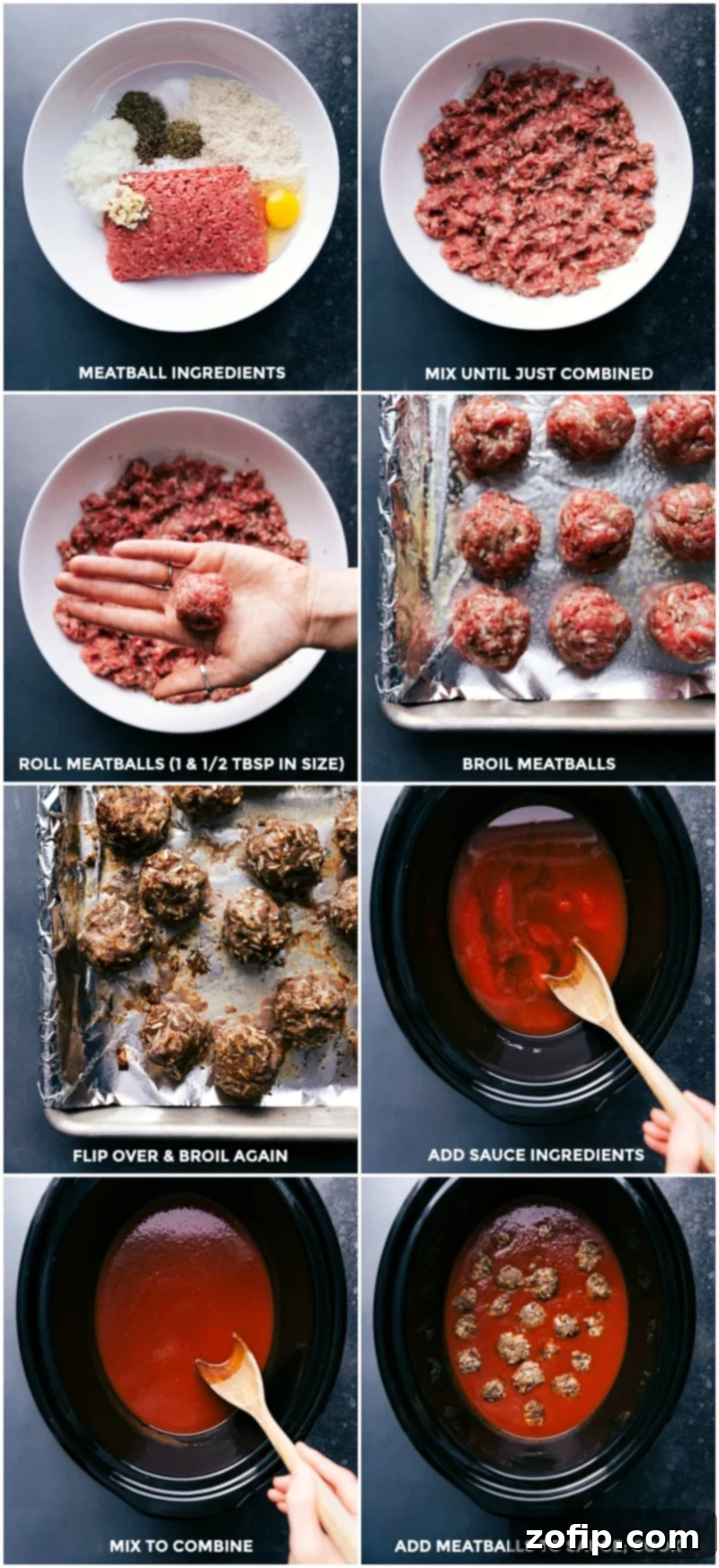
- Prepare for Broiling: Begin by preheating your oven to the high broil setting, typically around 550°F (280°C). This high heat is essential for quickly searing the meatballs. Next, line a large sheet pan (approximately 15″ x 21″ is ideal) with aluminum foil; this step is crucial for preventing sticking and ensuring a super easy cleanup later. Lightly spray the entire surface of the foil with cooking spray and set the prepared pan aside. This initial pre-broiling step is a key technique for firming up the meatballs, helping them to hold their shape and preventing them from breaking apart during the long, gentle slow cooking process.
- Combine Meatball Ingredients: In a generously sized mixing bowl, combine all the meatball ingredients: the lean ground beef, uncooked long-grain white rice, finely grated yellow onion, minced garlic, large egg, salt, Italian seasoning, pepper, and dried basil. Using clean hands (or a sturdy mixing spoon), gently knead the mixture until all ingredients are just incorporated and evenly distributed. It’s important to be careful not to overmix, as this can compress the meat fibers too much and lead to dense, tough meatballs. The goal is a uniform blend, not a paste.
- Shape the Meatballs: Now, it’s time to form the iconic porcupine meatballs. Using a 1.5-tablespoon cookie scoop or simply your hands, portion out the meat mixture. Roll each portion tightly into a firm, spherical meatball. Aim for consistency in size and shape across all meatballs, as this promotes even cooking. From this recipe, you should yield approximately 22–25 meatballs. Place the shaped meatballs onto the prepared sheet pan, ensuring you leave a small space between each one to allow for even broiling.
- Broil for Firmness: Once all your meatballs are shaped and neatly arranged on the prepared tray, generously spritz the tops of them with cooking spray. This aids in achieving a lovely golden-brown exterior and further prevents any sticking. Carefully place the sheet pan under the preheated broiler. Broil for 3 minutes on one side, then gently flip each meatball over with tongs and broil for another 3 minutes on the second side. This quick broil (6 minutes total) creates a lightly browned, slightly seared exterior, which is essential for helping the meatballs maintain their integrity and structural stability throughout the slow cooking phase. Remove the pan from the oven and set the broiled meatballs aside.
- Prepare the Slow Cooker Sauce: Lightly spray the inside of your 6-quart slow cooker insert with cooking spray; this simple step will prevent the sauce from sticking to the sides and bottom, making cleanup much easier. Pour in the beef stock/broth, tomato sauce, light brown sugar, and Worcestershire sauce. Use a whisk or spoon to stir these ingredients thoroughly until they are well combined and the brown sugar has completely dissolved. This mixture forms the rich, aromatic, and deeply flavorful base for your meatballs.
- Add Meatballs to Slow Cooker: Carefully arrange the pre-broiled meatballs in a single layer at the bottom of the slow cooker, or two layers if necessary, on top of the tomato mixture. Once all meatballs are in place, gently spoon some of the prepared sauce over the top of them, ensuring they are well-coated and nestled deeply into the flavorful liquid. This ensures they cook evenly and absorb all the wonderful flavors.
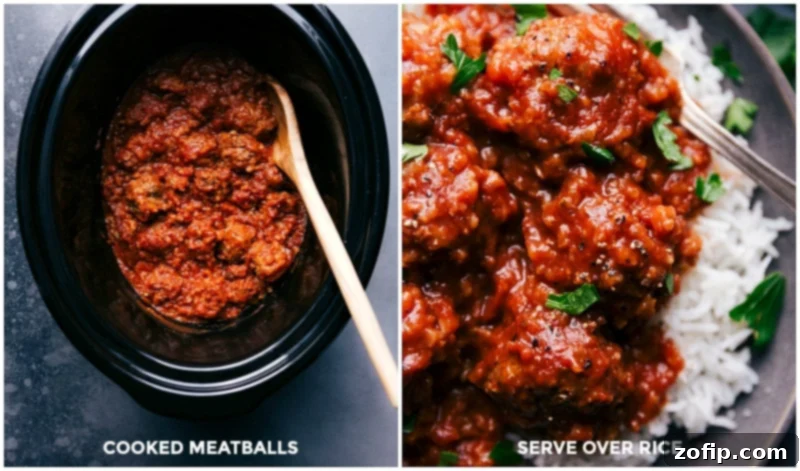
- Slow Cook to Perfection: Secure the lid tightly on your slow cooker. Cook the meatballs on the LOW setting for 5–7 hours, or on the HIGH setting for 3–5 hours. The exact cooking time will depend on your specific slow cooker’s model and its heat intensity. I typically find that 6 hours on LOW yields perfectly tender meatballs with fully cooked rice and a beautifully developed sauce. The meatballs are done when the rice is completely tender and the internal temperature of the meat reaches 165°F (74°C). It’s crucial to avoid lifting the lid too frequently, as each time heat escapes, significantly extending the overall cooking time and potentially affecting the tenderness.
- Taste and Serve: Once the cooking time is complete, carefully taste a meatball and a spoonful of the sauce. Adjust seasonings like salt and pepper as needed to suit your personal preference, adding a little at a time. Gently spoon out the succulent porcupine meatballs and their rich sauce directly from the slow cooker. Serve them generously over a warm, fluffy bed of cooked rice (white or brown, as preferred). For an added touch of freshness, color, and bright flavor, garnish with a sprinkle of chopped fresh flat-leaf parsley, if desired. Now, enjoy this comforting, satisfying, and easy-to-make meal!

Storage and Make-Ahead Tips for Porcupine Meatballs
These slow cooker porcupine meatballs are exceptionally well-suited for meal prepping and freezing, making them a fantastic and convenient addition to your batch cooking repertoire. Their ability to hold up well in storage ensures you can enjoy a delicious homemade meal even on your busiest days.
- Refrigeration: Once your porcupine meatballs and their delicious sauce have cooled completely to room temperature, transfer them to an airtight container. Store them securely in the fridge for up to 3 days. To reheat, gently warm them on the stovetop over low to medium heat, stirring occasionally, or use the microwave in intervals until they are thoroughly heated through. You may find it beneficial to add a splash of beef broth or water if the sauce has thickened too much during storage.
- Freezing for Long-Term Storage: This recipe truly shines as a freezer-friendly meal, making future meal times much simpler. To freeze, allow the cooked meatballs and sauce to cool entirely before packaging. Transfer them to a freezer-safe airtight container, heavy-duty freezer bags, or individual portions in freezer-safe containers. If using freezer bags, lay them flat to optimize space in your freezer. Freeze for up to 3 months. Always label your containers or bags with the date to keep track of freshness.
- Thawing and Reheating: When you’re ready to enjoy your frozen meatballs, the best method for thawing is to transfer them from the freezer to the refrigerator and allow them to thaw overnight. Once thawed, reheat them gently in a saucepan on the stovetop over medium-low heat until simmering and heated through, stirring frequently. Alternatively, you can microwave them in intervals, stirring well between each, until piping hot. While reheating directly from frozen is possible in a pinch, it’s not recommended for the best texture and may require additional liquid and longer heating times.
- Make-Ahead (Uncooked Meatballs): While the primary recipe focuses on cooking them directly in the slow cooker, you can also prepare the raw meatballs ahead of time and freeze them *before* broiling. To do this, shape the meatballs as directed, then place them in a single layer on a parchment-lined baking tray. Freeze until they are solid (this prevents them from sticking together). Once frozen, transfer the solid meatballs to a freezer-safe bag or container for up to 1 month. When ready to cook, thaw the raw meatballs in the fridge, then proceed with the broiling and slow cooking steps as outlined in the recipe.
What to Serve with Your Delicious Porcupine Meatballs
Porcupine meatballs are a satisfying and hearty meal on their own, especially when generously served over fluffy rice. However, they also pair wonderfully with a variety of complementary side dishes, allowing you to create a more balanced, colorful, and exciting dinner experience. Here are some fantastic accompaniments that will complete your meal:
- Fresh Fruit Salad: A vibrant and refreshing fruit salad offers a delightful contrast to the rich, savory flavors of the meatballs and their tomato sauce. Its natural sweetness and juiciness can cleanse the palate beautifully, adding a light, refreshing element to the meal.
- Roasted Green Beans (Two Ways!): Simple yet incredibly elegant, roasted green beans provide a healthy, crisp-tender, and slightly charred element that wonderfully complements the tender meatballs. A light seasoning of garlic and lemon can elevate their flavor profile even further.
- Crisp Garden or Olive Garden Style Salad: A light, fresh, and crunchy salad with a tangy vinaigrette, such as a classic mixed green salad or an Olive Garden-inspired one, adds a much-needed textural contrast and a refreshing acidity. This helps to cut through the richness of the main dish, balancing the flavors.
- Mixed Roasted Vegetables: A colorful medley of seasonal roasted vegetables – think carrots, bell peppers, zucchini, broccoli, or asparagus – cooked until tender-crisp offers an array of textures, flavors, and essential nutrients. This makes the meal even more wholesome and visually appealing.
- Warm Dinner Rolls or Crusty Bread: For many, a meal isn’t complete without something to soak up every last drop of that amazing, savory tomato sauce! Soft, pillowy dinner rolls or slices of crusty artisan bread are a comforting and highly satisfying addition that everyone will enjoy.
Frequently Asked Questions About Porcupine Meatballs
Here are answers to some common questions about making and enjoying these classic Slow Cooker Porcupine Meatballs:
- Why are they called Porcupine Meatballs?
They get their quirky and memorable name from the uncooked rice that is mixed directly into the ground beef. As the meatballs gently simmer and cook in the flavorful sauce within the slow cooker, the rice grains absorb moisture, expand, and then subtly poke out from the meatball’s surface, creating a textured appearance that is reminiscent of a porcupine’s quills!
- Can I use brown rice instead of white rice?
While long-grain white rice is the traditional choice for porcupine meatballs and cooks perfectly within the suggested timeframe, brown rice can certainly be used as a healthier alternative. However, it’s important to note that brown rice takes a significantly longer time to cook and may result in a firmer, chewier texture within the meatballs. If you opt for brown rice, you might need to extend the slow cooking time by an additional 1-2 hours or consider pre-soaking the brown rice in hot water for about an hour before mixing it into the meatball mixture to aid in its cooking.
- Do I have to broil the meatballs first?
Broiling the meatballs before slow cooking is highly recommended for several important reasons. This quick high-heat step helps to sear the exterior of the meatballs, forming a slightly browned crust and firming them up significantly. This crucial step prevents them from falling apart or becoming mushy in the moist, simmering environment of the slow cooker. While you *could* technically skip it, your meatballs might be more prone to breaking apart, affecting both their appearance and texture.
- What kind of ground beef is best for this recipe?
For porcupine meatballs, lean ground beef (typically 90-93% lean) is generally preferred. This lean-to-fat ratio helps to keep the meatballs from becoming overly greasy while still ensuring they remain wonderfully tender and juicy. If you use a higher fat content (e.g., 80/20), you might notice a greater amount of rendered fat collecting in the sauce. This excess fat can easily be skimmed off the top of the sauce before serving if desired, without compromising flavor.
- Can I make these on the stovetop or in the oven instead of a slow cooker?
Yes, porcupine meatballs can be adapted for stovetop or oven cooking, though it’s important to note that the cooking times, liquid amounts, and final texture may differ slightly from the slow cooker method. For the stovetop, you can simmer the meatballs in the sauce in a large, heavy-bottomed pot with a tight-fitting lid for about 30-45 minutes, or until the rice is tender and the meat is cooked through. For oven baking, place the meatballs and sauce in a covered casserole dish and bake at 350°F (175°C) for approximately 1 to 1.5 hours. However, the slow cooker method is widely favored for its incredible hands-off convenience, consistent gentle cooking, and the resulting exceptionally tender meatballs and deeply flavorful sauce.

Porcupine Meatballs
By Chelsea Lords
Delicious and easy Porcupine Meatballs take mere minutes to whip together and then slow cook until they’re fall-apart-tender!
Prep Time: 25 minutes
Cook Time: 5 hours
Total Time: 5 hours 25 minutes
Servings: 4 servings
Equipment
- Large sheet pan (15″ x 21″)
- Aluminum foil
- 6-quart Crock-Pot
Ingredients
Meatballs
- 1 pound lean ground beef (93/7 recommended)
- 1/2 cup long grain white rice (uncooked)
- 1/3 cup grated yellow onion (grate on a grater for best results)
- 1 teaspoon minced garlic
- 1 large egg
- 1 teaspoon salt
- 1 teaspoon Italian seasoning
- 1/2 teaspoon pepper
- 1/2 teaspoon dried basil
- Cooking spray
Sauce
- 1 cup beef stock or broth
- 2 (15-ounce) cans tomato sauce
- 1/4 cup light brown sugar (lightly packed)
- 1/4 cup Worcestershire sauce
- Fresh flat-leaf parsley (optional, for garnish)
- Cooked rice (white or brown, for serving, see note below for cooking rice)
Instructions
- Preheat oven to high broil (550°F). Line a large sheet pan with foil, spray with cooking spray, and set aside.
- In a large bowl, combine ground beef, uncooked white rice, grated onion, minced garlic, large egg, salt, Italian seasoning, pepper, and dried basil. Knead the mixture until just combined, avoiding overmixing (which makes the meatballs dense).
- Form meatballs by measuring 1 and 1/2 tablespoons per meatball and tightly squishing the mixture together until a firm meatball is formed. Repeat until all the mixture is used. The mixture should make around 22–25 meatballs.
- Place all the formed meatballs on the prepared tray, generously spritz with cooking spray, and broil in the oven for 3 minutes per side (6 minutes total). This helps them to not break apart in the slow cooker. Remove from oven and set aside.
- Spray the slow cooker with cooking spray. Add in beef stock/broth, tomato sauce, brown sugar, and Worcestershire sauce. Stir until well combined.
- Layer the meatballs on top of the tomato mixture. Gently spoon some of the sauce over the meatballs to coat them.
- Cover and cook on low for 5–7 hours, or on high for 3–5 hours, or until the rice is tender and the meat is cooked through (reaching an internal temperature of 165°F / 74°C). I recommend cooking on low for best tenderness; my slow cooker usually takes 6 hours. Avoid checking too often; removing the slow cooker’s lid significantly slows down the cooking process as it takes time to regain temperature.
- Taste meatballs and sauce and add any additional salt/pepper as needed. Gently spoon out meatballs and sauce from the slow cooker and serve over cooked rice. Garnish with fresh parsley if desired and enjoy!
Recipe Notes
Note on Cooking Rice for Serving: I particularly love serving these meatballs over perfectly cooked basmati rice. Here’s a simple method for preparing fluffy rice:
- Measure your desired amount of rice and rinse it thoroughly in a fine-mesh sieve under cold running water until the water runs clear. This removes excess starch, preventing sticky rice.
- Place the rinsed rice in a bowl and cover it with fresh water. Allow it to soak for 5–10 minutes. Soaking helps the grains cook more evenly and prevents them from breaking.
- While the rice is soaking, fill a large pot with water and bring it to a rolling boil over high heat.
- Once the water is boiling vigorously, drain the soaked rice and add it to the pot. Continue to cook without reducing the heat for exactly 5 minutes. Taste a grain to ensure it’s tender; if not, cook for another 1–2 minutes.
- Drain the cooked rice immediately in a sieve and then return it to the hot, empty pot (off the heat). Cover the pot with a lid and let it steam for 5 minutes. Finally, fluff the rice gently with a fork before serving.
Storage: Store cooked Porcupine Meatballs (with sauce) in an airtight container in the fridge for up to 3 days or freeze for up to 3 months. For best results, thaw frozen meatballs overnight in the fridge before reheating.
Nutrition Information
Serving: 1 serving | Calories: 367 kcal | Carbohydrates: 44g | Protein: 29g | Fat: 7g | Saturated Fat: 3g | Cholesterol: 117mg | Sodium: 364mg | Potassium: 720mg | Fiber: 1g | Sugar: 17g | Vitamin A: 68IU | Vitamin C: 4mg | Calcium: 66mg | Iron: 4mg
Nutrition information is automatically calculated and should be used as an approximation only. Individual results may vary based on specific ingredients and preparation.