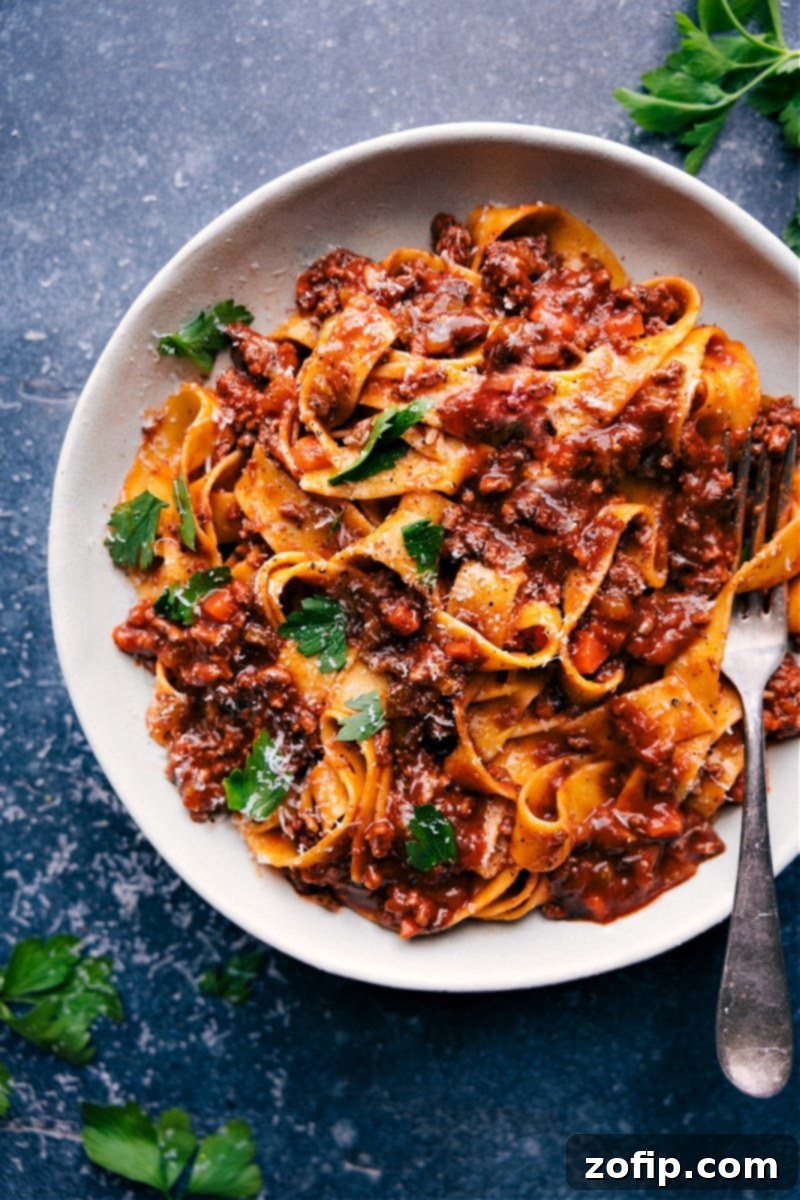
The Ultimate Homemade Ragu Recipe: A Rich & Savory Italian Classic
Indulge in the heartwarming flavors of Italy with our ultimate Ragu Recipe. This deeply savory, slow-simmered sauce masterfully blends rich ground beef, flavorful Italian sausage, a medley of finely diced vegetables, and premium crushed tomatoes. Tossed with your favorite pasta, fresh herbs, and a generous sprinkle of Parmesan, it’s a dish that promises pure comfort and authentic taste.
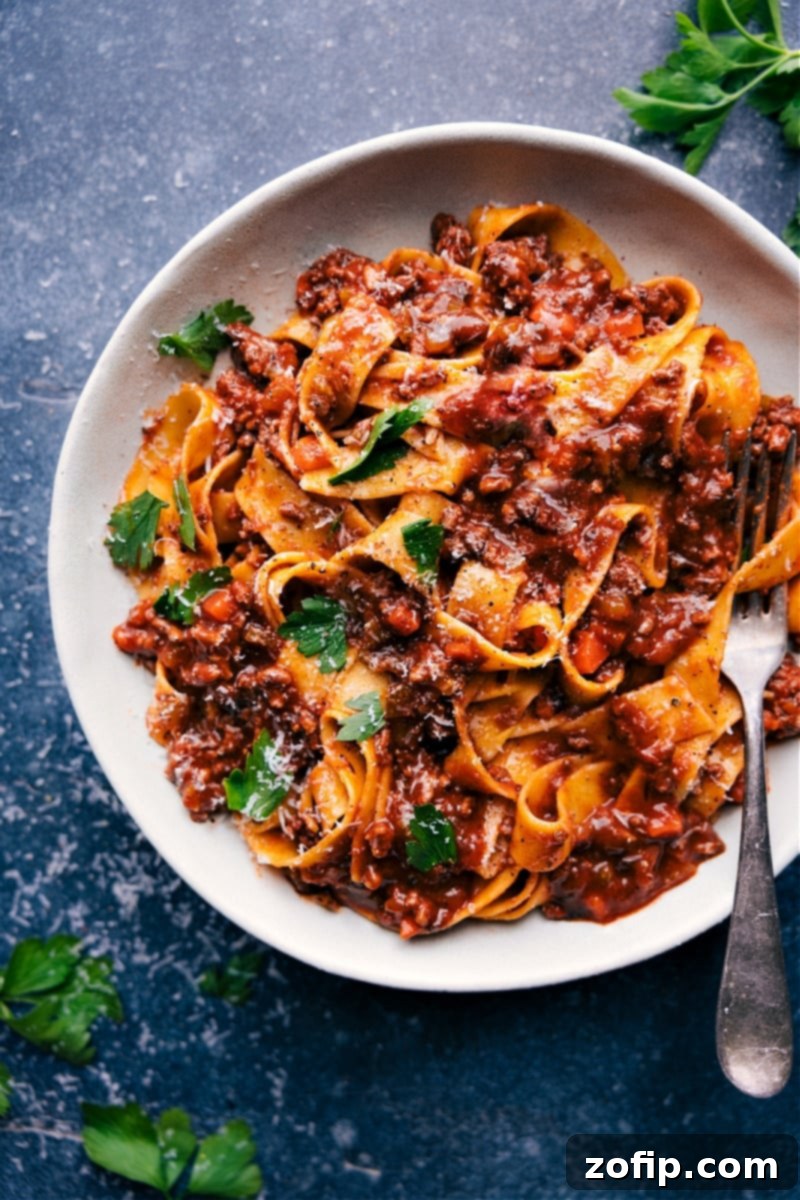
Crafting Our Favorite Ragu: A Journey from Italy to Your Kitchen
My culinary journey through Italy left an indelible mark on my cooking, particularly inspiring my passion for authentic Italian sauces. I’ve previously shared a Beef Ragu recipe, born from those very cooking classes, which featured tender, slow-cooked shredded beef – a truly traditional approach.
Today, we’re building on that authentic foundation but adapting it for a bustling home kitchen. This recipe utilizes the convenience and robust flavor of both Italian sausage and ground beef, expertly cooked on the stovetop. It’s a twist that retains all the deep, complex flavors of a classic Ragu while being more accessible for weeknight dinners or family gatherings. In our household, where pasta could easily be a three-times-a-day affair for the kids, a rich and savory Ragu sauce is always a resounding favorite, bringing smiles and satisfaction to everyone at the table.
This version maintains the soulful essence of its Italian inspiration but with a practicality suited for everyday cooking. The combination of different meats adds layers of flavor and texture, making each spoonful an experience. It’s more than just a sauce; it’s a celebration of comfort food, designed to be shared and savored.
Essential Ingredients for a Perfect Ragu
Creating an exceptional Ragu begins with selecting the right ingredients. Here’s a detailed look at the core components and why they matter:
- Ground Beef Chuck (80/20 lean to fat ratio): Ground chuck, sourced from the cow’s neck and shoulder, is the ideal choice for Ragu. Its 80/20 lean-to-fat ratio is crucial, as the fat renders down during the long simmering process, infusing the sauce with incredible richness and depth of flavor. If you’re aiming for a lighter version, lean ground beef can be substituted, though it might yield a less indulgent sauce.
- Italian Sausage: The addition of Italian sausage introduces another layer of savory complexity. You can choose between mild or spicy sausage based on your preference; mild often features basil, while spicy varieties include red pepper flakes for a kick. Look for well-marbled sausage, as the fat content contributes significantly to the sauce’s overall richness and taste. Remember to remove the casings before cooking to ensure an even crumble. Any leftover sausage can be brilliantly repurposed into quick Italian Hoagies or a hearty skillet dish.
- Finely Diced Vegetables (Mirepoix): The foundation of any great Ragu sauce is a classic mirepoix – a mixture of onion, carrots, and celery. The key here is to dice these vegetables *small and uniformly*. This ensures they cook down evenly, becoming virtually imperceptible in the final sauce, blending seamlessly to add a subtle sweetness, aromatic depth, and essential body without any chunky textures. Their role is purely to build a robust flavor base.
- Crushed Tomatoes: The quality of your canned tomatoes significantly impacts the final taste of your Ragu. We highly recommend investing in the best quality crushed tomatoes you can find, such as San Marzano or Muir Glen brands. These tomatoes are renowned for their exceptional flavor, sweetness, and balanced acidity. Cheaper alternatives might be more acidic, requiring you to balance the sauce with a pinch of sugar. The rich, vibrant tomato flavor is central to a truly authentic Ragu.
- Aromatic Herbs & Spices: A blend of dried oregano, thyme, basil, and crushed rosemary, along with bay leaves, infuses the sauce with classic Italian aromas and flavors that deepen as the sauce simmers. These herbs are critical for creating the characteristic profile of a traditional Ragu.
- Worcestershire Sauce & Beef Bouillon Powder: These two ingredients are secret weapons for boosting umami. Worcestershire sauce adds a fermented, savory depth, while beef bouillon powder intensifies the meaty notes, making the Ragu even more robust and satisfying.
- Red Wine: A dry red wine (like a Chianti or Merlot) deglazes the pan, adding another layer of complexity and acidity that brightens the rich sauce. If you prefer not to use alcohol, an equal amount of beef broth combined with 1-3 teaspoons of balsamic vinegar can achieve a similar depth.
- Granulated Sugar (Optional): Depending on the acidity of your tomatoes and personal preference, a small amount of sugar can help balance the flavors and enhance the natural sweetness of the tomatoes, creating a more rounded and harmonious sauce.
Note: San Marzano and Muir Glen are trademarked brand names of canned tomatoes, celebrated for their superior quality.
Choosing the Perfect Pasta for Your Ragu
While you can certainly enjoy Ragu with any pasta you prefer, certain shapes are inherently better suited to clinging to this rich, hearty sauce. Our absolute favorite for this recipe is **pappardelle**. Often confused with tagliatelle, understanding the nuances between these pasta types can elevate your dining experience. Here are the key differences.
Quick Tip: What is Pappardelle?
Pappardelle, though less common than spaghetti or fettuccine, is gaining popularity and can be found in most larger grocery stores. It’s distinguished by its long, flat, and notably wide noodle shape. Imagine taking a lasagna noodle and slicing it lengthwise into three broad strips – that’s essentially the visual of pappardelle. To put it in perspective: if spaghetti is your baseline for noodle width, fettuccine is slightly flatter and wider, tagliatelle is a bit wider still than fettuccine, and pappardelle stands out as the widest of all these flat, ribbon-like pastas. Its broad surface area is perfect for capturing and holding thick, robust sauces like Ragu, ensuring every bite is rich with flavor.
Beyond pappardelle, other excellent choices for a meat-based Ragu include:
- Tagliatelle: Similar to pappardelle but slightly narrower, it still provides ample surface for the sauce to cling.
- Fettuccine: A classic choice for rich sauces, its flat, broad shape works well.
- Rigatoni or Paccheri: These large, tube-shaped pastas with ridges are fantastic for scooping up chunky sauce and meat particles, ensuring a satisfying mouthful.
- Mafalde (or Reginette): Ribbon-shaped pasta with ruffled edges, perfect for catching thick sauces.
The key is to choose a pasta with enough surface area or nooks and crannies to truly embrace the substantial nature of the Ragu sauce.
Mastering Your Ragu: Tips for Unforgettable Flavor
Transforming a good Ragu into a truly exceptional one involves a few key techniques. Follow these expert tips to elevate your homemade Ragu to culinary perfection:
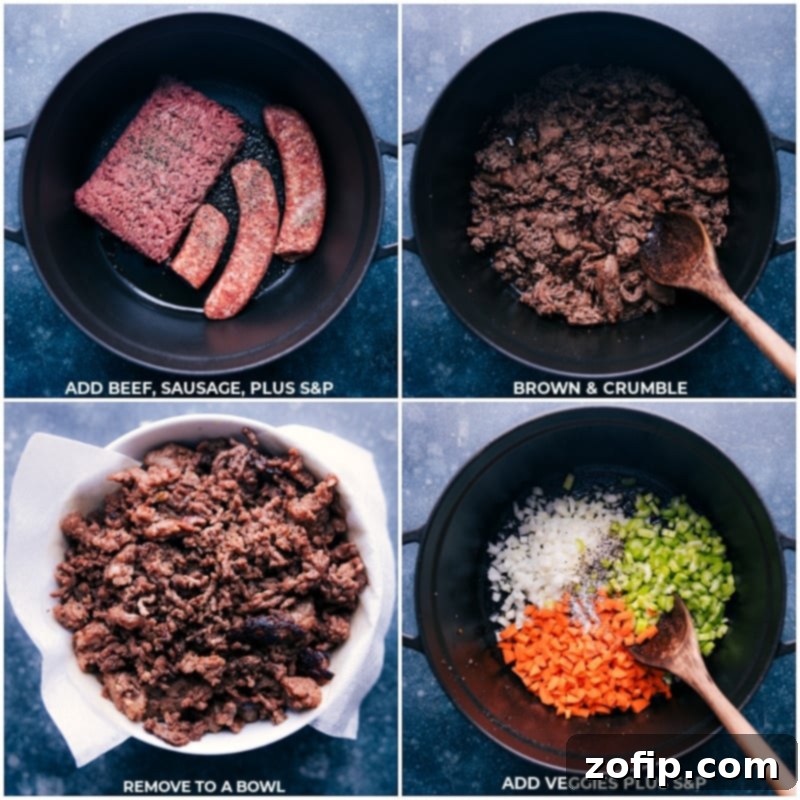
- Take Time to Sear the Meat: This step is non-negotiable for maximum flavor. Before breaking up your ground beef and sausage, let it sit undisturbed in the hot pan for a minute or two to develop a deep, caramelized crust. This browning, known as the Maillard reaction, creates rich, complex flavors that form the backbone of your sauce. Color truly equals flavor here!
- Prioritize Quality Ingredients: Just like any great dish, the final taste of your Ragu is only as good as its components. Opt for high-quality ground chuck, flavorful Italian sausage, premium crushed tomatoes (like San Marzano), and fresh aromatics. Better ingredients translate directly to a more delicious and satisfying sauce.
- Make the Sauce Ahead of Time: Ragu is a dish that greatly benefits from time. Its flavors deepen and meld beautifully as it sits, making it even more delicious the next day. Preparing the sauce a day in advance allows all the individual ingredients to truly harmonize, resulting in a more complex and tender final product. It’s perfect for meal prepping!
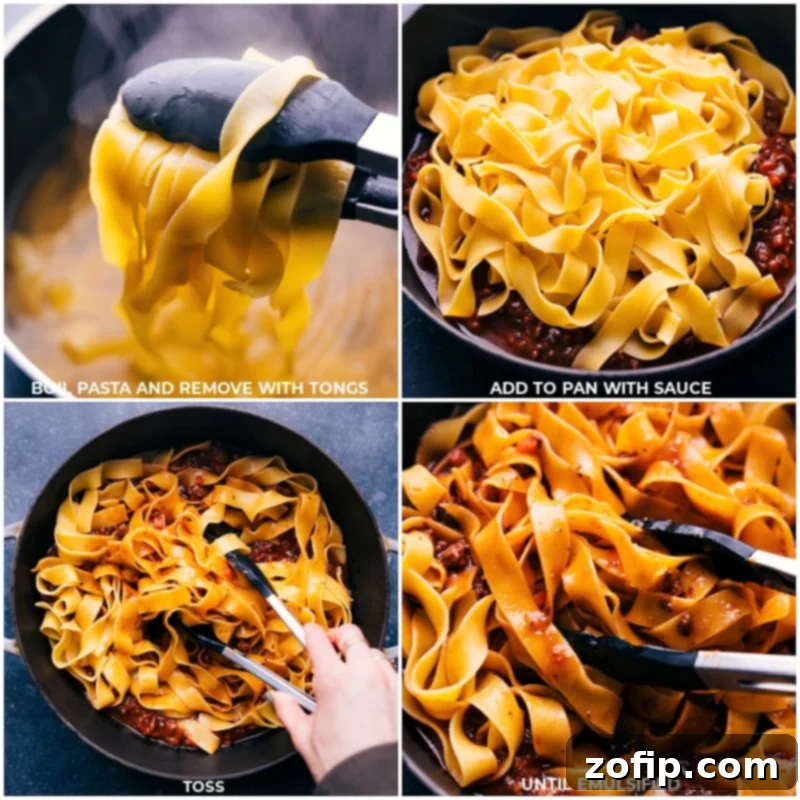
- Emulsify Sauce and Pasta: This technique is crucial for a restaurant-quality finish. Once your pasta is cooked al dente, transfer it directly into the pan with the Ragu sauce. Add a splash of reserved pasta water and toss vigorously. The starch from the pasta water, combined with the sauce, creates a wonderfully smooth, glossy, and cohesive emulsification that clings perfectly to every strand or piece of pasta, rather than simply pooling at the bottom of the bowl.
- Don’t Forget to Season at Every Step: Layering seasoning throughout the cooking process is vital for a well-balanced and deeply flavored dish. Season your meat generously as it browns, add salt and pepper to your mirepoix as it sautés, ensure your pasta water is well-salted, and finally, taste and adjust the seasoning of the finished Ragu. This continuous seasoning builds depth and dimension, preventing a bland or flat taste.
Make Ahead & Storage Tips
Prepare Your Ragu in Advance for Deeper Flavor
Our Ragu sauce is an excellent candidate for advance preparation. In fact, its flavors become even more profound and tender as it rests, allowing all the ingredients to meld beautifully. You can make the sauce a day or even two ahead of serving. When you’re ready to enjoy, simply cook your preferred pasta fresh and then proceed with the crucial step of emulsifying the warmed sauce with the hot pasta right before eating. This ensures a fresh-tasting, perfectly coated pasta dish every time.
For storage, allow any leftover Ragu to cool completely before transferring it to an airtight container. It will keep beautifully in the refrigerator for up to 4 days. To reheat, gently warm it on the stove over low heat, stirring occasionally, or use a microwave until thoroughly heated through.
Curate a Complete Italian-Inspired Feast!
Elevate your Ragu dinner into a grand Italian-inspired culinary experience with these perfect pairings:
- Appetizer: Begin your meal with a refreshing and simple Bruschetta, featuring ripe tomatoes, basil, and garlic on toasted bread.
- Breads & Sides: Complement your rich Ragu with soft, airy Focaccia bread for dipping. For delightful side dishes, consider serving crispy Roasted Broccoli and a vibrant Apple Fennel Salad to balance the richness.
- Dessert: Conclude your feast on a sweet note with classic Italian desserts like homemade Tiramisu, a fun and easy Cannoli Dip, or a refreshing scoop of Gelato.
Classic Stovetop Ragu
Chelsea Lords
35
2
30
3
5
8
servings
Video
Equipment
- Large pot
Ingredients
- 1-1/2 tablespoons olive oil
- 1 pound ground beef chuck 80/20
- 1/2 of a 19-ounce package Italian sausage see note 1
- Salt and pepper
- 3 cups mirepoix finely diced onion, carrots, celery—I use 1 cup each
- 2 teaspoons minced garlic
- 3 tablespoons tomato paste
- 1 (28-ounce) can crushed tomatoes see note 2
- 1 teaspoon dried oregano
- 1 teaspoon dried thyme
- 1 teaspoon dried basil
- 1 teaspoon dried crushed rosemary
- 2 teaspoons Worcestershire sauce
- 2 teaspoons beef bouillon powder
- 3 dried bay leaves
- 2 cups beef broth
- 1 cup red wine or use 1 cup additional broth and 1 to 3 teaspoons balsamic vinegar
- 2 to 3 teaspoons granulated sugar optional
- 8 ounces pasta of choice for serving, not entire package
- Freshly grated Parmesan cheese for serving
- 1/4 cup finely chopped fresh parsley optional
Instructions
- Add olive oil to a large, heavy-bottomed pot over high heat. Once hot, add the ground beef and Italian sausage in a single layer. Season with about 1/2 teaspoon each of salt and pepper. Allow the meat to sear undisturbed for approximately 1 minute to develop a flavorful crust before breaking it up and crumbling it with a wooden spoon. Continue browning until fully cooked. Using a slotted spoon, remove the browned meat to a bowl, leaving the rendered grease in the pot. If more than 2 tablespoons of grease remain, drain the excess, leaving just enough to cook the vegetables (see note 3).
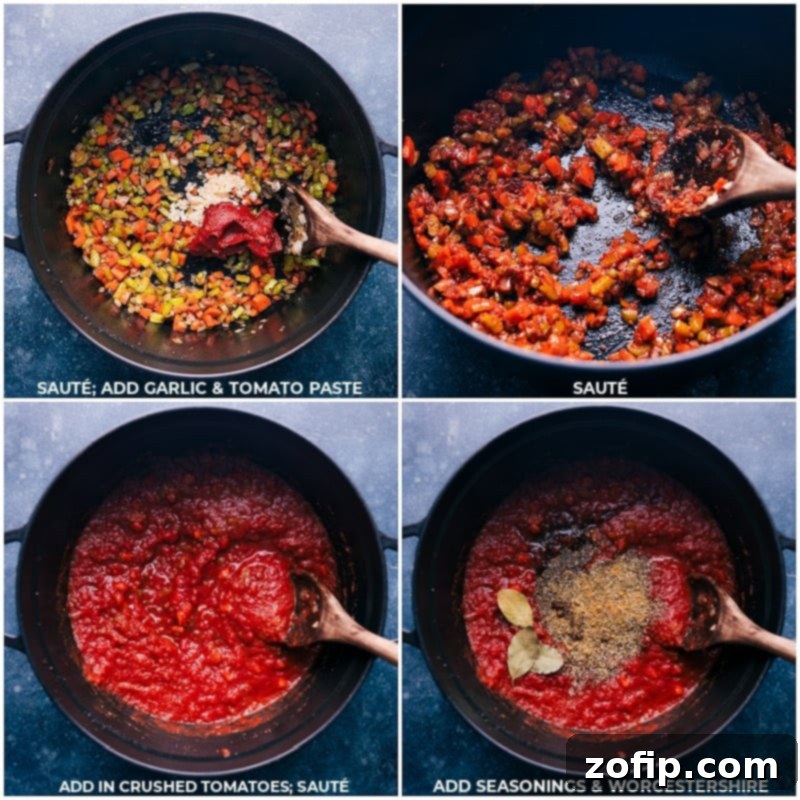
- Reduce the heat to medium. Add the finely diced mirepoix (onion, carrots, celery) to the pot. Season with another 1/2 teaspoon each of salt and pepper. Sauté, stirring occasionally, for 7–10 minutes, or until the vegetables begin to soften and become aromatic. Stir in the minced garlic and tomato paste, cooking for 1 minute until fragrant. Add the crushed tomatoes and cook, stirring constantly, for 1 minute to slightly reduce their raw acidity.
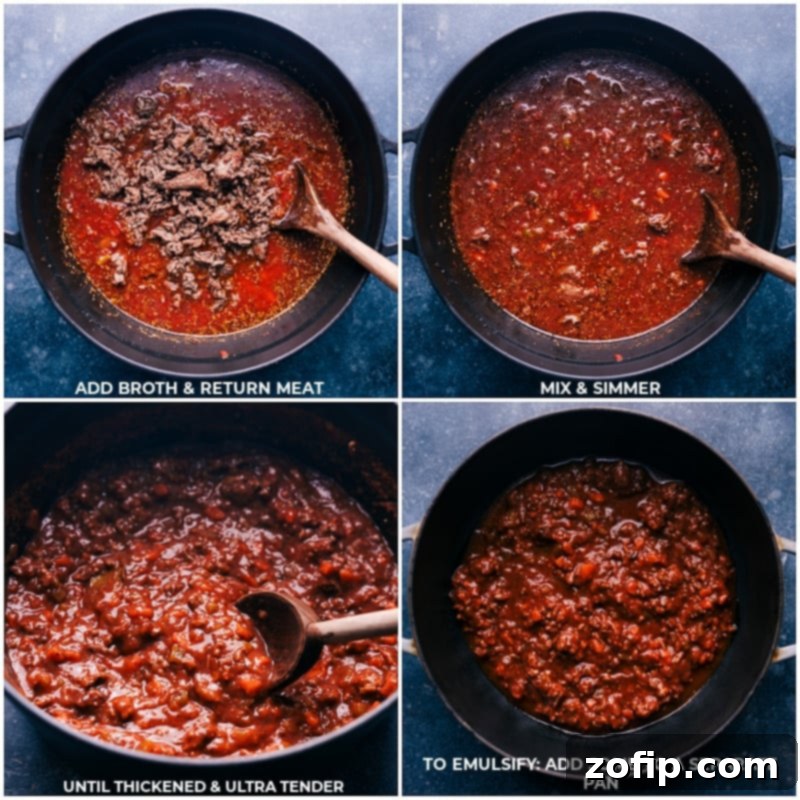
- Return the cooked meat to the pot. Stir in the dried oregano, thyme, basil, crushed rosemary, Worcestershire sauce, beef bouillon powder, bay leaves, beef broth, and red wine. Give everything a good stir to combine.
- Bring the sauce to a gentle simmer, then reduce the heat to the lowest setting. Cover the pot with a lid and allow the Ragu to slow-simmer for 2 to 2-1/2 hours. Stir occasionally to prevent sticking and ensure even cooking, replacing the lid each time. During this long simmer, the sauce will thicken, reduce, and develop incredibly rich and complex flavors, becoming ultra-tender and deeply savory.
- Once simmered, stir the sauce and taste for seasoning. Add more salt or pepper if needed. Depending on the acidity of your crushed tomatoes, you might want to add 2-3 teaspoons of granulated sugar to balance the flavors. For an extra touch of acidity and depth, a few teaspoons of balsamic vinegar can also be added to taste. Carefully remove and discard the bay leaves. Serve the rich Ragu sauce generously over your favorite cooked pasta, garnished with freshly grated Parmesan cheese and a sprinkle of fresh parsley (if using). For the authentic serving method, refer to note 4.
Recipe Notes
Note 2: The quality of your canned tomatoes is paramount. We highly recommend using premium brands like San Marzano or Muir Glen crushed tomatoes for their superior flavor and balanced acidity. If using less expensive tomatoes, you may find it necessary to add a touch of granulated sugar to counteract any excessive acidity.
Note 3: To efficiently drain excess grease, line a heat-safe bowl with aluminum foil and carefully pour all the rendered grease into it. Then, measure out approximately 2 tablespoons of grease to return to the pot for sautéing the vegetables. Once the remaining grease in the bowl has hardened, you can easily ball up the foil and discard it, making cleanup a breeze.
Note 4: For an authentic Italian serving experience, bring a very large pot of heavily salted water (about 1 teaspoon of salt per 4 cups of water) to a rolling boil. For 4–6 servings, add 8 ounces of your chosen pasta and cook until it is just al dente—cooked through but still firm to the bite (typically 2 minutes less than the package instructions). Before draining, reserve 1 cup of the starchy pasta water. Meanwhile, heat a large, deep pan over medium-high heat and add about 4-1/2 to 5 cups of the prepared Ragu; bring it to a gentle simmer. Using tongs, transfer the cooked pasta directly into the pan with the Ragu. Toss gently, gradually adding small amounts of the reserved pasta water until the sauce reduces and coats the pasta beautifully. This emulsification process creates a wonderfully smooth and flavorful sauce that clings perfectly to the pasta. Serve immediately, garnished with freshly grated Parmesan cheese if desired!
Nutrition Note: The provided nutrition information pertains solely to the Ragu sauce itself and does not include the pasta or any additional garnishes.
Storage: Allow any leftover Ragu to cool completely before transferring it to an airtight container. It can be stored in the refrigerator for up to 4 days. Reheat gently on the stovetop over low heat or in the microwave until warmed through.
Nutrition
|
Calories: 369kcal
|
Carbohydrates: 16g
|
Protein: 17g
|
Fat: 24g
|
Saturated Fat: 9g
|
Polyunsaturated Fat: 2g
|
Monounsaturated Fat: 11g
|
Trans Fat: 1g
|
Cholesterol: 67mg
|
Sodium: 760mg
|
Potassium: 680mg
|
Fiber: 4g
|
Sugar: 8g
|
Vitamin A: 355IU
|
Vitamin C: 15mg
|
Calcium: 66mg
|
Iron: 3mg
Nutrition information is automatically calculated, so should only be used as an approximation.
Enjoyed this recipe? Share your thoughts below!
Ragu Recipe FAQs
Traditionally, Ragu is a meat-based sauce, and virtually any ground or finely chopped meat can be used. Common choices include beef, pork, veal, or even a combination. Some regional Italian variations also use game meats or poultry like turkey or chicken. My original authentic Italian Ragu recipe, learned in Italy, featured tender, shredded beef, showcasing the versatility of this beloved sauce.
The primary distinction lies in the presence of meat. Ragu is fundamentally a meat-based sauce, where meat (ground or chopped) is a central and defining ingredient, often slow-simmered with vegetables and tomatoes to create a rich, hearty texture. In contrast, “spaghetti sauce” is a broader term that refers to any tomato-based sauce served with spaghetti. It doesn’t necessarily have to contain meat and can often be entirely vegetable-based or marinara-style. You can think of Ragu as a specialized, meat-centric tomato sauce, while spaghetti sauce simply denotes a tomato sauce used for pasta, which may or may not include meat.
To truly make your Ragu’s flavors pop, consider these techniques:
- Adjust Seasoning: Stir in an extra pinch of salt and freshly ground black pepper to taste. Proper seasoning is crucial for bringing out all the other flavors.
- Add Fresh Herbs: Garnish with finely chopped fresh basil, thyme, or oregano just before serving. Fresh herbs provide a bright, aromatic counterpoint to the rich sauce.
- Introduce Heat: For a subtle kick, add a pinch of red pepper flakes during the simmering process, or sprinkle some on top when serving.
- Boost Umami with Cheese: Finish your Ragu generously with freshly grated Parmigiano Reggiano cheese. Its salty, nutty, and savory notes perfectly complement the rich meat and tomato base.
- A Touch of Acidity: A small splash of good quality balsamic vinegar or even a squeeze of fresh lemon juice at the very end can brighten the sauce and balance its richness.
- Longer Simmer: If time allows, simmering the Ragu for an extended period (even an extra hour) allows flavors to deepen and meld further, resulting in a more complex sauce.
Absolutely! Ragu freezes exceptionally well, making it a fantastic dish for meal prep. Once your Ragu sauce has cooled completely, transfer it to freezer-safe containers or heavy-duty freezer bags. Ensure there’s minimal air in the container to prevent freezer burn. It can be stored in the freezer for up to 3-4 months. When ready to use, simply thaw it in the refrigerator overnight and then gently reheat on the stovetop until simmering, adding a splash of broth or water if needed to adjust consistency.
Achieving a deep, flavorful brown on your ground meat is key to a great Ragu. Start with a large, heavy-bottomed pot or Dutch oven over high heat. Add your olive oil and once shimmering, add the ground beef and Italian sausage in a single layer without overcrowding the pan. Season generously with salt and pepper. Resist the urge to stir immediately; let the meat sear undisturbed for at least 1-2 minutes to develop a rich, crusty brown. Then, break it up with a wooden spoon and continue browning until no pink remains. This initial sear creates invaluable flavor through the Maillard reaction, which forms the base of your sauce’s complexity.