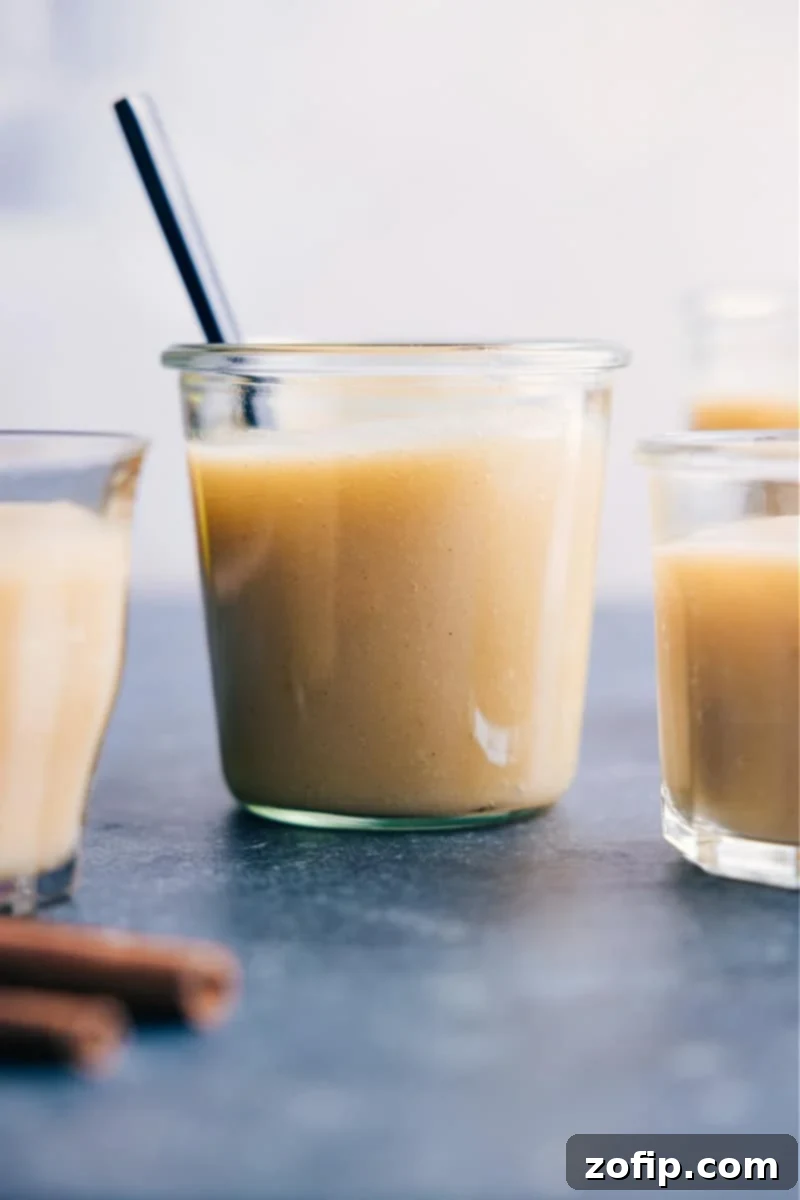
Homemade Applesauce: Simply the Best, Surprisingly Easy
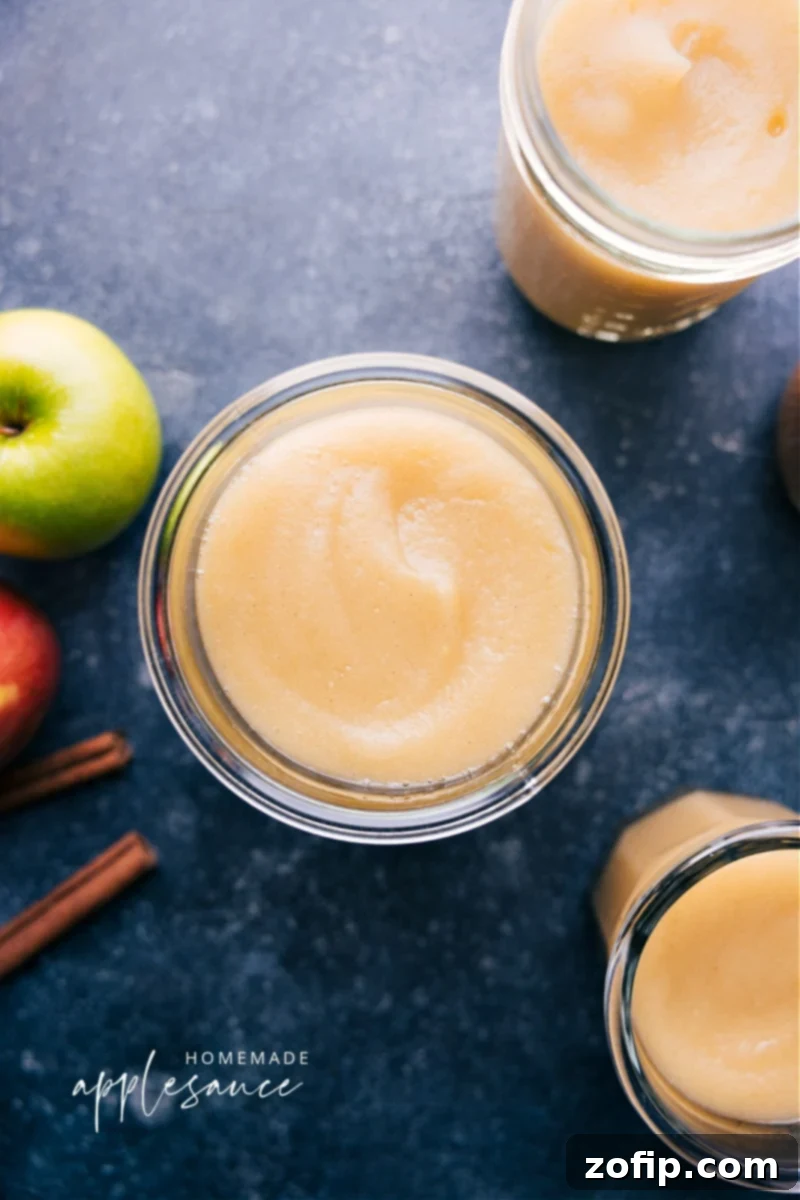
There’s truly nothing quite like the comforting taste of homemade applesauce. Forget the store-bought versions; making your own applesauce is not only surprisingly quick and easy but also incredibly rewarding. This simple recipe empowers you to take complete control, allowing you to create your perfect batch—whether you prefer it smooth or chunky, richly spiced or subtly sweet. Get ready to transform fresh apples into a wholesome, delicious treat that will become a staple in your kitchen!
Applesauce vs. Apple Puree: Understanding the Difference
While often used interchangeably, applesauce and apple puree have a subtle but distinct difference, primarily in their texture. Both are prepared by cooking down apples, but the finishing touches set them apart.
- A puree is always smooth, processed until it has a uniformly silky consistency, free from any lumps. This makes it ideal for baby food or as a delicate base in certain recipes.
- Applesauce, on the other hand, offers a delightful variety of textures. It can be made perfectly smooth, much like a puree, or left with charming small chunks of apple, providing a more rustic and satisfying mouthfeel. This versatility allows you to tailor your applesauce to your exact preference and intended use.
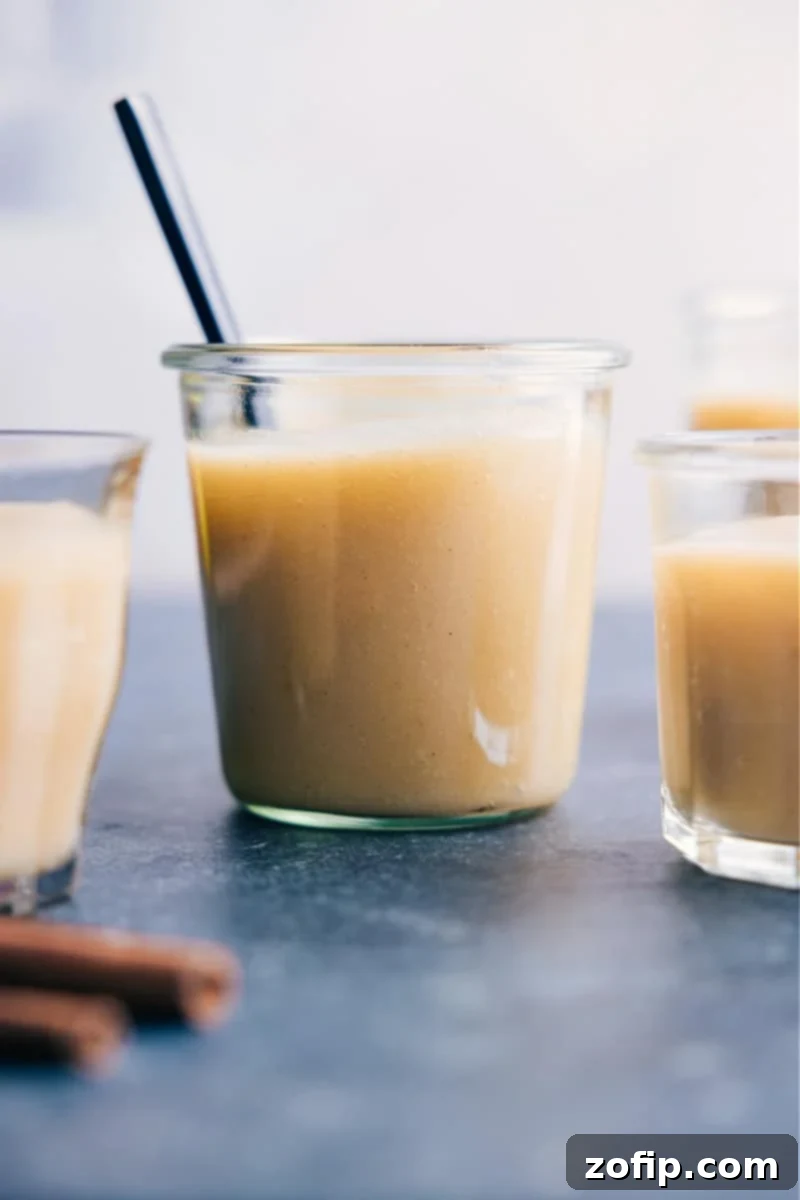
Why Make Your Own Homemade Applesauce? Unbeatable Benefits
You might wonder why bother making applesauce when it’s so readily available on grocery store shelves. The answer lies in the unparalleled advantages of crafting it yourself:
- Unrivaled Flavor and Freshness: First and foremost, nothing—and we mean nothing—compares to the vibrant, natural flavor of freshly made homemade applesauce. The aroma alone as it cooks is enough to win you over. The taste is brighter, more nuanced, and simply more “apple-y” than any store-bought alternative.
- Complete Control Over Ingredients: When you make applesauce at home, you gain peace of mind knowing exactly what goes into it. This means no artificial colors, preservatives, or high-fructose corn syrup—just pure, wholesome ingredients. It’s perfect for those seeking a clean diet, or preparing a healthy snack for kids and babies.
- Customizable Texture and Sweetness: This is where homemade truly shines! You have the freedom to choose your ideal consistency, from a silky-smooth blend to a delightfully chunky texture. Adjust the sweetness to your liking, add your favorite spices, or even leave it completely unsweetened for a truly natural taste.
- Economical and Sustainable: If you’re fortunate enough to have an apple tree or can take advantage of seasonal apple picking, making your own applesauce is incredibly economical. It’s a fantastic way to utilize an abundance of fresh apples, preventing food waste and saving money.
- Excellent for Storage: Homemade applesauce stores beautifully in the refrigerator for a week or can be frozen for several months, making it easy to enjoy the flavors of autumn long after apple season has passed. It’s a convenient make-ahead option for busy individuals and families.
- Effortlessly Simple: Despite its gourmet appeal, this applesauce recipe is surprisingly straightforward. It truly doesn’t get much easier than peeling, chopping, cooking, and blending. It’s a perfect project for beginner cooks!
Applesauce FAQs: Your Questions Answered
Which Apples Are Best for Applesauce?
The best apples for applesauce often combine a mix of sweet and tart varieties to achieve a balanced flavor profile. We highly recommend a blend of Granny Smith apples for their tartness and firm texture, paired with sweeter, softer apples like Fuji or Gala. This combination yields a well-rounded flavor that is neither too sweet nor too sharp.
Other excellent options include Honeycrisp (sweet, crisp), Golden Delicious (sweet, soft), McIntosh (tart, soft, breaks down easily), or even Pink Lady (sweet-tart, firm). Don’t be afraid to experiment with different combinations to discover your personal favorite!
How Can I Make Applesauce Taste Even Better?
Enhancing the flavor of your homemade applesauce is easy with a few simple tricks:
- Start with High-Quality Apples: The foundation of great applesauce is great apples. Choose fresh, ripe apples that are firm and free of blemishes.
- Balance Sweetness: While many recipes add sugar, the natural sweetness of apples varies. Taste your applesauce before adding extra sweetener. If needed, a touch more maple syrup or brown sugar can elevate the flavor.
- A Pinch of Salt: Don’t underestimate the power of salt. A small amount can significantly enhance all the other flavors, bringing out the natural sweetness and spice.
- Introduce Warm Spices: Cinnamon is a classic, but don’t stop there! A pinch of nutmeg, a dash of ground cloves, or a hint of allspice can add wonderful depth and warmth.
- A Splash of Citrus: A tablespoon of fresh lemon juice added at the end brightens the flavors, prevents browning, and adds a refreshing tang that cuts through the sweetness.
- Vanilla Extract: A teaspoon of good quality vanilla extract can round out the flavors and add a subtle, fragrant warmth.
What Are the Essential Ingredients for Homemade Applesauce?
Creating delicious homemade applesauce requires just a handful of simple ingredients:
- Apples: As mentioned, a mix of tart (like Granny Smith) and sweet (like Fuji or Gala) apples is our top recommendation for the most balanced and complex flavor. The fresher and riper your apples, the more flavorful your applesauce will be. For tips on selecting the freshest apples, see our guide below.
- Water: A small amount of water is crucial for cooking the apples down without scorching them. We’ve found that using water, rather than apple juice, allows the natural apple flavor to truly shine through without making the sauce overly sweet or diluting its authentic taste.
- Maple Syrup (or Sugar): We love keeping this applesauce naturally sweetened with pure maple syrup. It imparts a subtle, rich sweetness that complements the apples beautifully, without the distinct flavor that honey sometimes adds. Pure maple syrup is a natural sap, boiled down—a truly single-ingredient wonder! If you prefer, white or brown sugar can be used as alternatives.
- For Unsweetened Applesauce: Simply omit any added sugar. Just ensure you start with good, ripe apples that have plenty of natural sweetness on their own.
- Flavor Enhancers: These ingredients elevate your applesauce from good to absolutely phenomenal:
- Salt: A pinch of salt is a secret weapon, enhancing all the other flavors and bringing a depth that might otherwise be missing.
- Vanilla Extract: Adds a warm, aromatic note that makes the applesauce feel even more luxurious and comforting.
- Cinnamon: The quintessential apple spice! It provides warmth and a classic applesauce flavor. Feel free to adjust the amount or add other spices like nutmeg or cloves for a more complex profile.
- Fresh Lemon Juice: Brightens the overall flavor and helps prevent the applesauce from browning too much.
Quick Tip: Selecting Fresh Apples
To ensure the best applesauce, always choose fresh, high-quality apples. Look for apples that feel firm and heavy for their size, with bright, vibrant skin free from soft spots, bruises, or discoloration. When you bite into them, they should be crisp, juicy, and have a pleasant, sweet-tart taste. A good sniff can also tell you a lot—fresh apples will have a mild, fruity aroma.
Creative Ways to Enjoy Homemade Applesauce
Homemade applesauce is incredibly versatile and can be enjoyed in countless ways beyond just eating it straight from the spoon. Here are some of our favorite ideas:
- Simply Enjoy It: There’s no shame in savoring this delicious applesauce on its own, warm or chilled, directly from the fridge. It’s a perfect healthy snack any time of day!
- Breakfast Booster: Stir it into plain or vanilla yogurt, oatmeal, or cream of wheat. Top with granola, nuts, or fresh fruit for a wholesome and satisfying breakfast.
- Pair with Savory Dishes: Applesauce is a classic accompaniment to savory meats. Serve it alongside roasted pork chops, chicken, or even a hearty sausage for a delightful sweet-tart contrast.
- Unique Snack Combinations: Try it with cheese! As a nostalgic treat, my mom used to make cheese toasts (bread topped with sharp Cheddar cheese, broiled until melted) and we’d top them with applesauce. It sounds unusual, but trust us—it’s surprisingly delicious! It also pairs wonderfully with crackers and a slice of sharp cheddar.
- Dessert Topping: Warm applesauce makes a fantastic topping for vanilla ice cream, pancakes, waffles, or even a simple piece of pound cake.
- Smoothie Ingredient: Add a dollop to your morning smoothie for natural sweetness, fiber, and a lovely apple flavor.
Baking with Applesauce: Your Secret Ingredient
Homemade applesauce is a fantastic ingredient in baking, adding natural sweetness, moisture, and a subtle apple flavor. It can often be used as a healthier substitute for oil or butter in many recipes, making your baked goods lighter without sacrificing flavor or texture. Its pectin content also helps bind ingredients, resulting in wonderfully moist and tender creations. Here are some of our favorite recipes where this homemade applesauce truly shines:
- Applesauce Cake with a luscious cream cheese frosting – for a delightful dessert.
- Applesauce Bread crowned with a sugared crisp topping – perfect for breakfast or an afternoon snack.
- Bircher Muesli with shredded apple – for a fresh and hearty start to your day.
- Applesauce Brownies made with better-for-you ingredients – guilt-free indulgence.
- Applesauce Muffins made with Greek yogurt – for a moist and flavorful treat.
Storage Solutions for Your Homemade Applesauce
How Long Does Homemade Applesauce Last?
Your freshly made applesauce can be stored in an airtight container in the refrigerator for approximately 7-10 days. For longer preservation, canning or freezing are excellent options.
For those interested in long-term pantry storage, here’s a comprehensive guide to canning applesauce, ensuring you can enjoy its goodness for months.
Can You Freeze Homemade Applesauce? Absolutely!
Yes, homemade applesauce freezes beautifully, allowing you to stock up and enjoy it whenever you wish! Follow these simple steps for optimal freezing:
- Cool Completely: After preparing your applesauce, let it cool down fully to room temperature. This is crucial to prevent ice crystals and ensure quality.
- Portion and Label: While the applesauce cools, prepare your storage containers. Zip-top freezer bags are excellent for this. Label them clearly with the date and the quantity. We find that dividing the applesauce into convenient 2-cup increments works well for future use.
- Remove Air and Flatten: Spoon the cooled applesauce into your labeled freezer bags. Squeeze out as much air as possible before sealing them. Then, lay the bags flat and gently press them to create an even layer. This flat shape allows for quicker thawing and takes up significantly less space in your freezer.
- Freeze and Store: Freeze the bags flat until solid. Once frozen, you can stand them upright or stack them efficiently in your freezer. Homemade applesauce can be safely stored in the freezer for 6-9 months.
- Thawing: When you’re ready to enjoy your frozen applesauce, simply transfer a bag from the freezer to the refrigerator overnight. For quicker thawing, you can place the sealed bag in a bowl of cold water.
For individual portions, especially useful for baby food, consider freezing applesauce in ice cube trays. Once frozen, transfer the cubes to a freezer bag.
Don’t Waste a Single Apple: Use Leftover Apples In These Recipes
If you’ve bought a large batch of apples for your applesauce and find yourself with a few extras, don’t let them go to waste! Apples are incredibly versatile and can be transformed into a variety of other delicious dishes. Here are some fantastic recipes to inspire you:
- Classic Apple Pie with a flaky homemade pie crust – a timeless dessert.
- Creative Apple Nachos made two different ways – a fun and healthy snack.
- Healthy Gluten-Free Apple Muffins made with almond butter – perfect for breakfast or a grab-and-go snack.
- Indulgent Apple Crumble Bars with rich caramel and browned butter – a delightful treat for any occasion.
- Warm Apple Crumble with a golden, crisp topping – a comforting dessert, especially when served à la mode.

Homemade Applesauce
Equipment
- Blender
- Large Pot with Lid
- Vegetable Peeler
- Cutting Board and Knife
Ingredients
- 8 to 11 apples (approximately 4 pounds; we recommend a mix of Granny Smith and Fuji or Gala)
- 1 cup water
- 1/2 teaspoon salt
- 2 tablespoons maple syrup (or 1/4 cup granulated sugar, adjust to taste)
- 1/4 teaspoon ground cinnamon (optional, but highly recommended)
- 1 tablespoon fresh lemon juice
- 1 teaspoon vanilla extract (optional)
Instructions
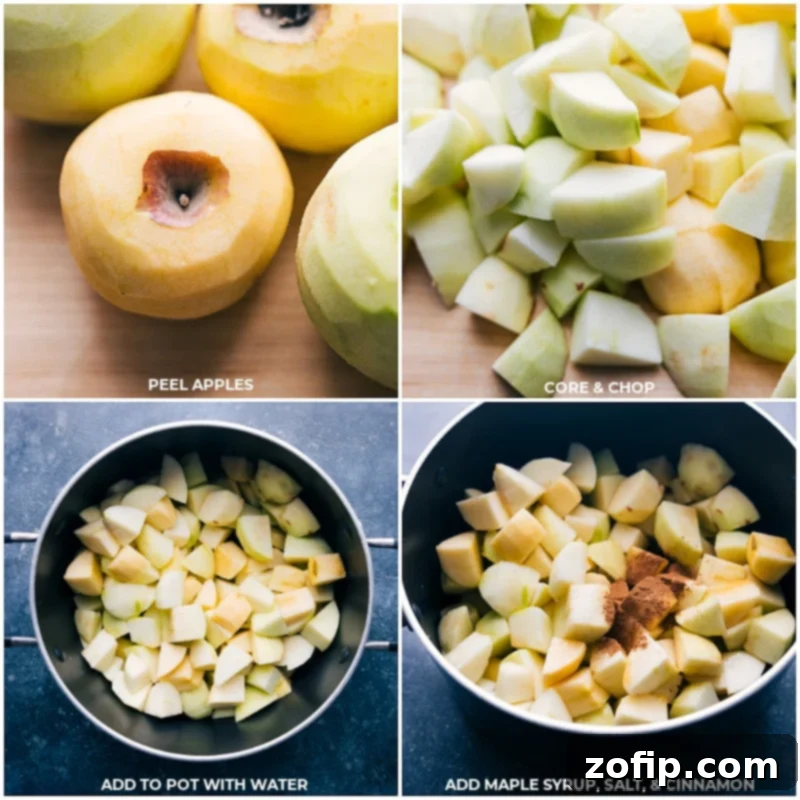
- Peel, core, and coarsely chop the apples into approximately 2-inch chunks. This should yield about 9-1/2 cups of chopped apples.
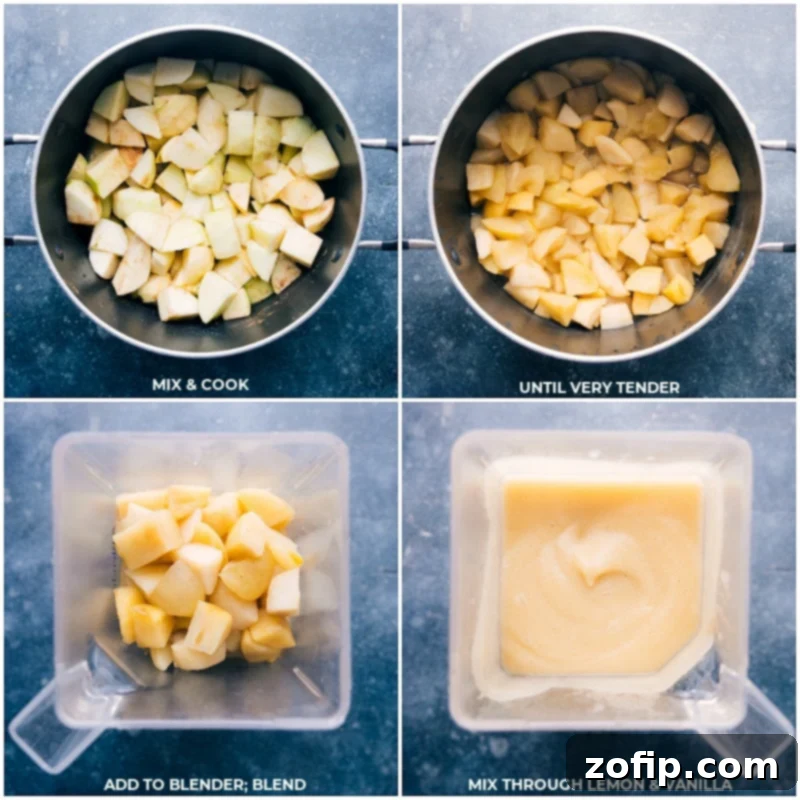
- In a large, heavy-bottomed pot, combine the chopped apples, water, salt, maple syrup (or sugar), and cinnamon (if using). Stir gently to combine. Heat the mixture over medium-high heat until it begins to simmer. Once simmering, reduce the heat to medium-low, cover the pot, and cook for 18–20 minutes, stirring occasionally. Continue cooking until the apples are very tender and easily pierced with a fork.
- Remove the pot from the heat and let the apples cool for about 10 minutes. Carefully transfer the contents to a blender. If making smooth applesauce, blend until completely smooth (see Note 1 below for important blender safety tips). For chunky applesauce, use a potato masher directly in the pot to achieve your desired consistency, leaving some delightful apple chunks.
- Stir in the fresh lemon juice and vanilla extract (if using). Mix everything well. Taste the applesauce and adjust as needed, adding more maple syrup for extra sweetness or more cinnamon for additional spice.
- Allow the homemade applesauce to cool completely to room temperature. Once cooled, transfer it to an airtight container and refrigerate for at least 1 hour, or until thoroughly chilled, before serving.
Recipe Notes
Storage: Leftover applesauce will keep fresh in an airtight container in the refrigerator for about 1 week. For longer storage, it can be frozen for 6–9 months.
Nutrition
Calories: 131kcal |
Carbohydrates: 34.8g |
Protein: 0.6g |
Fat: 0.4g |
Sodium: 149.4mg |
Fiber: 5.4g |
Sugar: 26.6g
Nutrition information is automatically calculated and should only be used as an approximation.
Love this recipe? Leave a comment below!