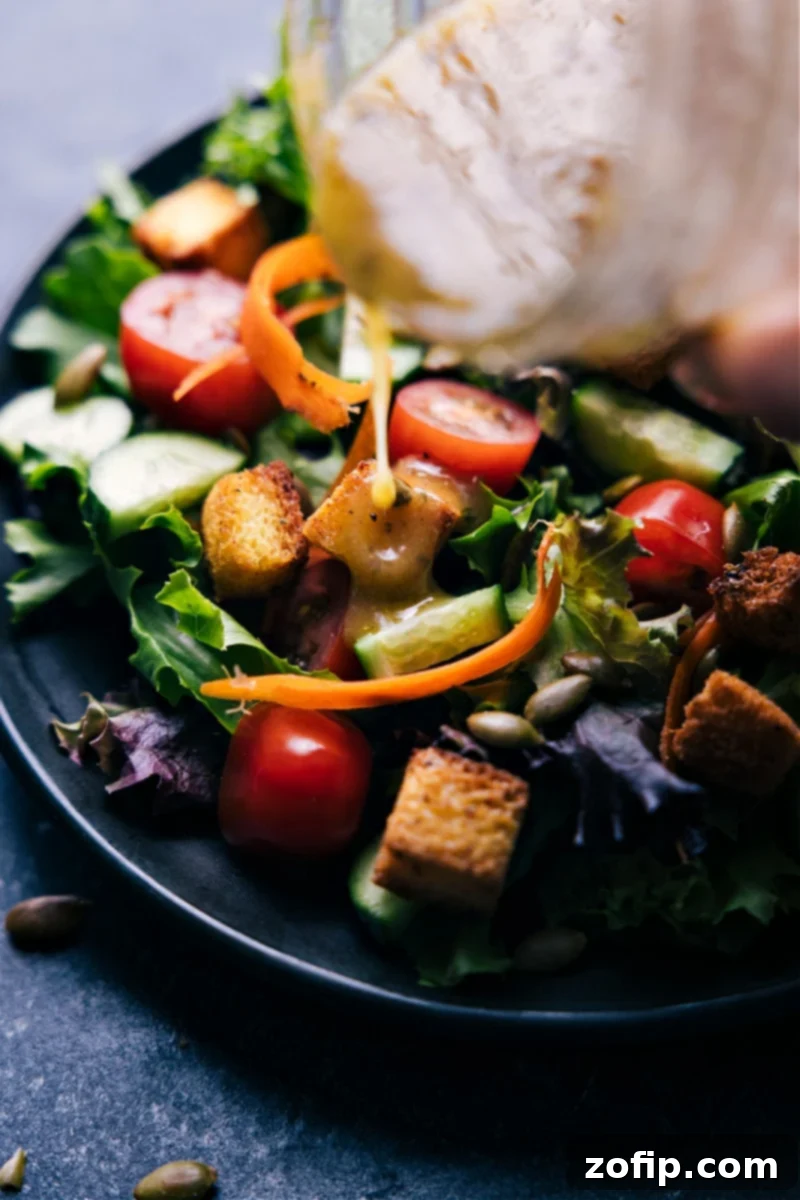
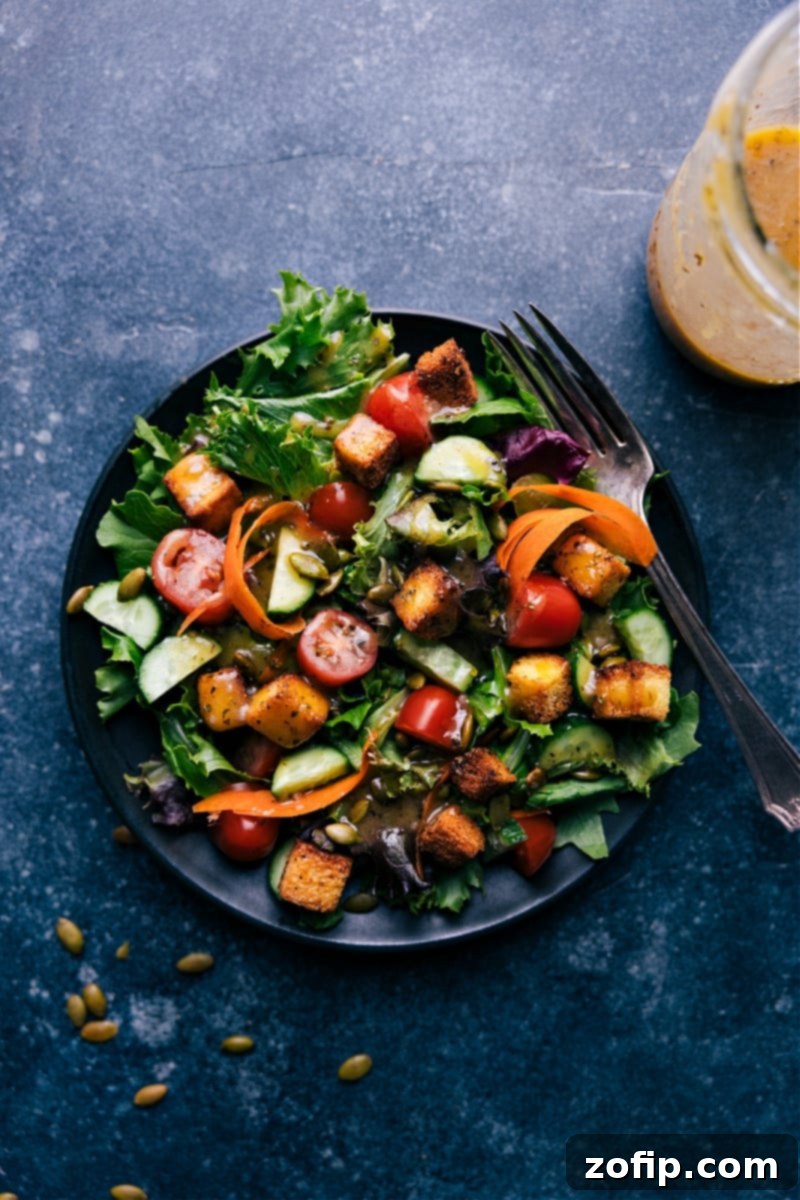
A simple, well-crafted Vinaigrette Recipe is more than just a salad dressing; it’s a foundational culinary staple that can elevate countless dishes. Imagine a vibrant, fresh dressing made in minutes, ready to drizzle over crisp salads, tender roasted vegetables, flaky fish, or succulent grilled chicken. There’s truly nothing quite like the bright, balanced flavor of a homemade vinaigrette to transform an ordinary meal into something extraordinary. Forget store-bought options filled with questionable ingredients – this guide will empower you to create your own perfect batch for the week, offering unmatched flavor and endless versatility.

Author’s Insight
The Unforgettable Lesson: How a Chef Simplified Dressing for Me Forever
During my college years, I had the privilege of working at a high-end restaurant, a place where culinary artistry was a daily practice. Every single night, the head chef would craft a fresh vinaigrette, a ritual I watched with fascination. He never once reached for a measuring spoon or cup. It was always a confident pour of oil, a splash of vinegar, a hint of something sweet, and a quick pinch of seasoning. And somehow, miraculously, it was always perfect.
Through observing him, I realized that the art of making a superb vinaigrette doesn’t require complex formulas or meticulous measurements. The best dressings, he showed me, are built on a few fundamental principles: a high-quality oil, the right kind of vinegar for balance, and just a touch of flavor to round it all out. This experience taught me an invaluable lesson: trust your instincts and the process, rather than overthinking every step.
Since then, crafting homemade vinaigrettes has become a joyful habit in my own kitchen. I’ve drizzled them over countless salads, complemented batches of roasted vegetables, and even used them as vibrant marinades. After years of perfecting this “eyeball” method, I finally decided it was time to codify my favorite combination with precise measurements. Now, I’m thrilled to share this ultimate, easy-to-master vinaigrette recipe with you.
Essential Vinaigrette Recipe Ingredients and Thoughtful Swaps
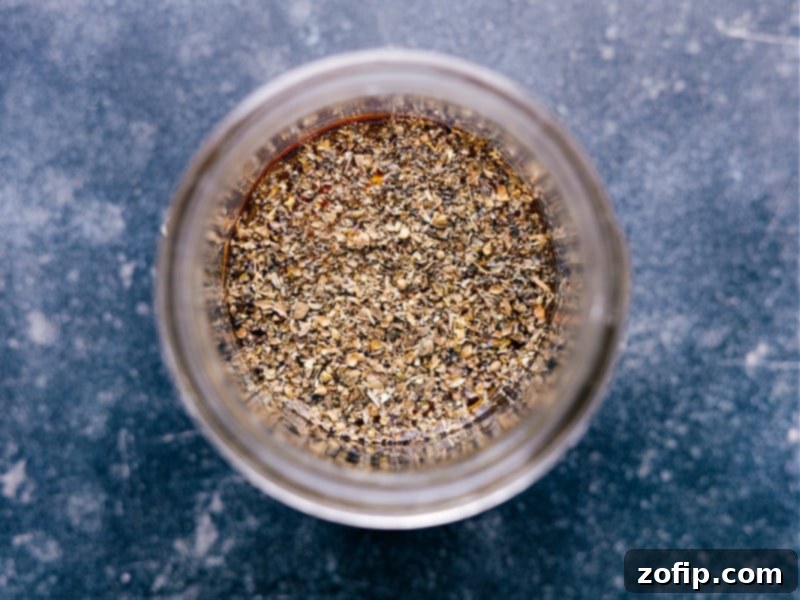
The beauty of a classic vinaigrette lies in its simplicity, relying on just a few high-quality ingredients to create a harmonious flavor profile. Understanding each component’s role and knowing a few key swaps can help you tailor this versatile dressing to your exact preferences or whatever you have on hand.
| Ingredient | Notes & Swaps for Perfect Customization |
|---|---|
| Olive Oil | A good-quality extra virgin olive oil is paramount for flavor and mouthfeel. Its fruity, sometimes peppery notes are key. For a milder taste, or if you prefer a different profile, avocado oil is an excellent alternative that still provides healthy fats. |
| Red Wine Vinegar | My personal favorite for a classic, robust, and beautifully balanced tang. It offers a subtle fruity depth without being overly sweet. Feel free to experiment: Apple cider vinegar lends a fruitier touch, champagne vinegar provides a milder, more delicate acidity, while balsamic vinegar delivers a sweeter, richer, and deeper flavor. |
| Dijon Mustard | More than just a flavor booster, Dijon mustard acts as a crucial emulsifier, helping the oil and vinegar combine into a smooth, cohesive dressing that coats your greens beautifully. It also adds a subtle, piquant kick. Whole grain mustard can offer a different texture and milder spice. |
| Honey | A touch of sweetness is essential to round out the sharp acidity of the vinegar. Honey adds a lovely floral note. Maple syrup or agave nectar are fantastic vegan-friendly alternatives. Adjust the amount to achieve your desired sweetness level. |
| Garlic & Herbs (optional) | These optional additions unlock incredible depth and aroma. Fresh minced garlic provides a pungent warmth, while dried Italian seasoning or oregano infuse a Mediterranean flair. Don’t hesitate to use your favorite herbs, fresh or dried, to match your dish. |
| Salt & Freshly Ground Black Pepper | These are non-negotiable for seasoning. They don’t just add saltiness and spice, but truly enhance and bring out all the other flavors in the dressing. Always season to taste. |
Crafting Your Perfect Vinaigrette: Simple Steps to Homemade Goodness
Making this homemade vinaigrette is incredibly straightforward, requiring minimal effort for maximum flavor payoff. You’ll be amazed at how quickly you can create a dressing that rivals any gourmet option.
- Gather and Combine Ingredients: Begin by adding all your chosen vinaigrette ingredients—olive oil, vinegar, Dijon mustard, honey, and any optional garlic or herbs—into a jar with a tight-fitting lid. If you don’t have a jar, a small bowl and a whisk will work perfectly. Season with about 1/4 teaspoon of salt and 1/8 teaspoon of freshly ground black pepper to start.
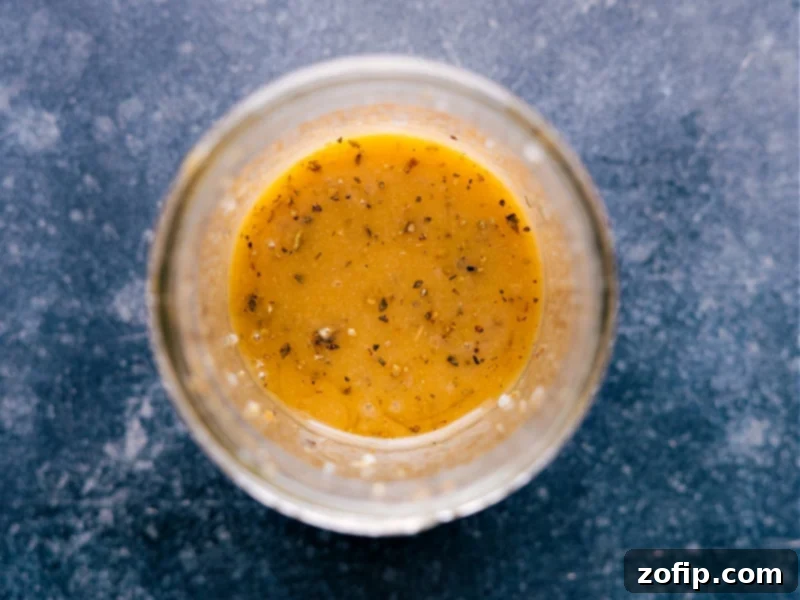
- Shake (or Whisk) to Emulsify: Seal the jar tightly and shake it vigorously for about 30-60 seconds. The goal is to emulsify the dressing, meaning the oil and vinegar, which normally separate, become beautifully blended into a smooth, creamy consistency. If using a bowl, whisk briskly until no distinct layers of oil and vinegar are visible. Ensure any honey hasn’t settled at the bottom; if it has, give it an extra whisk or shake to fully incorporate.
- Taste and Adjust to Perfection: This is a crucial step for truly customizing your vinaigrette. Taste a small amount and consider what it needs. Does it lack a certain zest? Add a touch more vinegar. Is it too tangy? A bit more honey will balance it out. Does it feel flat? A pinch more salt can dramatically enhance all the flavors. Don’t be shy about making small adjustments until it perfectly suits your palate.
Quick Tip for Easy Vinaigrette Prep!
For effortless preparation and storage of all your homemade dressings and sauces, I highly recommend investing in a set of wide-mouth mason jars. Pair them with white plastic storage caps for a super convenient, spill-proof solution. These jars make shaking your vinaigrette a breeze and keep it fresh in the fridge.
Storing Your Homemade Vinaigrette
Once prepared, your fresh vinaigrette can be stored in a sealed jar in the refrigerator for up to 1 week. It’s normal for the dressing to separate or even for the olive oil to solidify slightly when chilled. Simply let it sit at room temperature for 15-20 minutes, then shake vigorously or whisk well before each use to re-emulsify it to its smooth, delicious state.
The Science and Art of Emulsification in Vinaigrettes
Have you ever wondered why oil and vinegar don’t mix naturally? It’s due to their different molecular structures – oil is hydrophobic (water-fearing) and vinegar is largely water-based. Emulsification is the process of forcing these two immiscible liquids to combine and stay mixed. In a vinaigrette, this is often achieved through physical agitation (shaking or whisking) and the help of an emulsifying agent like Dijon mustard.
Dijon mustard contains compounds that can bind with both oil and water molecules, creating a stable bridge that prevents them from separating quickly. When you shake or whisk the dressing vigorously, you break the oil into tiny droplets, which are then coated and suspended by the mustard and vinegar. This results in the creamy, smooth texture that allows the dressing to cling to your food, delivering flavor with every bite.
Achieving a good emulsion is key to a superior vinaigrette. If your dressing separates, don’t worry! It simply means the emulsion has broken. A quick re-shake or whisk will bring it back together, especially after refrigeration when the oil might have solidified slightly.
Unlock Flavor: Endless Culinary Applications for Your Vinaigrette
While vinaigrette is synonymous with salads, its versatility extends far beyond the greens! Think of it as a flavor-packed secret weapon in your kitchen. Here are just a few ways to utilize your homemade dressing:
- Marinades: The acidity in vinaigrette tenderizes meats and infuses them with flavor. It’s fantastic for chicken, fish, pork, or even firm tofu before grilling, baking, or pan-frying.
- Roasted Vegetables: Toss your favorite vegetables (broccoli, carrots, zucchini, bell peppers) with vinaigrette before roasting. The oil helps them caramelize, and the vinegar adds a bright counterpoint to their sweetness.
- Grain Bowls & Legumes: Drizzle over warm quinoa, couscous, farro, or lentils to add zest and moisture. It instantly elevates a simple side dish or makes a satisfying base for a meal.
- Quick Pan Sauce: Deglaze a pan after cooking chicken or fish with a splash of vinaigrette for an instant, flavorful sauce.
- Grilled Meats & Fish: Brush on cooked proteins for a finishing glaze that adds a pop of acidity and herbaceous notes.
- Sandwiches & Wraps: Instead of mayo, try a thin spread of vinaigrette to moisten and flavor your sandwiches.
Pair Your Homemade Vinaigrette with These Delicious Recipes:
Salads
Grilled Bacon Corn Salad Recipe
Rice And Quinoa Salads
The Famous Jennifer Aniston Salad
Salads
Delightful Roasted Beet Salad
Salads
Creamy Avocado Quinoa Salad

Classic Homemade Vinaigrette
By Chelsea Lords
This simple vinaigrette is a kitchen essential! Whip up a batch at the beginning of the week and drizzle it on salads, roasted veggies, or use as a quick sauce for fish or grilled chicken. Nothing tastes better than this homemade dressing!
Prep Time: 10 minutes
Total Time: 10 minutes
Servings: 6 servings (approx. 2 tablespoons per serving)
Print Recipe
Video: How to Make Vinaigrette
Watch this quick video to see how simple it is to prepare your own homemade vinaigrette!
Equipment
- Wide-mouth Mason Jar (or a small bowl and whisk)
Ingredients
- 1/2 cup olive oil
- 3 tablespoons red wine vinegar (see Note 1 for variations)
- 1 tablespoon Dijon-style mustard
- 1 tablespoon honey
- 1 teaspoon Italian seasoning
- Salt and pepper, to taste
- Optional additions (see Note 2 for ideas)
Instructions
- In a wide-mouth jar, combine all dressing ingredients: olive oil, red wine vinegar, Dijon mustard, honey, and Italian seasoning. Season with an initial 1/4 teaspoon salt and 1/8 teaspoon pepper. Seal the jar with a tight-fitting lid and shake briskly for 30-60 seconds to emulsify until smooth and well-blended. If using a bowl, whisk vigorously. Ensure the honey is fully dissolved and not sticking to the bottom.
- Taste the dressing and adjust seasonings or flavors to your preference. Add more honey for sweetness, extra vinegar for tang, a little more oil if it’s too acidic, or additional salt to brighten all the flavors. Serve your homemade vinaigrette immediately or store it in the refrigerator. Remember to shake well before each use.
Recipe Notes for Ultimate Customization
Note 1: Vinegar Variations for Unique Flavors: The type of vinegar you choose dramatically influences your dressing’s character. For a classic flavor, red wine vinegar is excellent. Swap it out for:
- Balsamic vinegar for a richer, sweeter balsamic vinaigrette.
- White wine vinegar or white balsamic for a mellower, slightly sweeter, and less intensely colored dressing.
- Apple cider vinegar for a subtle apple flavor, ideal for fruity salads like Apple Salad.
- Fresh lemon juice for a bright, zesty lemon vinaigrette.
- Sherry vinegar for a milder, slightly nutty flavor profile.
- Champagne vinegar for the most delicate and subtle acidity, perfect for light greens.
Note 2: Optional Flavor Enhancements (Choose one or two to add):
- Minced Shallot: Add one tablespoon of finely minced shallot for a delicate oniony flavor.
- Minced Garlic: Incorporate one teaspoon of fresh minced garlic for a pungent, aromatic kick.
- Fresh Herbs: Stir in one to two tablespoons of fresh, finely minced herbs such as parsley, chives, dill, oregano, or thyme.
- Spicy Kick: A pinch of red pepper flakes can add a subtle warmth.
- Citrus Zest: Grate in a teaspoon of lemon or orange zest for an extra layer of brightness.
I typically opt for a touch of fresh garlic to enhance the savory notes.
Storage Best Practices: When stored in an airtight container in the fridge, this dressing will remain fresh and delicious for approximately one week. It’s normal for the dressing to separate or even for the olive oil to solidify when cold. Simply remove it from the refrigerator and let it stand at room temperature for 15-20 minutes. Then, shake vigorously to re-combine all the ingredients into a perfectly emulsified dressing, ready to use again!
Nutrition Information (Approximate)
Serving: 1 serving | Calories: 165 kcal | Carbohydrates: 0.2g | Fat: 18.7g | Sodium: 65.7mg | Fiber: 0.1g
Nutrition information is automatically calculated and should be used as an approximation only. Individual results may vary based on exact ingredients and portion sizes.
Enjoyed this recipe? Share your thoughts and leave a comment below! Your feedback is always appreciated.
Beyond Red Wine: A Deep Dive into Different Vinegars for Your Vinaigrette
The choice of vinegar is a powerful decision that can subtly or dramatically alter the flavor profile of your vinaigrette. Understanding the characteristics of different vinegars allows you to tailor your dressing to specific dishes and preferences. Here’s a detailed overview of popular vinegars and their unique contributions:
- White Wine Vinegar: This is a fantastic all-rounder. It’s more mellow and less intense than red wine vinegar, offering a subtle sweetness and bright acidity that complements a wide array of flavors without overpowering them. It’s excellent for lighter salads.
- Balsamic Vinegar: Known for its bold, rich, and more intense flavor, balsamic vinegar brings a distinct sweet undertone. It’s perfect when you desire a dressing with more depth and complexity, especially on heartier salads, roasted vegetables, or dishes featuring fruits like peaches.
- White Balsamic Vinegar: A milder cousin to dark balsamic, white balsamic offers a similar sweet-tart profile but with a lighter color. This is a favorite among chefs because it doesn’t darken light-colored sauces or dressings, maintaining visual appeal while delivering a sophisticated flavor.
- Sherry Vinegar: Originating from Spain, sherry vinegar shares some similarities with red wine vinegar but typically has a slightly milder, nuttier, and more complex flavor. It adds a sophisticated touch, particularly good with rich meats or in Spanish-inspired dishes.
- Champagne Vinegar: Considered the mildest of the wine vinegars, champagne vinegar is derived from champagne grapes. Its delicate, subtle acidity makes it ideal for dressings where you want a very light tang that won’t compete with the nuanced flavors of fresh, delicate ingredients.
- Apple Cider Vinegar (ACV): Offering a distinct sweet tanginess with a noticeable, subtle apple flavor, ACV is a popular and healthy choice. It works wonderfully in dressings for salads with fruit, or for a vibrant dressing for coleslaws and root vegetables.
- Rice Vinegar: While not mentioned in the original list, rice vinegar is another excellent option, particularly for Asian-inspired vinaigrettes. It’s typically milder and sweeter than wine vinegars, making it versatile for light, refreshing dressings.
- Lemon Juice: Although technically not a vinegar, fresh lemon juice can be used in place of or alongside vinegar to create a bright, citrusy vinaigrette. It adds an unparalleled freshness and zest, perfect for summer salads or seafood.
Experimenting with different vinegars is a fun way to discover new flavor combinations and keep your homemade vinaigrettes exciting. Each choice opens up a world of culinary possibilities!