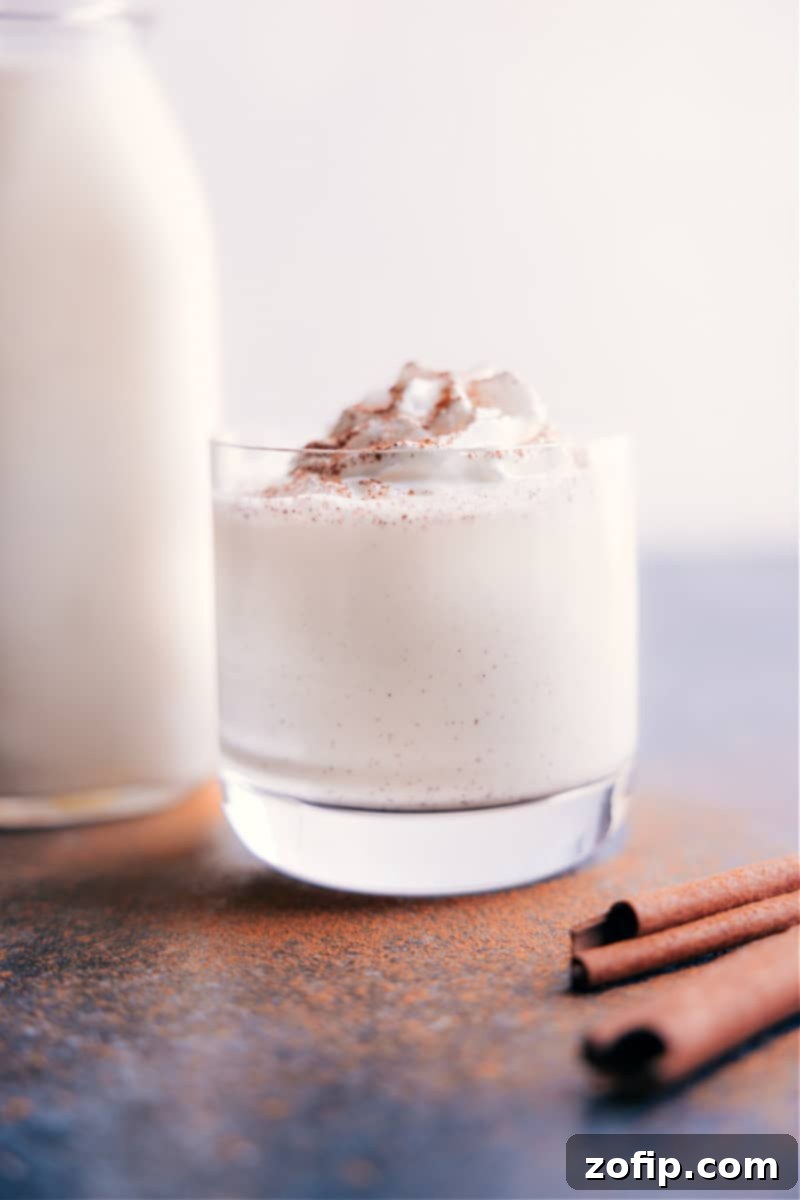
There’s nothing quite like the comforting embrace of a perfectly made homemade Eggnog. This classic recipe blends milk, cream, fresh egg yolks, sugar, fragrant nutmeg, and a hint of vanilla to create an irresistibly rich and creamy beverage that truly defines the holiday season. Forget store-bought versions; once you taste homemade, you’ll understand why this festive drink is a cherished tradition for so many.
And what’s better than a cup of luscious eggnog? Serving it alongside delightful treats! Explore our curated list of the top 50 cookie recipes to complement this exquisite drink, making your holiday spread truly unforgettable.
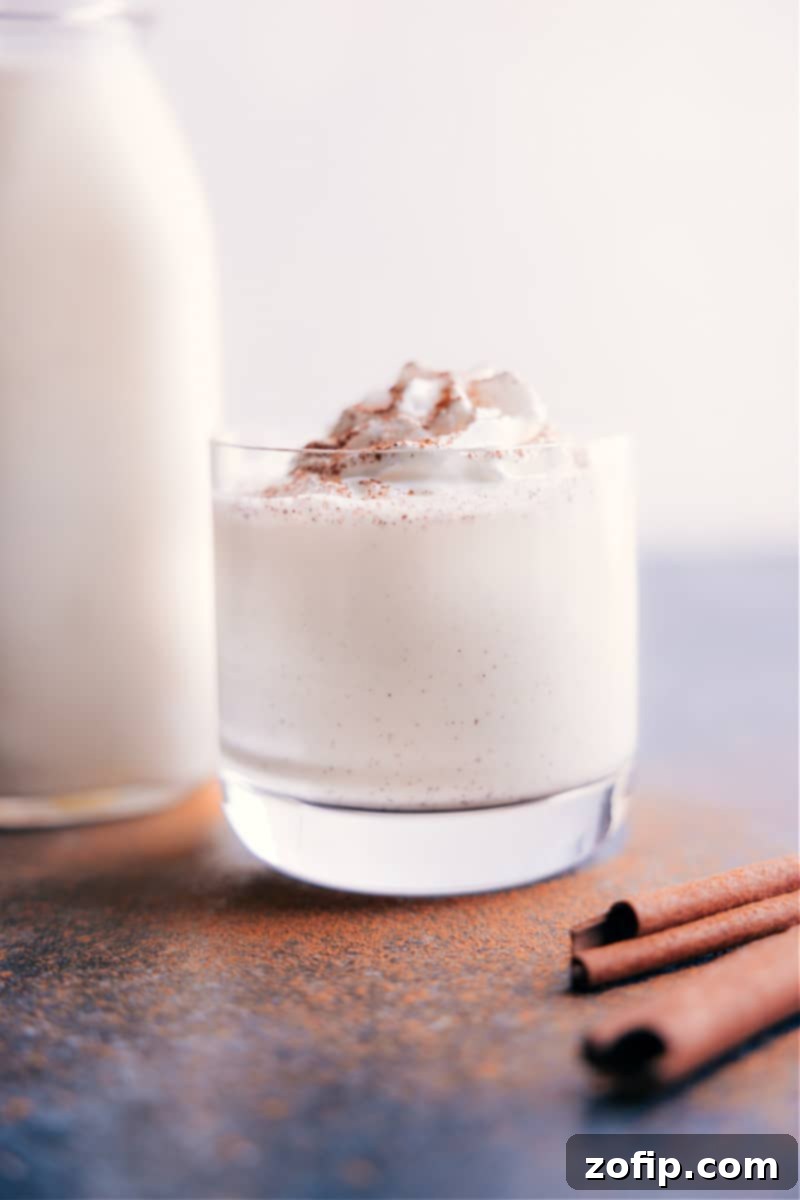
The Ultimate Holiday Drink: Why Homemade Eggnog Reigns Supreme
For years, I was a skeptic when it came to eggnog, often passing on the overly sweet, often artificial-tasting store-bought varieties. That all changed a few years back at a holiday party when a friend served her homemade creation. Reluctantly, I accepted a cup, and with just one sip, I was completely captivated. The rich, velvety texture, the subtle spice, the perfect balance of sweetness – it was unlike anything I had ever tasted. I found myself savoring every last drop, and perhaps even “borrowing” a few sips from my husband’s glass! That moment solidified my mission: I had to learn to make this magic at home.
And truly, nothing compares to homemade. This sentiment is especially true for eggnog. The depth of flavor, the superior creaminess, and the ability to customize it to your liking make homemade eggnog the absolute best. It’s more than just a drink; it’s a nostalgic experience, a warm hug in a glass that embodies the spirit of the holidays. This recipe will guide you through creating an eggnog that will convert even the most staunch non-eggnog drinkers.
What Exactly is Eggnog? A Rich History and Flavor Profile
Eggnog, often affectionately known as “milk punch,” is a traditional dairy-based drink enjoyed during the holiday season. At its core, it’s a rich, sweet concoction primarily made from milk, cream, granulated sugar, fresh egg yolks, and a generous dash of nutmeg. Historically, eggnog can trace its roots back to medieval European “possets” – warm, milky, ale-like drinks. Over centuries, it evolved, particularly in America, becoming the beloved festive beverage we know today.
Our perfected version elevates this classic by incorporating additional flavor dimensions with a hint of vanilla extract, a touch of ground cinnamon, and a tiny pinch of salt. These additions create a more complex, well-rounded flavor profile that truly sings with holiday cheer. Furthermore, this specific recipe is crafted to be alcohol-free, making it a delightful treat that everyone in the family, including children, can enjoy. The luxurious mouthfeel, the sweet and spiced aroma, and the comforting warmth (even when served cold) make eggnog a unique and cherished part of holiday celebrations.
Essential Ingredients for Your Perfect Homemade Eggnog
Crafting exceptional homemade eggnog begins with selecting the right ingredients. Each component plays a vital role in achieving that signature rich flavor and velvety texture. Here’s a closer look at what you’ll need and why:
- Whole Milk: This is the foundation of your eggnog. For the best possible flavor, a lush texture, and incredible richness, whole milk is highly recommended. Its higher fat content contributes significantly to the creamy mouthfeel. While 2% milk can also be used, expect a slightly less decadent result.
- Heavy Cream: To truly achieve that luxurious, thick, and ultra-rich consistency that homemade eggnog is famous for, heavy cream is indispensable. It adds an unparalleled creaminess that makes each sip feel indulgent.
- Egg Yolks: The “egg” in eggnog, these yolks are crucial. They provide a beautiful golden hue, contribute to the distinctive eggy flavor, and, most importantly, act as a natural thickener and emulsifier, giving the drink its characteristic body and smoothness. This recipe focuses on yolks only for maximum richness and a velvety finish.
- Granulated Sugar: Sweetness is key in eggnog. Granulated sugar provides the necessary sweetness, balancing the richness of the dairy and eggs. You’ll incorporate it with the egg yolks, ensuring it dissolves beautifully as the mixture cooks.
- Nutmeg, Cinnamon, and Vanilla Extract: These aromatics are the soul of holiday flavor in eggnog.
- Nutmeg: Essential for that classic eggnog spice. For the most vibrant flavor, consider grating fresh whole nutmeg just before adding it.
- Cinnamon: While nutmeg is traditional, a touch of ground cinnamon adds another layer of warm, inviting spice that complements the other flavors beautifully.
- Vanilla Extract: A high-quality vanilla extract deepens the overall flavor profile, adding a sweet and aromatic note that ties all the ingredients together.
- Salt: A tiny pinch of salt might seem counterintuitive in a sweet drink, but it’s a culinary secret weapon. Salt enhances all the other flavors, cuts through the sweetness just enough, and prevents the eggnog from tasting one-dimensional, boosting its complexity.
- Optional Alcohol: See the dedicated section below for details on how to transform this family-friendly recipe into an adult-only indulgence.
The Spirited Side: What Alcohol to Add to Eggnog
While our base recipe is a delicious, family-friendly, alcohol-free delight, eggnog traditionally often includes a spirited kick. For adults looking to add a traditional touch or experiment with different flavor profiles, incorporating alcohol can transform this creamy beverage into a sophisticated holiday cocktail. The choice of spirit can significantly influence the final taste and warmth of your eggnog.
The most common and classic choices for spiking eggnog include:
- Rum: Often a dark or aged rum is preferred for its rich, molasses, and spice notes that meld beautifully with the nutmeg and vanilla. Spiced rum can also add an extra layer of complexity.
- Brandy: A classic European choice, brandy (especially cognac or Armagnac) adds a fruity, oaky warmth and sophistication.
- Bourbon or Whiskey: For those who prefer a deeper, slightly smoky, and caramel-like flavor, bourbon or another good quality whiskey can be an excellent addition. It adds a robust character that stands up well to the richness of the eggnog.
This recipe is intentionally alcohol-free, making it accessible for everyone. However, for an adult version, feel free to add your preferred spirit. A good starting point is about 1/2 cup to 1 cup of alcohol per batch of this recipe, adjusting to your taste. Remember, the more alcohol you add, the more it will temper the sweetness of the eggnog, creating a more balanced, less sugary drink. For best results and to preserve the full flavor of the alcohol, it’s generally best to stir in your chosen spirit after the eggnog has been cooked and is cooling, or just before serving.
How To Make The Best Homemade Eggnog: A Step-by-Step Guide
Making homemade eggnog is a rewarding process that results in a far superior drink than any store-bought alternative. Follow these steps carefully for a smooth, creamy, and utterly delicious holiday treat:
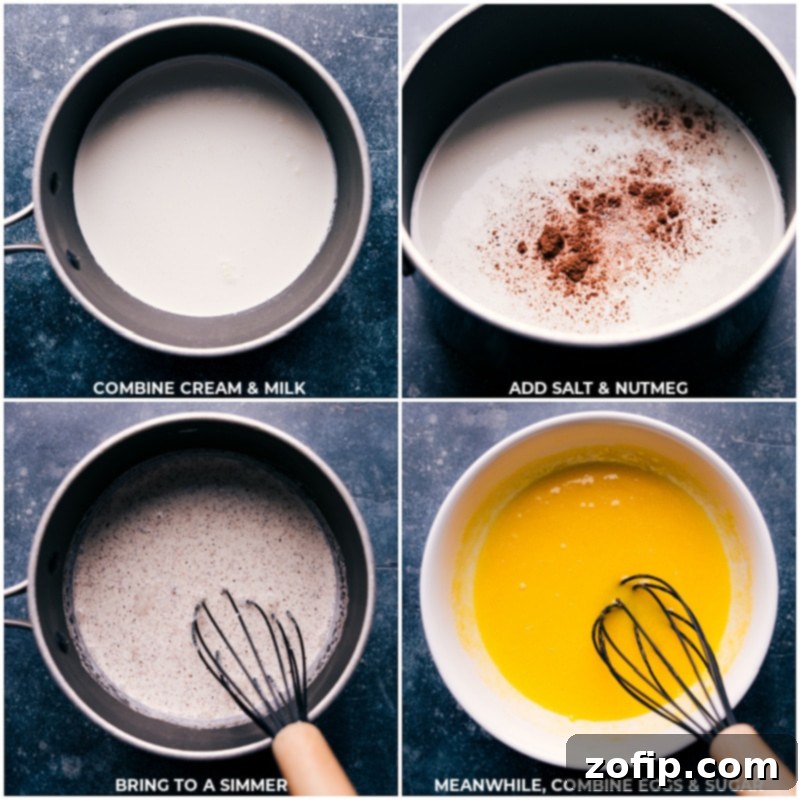
- Gently Heat the Dairy & Spices: In a large, heavy-bottomed nonstick pot, combine the heavy cream, whole milk, ground nutmeg, and salt. Place the pot over medium-high heat. Stir the mixture frequently to prevent scorching on the bottom. Heat until the mixture reaches a gentle simmer, just around the edges, but do not allow it to boil. Small bubbles will just begin to form.
- Prepare the Egg Yolk Mixture: While the dairy is heating, separate your egg yolks into a large heatproof bowl. Add the granulated sugar to the egg yolks. Using a whisk, vigorously whisk the egg yolks and sugar together until the mixture becomes pale yellow, thick, and creamy, and the sugar is well incorporated. This usually takes about 2-3 minutes of consistent whisking.
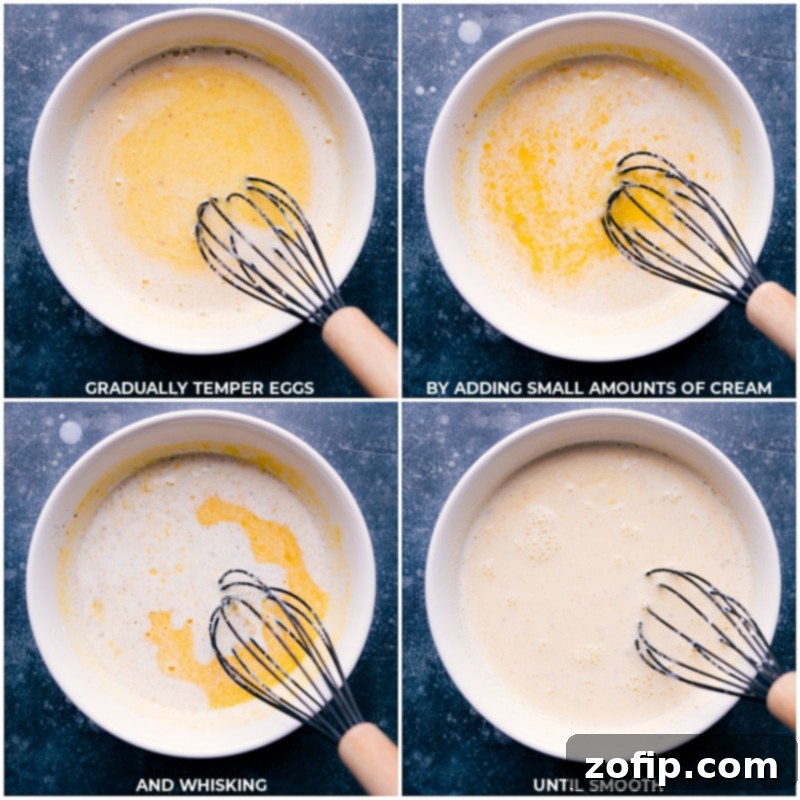
- Crucial Step: Temper the Eggs: This step is vital to prevent the egg yolks from scrambling when combined with the hot milk. Slowly, and in a very thin stream, gradually pour about 1/2 cup of the hot cream mixture into the whisked egg yolks, whisking constantly and vigorously. Continue to whisk as you slowly add another 1/2 cup, then a full cup of the hot cream mixture, until you’ve incorporated approximately 2 cups of the hot dairy into the egg mixture. This gradual addition raises the temperature of the egg yolks gently, preparing them for the next step.
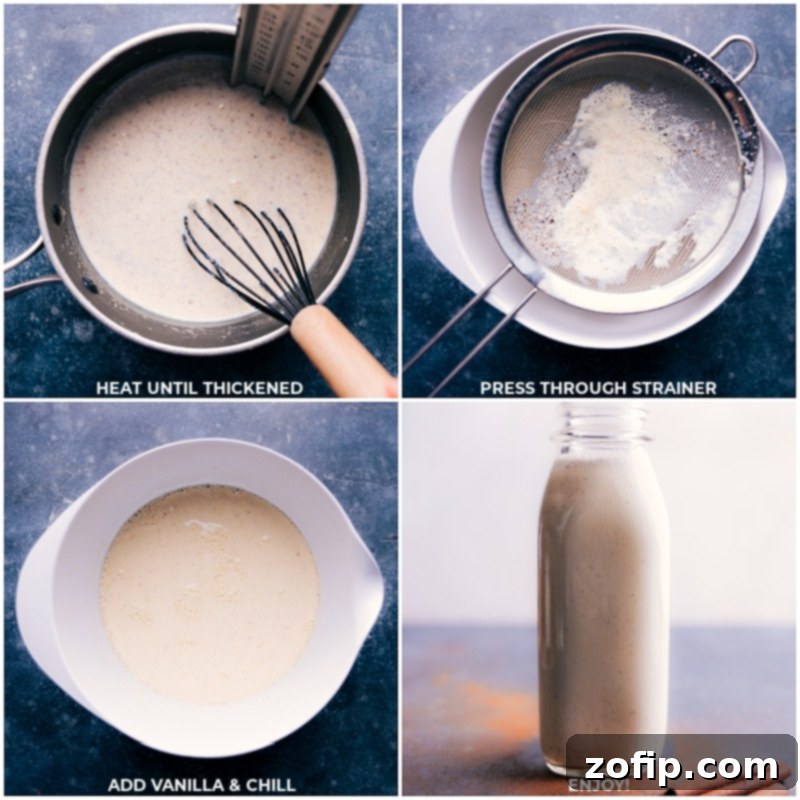
- Combine & Thicken on the Stove: Once the egg yolks are tempered, slowly pour the entire egg yolk mixture back into the pot with the remaining hot dairy on the stove. This must be done gradually while continuously whisking the mixture in the pot. Continue whisking constantly over medium heat for several minutes, until the mixture visibly thickens. It should be thick enough to coat the back of a spoon (this is often called “nappe”). For food safety and optimal thickness, aim for a temperature of 160°F (71°C) if using a thermometer. Don’t worry if it seems slightly thin at this stage; it will thicken considerably more as it cools.
- Add Flavor & Chill: Remove the pot from the heat immediately. Stir in the vanilla extract. If you plan to add alcohol, now is the time to stir it in as well. Place a fine-mesh strainer over a pitcher or another suitable container. Pour the eggnog through the strainer to catch any small bits of cooked egg or spices, ensuring a perfectly smooth and creamy texture. Cover the container tightly with plastic wrap and chill in the refrigerator for at least 3 hours, or preferably overnight, to allow the flavors to meld and the eggnog to thicken fully.
- Serve & Enjoy: Once thoroughly chilled, give the eggnog a good stir. Pour into small glasses – remember, it’s rich! For a beautiful presentation and an extra layer of flavor, top each serving with a sprinkle of fresh ground cinnamon or nutmeg, or a dollop of freshly whipped cream. Enjoy cold and savor the taste of the holidays!
Expert Tips for Flawless Homemade Eggnog
Achieving the perfect homemade eggnog is easier than you think, especially with a few expert tips. These pointers will help ensure your beverage is smooth, rich, and absolutely delicious every time:
- Master the Art of Tempering Eggs: This is arguably the most critical step. Tempering prevents the egg yolks from scrambling. Remember to slowly drizzle the hot cream into the egg mixture while continuously whisking. This gradual introduction of heat raises the egg yolks’ temperature gently. Rushing this step will result in cooked egg bits, which is not ideal for a smooth eggnog.
- Utilize a Reliable Thermometer: For both food safety and consistent thickness, cooking your eggnog to the correct temperature is key. Aim for 160°F (71°C). A digital instant-read thermometer is an invaluable tool here. Cooking to this temperature ensures any potential pathogens in the eggs are eliminated, and it helps achieve the desired creamy consistency. This also ensures your eggnog is safe to consume.
- Strain for Silky Smoothness: After cooking, always pass your eggnog through a fine-mesh strainer. This step removes any minuscule bits of cooked egg, lumps, or spice particles, guaranteeing a beautifully smooth, velvety texture that is a hallmark of excellent homemade eggnog.
- Chilling is Non-Negotiable: While tempting to enjoy immediately, proper chilling is essential. The eggnog needs at least 3 hours, and ideally overnight, in the refrigerator. This allows the flavors to deepen and meld beautifully, and for the eggnog to reach its optimal thick and creamy consistency. Don’t skip this step!
- Freshness Matters: Use the freshest whole milk, heavy cream, and eggs you can find. Freshly grated nutmeg also makes a significant difference in flavor compared to pre-ground versions.
- Don’t Boil the Dairy: When heating the milk and cream mixture, only bring it to a gentle simmer. Boiling can scald the milk, altering its flavor and potentially making the eggnog too thin.
- Constant Whisking: During the thickening stage on the stovetop, constant whisking is crucial to prevent the eggnog from sticking to the bottom of the pot and ensuring a smooth, even consistency.
- Garnish Generously: A sprinkle of fresh nutmeg, a dash of ground cinnamon, or a dollop of whipped cream elevates the serving experience both visually and tastefully. A cinnamon stick also makes for a lovely stirrer!
Storage and Food Safety for Homemade Eggnog
Proper Storage for Leftover Eggnog
Homemade eggnog, when prepared with fresh ingredients and cooked to the proper temperature (160°F or 71°C), can be safely stored. Always transfer any leftover eggnog to an airtight container and refrigerate it promptly. It typically lasts up to one week in the fridge. For optimal freshness and safety, consume it within this timeframe. Before serving, always give it a quick smell and visual check; if it smells “off,” sour, or has any signs of spoilage, it’s best to discard it.
Raw Egg Considerations: This recipe calls for cooking the eggnog, which pasteurizes the eggs and makes it safe. If you ever come across a recipe for raw eggnog (where eggs are not cooked), it’s highly recommended to use pasteurized eggs available in stores, or avoid it altogether, especially for pregnant women, young children, the elderly, or anyone with a compromised immune system. Our cooked eggnog recipe eliminates these concerns.
Freezing Eggnog: While technically possible, freezing eggnog is generally not recommended as the dairy can separate upon thawing, resulting in a grainy texture. It’s best enjoyed fresh and chilled.
More Seasonal Favorites to Pair with Your Eggnog
The holidays are a time for indulgence and delicious treats! After enjoying your homemade eggnog, consider whipping up some of these other festive delights that pair wonderfully with the season’s cheer:
- Christmas Snack Mix: A delightful blend with white chocolate, perfect for munching.
- Christmas Punch: A super simple and vibrant drink for any holiday gathering.
- Fudge Recipe: Incredibly easy, made right in your microwave for quick satisfaction.
- Cinnamon Roll Cake: A warm, comforting cake ready in 30 minutes or less.
- Melted Snowman Cookies: Adorably festive peanut butter cookies that are sure to bring smiles.
Homemade Eggnog
Equipment
- Large nonstick pot
- Large whisk
- Heatproof bowl
Ingredients
- 9 large egg yolks (see note 1)
- 3/4 cup granulated sugar
- 1-1/2 cups heavy cream
- 3 cups whole milk
- 3/4 teaspoon ground nutmeg
- 1/8 teaspoon salt
- 1/2 teaspoon vanilla extract
- Ground cinnamon (optional, for topping)
- Whipped cream (optional, for topping)
- Rum, Brandy, or Bourbon (optional, for adults – see note 2)
Instructions
- In a large nonstick pot set over medium-high heat, combine the heavy cream, whole milk, ground nutmeg, and salt. Stir often until the mixture reaches a gentle simmer (small bubbles forming around the edges), but do not let it come to a full boil.
- Meanwhile, in a large, heatproof bowl, add the egg yolks (save the whites for another recipe or discard – see note 1) and granulated sugar. Use a whisk to whisk vigorously until the mixture is pale yellow, thick, and well combined, and the sugar is dissolved.
- While continuously and vigorously whisking the egg mixture, slowly scoop and gradually pour in about 1/2 cup of the hot cream mixture into the eggs. Repeat this process, adding another 1/2 cup, then a full cup, of hot cream into the eggs (gradually while whisking constantly) until approximately 2 cups of the hot dairy are incorporated. This slowly tempers the eggs.
- Once the eggs are tempered, gradually pour the tempered egg mixture back into the pot with the remaining hot dairy on the stove. Add it slowly while whisking constantly! Continue to whisk constantly over medium heat for a few minutes, or until you can feel the mixture slightly thicken and it coats the back of a spoon. If you have a thermometer, heat until it reaches 160°F (71°C). The eggnog will thicken more as it cools.
- Remove the pot from heat and stir in the vanilla extract. If adding alcohol (for adults only), stir it in now. Place a fine-mesh strainer over a pitcher or another clean container and carefully pour the eggnog through the strainer to ensure a smooth texture. Cover the container with plastic wrap and chill thoroughly in the refrigerator for at least 3 hours, or preferably overnight, until fully cooled and thickened.
- Pour the chilled eggnog into small glasses (it’s rich, so small portions are perfect!). Garnish with a sprinkle of ground cinnamon, fresh nutmeg, or a dollop of whipped cream. Enjoy cold!
Recipe Notes
Note 2: While this Eggnog recipe is non-alcoholic and suitable for all ages, traditional eggnog often includes spirits like rum, brandy, or bourbon. If serving to adults, feel free to add your preferred alcohol. A general guideline is 1/2 to 1 cup per batch, adjusting to taste. Remember that alcohol will also help to cut through the sweetness of the other ingredients.
Storage: Store any leftover homemade eggnog in an airtight container in the refrigerator for up to 1 week. Always check for freshness (smell and appearance) before consuming.
Nutrition
Calories: 244kcal |
Carbohydrates: 24.7g |
Protein: 6.8g |
Fat: 13.3g |
Cholesterol: 234.8mg |
Sodium: 90.4mg |
Sugar: 24.2g
Nutrition information is automatically calculated, so should only be used as an approximation.
If you loved this recipe, please consider leaving a comment below! Your feedback helps us create more delicious content.