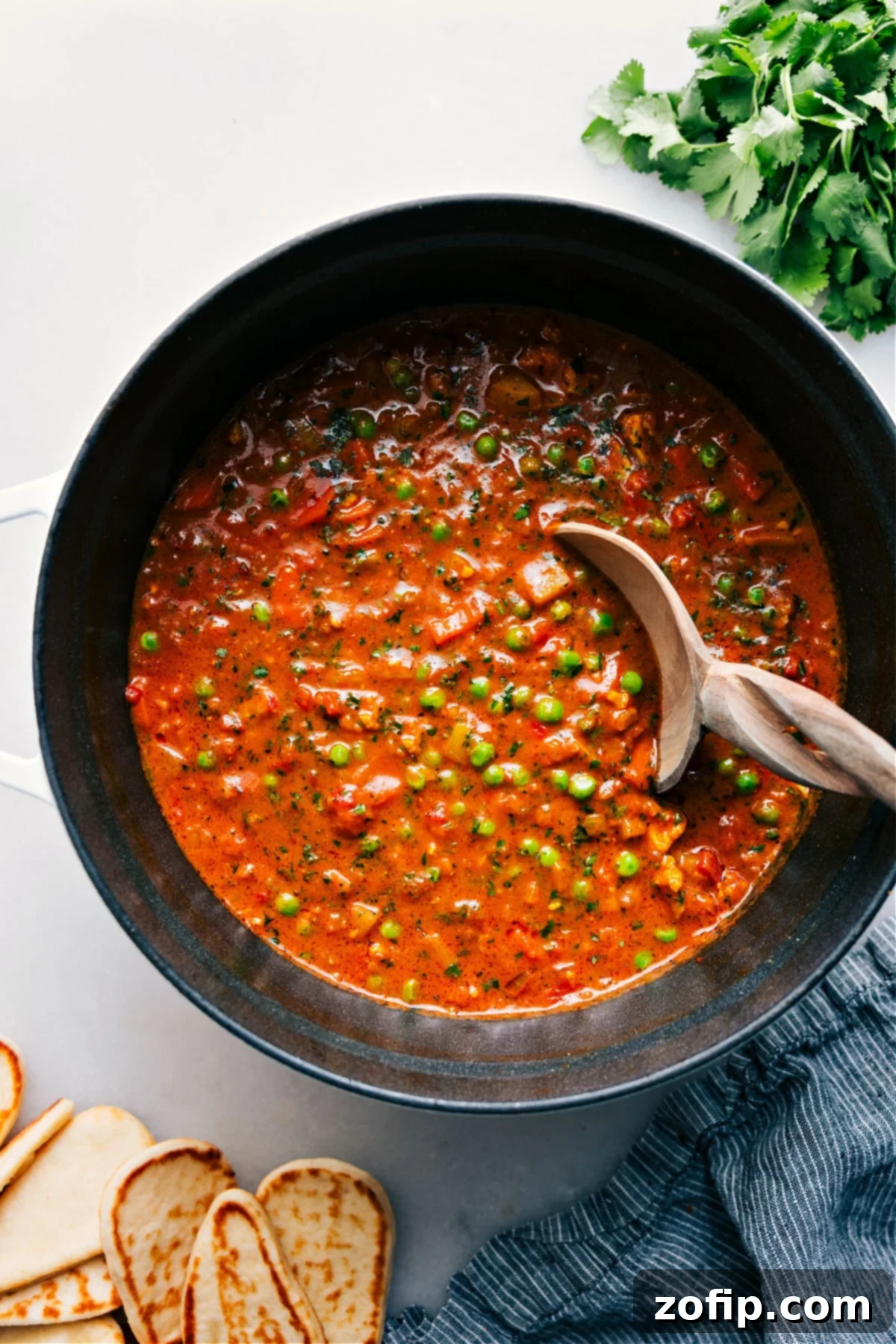
Vegetable Masala is all about bold flavors and hearty veggies. Creamy, comforting, and seriously delicious.
For more delightful Indian-inspired meals, try my Chicken Tikka Masala next time, or if you’re craving a rich, coconut-based masala, explore the Vegetarian Tikka Masala!
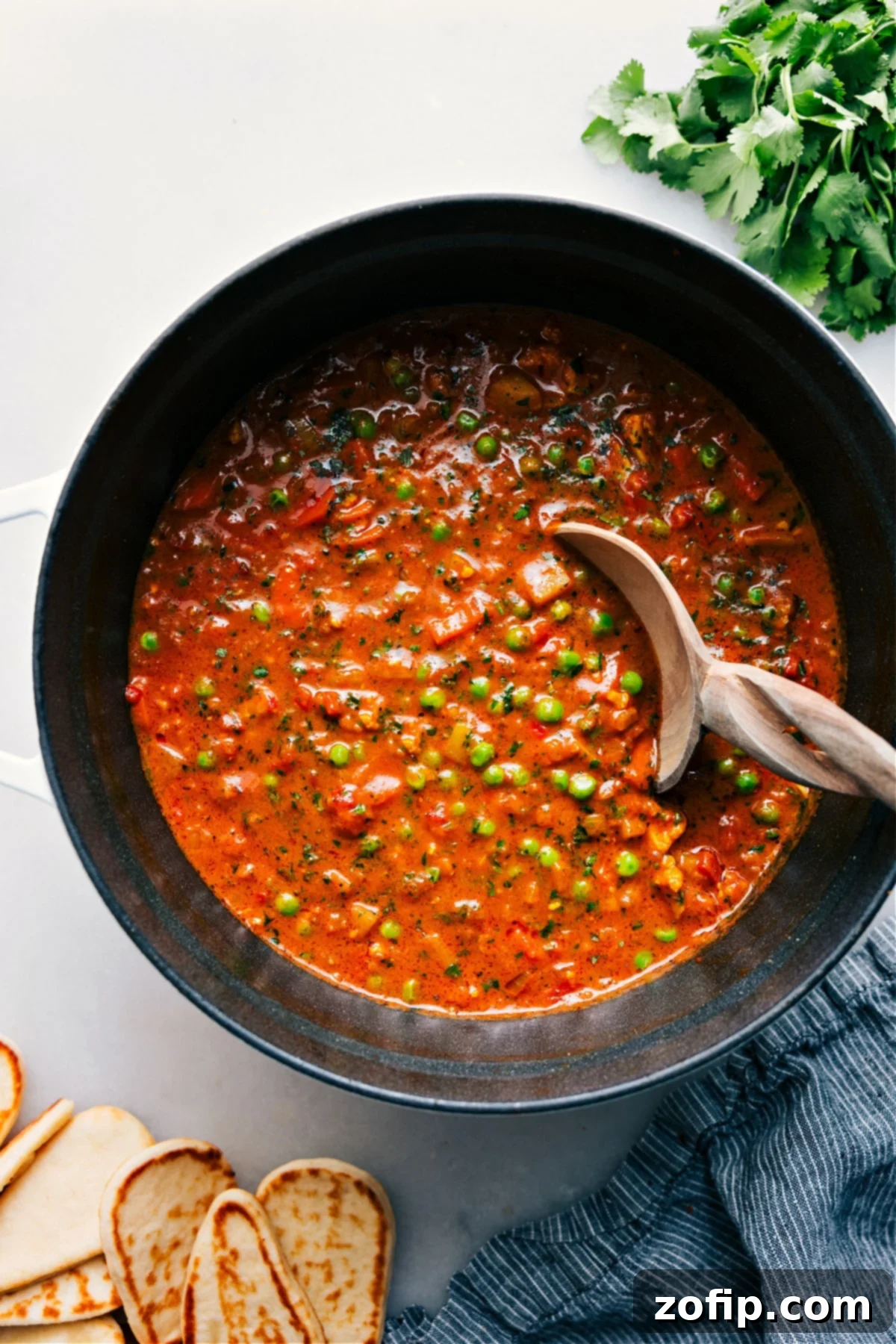
Authentic & Creamy Vegetable Masala: A Flavorful Indian Curry Journey
Embark on a culinary adventure with this incredible **Vegetable Masala** recipe, a dish that brings the warmth and aromatic spices of India right into your kitchen. My journey with this particular masala began during a memorable trip to the Maldives with my husband, where we were fortunate enough to participate in an authentic Indian cooking class. There, we learned to cook in traditional tandoor ovens – an experience that was not only a blast but also profoundly inspiring! (I’m still trying to convince him we need a tandoor in our backyard, ha!)
Among the many delightful dishes we prepared, the Vegetable Masala quickly became my absolute favorite. Its rich, layered flavors and comforting texture left a lasting impression. This recipe is my cherished adaptation, inspired by that unforgettable class. I’ve made a few thoughtful tweaks to simplify the process and utilize ingredients readily available in the U.S., ensuring you can recreate this magical meal with ease, without compromising on authenticity or taste.
Just like many traditional Indian curries, this Vegetable Masala embraces the generous use of oil and butter, crucial for developing its characteristic deep, bold flavors. While it might seem like a lot at first glance, remember that this recipe yields a substantial batch, making the fat content per serving quite reasonable. Reducing the fat would undoubtedly alter the authentic flavor profile, so I recommend sticking to the quantities for the best results. Get ready to savor a truly creamy, comforting, and seriously delicious vegetable curry!
Why This Vegetable Masala Recipe is a Must-Try
There are countless reasons to fall in love with this homemade Vegetable Masala. It’s more than just a meal; it’s an experience:
- Rich & Layered Flavors: We focus on building flavors in stages, ensuring every spice and vegetable contributes to a harmonious, complex taste profile that deepens with each bite.
- Hearty & Wholesome: Packed with a colorful array of fresh, vibrant vegetables like potatoes, carrots, bell peppers, and cauliflower, it’s a satisfying meal that’s both nutritious and incredibly delicious.
- Creamy & Comforting Texture: The generous addition of heavy cream creates a luxurious, velvety sauce that coats every single vegetable, making it irresistibly comforting and smooth.
- Easily Customizable: This recipe is wonderfully versatile. Easily adapt the spice level to your preference by adding more cayenne, or swap in your favorite seasonal vegetables to make it truly your own unique creation.
- Perfect for Meal Prep: Like many exceptional curries, this masala tastes even better the next day as the flavors continue to meld and develop. This makes it an excellent option for meal prepping throughout the week, saving you time and delivering consistent deliciousness.
- Authentic & Accessible: Inspired by traditional Indian cooking techniques, this recipe offers an authentic flavor profile using ingredients that are readily available in most grocery stores, bringing global flavors to your home kitchen.
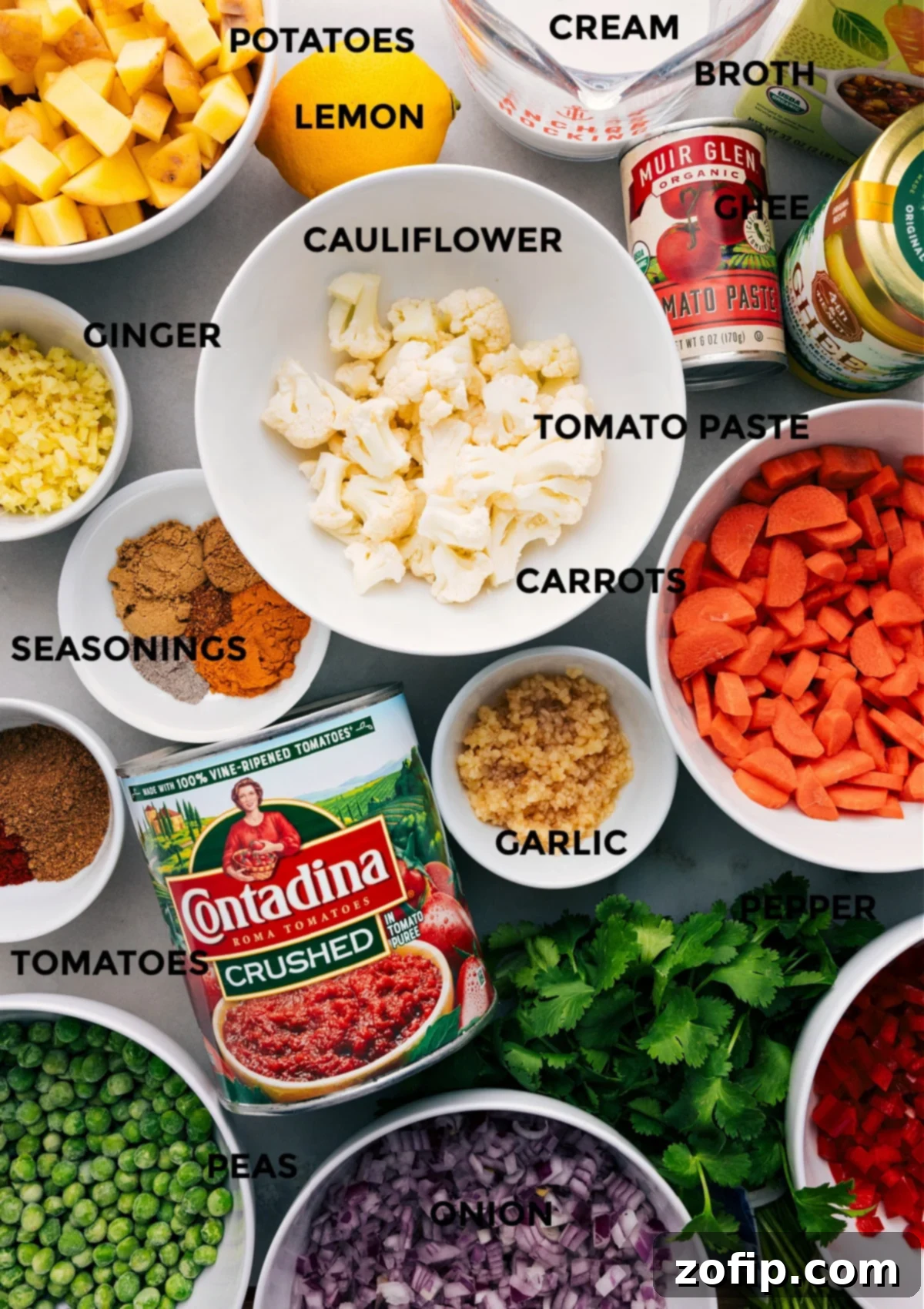
Essential Ingredients for Your Vegetable Masala
Crafting the perfect Vegetable Masala starts with a selection of fresh, high-quality ingredients and a thoughtful blend of aromatic spices. Each component plays a crucial role in building the incredible depth of flavor and creamy texture of this curry. Here’s a detailed look at what you’ll need and why each element is vital:
- Coconut Oil & Unsalted Butter: This powerful duo forms the rich, flavorful base of our curry. Coconut oil provides a subtle, natural sweetness and handles higher heat well, while unsalted butter infuses the masala with an unparalleled creamy depth and a classic Indian richness.
- Red Onion: When finely diced, red onion provides a foundational sweetness and a savory aromatic backdrop. It slowly softens and dissolves into the sauce as it cooks, creating a seamless and flavorful base without noticeable chunks.
- Carrots & Red Bell Pepper: These vibrant vegetables contribute natural sweetness, a beautiful pop of color, and essential nutrients to the dish. Dicing them small ensures they cook evenly and meld perfectly with the other vegetables in the curry.
- Gold Potatoes: For this recipe, opt for baby gold potatoes and keep their delicate skins on! Their thin skins are not only soft and delicious but also nutritious, eliminating the need for tedious peeling. Just dice them into uniform pieces for consistent cooking.
- Cauliflower: Chopped into small florets, cauliflower readily absorbs the rich, aromatic curry flavors and contributes a delightful, tender-crisp texture. Ensure your florets are small enough to cook at a similar rate to the other vegetables.
- Fresh Garlic & Ginger: These pungent aromatics are the irreplaceable backbone of almost any authentic Indian dish. Freshly minced garlic and ginger are crucial for their vibrant, sharp flavors. While pre-minced or paste versions can be used in a pinch, fresh is always recommended for superior taste.
- Fire-Roasted Crushed Tomatoes: These tomatoes are a culinary secret weapon, lending a distinctive smoky depth and natural sweetness that elevates the entire masala. They create the saucy, rich foundation for our curry, binding all the flavors together.
- High-Quality Vegetable Broth: The quality of your broth significantly impacts the overall flavor of your masala. Choose a reputable brand or homemade broth to ensure a rich, savory liquid base that perfectly complements and enhances the complex spice blend.
- Heavy Cream: This is the magic ingredient for that signature creamy, luxurious texture. Heavy cream transforms the masala into a velvety, comforting dish, adding richness without being overly heavy.
- Frozen Sweet Peas: Added near the very end of cooking, these tiny, vibrant gems bring a beautiful pop of color, a delicate touch of sweetness, and a lovely tender texture, brightening the overall appearance and taste of the dish.
- Fresh Cilantro or Parsley: A generous sprinkle of fresh herbs, especially cilantro, at the end of cooking adds a crucial burst of freshness. This bright finish cuts through the richness of the curry and enhances all the underlying flavors. Parsley can be a great alternative if cilantro isn’t preferred.
- Granulated Sugar: A small but mighty amount of sugar is essential for balancing the natural acidity from the tomatoes and harmonizing the intense, complex spice blend. It rounds out the flavors beautifully, preventing the curry from tasting too sharp.
- Aromatic Spice Blend: This is truly the heart and soul of your masala, where all the magic happens. Do not skimp on these! You’ll need:
- Ground Turmeric: Known for its earthy flavor and the beautiful, vibrant golden color it imparts.
- Ground Coriander: Adds a warm, citrusy, and slightly sweet note that is fundamental to Indian curries.
- Paprika: Contributes a mild, sweet peppery flavor and a lovely red hue, enhancing the visual appeal.
- Garam Masala: A complex blend of warming spices (like cinnamon, cloves, cardamoms, etc.), typically added later in cooking to preserve its delicate aromatics and maximize its fragrance.
- Ground Cumin: Provides a deep, earthy, and slightly smoky flavor that is characteristic of many Indian dishes.
- Ground Cardamom: Offers a unique, highly fragrant, and slightly sweet citrusy note, a hallmark of authentic Indian cuisine.
- Cayenne Pepper (Optional): For those who love a bit of heat! Adjust the quantity to your preferred spice level, adding more for a fiery kick or omitting for a milder version.
- Salt & Freshly Ground Black Pepper: Crucial for enhancing and bringing out all the other flavors. Remember to taste and adjust these throughout the cooking process to achieve perfect seasoning.
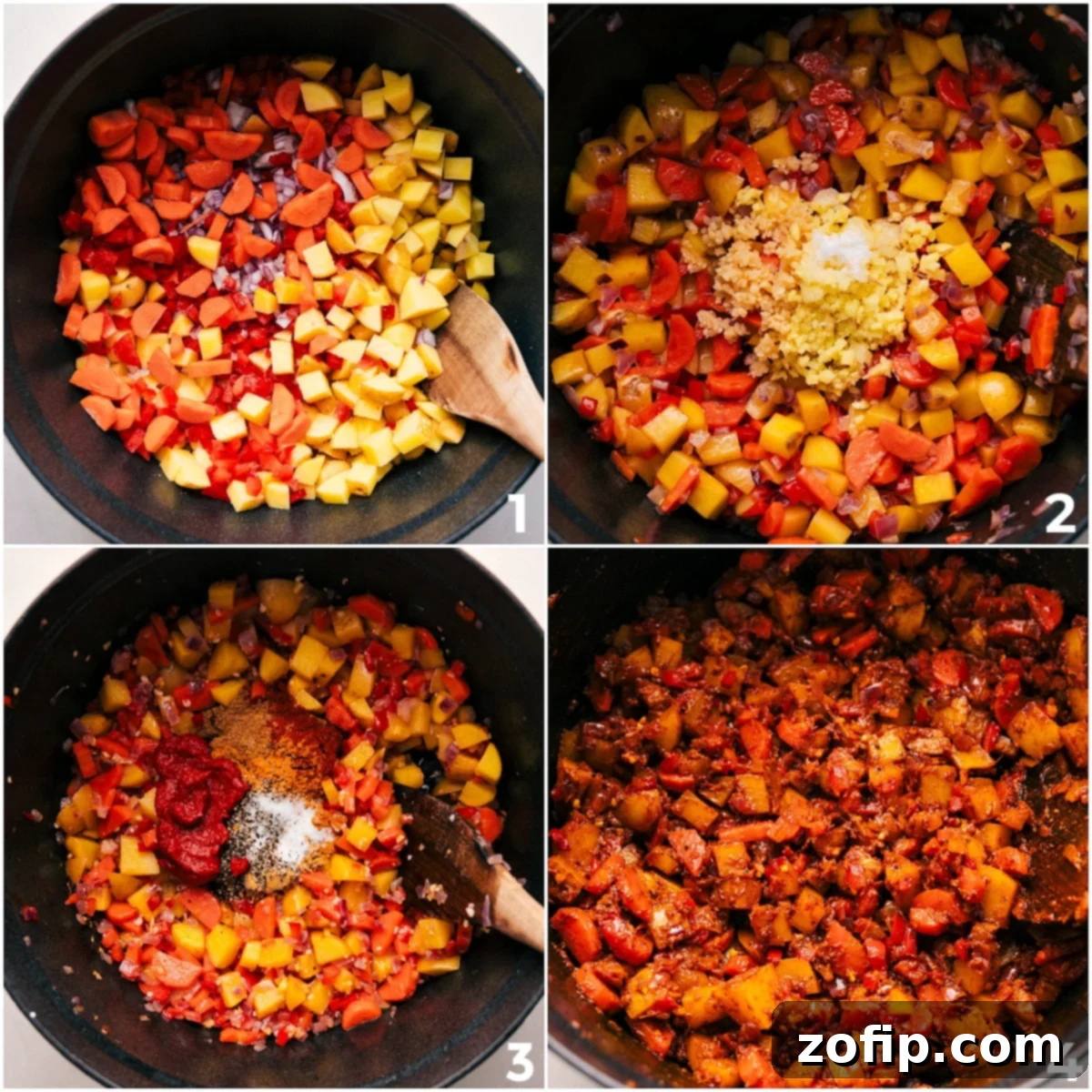
How to Master Your Homemade Vegetable Masala
Creating this flavorful Vegetable Masala is a rewarding culinary process, and following a few key steps will ensure a perfect, restaurant-quality dish every time. This comprehensive guide will walk you through each stage, emphasizing techniques for building incredible depth of flavor:
1. Meticulous Prep Work: The Foundation of Flavor
Before you even turn on the stove, having all your ingredients meticulously prepped and ready is absolutely crucial for a smooth and enjoyable cooking experience. This is often referred to as “mise en place” – everything in its place. Begin by finely dicing the red onion and red bell pepper; consistency is key here, as uniform pieces will cook evenly. Wash and thinly slice your carrots. Dice the baby gold potatoes into uniform ½-inch pieces; there’s no need to peel them as their skins are wonderfully tender and nutritious. Chop the cauliflower into small, bite-sized florets. Lastly, finely mince your fresh garlic and ginger. For ultimate efficiency and a very fine consistency that will melt beautifully into the sauce, consider using a food processor for the onion, bell pepper, garlic, and ginger.
2. Building the Aromatic Base: Sautéing for Depth
Heat a large, heavy-bottomed pot or a sturdy cast-iron Dutch oven over medium-high heat. Add the coconut oil and 2 tablespoons of unsalted butter. Once the butter is melted and slightly shimmering, signifying it’s ready, add your finely diced red onion, thinly sliced carrots, diced red bell pepper, and diced gold potatoes, along with 1 teaspoon of sea salt. Sauté these vegetables for a good 8-10 minutes, stirring occasionally. The goal here is to soften them slightly, coax out their natural sweetness, and begin developing a foundational layer of flavor. Next, stir in the finely minced garlic, ginger, and the granulated sugar. Continue to sauté for another 2 minutes, stirring frequently, until the aromatics are incredibly fragrant and lightly golden, indicating their flavors have fully bloomed.
3. Toasting the Spices and Tomato Paste: Unlocking Fragrance
Reduce the heat to a steady medium. Now it’s time for the magical transformation of the spices! Add all the ground seasonings: turmeric, coriander, paprika, garam masala, cumin, and cardamom. If you’re opting for a spicier masala, include the optional cayenne pepper now. Also, add the tomato paste, along with an additional ½ teaspoon each of salt and freshly ground black pepper (or adjust to your personal taste). Stir constantly for about 3 minutes. This crucial step, known as “bhunno” in traditional Indian cooking, gently toasts the spices, bringing out their full, complex aroma and deepening their flavors. The tomato paste will also darken slightly and become intensely fragrant as it cooks. Be vigilant and careful not to burn the spices; if they start to stick excessively, immediately reduce the heat slightly.
4. Simmering to Perfection: Developing Richness
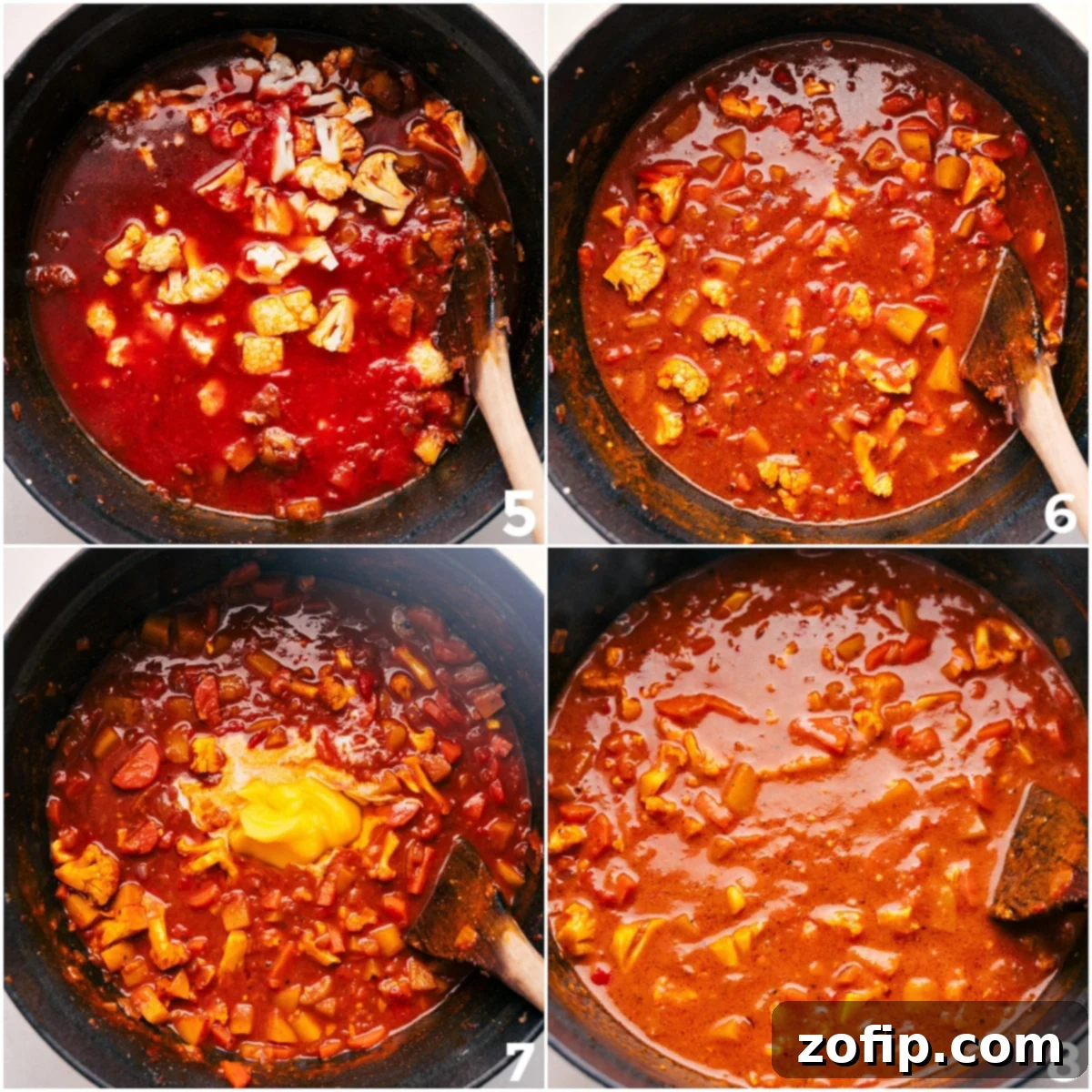
Increase the heat slightly. Add the chopped cauliflower florets and the fire-roasted crushed tomatoes to the pot. Stir thoroughly for 1 minute, making sure to scrape up any browned bits from the bottom of the pot – these bits are packed with concentrated flavor and will enrich your sauce! Pour in the vegetable broth and gently press the vegetables below the liquid to ensure they are submerged for even cooking. Bring the mixture to a gentle simmer, where you see small, consistent bubbles forming around the edges. Reduce the heat to low, cover the pot with a lid, and let it simmer for 15-20 minutes, stirring occasionally. During this time, the vegetables should become beautifully fork-tender, and the sauce should visibly thicken as the flavors meld. If the sauce appears too thin after simmering, you can uncover the pot and slightly increase the heat during the last few minutes to allow it to reduce and thicken further.
5. The Creamy Finish & Final Touches: Achieving Velvety Perfection
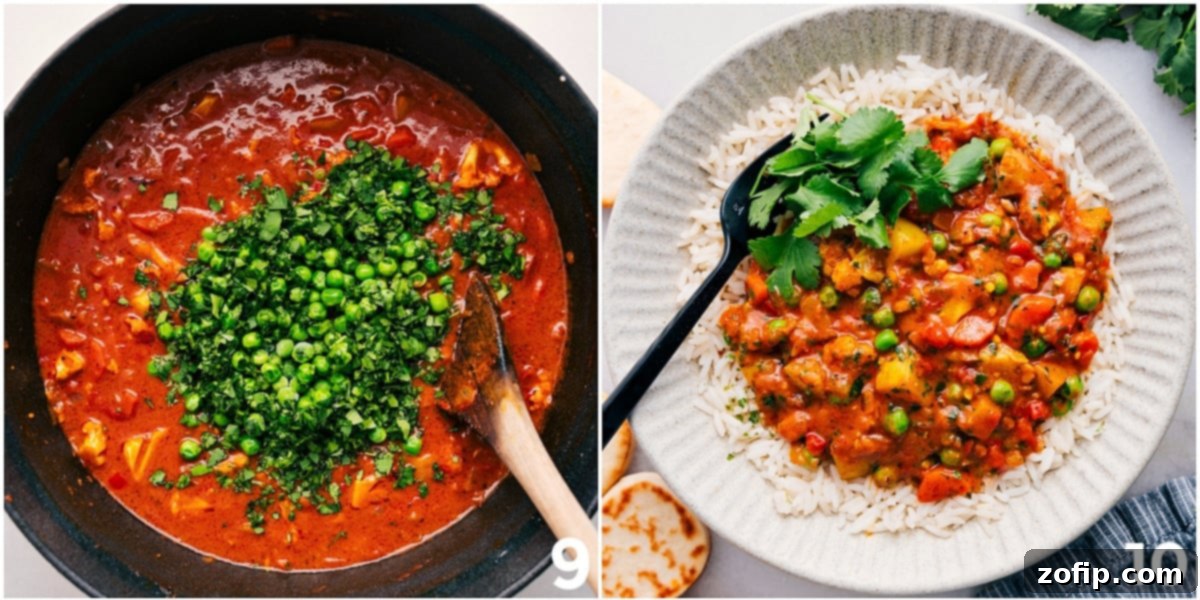
Once your vegetables are tender and the sauce has reached its perfect thickened consistency, reduce the heat to its lowest setting. Stir in the heavy cream and the remaining 3 tablespoons of unsalted butter until everything is beautifully melted and fully incorporated, creating that signature rich, velvety, and luxurious consistency. Remove the pot from the heat to prevent overcooking the cream. Finally, stir in the frozen sweet peas and the finely chopped fresh cilantro (or parsley). Now, it’s time for the ultimate step: taste and adjust the seasoning as needed. Depending on the inherent acidity of your crushed tomatoes, you might find you want to add another 1-2 teaspoons of sugar to balance the flavors perfectly. A final squeeze of fresh lemon juice at this stage is highly recommended, as it brightens the entire dish and adds a wonderful zesty finish!
Expert Tips and Variations for Your Masala
Elevate your Vegetable Masala from delicious to extraordinary with these expert tips and creative ideas for customization. These insights will help you make this dish truly your own, catering to your specific tastes and dietary preferences:
- Amplify the Heat: If you’re a lover of spicy food, don’t hesitate to add more cayenne pepper or a generous pinch of red pepper flakes during the spice-toasting stage. For an extra kick, you can also garnish individual servings with thinly sliced fresh green chilies.
- The Importance of Salt: With such a bold and aromatic array of spices, salt is a critical, often underestimated, component for bringing all the flavors into perfect harmony. It truly transforms a good curry into a great one. Taste your masala frequently throughout the cooking process – especially after adding liquids and cream – and adjust the salt levels as needed.
- Embrace Layered Flavors: The distinct cooking stages in this recipe are deliberately designed to build unparalleled flavor depth. Sautéing the vegetables until tender, then thoroughly toasting the spices to release their full aroma, and finally simmering everything in liquids, all contribute to a richer, more complex taste profile. Resist the urge to rush these steps; patience is rewarded with superior flavor!
- Experiment with Vegetables: This recipe is incredibly versatile and forgiving. Feel completely free to swap in or add your favorite seasonal vegetables. Green beans, zucchini, various colored bell peppers, spinach (stirred in at the very end until wilted), or even baby corn would be fantastic additions. Just ensure they are cut into appropriate sizes to cook evenly. Firmer vegetables should be added earlier with the potatoes and carrots, while softer ones can go in later.
- A Touch of Acidity is Key: A final squeeze of fresh lemon or lime juice just before serving is not merely optional; it’s a crucial step that brightens all the flavors, cutting through the richness and adding a delightful zesty finish. This small addition makes a big difference.
- Make it Vegan: To easily adapt this Vegetable Masala into a vegan dish, simply substitute the unsalted butter with additional coconut oil or a plant-based butter alternative. Replace the heavy cream with full-fat coconut milk or a plant-based cream for a similarly rich and creamy texture.
What To Serve With Your Vegetable Masala
While this rich and hearty Vegetable Masala is wonderfully satisfying and complete on its own, pairing it with a few traditional accompaniments can truly transform it into an unforgettable, multi-dimensional feast. A squeeze of fresh lemon and a sprinkle of vibrant fresh herbs (like cilantro or parsley) right before eating are always a must to brighten and lift the complex flavors. Here are my absolute favorite pairings that I highly recommend:
- Cucumber Raita: This cool, creamy yogurt-based side dish is a fantastic and essential counterpoint to the warm, aromatic spices of the masala. We learned to make this refreshing condiment in our Maldives cooking class, and it’s now a non-negotiable for me! The crisp cucumber and subtle mint (if added) provide a delightful, palate-cleansing balance to the rich curry.
- Fluffy Basmati Rice: The long, slender grains of basmati rice are renowned for being light, aromatic, and perfectly non-sticky. It’s the ideal canvas for soaking up every drop of that delicious, creamy sauce, providing a comforting and satisfying base for your meal. Serve it steaming hot alongside your masala.
- Warm Naan Bread: Soft, wonderfully chewy, and slightly charred naan bread is absolutely ideal for scooping up every last bit of the flavorful masala sauce. It tastes best warm, so lightly toast it, quickly heat it in the microwave, or char it deliciously over an open stovetop flame for that authentic, smoky touch. Garlic naan or butter naan would be an even more indulgent and flavorful choice!
- Mango Chutney or Indian Pickles: For an extra layer of exciting flavor and a burst of delightful sweetness or tangy acidity, a spoonful of sweet mango chutney or a side of savory Indian pickles can truly enhance and complete the meal, adding another dimension of taste.
Quick Tip: Easy Cucumber Raita Recipe
Whip up this simple, refreshing cucumber raita in minutes to perfectly complement your Vegetable Masala! In a small bowl, combine ½ cup plain Greek yogurt (full-fat for creaminess), ½ cup finely chopped cucumber, 2 tablespoons fresh cilantro (chopped), 2 teaspoons chopped green onions, ¼ teaspoon ground cumin, ¼ teaspoon ground coriander, and ¼ teaspoon sea salt. Stir everything together until well combined and smooth. For the best flavor and a lovely chilled texture, cover and chill it in the refrigerator for at least 30 minutes before serving, then give it another quick stir right before enjoying.
Storage & Meal Prep Tips for Vegetable Masala
One of the absolute best qualities of curries is that they often taste even better the next day, allowing all the incredible flavors to meld and deepen beautifully. This Vegetable Masala is certainly no exception, making it an ideal candidate for efficient meal prepping!
- Refrigerator: To store any delicious leftover Vegetable Masala, transfer it promptly into an airtight container. It will keep wonderfully in the fridge for up to 4 days, ready for quick and easy meals.
- Reheating: When you’re ready to enjoy it again, gently reheat the masala on the stovetop over low heat, stirring occasionally, until it’s warmed through to your liking. Alternatively, you can microwave individual portions. If the sauce has thickened too much during storage, simply add a splash of vegetable broth or a little extra heavy cream while reheating to restore its creamy, desired consistency.
- Freezer: For longer-term storage, allow the cooked masala to cool completely. Then, transfer it to a freezer-safe container or robust freezer bags, ensuring you leave a little headspace for expansion. It can be frozen safely for up to 3 months. To reheat, thaw completely in the refrigerator overnight before warming using either the stovetop or microwave method.
More Irresistible Curry Recipes to Try
If you’ve thoroughly enjoyed creating and savoring this Vegetable Masala, you’re sure to adore these other comforting and flavor-packed curry dishes from my kitchen. Each recipe offers a unique twist on this beloved culinary tradition:
- Easy One-Skillet Chicken Curry and Rice: A wonderfully simplified and creamy chicken curry made with rich coconut milk, perfect for a quick, flavorful, and satisfying weeknight meal all in one pan.
- Hearty Sweet Potato Coconut Curry Soup: A warming, deeply comforting, and naturally vegetarian soup featuring tender sweet potatoes and protein-rich chickpeas simmered in a fragrant, creamy coconut curry broth.
- Wholesome Curry Lentil Soup: A highly nutritious and incredibly flavorful red lentil soup, robustly spiced with a delicious and aromatic curry blend, perfect for a cozy and healthy meal.
- Butter Chicken Meatballs: A creative and fun twist on a beloved classic, featuring tender chicken meatballs generously coated in a rich, buttery, and incredibly flavorful butter chicken sauce, perfect served over rice.
- Flavorful Curry Chicken Salad: A delightful and unique blend of shredded chicken, sweet golden raisins, crunchy celery, and aromatic curry spices, perfect for light lunches, sandwiches, or refreshing lettuce wraps.

Pin Recipe
Print Recipe
Vegetable Masala Recipe
By Chelsea Lords
This Vegetable Masala is packed with rich spices and a variety of vibrant vegetables, making it a creamy, hearty, and flavor-packed Indian curry that’s perfect for any occasion.
Prep Time: 45 minutes
Cook Time: 40 minutes
Total Time: 1 hour 25 minutes
Servings: 6 servings
Equipment
- Large cast-iron pot or Dutch oven
Ingredients
- 3 tablespoons coconut oil, melted
- 5 tablespoons unsalted butter, divided
- 1-1/2 cups finely diced red onion (approximately 1 large onion)
- 1-1/2 cups thinly sliced carrots (approximately 4 large carrots)
- 1 cup diced red bell pepper (approximately 1 pepper)
- 3 cups diced baby gold potatoes (approximately 4 potatoes), skins on
- 1 cup chopped cauliflower florets
- 1 teaspoon granulated sugar
- 2-1/2 tablespoons finely minced garlic (approximately 5 cloves)
- 2 tablespoons finely minced ginger (peeled, approximately 1-1/2 inch piece)
- 2 tablespoons tomato paste
- 1 (14.5-ounce) can crushed tomatoes (fire-roasted recommended for best flavor)
- 1-2/3 cups vegetable broth
- 1/4 cup + 2 tablespoons heavy cream
- 1 cup frozen sweet peas
- 1/3 cup finely chopped fresh cilantro or parsley
- Serving suggestions: lemon wedges, basmati rice, cucumber raita, warm naan (see notes below for details)
Seasonings
- 2 teaspoons ground turmeric
- 2 teaspoons ground coriander
- 1 tablespoon paprika
- 1 tablespoon garam masala
- 1 teaspoon ground cumin
- 1/8 teaspoon ground cardamom
- 1/8 teaspoon cayenne pepper (optional, adjust to your preferred spice level)
- Salt and freshly ground black pepper, to taste
Instructions
- Prepare Ingredients: Finely dice the red onion and red bell pepper. Wash and thinly slice the carrots. Dice the baby gold potatoes into uniform ½-inch pieces (no need to peel). Chop the cauliflower into small florets. Finely mince the garlic and ginger (or use a food processor for efficiency).
- Sauté Vegetables: Heat a large cast-iron pot or Dutch oven over medium-high heat. Add the coconut oil and 2 tablespoons of butter. Once melted, add the diced onion, sliced carrots, diced bell pepper, diced potatoes, and 1 teaspoon of salt. Sauté for 8-10 minutes, stirring occasionally, until the vegetables begin to soften. Stir in the minced garlic, ginger, and sugar; continue to sauté for 2 more minutes, stirring frequently, until fragrant.
- Toast Spices and Tomato Paste: Reduce the heat to medium. Add all the ground seasonings (turmeric, coriander, paprika, garam masala, cumin, cardamom, and optional cayenne pepper), along with the tomato paste, and ½ teaspoon each of salt & pepper. Stir constantly for 3 minutes until the tomato paste darkens and everything is very fragrant. (Lower heat immediately if anything starts to burn to prevent bitterness).
- Simmer the Curry: Add the chopped cauliflower and the crushed tomatoes; stir for 1 minute, making sure to scrape up any browned bits from the bottom of the pot. Stir in the vegetable broth and gently press the vegetables below the liquid to ensure even cooking. Bring to a gentle simmer (small bubbles at the edges), then reduce the heat slightly to low. Cover the pot and simmer for 15-20 minutes, stirring occasionally, until the vegetables are fork-tender and the sauce has thickened to your desired consistency. (If needed, uncover and slightly increase heat during the last few minutes to thicken further).
- Finish with Cream and Herbs: Reduce heat to its lowest setting. Stir in the heavy cream and the remaining 3 tablespoons of butter until completely melted and fully incorporated, creating a rich, velvety consistency. Remove the pot from heat. Stir in the frozen sweet peas and the finely chopped fresh cilantro (or parsley). Taste and adjust seasoning as needed – you may need 1-2 teaspoons of sugar depending on the acidity of the tomatoes, and a final squeeze of fresh lemon juice can significantly brighten the flavors.
- Serve & Enjoy: Serve your delicious Vegetable Masala hot over fluffy basmati rice, with a side of cooling cucumber raita, and warm naan bread for scooping. Enjoy your flavorful, homemade Indian feast!
Recipe Notes
Serving Suggestions: Elevate your Vegetable Masala experience by serving it with these traditional accompaniments:
- Lemon Wedges: Always serve with fresh lemon wedges on the side; a squeeze of fresh lemon juice just before eating brightens and perfectly balances the rich, savory flavors of the curry.
- Basmati Rice: For perfectly fluffy basmati rice, rinse 1 cup thoroughly under cold water in a fine-mesh sieve until the water runs clear. Soak the rinsed rice in fresh water for 5-10 minutes. Bring a large pot of salted water to a rolling boil, drain the soaked rice, and add it to the boiling water. Cook for 5-10 minutes, or until tender but still firm (al dente). Drain well and fluff with a fork before serving.
- Cucumber Raita: To quickly prepare a refreshing cucumber raita, combine ½ cup plain Greek yogurt, ½ cup finely chopped cucumber, 2 tablespoons chopped fresh cilantro, 2 teaspoons chopped green onions, ¼ teaspoon ground cumin, ¼ teaspoon ground coriander, and ¼ teaspoon sea salt in a bowl. Stir well and refrigerate for at least 30 minutes to allow the flavors to meld. Stir again before serving.
- Warm Naan: To warm naan bread, you can lightly spray both sides with cooking spray and grill over an open flame on your stovetop for 10-20 seconds per side until slightly charred and delightfully puffy. Alternatively, preheat your oven to 200°F (95°C), stack the naan, wrap it loosely in foil, and heat for about 5 minutes until warm and soft.
Nutrition Note: The provided nutrition information is an estimate per single serving of the Vegetable Masala only and does not include any additional accompaniments like rice, naan, or raita.
Storage: This Vegetable Masala stores beautifully and tastes even better the next day. For detailed instructions on refrigeration, reheating, and freezing, please refer to the “Storage & Meal Prep Tips for Vegetable Masala” section above this recipe card.
Nutrition Information (per serving)
Serving Size: 1 serving | Calories: 424kcal | Carbohydrates: 44g | Protein: 8g | Fat: 26g | Saturated Fat: 17g | Cholesterol: 52mg | Sodium: 236mg | Potassium: 1261mg | Fiber: 9g | Sugar: 12g | Vitamin A: 6197IU | Vitamin C: 123mg | Calcium: 99mg | Iron: 4mg
Nutrition information is automatically calculated and should be used as an approximation. Individual results may vary.
Enjoyed this rich and creamy Vegetable Masala recipe? I’d love to hear about your experience! Share your thoughts, tips, or questions in the comments below. Your feedback helps make this community even better.
Leave a comment below!