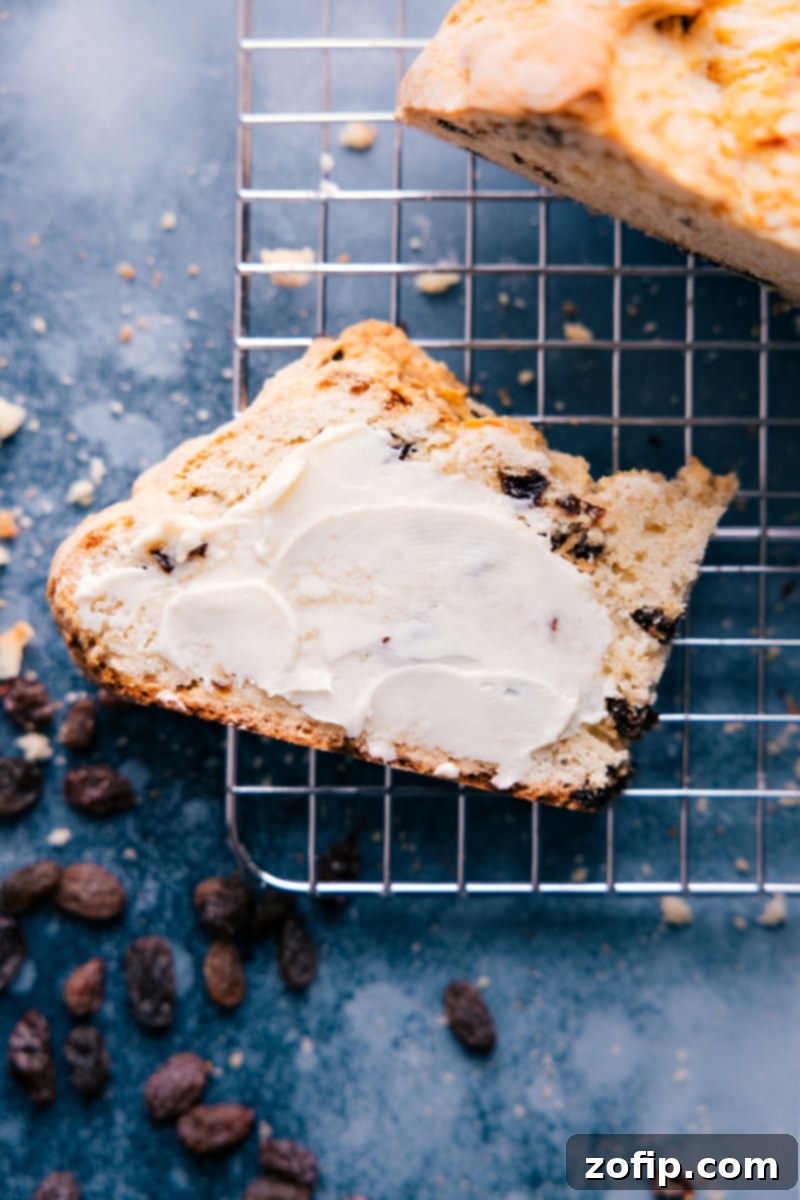
Bake the Best Irish Soda Bread: Quick, Easy, and Incredibly Delicious
Experience the simple joy of baking with this ultimate Irish Soda Bread recipe. A beloved staple of Irish cuisine, this rustic bread is renowned for its speed and ease, requiring no yeast and absolutely no rising time. It’s the perfect solution for anyone craving fresh, homemade bread in a hurry, coming together from mixing to baking in mere minutes. Whether you prefer a classic, plain loaf or enjoy a delightful twist with additions like plump raisins or crunchy sunflower seeds, this recipe offers versatility and guaranteed deliciousness.
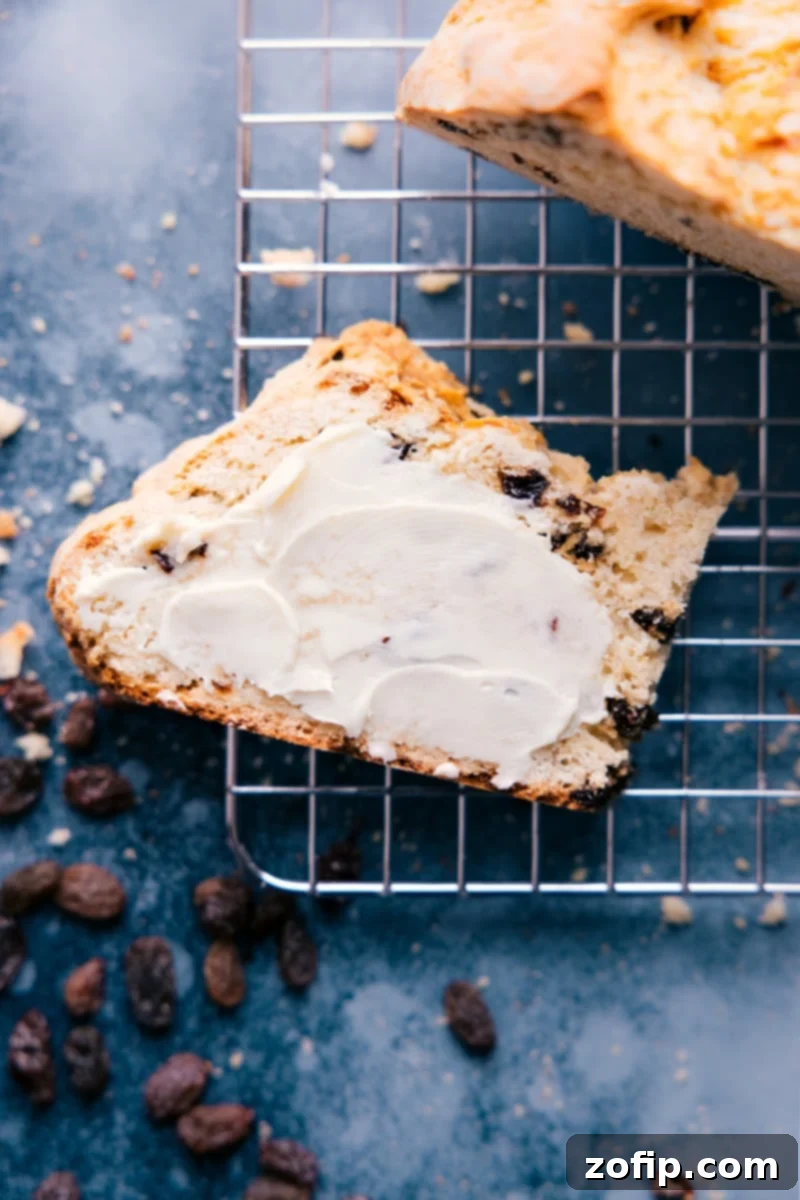
Crafting the Perfect Irish Soda Bread: A Timeless Recipe
Irish Soda Bread holds a special place in the hearts of many, revered for its simplicity and comforting taste. When we recently asked our community about their preference for raisins in bread, the response was overwhelmingly against them. While I might agree that raisins have no place near my Oatmeal Cookies, I must admit they introduce an incredibly delicious texture and sweetness to a good loaf of bread. However, I completely understand that for many, raisins are a deal-breaker, and I respect that preference.
But please, don’t write off this amazing Irish Soda Bread recipe just yet! Its beauty lies in its adaptability. You don’t have to include raisins to achieve a spectacular loaf. There are countless other delightful additions and variations you can explore, ensuring that everyone can find their perfect version of this quick and easy bread.
Creative Variations for Your Soda Bread
This Irish Soda Bread recipe serves as a fantastic base for experimentation. Here are some popular variations to inspire your baking, moving beyond the classic plain or raisin-filled options:
- Classic Plain Loaf: For purists and raisin-averse bakers, simply omit the raisins. You’ll be left with a beautifully simple, white no-yeast bread that pairs wonderfully with both sweet and savory accompaniments. Its mild flavor makes it incredibly versatile.
- Nutty & Seedy Goodness: Introduce a delightful crunch and earthy flavor by mixing in about 1/3 to 1/2 cup of your favorite seeds. Poppy seeds, sunflower seeds, or sesame seeds are all excellent choices. For an extra touch, sprinkle an additional tablespoon of seeds on top of the dough before baking to create a visually appealing and flavorful crust. These seeds add not just texture but also a boost of nutrition.
- Hearty Oat Topping: For a more rustic appearance and a subtle chew, brush the top of your loaf with a little extra buttermilk just before it goes into the oven, then generously sprinkle with old-fashioned oats. This creates a lovely golden-brown crust with a wholesome, comforting appeal.
- Cheese & Herb Infusion: For a savory twist, fold in 1/2 to 1 cup of shredded cheddar or Gruyere cheese, along with 1-2 tablespoons of fresh chopped herbs like rosemary, thyme, or chives. This variation is fantastic alongside soups or stews.
- Orange Zest & Cranberry: For a brighter, tangier flavor profile, incorporate 1/2 cup dried cranberries and 1-2 tablespoons of fresh orange zest into the dough. This combination offers a festive touch and a burst of citrusy sweetness.

The Secret to a Perfectly Tender and Flaky Irish Soda Bread
Baking delicious Irish Soda Bread is surprisingly straightforward, especially when you know the clever trick behind its incredible texture. If you’re familiar with our recipe for amazing Drop Biscuits, you’ll recognize this “secret” preparation method!
Traditionally, many biscuit recipes call for cold, cubed butter that you cut into the flour using a food processor or a pastry blender. This method creates small pockets of butter that melt during baking, resulting in a flaky texture. However, we employ a more efficient and equally effective technique: we actually melt the butter first. You might think melting butter would lead to a dense, tough bread, but here’s where the magic happens!
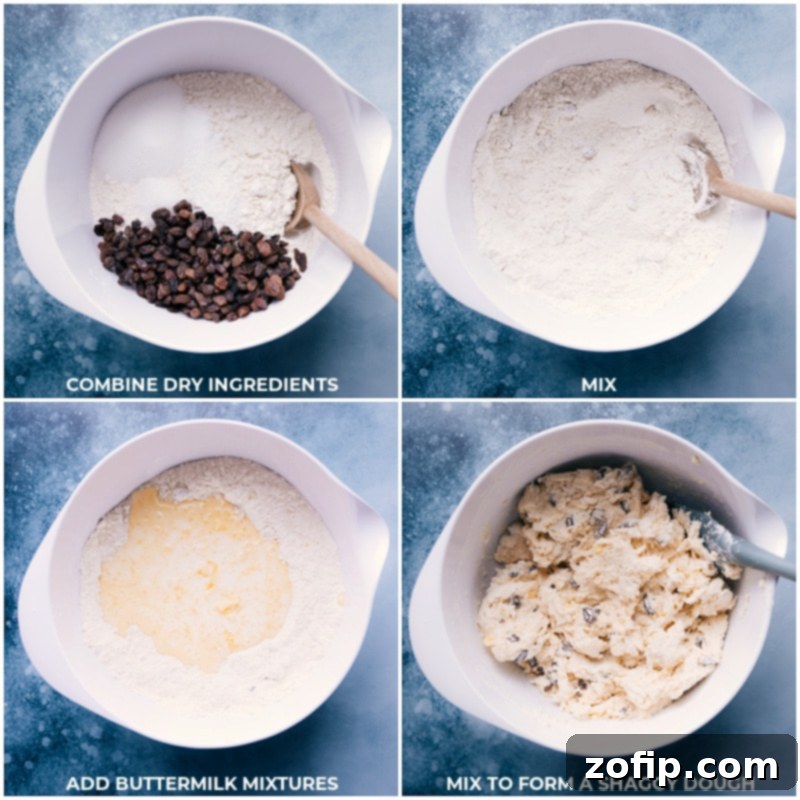
The key is to then rapidly introduce ice-cold buttermilk to the hot, melted butter. As the cold buttermilk hits the warm butter, the butter instantly solidifies into tiny, irregular clumps. You can see these small, distinct butter clusters forming in the photo above. These newly formed butter clumps act similarly to the cut-in cold butter, but with far less effort. During baking, these minute butter pockets melt, creating steam that helps the bread rise and contributes to that wonderfully tender, flaky, and rich texture we all adore in Irish Soda Bread. This innovative approach, inspired by culinary experts like Cooks Illustrated, not only simplifies the process but also guarantees a fantastic result without the extra work of cutting in cold butter. It’s a game-changer for homemade bread, ensuring your loaf is perfectly moist and delicious every time.
Essential Tips for Baking the Perfect Irish Soda Bread
Achieving a perfectly moist and flavorful Irish Soda Bread is easier than you think, especially with a few expert tips. Follow these guidelines to ensure your homemade loaf turns out beautifully every time:
- Mindful Flour Addition for Optimal Moisture: The amount of flour needed can vary significantly due to environmental factors such as humidity, altitude, and even the ambient temperature in your kitchen. The goal is to add just enough flour to make the dough manageable – it should still be quite wet and sticky. Remember, the wetter and stickier the dough, the more incredibly moist and flavorful your finished bread will be. Conversely, if you add too much flour, the dough will become dry and stiff, resulting in a dense, crumbly bread. On the flip side, if it’s too wet and sticky to handle even with a light dusting of flour, it may spread too much during baking and lack sufficient structure. For best results, use a food scale for precise measurement or employ the “spoon and level” method: spoon flour into your measuring cup and then level it off with a straight edge, rather than scooping directly from the bag, which can compact the flour and add too much.
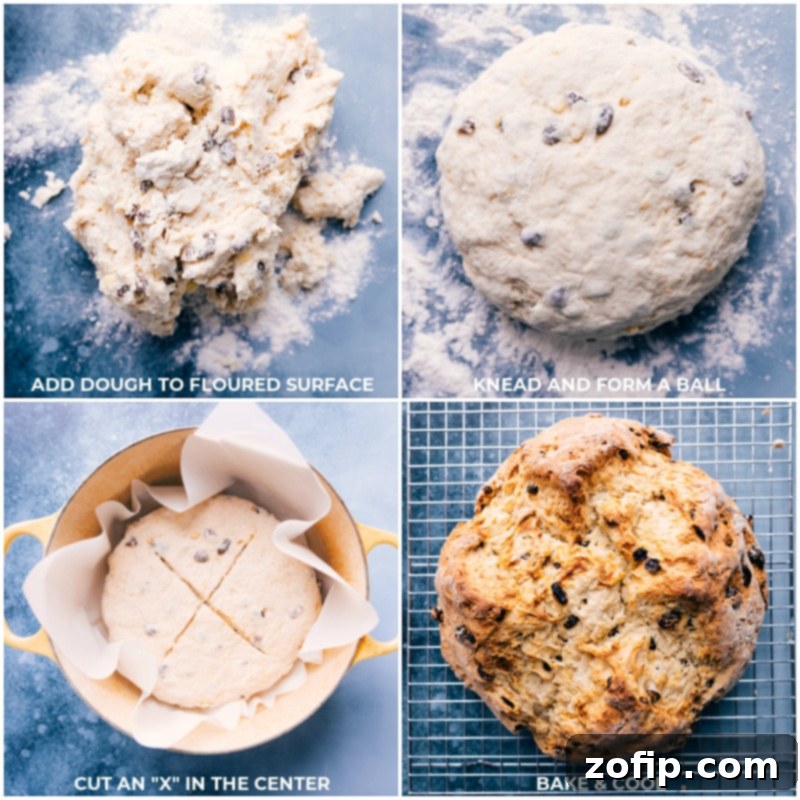
- The Traditional “X” Cut for Even Baking and Good Fortune: Before placing your loaf in the oven, use a sharp serrated knife to cut a distinct “X” across the top, about 1/4-inch deep. This isn’t just for aesthetics; it serves a crucial practical purpose by allowing the heat to penetrate the center of the bread more effectively, ensuring it cooks through completely and evenly. Beyond its baking benefits, this cross also carries historical and superstitious significance in Irish folklore. In southern Irish regions, families traditionally cut a cross into their soda bread to “let the fairies out” or to ward off evil and protect their homes. It’s a charming tradition that adds a touch of cultural heritage to your baking! (This is also how the term ‘hot cross buns’ originated, from the superstitious cross put on the loaves!)
- Patience is Key: Let Your Baked Bread Stand: As tempting as it is to slice into a warm loaf straight from the oven, resist the urge! This resting period is just as vital as the baking itself. Once you remove the Irish Soda Bread from the oven, allow it to stand on the sheet pan for about 5-10 minutes. Then, carefully transfer it to a wire cooling rack and let it cool for at least 30 minutes, or ideally longer. During this time, the residual heat within the bread continues to cook the interior, and the trapped steam redistributes moisture, ensuring the crumb is fully set and perfectly cooked through. Rushing this step will likely result in a slightly doughy or gummy center, diminishing the overall quality of your delicious homemade bread.
Creative Ways to Enjoy Your Homemade Irish Soda Bread
Irish Soda Bread boasts a distinctive, delicious flavor that is truly unbeatable when served warm, fresh from the oven. While it’s fantastic on its own, its full potential shines through when paired with the right toppings and accompaniments. Its slightly dense yet tender crumb and subtle tang from the buttermilk make it incredibly versatile. Here are some of our absolute favorite ways to enjoy this comforting bread, suitable for any meal or snack:
- Simple Buttered Perfection: The most classic and perhaps best way to enjoy Irish Soda Bread is to slice a piece while it’s still warm and slather it with a thick layer of room-temperature butter. The butter melts into the warm bread, creating a rich, satisfying experience. If your butter is unsalted, a tiny pinch of flaky sea salt on top elevates the flavors beautifully.
- Sweet Spreads and Fruit Preserves: Elevate your breakfast or tea time by adding a vibrant citrus marmalade or a luscious berry jam. The sweetness and fruitiness perfectly complement the bread’s earthy notes. If your bread isn’t piping hot out of the oven, a quick toast will bring back its warmth and crispness, making it an ideal canvas for your favorite preserves.
- Savory Sandwiches and Open-Faced Delights: Don’t limit Irish Soda Bread to just breakfast! Its sturdy texture makes it excellent for sandwiches. Fill it with your favorite cheese and deli meat for a hearty lunch, or create an elegant open-faced sandwich. Try toasting a slice, then topping it with melted cheese, a fried egg, or even smoked salmon and cream cheese for a truly gourmet experience.
- A Unique Twist on French Toast: For an unexpected and delightful brunch treat, use slices of Irish Soda Bread to make French toast. Its slightly denser texture absorbs the egg custard beautifully, resulting in a rich and flavorful dish. Top it generously with plenty of our homemade vanilla sauce, classic pancake syrup, or a burst of fruity goodness with blueberry syrup.
- The Perfect Companion for Soups and Stews: Irish Soda Bread is a natural partner for comforting, hearty meals. Its ability to soak up rich broths makes it ideal for dunking into a steaming bowl of soup or a robust stew. We especially love it with a flavorful Minestrone Soup, a rich Instant Pot Beef Stew, or this satisfying gnocchi-filled Crockpot Beef Stew. Explore our full list of 30 favorite soup recipes for endless pairing possibilities!
Storing Your Irish Soda Bread for Lasting Freshness
How to Properly Store Irish Soda Bread
While Irish Soda Bread is truly at its peak when enjoyed fresh and warm on the day it’s baked, proper storage can help extend its deliciousness.
- This bread is best eaten within a day or two of baking. It will keep well for up to 3 days at room temperature in a cool, dry place. To prevent it from drying out, store it in an airtight container or a bread box. Avoid plastic wrap if possible, as it can trap too much moisture and lead to a soggy crust.
- Do not refrigerate it. Refrigeration actually speeds up the staling process in bread by causing the starch molecules to recrystallize more quickly. This will make your soda bread dry and crumbly much faster than if left at room temperature.
- For longer storage, after 2-3 days, it’s best to freeze individual slices for up to 3 months. Wrap each slice tightly in plastic wrap, then place them in a freezer-safe bag or container. You can toast slices straight from the freezer for a quick and warm treat, or let them thaw at room temperature for a couple of hours. This method ensures you always have a piece of homemade Irish Soda Bread ready to enjoy.
Quick Tip for Crumbly Soda Bread
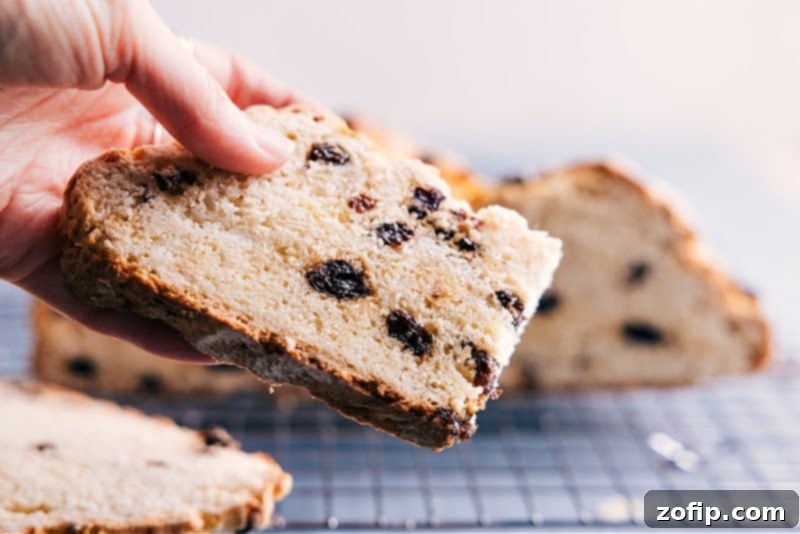
Irish Soda Bread is known for its somewhat rustic and crumbly nature, especially as it ages. This characteristic comes from its quick-bread composition and lack of gluten development from yeast. To enjoy it more easily and prevent excessive crumbling, we recommend cutting longer slices in half down the middle. For even more stability and a delightful texture, toast the bread first. Toasting helps to firm up the crumb and brings out its nutty flavors, making it less prone to falling apart and perfect for spreading butter or jam.
Don’t Waste a Drop! Use Leftover Buttermilk in These Delicious Recipes:
Buttermilk is a fantastic ingredient that adds moisture and a subtle tang to many baked goods and dishes. If you find yourself with extra buttermilk after making this Irish Soda Bread, try these other amazing recipes:
Breakfast
Buttermilk Syrup
A tangy and sweet syrup perfect for pancakes or waffles, adding a unique depth of flavor.
Breakfast
Fluffy Chocolate Chip Pancake Recipe
Buttermilk makes these pancakes incredibly light and tender, the perfect vehicle for chocolate chips.
Muffins And Quick Breads
Copycat Red Lobster Biscuit Recipe
Recreate your favorite restaurant biscuits at home with the magic of buttermilk for extra tender results.
Saved
Pin
Classic Homemade Irish Soda Bread
Chelsea Lords
25
50
40
1 55
12 slices (1 loaf of bread)
Video
Equipment
- Large sheet pan (15″ x 21″) or a 5-quart cast-iron pot with lid
- Parchment paper or a silicone baking mat
- Large mixing bowls
- Whisk and spatula/wooden spoon
Ingredients
- 8 tablespoons unsalted butter (1/2 cup), melted
- 1-3/4 cups cold buttermilk (divided: 1 cup for butter mixture, 3/4 cup for egg mixture, see Note 1)
- 1 large egg
- 4-1/2 cups all-purpose flour (plus more for dusting, see Note 2 for measuring tips)
- 3 tablespoons granulated sugar
- 2-1/2 teaspoons baking powder
- 1 teaspoon baking soda
- 1-1/2 teaspoons salt
- 1 cup raisins (soft and fresh, optional, or use variations mentioned above)
Instructions
- Prepare Oven and Pan: Preheat your oven to 425°F (220°C). Line a large sheet pan (approximately 15″ x 21″) with parchment paper or a silicone baking mat. Alternatively, if using, line a 5-quart cast-iron pot with parchment paper. Set your prepared pan or pot aside. In a medium microwave-safe bowl, melt the unsalted butter until fully liquid.
- Create Butter Clumps: Immediately after melting, pour 1 cup (237g) of cold buttermilk into the bowl with the melted butter. Stir quickly with a fork. You’ll notice the butter solidifying and forming small clumps almost instantly – this is exactly what you want! Set this mixture aside for about 5 minutes to allow more clumps to form. In a separate medium bowl, whisk together the remaining 3/4 cup (176g) cold buttermilk and the large egg until smooth and well combined. Set this aside.
- Combine Dry and Wet Ingredients: In a very large mixing bowl, combine the all-purpose flour, granulated sugar, baking powder, baking soda, and salt. If you are adding raisins (or other optional mix-ins like seeds), stir them into the dry ingredients now. Whisk these dry ingredients together thoroughly until evenly combined. Create a well in the middle of the dry mixture. Pour the buttermilk and egg mixture into this well. Now, give the butter and buttermilk mixture another quick stir to encourage maximum clump formation, then use a spatula to scrape every bit of this clumpy mixture into the well of dry ingredients.
- Mix and Knead Dough: Using a strong spatula or a wooden spoon, gently mix the ingredients until just combined. Be careful not to overmix or overwork the dough; mixing until no streaks of dry flour remain is sufficient. The dough will be quite shaggy and sticky. Lightly sprinkle about 2 tablespoons of extra flour onto a clean work surface. Scrape the entire dough mass out onto the floured surface and sprinkle with another 2 tablespoons of flour. Gently knead the bread, folding and pressing it about 6–8 times, just enough to bring everything together into a wide, smooth, round ball.
- Shape and Score: Carefully transfer the dough ball to your prepared sheet pan or into the lined cast-iron pot. Gently pat it down with your hands to form a round loaf about 1-1/2 inches in height. Using a sharp serrated knife, cut a distinct “X” across the surface of the loaf, about 1/4-inch deep. This helps the bread cook evenly.
- Bake to Perfection: Place the bread in the preheated 425°F (220°C) oven and bake for 25 minutes. After the initial 25 minutes, **do not open the oven door**. Simply reduce the oven temperature to 400°F (200°C) and continue baking for another 20–30 minutes, or until the base of the loaf sounds hollow when tapped in the middle. (In my oven, this usually takes about 25 minutes at the lower temperature.)
- Cool Completely: Remove the sheet pan or pot from the oven. Let the bread stand on the pan for about 10 minutes. Then, carefully transfer the hot loaf to a wire cooling rack. It is crucial to let the bread cool for at least 30 minutes (and ideally longer, see Note 3) before slicing into it. The internal steam continues to cook the bread during this cooling period, ensuring a fully baked, moist, and tender interior.
Recipe Notes
Note 2: Accurate Flour Measurement: When measuring flour, precision is key. For the most accurate results, use a food scale to weigh your flour. If you don’t have a scale, use the “spoon and level” method: gently spoon the flour into your measuring cup until it overflows, then level off the excess with the back of a knife or a straight edge. Never pack flour into the measuring cup or scoop directly from the bag, as this can add significantly more flour than needed, resulting in a dry, tough bread. Remember to aim for a dough that is manageable but still on the wetter/stickier side for the most moist and delicious outcome.
Note 3: The Importance of Cooling Time: The cooling process is a critical, often overlooked step in baking, and for Irish Soda Bread, it’s particularly important. Once the bread is out of the oven, allowing it to rest first on the sheet pan for 5–10 minutes and then on a wire cooling rack for at least 30 minutes (or longer) is as essential as the bake time itself! The internal heat continues to ‘cook’ the bread, and the steam trapped within redistributes moisture. This ensures the center is fully baked, preventing a gummy or undercooked texture, and allows the crumb to set properly. Resisting the urge to slice too early will be rewarded with a superior loaf.
Storage: To maintain its best quality, Irish Soda Bread should be eaten fresh. Store any leftovers in a cool, dry place at room temperature for up to 3-5 days. It’s best to use a container that allows for a little ventilation to prevent moisture build-up and mold. Avoid the refrigerator entirely, as it accelerates staling. For longer preservation, individual slices can be frozen for up to 3 months. To enjoy, simply toast directly from the freezer or allow slices to thaw at room temperature.
Nutrition
Calories: 338kcal |
Carbohydrates: 55.9g |
Protein: 7.9g |
Fat: 9.8g |
Cholesterol: 39.8mg |
Sodium: 153.4mg |
Fiber: 1.9g |
Sugar: 13.2g
Nutrition information is automatically calculated, so should only be used as an approximation.
Love this recipe? Leave a comment below!
Your feedback helps us create more delicious content for you.