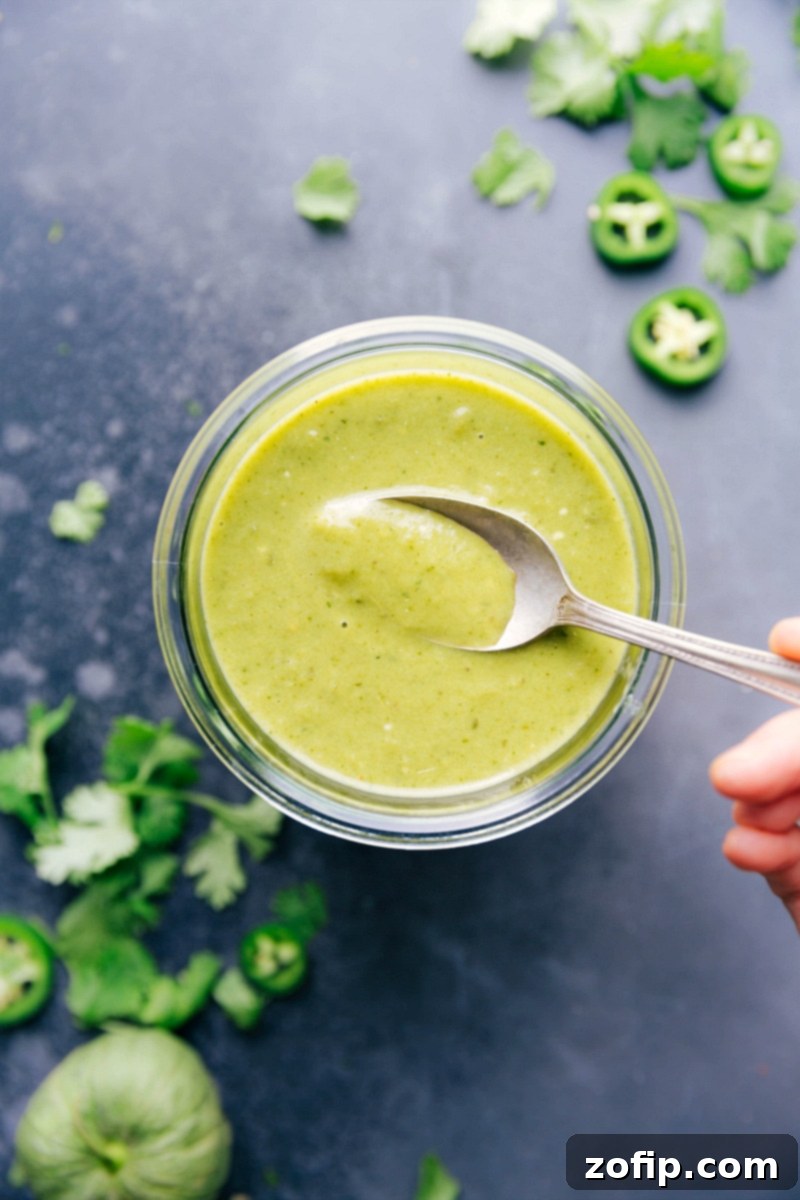
Experience Unmatched Flavor: The Ultimate Homemade Green Enchilada Sauce
Forget bland store-bought versions! This **Green Enchilada Sauce** is a vibrant explosion of fresh flavors, meticulously crafted with roasted tomatillos, sweet onions, spicy peppers, aromatic garlic, a blend of authentic spices, rich broth, and a touch of olive oil. Elevate your Mexican dishes with a sauce that promises a brighter, deeper, and more satisfying taste than anything from a can.

author’s note
Homemade Enchilada Sauce: A Flavor Revolution That Beats the Can Every Time!
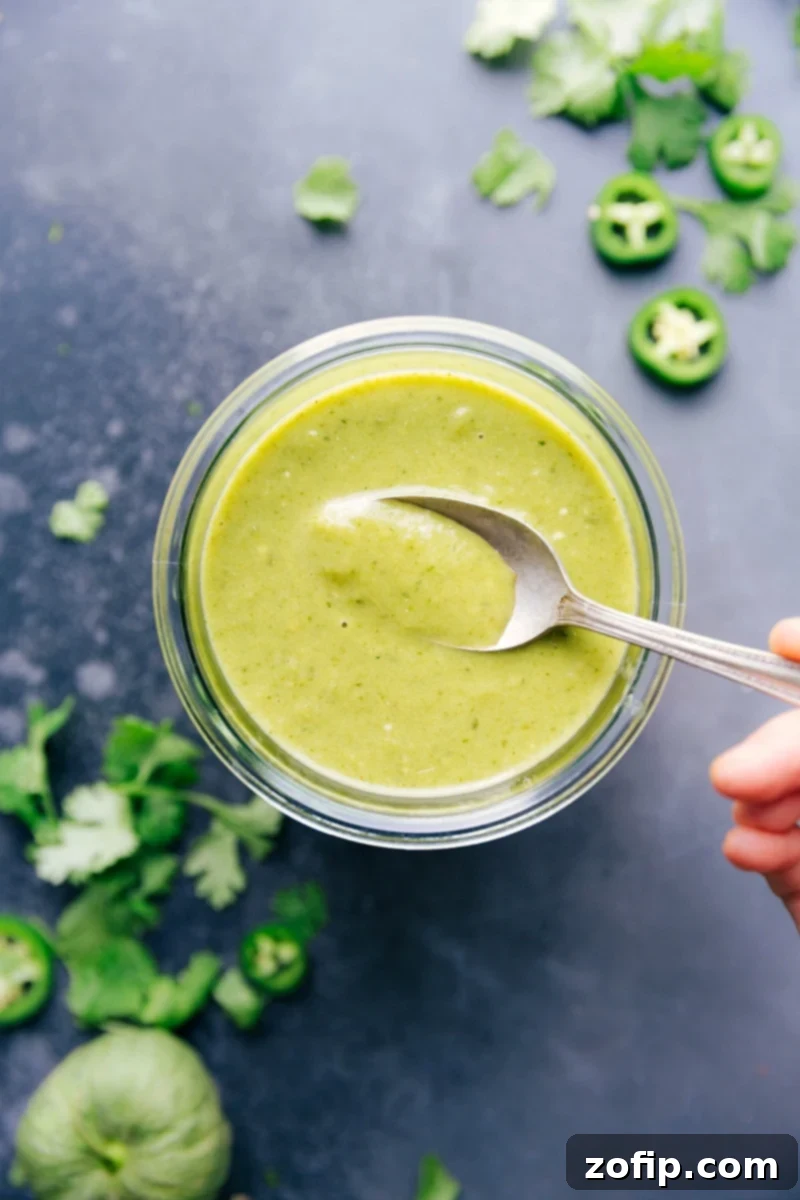
For years, convenience led me straight to the grocery aisle for store-bought enchilada sauce, especially when preparing my favorite enchilada recipes. It seemed like the easiest path to a quick meal. However, that all changed the day I decided to roast fresh tomatillos and blend my very own sauce. The transformation was astounding. The homemade version wasn’t just “better”; it was an entirely different experience—richer, more aromatic, and bursting with a fresh, vibrant flavor that canned sauce simply cannot replicate.
While I still keep a can of Old El Paso Enchilada Sauce on hand for those super-fast weeknight meals (like my beloved Green Chile Chicken Enchilada Soup), when I desire something truly special, this homemade green enchilada sauce is my undisputed champion. It’s the kind of difference my family immediately notices, always asking for more. Once you taste the authentic depth of flavor from freshly roasted ingredients, you’ll understand why this recipe is an absolute game-changer for anyone who loves Mexican cuisine.
Key Ingredients for a Phenomenal Green Enchilada Sauce
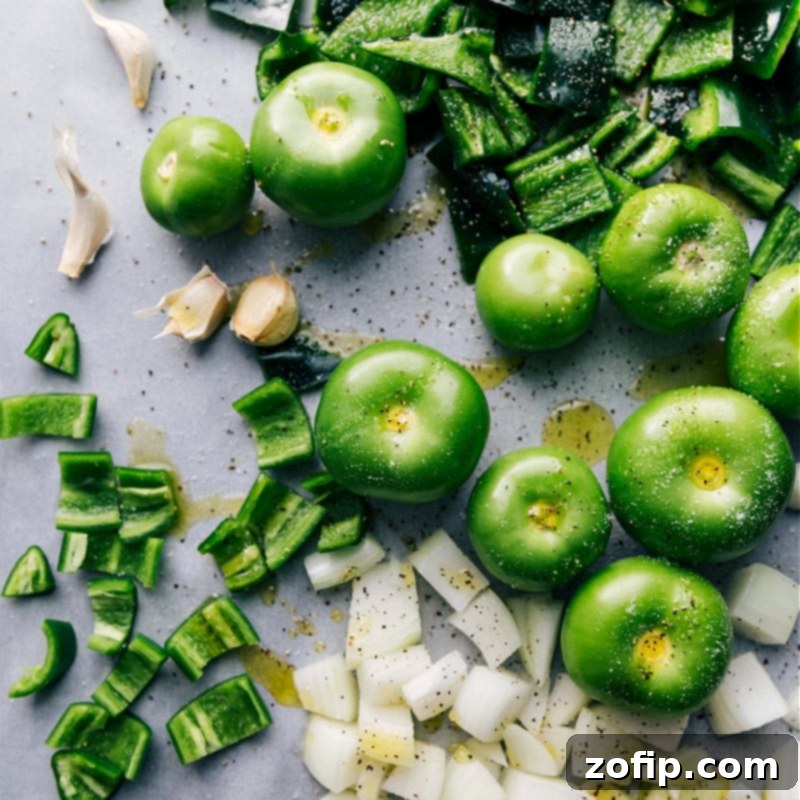
Crafting the perfect green enchilada sauce starts with selecting the right ingredients. Each component plays a vital role in building the layered, complex flavors that define this beloved Mexican staple. Here’s a detailed look at what you’ll need and how to choose wisely:
| Ingredient | Swaps / Tips for Best Flavor |
|---|---|
| Tomatillos | Crucial for the sauce’s signature tangy, bright flavor. Choose firm tomatillos with tight, dry husks. Rinse off the sticky residue under warm water thoroughly before roasting. |
| Jalapeños | These bring the heat! For a milder sauce, carefully remove all ribs and seeds. If you crave more spice, leave some in, or even swap for a serrano pepper for an extra kick. |
| Onion & Garlic | Yellow or white onions both provide a sweet base; shallots can be used in a pinch for a milder onion flavor. Always opt for fresh garlic cloves—their robust flavor is essential and jarred garlic simply won’t compare after roasting. |
| Cumin | Don’t even think about skipping this! Ground cumin is the secret ingredient that binds all the flavors, adding a warm, earthy depth that truly makes the green enchilada sauce sing. |
| Cilantro | Fresh cilantro adds a distinctive herbaceous note. If you’re not a fan (due to the genetic “soap” taste), feel free to omit it. A squeeze of fresh lime juice can offer a similar bright, fresh finish. |
| Broth | Vegetable broth makes this recipe vegetarian-friendly and light. For a richer, deeper flavor, particularly if you’re making chicken enchiladas, chicken broth is an excellent choice. Water can be used if broth isn’t available, but the flavor won’t be as robust. |
| Olive Oil | Used for roasting the vegetables, olive oil helps them caramelize and develop deep, rich flavors, which are foundational to this sauce. |
| Salt & Pepper | Essential for seasoning to taste. Don’t be shy about adjusting these at the end to achieve perfect balance. |
Crafting Your Homemade Green Enchilada Sauce: A Step-by-Step Guide
Making this incredible green enchilada sauce is simpler than you might think, and the effort is absolutely worth the superior flavor. The magic lies in the roasting process, which caramelizes the vegetables and deepens their natural sweetness and tang. Follow these steps for a vibrant and delicious sauce:
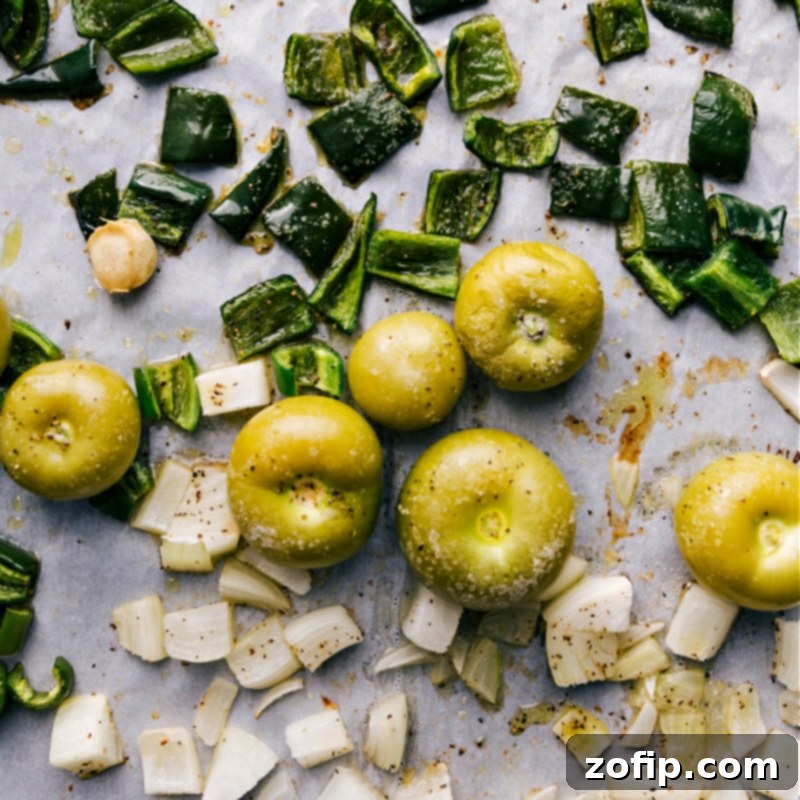
- Prepare and Roast the Vegetables: Begin by preheating your oven to 400°F (200°C). Arrange your prepared tomatillos, poblano peppers (stemmed and seeded), jalapeños (adjusting for heat preference), chopped onion, and unpeeled garlic cloves on a large sheet pan. Drizzle generously with olive oil and season with salt and pepper. Toss everything to ensure an even coating. Spread the vegetables in a single layer, making sure they don’t overlap too much, which is crucial for proper caramelization. Roast for about 15 minutes, then give them a good toss and spread them out again. Continue roasting for another 10-15 minutes, or until the vegetables are beautifully caramelized and slightly charred. The tomatillos should have softened and started to break down, releasing their juices. This roasting step is key to developing the rich, complex base flavor of your sauce.
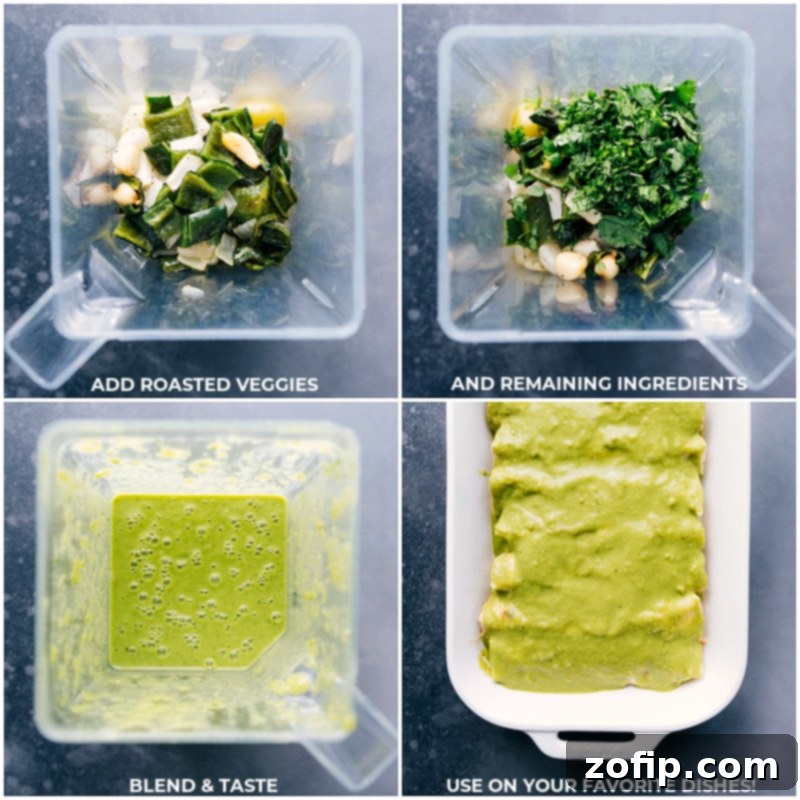
- Blend to Perfection: Once roasted, allow the vegetables to cool slightly. Carefully peel the skins from the garlic cloves and discard them. Transfer all the roasted vegetables, including any delicious pan juices and residual olive oil, to a high-powered blender. If your blender is smaller, you might need to process in batches to ensure a smooth consistency. Add the fresh cilantro and ground cumin. Begin blending on a low setting, gradually increasing the speed until the mixture is completely smooth and creamy, which typically takes 1-2 minutes. There should be no large chunks remaining.
- Achieve the Perfect Balance: Now it’s time to fine-tune your sauce. Gradually add the vegetable stock or broth, blending until you reach your desired consistency. Some prefer a thicker sauce for stuffing enchiladas, while others like it a bit thinner for drizzling. Taste the sauce, and don’t hesitate to adjust the seasoning. Add more salt, pepper, or cumin as needed until the flavors truly “sing.” For an extra bright and fresh note, squeeze in 1-2 tablespoons of fresh lime juice, adding it gradually and tasting as you go. This final adjustment ensures your homemade green enchilada sauce is perfectly tailored to your palate.
Tips for Success & Customization
Making this homemade green enchilada sauce is incredibly rewarding, and it’s easy to customize it to your exact preferences. Here are some tips and variations to help you create your perfect batch:
- Adjusting the Heat: The spice level is entirely in your hands! For a milder sauce, be diligent about removing all the ribs and seeds from the jalapeños before roasting. For those who love a fiery kick, leave some or all of the ribs and seeds in. You can also swap one or both jalapeños for a spicier serrano pepper.
- Cilantro-Free Option: If fresh cilantro isn’t your favorite, simply omit it from the recipe. To maintain a bright flavor profile, add an extra squeeze of 1–2 tablespoons of fresh lime juice after blending.
- Controlling Thickness: The sauce will naturally thicken a bit as it cools. If you prefer a thinner sauce for easier pouring or specific recipes, gradually add more vegetable stock or broth, one tablespoon at a time, until you reach your desired consistency.
- Boost the Citrus: A generous squeeze of fresh lime juice at the end brightens the entire sauce, adding a zesty, refreshing counterpoint to the roasted flavors. It’s an optional but highly recommended addition for an extra zing!
- Deepening Roasting Flavors: Don’t rush the roasting process! Allowing your vegetables to get a good char and caramelization is key to a deeply flavorful sauce. If your sheet pan is too crowded, use two pans to ensure even roasting and browning.
- Using Fresh Garlic: While convenient, pre-minced jarred garlic lacks the pungent, fresh flavor that whole roasted garlic cloves contribute. Always use fresh garlic for the best results.
Storage Solutions & Making Ahead
This homemade green enchilada sauce is perfect for meal prep, as it stores beautifully, allowing you to enjoy fresh, vibrant flavors even on busy weeknights.
- Refrigeration: Store any leftover green enchilada sauce in an airtight container in the refrigerator for up to 5–7 days. The flavors often deepen and meld even further overnight, making it taste even better the next day!
- Freezing for Later: This sauce freezes exceptionally well. Once completely cooled to room temperature, pour the sauce into freezer-safe jars, freezer bags (leaving some headspace for expansion), or even ice cube trays for smaller portions. Label with the date and freeze for up to 3 months.
- Thawing & Reheating: To use frozen sauce, thaw it overnight in the refrigerator. Alternatively, you can gently reheat it directly from frozen in a medium-sized saucepan over low heat on the stovetop, stirring occasionally until it’s fully thawed and warmed through. Add a splash of broth or water if it seems too thick after thawing.
Creative Ways to Use Your Green Enchilada Sauce
This versatile homemade green enchilada sauce isn’t just for enchiladas! Its bright, tangy, and subtly spicy flavor profile makes it a fantastic addition to a wide range of dishes. Explore these delicious applications:
Dinner
Vegetarian Enchiladas
Dinner
White Turkey Chili
Dinner
Vegetarian Nachos
Beef
Ground Beef Quesadillas
Beyond these, try it as a vibrant base for chicken or pork stew, a flavorful dip for tortilla chips, a dressing for salads, or even mixed into scrambled eggs for a zesty breakfast. The possibilities are endless!
Pin
Green Enchilada Sauce
Equipment
- Large sheet pan (15″ x 21″)
- Parchment paper
- Blender high-powered recommended for smoothest results
Ingredients
- 1 pound small, ripe tomatillos about 10 small tomatillos, see Note 1
- 2 cups poblano pepper from 2 peppers, see Note 2
- 2 jalapeños see Note 3
- 1 small yellow onion see Note 4
- 4 cloves garlic leave peels on for roasting
- 3 tablespoons olive oil
- Salt and pepper to taste, about 1 tsp salt and 1/4 tsp pepper initially
- 1/2 cup coarsely chopped cilantro
- 1/2 teaspoon ground cumin
- 1 cup vegetable stock or chicken broth, or water for a lighter version
- 1 lime optional, for fresh citrus notes
Instructions
- Position an oven rack in the center and preheat your oven to 400°F (200°C). Line a large, extra-large sheet pan with parchment paper for easy cleanup. Arrange the prepared tomatillos (husks removed, scrubbed clean), chopped poblanos, jalapeños, onion, and unpeeled garlic cloves evenly on the pan. Drizzle with olive oil, then season with about 1 teaspoon of salt and 1/4 teaspoon of pepper. Toss everything together until thoroughly coated. Spread the vegetables in a single, even layer, ensuring they don’t overlap, which is crucial for achieving good caramelization.
- Roast the vegetables for 15 minutes. After this initial period, remove the pan from the oven, toss the vegetables, and redistribute them into an even layer. Return to the oven and roast for another 10–15 minutes, or until all vegetables are deeply caramelized, soft, and slightly charred. The tomatillos should appear broken down and juicy. Note that roasting time can vary; if your sheet pan is too crowded, it may take longer to achieve the desired browning.
- Carefully remove the sheet pan from the oven. Once cool enough to handle, peel the skins from the roasted garlic cloves and discard them. Transfer all the roasted vegetables, including any flavorful olive oil and juices left on the pan, into a high-powered blender. Add the coarsely chopped cilantro and ground cumin. Begin blending on a low speed, gradually increasing to high, until the sauce is completely smooth and creamy (this usually takes 1–2 minutes). Pour in the vegetable stock or broth and blend again until the sauce reaches a uniform consistency. If desired, add 1–2 tablespoons of fresh lime juice, incorporating it gradually and tasting along the way.
- Taste the finished sauce and adjust the seasonings as needed. Add more salt, pepper, or cumin to enhance the flavors until they are perfectly balanced to your liking. If you prefer a thinner sauce, slowly add additional vegetable stock or broth, 1–2 tablespoons at a time, blending until the desired consistency is achieved. Serve immediately or store for later use.
Recipe Notes
Note 2: Preparing Poblano Peppers: For the poblano peppers, remove the stems and seeds. Then, chop the peppers into approximately 1-inch pieces. This should yield about 2 cups, which is the amount needed for the recipe.
Note 3: Preparing Jalapeños: To prepare the jalapeños, remove the ribs and seeds for a milder heat. Then, chop them into 1/2-inch pieces, which should result in about 1 cup. While tomatillos are naturally sweet, jalapeños provide a crucial balance of flavors. If you prefer a less spicy sauce, you can slightly reduce the quantity of jalapeños. For those who love heat, feel free to leave in some or all of the ribs and/or seeds to dial up the spice!
Note 4: Preparing Onion: Peel and discard the outer skin of the small yellow onion. Coarsely chop the onion into 1/2-inch pieces, which should measure out to about 1 cup.
Storage Tips: Store your homemade green enchilada sauce in an airtight container in the refrigerator for 5–7 days. This sauce is also excellent for freezing. Allow the sauce to cool completely to room temperature before transferring it to freezer-safe containers or bags. Freeze for up to 3 months. To use, thaw overnight in the refrigerator or gently reheat from frozen in a saucepan on the stovetop over low heat.
Nutrition
Nutrition information is automatically calculated, so should only be used as an approximation. Actual values may vary based on specific ingredients and preparation methods.
Frequently Asked Questions About Green Enchilada Sauce
The primary distinction between green and red enchilada sauces lies in the chiles used, which dictates their color and flavor profile. Red enchilada sauce typically features dried red chiles (like ancho, guajillo, or pasilla) or chili powder, resulting in an earthy, rich, and often smoky flavor. Green enchilada sauce, on the other hand, utilizes fresh green chiles (such as tomatillos, jalapeños, and poblanos), yielding a sauce that is bright, tangy, fresh, and often more acidic.
While both salsa verde and green enchilada sauce share common ingredients like tomatillos and green chiles, they are not interchangeable due to differences in preparation and intended use. Salsa verde is typically a fresher, chunkier, and often raw or lightly cooked condiment, designed to be served as a dip or topping. Green enchilada sauce, conversely, is usually cooked, often incorporates a roux or a thicker base, and is seasoned to be the primary liquid component for baking enchiladas. Substituting one for the other would significantly alter the texture, consistency, and overall flavor of your dish.
The spice level of green enchilada sauce can vary greatly depending on the type and quantity of green peppers used. Many assume green sauce is mild because tomatillos have a sweet-tart flavor. However, ingredients like jalapeños and serranos introduce heat. This particular homemade green enchilada sauce can be customized to your preference; by adjusting the amount of jalapeños and whether you include their ribs and seeds, you can easily make it mild, medium, or intensely spicy.
Roasting the vegetables is a critical step that sets this homemade green enchilada sauce apart. It deepens and concentrates the flavors of the tomatillos, peppers, onions, and garlic, bringing out their natural sweetness and developing a rich, caramelized complexity. This process adds a depth of flavor that cannot be achieved by simply boiling or simmering, resulting in a more robust and nuanced sauce that tastes truly authentic and gourmet.
Yes, this homemade green enchilada sauce recipe is naturally gluten-free! It does not use any flour or thickeners containing gluten. As long as you ensure your vegetable broth (or chicken broth) is certified gluten-free, this sauce is a safe and delicious option for those with gluten sensitivities or celiac disease.