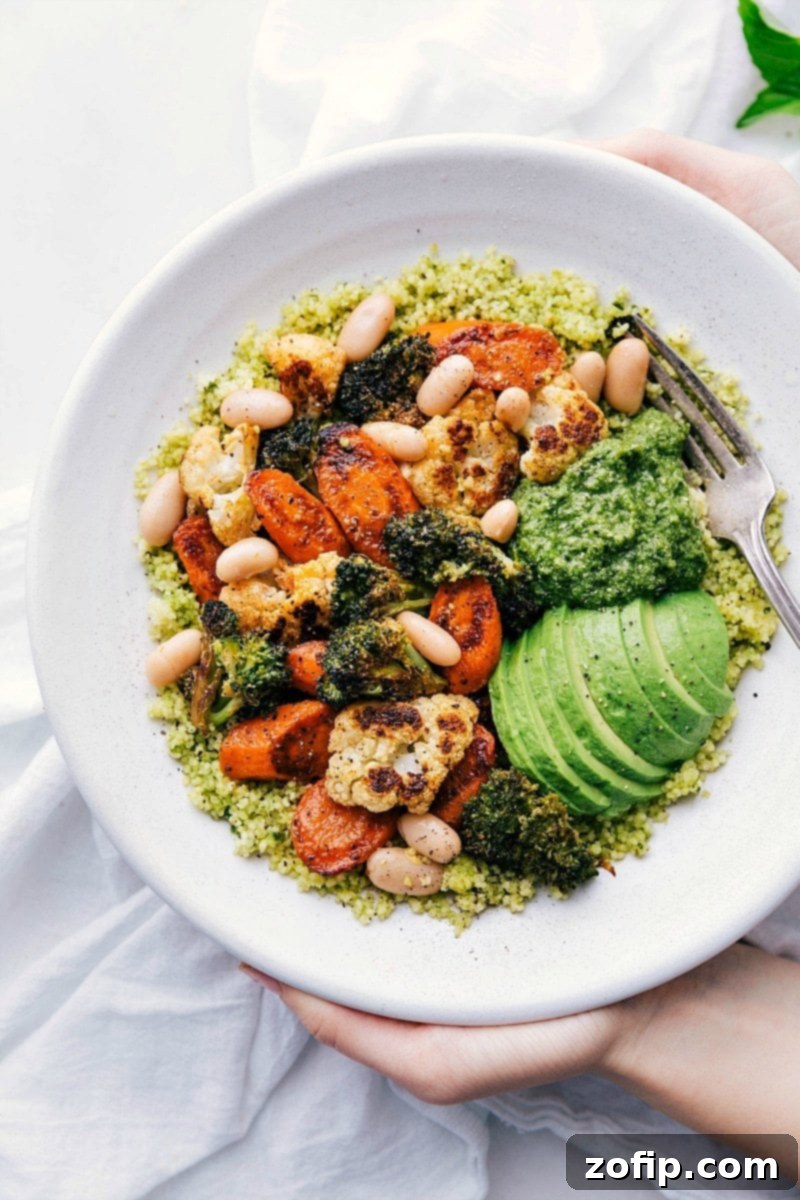
Pesto Vegetable Bowls: Your New Favorite Easy & Healthy Vegetarian Dinner
Prepare to elevate your weeknight cooking with these incredibly flavorful and simple Pesto Vegetable Bowls. This recipe brings together tender roasted broccoli, sweet carrots, and hearty white beans, all generously coated in a bright, herbaceous basil pesto. Served over fluffy, quick-cooking couscous, it’s a vibrant, protein-packed vegetarian meal that comes together in under 40 minutes, proving that healthy eating can also be effortlessly delicious and incredibly satisfying.
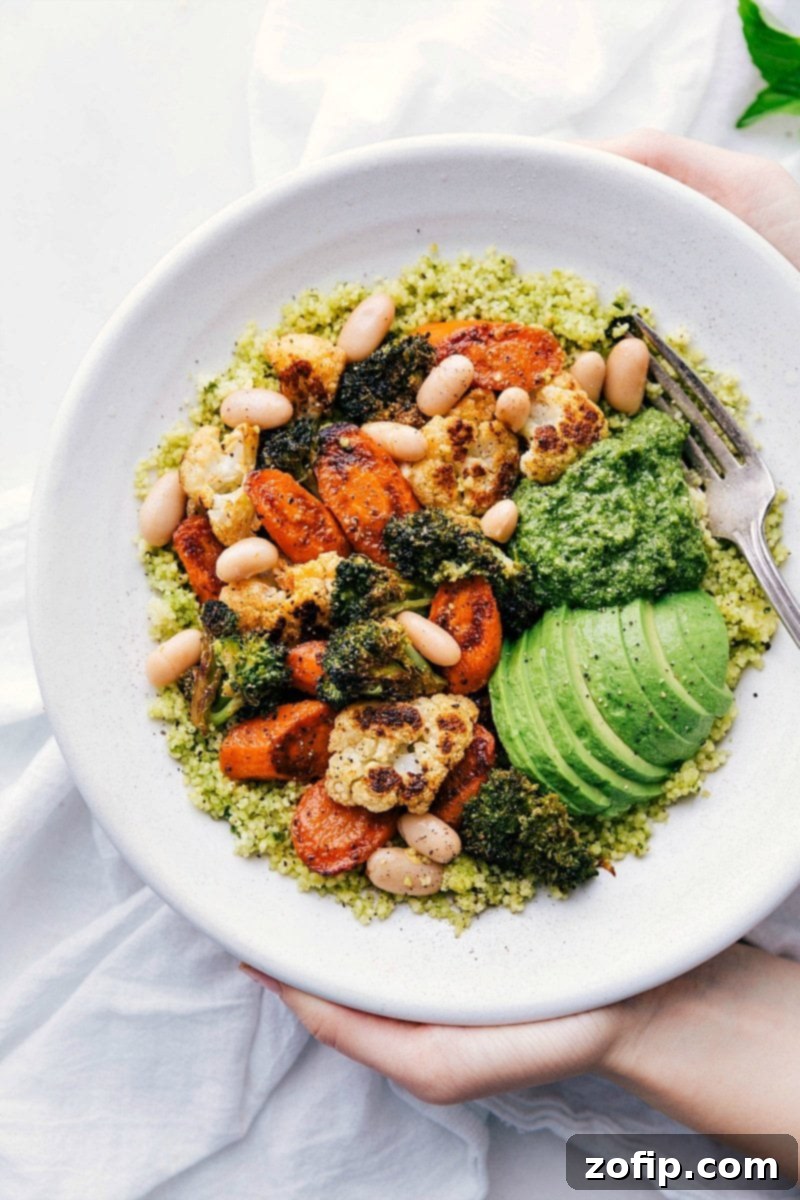
Why You’ll Fall in Love with These Pesto Vegetable Bowls
My journey to creating these Pesto Vegetable Bowls was born out of a simple weeknight experiment and a lifelong love for pesto. Lately, I’ve found myself adding pesto to almost everything, from pasta to sandwiches. One evening, after roasting a big batch of my favorite crisp vegetables and discovering some leftover couscous in the fridge, a culinary revelation occurred. I tossed the warm, perfectly tender-crisp veggies with the soft couscous and then stirred in a generous spoonful of vibrant basil pesto. The result? Pure magic!
I was genuinely astonished by how incredibly delicious this simple combination was. It instantly became one of the yummiest pairings I’d ever created. I found myself craving and eating it every single day that week! The medley of roasted vegetables, the heartiness of the white beans, and the aromatic burst of pesto over light couscous create a balanced and deeply satisfying meal. I just knew I had to share this secret with you. I am genuinely so excited for you to try these Pesto Vegetable Bowls and experience their irresistible charm for yourself!
Essential Ingredients for Vibrant Pesto Vegetable Bowls
Crafting these perfectly balanced pesto vegetable bowls starts with selecting fresh, quality ingredients. Each component plays a vital role in building the layers of flavor and texture that make this dish so irresistible. Here’s a closer look at what you’ll need and why:
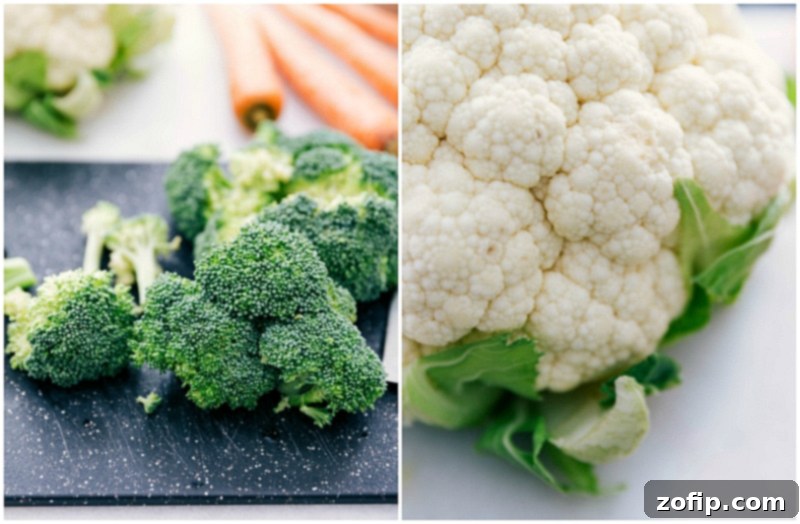
- Broccoli, Cauliflower & Carrots: These three form the colorful and nutritious core of our roasted vegetable medley. When preparing, aim to chop all your veggies into roughly the same bite-sized pieces. This consistency is crucial for ensuring they roast evenly, resulting in a tender-crisp texture throughout. Roasting naturally sweetens carrots and gives broccoli and cauliflower a delightful slight char.
- White Beans (Cannellini): Adding canned white beans introduces a fantastic boost of plant-based protein and fiber, making these bowls incredibly satiating and wholesome. After rinsing, it’s vital to pat them thoroughly dry. This step prevents them from becoming soggy and allows them to heat through quickly and integrate seamlessly with the roasted vegetables.
- Moroccan-Style Couscous: For this recipe, we specifically recommend Moroccan couscous – the small, fine-grained variety, not the larger pearl (Israeli) couscous. Its delicate texture cooks rapidly, typically in just 5 minutes, and acts as an ideal sponge for the savory stock and vibrant pesto, creating a light yet satisfying base.
- Chicken or Vegetable Stock: While water can certainly be used, cooking your couscous in chicken or vegetable stock significantly enhances its flavor profile. The stock infuses the couscous with a savory depth that perfectly complements the rich pesto. For a vegetarian or vegan version, ensure you opt for a good quality vegetable stock.
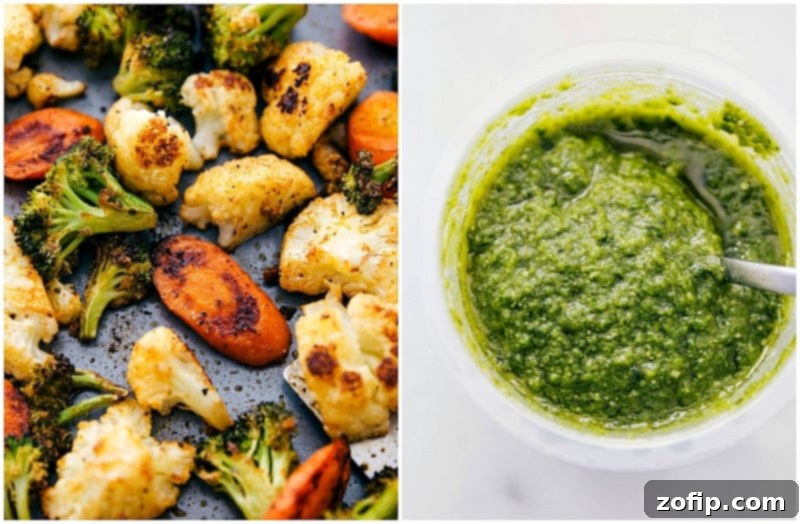
- Basil Pesto: The undisputed star of these bowls! The quality of your pesto will make a huge difference. We highly recommend using fresh basil pesto, which is typically found in the refrigerated section of your grocery store (brands like Buitoni are excellent). Alternatively, making your own homemade pesto yields the freshest, most vibrant results. Avoid jarred, shelf-stable pestos, as they often lack the bright, fresh flavor crucial for this dish.
- Avocado: A creamy, ripe avocado adds a luxurious texture, a dose of healthy monounsaturated fats, and a beautiful pop of green to each bowl. To maintain its fresh appearance and prevent browning, slice or chop your avocado just before you’re ready to serve.
- Honey-Roasted Almonds: These are the perfect crunchy topping, offering a delightful contrast in texture and a subtle sweet-savory note that rounds out the flavors beautifully. Sprinkle them over the finished bowls right before serving to ensure they stay wonderfully crisp.
- Olive Oil, Garlic Powder, Paprika, Salt & Pepper: These pantry staples are essential for seasoning the vegetables, bringing out their natural sweetness, and ensuring they roast to a golden, flavorful perfection. Don’t underestimate the power of a good seasoning blend!
- Lemons: Fresh lemon juice is a game-changer here. A squeeze over the roasted vegetables and into the couscous brightens the entire dish, cutting through the richness of the pesto and adding an invigorating zesty finish that truly elevates every bite.
- Butter: A small knob of butter stirred into the couscous enhances its richness and smoothness, contributing to that utterly comforting texture.
Expert Tips for Perfectly Roasted Pesto Vegetables Every Time
Achieving perfectly roasted vegetables is the secret to a truly outstanding pesto bowl. Follow these pro tips to ensure your veggies are tender, crisp, and bursting with caramelized flavor:
- Choose Peak-Season Produce: The fresher your vegetables, the better they will taste. When selecting broccoli and cauliflower, look for solid, vibrant heads with tightly packed florets. Avoid any with yellowing leaves, soft spots, or a strong sulfurous smell, as these are signs of aging produce. Firm, crisp carrots are also key.
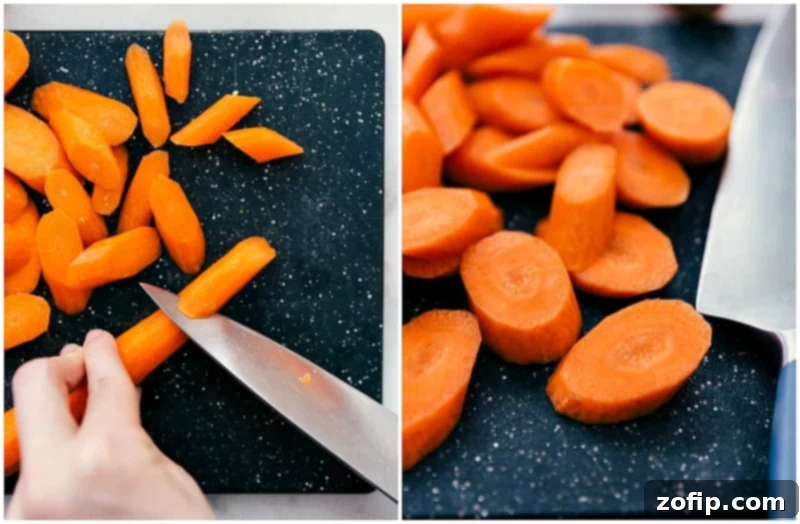
- Cut for Uniformity: This is a crucial step! Chop your broccoli and cauliflower into similar-sized, bite-sized florets. Slice your carrots diagonally into pieces roughly 1-inch thick. If your vegetables are uneven, some pieces will burn while others remain raw. Uniformity ensures even cooking and consistent texture.
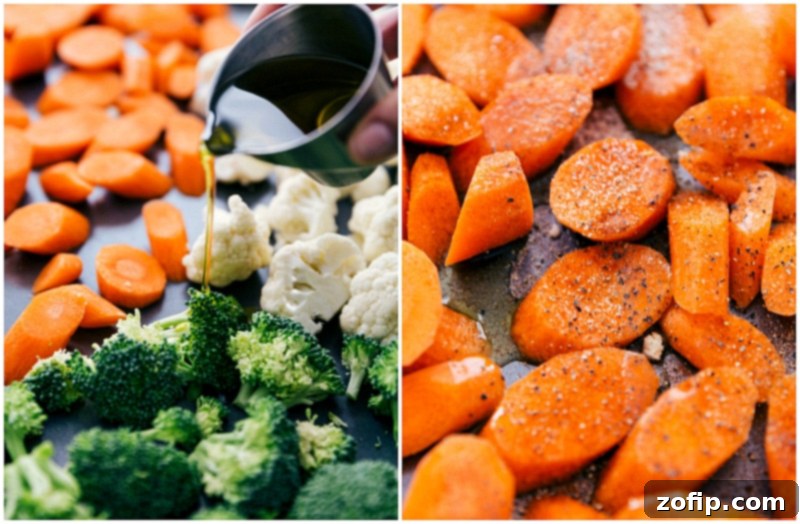
- The Golden Rule: Don’t Crowd the Pan! This tip cannot be emphasized enough. Vegetables release moisture as they cook. If your sheet pan is overcrowded, the moisture gets trapped, causing the vegetables to steam instead of roast and caramelize. The result? Limp, soggy veggies. Always use a very large sheet pan (like a 15×21-inch pan) or, even better, divide your vegetables between two separate pans. Giving them plenty of space allows for proper air circulation, leading to beautifully crisp, caramelized edges.
- High Heat is Your Friend: Roasting at a high temperature, specifically 425°F (220°C), is ideal for achieving that desirable tender interior and crispy exterior. The high heat ensures quick cooking and promotes delicious caramelization. Keep a close eye on your vegetables, as oven calibrations can vary, and cooking times might differ slightly.
- Thoroughly Pat Dry White Beans: After rinsing your canned white beans, don’t skip the step of patting them completely dry with paper towels. Excess moisture will prevent them from warming through effectively and can make them mushy when tossed with the hot roasted vegetables. Dry beans will integrate much better into the dish.
- Season Generously and Taste: Don’t be shy with the olive oil and seasonings! A good coating ensures every piece is flavorful. Remember to taste and adjust the salt and pepper levels at the end of the roasting process, especially after adding the lemon juice. Fresh lemon zest can also add an extra layer of brightness.
- Consider Carrots’ Cooking Time: Carrots are denser than broccoli and cauliflower and often require a little longer to become perfectly tender. If you prefer your carrots very soft, or if you’re concerned about uneven cooking, you can roast them on a separate sheet pan for an initial 5-7 minutes before adding the other vegetables, or simply cut them slightly smaller.
Delicious Variations for Your Pesto Vegetable Bowls
One of the many joys of these pesto vegetable bowls is their incredible versatility. This recipe is a fantastic canvas for your culinary creativity! Feel free to customize it based on your preferences, dietary needs, or whatever fresh ingredients you happen to have on hand. Here are some inspiring ideas to get you started:
- Explore Different Nuts & Seeds: While honey-roasted almonds provide a wonderful crunch, don’t hesitate to experiment! Toasted pine nuts, chopped pistachios, or even toasted walnuts would add fantastic texture and distinct flavor profiles. For a nut-free option, try toasted pumpkin seeds (pepitas) or sunflower seeds. Lightly toast them in a dry pan for a few minutes to enhance their aroma and crispiness.
- Add a Touch of Cheese: Elevate the savory notes with a sprinkle of your favorite cheese. Crumbled feta or creamy goat cheese adds a tangy, salty counterpoint that pairs beautifully with pesto. Freshly grated Parmesan or Pecorino Romano cheese brings a classic Italian touch and melty goodness. Add cheese right before serving for the best texture and flavor.
- Boost the Protein Content: If you’re looking to make this an even more substantial meal, incorporating additional protein is easy. Sliced grilled chicken breast, pan-seared steak strips, or even quick-cooking shrimp or scallops would be excellent additions. For plant-based protein, consider adding crispy baked tofu, tempeh, or even a handful of cooked lentils for extra heartiness.
- Change Up the Vegetable Medley: The beauty of roasted vegetables is their adaptability. Don’t limit yourself to just broccoli, cauliflower, and carrots! This recipe works wonderfully with almost any roastable vegetable. Consider swapping in Brussels sprouts, bell peppers (any color!), zucchini, asparagus, cherry tomatoes (add these halfway through roasting so they don’t burn), or even cubed sweet potatoes (cut smaller than carrots as they roast faster).
- Alternate Beans & Legumes: Instead of cannellini beans, you can easily experiment with other types of beans. Chickpeas (garbanzo beans) offer a firmer texture, black beans provide an earthy flavor, and kidney beans are also a good option. For an extra layer of flavor and crunch, try preparing seasoned roasted chickpeas with a spice mix and adding them to your vegetable mixture.
- Experiment with Grains: While couscous is beloved for its speed and lightness, you can certainly swap it out for other grains to change the texture and nutritional profile. Quinoa offers a complete protein, brown rice provides a chewier texture, and farro or bulgur wheat would also make excellent, hearty bases. Just be sure to cook your chosen grain according to its package instructions before combining it with the pesto and roasted vegetables.
What to Serve with Your Pesto Vegetable Bowls
These Pesto Vegetable Bowls are incredibly satisfying and complete as a stand-alone meal. However, if you’re hosting a larger gathering, want to add more fresh components to your plate, or simply crave a little something extra, here are some delightful accompaniments that pair beautifully with the flavors of roasted vegetables and pesto:
Salads
Crisp Italian Salad Recipe
Salads
Refreshing Strawberry Salad
Salads
The BEST Cowboy Caviar Recipe
Salads
Hearty Garbanzo Bean Salad
The Pesto Vegetable Bowls Recipe
Pesto Vegetable Bowls
By Chelsea Lords
Roasted cauliflower, broccoli, and carrots served over quick, flavorful pesto couscous. This easy vegetarian dish is packed with protein and healthy fats, making it perfect for a nutritious and delicious meal any day of the week!
Prep Time: 15 minutes
Cook Time: 20 minutes
Total Time: 35 minutes
Servings: 4 servings
Equipment
- Large sheet pan (15″ x 21″) or two standard sheet pans
- Small pot with a tight-fitting lid
- Large mixing bowl
Ingredients
- 1 head broccoli, cut into bite-sized florets (about 2½ cups)
- 1 head cauliflower, cut into bite-sized florets (about 5⅓ cups)
- 5 large carrots, peeled and sliced diagonally (about 2½ cups, see Note 1 below)
- ¼ cup olive oil
- 1 teaspoon garlic powder
- 1 teaspoon paprika
- Salt and freshly ground black pepper, to taste
- 1 (15-ounce) can cannellini white beans, drained, rinsed, and thoroughly patted dry
- 1 cup Moroccan couscous (not pearl couscous)
- 1 cup chicken stock or vegetable stock; water can also be used
- 1 teaspoon butter
- ½ cup basil pesto (store-bought fresh or homemade; Buitoni’s fresh-made (refrigerated) basil pesto is highly recommended)
- 2 large lemons, divided, plus additional wedges for serving
- 1 large ripe avocado, thinly sliced or chopped
- ⅓ cup honey-roasted almonds, roughly chopped (the type ready-made for salads works best)
Instructions
- Preheat Oven & Prep Vegetables: Preheat your oven to 425°F (220°C). Chop the broccoli and cauliflower into uniform, bite-sized florets. Peel and slice the carrots diagonally into roughly 1-inch thick pieces. Ensure all vegetables are cut to a similar size for even cooking.
- Roast the Vegetables: Arrange all the chopped vegetables on a very large sheet pan. If the vegetables appear crowded or overlap, divide them between two sheet pans to ensure proper roasting rather than steaming. Drizzle the vegetables with olive oil, then sprinkle evenly with garlic powder, paprika, and a generous amount of salt and freshly ground black pepper (to taste). Use your hands to toss the ingredients together until the vegetables are thoroughly coated. Roast in the preheated oven for 10 minutes. Remove the pan, stir or flip the vegetables around, and return to the oven for another 7-14 minutes, or until they are crisp-tender and show slight caramelization. Roasting time will vary based on the size of your vegetables and your preferred level of tenderness.
- Incorporate White Beans & Final Seasoning: Once the vegetables are roasted to your liking, remove the sheet pan from the oven. Add the drained and thoroughly dried white beans to the hot vegetables. Toss everything together gently to warm the beans through. Squeeze 2 tablespoons of fresh lemon juice over the mixture, and add a bit more salt and pepper to taste (I typically add about 1 teaspoon of salt and ½ teaspoon of pepper at this stage, but adjust to your preference). Toss again to combine. Set the mixture aside.
- Prepare the Pesto Couscous: While the vegetables are roasting, add the chicken or vegetable stock and butter to a small pot and bring it to a rolling boil over medium-high heat. Once boiling, immediately remove the pot from the heat. Stir in the Moroccan couscous, then quickly cover the pot with a tight-fitting lid. Let the couscous sit undisturbed for approximately 5 minutes, or until all the liquid has been fully absorbed. Remove the lid and fluff the cooked couscous with a fork. Stir in ¼ cup of the basil pesto, 1 tablespoon of fresh lemon juice, and about ½ teaspoon each of salt and pepper. Taste and adjust the seasoning as needed.
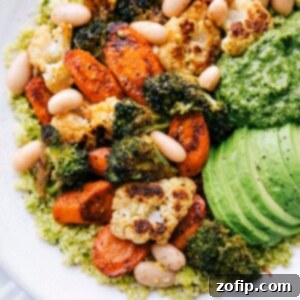
- Assemble and Serve the Bowls: Divide the prepared pesto couscous evenly among four serving bowls. Top each bowl with a generous portion of the warm roasted vegetable and white bean mixture. Garnish each bowl with thinly sliced or chopped fresh avocado and an even sprinkle of the honey-roasted almonds. If desired, add a wedge of lemon to each bowl for an extra squeeze of freshness. Finally, spoon the remaining ¼ cup of basil pesto evenly over the assembled bowls, using as much or as little as you’d like. Serve immediately and savor every delicious bite!
Recipe Notes
Note 1 (Carrot Roasting): If you are concerned about your carrots not becoming tender enough, or if you simply prefer them very soft, you can place them on a separate sheet pan from the broccoli and cauliflower. This allows you to cook the carrots for a longer duration, giving them a 5-7 minute head start before adding the other vegetables, or simply roasting them independently until they reach your desired tenderness.
Storage: Leftovers of these Pesto Vegetable Bowls can be stored in an airtight container in the refrigerator for 3-4 days. For the best texture and to prevent the couscous from absorbing too much moisture, it is recommended to store the roasted vegetables, pesto, and couscous separately if possible, and combine just before serving or reheating.
Make Ahead Tips: To make meal prep even easier, you can chop all your vegetables a day or two in advance. The pesto can also be prepared or opened ahead of time. For optimal taste and texture, cook the couscous fresh just before assembling your bowls.
Nutrition Information
Nutrition information is automatically calculated and should only be used as an approximation. Values may vary based on specific ingredients, portion sizes, and preparation methods.
| Per Serving (1 serving) | |
|---|---|
| Calories: | 737 kcal |
| Carbohydrates: | 86 g |
| Protein: | 20 g |
| Fat: | 38 g |
| Saturated Fat: | 6 g |
| Cholesterol: | 4 mg |
| Sodium: | 544 mg |
| Potassium: | 1704 mg |
| Fiber: | 17 g |
| Sugar: | 26 g |
| Vitamin A: | 16697 IU |
| Vitamin C: | 244 mg |
| Calcium: | 236 mg |
| Iron: | 4 mg |
Frequently Asked Questions (FAQs) About Pesto Vegetable Bowls
Can I use a different kind of pesto in this recipe?
Absolutely! While classic basil pesto offers a wonderfully vibrant and traditional flavor profile, feel free to experiment with other types. Sun-dried tomato pesto can add a rich, sweet-savory depth, while a kale or spinach pesto might offer an extra nutritional boost. You could even try a nut-free pesto if you have allergies. Each variation will lend a unique and delicious twist to your bowls.
How can I make this Pesto Vegetable Bowl recipe vegan?
Making these bowls entirely vegan is straightforward. First, ensure you use vegetable stock instead of chicken stock when cooking the couscous. Next, be mindful of your pesto choice: many store-bought pestos contain Parmesan cheese, so look for a clearly labeled dairy-free or vegan pesto, or better yet, use a homemade vegan pesto recipe. Finally, simply omit the butter or substitute it with your favorite plant-based butter alternative.
What if I don’t have couscous? What are some good substitutions?
No problem at all! This recipe is incredibly adaptable to different grains. You can easily substitute couscous with other healthy and delicious options like quinoa, brown rice, farro, or even small pasta shapes like orzo. Just be sure to cook your chosen grain according to its package instructions until tender, and then proceed with mixing in the pesto and assembling the bowls as directed.
Can I prepare components of this dish ahead of time for meal prepping?
Yes, these Pesto Vegetable Bowls are fantastic for meal preparation! To save time during busy weeknights, you can chop all your vegetables a day or two in advance. You can also roast the vegetables and cook the couscous ahead of time. Store the roasted vegetables and pesto couscous in separate airtight containers in the refrigerator. When you’re ready to eat, simply reheat the components (or enjoy cold!), assemble your bowl with fresh avocado and almonds, and you’ll have a quick, healthy, and satisfying meal in minutes.
Enjoy Your Healthy & Flavorful Pesto Vegetable Bowls!
These Pesto Vegetable Bowls are more than just a meal; they’re an experience in fresh, vibrant flavors and wholesome goodness. This recipe offers a delicious and satisfying solution, whether you’re a seasoned vegetarian or simply looking to incorporate more plant-based, healthy meals into your diet. With minimal prep and cook time, you can have a gourmet-tasting dinner on the table in no time, making healthy eating both easy and enjoyable. We hope you love them as much as we do!
Don’t forget to share your creations and leave a comment below to let us know how your Pesto Vegetable Bowls turned out!
Like this recipe? We’d love to hear from you! Leave a comment below!