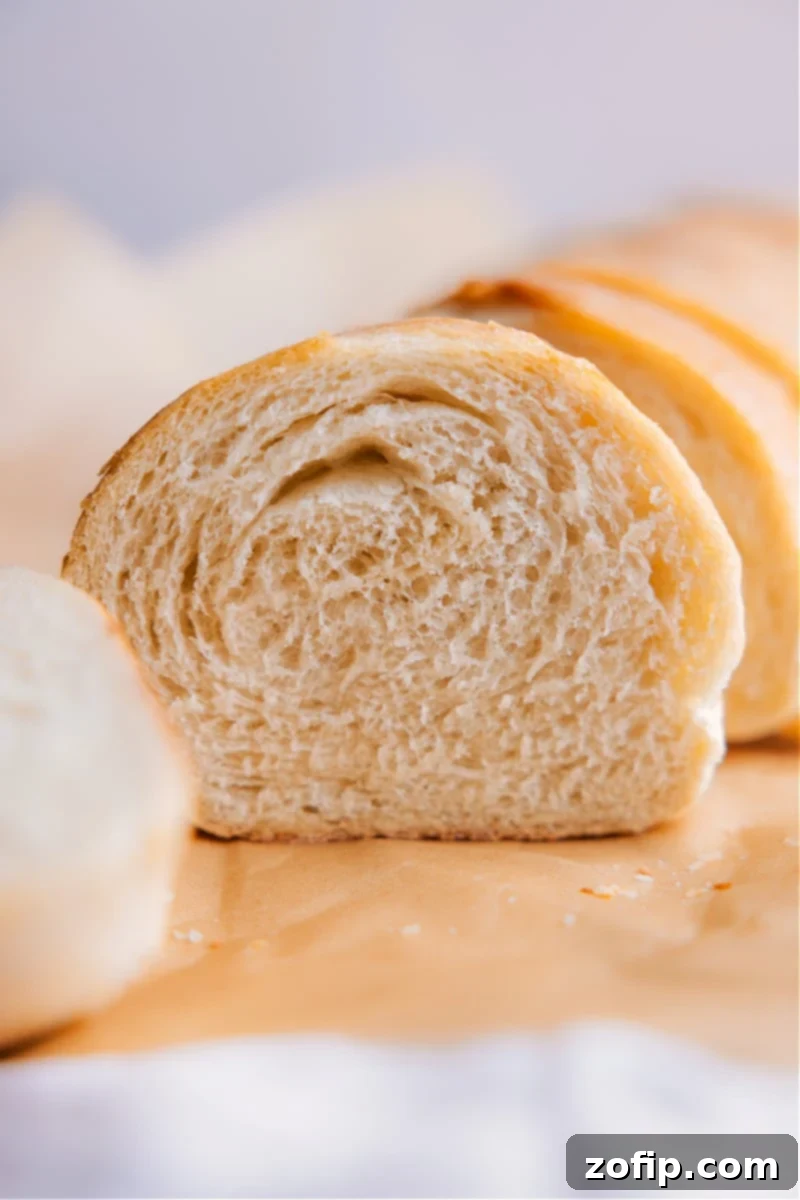
Effortless Homemade French Bread: A Guide to Baking Perfection
Imagine the delightful aroma of freshly baked bread wafting through your home. This simple French Bread Recipe empowers you to create a light, incredibly fluffy loaf with a perfectly crisp crust that will rival any artisanal bakery. Forget store-bought loaves; once you experience the superior taste and texture of homemade French bread, you’ll be hooked!
The journey into homemade bread baking is a rewarding one, full of satisfying moments from mixing the dough to pulling a golden-brown masterpiece from the oven. If you’re eager to explore more yeasted bread adventures, consider trying this no-knead Focaccia, a classic No-Knead Bread, or even a wholesome Honey Whole Wheat Bread next. Each offers a unique baking experience, but all share the joy of crafting something truly delicious with your own hands.
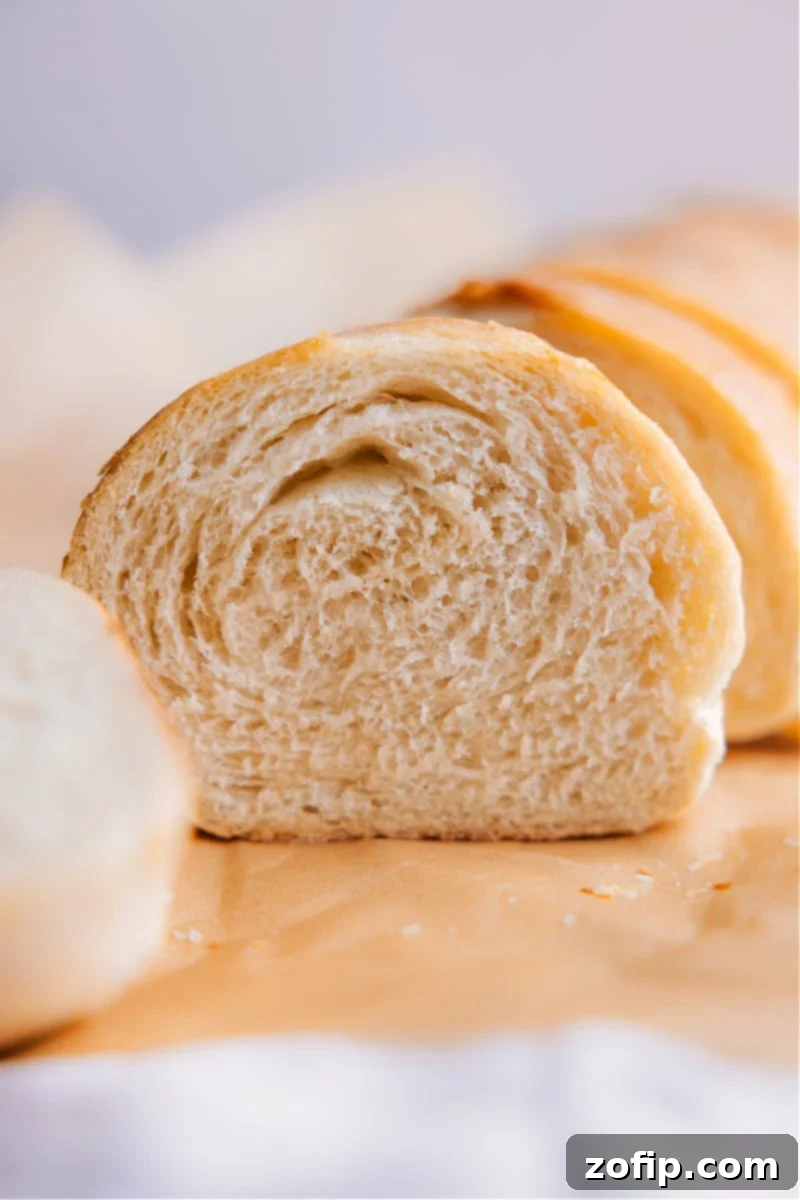
The Irresistible Charm of Homemade French Bread
For many, French bread evokes fond memories. Growing up, a fresh loaf was a staple in our household. It was perfect for a quick snack, transformed into delicious Margherita French Bread Pizza, or served as an essential accompaniment for dipping into hearty soups like Broccoli Cheddar Soup. While store-bought options are convenient, nothing truly compares to the taste, texture, and pure satisfaction of baking French bread from scratch.
This particular recipe stands out for its simplicity and reliability. It’s often quicker and more straightforward than many other bread recipes, making it ideal for both novice and experienced bakers. To ensure your success, we’ve compiled a comprehensive guide complete with detailed instructions, helpful tips, and step-by-step photos, along with a video tutorial to walk you through every stage of the process. You’ll be amazed at how easily you can create a professional-quality loaf right in your own kitchen.
A Brief History of French Bread
While the term “French bread” broadly refers to various loaves originating from France, the iconic baguette is perhaps the most famous. Its characteristic long, thin shape, crisp crust, and airy interior became a symbol of French culinary tradition. The exact origins are debated, but its popularity soared in the 19th and 20th centuries, becoming a daily essential for the French people. Traditionally made with just four ingredients – flour, water, salt, and yeast – French bread represents the elegance of simplicity and the artistry of baking. This recipe honors that tradition, bringing the essence of classic French baking to your home.
Essential Ingredients for Your French Bread Masterpiece
Crafting the perfect French bread requires just a few basic ingredients, each playing a crucial role in the final texture and flavor of your loaf. Understanding their function will help you achieve consistent, delicious results every time.
- Warm Water: This is vital for activating the yeast. The ideal temperature is around 105-115°F (40-46°C). A simple “wrist test” can help: drop a few drops on your wrist; it should feel comfortably warm, not hot or cold. Water that is too hot will kill the yeast, while water that is too cold will prevent it from activating properly, leading to a dough that won’t rise.
- Yeast (Active Dry or Instant): The magical ingredient that makes your dough rise and become wonderfully airy. Yeast consumes sugars and produces carbon dioxide, creating pockets of air within the dough. This recipe works beautifully with both active dry and instant yeast. We’ll discuss more about yeast activation shortly.
- All-Purpose Flour: The primary structural component of your bread. All-purpose flour provides the right balance of protein to develop gluten, giving the bread its chewiness and structure. While all-purpose is recommended, bread flour can be used in a pinch for an even chewier crust.
- Honey: Beyond adding a subtle sweetness, honey acts as food for the yeast, encouraging it to grow and become more active. It also contributes to the beautiful golden-brown crust through the Maillard reaction during baking.
- Salt: A non-negotiable ingredient for flavor. Salt enhances the natural taste of the bread and also helps to control yeast activity, preventing the dough from over-rising too quickly. Without salt, bread can taste bland and flat.
- Olive Oil: A touch of olive oil adds richness, improves the dough’s elasticity, and contributes to a softer crumb. It also subtly boosts the overall flavor of the bread, creating a more complex and satisfying experience.
- Butter (for finishing): Rubbing unsalted butter on the hot loaf immediately after baking provides a rich, sweet sheen and helps soften the crust slightly, enhancing its deliciousness.
Quick Tip: Precise Flour Measurement
Measuring flour accurately is crucial for successful bread baking, as too much or too little can drastically alter your dough’s texture. The most precise method is to use a food scale. If you don’t have one, employ the “spoon and level” technique: lightly spoon flour into your measuring cup until overflowing, then level it off with a straight edge (like a knife). Avoid scooping directly with the cup, as this compacts the flour, leading to excess. As you mix, observe the dough: it should gather around the paddle of your mixer, feel slightly sticky yet smooth to the touch, and be tacky without leaving excessive residue on your finger. Adjust flour gradually until these signs are met.
Mastering Yeast: The Heart of Your Bread
Understanding yeast is fundamental to successful bread baking. “Proofing” yeast is essentially a quality control step to ensure your yeast is alive and active before you commit to mixing the entire dough. This recipe is versatile and works well with both active dry yeast and instant yeast, although there are slight differences in how they are typically used.
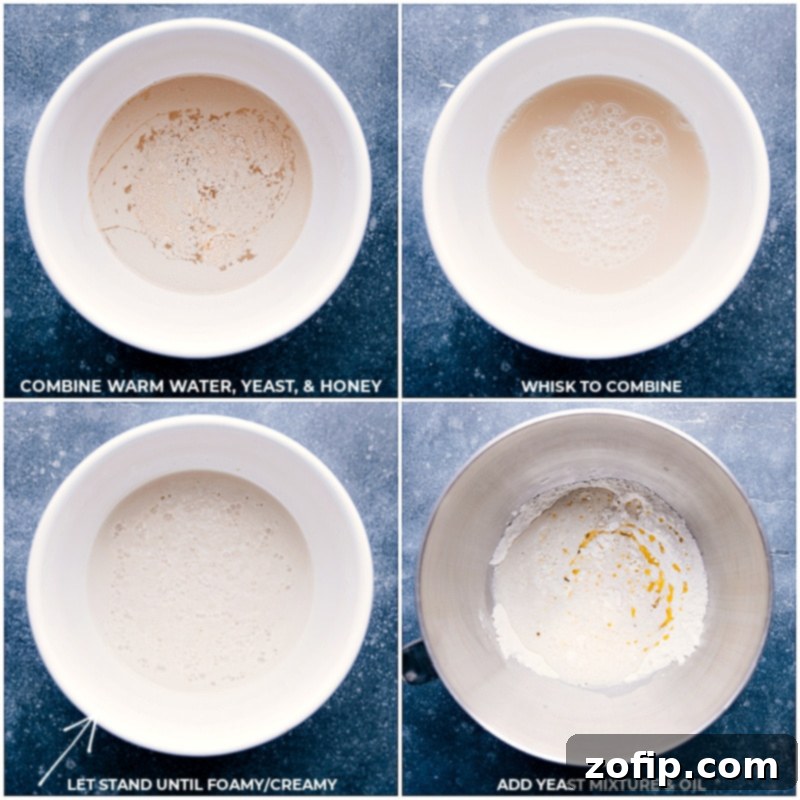
For active dry yeast, proofing is highly recommended. It involves dissolving the yeast in warm water (and often a pinch of sugar like honey) and letting it sit. If your yeast is alive and healthy, it will begin to bubble, foam, and take on a creamy appearance within 5-10 minutes. This visual confirmation is your green light to proceed with the recipe. Instant yeast can often be mixed directly with the dry ingredients, but proofing it can still provide reassurance, especially if you’re unsure about its freshness.
Why Yeast Activation Matters and Troubleshooting Tips:
If your yeast mixture doesn’t foam or bubble after 10 minutes, it’s a clear sign that the yeast is not active, and your bread will not rise. Here’s why this might happen and what you can do:
- Old or Expired Yeast: Yeast has a shelf life. Always check the expiration date on the package. If it’s past its prime, it might be too weak or completely dead. Storing yeast in an airtight container in the refrigerator or freezer can extend its life.
- Incorrect Water Temperature: This is the most common culprit. Water that is too hot (above 120°F/49°C) will kill the yeast, while water that is too cold (below 100°F/38°C) will keep it dormant. The ideal range of 105-115°F (40-46°C) feels comfortably warm to the touch.
- Too Cold an Environment: Yeast thrives in warm environments. If your kitchen is particularly cold, the yeast might struggle to activate or rise. You can create a warmer environment by placing the bowl near a sunny window, on top of a warm (but not hot) stove, or in an oven with just the light on (not preheated).
If your yeast fails to activate, don’t despair! Simply discard the mixture, use fresh yeast, and re-check your water temperature before trying again.
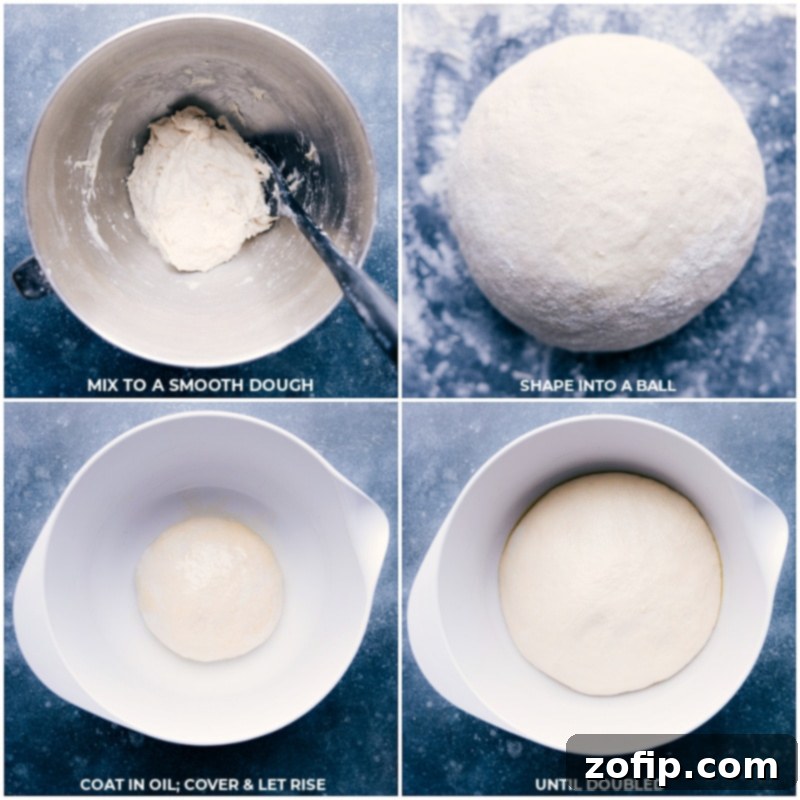
How To Make The Best Homemade French Bread Recipe: Step-by-Step
Baking delicious French bread at home is a process that’s both enjoyable and surprisingly simple. Follow these steps for a perfect loaf every time:
- Prepare Yeast Mixture: In a medium bowl, combine your warm water, yeast, and a touch of honey. Stir gently and allow this mixture to sit for 5-10 minutes. During this time, the yeast should become active, forming a creamy, foamy layer on top. This is a crucial step to ensure your bread will rise.
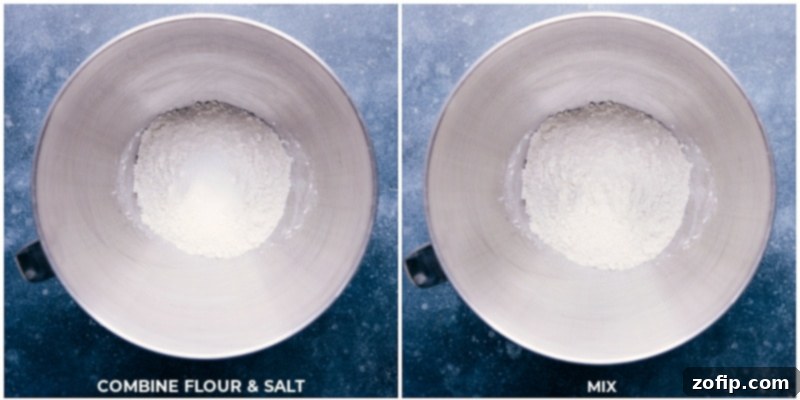
- Combine Dry Ingredients: While the yeast is proofing, in the bowl of your stand mixer, whisk together the all-purpose flour and salt. This ensures even distribution of the salt throughout the dough, which is essential for flavor and yeast control.
- Mix and Knead the Dough: Once your yeast mixture is foamy, pour it into the flour and salt mixture in the stand mixer. Add the olive oil. Attach the paddle attachment and mix on low speed until all ingredients are combined and a shaggy dough begins to form. Switch to the dough hook. Gradually add more flour, starting with 1/2 cup (65g) and then an additional 1/4 cup (30g) if needed. The dough is ready when it gathers around the hook, is smooth, slightly sticky, and tacky but no longer leaves significant residue on your fingers. Knead the dough for 3 minutes on medium speed to develop the gluten. Avoid over-flouring, as this can make your bread tough.
- First Rise (Bulk Fermentation): Lightly flour a clean work surface and transfer the dough. Knead it a few times by hand to form a smooth, round ball. Lightly grease the stand mixer bowl (or a clean, large bowl) with about 1 teaspoon of olive oil. Place the dough seam-side down in the bowl, turning it once to coat evenly with oil. Cover the bowl with a clean kitchen towel or plastic wrap. Place it in a warm spot in your kitchen (like a sunny windowsill or a slightly warm oven with just the light on) and let it rise until it has doubled in size. This usually takes between 30 minutes to 1 hour, depending on your kitchen’s temperature. This “bulk fermentation” is vital for flavor development and texture.
- Shape the Bread Loaf: Once the dough has doubled, gently punch it down to release the air. Lightly flour your work surface again. Transfer the dough and use a rolling pin to roll it into a large rectangle, approximately 15 x 12 inches (38 x 30 cm). Starting from one of the long sides, tightly roll the dough into a cylinder. Pinch the seams firmly to seal the loaf. Tuck the ends under to create a neat shape. Carefully transfer the shaped loaf, seam-side down, onto a baking sheet lined with parchment paper.
- Second Rise (Proofing): Cover the shaped loaf with a kitchen towel and let it rise again in a warm spot for another 30 minutes to 1 hour, or until it has noticeably increased in size and looks puffy. This second rise, or “proofing,” gives the bread its final lightness and structure before baking.
- Bake to Perfection: While the bread is on its second rise, preheat your oven to 400°F (204°C). Once the loaf has completed its second rise, use a sharp paring knife or a bread lame to make 5 diagonal slits across the top of the loaf. These cuts allow the bread to expand without bursting irregularly and contribute to its classic appearance. Immediately place the baking sheet in the preheated oven. For an extra crispy crust, quickly toss 5-6 ice cubes onto the floor of your oven (or in a cast-iron pan placed on the bottom rack) and quickly close the oven door. This creates steam, which is essential for a crisp, golden crust. Bake for 18-28 minutes, or until the loaf is golden brown and sounds hollow when tapped on the bottom. If the bread is browning too quickly, you can loosely cover it with aluminum foil and reduce the oven temperature to 375°F (190°C).
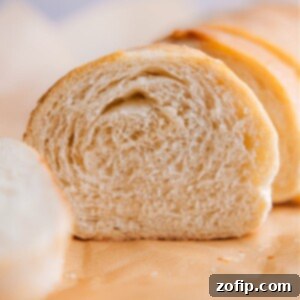
- Finish and Cool: As soon as you remove the hot bread from the oven, immediately brush the top with 1-2 tablespoons of melted butter. This adds flavor, a beautiful sheen, and helps soften the crust slightly. Transfer the loaf to a wire rack and allow it to cool for at least 15 minutes before slicing and serving. Cooling completely is important for the crumb to set and for easier slicing.
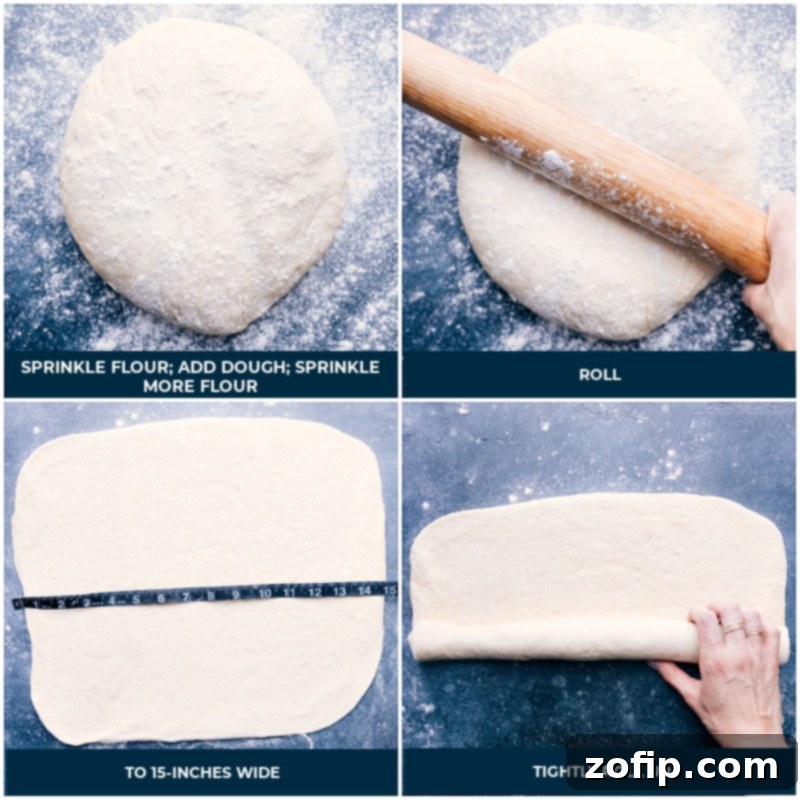
Essential Tools for Your French Bread Baking Journey
While you can bake delicious French bread with minimal equipment, certain tools can significantly enhance your baking experience and results. These are not strictly essential but are highly recommended for making the process smoother and more enjoyable:
- Dough Scraper / Spatula: A dough scraper is invaluable for easily transferring sticky dough from a work surface to a bowl, dividing dough, and cleaning up your workspace. A sturdy rubber spatula works wonders for scraping down the sides of your mixing bowl.
- Parchment Paper: Lining your baking sheet with parchment paper ensures even browning, prevents sticking, and makes cleanup a breeze. Always use parchment paper for baking; avoid foil or wax paper, which can melt or burn at high temperatures.
- Lamé or Sharp Knife: A bread lame is a specialized tool used for scoring dough, allowing you to make precise, decorative slits on top of your loaf. This not only adds to the aesthetic appeal but also controls where the bread expands during baking. A very sharp paring knife or razor blade can also be used effectively.
- Stand Mixer with Dough Hook: While hand-kneading is traditional, a stand mixer with a dough hook attachment makes the kneading process significantly easier and less labor-intensive, ensuring proper gluten development for a perfectly textured French bread.
- Flour Sack Towels: These lightweight, lint-free towels are ideal for covering dough while it rises, preventing it from drying out without inhibiting airflow.
- Measuring Tape: A measuring tape can be surprisingly useful for ensuring your dough is rolled to the correct dimensions before shaping, helping you achieve consistently sized loaves.
- Baking Stone or Steel (Optional): For an even crispier bottom crust, a preheated baking stone or steel placed in your oven can make a world of difference. It provides intense, even heat to the base of the loaf, mimicking professional brick ovens.
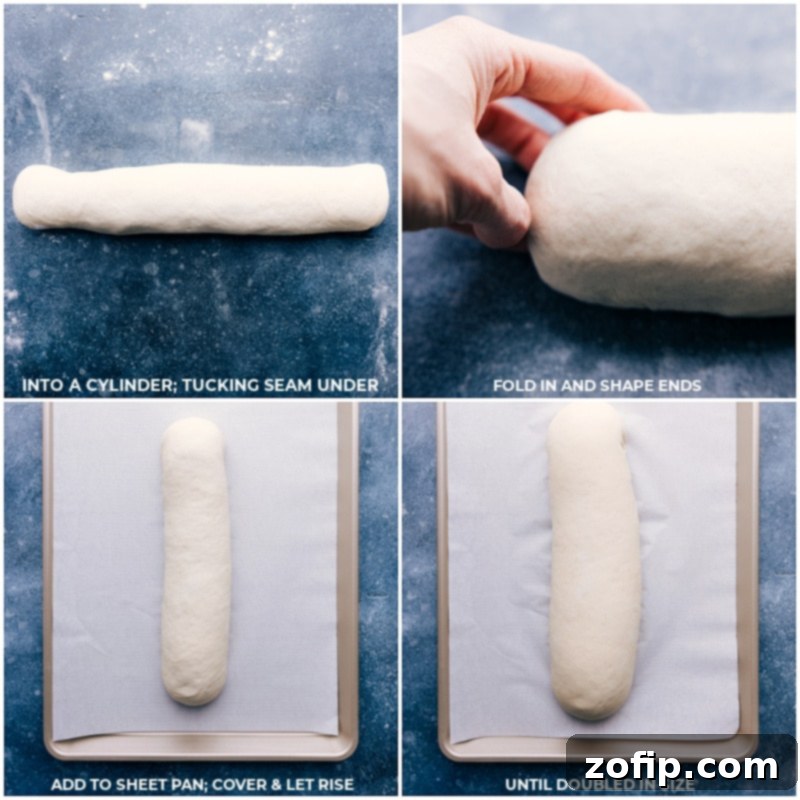
Pro Tips for an Unforgettable French Bread Loaf
Achieving bakery-quality French bread at home is within your reach. Incorporate these expert tips into your baking routine to elevate your loaves from good to outstanding:
- Create Steam in the Oven: This is a game-changer for a perfectly crisp crust. When you place your bread in the oven, quickly toss 5-6 ice cubes onto the oven floor (or into a preheated cast iron pan on the bottom rack). The steam generated prevents the crust from hardening too quickly, allowing the bread to expand fully and creating a thin, shatteringly crisp exterior. Close the oven door quickly to trap the steam.
- Perfect Your Kneading Technique: Proper kneading develops the gluten, which gives your bread its structure and chewiness. Gradually incorporate flour until the dough is soft, smooth, and elastic, and no longer excessively sticky. It should pass the “windowpane test” – when a small piece is stretched thin, it should become translucent without tearing.
- Master the Art of Shaping: The way you shape your loaf impacts its final appearance and crumb. After the first rise, gently degas the dough. Roll it into an even rectangle, then roll it tightly into a cylinder. Critically, pinch the seams closed firmly to ensure a strong structure that won’t unravel during baking. Tuck the ends underneath to create a classic, symmetrical shape.
- Optimize Dough Rising Conditions: Yeast loves warmth! Place your covered dough in a consistently warm, draft-free location for rising. Ideal spots include a sunny window, on top of a stove that’s slightly warm from recent use (but not hot), or in an oven with just the light on. If your kitchen is particularly cold, this step is vital for a robust rise. Look for the dough to visibly double in size and become puffy.
- Scoring for Success: Don’t skip scoring your loaf before baking! Using a sharp blade (lamé or paring knife), make quick, confident diagonal slits across the top. These cuts provide weak points for the dough to expand, preventing uncontrolled tearing and creating that beautiful, characteristic ear on French bread.
Storage & Enjoyment
- Fresh Storage: This homemade French bread recipe is truly best enjoyed on day one and day two. To maintain its crusty exterior, leave the loaf uncovered with the cut side down on a cutting board at room temperature. After day two, store any remaining bread in an airtight bag or container to prevent it from drying out. While it may lose some of its initial crispiness, it will still be delicious, especially when toasted.
- Freezing for Later: French bread freezes exceptionally well! For optimal freshness, slice the cooled loaf into individual portions. Wrap each slice tightly in plastic wrap, then place them in an airtight freezer bag or container. This method prevents freezer burn and allows you to grab just what you need. French bread can be stored in the freezer for up to 3 months. When ready to enjoy, simply toast the slices directly from the freezer until warm and crisp.
Serving Suggestions and Culinary Pairings
The versatility of homemade French bread is truly remarkable. Its delicate crumb and crispy crust make it the perfect companion for a wide array of dishes and culinary creations. Beyond simply enjoying it with a smear of butter, here are some delicious ways to incorporate your freshly baked loaf:
- With Soups and Stews: French bread is the ultimate dipper for rich and creamy soups, hearty stews, and savory chilis. Its sturdy crust holds up beautifully, soaking up every last drop of flavorful broth. Try it with a classic French Onion Soup, a robust beef stew, or a comforting lentil soup.
- Sandwiches and Paninis: Elevate your sandwich game by using slices of French bread. It’s fantastic for open-faced sandwiches, a classic French Dip, or pressed into a panini for a warm, melty treat.
- Bruschetta and Appetizers: Slice the bread, toast it lightly, and top with fresh ingredients like diced tomatoes, basil, garlic, and olive oil for a vibrant bruschetta. It’s also excellent for crostini with various spreads, pâtés, or cheese.
- Garlic Bread: A timeless favorite! Slice the bread lengthwise, spread with a mixture of softened butter, minced garlic, and fresh parsley, then bake until golden and fragrant. It’s the perfect side for pasta dishes.
- With Cheese Boards: French bread is a superb vehicle for cheeses, charcuterie, and preserves. Its neutral flavor allows the complexities of artisanal cheeses to shine.
- Breakfast and Brunch: Transform stale French bread into amazing French toast, or use it for savory egg dishes.
More Recipes to Enjoy with Your Homemade French Bread:
Pasta And Pizza
Margherita French Bread Pizza
Soups And Stews
Creamy Vegetable Soup
Dinner
French Bread Taco Pizza
Dinner
Easy French Dip Sandwiches (Ready in 15 Minutes!)
French Bread Recipe
Chelsea Lords
15
25
2
2
40
15 slices
Video
Equipment
- Stand mixer
- Sheet pan (15″ x 10″)
Ingredients
- 1 cup water warm (110℉), see note 1
- 1-1/2 teaspoons instant yeast or active dry yeast
- 2 teaspoons honey
- 2 cups all-purpose flour plus more as needed, see note 2
- 1-1/2 teaspoons salt
- 1 tablespoon olive oil plus more for greasing bowl
- 5 to 6 ice cubes see note 3
- Salted butter optional, for topping bread slices
Instructions
- In a stand mixer, combine the flour and salt. Stir with a rubber spatula to mix.
- In a medium bowl, whisk together the warm water, yeast, and honey. Let sit for 5–10 minutes, until the mixture looks creamy or foamy. If it doesn’t foam, the yeast is dead, and you’ll need to start again.
- Scrape the yeast mixture into the flour using a spatula. Add the olive oil. Attach the paddle to the stand mixer and mix on low speed until combined. Gradually add more flour, starting with 1/2 cup (65g) and an additional 1/4 cup (30g) if needed. The dough should gather around the paddle and stop sticking to the sides. It should be smooth and slightly sticky but not overly so. Avoid adding too much flour, as this will make the bread tough. Knead the dough for 3 minutes on medium speed once it gathers around the hook.
- Lightly sprinkle 1 tablespoon flour on a clean work surface. Transfer the dough from the bowl to the floured surface. Sprinkle another tablespoon of flour on top. Knead the dough a few times and shape it into a round ball. Grease the stand mixer bowl with 1 teaspoon olive oil, place the dough back into the bowl seam-side down, and turn it to coat with oil. Cover with a kitchen towel and let rise in a warm spot until doubled in size, about 30 minutes to 1 hour.
- Sprinkle 1 tablespoon flour on a clean surface and place the risen dough on top. Sprinkle another tablespoon of flour on top. Use a rolling pin to roll the dough into a large rectangle, about 15 x 12 inches (38 x 30 cm). Flip the dough and roll it up into a tight cylinder from the long side. Pinch the seams closed, tuck the ends under, and place seam-side down on a parchment-lined sheet pan. Cover with a kitchen towel and let rise for 30 minutes to 1 hour, or until doubled in size.
- Preheat the oven to 400°F (204°C). Once the dough has risen, make 5 diagonal slits across the top of the loaf using a paring knife. Place the baking sheet in the oven and quickly toss 5–6 ice cubes into the bottom of your oven. Close the door quickly. Bake for 18–28 minutes, or until the loaf is golden brown. Tap the top of the bread—it should sound hollow. If browning too quickly, cover with foil and reduce the oven temperature to 375°F (190°C).
- Remove the bread from the oven and immediately brush the top with 1–2 tablespoons of butter. Let the bread cool for 15 minutes on a wire rack before slicing and serving.
Recipe Notes
Note 2: Measuring flour can vary, so use a food scale if possible. Add flour slowly until the dough gathers around the paddle and is slightly sticky but smooth.
Note 3: Adding ice cubes to the oven creates steam, resulting in a crispier crust.
Note 4: Use parchment paper to prevent sticking. Do not use wax paper, as it will melt.
Storage: This bread is best on the first 2 days. On day 1, leave it uncovered with the cut side down on the cutting board. Afterward, store in an airtight bag or container. To freeze, slice the bread and individually wrap each slice. Freeze for up to 3 months, and toast slices directly from freezer.
Nutrition
Calories: 75kcal |
Carbohydrates: 14.1g |
Protein: 1.9g |
Fat: 1.1g |
Sodium: 156.2mg |
Fiber: 0.5g |
Sugar: 0.8g
Nutrition information is automatically calculated, so should only be used as an approximation.
Like this? Leave a comment below!