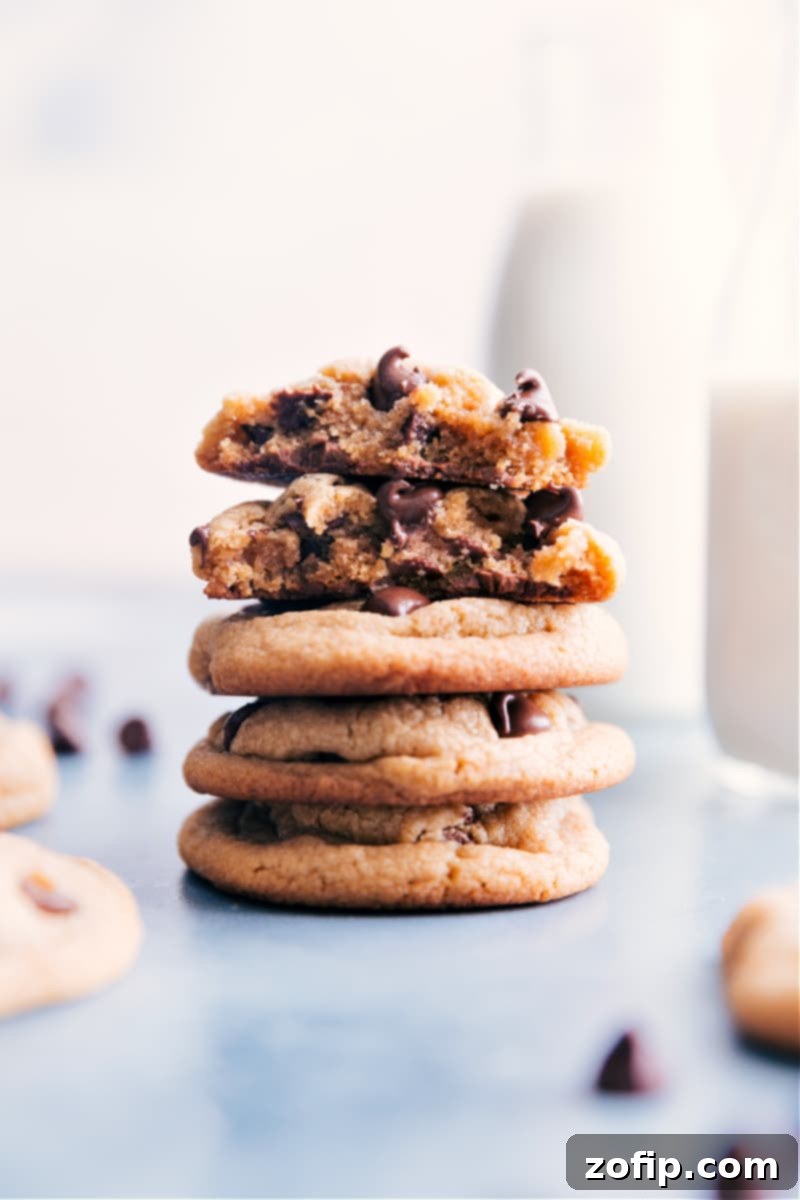
Irresistibly Soft and Chewy Peanut Butter Chocolate Chip Cookies
Experience pure bliss with these thick, sweet, soft, and remarkably chewy Peanut Butter Chocolate Chip Cookies. Each bite offers a perfect symphony of textures: a lusciously thick center that yields effortlessly, complemented by subtly crisp edges. These cookies aren’t just good; they’re generously loaded with rich chocolate, ensuring a delightful indulgence in every single mouthwatering piece!
There are moments when a classic peanut butter cookie, while comforting, just isn’t enough. That’s when the magic of chocolate chips transforms a simple treat into an extraordinary one. For those who love to experiment, consider a delightful twist: replace the chocolate chips with peanut butter chips for Chocolate Peanut Butter Chip Cookies. Or, if you dare, combine both for an ultimate flavor explosion! When it comes to cookies, my philosophy is simple: there are no limits to the delicious possibilities waiting to be discovered.
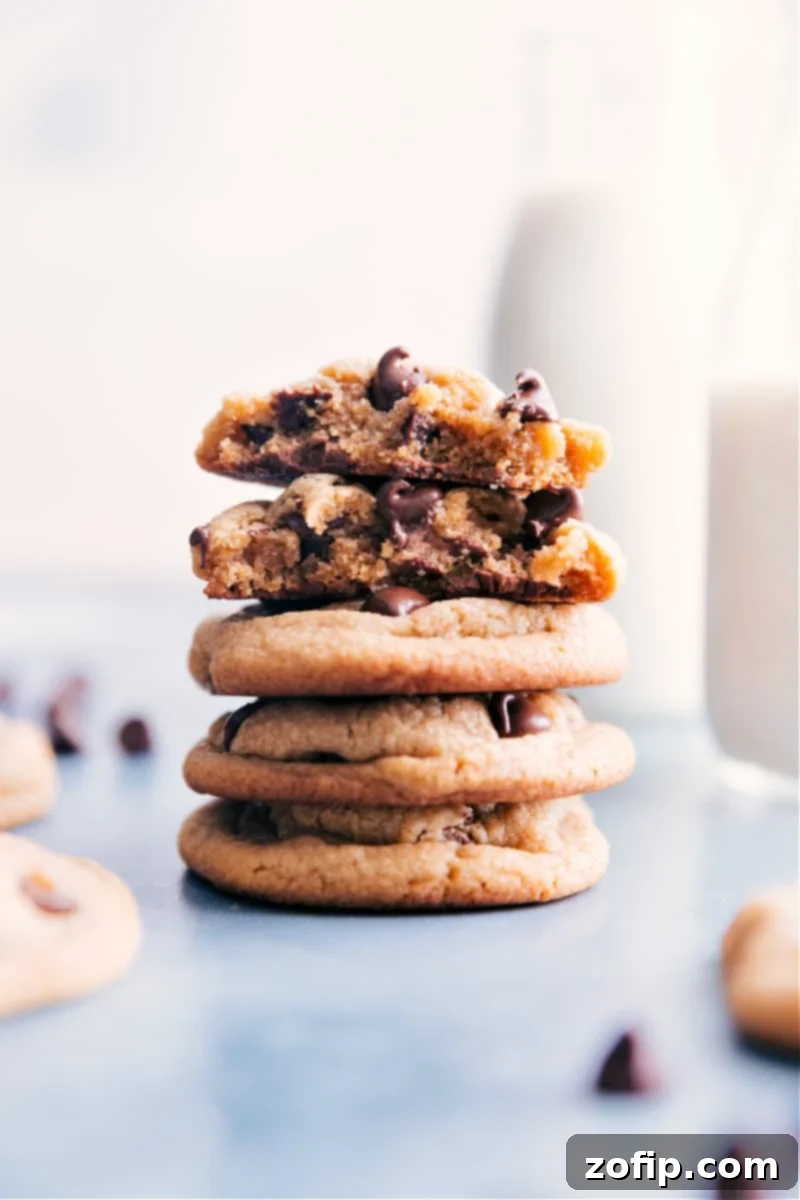
Effortless Peanut Butter Chocolate Chip Cookies: No Mixer Required!
That’s right—achieving cookie perfection doesn’t have to be complicated! This recipe for incredibly delicious peanut butter chocolate chip cookies simplifies the baking process, requiring absolutely no stand mixer or even a hand mixer. All you truly need is one large mixing bowl and a sturdy whisk or a reliable wooden spoon. This approach not only makes cleanup a breeze but also proves that some of the best treats are born from the simplest methods.
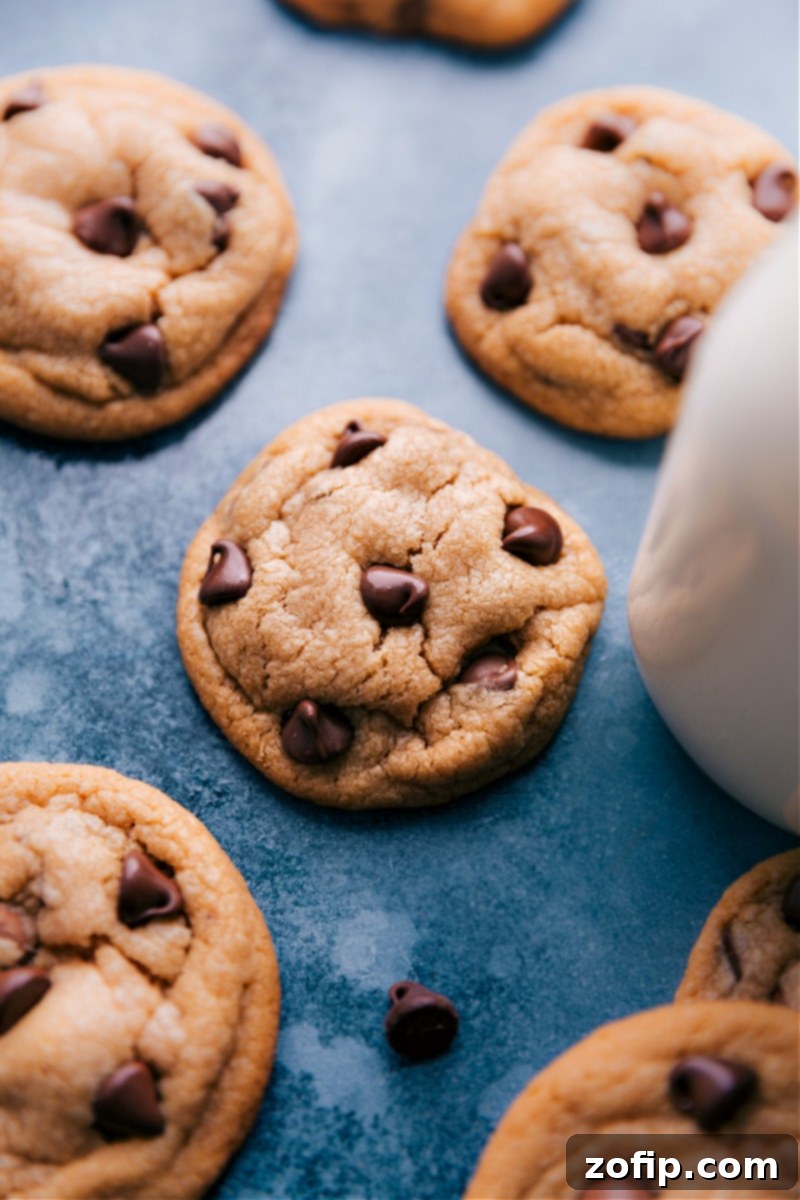
These cookies are celebrated for their distinctive characteristics: they are wonderfully thick, delightfully soft, irresistibly chewy, and achieve an impeccable balance between the rich, nutty notes of peanut butter and the sweet, melt-in-your-mouth goodness of chocolate. They embody everything you could ever desire in a homemade cookie.
Creative Variation Ideas for Your Peanut Butter Chocolate Chip Cookies
While this recipe for Peanut Butter Chocolate Chip Cookies is a classic in its own right, don’t hesitate to explore exciting variations to tailor them to your taste or dietary preferences. The versatility of this cookie base makes it an excellent canvas for culinary creativity.
- To make these cookies a bit healthier, consider reducing the sugar content and incorporating wholesome ingredients like honey and oats. This approach is wonderfully demonstrated in recipes for Healthy Breakfast Cookies, transforming a dessert into a more nutritious start to your day.
- For a delightful vegan version of Peanut Butter Chocolate Chip Cookies, embark on a plant-based baking adventure. Replace honey with agave syrup, opt for a vegan crispy rice cereal, and ensure you use high-quality vegan chocolate chips for that decadent drizzle or inclusion. Many no-bake recipes offer fantastic inspiration for this adaptation.
- If you’re looking to create Peanut Butter Chocolate Chip Cookies without flour, delve into the world of flourless baking. Recipes like these delicious Flourless Monster Cookies prove that you don’t need traditional flour to achieve an incredible texture and rich flavor.
- To elevate your cookies to Peanut Butter Oatmeal Chocolate Chip Cookies, simply introduce rolled oats into the dough. This adds a fantastic chewiness and a wholesome, hearty texture. For more inspiration, explore recipes like Trail Mix Cookies, which often feature a medley of nuts, oats, and chips.
- Alternatively, switch up the main flavor profile by making Classic Chocolate Cookies and then loading them with peanut butter chips instead of chocolate, creating a delightful reverse experience. The possibilities truly are endless when you let your imagination lead the way in the kitchen!
The Secret to Incredibly Soft and Moist Cookies
The quest for a truly soft and moist cookie often comes down to one key factor: moisture content. The more moisture a cookie retains, the chewier and softer its texture will be. To achieve that coveted soft and moist quality, a recipe needs to be designed with a higher moisture content than your average cookie. This particular Peanut Butter Chocolate Chip Cookie recipe masterfully employs several techniques to ensure this delightful outcome.
Firstly, we incorporate two large eggs instead of the more common single egg. Eggs contribute significantly to moisture, richness, and structure, making them essential for a tender crumb. Secondly, the recipe calls for an entire cup of brown sugar. Brown sugar is a powerhouse ingredient for softness, not just because of its sweetness but specifically due to its molasses content. Molasses, which makes up about 10% of brown sugar’s composition, naturally contains water, directly boosting the overall moisture in the dough. Finally, a strategic reduction in the amount of flour used further prevents the cookies from becoming dry or dense, ensuring they remain tender and delicate.
Beyond the ingredients, baking technique plays a critical role. To lock in that desirable chewy, soft, and perfectly moist texture, it is absolutely crucial to ever-so-slightly underbake these cookies. This means pulling them from the oven when their edges are just set and lightly golden, but their centers still appear somewhat soft and even a little gooey. Cookies continue to bake and firm up slightly as they cool on the hot baking sheet. If you allow them to bake for too long, they will become overbaked, resulting in a drier, harder, and crisper cookie that loses its intended luxurious chewiness. Timing is everything for cookie perfection!
Why Are My Peanut Butter Cookies Gritty? Troubleshooting Tips
Encountering a gritty texture in your homemade peanut butter cookies can be quite disappointing, but it’s a common issue with identifiable causes and simple solutions. Understanding these factors can help you achieve that perfectly smooth, melt-in-your-mouth consistency every time.
The most frequent culprit behind gritty cookies is often old or hard brown sugar. When brown sugar loses its moisture, it clumps together, forming hard granules that won’t fully dissolve during the mixing process or even in the oven. These undissolved sugar crystals create the unpleasant gritty sensation. To prevent this, always ensure your brown sugar is fresh, soft, and lightly packed. If it’s hard, try softening it before use (a quick trick is to place a slice of bread or an apple wedge in its airtight container overnight).
Another common reason for grittiness, or sometimes an uneven texture, can be linked to the temperature of your ingredients and dough. Not chilling the dough long enough can lead to problems. Chilling allows the fats to solidify and the ingredients to fully meld, which helps prevent a gritty result. Additionally, adding sugars directly into hot melted butter is a recipe for disaster. The heat can cause the sugar to melt too quickly and unevenly, preventing proper emulsification and leading to a gritty or greasy texture. Always allow your melted butter to cool to room temperature before combining it with the sugars.
While this recipe is designed for simplicity, precision in mixing instructions is key to achieving the best results. Ensure all ingredients are at the recommended temperature, and mix thoroughly but avoid overmixing once flour is added, as this can develop too much gluten, leading to tough cookies. By paying attention to these details, you can banish gritty cookies from your kitchen for good and enjoy perfectly smooth, delicious treats.
Expert Tips for Making Perfect Peanut Butter Chocolate Chip Cookies
Crafting the perfect batch of Peanut Butter Chocolate Chip Cookies involves a few key steps and considerations that can elevate your baking from good to extraordinary. These tips focus on optimizing ingredient temperatures and mixing techniques to ensure your cookies achieve that ideal texture every single time.
- Use Room Temperature Eggs: This might seem like a minor detail, but it makes a significant difference. Room temperature eggs disperse more evenly into the batter, creating a smoother, more homogenous dough. More importantly, they help to trap more air during mixing, which results in a lighter, fluffier, and more tender cookie texture. If you forget to take your eggs out in advance, simply place them in a bowl of warm water for 5-10 minutes.
- Add Eggs One at a Time: Patience is a virtue in baking, especially when incorporating eggs. Add each egg individually, mixing thoroughly until it is fully incorporated before adding the next. This methodical approach ensures that the eggs are evenly distributed throughout the mixture. It also allows the eggs to properly emulsify with the fats present in the recipe—the melted butter and creamy peanut butter—creating a cohesive and stable dough that will bake beautifully.
- Chill the Dough for Optimal Texture: Given that this recipe uses melted butter, chilling the dough is a non-negotiable step. The melted butter needs time to re-solidify in the refrigerator. This process prevents the cookies from spreading too much in the oven, ensuring they maintain their thick, chewy structure. A chilled dough also leads to a richer, more developed flavor and a superior cookie texture. Don’t skip this crucial step for the best results!
Mastering the Bake: How to Bake Peanut Butter Chocolate Chip Cookies
Baking is both an art and a science, and a few expert techniques can transform your cookies from good to absolutely phenomenal. Pay close attention to these details to ensure your Peanut Butter Chocolate Chip Cookies come out perfectly golden, soft, and chewy.
- Bake on a Silicone Liner (Silpat): For consistently excellent results, baking these cookies on a silicone baking mat (like a Silpat) is highly recommended. Silicone liners promote even baking, prevent sticking, and are fantastic at ensuring the cookie bottoms don’t become overly crispy or burn. They help achieve that desirable tender center with slightly crisp edges. If a silicone mat isn’t available, high-quality parchment paper is the next best alternative. Avoid baking directly on an unlined pan, as this can lead to uneven cooking and sticking.
- Utilize a Food Scale for Precision: For the most accurate and consistent results, especially when it comes to flour, a food scale is an invaluable tool. Measuring flour by volume (with measuring cups) can vary wildly from person to person due to differences in packing and scooping, often being the leading cause of baking mishaps. Using a food scale ensures you have the precise amount of flour needed for the perfect dough consistency. Additionally, weighing your cookie dough portions (e.g., 40 grams per ball) guarantees uniform cookie sizes. This not only makes for a visually appealing batch but also ensures that all cookies bake evenly, preventing some from being overbaked while others remain undercooked.
- Bake at 325°F (162°C) for Softness: Unlike many cookie recipes that call for 350°F (176°C), these particular cookies thrive at a slightly lower temperature of 325°F (162°C). This subtle difference in oven temperature is critical for achieving their signature softness and chewiness. A lower temperature allows the cookies to bake more slowly and evenly, preventing them from drying out too quickly and ensuring the centers remain wonderfully tender. It’s an easy detail to overlook, but adjusting your oven to the correct temperature will make a world of difference in the final texture of these exquisite treats.
Storage and Freezing for Freshness
Ensuring your delicious Peanut Butter Chocolate Chip Cookies stay fresh and delightful for as long as possible is simple with these storage tips. Proper storage not only extends their shelf life but also allows you to enjoy them at their best texture.
At room temperature, these cookies will remain wonderfully fresh for approximately 3-4 days. To maintain their quality, store them in an airtight container. This prevents them from drying out and keeps them soft and chewy. For an extra layer of freshness, you can place a slice of bread in the container with the cookies; the cookies will absorb moisture from the bread, helping them stay soft.
For longer-term storage and to always have a quick treat on hand, freezing the cookie dough is an excellent option. Simply drop individual balls of dough onto a parchment paper-lined sheet pan and place them in the freezer until they are solid. Once frozen solid, transfer these dough balls to an airtight container or a freezer-safe bag. They will keep beautifully in the freezer for up to 3 months.
When you’re ready to bake, there’s no need to thaw the dough balls! Just arrange the frozen dough balls on a baking sheet lined with parchment paper or a silicone mat, and bake them as directed in the recipe, perhaps adding a minute or two to the baking time. Bake until the edges are set and lightly golden, and the centers are still soft and slightly underbaked. This method ensures you can enjoy freshly baked, warm cookies whenever the craving strikes, without the fuss of making dough from scratch every time.
Delicious Ways to Use Leftover Peanut Butter
If baking these incredible Peanut Butter Chocolate Chip Cookies has left you with extra peanut butter, don’t let it go to waste! Peanut butter is a wonderfully versatile ingredient that can be incorporated into a myriad of sweet and savory dishes. Here are some tasty recipes to make the most of your leftover peanut butter:
- Peanut Butter Rice Krispie Treats: Elevate classic Rice Krispie treats with a generous swirl of peanut butter and a decadent chocolate topping. A quick, no-bake treat that’s always a crowd-pleaser.
- Chocolate Peanut Butter Pie: Indulge in a rich, creamy pie featuring a luscious peanut butter filling set in a crunchy Oreo cookie crust, often topped with whipped cream and chocolate shavings. It’s a dessert showstopper!
- Chocolate Peanut Butter Breakfast Cookies: Start your day right with these healthy and convenient no-bake cookies. Packed with oats, chia seeds, and the irresistible combination of chocolate and peanut butter, they’re perfect for a grab-and-go breakfast or snack.
- Edible Peanut Butter Cookie Dough: Satisfy your raw cookie dough cravings safely with this delicious recipe made with heat-treated flour. It’s perfect for eating by the spoonful or adding to ice cream.
- Peanut Butter Granola: Create your own homemade granola featuring crunchy oats, nuts, and the irresistible flavor of peanut butter, often enhanced with a scattering of chocolate chips for an extra treat. Great for yogurt parfaits or snacking.
5 from 1 vote
Peanut Butter Chocolate Chip Cookies
By Chelsea Lords
These thick, soft, and chewy Peanut Butter Chocolate Chip Cookies boast crisp edges and a generous amount of chocolate in every bite—a true cookie lover’s dream!
Equipment
- Large sheet pan (15″ x 21″)
- Silicone baking mat or parchment paper
- Cooling rack
Ingredients
- 16 tablespoons unsalted butter, melted (this is 1 cup or 2 sticks)
- 1 cup brown sugar, light or dark, lightly packed (see Note 1)
- 1 cup granulated sugar
- 1 cup creamy peanut butter (see Note 2)
- 1 teaspoon vanilla extract
- 2 large eggs
- 1 teaspoon baking soda (see Note 3)
- 1/2 teaspoon salt
- 2-1/3 cups all-purpose flour (see Note 4)
- 2 cups chocolate chips (milk or semi-sweet—whichever you prefer)
Instructions
- Line a large sheet pan with a silicone liner (or parchment paper) and set aside.
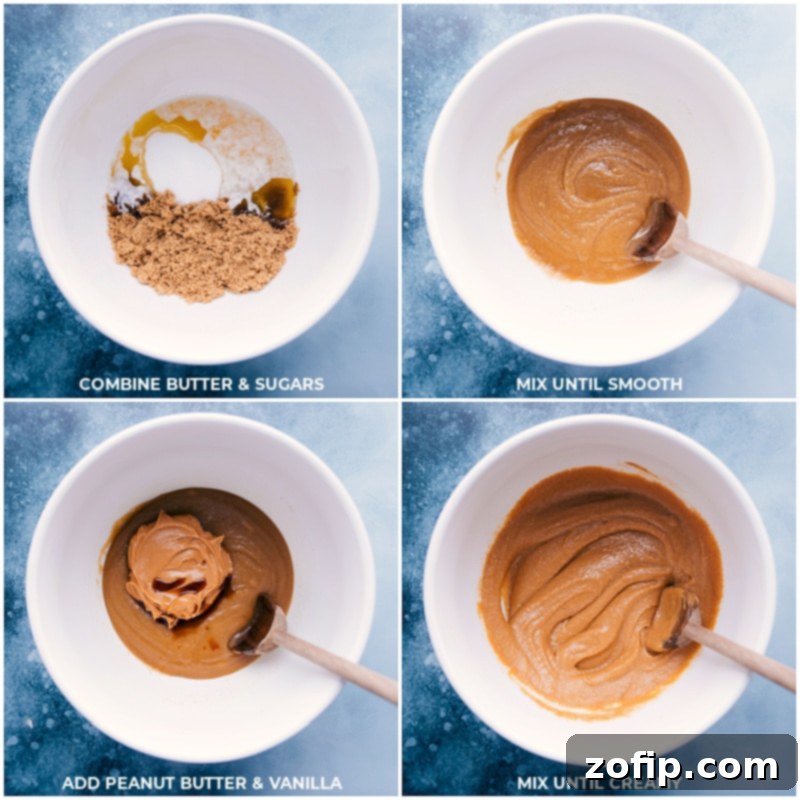
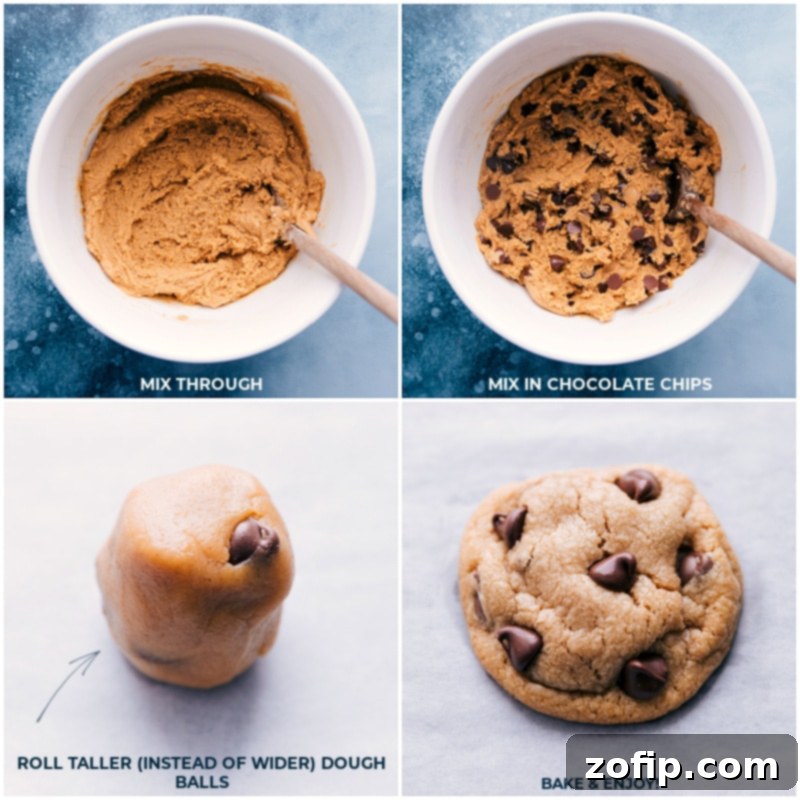
- In a microwave-safe bowl, heat the butter until it’s melted. Set aside to cool back to room temperature (hot butter will melt sugars and cause greasy cookies). Once at room temperature, use a spatula to scrape every bit of butter into a large bowl and add brown sugar and granulated sugar. Mix with a large whisk until smooth and creamy, about 1 minute.
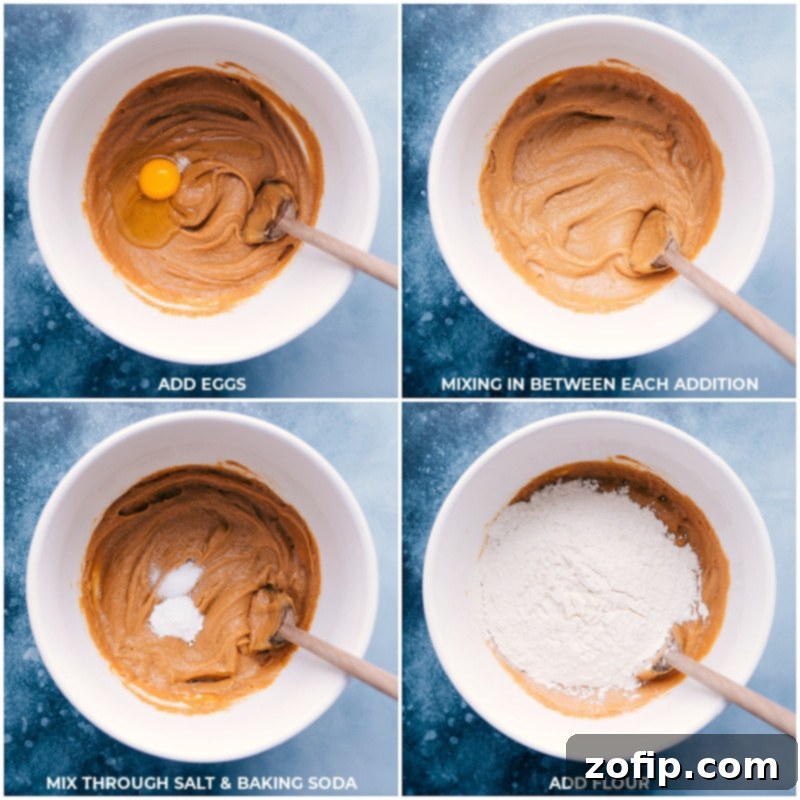
- Add peanut butter and vanilla extract. Mix until combined. Add in 1 egg. Mix until ingredients are incorporated, then add the second egg. Again, mix until the ingredients are incorporated. Add baking soda and salt and mix until just incorporated. Add flour and again mix until just incorporated. Don’t overmix. Finally, fold in the chocolate chips.
- Cover dough and chill for 30 minutes, up to 1 hour (see Note 5). Preheat oven to 325°F (162°C). Scoop the dough and roll into large balls, each a packed 2 tablespoons (40 grams) in size (see Note 6). Roll balls that are taller rather than wider. Place dough balls on the lined sheet pan, 6 cookies at a time, leaving ample room (2 inches) between cookies. If dough balls have gotten too warm from rolling, pop the tray of cookies in the freezer for 10 minutes.
- Bake 8–14 minutes. Ever-so-slightly underbaking the cookies will keep them soft and chewy. They also bake a bit more on the sheet pan when removed from the oven (see Note 7 for troubleshooting). Be careful to not overbake these cookies!
- Remove cookies, and if desired, press some extra chocolate chips into the tops of the cookies for a beautiful finish. Allow them to cool on the sheet pan for 5 minutes before removing them to a cooling rack to cool completely.
Recipe Notes
Note 1: Fresh Brown Sugar is Key: Ensure your brown sugar is fresh and very soft! Hard, dried-out brown sugar will not mix or bake properly, often leading to a gritty texture and cookies that don’t spread correctly. For best results, use moist, pliable brown sugar.
Note 2: Choosing the Right Peanut Butter: I personally love and highly recommend Skippy® Creamy Peanut Butter in these cookies (this is not a sponsored recommendation). Its consistent texture and flavor are ideal. I do not recommend using a natural peanut butter that requires stirring, as its oil separation can affect the cookie’s texture and spread.
Note 3: Test Your Baking Soda’s Freshness: Baking soda is a leavening agent crucial for the cookie’s rise and texture. You can quickly test its freshness by adding a pinch to a small amount of vinegar; if it fizzes vigorously, it’s still active. If your baking soda is clumpy, press it through a fine-mesh sieve before adding it to the dry ingredients to ensure even distribution.
Note 4: Precision with Flour Measurement: Measuring flour can vary significantly from baker to baker and is frequently the culprit for cookies that don’t turn out as expected (e.g., too dense, too crumbly, or spreading too much). If you own a food scale, please use it instead of measuring cups for accuracy. For this recipe, 310 grams (or approximately 2-1/3 cups, when properly measured) is the perfect amount of all-purpose flour.
Note 5: Optimal Chilling Time: The cookie dough benefits most from chilling for 30 minutes to an hour. Beyond this timeframe, the dough can start to dry out and become crumbly, making it difficult to roll into uniform balls. If you need to chill the dough for a longer period (up to 24 hours), it’s best to roll out the dough balls first, place them on a parchment paper-covered plate, cover tightly with plastic wrap, and then chill. This prevents the surface from drying out.
Note 6: Cookie Dough Ball Size: These cookies are designed to be substantial, working best when each dough ball is approximately 2 tablespoons in size (around 40 grams). While it’s tempting to make smaller or larger cookies, be aware that altering the size will change the baking time and ultimately the final texture. For this recipe, the recommended size achieves the perfect balance of chewy interior and crisp edge.
Note 7: Troubleshooting Common Cookie Issues:
- Cookies not spreading: This usually indicates too much flour was added, or the dough was overchilled. If you notice this during baking, gently bang the baking tray on the counter a few times (once or twice) to encourage the cookies to spread slightly.
- Cookies spreading too much: This can be due to too little flour, old or inactive leavening agents (baking soda), or insufficient chilling time. If cookies spread excessively right out of the oven, you can quickly use a metal spatula to gently press their edges inwards, reshaping them into a more desirable round.
Storage: Baked cookies stay fresh for 3–4 days at room temperature in an airtight container. To freeze dough, drop balls onto a sheet pan and freeze until solid, then transfer to an airtight container or bag for up to 3 months. Bake from frozen.
Nutrition
Serving: 1 cookie | Calories: 169 kcal | Carbohydrates: 22.2g | Protein: 2.8g | Fat: 10.6g | Cholesterol: 11.6mg | Sodium: 28.3mg | Fiber: 1.2g | Sugar: 16.1g
Nutrition information is automatically calculated and should only be used as an approximation.
Love this recipe? Share your thoughts in the comments below!