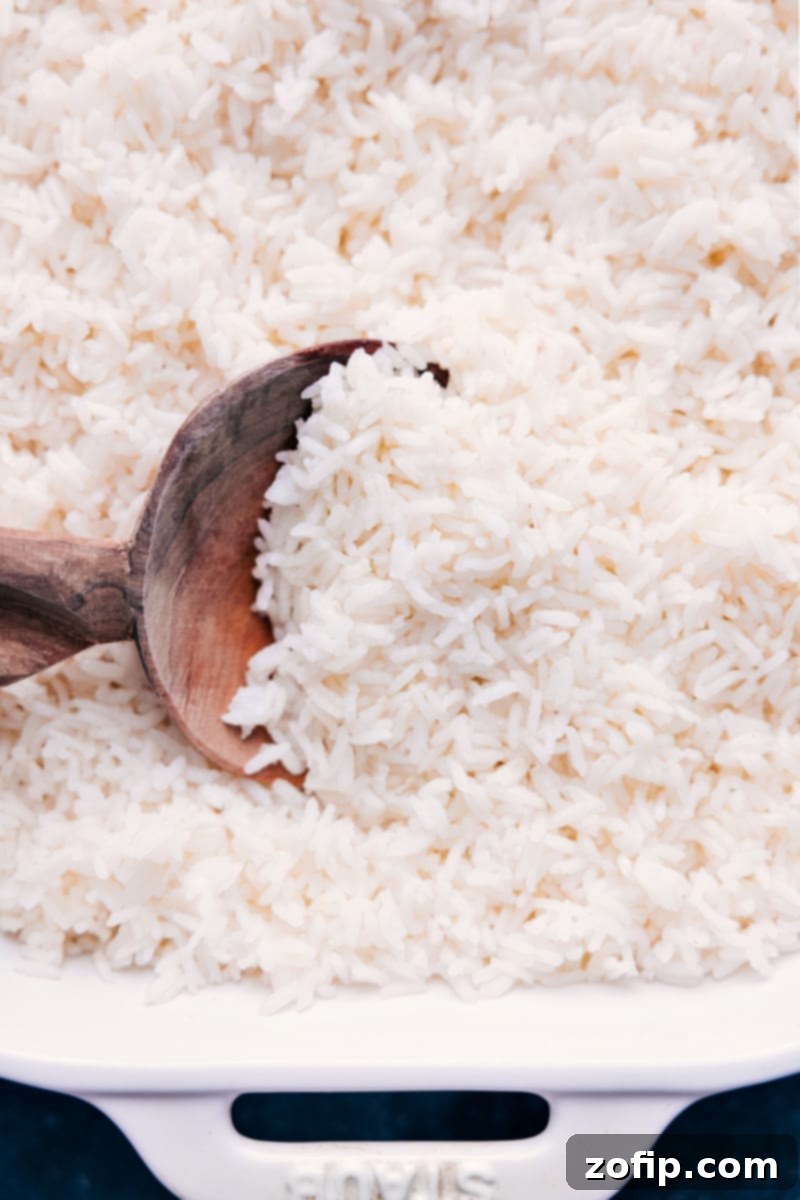
How to Make White Rice: Upgrade your rice game with oven-baking! This foolproof method delivers perfect, fluffy rice every time and saves stovetop space.
Looking to master another kitchen staple? Don’t miss our comprehensive guide on How To Cook Brown Rice.
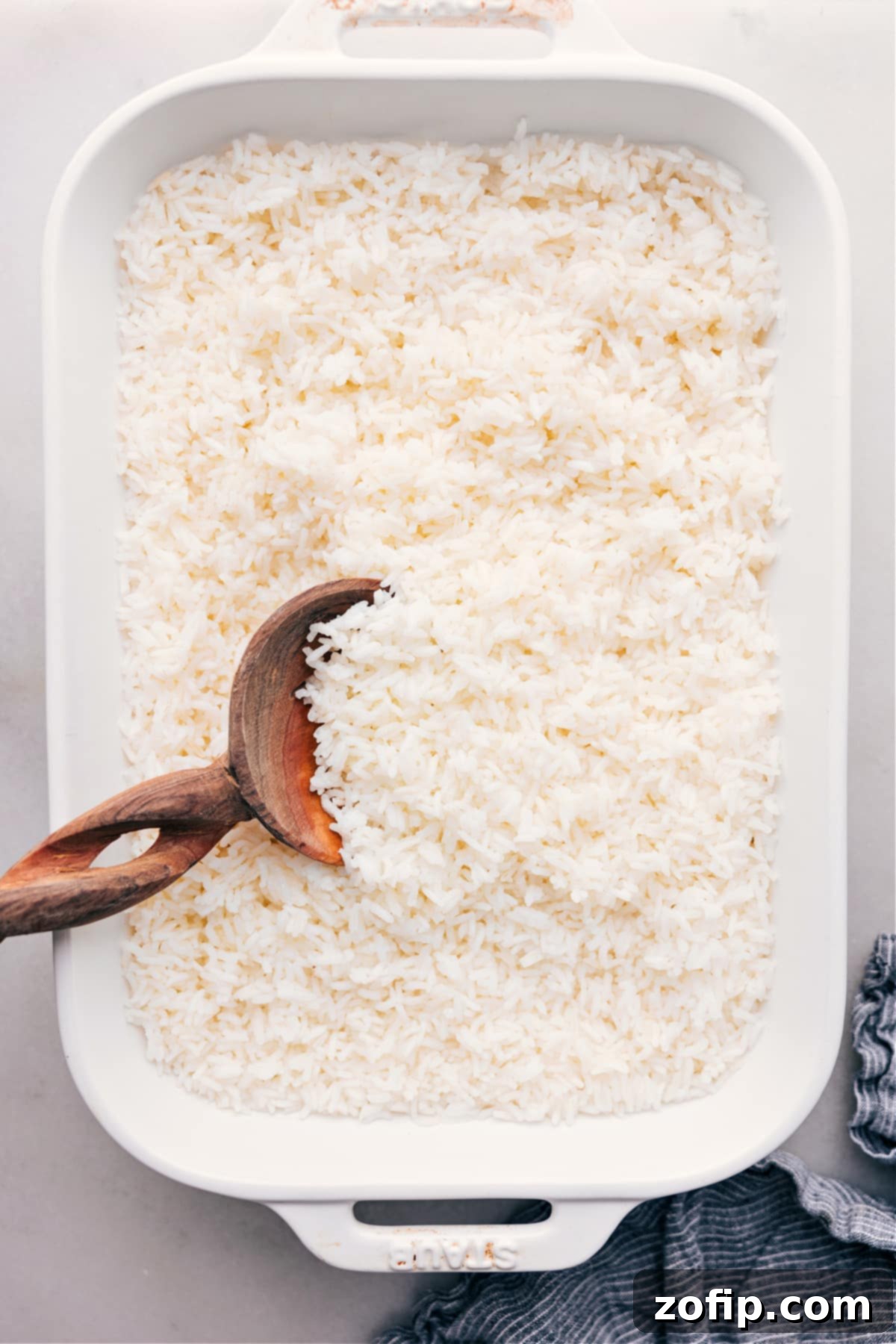
Mastering White Rice: The Ultimate Oven-Baked Method
For many home cooks, preparing a consistently perfect batch of white rice can feel like an elusive culinary quest. You might have faced the common pitfalls: rice that’s too mushy, too dry, sticky, or even burnt at the bottom. The stovetop method, while traditional, often demands constant vigilance, precise timing, and a bit of luck to get that ideal fluffy texture. But what if we told you there’s a simpler, more reliable way to achieve culinary perfection? Enter the oven-baked white rice method – a game-changer that promises flawless, consistent, and wonderfully fluffy rice every single time.
Switching to the oven for your white rice eliminates the guesswork and frees you from the stovetop, allowing you to focus on other components of your meal. This method isn’t just about convenience; it’s about achieving a superior texture and enhanced flavor that will elevate any dish it accompanies. Whether you’re a seasoned chef or a kitchen novice, this foolproof technique will transform your rice-making experience and leave you wondering why you ever cooked it any other way.
Why Oven-Baked White Rice is Your New Go-To Method
Once you try baking white rice, you’ll likely never go back to the stovetop. This method offers a myriad of advantages that streamline your cooking process and deliver exceptional results:
- Even Heating for Consistent Texture: The enclosed environment of the oven provides consistent, all-around heat distribution. This means every grain of rice cooks uniformly, preventing the common problem of crunchy uncooked rice at the top and soggy, overcooked rice at the bottom. Say goodbye to hot spots and burnt rice stuck to the pan!
- Frees Up Stovetop Space: In a busy kitchen, stovetop real estate is precious. Baking your rice allows you to utilize your oven, leaving your stove burners open for sautéing vegetables, searing proteins, or simmering sauces. This is especially beneficial when preparing larger meals or entertaining guests.
- Set It and Forget It Convenience: Unlike stovetop methods that require constant monitoring and stirring, oven-baking is largely hands-off. Once the rice is in the oven, you can set a timer and attend to other tasks without worrying about it boiling over or burning. It’s truly a “set it and forget it” solution.
- Ideal for Large Quantities: Whether you’re cooking for a crowd or meal prepping for the week, the oven is perfect for preparing larger batches of white rice. You can easily scale up the recipe using a bigger baking dish without compromising quality, making meal preparation incredibly simple and efficient.
- Enhances Flavor Absorption: The gentle, even heat of the oven allows the rice to slowly absorb liquids and seasonings, leading to a deeper, more integrated flavor. When butter and salt are added, they are distributed thoroughly, infusing every grain with richness and taste.
- More Forgiving Than Stovetop Methods: Even if your timing isn’t absolutely perfect, the oven method is more forgiving. The controlled environment helps prevent rapid evaporation and sudden temperature changes, reducing the chances of undercooked or overcooked rice.
Essential Tips for Flawless Oven-Baked White Rice
While the oven method is incredibly straightforward, a few key tips will ensure your white rice turns out perfectly fluffy and delicious every time. Pay attention to these details, and you’ll be serving up restaurant-quality rice with minimal effort.
1. Use the Correct Water Ratio for White Rice
Precision is key when it comes to the liquid-to-rice ratio. For this recipe, we recommend a ratio of 2-2/3 cups of white rice to 5-1/2 cups of boiling water. This specific proportion is crucial for achieving that ideal fluffy texture. Too little water, and your rice will be dry and hard; too much, and it will be mushy and sticky. Stick to the recipe quantities precisely.
2. Start with Boiling Water for Efficiency
Using boiling water from the start significantly reduces the overall cooking time and helps to ensure quick, even cooking. When hot water is added to the rice in a hot oven, the cooking process begins immediately, rather than waiting for cold water to come to a boil. This rapid start is a secret to consistent results and a perfectly tender grain.
3. Don’t Skip the Salt
Salt is not just for seasoning; it’s a flavor enhancer. A good pinch of salt (1-1/4 teaspoons for this recipe) will bring out the natural nutty flavor of the rice and make it taste more vibrant. Without it, your rice can taste bland, even if perfectly cooked. Ensure it’s mixed well with the rice before adding water.
4. Butter or Oil for Flavor and Texture
Adding a couple of tablespoons of unsalted butter (or your preferred oil) does wonders for your rice. Butter imparts a rich, savory flavor and helps to prevent the individual grains from sticking together, resulting in a beautifully separated and fluffy texture. If you’re dairy-free or prefer a lighter option, olive oil or coconut oil can be excellent substitutes, offering their own subtle flavors while providing the same anti-sticking benefits.
5. Seal It Tight with Foil
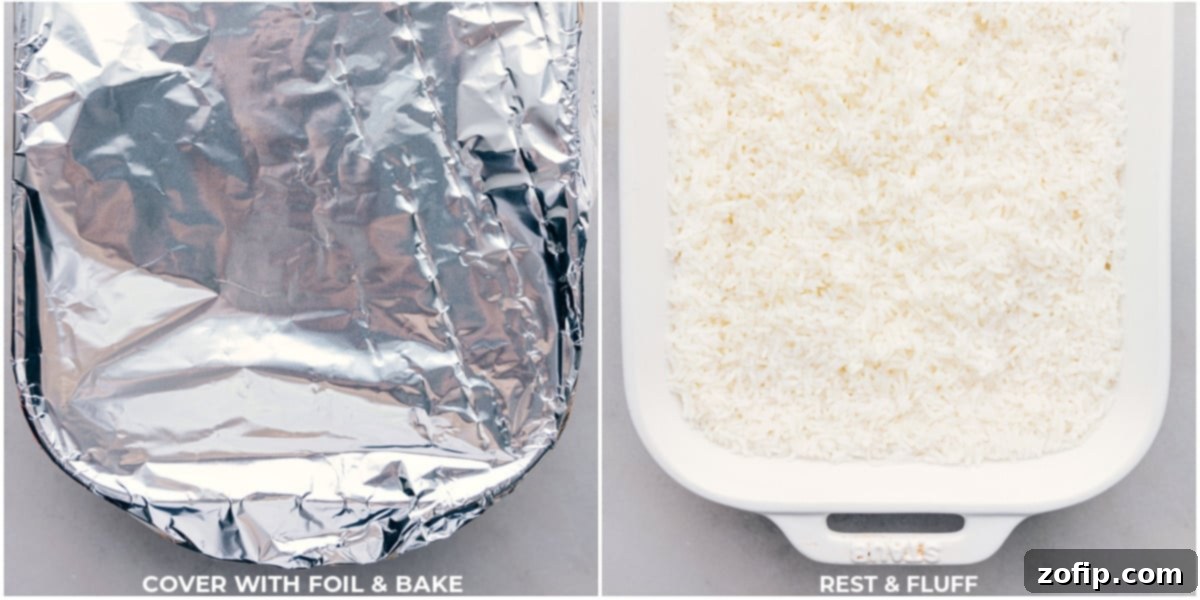
The success of oven-baked rice hinges on trapping steam. This means covering your baking dish tightly. We recommend using two layers of regular aluminum foil or one sheet of heavy-duty foil. This creates a tight seal, preventing steam from escaping and ensuring the rice steams thoroughly as it bakes. A proper seal is critical for even cooking and achieving maximum fluffiness. Without it, the rice will dry out and cook unevenly.
6. The Crucial Resting Period
Once your rice is out of the oven, resist the urge to peek or stir immediately. Allow the dish to rest, still covered with foil, for at least 10-15 minutes. This resting period is absolutely essential. During this time, the rice continues to cook gently in the residual heat and steam, absorbing any remaining moisture. This process helps the grains become fully tender and prevents them from becoming mushy, resulting in that coveted fluffy texture. Rushing this step will lead to less-than-perfect results.
Flavor Your White Rice! Endless Variations
Your perfectly baked white rice is a blank canvas, ready to be transformed into a myriad of delicious dishes. Here are some fantastic ways to infuse flavor and turn a simple side into a star:
- Fried Rice: The ultimate leftover makeover! Stir-fry your cooked oven rice with a medley of colorful veggies (peas, carrots, corn), scrambled eggs, a protein of your choice (chicken, shrimp, tofu), and a savory soy sauce mixture. Our Fried Rice recipe provides a great starting point.
- Rice Pilaf: For a more aromatic and textured dish, use our Quinoa Pilaf as inspiration, simply substituting rice for quinoa. Sauté the rice with onions and garlic before baking, then cook in broth instead of water, adding herbs and spices like thyme or bay leaves for depth.
- Curry Rice: Infuse exotic flavors by baking the rice with minced garlic, grated ginger, and a generous amount of curry powder or garam masala. You can also add a splash of coconut milk for extra creaminess. Check out our Curry Rice recipe for full details.
- Mexican Rice: Transport your taste buds south of the border! Mix in diced tomatoes, green chiles, a pinch of cumin, chili powder, and onion powder before baking. Garnish with fresh cilantro and a squeeze of lime after cooking for authentic flavor. Our Mexican Rice recipe is a fan favorite.
- Lemon Herb Rice: A bright and zesty option. Add lemon zest to the rice before baking. After baking and resting, stir in fresh chopped herbs like parsley, dill, or mint, along with a squeeze of fresh lemon juice. Our Lemon Rice is simple and delicious.
- Cilantro Lime Rice: A vibrant and fresh accompaniment, perfect for tacos or bowls. Once the rice is baked, fluff it with a fork, then stir through a generous amount of fresh lime zest, lime juice, and finely chopped cilantro. Our Cilantro Lime Rice is an essential side dish.
- Pesto Rice: For an Italian-inspired twist, bake the rice with chopped sun-dried tomatoes. After baking, stir through a few tablespoons of your favorite pesto for a rich, herbaceous flavor. You can even try our Pesto Rice for a quick weeknight meal.
- Saffron Rice: Elevate your meal with the luxurious aroma and golden hue of saffron. Simply add a few threads of saffron, steeped in a tablespoon of hot water, to your rice and boiling water before baking. This adds a subtle, floral flavor and beautiful color.
Storage and Reheating Baked White Rice
One of the many benefits of mastering oven-baked white rice is its excellent shelf life and versatility for meal prep. Knowing how to properly store and reheat your rice ensures you always have a delicious and convenient carb option on hand.
Storing Cooked White Rice:
- Cool Completely: Before storing, it’s crucial to let the rice cool down completely to room temperature. Spreading it out on a baking sheet can speed up this process. This prevents condensation inside the container, which can lead to soggy rice and bacterial growth.
- Airtight Container: Once cooled, transfer the rice to an airtight container or a heavy-duty freezer bag. This protects it from air exposure, which can dry it out or introduce odors from other foods.
- Refrigeration: Store in the refrigerator for 3-5 days. Always make sure your refrigerator is at or below 40°F (4°C) for food safety.
- Freezing: For longer storage, cooked white rice freezes beautifully. Portion it into individual servings in freezer-safe bags or containers and freeze for up to 6 months. Label with the date for best quality.
Reheating Cooked White Rice:
When reheating, adding a splash of liquid is key to restoring moisture and preventing dryness. This can be water, vegetable broth, chicken broth, or even a small pat of butter for extra flavor.
- Stovetop: Add your desired amount of rice to a non-stick pan with a splash of water or broth (about 1-2 tablespoons per cup of rice). Cover the pan and stir over medium-low heat for 5-7 minutes, fluffing occasionally, until the rice is heated through and tender.
- Microwave: Place rice in a microwave-safe dish. Add 1-2 tablespoons of water or broth per cup of rice. Cover the dish loosely with a lid or damp paper towel to trap steam. Heat on high for 1-2 minutes, stirring halfway through, until hot. Adjust heating time for larger quantities.
- Oven: For larger batches or if you prefer an oven finish, preheat your oven to 350°F (175°C). Spread the rice evenly on a baking sheet or in a shallow oven-safe dish. Drizzle with a little water or broth, then cover tightly with aluminum foil. Bake for 15-20 minutes, or until thoroughly heated.
Pro Tip: Always add a bit of extra moisture (water, broth, or butter) when reheating to prevent the rice from drying out and to help it regain its fluffy texture.
Creative Ways to Use Your Fluffy White Rice
Once you’ve mastered the art of oven-baked white rice, you’ll find it’s an incredibly versatile ingredient that can be incorporated into countless meals. Beyond being a simple side dish, white rice can be the foundation or an enriching addition to a variety of culinary creations.
- The Perfect Side Dish: The most classic use! Serve your fluffy white rice alongside a variety of main courses. It’s a wonderful complement to grilled meats, baked fish, or hearty roasted vegetables.
- Hearty Soups & Stews: Add cooked white rice to your favorite soups and stews for extra texture and to make them more filling. It’s particularly delightful in a flavorful curry or tomato-based broth. Our Chicken Curry Rice Soup is a must-try!
- Refreshing Rice Salads: Combine cooled white rice with a medley of fresh chopped vegetables (bell peppers, cucumbers, cherry tomatoes), herbs (parsley, mint), and a light vinaigrette for a refreshing and satisfying salad. Add chickpeas or grilled chicken for protein.
- Delicious Fillings: White rice adds substance and a pleasant texture to various fillings. Use it in flavorful burritos, savory tacos, or comforting stuffed peppers. It soaks up all the other flavors beautifully.
- Global Cuisine Base: Cooked rice is the essential base for many international dishes. Think homemade sushi rolls or bowls, creamy risotto (using pre-cooked rice for a quicker version), or the vibrant flavors of paella.
- Unique Breakfast Snack: For a delightful twist, crisp leftover rice in a pan until golden, then top it with a fried egg and a dash of soy sauce for a savory and satisfying breakfast, inspired by traditional Japanese breakfast rice.
- Flavorful Fried Rice Dishes: Transform day-old rice into a delectable main course by making fried rice. Our Ham Fried Rice is a fantastic way to use up leftovers and create a quick, satisfying meal.
Recipes Featuring Cooked White Rice
Here are some of our favorite recipes where perfectly cooked white rice plays a starring role, proving its versatility and deliciousness:
- Red Beans And Rice
- Honey-Garlic Chicken Thighs
- Garam Masala Chicken
- Pineapple Steak
- Ground Turkey Bowls
Print Recipe
How To Make White Rice
Chelsea Lords
10 minutes
20 minutes
10 minutes
40 minutes
8 cups cooked rice
Equipment
- 9 x 13-inch baking pan
- Aluminum foil (2 sheets regular or 1 sheet heavy duty)
Ingredients
- Cooking spray
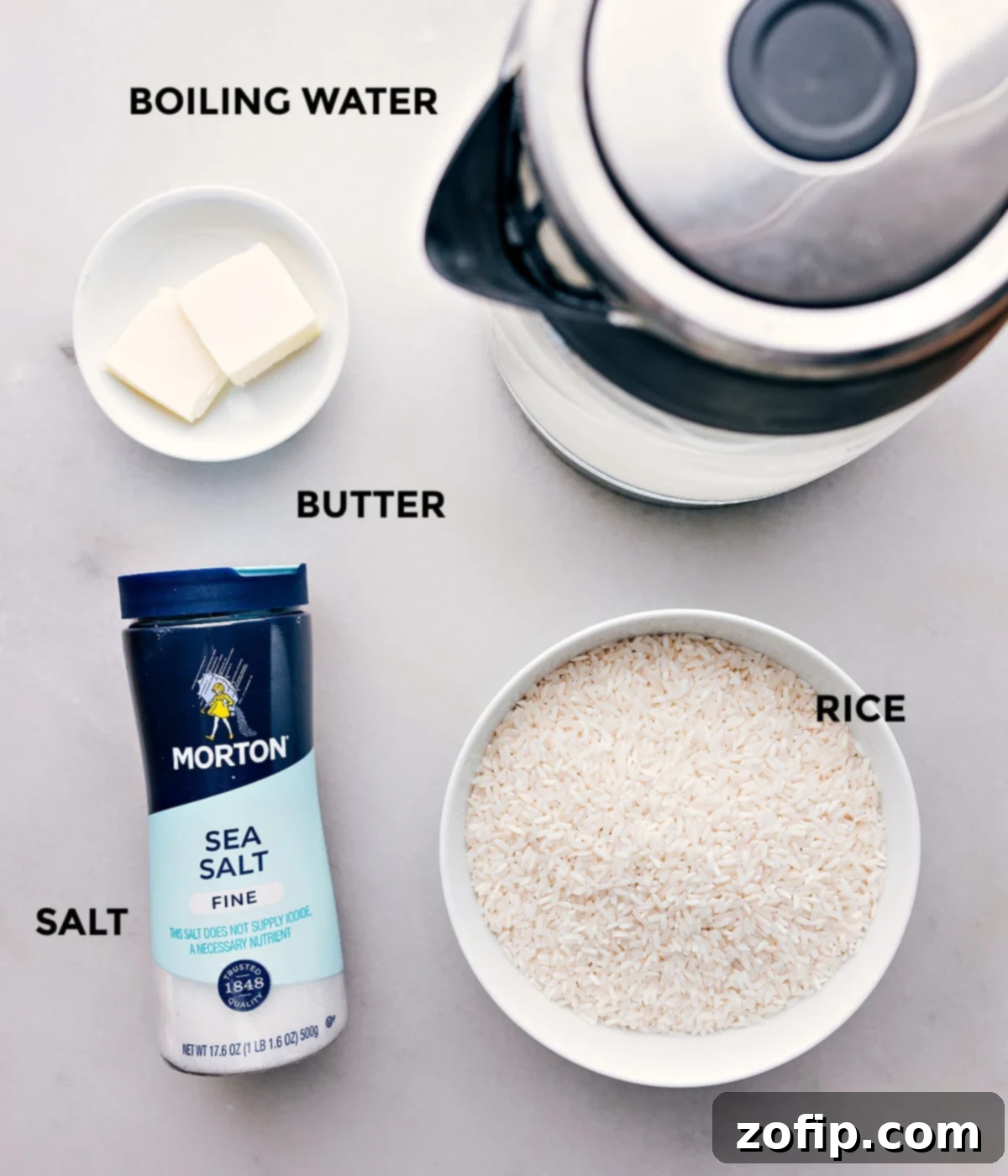
- 2-2/3 cups basmati rice or long-grain white rice, see note 1
- 1-1/4 teaspoons salt
- 2 tablespoons unsalted butter cut into 2 pieces (or use oil), see note 2
- 5-1/2 cups boiling water see note 3
Instructions
- Preheat oven to 450°F (232°C). Generously grease a 9×13-inch baking dish with cooking spray. Boil more than 6 cups of water in a kettle or pot; you’ll need 5-1/2 cups of actual boiling water for the recipe.
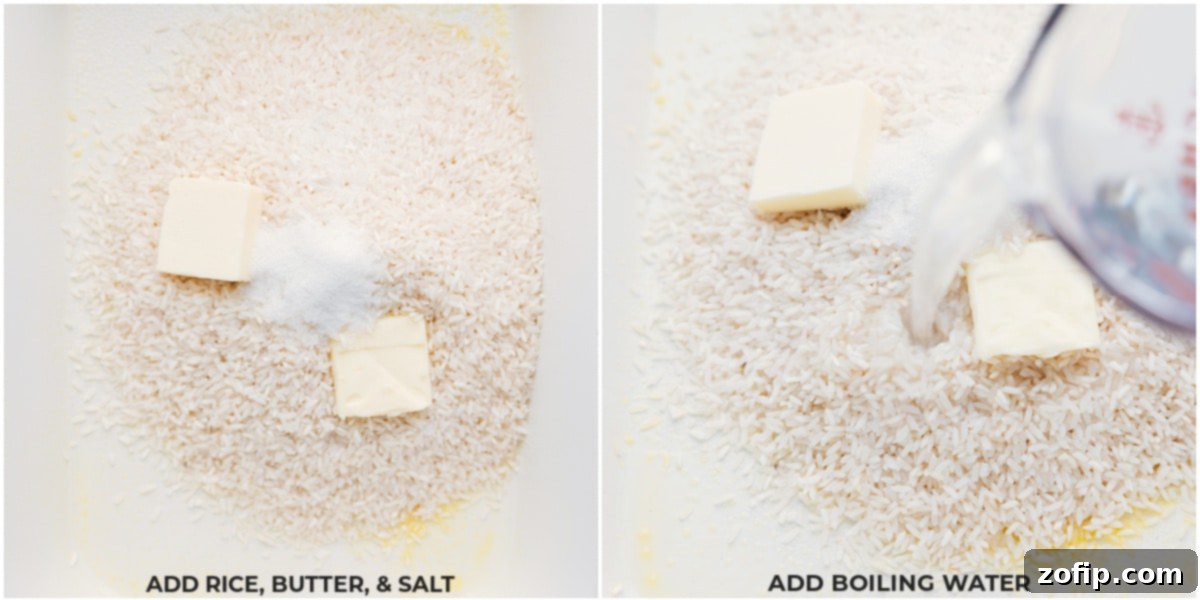
- Place the measured rice, salt, and butter pieces evenly in the greased baking dish. Carefully pour in exactly 5-1/2 cups of the boiling water. Stir gently to ensure all ingredients are well mixed and the rice is spread in an even layer.
- Cover the baking dish very tightly with two layers of regular aluminum foil or one sheet of heavy-duty foil. This seal is crucial for trapping steam. Bake at the center of the preheated oven for 20 minutes.
- Once baking is complete, remove the dish from the oven. Keep it covered with the foil and let it rest undisturbed for 15 minutes. This allows the rice to finish cooking through steam and absorb any remaining moisture, ensuring perfect fluffiness (see note 4).
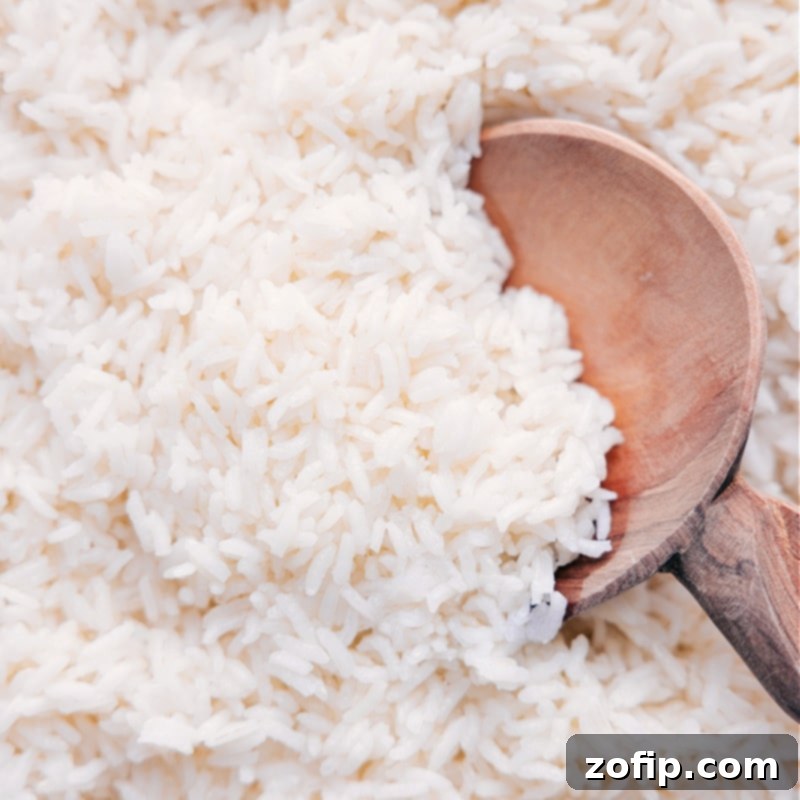
- After resting, carefully remove the foil. Fluff the rice gently with a fork to separate the grains, and serve immediately as a delicious side or as part of your favorite dish.
Recipe Notes
Note 2: Butter vs. Oil: Unsalted butter not only adds a lovely richness and flavor to the rice but also plays a vital role in preventing the grains from sticking together. If you prefer, you can easily substitute olive oil, coconut oil, or another neutral cooking oil for butter without altering the cooking time or method.
Note 3: Boiling Water Measurement: When boiling water, it’s always a good practice to boil slightly more than you need (e.g., more than 6 cups for this recipe). This accounts for any evaporation that occurs during the boiling process, ensuring you have the precise 5-1/2 cups of truly boiling water required to add to your rice.
Note 4: The Importance of Resting: The 15-minute resting period after baking is non-negotiable for perfectly cooked rice. This crucial step allows the residual heat and trapped steam to evenly distribute moisture throughout the grains, resulting in fluffy, distinct kernels rather than mushy or undercooked rice. Do not rush or skip this step for the best outcome.
Storage: For optimal freshness and food safety, allow the cooked rice to cool completely at room temperature (spread it out to speed this up) before transferring it to an airtight container or a sealed freezer bag. It can be stored in the refrigerator for 3–5 days or frozen for up to 6 months for best quality.
Nutrition
Calories: 250kcal |
Carbohydrates: 49g |
Protein: 4g |
Fat: 3g |
Saturated Fat: 2g |
Polyunsaturated Fat: 0.2g |
Monounsaturated Fat: 1g |
Trans Fat: 0.1g |
Cholesterol: 8mg |
Sodium: 367mg |
Potassium: 72mg |
Fiber: 1g |
Sugar: 0.1g |
Vitamin A: 87IU |
Calcium: 18mg |
Iron: 0.5mg
Nutrition information is automatically calculated, so should only be used as an approximation.
How To Make White Rice FAQs
For achieving consistently perfect and fluffy white rice using our oven-baking method, the recommended ratio is 2-2/3 cups of white rice to 5-1/2 cups of boiling water. This precise measurement ensures optimal absorption and a tender, distinct grain texture without being mushy or dry.
Absolutely, and it’s highly recommended! Adding butter or oil (such as olive oil or coconut oil) before baking serves multiple purposes. It infuses the rice with a rich flavor and, more importantly, helps to prevent the individual grains from sticking together, resulting in a beautifully separated and fluffy final product. A couple of tablespoons are usually sufficient for this recipe.
Once your oven is preheated to 450°F (232°C) and the rice dish is tightly covered, the active baking time for white rice is 20 minutes. Remember, this is followed by a crucial 15-minute resting period, still covered, out of the oven, to allow the rice to steam and fully absorb moisture.
For the oven-baking method to work correctly and yield fluffy rice, it is absolutely essential to bake the white rice in a tightly covered dish. Covering the dish, ideally with two layers of regular foil or one layer of heavy-duty foil, traps the steam inside. This steam is what allows the rice to cook evenly and remain moist, preventing it from drying out. This recipe will not work properly without the foil seal.
For this specific oven-baked white rice recipe, we recommend against rinsing the rice. The starches present on the rice grains contribute to the overall texture and help in achieving the desired fluffiness and consistency with this method. If you typically rinse rice for other cooking methods, feel free to do so, but note it might slightly alter the final texture when oven baking.
Yes, while Basmati rice or standard long-grain white rice are recommended, this oven-baking method works beautifully with other types of white rice, including Jasmine rice. The key is to maintain the correct water-to-rice ratio and follow the baking and resting times precisely. The inherent characteristics of different rice varieties might result in slight variations in aroma and texture, but the fluffy outcome will remain consistent.
To prevent sticking, ensure you generously grease your baking dish with cooking spray or a thin layer of butter or oil before adding the rice. Additionally, incorporating butter or oil directly with the rice grains before adding water helps to coat each grain, further reducing stickiness. The tight foil seal and the crucial resting period also play a significant role in preventing rice from baking onto the dish and making it easier to fluff.