Transform everyday pantry staples into an extraordinary culinary experience with this definitive Classic Bread Pudding Recipe. This cherished dessert masterfully repurposes leftover bread, weaving it into a warm, custardy delight that’s generously crowned with a rich, velvety caramel sauce and a cloud of freshly whipped cream. Prepare to indulge in a timeless treat that’s both simple to make and utterly irresistible.

A Personal Touch from the Author
Sweet, Custardy, and Utterly Irresistible: My Go-To Bread Pudding!
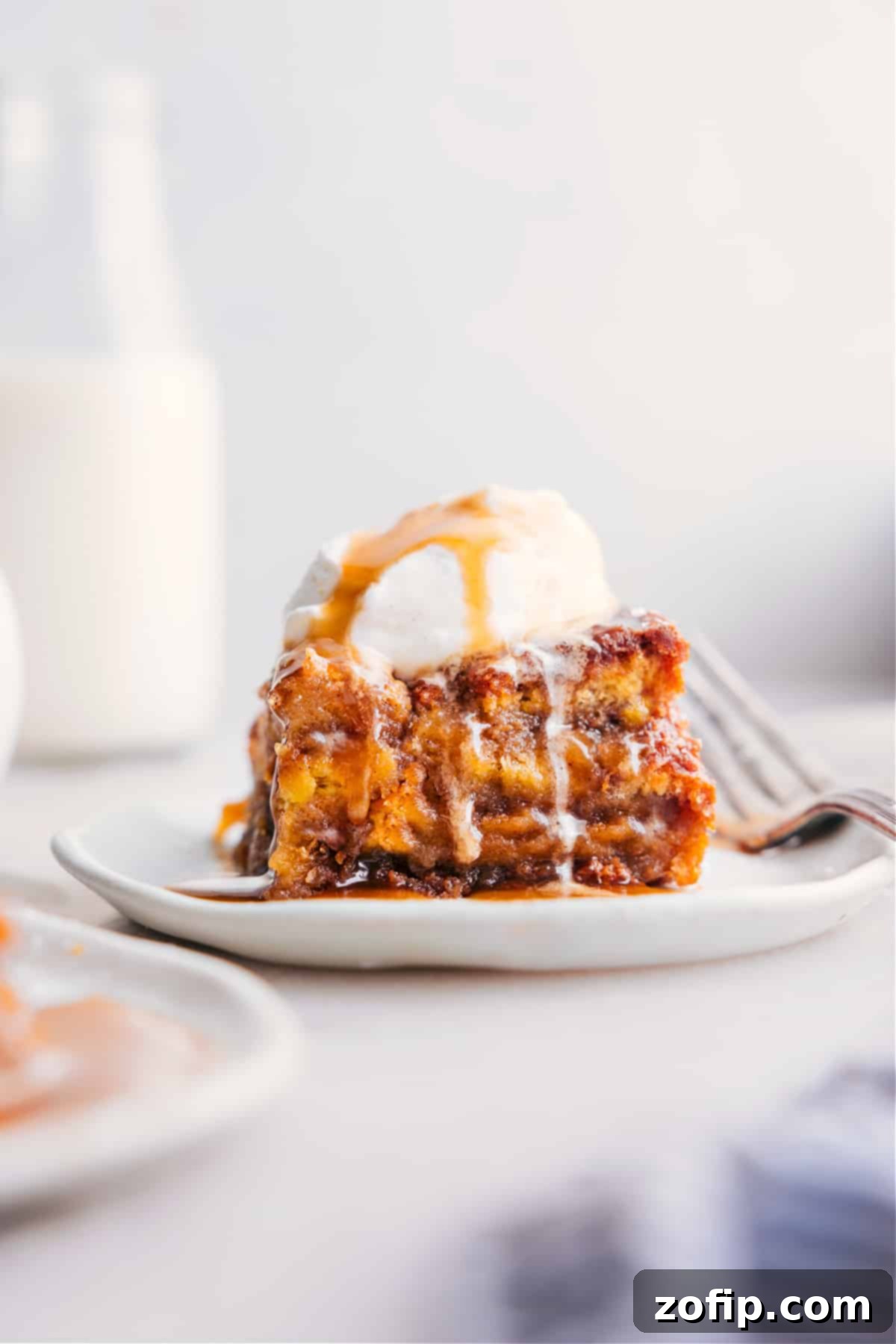
This homemade bread pudding recipe holds a special place in my heart, deeply inspired by a famed bakery whose bread pudding was legendary. I still remember my sister, who used to work there, often talking about how exceptionally delicious it was. The moment I finally tasted it, I knew I had to decode its magic and bring that exquisite flavor into my own kitchen.
What truly sets this bread pudding apart is its masterful blend of textures and tastes. It offers an intensely sweet, comforting caramel flavor, beautifully underscored by aromatic vanilla. The texture is a dream: a luxuriously creamy, custardy interior—much like a delicate crème brûlée—crowned with a delightfully crispy, golden top. While traditional British bread puddings often lean towards a more savory profile, this particular rendition embraces an Americanized sweetness, making it an incredibly indulgent and universally appealing dessert.
It’s more than just a recipe; it’s a recreation of a beloved memory, perfected to deliver warmth, comfort, and pure joy with every spoonful. This is truly my absolute favorite bread pudding, and I am thrilled to share the secrets to making this irresistible dessert with you!
The Essentials: Key Ingredients for a Perfect Homemade Bread Pudding
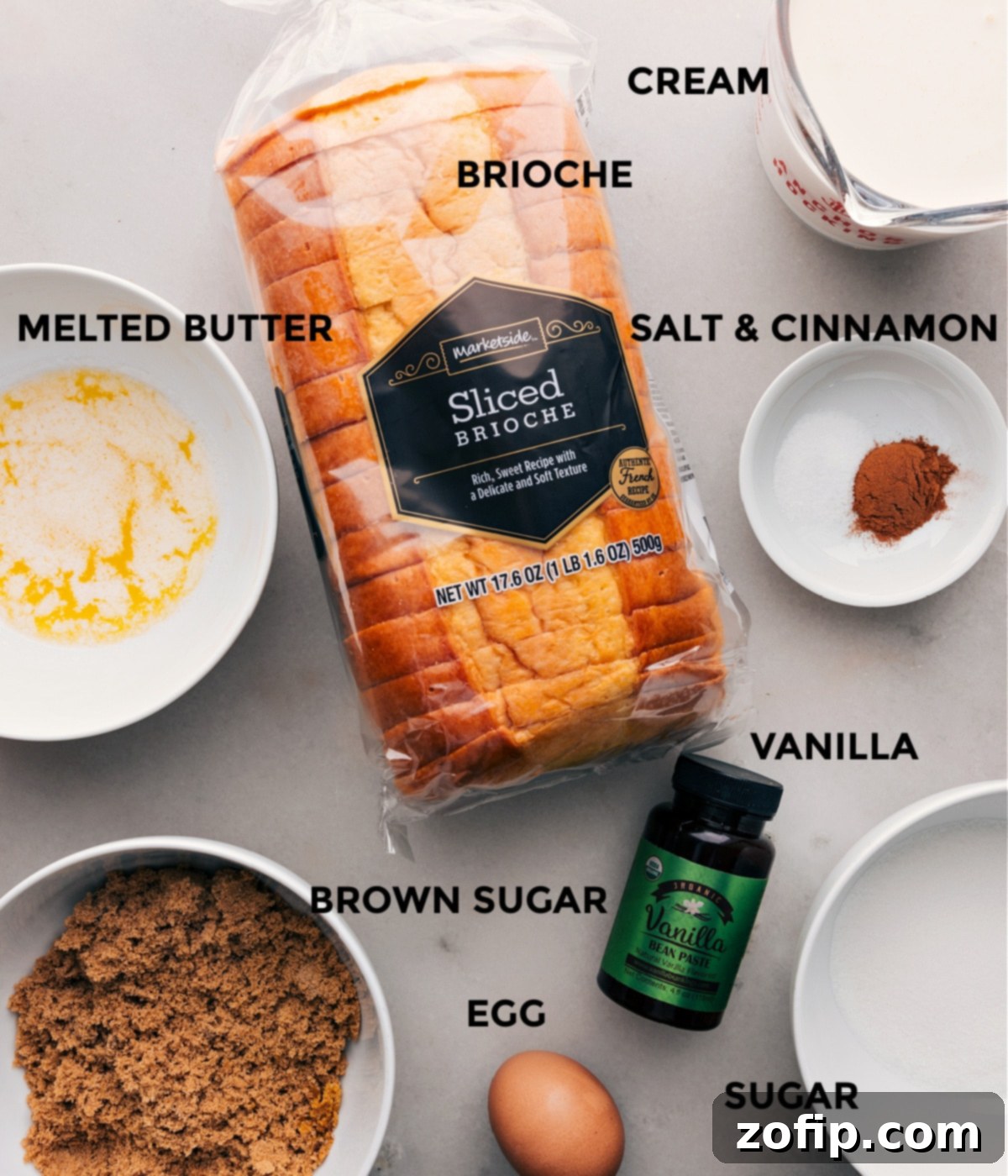
Crafting an outstanding homemade bread pudding begins with carefully selected ingredients. Each component plays a pivotal role in achieving the dish’s signature rich flavor and incredibly moist, custardy texture. Here’s a detailed look at what you’ll need and the importance of each:
- Brioche Bread (Day-Old): This is the absolute star ingredient for the best bread pudding. Brioche, with its rich, buttery, and slightly sweet profile, excels at absorbing the custard without becoming soggy, yielding an exceptionally tender and flavorful pudding. Using day-old brioche is crucial as its slightly drier texture allows for maximum custard absorption. If brioche isn’t readily available, quality alternatives include Challah or French bread. When using denser bread types, simply allow them a bit more soaking time to ensure complete saturation. Aim for approximately 10 cups of cubed bread, which typically equates to about 13 slices cut 3/4 inch thick.
- Egg Yolk: While many recipes use whole eggs, incorporating a single large egg yolk is a game-changer. It contributes to an extra-rich, smooth, and velvety custard consistency, adding depth and body without making the pudding overly firm. This results in that luxurious, melt-in-your-mouth texture we all crave.
- Heavy Cream: For unparalleled richness and a truly decadent custard, full-fat heavy cream is indispensable. Its high-fat content is what gives the bread pudding its signature creamy mouthfeel. If you prefer a lighter dessert, half & half can be used, but be aware that it will result in a less indulgent final product.
- Brown and Granulated Sugar: This recipe artfully combines both brown and granulated sugars to achieve a perfectly balanced sweetness and complex flavor profile. Brown sugar imparts deep, molasses-like notes and essential moisture, which enhances the dessert’s caramelization. Granulated sugar provides pure sweetness and helps create that desirable slightly crisp, golden top crust.
- Vanilla Extract or Vanilla Bean Paste: Vanilla is far more than just a background note; it’s a foundational flavor that elevates the entire dish. Using vanilla bean paste will imbue your bread pudding with an intense, authentic bakery-style vanilla flavor, often with visible flecks of vanilla bean. A good quality vanilla extract is also excellent, lending a warm, aromatic richness to the custard.
- Melted Unsalted Butter: Butter is crucial not only for adding incredible richness and moisture to the custard but also for achieving that beautiful, golden, slightly crispy crust when brushed over the top before baking. Using unsalted butter gives you precise control over the overall saltiness of your dessert.
- Salt and Cinnamon (Optional): A small amount of salt is vital for balancing the sweetness and enhancing all the other flavors, making them pop. Cinnamon, while optional, adds a warm, inviting spice that perfectly complements the caramel and vanilla, making this easy bread pudding even more comforting, especially during cooler seasons.
How to Make This Irresistible Classic Bread Pudding Recipe: A Step-by-Step Guide
Creating this rich and comforting classic bread pudding is a rewarding experience, and it’s much simpler than you might imagine. Follow these detailed instructions to achieve a perfectly moist, flavorful, and custardy dessert that will impress everyone:
- Preheat Oven and Prepare Baking Dish: Begin by preheating your oven to 375°F (190°C). Take an 8×8-inch (2-quart) baking dish and lightly butter the bottom and sides. This step is essential to prevent sticking and encourage a beautiful golden crust on your pudding.
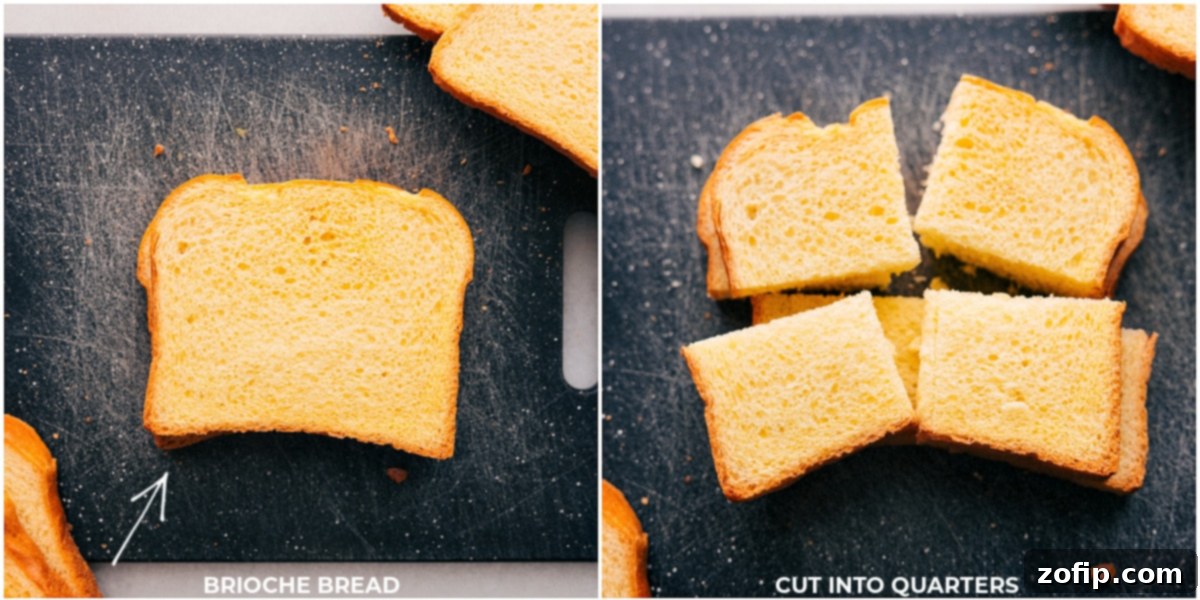
- Cube Your Bread: Take your day-old brioche bread and cut it into evenly sized 1-inch cubes. Uniform pieces are key to ensuring each cube absorbs the custard evenly, leading to a consistent texture throughout the pudding. You’ll need approximately 10 cups of cubed bread.
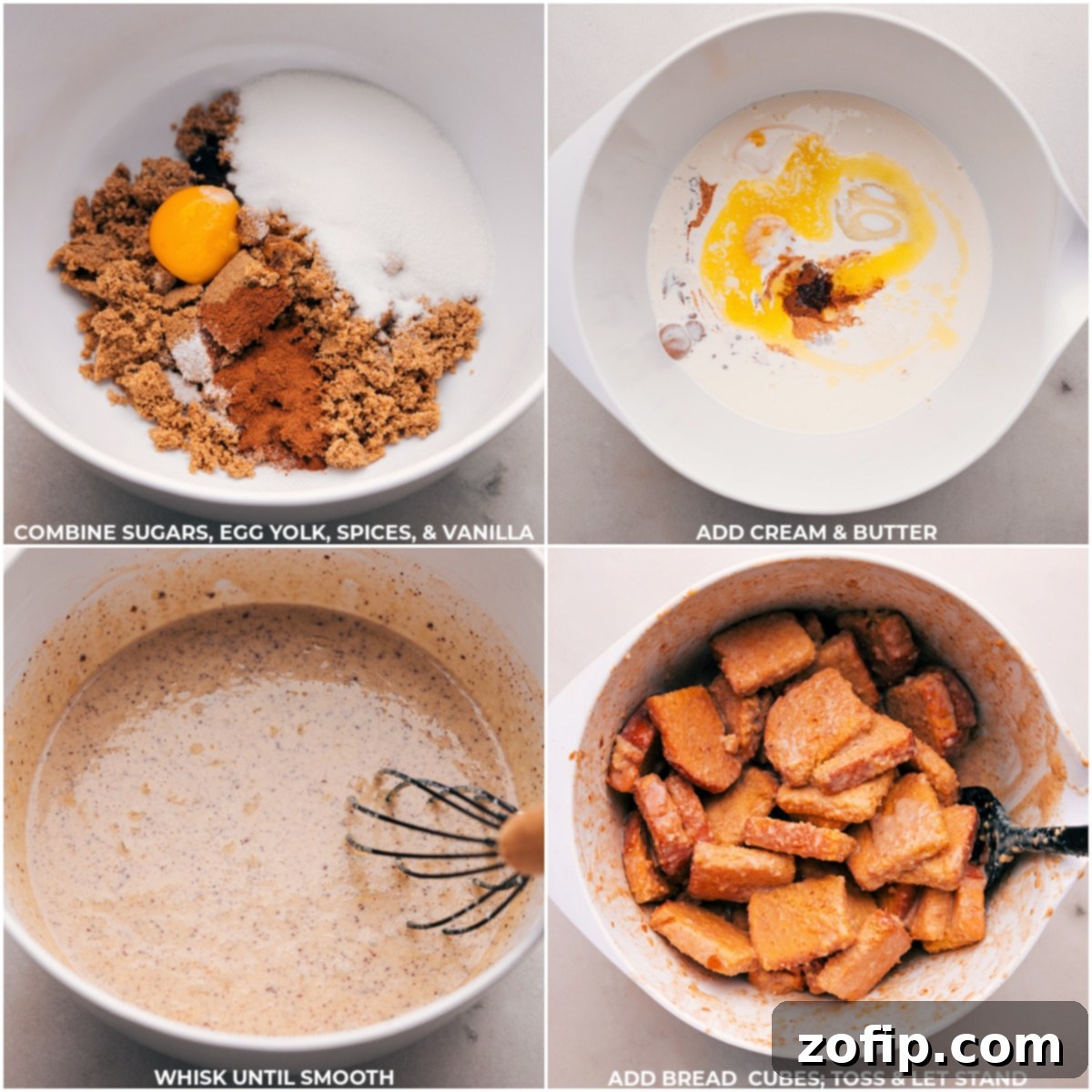
- Prepare the Custard Mixture: In a large mixing bowl, combine the granulated sugar, dark brown sugar, heavy cream, the large egg yolk, vanilla extract (or vanilla bean paste), and the salt. If you’re adding cinnamon for extra warmth, whisk it in now. Vigorously whisk all ingredients together until the mixture is completely smooth and no sugar clumps remain. Next, gradually drizzle in 3 tablespoons of the melted and cooled unsalted butter while continuing to whisk. Don’t worry if the butter forms tiny clumps; this is perfectly normal.
- Soak the Bread: Add all the cubed brioche bread to the prepared custard mixture in the large bowl. Using a spatula, gently fold and stir the bread until every single piece is thoroughly coated with the rich custard. Allow the bread to sit and soak for at least 3 minutes. For denser bread types, you might extend this soaking time up to 10 minutes. It’s important to ensure there’s still a slight pool of custard at the bottom of the bowl after soaking, indicating that the bread is adequately saturated and won’t dry out during baking.
- Bake to Golden Perfection: Carefully transfer the custard-soaked bread mixture into your buttered baking dish, spreading it out into an even layer. Using a pastry brush, or simply by drizzling, evenly distribute the remaining 2 tablespoons of melted butter over the top surface of the pudding. This extra touch of butter helps to create an incredibly irresistible, crispy, and golden-brown crust. Place the dish in the preheated oven and bake for 40–45 minutes, or until the top is gorgeously golden and the center is mostly set but still exhibits a slight, gentle wobble when the dish is lightly shaken. Be careful not to overbake, as this can result in a dry pudding.
- Rest and Serve: Once your bread pudding is baked to perfection, remove it from the oven. Allow it to rest for a few minutes before serving. This short resting period is crucial as it allows the custard to fully set and cool slightly, ensuring that when you cut into it, you achieve clean, beautifully defined slices. Serve warm with your preferred toppings! My personal favorite pairing involves a generous drizzle of homemade caramel sauce and a dollop of fresh whipped cream, but feel free to explore the delicious serving options below.
Quick Culinary Inspirations
Craving more delightful bakery-inspired desserts? Dive into other fantastic recipes like our famous Magnolia Bakery–style Banana Pudding, a layered sensation of creamy goodness, or whip up these incredibly addictive Salted Caramel Cookies, a beloved treat from a local favorite shop!
Mastering Your Bread Pudding: Little Secrets That Make a Big Difference
While this easy bread pudding recipe is straightforward, a few expert tips and “little secrets” can significantly elevate your dessert, transforming it from simply good to absolutely unforgettable. These techniques are key to achieving that perfect, moist, and custardy texture every single time.
Achieving Optimal Bread Saturation: The foundation of a moist and tender bread pudding lies in how well the bread absorbs the custard. After combining your cubed brioche with the custard mixture, gently stir and let it rest for several minutes. A crucial indicator that your bread has absorbed sufficient liquid is if you observe a slight pool of custard remaining at the bottom of the bowl. This seemingly small detail is vital; it ensures the pudding will be incredibly rich and moist throughout, preventing any dry or crumbly sections in the final product. Resist the urge to rush this soaking step!
The Art of the Perfect Bake: Knowing when your bread pudding is perfectly cooked is a delicate balance. Bake the pudding until the top is beautifully golden brown, and the edges are set. However, the center should still have a slight, gentle wobble when the baking dish is lightly shaken. This slight jiggle signifies that the custard is cooked through but hasn’t been overbaked, which is the primary cause of a tough or dry pudding. Trust the wobble for ultimate moisture and tenderness.
The Essential Resting Period: Patience truly pays off when it comes to serving bread pudding. Once you remove it from the oven, allow the pudding to rest for at least 5-10 minutes before attempting to slice it. This crucial resting period allows the hot custard to cool slightly and fully set, ensuring that when you cut into it, you get clean, elegant slices rather than a messy, crumbling dessert. It also enhances the overall texture.
The Quality of Bread is Paramount: As highlighted in our ingredients section, the type and quality of bread you select have a profound impact on the final outcome. Always opt for a rich, high-quality bread like brioche or challah. Their inherent sweetness, buttery flavor, and tender crumb are ideally suited for absorbing the custard and contributing to a luxurious taste. Using day-old or slightly stale bread is best, as it has less moisture and can soak up more of the custard mixture. If you only have fresh bread, a quick toast in the oven can achieve a similar effect by drying it out slightly.
Embrace Customization: While this recipe is a cherished classic for a reason, bread pudding is wonderfully versatile and incredibly forgiving. Don’t hesitate to experiment with additions to make it uniquely yours! Consider folding in golden raisins (perhaps plumped in rum or warm water), chocolate chips for a decadent twist, toasted pecans for crunch, or a pinch of freshly grated nutmeg or cardamom for added aromatic depth. These customizations can transform the flavor profile and make each batch a new adventure.

Storage and Make-Ahead Tips for Your Homemade Bread Pudding
How to Store and Enjoy Later
- Refrigeration: To maintain the freshness and deliciousness of your homemade bread pudding, allow it to cool completely to room temperature after baking. Once cool, cover the baking dish tightly with plastic wrap or aluminum foil, or transfer individual portions to an airtight container. Stored properly, it will remain delightful in the refrigerator for up to 3 days. For reheating, gently warm it in a preheated oven at 300°F (150°C) until heated through, or use the microwave for quick individual servings.
- Freezing for Future Indulgence: Bread pudding is an excellent candidate for freezing, making it perfect for meal prep or unexpected cravings! For the best results, consider baking your bread pudding in a freezer-safe foil pan. Once it has cooled completely, wrap it tightly with a layer of plastic wrap, followed by a sturdy layer of aluminum foil to prevent freezer burn. It can be safely stored in the freezer for up to 3 months. When you’re ready to enjoy, thaw the frozen bread pudding overnight in the refrigerator. Reheat it in a preheated oven (around 325°F or 160°C) until thoroughly warmed, typically 20-30 minutes. If you’ve prepared extra caramel sauce, freeze it separately in an airtight container for optimal quality.
- Make-Ahead Option: If you’re planning ahead, you can prepare the bread and custard mixture up to a few hours before baking. Simply combine the cubed bread and custard in your baking dish, cover it securely, and refrigerate. Before baking, allow the dish to sit at room temperature for approximately 30 minutes to take the chill off, then proceed with baking as directed. This allows the bread to soak up even more flavor and ensures even baking.
Why You’ll Fall in Love with This Classic Bread Pudding Recipe
Bread pudding has been a beloved dessert across cultures for centuries, and this particular classic bread pudding recipe beautifully showcases its enduring appeal. There are many compelling reasons why this sweet treat consistently captures hearts and taste buds:
- A Brilliant Zero-Waste Dessert: At its core, bread pudding is a culinary marvel, ingeniously transforming humble, often leftover, stale bread into something truly extraordinary. It’s a delicious and practical way to minimize food waste, turning forgotten ingredients into a star dessert that tastes anything but leftover.
- The Epitome of Comfort Food: Few desserts evoke the same sense of warmth and nostalgic comfort as a freshly baked bread pudding. Its rich, custardy texture, sweet aroma filling the home, and comforting embrace make it the quintessential treat for chilly evenings, cozy family meals, or simply when you need a little culinary hug.
- Deceptively Simple, Impressively Sophisticated: Despite its deeply impressive taste and elegant presentation, this easy bread pudding recipe is surprisingly simple to prepare. Using basic pantry staples and following straightforward steps, even novice bakers can confidently achieve bakery-quality results that look and taste like they came from a gourmet kitchen.
- Unmatched Versatility and Customization: While the classic rendition is undeniably perfect, bread pudding offers an incredible canvas for culinary creativity. It’s an incredibly forgiving dessert that invites customization. Feel free to experiment by adding your favorite fruits (like soaked raisins or dried cranberries), nuts (such as toasted pecans or walnuts), different spices, or by switching up the sauces. The possibilities for unique variations are endless, allowing you to tailor it to any taste or occasion.
- A Guaranteed Crowd-Pleaser: Whether you’re hosting an intimate dinner party, preparing for a festive holiday gathering, or simply want to treat your family to something special, this bread pudding recipe scales wonderfully and consistently delights. Its universally appealing flavors and comforting nature ensure it’s a hit with almost everyone, making it a reliable choice for any dessert spread.
Explore More Irresistible Dessert Favorites:
Desserts
Apple Cobbler Recipe
Desserts
Cinnamon Bread
Desserts
Churros
Desserts
Cheesecake Bars Recipe

Classic Bread Pudding Recipe
Chelsea Lords
15 minutes
40 minutes
55 minutes
12 servings
Equipment
- 8 x 8-inch baking pan 2-quart
Ingredients
- 13 slices brioche bread see note 1
- 5 tablespoons unsalted butter melted and cooled, divided
- 1 large egg yolk discard or save the whites
- 1 tablespoon vanilla extract or 2 teaspoons vanilla bean paste
- 1/4 teaspoon salt
- 1 teaspoon cinnamon optional
- 2 cups heavy cream
- 1 cup dark brown sugar or light brown sugar, firmly packed
- 1/2 cup granulated sugar
- Sprinkle of powdered sugar
- Caramel sauce see note 2
- Whipped Cream see note 3
- 1 pint vanilla bean ice cream 1-ingredient “crème anglaise” (just melt the ice cream!) I love Tillamook
Instructions
- Preheat oven to 375°F (190°C). Set out an 8×8-inch (2-quart) baking dish and lightly butter it.
- Cut the brioche slices into quarters (approximately 1-inch cubes).
- In a large bowl, combine the egg yolk, vanilla extract (or paste), salt, cinnamon (if using), heavy cream, dark brown sugar, and granulated sugar. Whisk thoroughly until smooth. Gradually drizzle in 3 tablespoons of the melted and cooled unsalted butter, whisking continuously. (A slight clumping of butter is okay).
- Add the cubed brioche bread to the custard. Gently fold to ensure each piece is coated. Let stand for 3 minutes to allow the bread to soak up the custard.
- Transfer the bread and custard mixture to the prepared baking dish, pressing it into an even layer. Brush (or drizzle) the remaining 2 tablespoons of melted butter evenly over the top. Bake for 40–45 minutes, or until the top is lightly golden and the center is set but still has a slight wobble. Avoid overbaking.
- Remove from oven and let rest for a few minutes before serving. Enjoy with your preferred topping:
Option 1: Powdered Sugar. Lightly sprinkle powdered sugar on top using a fine mesh sieve.
Option 2: Caramel Sauce & Whipped Cream. For the caramel sauce, combine 1/2 cup butter, 1 cup brown sugar, 1/2 cup heavy cream, 1/8 tsp salt, and 1 tsp vanilla in a small pot. Whisk over medium-low heat until smooth. Bring to a boil, then reduce heat and cook until thickened. Remove from heat and whisk. For whipped cream, combine 1 cup heavy cream, 2–4 tbsp powdered sugar, 1 tsp vanilla, and a tiny pinch of salt in a stand mixer; whisk until soft peaks form. Spoon whipped cream over warm bread pudding, then drizzle caramel sauce on top.
Option 3: Crème Anglaise (Melted Vanilla Bean Ice Cream). At the start of your prep, set out a pint of vanilla bean ice cream and allow it to fully melt. Stir until smooth, then drizzle over the warm bread pudding. (Tillamook is a great choice!)
Option 4: Scoop of Vanilla Bean Ice Cream. Serve with a simple scoop of cold vanilla bean ice cream for a delightful temperature contrast.
Recipe Notes
Note 2 – Homemade Caramel Sauce Ingredients: To make the rich caramel sauce for topping, you will need: 1/2 cup unsalted butter, 1 cup dark brown sugar, 1/2 cup heavy cream, 1/8 teaspoon salt, and 1 teaspoon vanilla extract.
Note 3 – Whipped Cream Ingredients: For light and fluffy whipped cream, gather: 1 cup heavy cream, 2–4 tablespoons powdered sugar (adjust to your sweetness preference), 1 teaspoon vanilla extract, and a tiny pinch of salt to balance the flavors.
Storage and Freezing Tips: After baking, allow the bread pudding to cool completely. Cover it tightly and refrigerate for up to 3 days. To freeze, bake in a foil pan (if possible), cool completely, then wrap tightly with plastic wrap and aluminum foil. It can be frozen for up to 3 months. Thaw overnight in the refrigerator before reheating gently in the oven or microwave. Freeze any extra caramel sauce separately.
Nutrition Facts (Per Serving)
Nutrition information is automatically calculated and should be used as an approximation only.
Bread Pudding Recipe FAQs
Bread pudding is a time-honored dessert crafted by combining pieces of stale or day-old bread with a rich, sweet custard. This custard is typically made from eggs, milk or heavy cream, sugar, and delightful flavorings such as vanilla and various spices. The mixture is then baked until it achieves a golden-brown top and a soft, set, and wonderfully custardy interior. Its texture is often likened to the creamy centers of perfectly cooked French toast or even a decadent raspberry bread pudding.
Through extensive testing, brioche bread has consistently proven to be the superior choice for bread pudding. Its rich, buttery, and slightly sweet flavor profile, combined with its tender crumb, allows it to absorb the custard beautifully, leading to an incredibly moist and flavorful pudding. For the absolute best results, I highly recommend using a high-quality, bakery-fresh brioche. Excellent alternatives include challah, French bread, or even a soft panettone for a festive twist.
Many bread pudding aficionados, myself included, will enthusiastically agree: it’s often even better the next day! As the bread pudding rests, its flavors have ample time to fully meld and deepen, resulting in a more harmonious and complex taste. You can gently reheat individual servings in the oven or microwave until warm, or for a refreshingly different experience, enjoy it cold directly from the refrigerator, perhaps with a dollop of chilled whipped cream.
While day-old or slightly stale bread is ideal because it has less moisture and thus absorbs the rich custard more effectively without becoming mushy, you can certainly use fresh bread. If using fresh bread, a simple trick is to lightly toast the cubed pieces in a 300°F (150°C) oven for about 10-15 minutes until they are slightly dried out but not hard. This process helps them soak up the custard much better, preventing a potentially soggy pudding.
For this particular recipe, an 8×8-inch (2-quart) baking dish made of oven-safe ceramic, glass, or even a disposable foil pan works perfectly. A dish of this size allows the pudding to bake evenly and helps maintain its desirable moisture level. For individual portions, you could also use separate ramekins, though you would need to adjust the baking time accordingly.
Serve This Classic Bread Pudding Recipe With:
While truly delicious on its own, this classic bread pudding recipe reaches new heights when paired with the perfect accompaniments. Here are some of our favorite ways to serve it, enhancing its rich flavors and creating an unforgettable dessert experience:
- A Delicate Dusting of Powdered Sugar: For a simple yet elegant presentation, a light sprinkle of powdered sugar, applied with a fine mesh sieve, adds a subtle touch of sweetness and a beautiful visual finish.
- Rich Caramel-Vanilla Sauce: Elevate your bread pudding with a decadent, homemade stovetop sauce. The combination of rich, buttery caramel and fragrant vanilla creates an incredibly indulgent topping that complements the pudding’s flavors impeccably. (Refer to the recipe notes for the sauce ingredients).
- Fluffy Homemade Whipped Cream: Nothing quite compares to the light, airy, and fresh texture of homemade whipped cream. Its cool, creamy consistency provides a delightful contrast to the warm, custardy pudding. (Ingredients for whipped cream can be found in the recipe notes).
- Cool Vanilla Bean Ice Cream: A generous scoop of cold vanilla bean ice cream melting luxuriously over warm bread pudding is a classic pairing made in dessert heaven. The contrasting temperatures and textures create a truly indulgent sensation – it’s like having an instant crème anglaise!
- Fresh Berries: For a touch of vibrant freshness and a subtle tart counterpoint to the pudding’s sweetness, serve your bread pudding with a handful of fresh seasonal berries such as raspberries, blueberries, or thinly sliced strawberries.