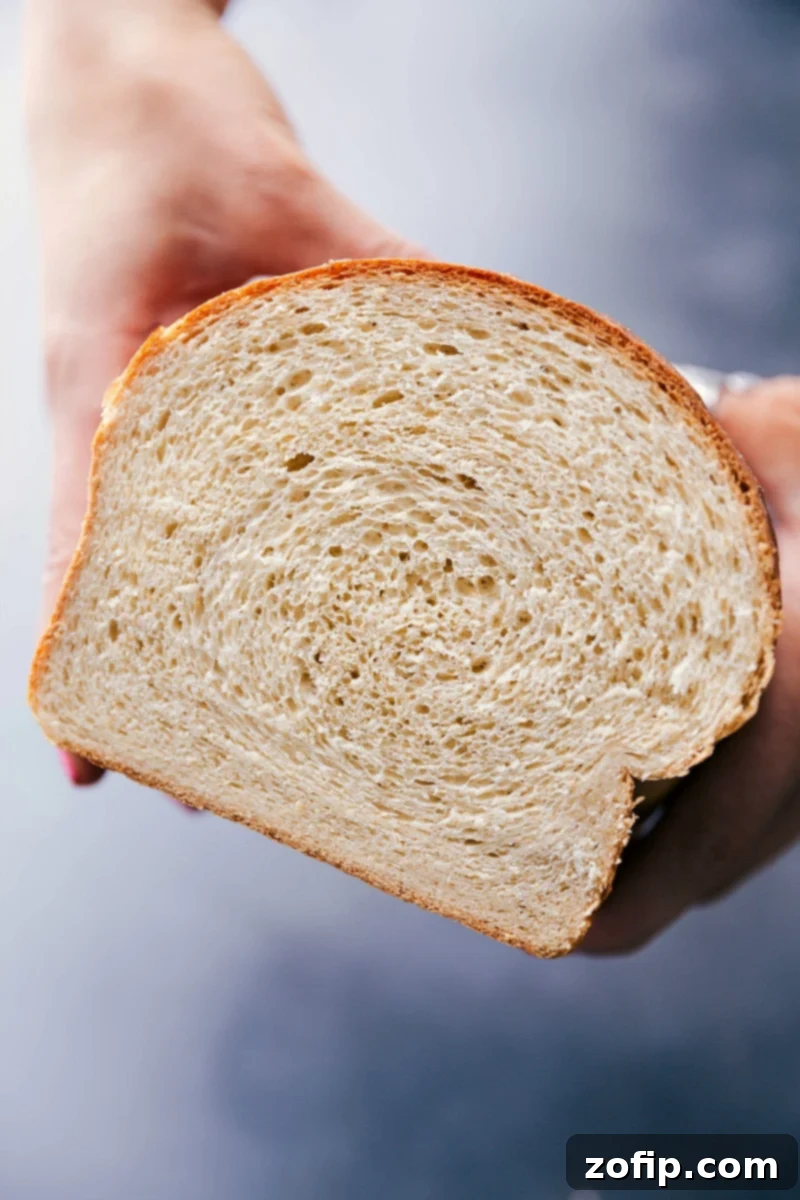
Honey Whole Wheat Bread: Your New Favorite Homemade Loaf
There’s nothing quite like the aroma of freshly baked bread filling your home. And when it comes to comfort and flavor, Honey Whole Wheat Bread stands out as a true classic. This isn’t just any bread; it’s a supremely soft, wonderfully chewy loaf with an irresistibly buttery crust that makes every slice a delight. Whether you’re crafting the perfect sandwich, enjoying a warm slice with your morning coffee, or simply craving the wholesome goodness of homemade whole grain bread, this recipe is guaranteed to become a staple in your kitchen.
Once you’ve mastered this wholesome delight, why not explore other baking adventures? Try our popular Classic White Bread recipe for another staple, or whip up a batch of these incredibly easy, no-knead Dinner Rolls to complete any meal!
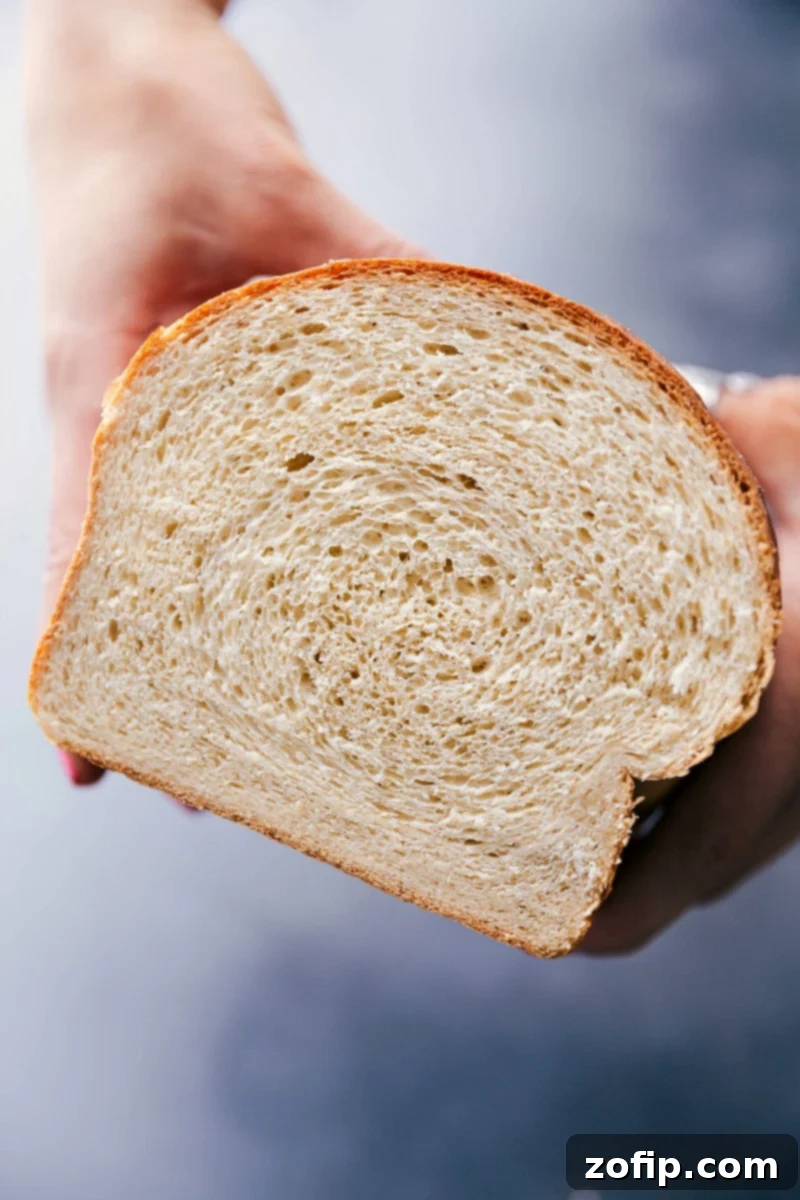
The Story Behind This Beloved Honey Whole Wheat Bread Recipe
This particular Honey Whole Wheat Bread recipe holds a special place in my heart, deeply inspired by the legendary honey-wheat bread served at a beloved restaurant where I once worked. That establishment was renowned for many things, from their exquisite Crème Brûlée to the complimentary mini loaves of bread with their famous Honey Butter, which they generously offered to waiting patrons. The bread was so incredibly popular that people would often line up just for a taste!
Naturally, I was desperate to get my hands on the recipe. After much persistence (and perhaps a bit of begging!), they kindly shared it with me. However, to my surprise, the original recipe was designed to yield an astonishing 600 mini loaves – a true challenge for any home baker! Bringing such a large-scale recipe into a home kitchen required some serious dedication.
Undeterred, I embarked on an extensive journey of adaptation and testing. This involved countless hours of “spreadsheet work” to meticulously scale down the quantities, followed by numerous baking trials. It was a labor of love, refining every measurement and technique until I finally achieved perfection. The recipe I’m thrilled to share with you today is the culmination of that effort. While it might taste subtly different from the restaurant’s version, I can honestly say that my family and I find this homemade rendition even better – it truly captures the essence of wholesome goodness and homemade comfort.
Essential Ingredients for Your Perfect Whole Wheat Loaf
Crafting exceptional Honey Whole Wheat Bread starts with understanding the role of each ingredient. Here’s a closer look at what you’ll need and why it matters:
- Milk and Water: These liquids, warmed to the ideal temperature, are crucial for activating the yeast. The milk also adds richness and contributes to a softer crumb.
- Yeast (Active Dry or Instant): The magical leavening agent! Yeast consumes sugars and releases carbon dioxide, causing the dough to rise and giving your bread its light, airy texture.
- Sugar: More than just a sweetener, a small amount of sugar provides initial food for the yeast, helping it to activate and multiply effectively. It also adds a subtle sweetness to the finished loaf.
- Honey: The star of the show! Honey not only provides a distinct, natural sweetness that complements the whole wheat flavor but also acts as a humectant, retaining moisture and ensuring your bread stays soft and fresh for longer.
- Whole Wheat Flour: The MVP of nutrition and flavor! Whole wheat flour is packed with essential vitamins, minerals, and dietary fiber, contributing to a hearty texture and a wonderfully nutty taste. It’s what gives this bread its wholesome character.
- Bread Flour (or All-Purpose Flour): While whole wheat flour brings the nutrients, bread flour (with its higher protein content) is excellent for developing strong gluten, resulting in a chewier texture and better structure. All-purpose flour can be used as a substitute for a slightly softer crumb.
- Salt: A non-negotiable ingredient for flavor. Salt enhances the natural taste of the flour and honey, balances the sweetness, and also helps regulate yeast activity, contributing to a more controlled rise.
- Melted Butter: This indulgent addition provides richness, an incredible depth of flavor, and contributes significantly to the tenderness of the bread’s crumb and the delicious buttery crust.
- Olive Oil: Used for greasing the mixing bowl, it prevents the dough from sticking during its initial rise, making it easier to handle and ensuring a smooth first proof.
Quick Tip: Perfecting Yeast Activation Temperature
Unsure if your milk and water mixture is at the right temperature for yeast? Try the wrist test! Drizzle a few drops of the warmed liquid onto the inside of your wrist. It should feel comfortably warm, like a baby’s bathwater. If it feels hot, it’s too hot for the yeast and will likely kill it, preventing a proper rise. If it feels cold or lukewarm, it’s too cold, and the yeast will remain dormant, failing to activate. Aim for that perfect comfortable warmth!
Step-by-Step Guide: How to Make Honey Whole Wheat Bread
Baking homemade bread is a rewarding process, and with these detailed steps, you’ll achieve a magnificent loaf of Honey Whole Wheat Bread:
- Activate the Yeast: In the bowl of a stand mixer, combine the warm milk and water. Sprinkle the yeast over the liquids, followed by the sugar. Give it a gentle whisk and let it sit undisturbed for 5-10 minutes. This crucial step, known as “proofing,” allows the yeast to activate. You’ll know it’s ready when a visible layer of foam forms on the surface, indicating the yeast is alive and well. If no foam appears, your yeast might be old or the liquid temperature was off, and you’ll need to start again with fresh yeast and properly warmed liquids.
- Incorporate Honey and Whole Wheat Flour: Stir the honey into the foamy yeast mixture. Then, add the whole wheat flour. Using your stand mixer’s beater attachment, mix until just combined. This step allows the whole wheat flour to hydrate, developing flavor and improving dough structure. Let this mixture rest for 10 minutes.
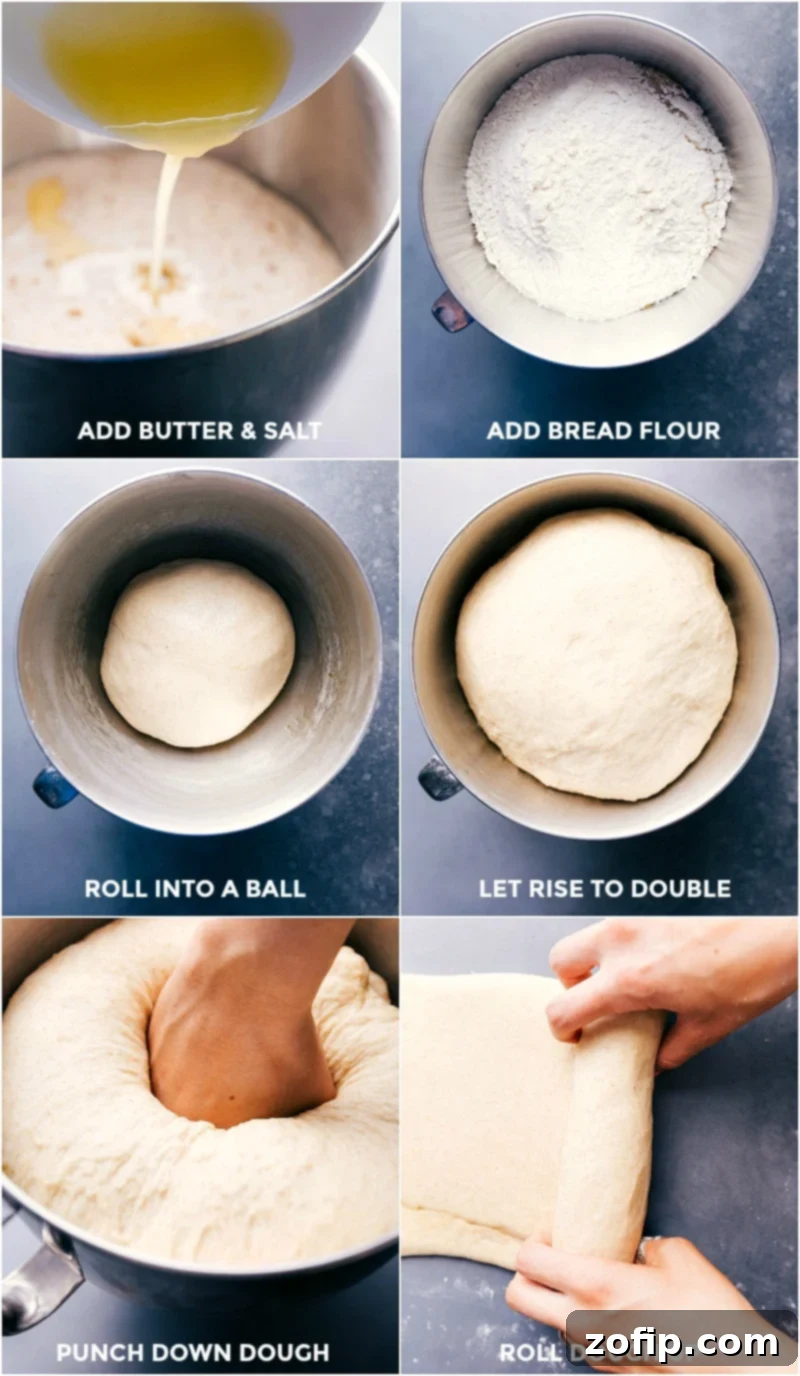
- Add Butter, Salt, and Bread Flour: While the whole wheat mixture is resting, melt your butter and allow it to cool slightly to room temperature. Stir the salt into the melted butter. Once the 10-minute resting period is up, switch to the dough hook attachment on your stand mixer. Gradually add 4 cups of bread flour (or all-purpose flour) to the mixture. Pour in the cooled butter and salt mixture, using a spatula to ensure all of it is incorporated into the dough.
- Knead Until Smooth and Elastic: Mix on low speed (speed 2 on a KitchenAid) until the dough starts to come together and gather around the dough hook, typically taking 2-3 minutes. If the dough remains overly sticky and doesn’t pull away from the sides of the bowl, add more bread flour, one tablespoon at a time, up to an additional half-cup, until it forms a cohesive ball around the hook. Once the dough has formed, increase the mixer speed to medium (speeds 4-6) and knead for a full 10 minutes. If kneading by hand, this process will take approximately 10-12 minutes, developing the gluten for a superior texture.
- First Rise (Proofing): Lightly grease a large bowl with olive oil. Shape the kneaded dough into a smooth ball and place it in the prepared bowl, turning it once to coat all sides with oil. Cover the bowl tightly with a damp cloth or plastic wrap and place it in a warm, draft-free spot. Allow the dough to rise until it has doubled significantly in size, which usually takes about 1 hour, depending on your ambient temperature.
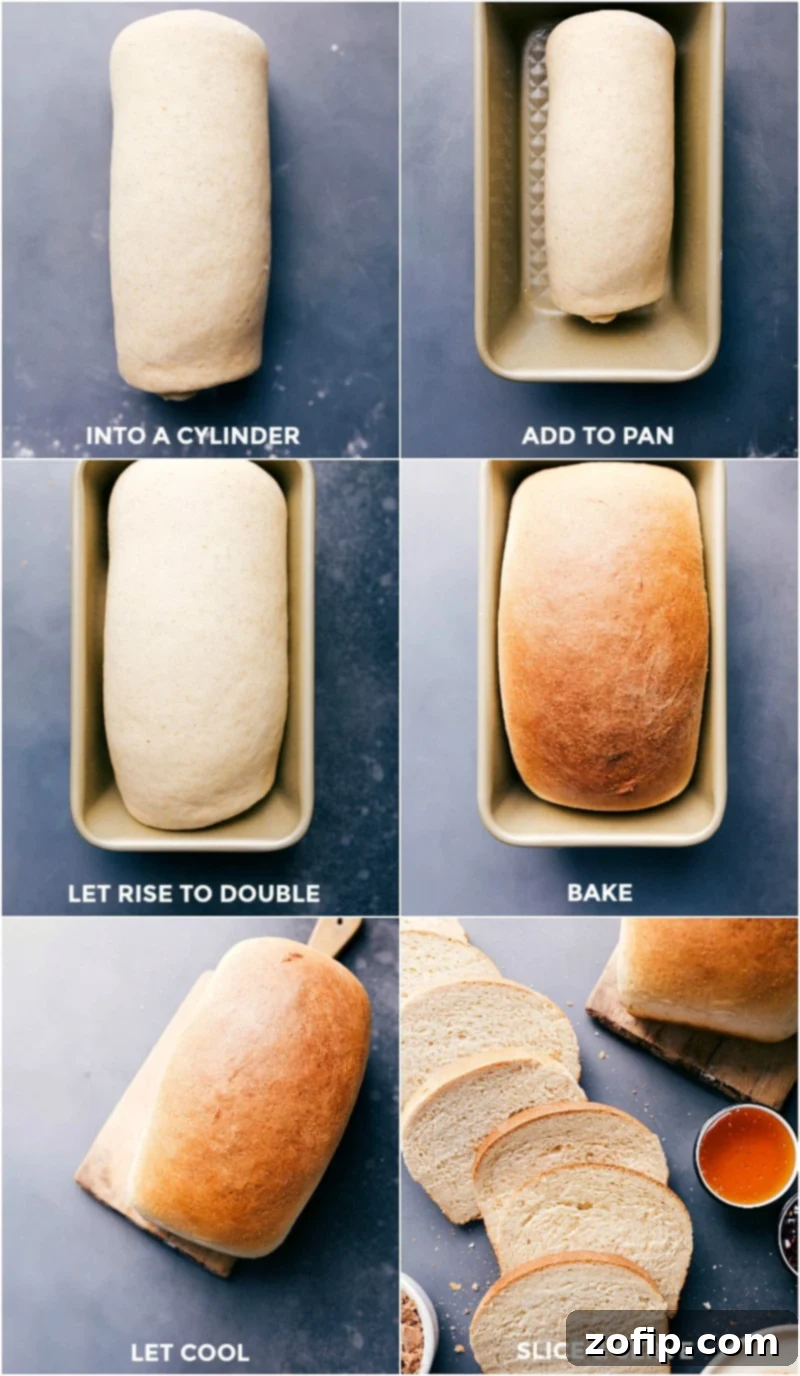
- Shape Loaves and Second Rise: Gently punch down the risen dough to release the air. Transfer it to a lightly floured surface and divide it into two equal portions. For precision, a food scale can be very helpful here. Shape each portion into a neat loaf, either by rolling it out into a rectangle and then tightly into a cylinder, or by hand-shaping (see “Recipe Notes” for shaping tips). Place each shaped loaf into a greased 8.5 x 4.5-inch bread pan. Cover the pans again with a damp cloth and let them rise in a warm place for another hour, or until the loaves have doubled in size and look puffy.
- Bake to Golden Perfection: While your loaves are undergoing their second rise, preheat your oven to 375°F (190°C). Once fully risen, bake the loaves for 30-35 minutes, or until they are golden brown and sound hollow when tapped on the bottom. Immediately after removing them from the oven, brush the tops with a little extra melted butter for an even softer crust and added flavor. Allow the bread to cool in the pans for about 15 minutes before carefully transferring them to a wire rack to cool completely. For the best slicing and texture, wait at least 30 minutes before cutting into your delicious homemade bread.
Expert Tips for Baking Flawless Honey Whole Wheat Bread
Achieving bakery-quality Honey Whole Wheat Bread at home is simpler than you think with these crucial tips:
- Respect Rising Times: Patience is key in bread making! Do not rush the rising periods. Allowing the dough to fully double in size during both the first and second proofing stages is essential for a light, airy crumb. Conversely, be mindful not to “over-proof” the dough, as this can lead to a deflated, crumbly, or gummy texture in the final product.
- Adjust Flour Amount Carefully: The amount of flour needed can vary based on factors like humidity, altitude, and even how you measure your flour. Always start with about 1/2 cup less flour than the recipe calls for. Gradually add more flour, one tablespoon at a time, until the dough is no longer excessively sticky but still maintains a moist and slightly tacky feel. A dry dough will result in dry, dense bread.
- Kneading Techniques: When kneading, especially with a stand mixer, avoid the temptation to heavily flour your work surface or add too much extra flour directly to the dough. If the dough is sticky, use a dough scraper or a metal spatula to manage it, rather than continually adding flour. For hand kneading, lightly coat your hands and counter with a neutral cooking spray or a very small amount of olive oil instead of excess flour to prevent sticking without altering the dough’s hydration.
- Accurate Flour Measurement: Precision in measuring flour is vital. Avoid scooping flour directly from the bag with your measuring cup, as this compacts the flour and can add up to 25% more than intended. Instead, use the “spoon and level” method: spoon flour into your measuring cup until it overflows, then level off the top with the back of a knife or straight edge.
- Ensure Yeast Freshness: Active yeast is paramount for a good rise. Always check the expiration date on your yeast package. If you’re unsure, you can “proof” a small amount of yeast in warm water with a pinch of sugar. If it foams within 5-10 minutes, it’s good to go! For more detailed guidance, this post from King Arthur Baking offers excellent advice on checking yeast freshness.
- Cool Freshly Ground Wheat: If you’re using freshly ground whole wheat flour, ensure it has cooled completely to room temperature before incorporating it into your dough. Freshly ground flour can be warm, and adding warm flour to your liquids could potentially raise the temperature too high and kill the delicate yeast.
Honey Whole Wheat Bread FAQs
Can I Use Instant Yeast Instead Of Active Dry Yeast?
Absolutely! While this recipe primarily recommends active dry yeast for its consistent results, instant yeast will also work perfectly. The main difference is that active dry yeast usually requires a separate activation step (proofing in warm liquid), whereas instant yeast can often be mixed directly into the dry ingredients. However, for best results and to ensure your yeast is active, proofing it with warm milk/water and sugar is always a good practice, even with instant yeast.
Why Is My Bread Dense?
Dense bread can be a common frustration for bakers. Several factors can contribute to this:
- Inactive or Dead Yeast: This is the most common culprit. If your yeast isn’t alive or hasn’t proofed adequately, the dough won’t rise, leading to a heavy, dense loaf. Always check yeast freshness.
- Incorrect Liquid Temperature: If your milk and water are too hot, they can kill the yeast. If they are too cold, the yeast will remain dormant. Aim for a comfortable warmth (around 105-115°F or 40-46°C).
- Too Much Flour: Adding excessive flour makes the dough stiff and difficult to rise. Always add flour gradually and err on the side of a slightly sticky dough.
- Insufficient Kneading: Proper kneading develops the gluten network, which traps gases and gives bread its airy structure. Under-kneaded dough results in a weaker structure and a dense crumb.
- Over-Proofing or Under-Proofing: Both can lead to issues. Under-proofed dough hasn’t developed enough gas, while over-proofed dough can collapse in the oven, leading to a dense texture.
- Too Much Salt: While necessary for flavor, too much salt can inhibit or even kill yeast activity, resulting in poor rise.
- Low-Protein Flour: Using flour with insufficient protein (like some cake flours) can also lead to a dense crumb, as it won’t develop a strong gluten structure. Bread flour is usually recommended for its higher protein content.
How Can You Tell If The Bread Is Done?
Knowing exactly when your bread is perfectly baked can be tricky, but these indicators will help you achieve success:
- Visual Check: The crust should have a rich, golden-brown color. It should appear firm and dry to the touch, not pale or doughy.
- Internal Temperature: For the most accurate assessment, use an instant-read thermometer. Insert it into the center of the loaf; it should register between 190-200°F (88-93°C). This ensures the interior is fully cooked and the starch has gelatinized properly.
- The Tap Test: Gently remove the loaf from its pan and turn it upside down. Give the bottom crust a firm tap with your knuckles. If it sounds hollow, it’s a good sign that the bread is done and the interior is cooked through. If it sounds dull or doughy, it likely needs more time in the oven.
- When in Doubt: It’s generally better to slightly over-bake your bread than to under-bake it. An under-baked loaf will be gummy and unpleasant. If you consistently face issues, consider calibrating your oven temperature, as many home ovens can be inaccurate.
Storing Your Homemade Honey Whole Wheat Bread
Proper storage is essential to maintain the freshness and delightful texture of your homemade Honey Whole Wheat Bread:
For short-term storage, keep the bread at room temperature in a cool, dry place. A well-sealed airtight plastic bag is ideal for preventing it from drying out, keeping it wonderfully soft for up to 2-3 days. Avoid storing homemade bread in the refrigerator, as the cool temperatures can actually accelerate the staling process, making your bread firm and dry faster.
If you wish to preserve your bread for longer, it freezes beautifully! You can freeze the entire loaf, or for added convenience, slice it first before freezing. Wrap individual slices or the whole loaf tightly in plastic wrap, then place it in a freezer-safe bag or aluminum foil. Stored this way, your Honey Whole Wheat Bread will remain fresh for up to 3 months. When ready to enjoy, simply take out individual slices as needed and toast or thaw at room temperature.
More Delightful Baking Projects to Try
Love baking? Here are some other fantastic recipes to expand your culinary repertoire:
- Homemade Cinnamon Rolls with a luscious cream cheese glaze – perfect for a weekend breakfast!
- Our Fool-Proof French Bread recipe, a crusty and tender delight that’s surprisingly easy to make.
- Indulge in our reader-favorite Chewy Chocolate Chip Cookies – the ultimate classic treat.
- For a moist and flavorful quick bread, try our Easy Banana Bread, made even better with a touch of Greek yogurt.
- Satisfy your sweet tooth safely with our Edible Brownie Batter – no eggs and heat-treated flour for worry-free snacking.
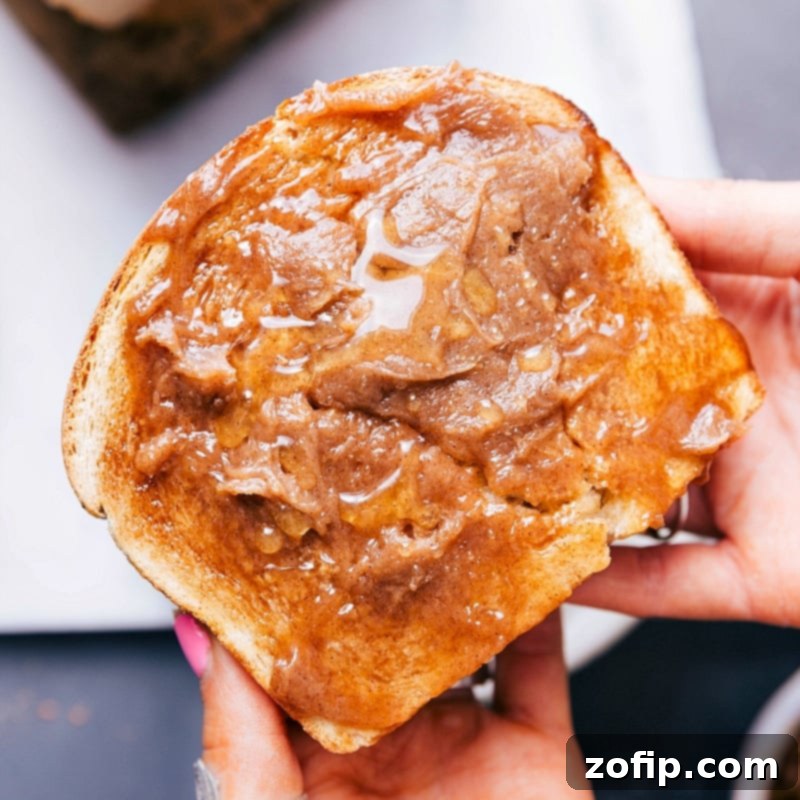
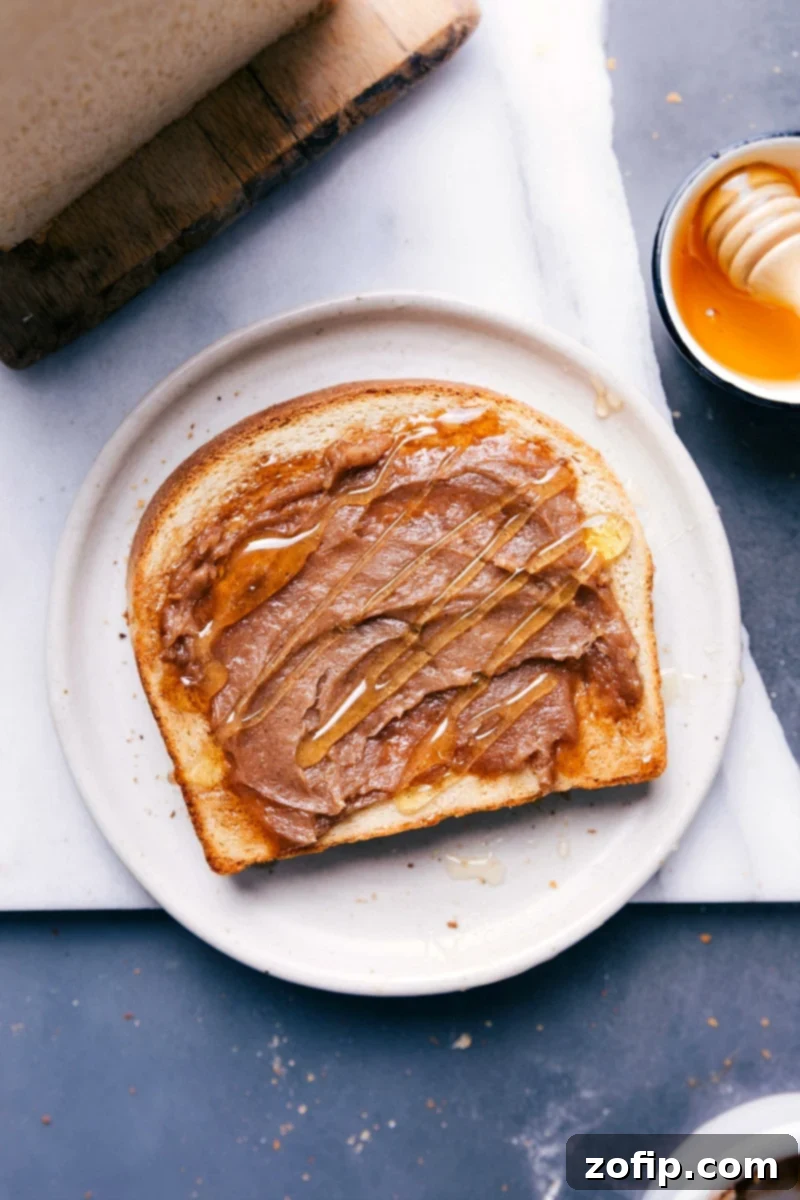
And remember, the only thing that can truly elevate this incredible Honey Whole Wheat Bread to heavenly status? A generous slathering of our irresistible Homemade Honey Butter!

★
★
★
★
Honey Whole Wheat Bread
Chelsea Lords
20
30
2
2
50
2 loaves of bread (24 slices)
Video Overview
Equipment
- Stand mixer with paddle attachment
- 2 8.5 x 4.5-inch bread pan
Ingredients
- 1 cup whole milk warm (110℉ / 43°C)
- 1 cup water warm (110℉ / 43°C)
- 1 tablespoon instant yeast or active dry yeast
- 1 teaspoon sugar
- 1/2 cup honey
- 2 cups whole wheat flour
- 4 cups bread flour or all-purpose flour, plus extra as needed, see note 1
- 1 tablespoon salt
- 6 tablespoons butter melted
- 1/2 tablespoon olive oil
- Unsalted butter optional, for brushing tops of baked bread slices
Instructions
- In a stand mixer bowl, combine warm milk and water. Sprinkle yeast over the liquids, then sprinkle sugar on top. Whisk together briefly and let stand for 5–10 minutes, until foamy. If no foam forms, you’ll need to start again (either yeast is too old or liquid too warm).
- Pour honey into the yeast mixture and add whole wheat flour. Use the beater attachment to stir until just combined. Let this mixture sit for 10 minutes.
- While the mixture sits, melt butter and let it cool to room temperature. Stir salt into butter. Set aside.
- After 10 minutes, switch to the dough hook. Gradually add 4 cups of bread or all-purpose flour. Add the butter and salt mixture, using a spatula to scrape it all into the dough. Mix on low (speed 2) until the dough comes together around the hook (about 2–3 minutes). If the dough sticks to the bowl, add more flour, 1 tablespoon at a time, up to 1/2 cup extra, until it gathers around the hook.
- Once dough has gathered around hook, increase speed to medium (speed 4–6) and knead for 10 minutes. Keep an eye on your mixer—it may move. If kneading by hand, knead for about 10–12 minutes.
- Grease a large bowl with olive oil. Shape the dough into a ball and place it in the bowl, turning to coat it in the oil. Cover with a damp cloth and let rise in a warm place until doubled in size, about 1 hour.
- Punch down the dough and divide it into 2 equal parts (a food scale can help). Shape each half into a loaf (see note 2) and place in greased 8×4-inch bread pans. Cover with a damp cloth and let rise for another hour, or until doubled in size.
- Preheat oven to 375°F (190°C). Bake the loaves for 30–35 minutes. Brush the tops with butter as soon as they come out of the oven. Let the bread cool in the pans for 15 minutes, then transfer to a wire rack to cool for at least 30 minutes before slicing.
Recipe Notes
Note 2: Shaping the Dough: To shape the dough into a loaf, you have two primary methods: either roll it out with a rolling pin into a rectangle and then tightly roll it into a cylinder, or shape it by hand into an oblong loaf. If you find the dough difficult to work with and it keeps springing back, let it rest for 10 minutes. This resting period allows the gluten to relax, making the dough much easier to handle and shape.
Storage: To keep this delicious bread fresh, store it at room temperature in an airtight plastic bag, in a cool, dry place, for 2–3 days. Avoid refrigerating it, as the cold temperatures tend to make bread stale more quickly. For longer preservation, you can freeze the bread for up to 3 months. For convenience, consider slicing the bread before freezing so you can easily take out individual slices as needed.
Nutrition Information
Calories: 172kcal |
Carbohydrates: 30.5g |
Protein: 4.7g |
Fat: 3.8g |
Cholesterol: 7.8mg |
Fiber: 1.8g |
Sugar: 8g
Nutrition information is automatically calculated and should be used only as an approximation.
Love this recipe? Leave a comment below!