Effortless & Flavorful Couscous: The Ultimate Quick Side Dish Recipe Guide
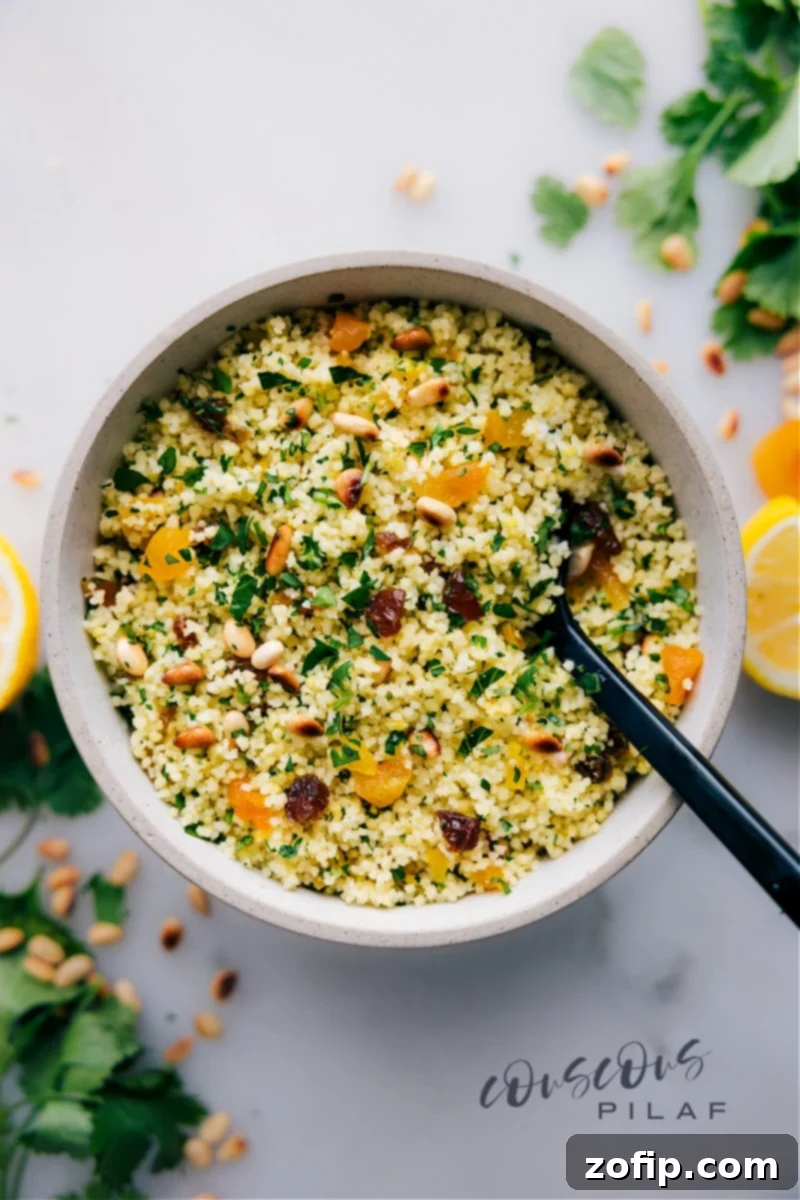
This **Couscous Recipe** is quick, easy, and incredibly versatile! Ready in mere minutes, it’s perfect served plain or elevated with an array of fresh herbs, succulent dried fruit, or crunchy toasted nuts. The choice is entirely yours to customize this delightful North African staple.
What Is Couscous? An Essential North African Staple
Couscous, a beloved North African culinary gem, is crafted from small, steamed granules of semolina wheat. Historically, it was made by hand, involving durum wheat being crushed, moistened, and rolled into tiny spheres, then sieved and steamed. Today, the most common variety found in grocery stores, particularly in the U.S., is often referred to as “instant couscous.” This pre-steamed and dried version dramatically shortens cooking time, making it an incredibly convenient grain.
Its primary appeal lies in its rapid preparation and remarkable ability to absorb flavors. Think of it as a blank canvas, eagerly soaking up the aromatic liquids and seasonings you introduce. This characteristic makes couscous an ideal accompaniment to a vast array of dishes, from rich stews to light salads. It’s a fantastic alternative to rice or pasta when you need something quick, satisfying, and adaptable.
It’s important to note that traditional couscous is wheat-based, which means it contains gluten. For those following a gluten-free diet, excellent alternatives such as quinoa or millet can be prepared using similar rapid-cooking methods to achieve a comparable texture and versatility.
Choose Your Grain: What Type of Couscous To Use
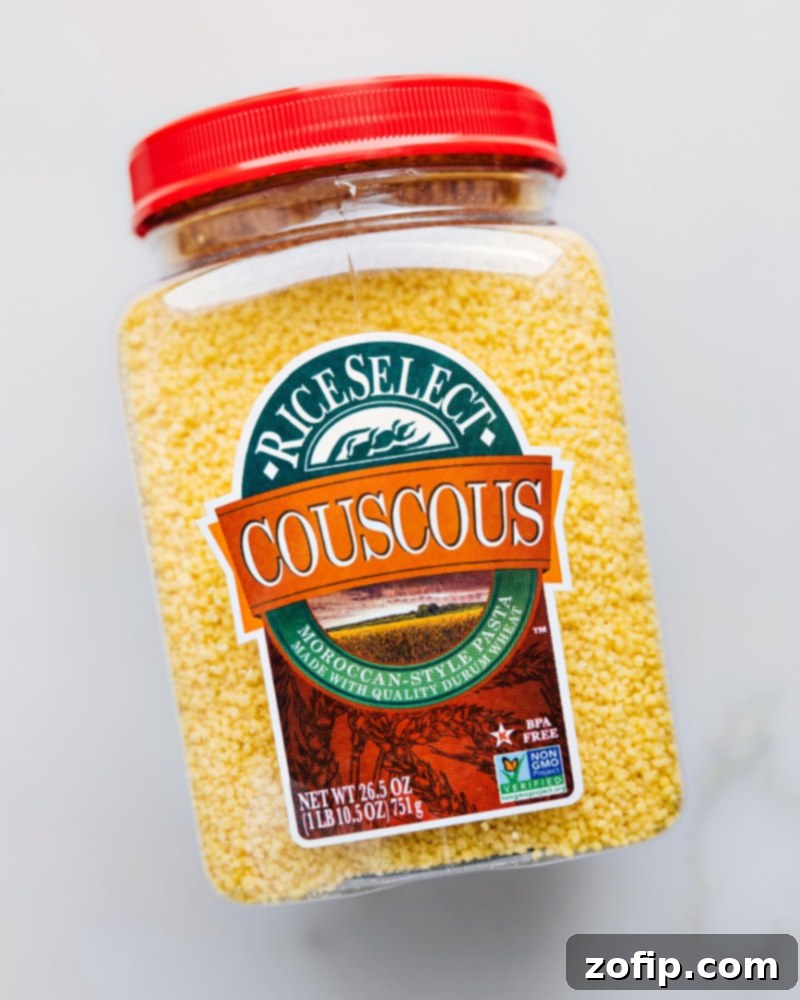
While often used interchangeably, there are distinct types of couscous, each with unique characteristics and best uses. Understanding these differences will help you select the perfect variety for your culinary creation and achieve the desired texture and flavor profile.
| Type | Also known as | Size & Texture | How to Cook |
|---|---|---|---|
| Moroccan Couscous | Small-grain couscous, fine-grain couscous | Tiny, light, and fluffy when cooked, resembling fine sand. It has a delicate mouthfeel. | The simplest to prepare. Bring liquid to a boil, remove from heat, stir in couscous, cover for 5 minutes, then fluff with a fork. It’s designed for speed. |
| Pearl Couscous | Israeli couscous, maftoul (Palestinian) | Larger, pearl-shaped grains, about the size of peppercorns. It offers a chewier, pasta-like texture. | Often toasted in a little oil first to enhance nutty flavor, then simmered in salted broth for 8 to 10 minutes until tender. Similar to cooking pasta, drain if any liquid remains. |
Quick Tip: Selecting the Right Couscous for Your Dish
For dishes where you desire a heartier, more substantial bite, Israeli (pearl) couscous is an excellent choice. Its chewy texture makes it ideal for Couscous Soup, a robust Summer Salad, or an Italian Salad, where it can stand up to other ingredients without getting lost.
Conversely, when you need a light, fluffy, and quick-cooking base or side, opt for Moroccan (small) couscous. It blends seamlessly into dishes like Sweet Potato Couscous Bowls, pairs beautifully with Shrimp Couscous, or forms the foundation for a vibrant Mediterranean Couscous Salad. This recipe specifically focuses on the quick preparation method for Moroccan couscous.
Elevate Your Plate: How To Make This Couscous Recipe Tastier
While delicious on its own, couscous truly shines when enhanced with additional ingredients. Here are several simple ways to transform plain couscous into a vibrant, flavorful dish that complements any meal:
- Boost with Broth: Always opt for savory chicken or vegetable stock (broth) instead of plain water. This instantly infuses your couscous with a richer, deeper flavor foundation, making it far more palatable.
- Fresh Herb Infusion: Stir in a generous handful of finely chopped fresh herbs like bright cilantro, aromatic parsley, or cool mint. Herbs add a burst of freshness and color, lifting the entire dish.
- Sweet & Chewy Accents: Incorporate diced dried fruits such as apricots, cranberries, golden raisins, or even chopped dates and figs. These provide a delightful sweetness and a pleasant chewy texture contrast.
- Crunchy Toasted Nuts: For an added layer of texture and nutty flavor, mix in toasted nuts. Almonds, pine nuts, pistachios, or walnuts are excellent choices. Toasting them briefly in a dry skillet before adding enhances their aroma and crunch.
- Bright Citrus Zest: A squeeze of fresh lemon or orange juice, along with a sprinkle of their zest, can add a tangy, bright, and invigorating flavor profile, cutting through richness and awakening the palate.
- Aromatic Spices: Introduce a pinch of warm spices like ground cumin, coriander, a touch of paprika, or even turmeric for a hint of color and earthy depth, steering the dish towards a more Mediterranean or Middle Eastern feel.
- Vegetable Medley: Fold in finely diced and pre-cooked vegetables such as roasted bell peppers, sautéed zucchini, steamed broccoli florets, or even roasted carrots for added nutrients, texture, and natural sweetness.
Storage and Reheating
Once your delicious couscous is cooked and has cooled to room temperature, it can be stored in the refrigerator for up to 3-4 days. To ensure freshness and prevent it from drying out, transfer the leftovers to an airtight container before placing it in the fridge.
When you’re ready to enjoy it again, reheating is simple. You can warm it gently in the microwave, adding a splash of water or broth to help refresh its texture and prevent it from becoming clumpy. Alternatively, reheat it on the stovetop over low heat, stirring occasionally, again with a little liquid to bring back its original fluffiness.
Perfect Pairings: What To Serve With This Couscous Recipe
Couscous is an incredibly versatile side dish, capable of complementing a wide variety of main courses. Its neutral yet absorptive flavor makes it a fantastic canvas for many cuisines. Here are some inspired ideas to pair with your freshly made couscous:
Main Dishes That Love Couscous:
Soups And Stews
Crockpot Beef Stew
Dinner
Grilled Chicken Marinade
Side Dishes
Roasted Sweet Potatoes
Dinner
Coconut Curry Chicken
More Serving Inspiration:
- Mediterranean Mains: Pair with grilled lamb kofta, chicken shawarma, or baked fish seasoned with lemon and herbs.
- Vegetarian Feasts: Serve alongside roasted vegetable platters, lentil stews, or a hearty chickpea curry for a complete meal.
- Soups & Salads: Excellent with a bowl of warm lentil soup or as a base for cold grain salads with fresh vegetables and a vinaigrette dressing.
- Breakfast Bowls: Believe it or not, a sweetened couscous with milk, honey, nuts, and fruit can make a delightful breakfast.
Print Recipe
Basic & Flavorful Couscous
Chelsea Lords
10
5
15
4 servings, as a side
Equipment
- Medium pot with a tight-fitting lid
Ingredients
- 1 cup Moroccan (small-grain) couscous (see Note 1 below for important details on couscous type)
- 1 cup chicken stock or vegetable stock for best flavor; water will also work
- 2 teaspoons extra virgin olive oil
- 1/4 teaspoon sea salt
- 3 tablespoons finely chopped fresh herbs (a delightful combo of cilantro and flat-leaf parsley is recommended)
- 1 large lemon (for zest and juice)
- 1/4 cup diced dried apricots or currants or golden raisins, packed (or a beautiful combo of all three!)
- 2 tablespoons toasted pine nuts (see Note 2 for toasting instructions)
Instructions
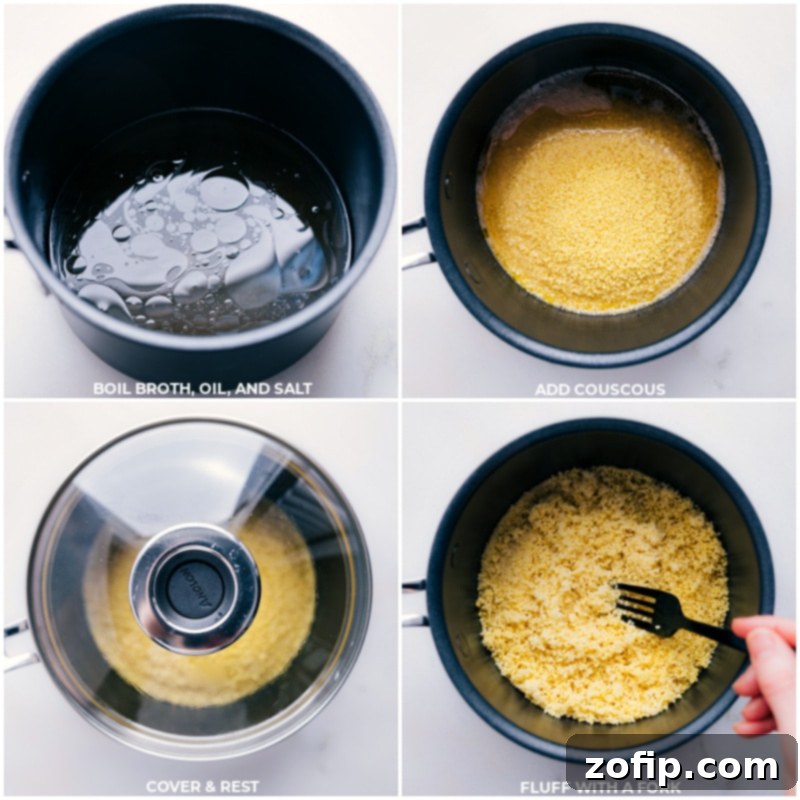
- In a medium-sized pot with a tight-fitting lid, combine your chosen stock/broth, the olive oil, and salt. Bring this mixture to a rolling boil over high heat.
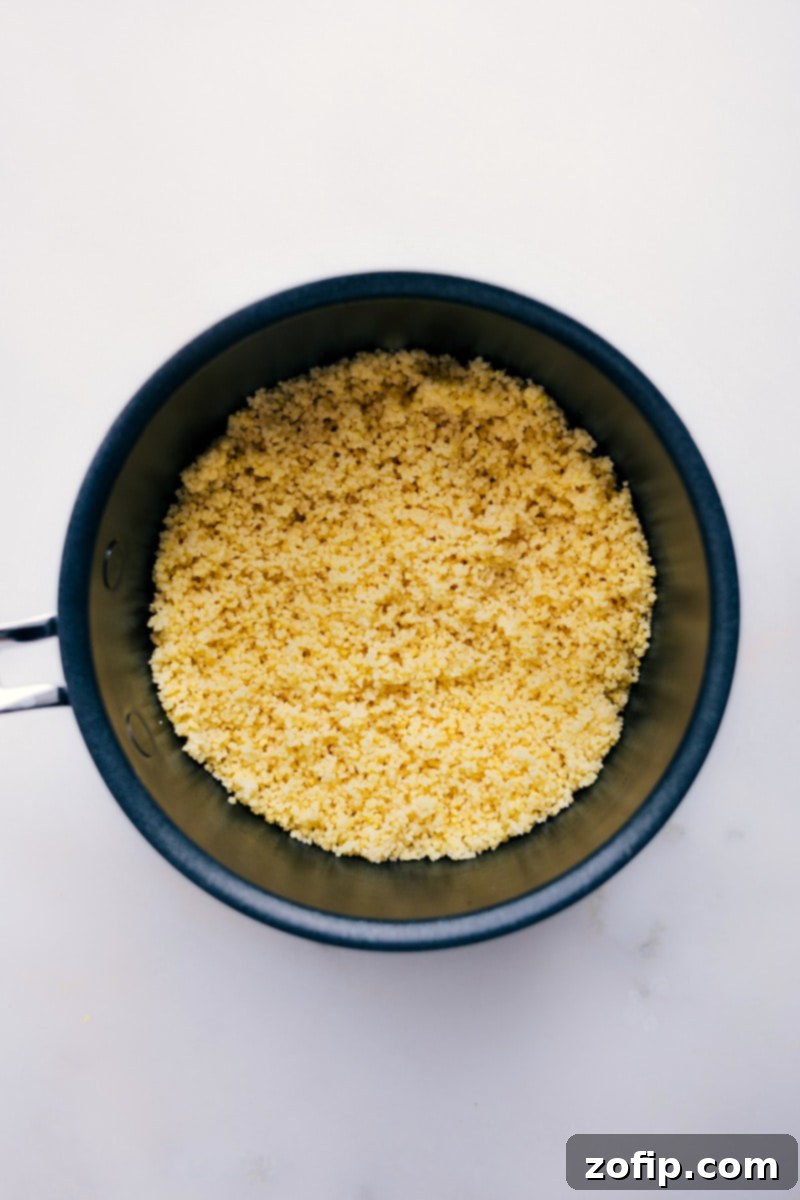
- Once the liquid is vigorously boiling, immediately remove the pot from the heat source. Stir in the couscous, ensuring it is evenly distributed in the hot liquid. Gently press the couscous into an even layer, then quickly cover the pot tightly with its lid (or secure plastic wrap snugly over the top). Let it sit undisturbed and steam for precisely 5 minutes. Resist the urge to peek!
- After 5 minutes, carefully remove the lid. Using a fork, gently fluff the couscous, separating the grains and breaking up any small clumps that may have formed. This step is crucial for achieving that characteristic light and airy texture.
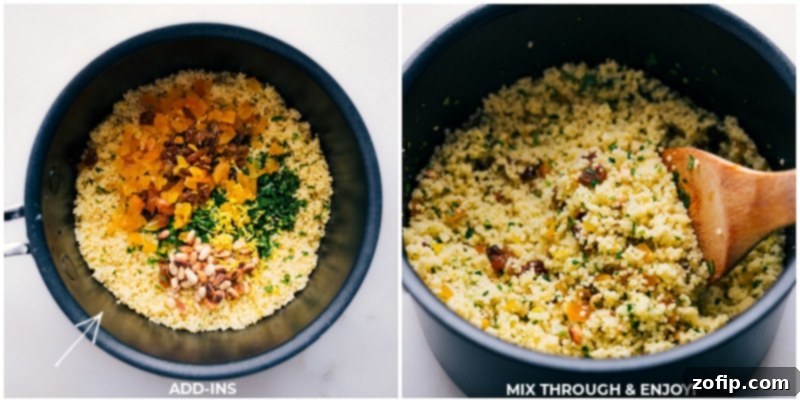
- **To Jazz It Up (Optional):** If you desire a more vibrant and flavorful couscous, now is the time to add your chosen optional ingredients. For the lemon, we recommend adding 1/2 teaspoon of fresh lemon zest for aromatic brightness and 2 tablespoons of fresh lemon juice for a tangy lift. Gently stir through the chopped herbs, dried fruits, and toasted nuts. Keep the couscous warm until you are ready to serve.
Recipe Notes
Note 2: Perfect Toasted Pine Nuts. Toasting nuts, especially pine nuts, dramatically enhances their flavor and aroma, adding a delightful depth and crunch to your couscous. To toast pine nuts, place them in a dry (no oil needed) skillet over medium heat. Stir them frequently and watch them very closely, as they can burn quite quickly due to their high oil content. Toast the pine nuts for approximately 3–5 minutes, or until they turn a beautiful lightly golden brown and release a fragrant, nutty aroma. Immediately remove them from the heat and transfer them to a separate plate to cool slightly before stirring them into your couscous. This stops the cooking process and prevents further browning.
Storage: As mentioned above, cooked couscous stores well! Transfer any cooled leftovers to an airtight container and keep it in the fridge for up to 3–4 days. To reheat, warm in the microwave or on the stovetop with a splash of water or broth to restore its fluffy texture.
Nutrition
Nutrition information is automatically calculated and should be used as an approximation. It may vary based on specific ingredients and preparation methods.
Frequently Asked Questions About Couscous
- Is couscous gluten-free? No, traditional couscous is made from wheat (semolina), so it contains gluten. If you need a gluten-free option, consider using quinoa or millet, which can be cooked similarly.
- Can I use water instead of broth? While water will work, using chicken or vegetable stock significantly enhances the flavor of your couscous. Broth adds depth and richness that water cannot provide, resulting in a tastier dish.
- How do I prevent my couscous from being sticky or clumpy? The key is to use the correct liquid-to-couscous ratio (typically 1:1 for instant Moroccan couscous), ensure your liquid is boiling before adding the couscous, and most importantly, fluff it thoroughly with a fork after steaming. Avoid overcooking, as this can also lead to stickiness.
- What’s the best way to add flavor? Beyond using broth, fresh herbs, citrus zest and juice, dried fruits, and toasted nuts are fantastic for adding layers of flavor and texture. Experiment with different combinations to find your favorite!
- Can I make couscous ahead of time? Yes, couscous can be made ahead and stored in an airtight container in the refrigerator for up to 3-4 days. Reheat it with a splash of water or broth to restore its moisture and fluffiness.
Unleash Your Creativity: Make This Couscous Your Own
The beauty of couscous lies in its adaptability. Don’t hesitate to experiment with different additions and spices to create a dish that perfectly suits your taste and complements your meal. Here are more ideas to inspire you:
- Add Colorful Vegetables: Enhance the nutritional value and visual appeal by mixing in finely diced and cooked vegetables. Think roasted sweet potatoes, charred corn, tender sautéed zucchini, or vibrant steamed broccoli florets.
- Experiment with Different Herbs: While cilantro and parsley are classics, try incorporating other fresh herbs like refreshing mint (especially good in a Mediterranean-style couscous), sweet basil, or tangy dill for varied flavor profiles.
- Swap Out Dried Fruits: Beyond apricots and raisins, consider chopped dates, dried figs, or even dried cherries for different notes of sweetness and texture. Ensure they are finely diced for even distribution.
- Boost with Protein: Transform your side dish into a more substantial meal by folding in cooked protein. Shredded chicken, tender shrimp, or hearty chickpeas (or other legumes like lentils) are excellent choices. A sprinkle of feta cheese also adds a delicious salty tang.
- Introduce Exotic Spices: Elevate the flavor profile with spices commonly found in North African and Middle Eastern cuisine. A pinch of ground cumin, coriander, smoky paprika, fragrant turmeric, or even a tiny dash of cayenne for heat can completely change the character of your couscous.
- Healthy Fats: A drizzle of high-quality extra virgin olive oil or a small pat of butter stirred in at the end can add richness and a beautiful sheen.
Loved this recipe? Share your thoughts below!