
Utah Scones are a truly unique culinary experience, unlike any other scone found globally! Forget the traditional European scones served elegantly with clotted cream and tea, or the savory American biscuits often paired with gravy. These remarkable scones are deep-fried pieces of a gloriously puffy flatbread, traditionally enjoyed hot with a generous sprinkle of powdered sugar, a drizzle of golden honey, and a dollop of rich butter. They’re a taste of authentic Utah tradition!

Utah boasts a culinary landscape as distinctive as its breathtaking natural beauty. From the legendary Fry Sauce, an indispensable condiment, to quirky desserts masquerading as salads like the infamous Strawberry Pretzel Salad, the comforting staple of Funeral Potatoes, an abundance of Jell-O in all its forms, and the ubiquitous soda shops on almost every corner, Utah’s food culture is full of surprises. Among these cherished local specialties, the Utah Scone stands out as a truly iconic and delightful treat.
What Exactly Are Utah Scones?
Globally, the term “scone” typically conjures images of a crumbly, often slightly sweet, baked good, akin to a cookie or biscuit, traditionally enjoyed with afternoon tea. However, in Utah, the definition takes a deliciously different turn. A Utah Scone is a generous piece of dough, deep-fried until golden brown and gloriously puffed, then served piping hot. This unique fried bread is typically finished with a tempting array of sweet toppings, transforming it into an irresistible dessert. It’s often described as a delightful cross between a classic American donut and traditional Fry Bread, offering the best of both worlds with its soft, airy interior and slightly crispy exterior.
This particular Utah Scone recipe promises an unbeatable experience. The dough magically puffs up during frying, resulting in a deeply golden-brown treat that boasts a lightly crisp outer layer, giving way to a wonderfully soft and chewy interior. The traditional combination of powdered sugar, honey, and butter adds a perfect balance of sweetness, making these scones an absolutely irresistible indulgence. While undoubtedly a fantastic dessert, it’s not uncommon to find these delightful fried doughs gracing breakfast tables across Utah, a testament to their versatile appeal!
The Distinctive Charm: Utah Scones vs. Traditional Scones & Biscuits
To truly appreciate the Utah Scone, it’s helpful to understand how it diverges from its namesake counterparts. European scones, particularly those from the UK, are typically denser, often studded with dried fruit, and baked. They are the quintessential accompaniment to afternoon tea, famously served with clotted cream and jam. Their texture is crumbly and delicate, a stark contrast to the hearty fried nature of the Utah version.
American biscuits, while also often made with flour, butter, and leavening agents, are usually savory or mildly sweet and baked until flaky. They are a staple of Southern cuisine, frequently enjoyed with gravy, fried chicken, or as breakfast sandwiches. Biscuits are designed to be split and filled, or to soak up rich sauces, offering a different kind of comfort food experience. The Utah Scone, on the other hand, embraces the deep fryer, transforming simple dough into a fluffy, golden canvas for sweet toppings. This method of cooking and its sweet presentation firmly establish the Utah Scone as a unique entity in the world of baked (or rather, fried) goods, carving out its own delicious niche.
Fry Bread vs. Utah Scones: A Culinary Clarification
While often compared and indeed sharing similar preparation methods, there’s a crucial distinction between Fry Bread and Utah Scones: one leans savory, the other sweet. Both are beloved in the region, but serve different culinary purposes.
Fry Bread is traditionally enjoyed as a savory component of a meal. It’s often used as a versatile bread substitute, perfect for creating hearty sandwiches or serving as the base for Navajo Tacos, where it replaces conventional tortillas. Its robust flavor and texture make it an excellent accompaniment for dipping into rich chili or a variety of soup recipes, adding a satisfying depth to savory dishes.
Conversely, Utah Scones are unequivocally sweet. Fresh out of the fryer, these warm, puffy delights are generously adorned with a combination of delectable toppings. Common choices include a generous drizzle of golden honey, a smear of creamy honey butter, sweet fruit jam, rich pancake syrup, a delicate vanilla sauce, or a simple dusting of powdered sugar. Some prefer them dredged in a cinnamon-sugar mixture for a delightful spiced crunch. The pairing of fried scones with honey butter and a sprinkle of powdered sugar appears to be the most prevalent and cherished topping combination throughout Utah, embodying the quintessential sweet experience.
Quick Tip: Versatile Utah Scones
While traditionally a sweet treat, don’t limit yourself! You can easily omit the sweet toppings and enjoy Utah Scones as a savory meal accompaniment. Imagine them with a sprinkle of savory spices, or even as a base for mini open-faced sandwiches. The possibilities for this recipe are practically endless!
The Irresistible Flavor Profile of Utah Scones
The taste of a Utah Scone is a delightful symphony of textures and flavors. If coated generously in cinnamon sugar, they bear a striking resemblance to a freshly made donut – warm, with a crisp, sugary crust that gives way to an ultra-soft, pillowy, and chewy interior. This makes them an instant crowd-pleaser, evoking nostalgic fairground treats.
When topped with the classic combination of honey and butter, the flavor transforms into a comforting, sweet fried dough experience. The slight saltiness of the butter perfectly balances the rich sweetness of the honey, creating a harmonious blend that highlights the warm, soft dough. Each bite offers a satisfying crunch from the fried exterior, followed by the comforting give of the tender bread. The overall sensation is one of pure indulgence, making it clear why these simple yet profound treats are so beloved in Utah.
Embarking on a Culinary Journey: Where to Find Utah Scones
If you’re fortunate enough to be visiting Utah, sampling one of our famous scones is an absolute must! These local gems can be found in various eateries, from bustling food trucks to quaint local restaurants. For those eager to embark on a delicious quest, here’s a helpful list of places where you can typically find authentic Utah Scones, especially around Salt Lake City.
However, if a trip to the Beehive State isn’t on your immediate itinerary, fret not! Bringing the taste of Utah home is surprisingly quick and simple. You might assume making a fried dough from scratch is a lengthy endeavor, but these scones defy expectations. One of the most appealing aspects of this recipe is the complete absence of any kneading or prolonged rising time. Unlike traditional bread recipes such as white bread, honey whole wheat bread, or dinner rolls, which demand patience as the dough slowly proves, Utah Scones can be prepared and fried shortly after the dough comes together. This makes them an ideal choice for a last-minute craving or a quick, impressive treat.
Mastering the Art of Utah Scone Preparation
The beauty of this Utah Scone dough lies in its simplicity and speed. It comes together remarkably quickly and, as mentioned, requires no lengthy rising time – a true blessing for home bakers! That said, a brief resting period of 15-20 minutes is highly recommended. This allows the gluten in the dough to relax, making it much easier to handle and shape into individual pieces before they hit the hot oil. This short rest ensures a tender, airy scone.
Once the dough has adequately rested, it’s time for the exciting part: frying! You have a couple of excellent options for achieving perfectly golden, puffy scones:
- Utilizing a Deep Fryer: For ultimate convenience and consistency, a dedicated deep fryer is an excellent investment. It simplifies the frying process significantly, often resulting in less mess thanks to a lid that contains splatters. Crucially, a deep fryer ensures a consistent oil temperature, which is paramount for even cooking and achieving that desirable crisp exterior and soft interior. You can set the temperature and practically forget about constant monitoring.
- Frying in a Deep Pot: If you don’t own a deep fryer, a heavy-bottomed, deep pot will work beautifully. We highly recommend using a large (5-quart) cast-iron pot due to its excellent heat retention. A reliable cooking thermometer is essential here to accurately gauge and maintain the oil’s temperature. Consistency is key; oil that is too hot will burn the outside before the inside cooks, while oil that is too cool will result in greasy, heavy scones.
- No Thermometer Trick 1: The Wooden Spoon Test: If a thermometer isn’t available, a classic trick involves dipping the handle of a wooden spoon into the hot oil. If small, steady bubbles vigorously gather around the wood, your oil is typically ready for frying at around 350-375°F (175-190°C).
- No Thermometer Trick 2: The Popcorn Kernel Test: Another clever method is to add a single kernel of unpopped popcorn to the cold oil as it heats. Popcorn kernels typically pop into popcorn when the oil reaches approximately 350°F (175°C). Once it pops, you know your oil has reached the ideal frying temperature!
Quick Tip: Minimize Mess While Frying
To significantly reduce oil splatters and keep your kitchen cleaner, always opt for a large, deep pot instead of a shallow skillet when frying. The high sides of a deep pot will contain the oil much more effectively, preventing it from popping out onto your stove and countertops. This simple change makes the frying process much more enjoyable!

Essential Tips for Perfect Utah Scones
Achieving the perfect Utah Scone is straightforward with these key considerations:
- Yeast is Present, But No Rising Time: This dough recipe does contain a small amount of yeast, which contributes to the flavor and slight puffiness. However, it’s crucial to understand that this recipe intentionally does not require a traditional rising time. The yeast acts more as a flavor enhancer and contributes to the dough’s texture rather than causing significant leavening before frying.
- Minimal Kneading is Key: Forget vigorous kneading! This dough thrives on minimal handling. In fact, the less you work the dough, the better. Over-kneading can develop too much gluten, resulting in tough scones. A few gentle turns to bring the dough together into a ball are all that’s needed.
- The Best Milk Choice: Whole Milk: Through extensive testing, whole milk has proven to be the superior choice for these scones. Its richness and higher fat content contribute significantly to both the luxurious flavor and the tender texture of the fried dough. While 2% or 1% milk can be used in a pinch, we strongly advise against using skim milk or most plant-based milk alternatives, as they often result in a less flavorful and drier scone.
- Understanding Dough Texture: Expect the dough to be somewhat shaggy and rough in appearance. It is designed to be fairly sticky, but not so sticky that it’s impossible to work with. If your dough feels excessively sticky, add a very small amount of extra flour, one tablespoon at a time, until it’s manageable. Be cautious not to add too much, as this can dry out the dough. Conversely, if the dough appears too dry and crumbly, a touch more warm milk might be needed. Remember that environmental factors like climate and humidity, as well as slight variations in measuring, can always affect dough consistency.
- Rustic Charm is the Goal: Don’t strive for perfectly smooth, uniform circles. When shaping the dough, embrace its natural, rustic character. The more bubbles, bumps, and irregular edges on your fried scone, the better! These imperfections create fantastic surface area for all those delicious toppings to cling to, ensuring every bite is flavor-packed. Simply press the dough out roughly with your hands; a rolling pin is entirely unnecessary and can even flatten out the potential for puffiness.

Serving and Storing Your Homemade Utah Scones
Optimal Enjoyment and Storage
Like almost all fried foods, Utah Scones are undeniably at their absolute best when served immediately, fresh out of the fryer. The delightful contrast of the crisp exterior and soft, warm interior is unparalleled during this fleeting window. For this reason, we generally do not recommend frying the scones significantly ahead of time.
Make-Ahead Dough: While frying immediately is ideal, the dough itself can be prepared in advance. After mixing, cover the dough tightly with plastic wrap or a damp kitchen towel and refrigerate for up to 8 hours. When you’re ready to fry, simply remove the dough from the fridge and allow it to come back to room temperature before shaping and frying. This flexibility makes them suitable for entertaining or busy mornings.
Keeping Them Warm: If you’re frying multiple batches and want to keep earlier scones warm while you finish, place an oven-safe cooling rack on top of a sheet pan. Arrange the freshly fried scones in a single layer on the cooling rack. Transfer the sheet pan to a preheated oven set to a low temperature (around 200°F or 95°C) until all the dough pieces are fried. This prevents them from getting soggy while staying warm.
Storage of Cooked Scones: If you do have leftovers, store the scones (before applying any wet toppings like butter, honey, or jam) loosely wrapped in plastic wrap at room temperature for 1-2 days. It’s important to note that the texture and flavor will inevitably suffer the longer the scones have been out of the fryer. They tend to lose their crispness and become slightly chewier, but can still be enjoyable.

Beyond the Scone: Exploring More Utah Culinary Delights
If you’ve enjoyed the unique taste of Utah Scones, you’ll love diving deeper into the state’s diverse and often surprising culinary traditions. Here are some more beloved Utah-inspired recipes that promise to bring a taste of the Beehive State to your kitchen:
- Honey and Banana Sandwich: A simple yet indulgent sandwich elevated with creamy mascarpone cheese, a delightful sweet treat.
- Crumbl Oreo Cookies: Did you know that Utah is the proud birthplace of the wildly popular Crumbl® cookies? Recreate their famous Oreo-inspired delights at home!
- Mint Brownies: Why settle for just brownies when you can have a decadent layer of mint frosting AND a rich chocolate ganache on top? A true Utah indulgence!
- Cafe Rio Dressing: Master the recipe for the best cilantro-lime ranch dressing, a beloved staple inspired by a local favorite restaurant.
- Sparkling Raspberry Lemonade: A refreshingly fizzy and sweet drink inspired by the vibrant offerings of local soda shops, a signature Utah beverage experience.

Saved
Pin
Utah Scones
Video
Equipment
- Deep fryer or a large/deep pot with thermometer (see note 1 in Recipe Notes for details)
Ingredients
- 2 tablespoons unsalted butter melted and cooled to room temperature
- 2-1/3 cups all-purpose flour
- 2 teaspoons baking powder
- 2 teaspoons granulated sugar
- 1/2 teaspoon instant yeast or active dry yeast
- 1/2 teaspoon salt
- 1 cup warm milk whole milk recommended (see note 3)
- 1 tablespoon vegetable oil plus additional for frying
- Toppings as desired see note 2 in Recipe Notes for suggestions
Instructions
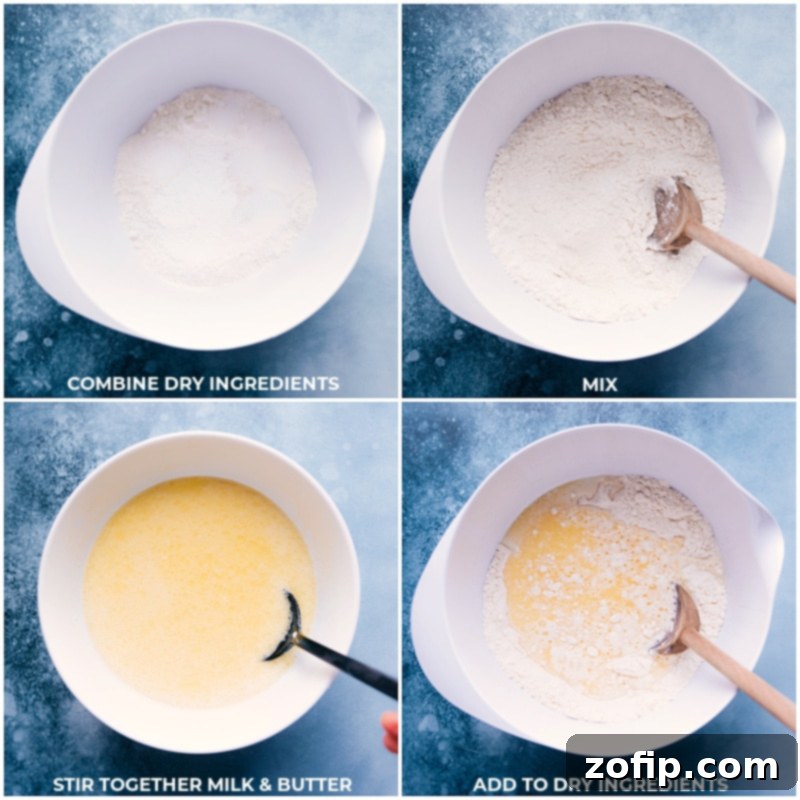
- Melt the butter in the microwave, then set it aside to cool completely back to room temperature (it’s crucial it’s not hot for the yeast). Gently warm the milk in the microwave until it is just warm to the touch (refer to note 3 in the Recipe Notes), ensuring it is not hot. Combine the melted butter and warm milk in a small bowl and set aside. In a large mixing bowl, add the all-purpose flour, granulated sugar, baking powder, instant yeast, and salt. Whisk these dry ingredients together thoroughly to combine. Pour the milk mixture into the dry ingredients and stir with a wooden spoon until a cohesive dough forms.
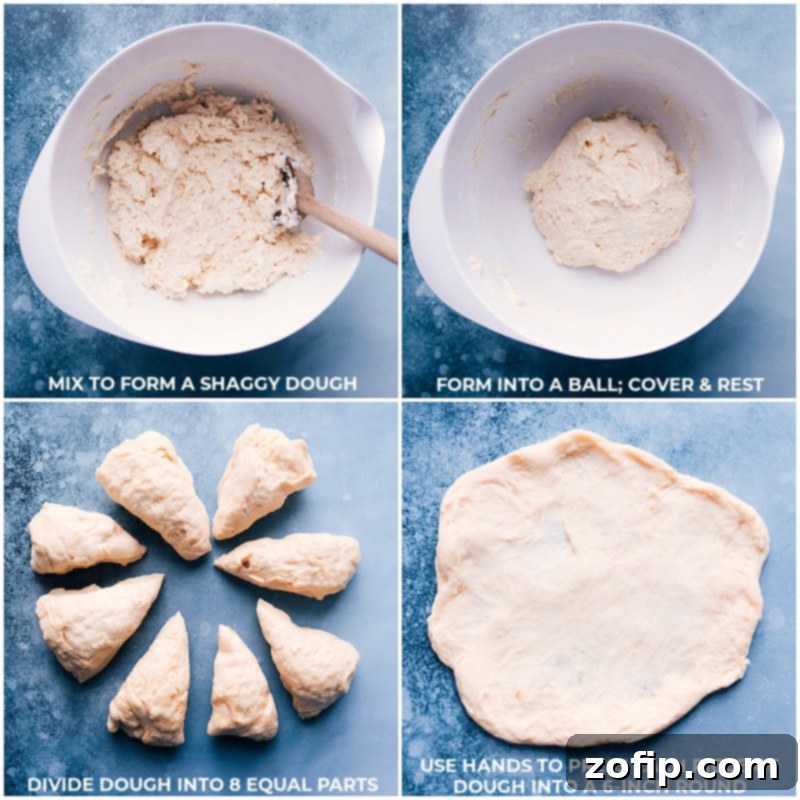
- The dough should have a rough, shaggy appearance and feel fairly sticky, but it should still be workable. Lightly flour your hands and gently knead the dough just a few times to gather it into a ball, being very careful not to overwork or over-handle the dough. In the same large bowl used for mixing, drizzle a tablespoon of vegetable oil. Use your hands to rub the oil over the bottom and slightly up the sides of the bowl. Place the dough ball back into the oiled bowl and turn it to ensure it’s coated in the oil. Cover the bowl with a damp kitchen towel. Allow the dough to rest for about 15–20 minutes. This resting period is not for rising, but rather to allow the gluten to relax, making the dough easier to shape.
- Add about 1 inch of frying oil to a large cast-iron pot or deep fryer and heat it to 350°F (175°C). (Refer to note 1 in Recipe Notes for more on frying equipment). While the oil heats, divide the rested dough into 8 equal portions. A simple way to do this is to cut the ball of dough in half, then cut each half in half again to get 4 larger triangular pieces. Then, cut each of these triangles into 2 smaller pieces to yield 8 equal portions. Lightly flour your hands and work with one dough piece at a time, keeping the remaining dough portions covered with the damp towel to prevent them from drying out. Holding a piece of dough in your hands, gently work and press the dough outwards with your fingers to form a thin 5 to 6-inch circle. Do not use a rolling pin or flatten the dough aggressively on a table; the goal is a rustic, hand-pressed shape. The thinner the pieces, the better for a puffed scone, so keep working the dough outwards carefully, avoiding any tearing.
- Once the oil is at the correct temperature, gently drop only one piece of dough at a time into the fully heated oil. Fry each scone for approximately 30 seconds to 1 minute per side, or until a deep golden-brown color is achieved. (Note: If not using a cast-iron pot which retains heat very well, cooking times may be slightly longer). Flip the dough with two forks or a pair of tongs halfway through frying to ensure even browning. Use a large slotted spoon or tongs to carefully remove the fried scone from the oil and transfer it to a plate lined with paper towels to drain any excess oil. Repeat this process for the remaining dough pieces, frying them one at a time.
- Serve and enjoy the scones immediately, right out of the fryer! You can either dredge all sides of the warm scone in a blend of 1/2 cup white granulated sugar mixed with 2 tablespoons of ground cinnamon, or top them generously with your choice of softened butter, honey butter, pure honey, fruit jam, maple syrup, fresh berries, powdered sugar, or any other sweet topping that sounds delicious to you.
Recipe Notes
- For ease and consistency, use a deep fryer with temperature control.
- Alternatively, use a heavy-bottomed deep pot (a large 5-quart cast-iron pot is recommended) equipped with a reliable thermometer. Maintaining a consistent oil temperature (around 350°F/175°C) is vital for proper frying. If you don’t have a thermometer, test the oil by inserting a wooden spoon handle; if bubbles gather around it, the oil is ready. Another trick: add a kernel of popcorn to the cold oil; it will pop when the oil reaches approximately 350°F.
Note 2: Topping Suggestions: Customize your Utah Scones with a variety of sweet (or even savory!) toppings! Popular choices include:
- Sugar-cinnamon mix (combine 1/2 cup granulated sugar with 2 tablespoons ground cinnamon)
- Softened honey butter or regular softened butter
- Pure honey
- Powdered sugar
- Fresh berries
- Fruit jam
- Pancake or maple syrup
For a unique twist, you can even top them with something savory, like taco-seasoned ground beef, similar to how fry bread is used!
Note 3: Testing Milk Temperature: The temperature of the milk is important for the yeast. To test it, drizzle a few drops of the warmed milk on the inside of your wrist. It should feel comfortably warm, like a baby’s bottle. If it feels hot, it will be too hot and could kill the yeast. If it’s too cold, the yeast will remain dormant and won’t activate properly.
Nutrition Note: The calories and nutritional information provided here do not include any toppings, as they can vary greatly. The values reflect the fry bread base only.
Storage: Like most fried foods, scones are best enjoyed right out of the fryer! Frying them ahead of time is not recommended if you want the best texture. You can store unfried scones (before topping) loosely wrapped with plastic wrap for 1–2 days. Be aware that the texture and flavor will diminish the longer the scones are stored after frying.
Make Ahead: To prepare the dough in advance, cover it tightly and place it in the refrigerator for up to 8 hours. When you’re ready to fry, remove the dough from the fridge and let it come to room temperature before shaping and frying.
Nutrition
Nutrition information is automatically calculated and should be used as an approximation only.