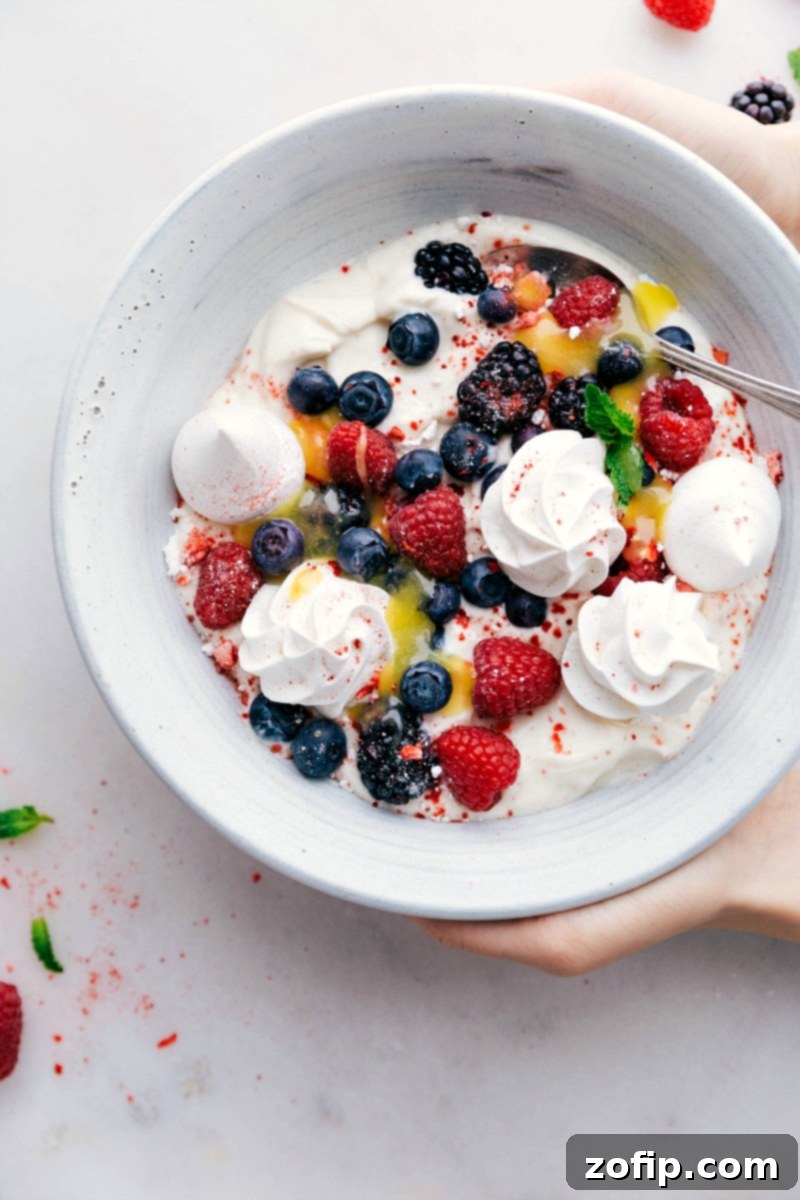
Welcome to the ultimate guide for crafting perfect Meringue Cookies – those delightful, melt-in-your-mouth confections that are surprisingly simple to master. This comprehensive recipe delivers not only the crispiest, lightest meringue cookies but also equips you with essential tips and tricks for consistent success every single time. Beyond just baking, discover creative and inspiring ways to transform these airy delights into show-stopping components that elevate any simple dessert into an extraordinary culinary experience.

Author’s Culinary Journey
From Skeptic to Enthusiast: My Meringue Revelation in Detroit!
For years, I approached meringue cookies with a certain skepticism. While undeniably pretty, I often found them to be, dare I say, a bit bland when compared to the rich chewiness of Snickerdoodles or the comforting warmth of Oatmeal Chocolate Chip Cookies. My perception completely shifted during a memorable trip to Detroit last April. Amidst the vibrant culinary scene, a particular dessert at The Grey Ghost captured my heart and palate.
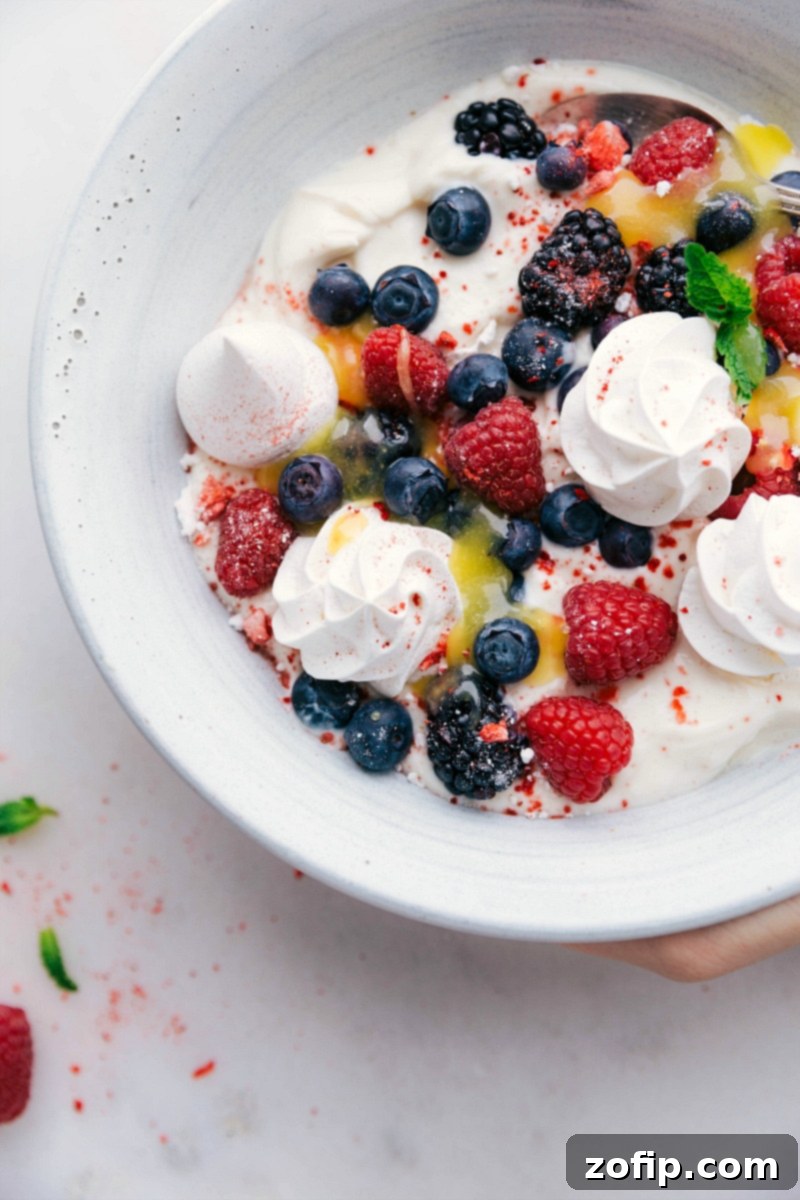
It was a revelation: mini sour cream cheesecakes, adorned with vibrant fresh berries, tangy lemon curd, and – the star ingredient – delicate meringue cookies. The contrast of textures and flavors was simply divine, leaving me craving that precise combination for months. It wasn’t just a dessert; it was an experience. This unforgettable encounter inspired me to recreate that magic at home, perfecting a simple meringue cookie recipe that’s just as delightful and versatile. These ethereal treats are not only light as air but also incredibly guilt-free, coming in at a mere 22 calories each, making them a perfect addition to countless dessert creations.
The Art and Science of Perfect Meringues: Essential Preparations
Creating beautiful, crisp meringue cookies is a delightful process, but it requires a few key considerations before you even reach for your mixer. Paying attention to these foundational steps will significantly impact your success and the final texture of your meringues.
- Consider the Weather: Humidity is the Enemy of Meringues. Meringue cookies are incredibly sensitive to moisture in the air. High humidity can prevent the egg whites from drying out properly, leading to chewy, sticky, or soft meringues instead of the desired crisp texture. For optimal results, choose a dry day to bake your meringues. Avoid rainy, humid days if possible, as the atmospheric moisture will be absorbed by the sugar, hindering the crisping process.
- Ensure Your Equipment is Impeccably Clean and Dry. Any trace of grease, oil, or even egg yolk in your mixing bowl or on your beaters can be catastrophic for meringue. Fat molecules prevent egg whites from whipping up to their full volume and achieving stiff peaks, which are essential for stable meringue. Metal or glass bowls are ideal, as plastic bowls can sometimes retain a greasy residue even after washing. Always wipe your bowl and whisk attachment with a paper towel dampened with a little lemon juice or vinegar to ensure they are perfectly clean and dry.
- Use Room-Temperature Egg Whites for Maximum Volume. While separating eggs is easiest when they are cold (the yolks are firmer and less likely to break), egg whites whip up much better and achieve greater volume when they are at room temperature. The proteins in warm egg whites are more elastic and can trap air more effectively. A good strategy is to separate your eggs directly from the refrigerator, then let the egg whites sit on the counter in a clean bowl for 20-30 minutes before you begin whipping. This simple step can make a noticeable difference in the fluffiness and stability of your meringue.
Key Ingredients for Light and Crispy Meringue Cookies
Each ingredient in this meringue cookie recipe plays a vital role in achieving that signature light, airy, and crisp texture. Understanding their functions will help you master the recipe with confidence.
| Ingredient | Why it’s essential & Smart Swap/Tip |
|---|---|
| Egg Whites | These are the foundation of meringue, providing the structure and airiness. Always use room-temperature egg whites for the best volume and stability when whipping. Separate them when cold to prevent yolk contamination, then allow them to warm up before use. |
| Cream of Tartar | A crucial stabilizing agent that helps the egg whites hold their stiff peaks and prevents them from collapsing. It provides the necessary acidity for a strong, stable meringue. If you don’t have cream of tartar, you can substitute with 1/2 teaspoon of fresh lemon juice or white vinegar per egg white, though cream of tartar offers the strongest structure. |
| Superfine Sugar | The sugar sweetens the meringue and contributes to its crisp texture. Superfine sugar dissolves more quickly into the egg whites, leading to a smoother, more stable meringue without a gritty texture. If you only have granulated sugar, you can easily make your own superfine sugar by pulsing it in a food processor for about 30 seconds until it’s a finer consistency, but be careful not to turn it into powdered sugar. |
| Vanilla Extract | Adds a lovely, classic flavor to the cookies. For the whitest, most pristine meringue cookies, especially if you’re aiming for a pristine presentation, opt for clear vanilla extract. Regular vanilla extract can impart a slight off-white or yellowish hue. |
| Pinch of Salt | Often overlooked, a small pinch of salt helps to stabilize the egg whites as they whip and enhances the overall flavor profile of the meringue, balancing the sweetness. Add it early in the whipping process with the egg whites and cream of tartar. |
| Lemon Extract (Optional) | For an extra burst of bright, tangy flavor, a touch of lemon extract can elevate your meringue cookies, complementing their sweetness beautifully. This is a delightful addition, especially when serving them with berry or lemon-based desserts. |
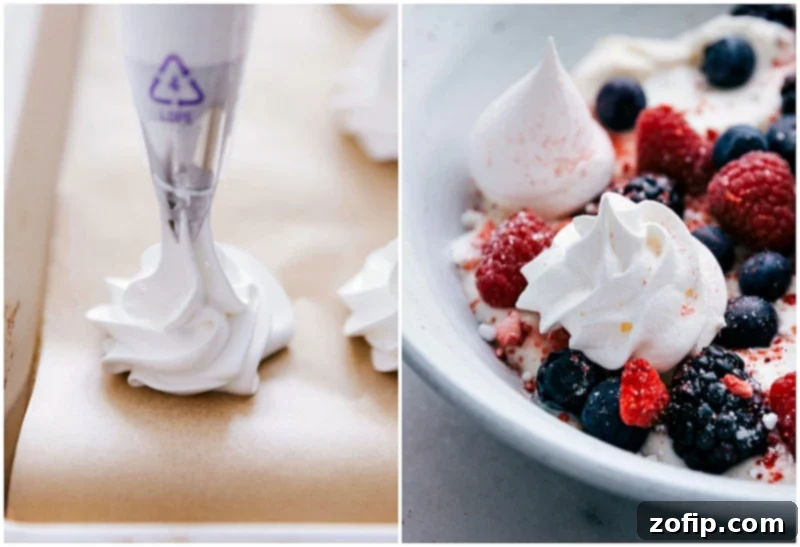
Crafting Your Meringue Masterpiece: A Step-by-Step Guide
Follow these detailed steps carefully to ensure perfectly crisp and airy meringue cookies every time. Precision and patience are your best allies in meringue making!
- Prepare Your Egg Whites: Begin by separating cold eggs to prevent any yolk from contaminating the whites. Then, allow the egg whites to come to a complete room temperature (about 20-30 minutes). This crucial step ensures they will whip to maximum volume and stability.
- Set Up for Baking: Preheat your oven to a low 225°F (107°C). Line two large baking sheets with parchment paper. Avoid silicone baking mats or reusable liners for meringues, as parchment paper allows for better air circulation and prevents sticking, promoting a crispier bottom.
- Initiate the Whip: In your impeccably clean and grease-free metal bowl (metal is preferred as it doesn’t retain grease like plastic), combine the room-temperature egg whites, a pinch of salt, and the cream of tartar. Start beating on low speed with a hand mixer or a stand mixer fitted with the whisk attachment until the mixture becomes frothy and bubbly, resembling soap suds. This initial gentle mixing helps to break up the egg white proteins.
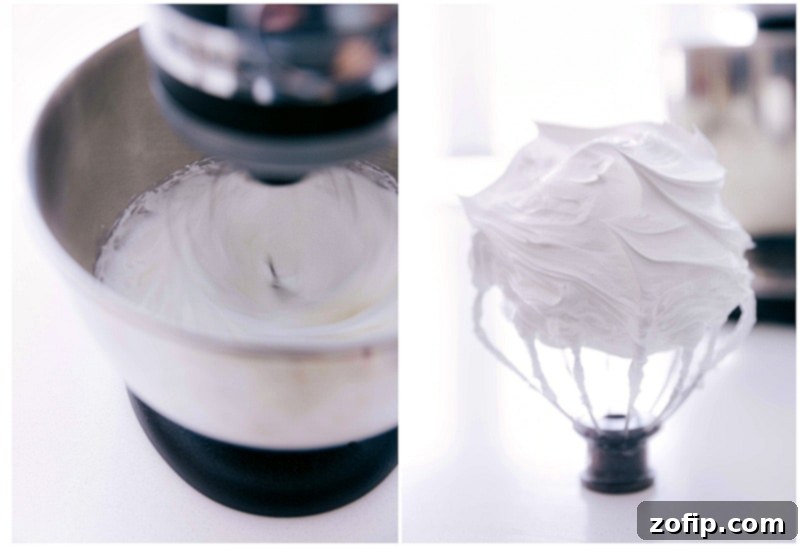
- Increase Speed and Clarity: Once frothy, increase the mixer speed to high. Continue beating until the egg white mixture is no longer translucent and begins to appear opaque and holds soft peaks. This indicates that sufficient air has been incorporated.
- Gradually Add Sugar: With the mixer still running on high speed, begin adding the superfine sugar (or very fine granulated sugar) very slowly, about a tablespoon at a time. Wait approximately 10-15 seconds between each addition, allowing the sugar to fully dissolve into the egg whites before adding more. This gradual incorporation is critical to prevent deflating the meringue and ensures a smooth, stable, and glossy mixture. If added too quickly, the sugar can weigh down the egg whites and prevent proper stiff peaks.
- Achieve Stiff, Glossy Peaks: Continue beating until the meringue is very thick, glossy, and holds stiff peaks. You’ll know it’s ready when you can lift the whisk, and the meringue stands straight up without drooping. Also, rub a small amount of meringue between your fingers; if it feels smooth and not gritty, the sugar has fully dissolved.
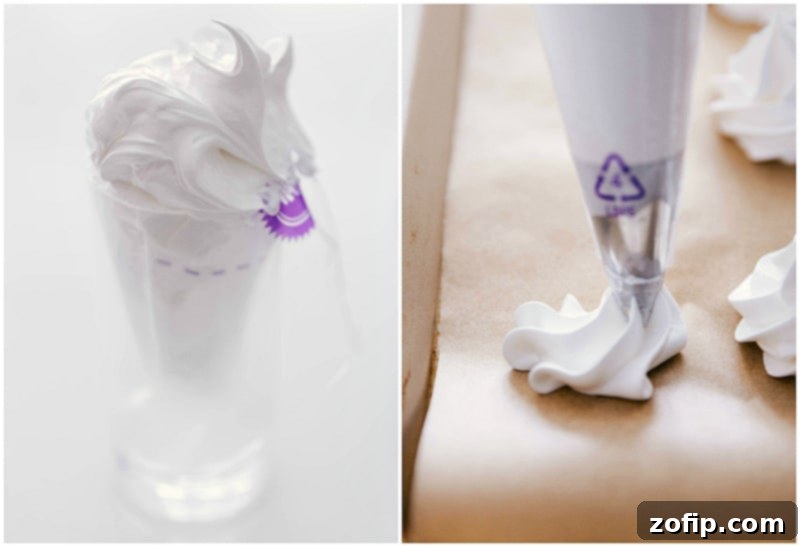
- Flavor and Pipe: Gently fold in the vanilla extract and, if using, the lemon extract. Transfer the meringue mixture to a large piping bag fitted with your desired star tip (or simply snip a corner off the bag for a rustic look). Pipe uniform cookies onto your prepared parchment-lined baking sheets. Meringues do not spread during baking, so you can pipe them relatively close together. Consistency in size ensures even baking.
- Bake Low and Slow: Place the baking sheets in your preheated 225°F (107°C) oven. Bake for approximately 1 hour. It is vital not to open the oven door during this time, as sudden temperature changes can cause the meringues to crack or collapse. The goal is to dry them out, not to brown them.
- Cool Slowly in the Oven: After 1 hour, turn off the oven but leave the meringue cookies inside with the door closed for at least another hour, or even overnight. This slow cooling process in the residual heat helps them dry completely, prevents cracking, and ensures they remain crisp and airy. Do not remove them until the oven is completely cool.
- Serve and Enjoy: Once fully cooled and crisp, gently remove the meringue cookies from the parchment paper. Garnish as desired, or use them to enhance your favorite desserts. They are incredibly versatile!
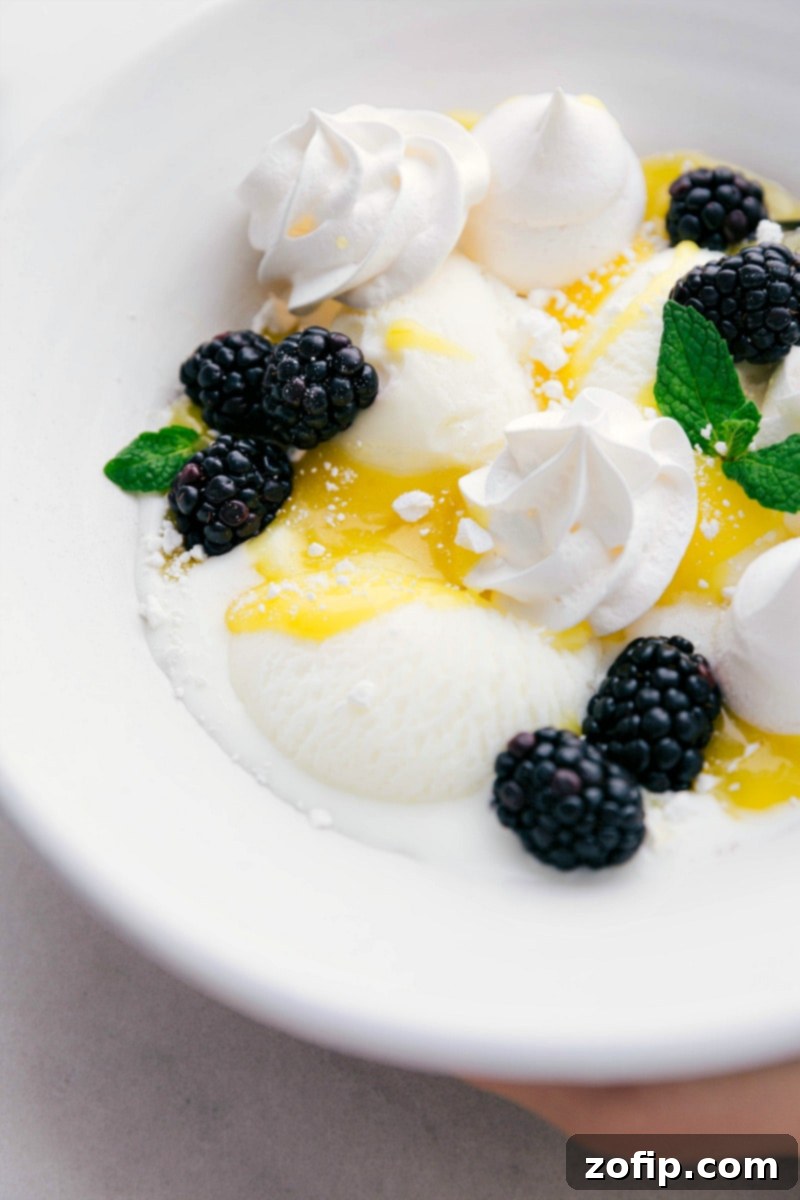
Creative Ways to Enjoy and Serve Meringue Cookies
Meringue cookies are far more than just a standalone sweet treat; their light, airy texture and delicate sweetness make them an incredibly versatile component for elevating a wide array of desserts. Here are some of my favorite ways to incorporate these delightful morsels:
- Lemon Blackberry Frozen Yogurt Parfait: This combination is pure bliss. Start with a base of creamy store-bought vanilla frozen yogurt (or whip up your own homemade version). Layer it with generous dollops of bright, tangy lemon curd and a medley of fresh blackberries. Finish this vibrant dessert with a sprinkle of crumbled meringue cookies or strategically placed mini meringues for an irresistible crunch and elegant touch.
- Elevated Berry Yogurt Bowls: Transform a simple breakfast or snack into a gourmet experience. Begin with a foundation of thick, protein-rich Greek yogurt. Pile on an assortment of your favorite fresh berries—strawberries, raspberries, blueberries, or mixed. Add a few spoonfuls of rich lemon curd for a burst of citrusy sweetness. Finally, crown your bowl with crumbled meringue cookies or delicate mini meringues for an unexpected textural contrast and delightful sweetness. A final sprinkle of fresh raspberries or sliced strawberries adds visual appeal.
- Classic Eton Mess: A quintessential British dessert, Eton Mess traditionally features crushed meringues, whipped cream, and mixed berries. Use your homemade meringues to create this delightful, deconstructed dessert that celebrates simple, fresh ingredients.
- Hot Chocolate or Coffee Topper: Crushed or mini meringues make an excellent alternative to marshmallows for hot beverages. Their airy texture and quick-dissolving nature add a unique sweetness and lightness to a warm cup of hot chocolate or coffee.
- Pavlova or Pie Topping: While often a larger meringue base, smaller meringue cookies can be crumbled over fruit tarts, pies, or individual pavlovas for added sweetness and crunch. They make an excellent garnish that’s both beautiful and delicious.
- Ice Cream Sundae Enhancement: Forget sprinkles! Crumbled meringue cookies add a sophisticated crunch and sweetness to any ice cream sundae. They pair beautifully with chocolate, fruit, or caramel sauces.
Storage
To maintain their delicate crispness, store leftover meringue cookies in an airtight container at room temperature. They will remain fresh and delicious for up to 1 week. It is crucial to protect them from any moisture or humidity, which can quickly turn them soft and chewy.
Troubleshooting Common Meringue Cookie Challenges
Even with careful preparation, meringue can sometimes present a few challenges. Don’t despair! Here’s how to address the most common issues you might encounter:
-
Why are my meringue cookies chewy or sticky? This is the most common complaint and usually stems from one of three reasons:
- High Humidity: As discussed, too much moisture in the air prevents the meringues from drying out properly. Try baking on a less humid day.
- Under-beaten Egg Whites: If your egg whites haven’t reached stiff, glossy peaks, the structure won’t be strong enough to hold its shape and dry correctly. Ensure they are whipped until firm.
- Insufficient Baking/Drying Time: Meringues need a long, slow bake and a cool-down period in the oven to fully dry. If they are removed too soon, they will retain moisture and become chewy.
- Why are my meringue cookies cracking? Cracking usually occurs due to rapid temperature changes. Ensuring a very slow cool-down period inside the oven, as instructed, is key. Also, avoid opening the oven door during baking.
- My meringues didn’t get stiff peaks. What went wrong? This is almost always due to the presence of fat. Even a tiny speck of egg yolk or grease from an unclean bowl or whisk can prevent egg whites from whipping up properly. Ensure your equipment is meticulously clean and dry.
Exciting Meringue Cookie Variations
Once you’ve mastered the basic meringue cookie, don’t hesitate to experiment with different flavors and presentations:
- Flavor Infusions: Add a teaspoon of almond extract, peppermint extract, or a touch of cocoa powder (sifted with the sugar) for different flavor profiles. Zest from lemons, oranges, or limes can also provide a fresh, aromatic twist.
- Color Play: A drop or two of gel food coloring can transform your meringues into vibrant, eye-catching treats perfect for holidays or themed parties. Add it with the vanilla extract.
- Textural Additions: Gently fold in finely chopped nuts, miniature chocolate chips, or freeze-dried fruit pieces at the very end of the mixing process for added texture and flavor.
Discover More Delicious Cookie Recipes:
Desserts
Mint Chocolate Chip Cookies
Desserts
Coconut Oil Chocolate Chip Cookies
Desserts
Thumbprint Cookies
Desserts
Lemon Cookies

Meringue Cookies
By Chelsea Lords
Light, airy Meringue Cookies are easy to make with foolproof tips for perfect results. Plus, creative ways to elevate your desserts with them!
Prep Time: 20 minutes
Cook Time: 1 hour
Resting Time: 1 hour
Total Time: 2 hours 20 minutes
Yields: Approximately 45 meringue cookies, depending on the size you pipe them
Video Guide
For a visual guide on making these meringue cookies, please refer to the video embedded in the original post.
Watch Meringue Cookies Video
Equipment
- 2 Large sheet pans (15″ x 21″)
- Parchment paper
- Hand mixer or stand mixer with whisk attachment
- Piping bag with star tip (optional, can snip tip of bag)
- Clean, grease-free metal mixing bowl
Ingredients
- 4 large egg whites, at room temperature
- 1/8 teaspoon salt
- 1/2 teaspoon cream of tartar
- 1 cup superfine sugar (or granulated sugar, see Note 1 below)
- 1-1/4 teaspoon vanilla extract (use clear vanilla for a super white meringue)
- 1/4 teaspoon lemon extract (optional, for a brighter flavor)
Instructions
- Separate egg yolks from whites when eggs are cold for easier handling. Allow the separated egg whites to come to room temperature before proceeding. This is crucial for optimal whipping.
- Preheat your oven to 225°F (107°C). Line two large sheet pans with parchment paper (do not use silicone liners, as parchment yields better results for meringues). Set aside.
- In a meticulously clean and grease-free metal bowl, combine the room-temperature egg whites, salt, and cream of tartar.
- Using a hand mixer or a stand mixer with the whisk attachment, begin stirring at low speed until the mixture becomes frothy. Increase the speed to high and continue beating until the mixture is no longer translucent and starts to hold soft peaks.
- With the mixer running at high speed, gradually add the superfine sugar, about one tablespoon at a time. Allow 10-15 seconds between each addition for the sugar to fully dissolve. This slow addition prevents the meringue from deflating.
- Continue beating until the meringue is very thick, shiny, and holds stiff peaks. When you lift the whisk, the meringue should stand straight up. Rub a small amount between your fingers; it should feel smooth, not gritty.
- Gently stir in the vanilla extract and lemon extract (if using). Transfer the meringue mixture to a large, clean piping bag fitted with a star tip. Alternatively, simply snip off the tip of the piping bag.
- Pipe uniform meringue cookies onto the prepared parchment-lined baking sheets. Since meringues do not spread, you can place them fairly close together, but ensure consistent sizing for even baking.
- Bake for 1 hour. It is very important not to open the oven door during baking. After 1 hour, turn off the oven heat and leave the meringues inside the closed oven for at least another hour (or even overnight) to cool slowly and dry out completely.
- Once the meringues are completely cool and crisp, gently remove them from the parchment paper. Garnish as desired or use them to enhance other desserts (see Note 2 below for ideas).
Recipe Notes
Note 1: Superfine sugar is recommended for the smoothest meringue texture because it dissolves quickly. If you only have granulated sugar, you can make your own superfine sugar by pulsing granulated sugar in a food processor for about 30 seconds until it reaches a finer consistency. Be careful not to over-process into powdered sugar.
Note 2: Elevate your meringue cookies even further! Drizzle or dip them in melted chocolate, crumble freeze-dried strawberries or raspberries on top after baking, or explore the serving suggestions in the post above for my favorite ways to incorporate these cookies into other desserts.
Storage: Store meringue cookies in an airtight container at room temperature, away from any heat and moisture. They will stay crisp for up to one week.
Nutrition Information
Serving: 1 cookie | Calories: 22kcal | Carbohydrates: 5g | Protein: 1g | Fat: 1g | Sodium: 13mg | Potassium: 12mg | Sugar: 5g | Calcium: 1mg | Iron: 1mg
Nutrition information is automatically calculated and should be used as an approximation.
Love this recipe? Share your thoughts and leave a comment below!
Meringue Cookie Recipe FAQs
Chewy meringues are a common issue, typically caused by one of three factors: high humidity during baking, not beating the egg whites sufficiently to stiff peaks, or not allowing the cookies to bake and cool long enough to fully dry out. Ensure a dry baking day, proper whipping technique, and sufficient low-temperature drying time in the oven.
While not strictly mandatory, cream of tartar is highly recommended. It’s an acidic agent that stabilizes the whipped egg whites, helping them achieve stronger, more stable peaks and preventing them from getting sticky or collapsing. The acid also helps create a crispier final texture. If you don’t have cream of tartar, you can substitute with 1/2 teaspoon of fresh lemon juice or white vinegar per egg white, but cream of tartar generally yields the best and most consistent results.
Perfectly baked meringue cookies should be crisp, incredibly light, and completely dry to the touch (they won’t be shiny). They should also lift easily off the parchment paper without sticking. The bottoms should feel dry and not tacky. If they still feel soft or sticky, they need more time to dry out in the cooling oven.
Quick Tip for Gifting Desserts
Looking for more delicious and gift-able dessert ideas? Don’t miss these other fantastic recipes: Easy Turtle Bark, classic Buttercrunch Candy, or flavorful Candied Pecans! They make wonderful homemade gifts for any occasion.