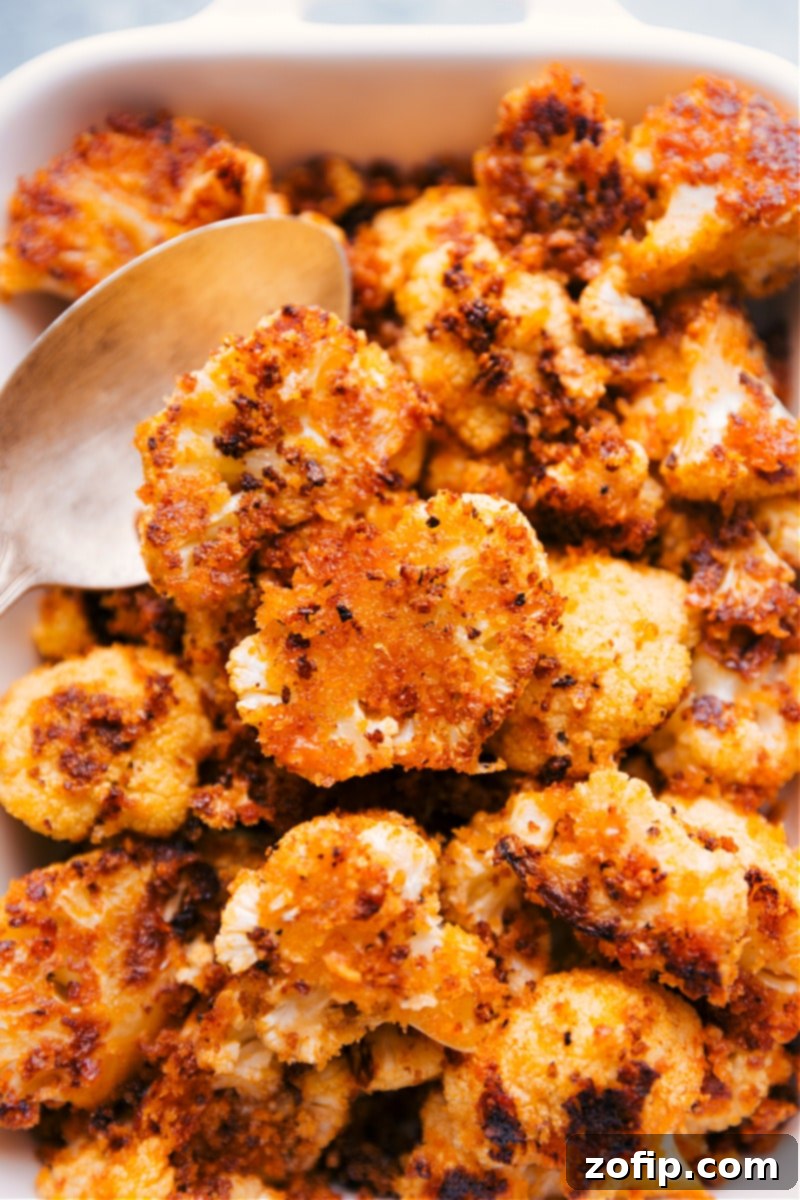
Roasted Cauliflower is a culinary delight, emerging from a hot oven with beautifully crisp edges, a perfectly tender interior, and an explosion of rich, savory flavor. This guide will show you how to achieve this vegetable perfection in two fantastic ways: a classic, versatile preparation, and an elevated version crowned with a golden Parmesan breadcrumb topping.
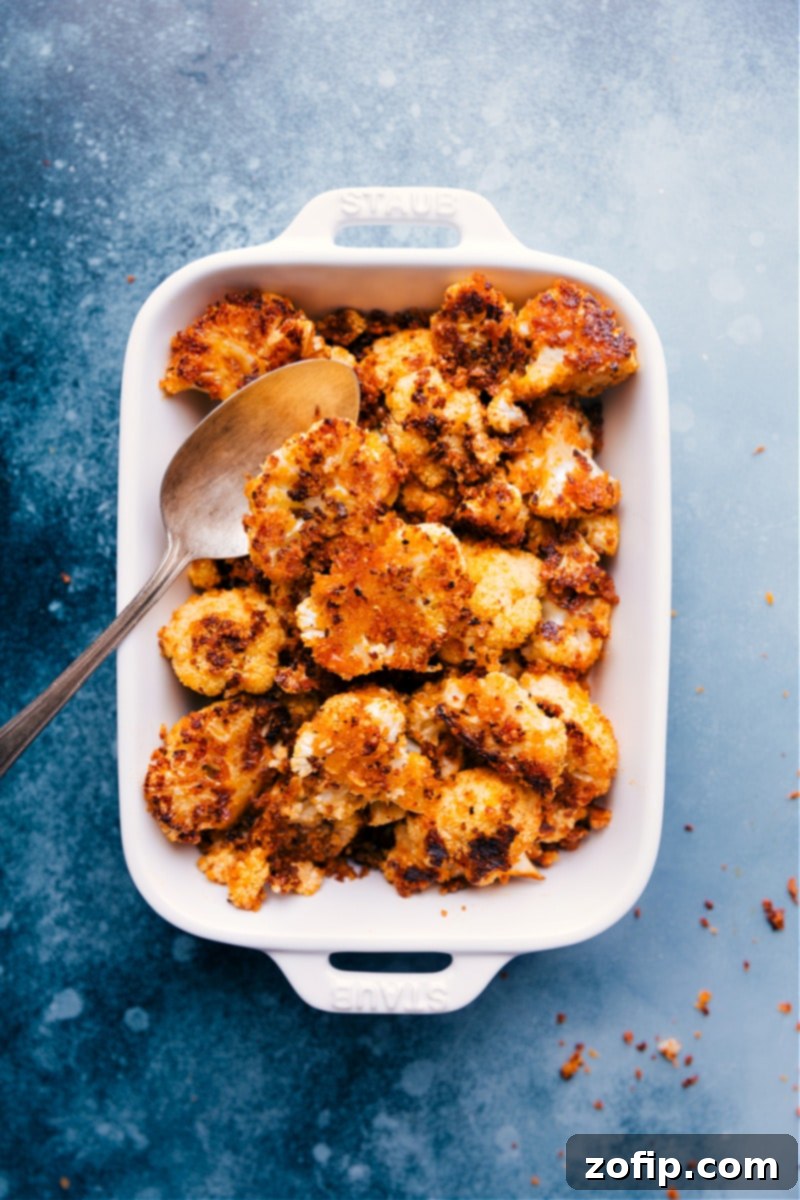
Roasted Cauliflower: The Ultimate Simple Side Dish!
Cauliflower stands out as one of the most remarkably versatile vegetables available, lending itself to an astonishing array of dishes. From serving as a creative base for pizza crusts and a low-carb alternative to rice, to even featuring in unique recipes like a cauliflower smoothie (yes, it’s surprisingly delicious!), this humble cruciferous vegetable continually impresses with its adaptability.
While many cauliflower recipes exist, few can rival the comforting depth of a rich Cauliflower Soup. However, the two oven-roasted cauliflower recipes we’re about to share offer serious competition, elevating this unassuming vegetable into a truly irresistible dish. Roasting cauliflower not only transforms its texture, making it delightfully tender with caramelized edges, but it also intensely deepens its flavor. The high heat of the oven brings out a nutty sweetness that is simply unparalleled, making it a super easy side dish that’s incredibly satisfying.
In fact, roasted cauliflower is so delicious, you might find it hard to get it from the baking tray to the serving platter without a significant portion disappearing into hungry hands (and yes, my own hands are often among the culprits!). This method makes cauliflower a star, not just a sidekick, proving that simple preparation can yield extraordinary results.
How to Select and Store the Best Cauliflower
The journey to perfectly roasted cauliflower begins long before it hits the oven – it starts with selecting the best head at the grocery store. Here’s a quick guide to help you pick and store cauliflower for optimal flavor and texture:
- Appearance is Key: Look for cauliflower heads that are consistently even and creamy white in color. Avoid any with noticeable blemishes, brown spots, or discoloration, as these are signs of age or damage. The florets should be densely packed, indicating freshness and firmness.
- Feel for Freshness: Gently feel the cauliflower head. It should feel firm and heavy for its size. Soft spots or a spongy texture are indicators that the cauliflower is past its prime and will likely lack the desired crispness when roasted.
- Check the Leaves: Don’t overlook the outer leaves! Vibrant green leaves tightly wrapped around the head are a great sign of a recently harvested and fresh cauliflower. Wilting or yellowing leaves suggest the cauliflower has been sitting for a while.
- Give it a Whiff: Fresh cauliflower should have a mild, slightly sweet aroma. If you detect a strong, sulfurous, or unpleasant smell, it’s a clear sign that the cauliflower is no longer fresh and will likely have an off-putting taste once cooked.
- Proper Storage for Longevity: Most grocery stores package cauliflower in cellophane, which traps moisture and can accelerate spoilage. As soon as you bring it home, unwrap the cauliflower. Transfer it to a loosely closed plastic bag or a breathable produce bag, adding a paper towel inside to absorb any excess moisture. This method helps maintain its freshness.
- Shelf Life: A whole head of cauliflower can typically be stored in the refrigerator for 4-7 days when stored correctly. Once you’ve cut the cauliflower into florets, it’s best to use them within 3-4 days to ensure the best texture and flavor for roasting.
Cleaning and Preparing Cauliflower for Roasting
Once you’ve chosen the perfect head of cauliflower, proper preparation is crucial for achieving that desirable crispy, caramelized roast. Follow these steps to get your cauliflower oven-ready:
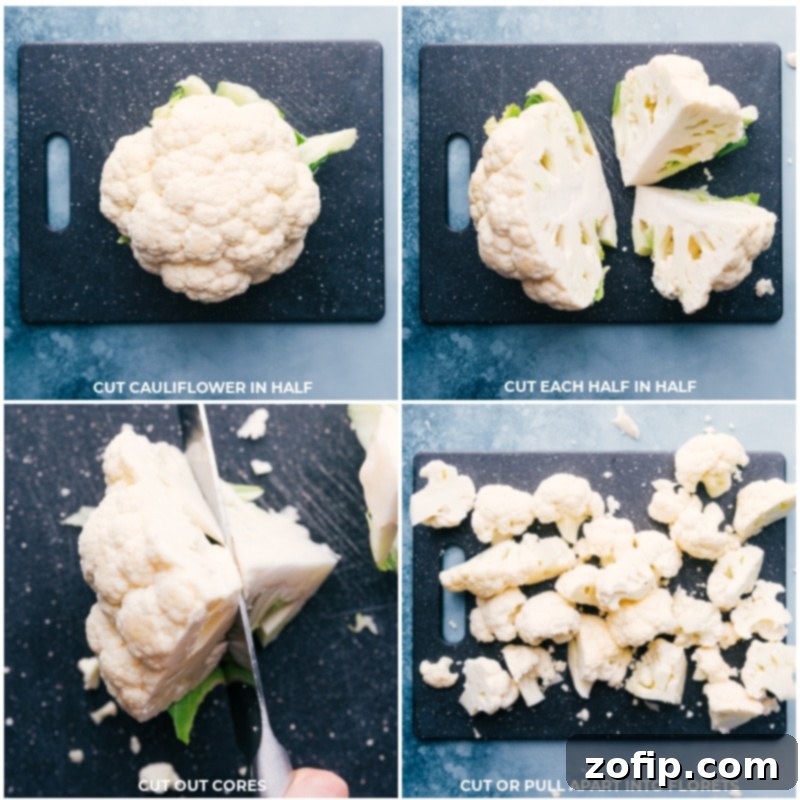
- Initial Cut: Begin by cutting the cauliflower in half through the center of the stem, then cut each half in half again, resulting in four quarters.
- Core Removal: From each quarter, slice diagonally to carefully remove the tough inner core. This makes the florets easier to separate and eat.
- Floret Separation: Break or cut the cauliflower into bite-sized florets. The key here is to optimize for flat edges. By creating more flat surfaces, you increase direct contact with the hot baking sheet, which is essential for maximizing caramelization and intensifying the flavor. Aim for pieces that are roughly uniform in size to ensure even cooking.
- Thorough Rinse: Place the cut-up florets in a colander and rinse them under cool running water to remove any dirt or debris.
- Crucial Drying Step: This step cannot be emphasized enough. After rinsing, dry the cauliflower florets thoroughly with a clean kitchen towel or paper towels. Excess moisture is the enemy of crispy roasted vegetables.
Quick Tip for Crispy Cauliflower
If your cauliflower florets are even slightly wet when they go into the oven, they will steam instead of roast. This will prevent the magical caramelization, incredible flavor development, and delightful crispy texture we’re aiming for. Take the extra time to pat them completely dry before roasting – it’s a small effort that yields the best possible Roasted Cauliflower!
Mastering the Art of Roasting Cauliflower
With perfectly prepped cauliflower in hand, you’re ready to unlock its full flavor potential in the oven. Here are the essential tips for achieving perfectly roasted cauliflower every time:
- Seasoning for Flavor: Start by tossing your prepared cauliflower florets with olive oil, melted butter (for the Parmesan version), and your chosen seasonings. For the most even coating, always mix everything in a large bowl rather than directly on the baking tray. This ensures every floret is beautifully coated, leading to superior flavor and caramelization.
- The Golden Rule of Spacing: Once seasoned, spread the cauliflower florets across your baking sheet(s) in a single layer, ensuring they are not overcrowded. This is perhaps the most critical tip for achieving crispy results. When vegetables are packed too closely, they release moisture, creating steam rather than allowing the dry heat to caramelize their surfaces. More space means better airflow, better roasting, and ultimately, crispier edges. If necessary, use two baking sheets to avoid overcrowding.
- Fresh is Best: While frozen cauliflower can be convenient, it simply won’t yield the same crisp texture or depth of flavor as fresh cauliflower when roasted. Frozen vegetables contain more water, making it difficult to achieve that desirable caramelization. Opt for fresh whenever possible for the best results.
- High Heat is Non-Negotiable: A high oven temperature is absolutely vital for developing those coveted golden-brown, caramelized edges and a tender interior. Roasting at a lower temperature will lead to softer, less flavorful cauliflower. The intense heat allows the sugars in the cauliflower to caramelize quickly, creating a complex, nutty flavor profile and a satisfying texture. Ensure your oven is fully preheated before adding the cauliflower.
Optimal Roasting Times for Tender-Crisp Cauliflower
Determining the exact roasting time for cauliflower can vary based on several factors, including the size of your florets, your oven’s true temperature calibration, how densely packed the cauliflower is on the tray, and even your personal preference for doneness. However, here’s a general guideline to help you achieve perfectly roasted cauliflower:
- For Smaller Pieces: If your cauliflower florets are cut into smaller, more uniform pieces, they will typically roast quicker, requiring anywhere from 15-20 minutes in a hot oven.
- For Larger Pieces: Larger florets, naturally, will take a bit longer to become tender and caramelized. Expect these to roast for approximately 20-25 minutes.
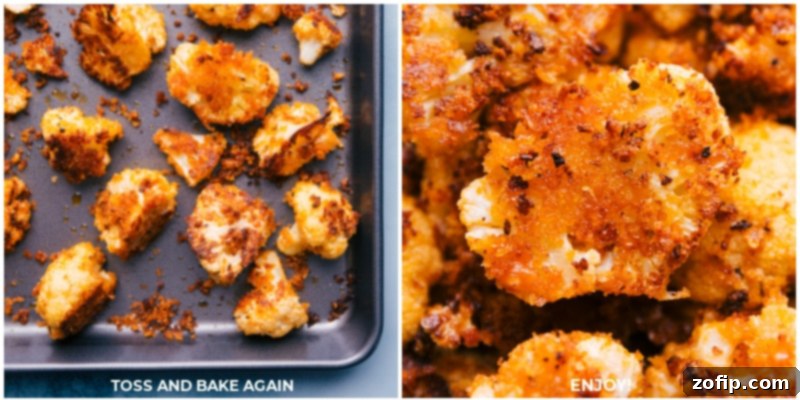
How to tell when your roasted cauliflower is done? The best way to test for doneness is twofold: visually and by touch. Look for a beautiful golden-brown and caramelized exterior on the florets, indicating that the sugars have properly developed. For tenderness, carefully pierce a floret with a fork – it should slide through easily with minimal resistance, signifying a soft, creamy interior.
Tips for a Quicker Roast: If you’re looking to speed up the cooking process without sacrificing quality, keep these points in mind: ensure your oven is fully preheated to the specified temperature before adding the cauliflower; avoid roasting more than one tray in the oven at a time, as this can lower the oven temperature and reduce efficiency; and always space out the cauliflower florets generously on the baking sheet to maximize air circulation and direct heat exposure.
Exciting Roasted Cauliflower Recipe Variations
While classic roasted cauliflower is undeniably delicious, this versatile vegetable opens up a world of flavor possibilities. Experiment with these exciting variations to keep your meals fresh and interesting:
- Roasted Broccoli and Cauliflower Medley: For a vibrant and nutrient-packed side, simply replace half of the cauliflower with fresh broccoli florets. The roasting time remains consistent, offering a convenient way to enjoy two amazing vegetables with complementary textures and flavors. For extra flair, toss with a squeeze of lemon juice after roasting.
- Whole Roasted Cauliflower: Looking for a show-stopping centerpiece? Roasting a whole head of cauliflower creates an impressive dish with a beautifully tender interior and a crisp, seasoned exterior. This method often involves blanching the cauliflower first or covering it during initial roasting to ensure even cooking before uncovering for browning. Check out this recipe for guidance on preparing a whole roasted cauliflower.
- Roasted Cauliflower Curry Addition: Elevate your next curry by incorporating roasted cauliflower. Prepare the “basic” cauliflower recipe as instructed, then add the roasted florets to your favorite Vegetable Curry towards the end of its cooking time. Since the cauliflower is already cooked and caramelized, it doesn’t need to simmer in the liquid, preserving its texture and adding a delightful roasted dimension to the dish.
- Roasted Cauliflower and Carrots: Combine cauliflower with the natural sweetness of carrots for a colorful and flavorful side. Replace half of the cauliflower with sliced carrots (reference this roasted carrots post for optimal cutting techniques). The roasting time will remain similar, making this a straightforward swap for a varied vegetable mix.
- Spicy Roasted Cauliflower: For those who love a kick, transform your roasted cauliflower into a spicy sensation. After removing the roasted cauliflower from the oven, sprinkle generously with red pepper flakes. Alternatively, for a more integrated spice, mix 1/4 teaspoon of ground cayenne pepper directly with the other spices before roasting. This adds a warming heat that perfectly complements the caramelized sweetness of the cauliflower.
- Herb-Infused Roasted Cauliflower: Beyond garlic powder and paprika, consider adding fresh or dried herbs like rosemary, thyme, or oregano to your seasoning mix. Finely chopped fresh parsley or chives can also be stirred in after roasting for a burst of fresh flavor.
- Lemon-Garlic Roasted Cauliflower: For a bright and zesty twist, add the zest of one lemon to your seasoning mix, and squeeze fresh lemon juice over the cauliflower immediately after it comes out of the oven. This adds a refreshing tang that beautifully cuts through the richness of the roasted vegetable.
Roasted Cauliflower Frequently Asked Questions (FAQs)
Why isn’t my cauliflower crispy after roasting?
The primary reason roasted cauliflower fails to get crispy is overcrowding on the baking pan. Cauliflower has a high water content, and when florets are packed too closely, they release steam. This trapped steam prevents the cauliflower from caramelizing and crisping up, essentially turning it into steamed cauliflower instead of roasted. Always ensure each piece has ample space on the pan, ideally in a single layer with some room around each floret. If necessary, use two baking sheets to accommodate all your cauliflower.
What main dishes pair well with roasted cauliflower?
Roasted cauliflower is an incredibly versatile side dish that complements a wide variety of main courses. It’s so good, you might even want to roast extra! Leftovers can be repurposed into delicious meals the next day – think dicing them up for a flavorful addition to a quiche, filling for tacos, quesadillas, pitas, a hearty salad, creamy risotto, or even a comforting casserole!
Some of our favorite main dishes that pair perfectly with roasted cauliflower include:
- Ground Beef Stroganoff: The rich, creamy flavors of stroganoff find a delightful counterpoint in the earthy, caramelized cauliflower.
- One Pan Italian Sausage and Veggies: A perfect match, as the cauliflower can roast alongside the sausage and other vegetables, absorbing all the delicious pan juices.
- Baked Ziti: The hearty, cheesy goodness of baked ziti is balanced by the light, flavorful roasted cauliflower.
- Chicken Orzo: A Mediterranean-inspired pairing where the simple elegance of chicken and orzo is enhanced by the robust flavor of roasted cauliflower.
Does Roasted Cauliflower reheat well?
Roasted cauliflower is undeniably at its best when enjoyed fresh, straight from the oven. However, if you have leftovers, it can certainly be reheated. Be aware that microwaving will often result in softer, less crisp florets due to the steam created. For crispy reheated cauliflower, your best bet is to spread the florets on a baking sheet and reheat them in a preheated oven at 350°F (175°C) until thoroughly hot, typically about 10-15 minutes. Avoid adding extra oil during reheating to maintain crispness.
Complementary Roasted Vegetable Pairings
If you love roasted cauliflower, you’ll surely enjoy pairing it with other delicious oven-roasted vegetables. These pairings create vibrant, flavorful, and healthy meals:
- Roasted Sweet Potatoes: Offers a delightful contrast with their natural sweetness and soft texture, available with both sweet and savory seasoning options.
- Roasted Green Beans: A quick-cooking favorite, often prepared with a crunchy topping, providing a different texture to your meal.
- Sheet Pan Sausage and Veggies: An all-in-one meal solution featuring a medley of roasted vegetables alongside savory sausage.
- Roasted Potatoes: Classic comfort, especially delicious when tossed with Parmesan cheese for an extra layer of flavor.
- Smashed Potatoes: A unique preparation method that yields super crispy edges and fluffy interiors, often seasoned with paprika for a smoky touch!

Roasted Cauliflower (2 Ways!)
Equipment
- Large sheet pan (15″ x 21″)
Ingredients
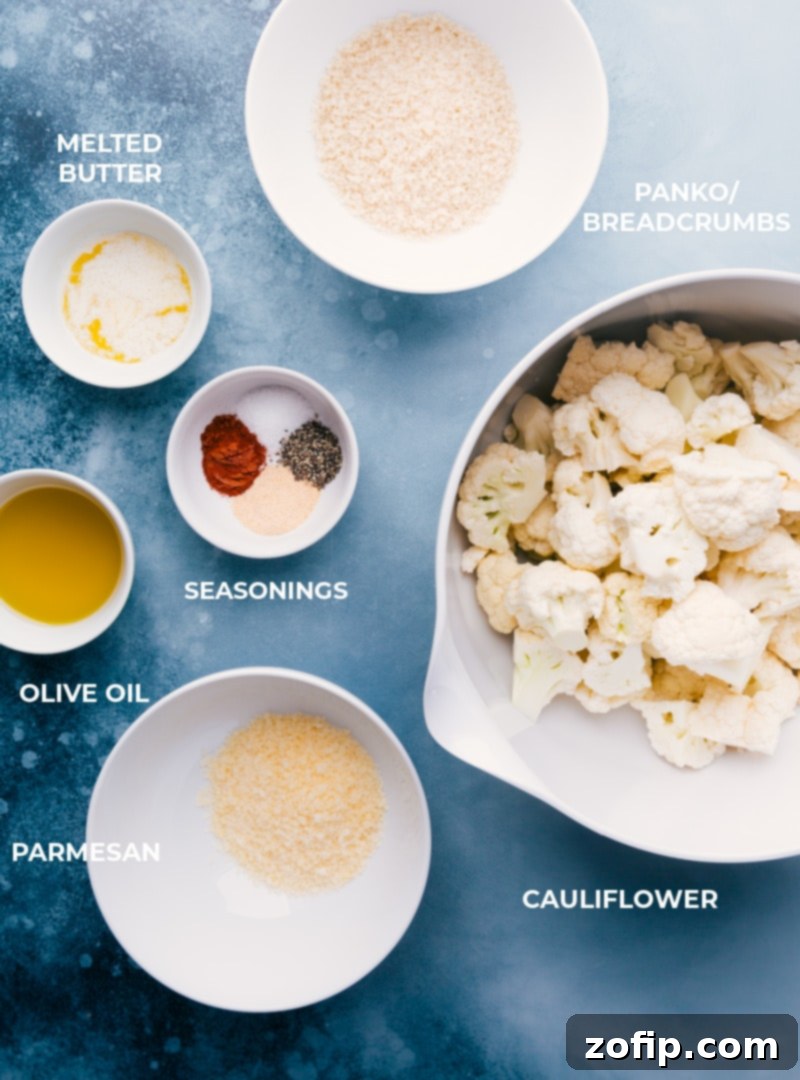
- 2 pounds (8 cups) cauliflower about 2 heads, cut into florets
- 3 tablespoons olive oil
- 3/4 teaspoon salt
- 1/2 teaspoon pepper
- 1 teaspoon garlic powder
- 1 teaspoon paprika optional
- 2 pounds (8 cups) cauliflower about 2 heads, cut into florets
- 3 tablespoons olive oil
- 2 tablespoons butter melted
- 3/4 teaspoon salt
- 3/4 teaspoon garlic powder
- 3/4 teaspoon paprika
- 1/2 teaspoon pepper
- 1/2 cup panko breadcrumbs
- 1/3 cup grated Parmesan cheese
Instructions
- Preheat oven to 220°C/425°F. Use an extra-large sheet pan (15×21-inches) or 2 smaller sheet pans to ensure adequate space. Cut the cauliflower in half and then half again to get 4 quarters. Slice diagonally to remove the inner cores from each quarter. Cut into bite-sized florets, optimizing for flat edges, which will increase the caramelization and improve the flavor!
- Basic Roasted Cauliflower: Toss cauliflower in a large bowl with oil and seasonings. (While you can do this on the tray, mixing in a bowl provides a more even coating and may require slightly less oil). Space florets evenly on the tray, taking care not to overcrowd the pan (see note 1). Roast for 17–20 minutes, then carefully flip the cauliflower with a spatula, and roast another 5 minutes until beautifully caramelized and tender. Serve immediately.
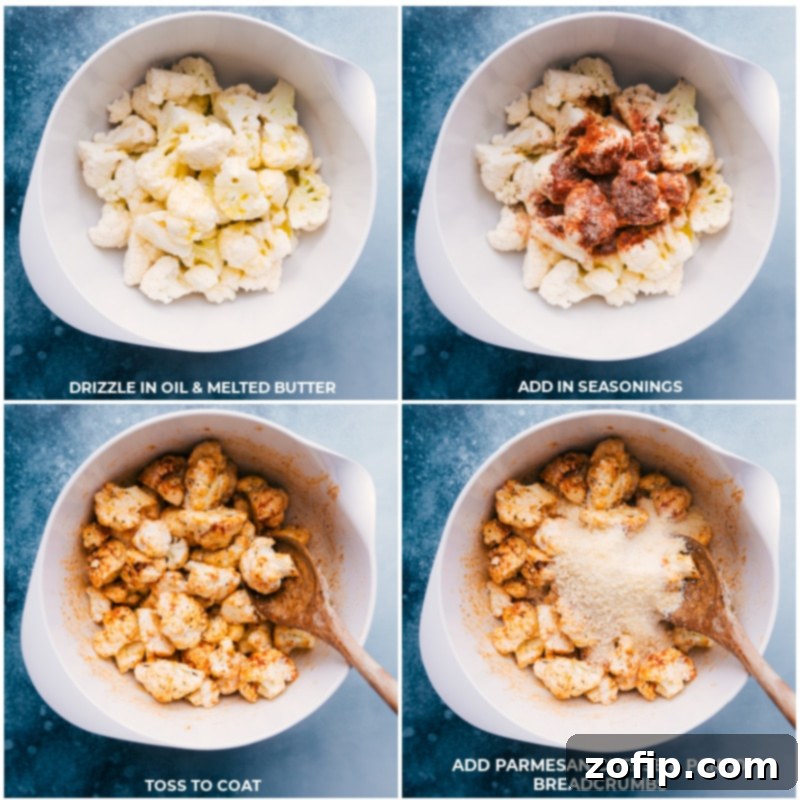
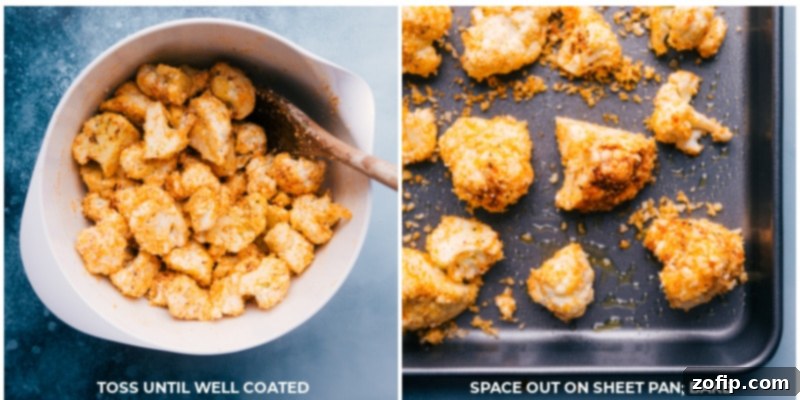
- Parmesan Roasted Cauliflower: Generously grease a sheet pan with cooking spray. Toss cauliflower in a large bowl with oil and melted butter. Add seasonings and gently toss to coat all florets. Add panko breadcrumbs and grated Parmesan cheese and toss until the cauliflower is well coated. Use your hands to transfer cauliflower from the bowl to the tray, spacing evenly. Sprinkle any panko/Parmesan mixture that was left behind in the bowl on top of the cauliflower for extra crispness. Roast for 15 minutes. Flip the cauliflower, then roast for an additional 5–10 minutes until you achieve golden-brown edges and the florets are tender. Serve immediately.
Recipe Notes
- Smaller pieces will roast anywhere from 15–20 minutes.
- Larger pieces will take anywhere from 20–25 minutes.
To test for doneness, pierce a floret with a fork – it should slide through easily. Also, visually inspect for a rich golden, caramelized exterior. For the best and quickest results, ensure the oven is fully preheated before placing the cauliflower inside, spread the florets out generously on the sheet pan, and ideally, roast only 1 tray at a time to maintain consistent oven temperature and airflow.
Nutrition Note: The nutrition information provided is for the basic roasted cauliflower recipe version only.
Storage: Store any cooled leftover roasted cauliflower in an airtight container in the refrigerator for up to 3 days. While still delicious, it is always best enjoyed fresh on the first day for optimal crispness and flavor!
Nutrition
Nutrition information is automatically calculated, so should only be used as an approximation.