
Indulgent & Safe Edible Peanut Butter Cookie Dough: Your No-Bake Peanut Butter Dream
Unleash your inner child and dive spoon-first into this incredibly creamy, rich, and utterly indulgent **Peanut Butter Cookie Dough**! Forget the oven and any worries about raw ingredients; this recipe is not only a breeze to make but also perfectly safe to consume, thanks to heat-treated flour and a complete absence of eggs. It’s the ultimate treat for those moments when only the sweet, nutty comfort of raw cookie dough will do.

Why You’ll Love This Edible Peanut Butter Cookie Dough
If you’re among the many who’ve been told not to sneak bites of raw cookie dough but do it anyway, this recipe is your guilt-free pass to pure bliss. It has quickly become a fan favorite, captivating countless dessert enthusiasts who have already made it and fallen head over heels!
I firmly believe that a delicious treat has the power to brighten any day. This edible cookie dough is exceptionally easy to whip up using ingredients you likely already have in your pantry, eliminating the need for a last-minute grocery run. It’s perfect for those spontaneous cravings or a quick pick-me-up.
And the good news doesn’t stop with peanut butter! My kitchen has been a hub of edible dough creations, with other irresistible versions like Edible Brownie Batter and Edible Cake Batter joining the lineup. My family is obsessed, and I’m confident you’ll find your new favorite indulgent treat among these delightful, safe-to-eat creations.

Essential Ingredients for Perfect Edible Peanut Butter Cookie Dough
Crafting the perfect edible peanut butter cookie dough requires just a handful of common ingredients, each playing a crucial role in achieving that irresistible texture and flavor:
- All-Purpose Flour: The foundation of our cookie dough. It’s vital that the flour is heat-treated before use. This process eliminates any potential harmful germs, making the dough perfectly safe for raw consumption.
- Unsalted Butter: For the best results, ensure your butter is at room temperature. Softened butter creams easily with peanut butter and sugars, contributing to the dough’s smooth, luscious texture and rich flavor.
- Creamy Peanut Butter: The star of the show! A good quality, creamy peanut butter, like Jif or a similar brand, provides that classic, comforting peanut butter taste and helps achieve the desirable pliable consistency. Avoid overly oily or natural peanut butters that tend to separate, as they can alter the dough’s texture.
- Granulated Sugar & Light Brown Sugar: This dynamic duo sweetens the dough perfectly. Granulated sugar offers sweetness, while light brown sugar adds a deeper, molasses-like flavor and, more importantly, a moist, soft texture characteristic of classic cookie dough. Make sure the brown sugar is firmly packed for accurate measurement.
- Heavy Cream: A touch of heavy cream is what gives this edible cookie dough its incredibly creamy, melt-in-your-mouth quality. It brings all the ingredients together into a cohesive, wonderfully smooth dough.
- Vanilla Extract: While optional, a dash of vanilla extract elevates the overall flavor profile, adding a warm, aromatic note that complements the peanut butter beautifully.
- Salt: A small amount of salt is essential for balancing the sweetness and enhancing all the other flavors, making the peanut butter taste even more prominent and delicious.
- Baking Soda (Optional): Though we aren’t baking this dough, a tiny pinch of baking soda contributes to that authentic, slightly tangy “cookie dough” taste that many adore. Feel free to omit it if you prefer.
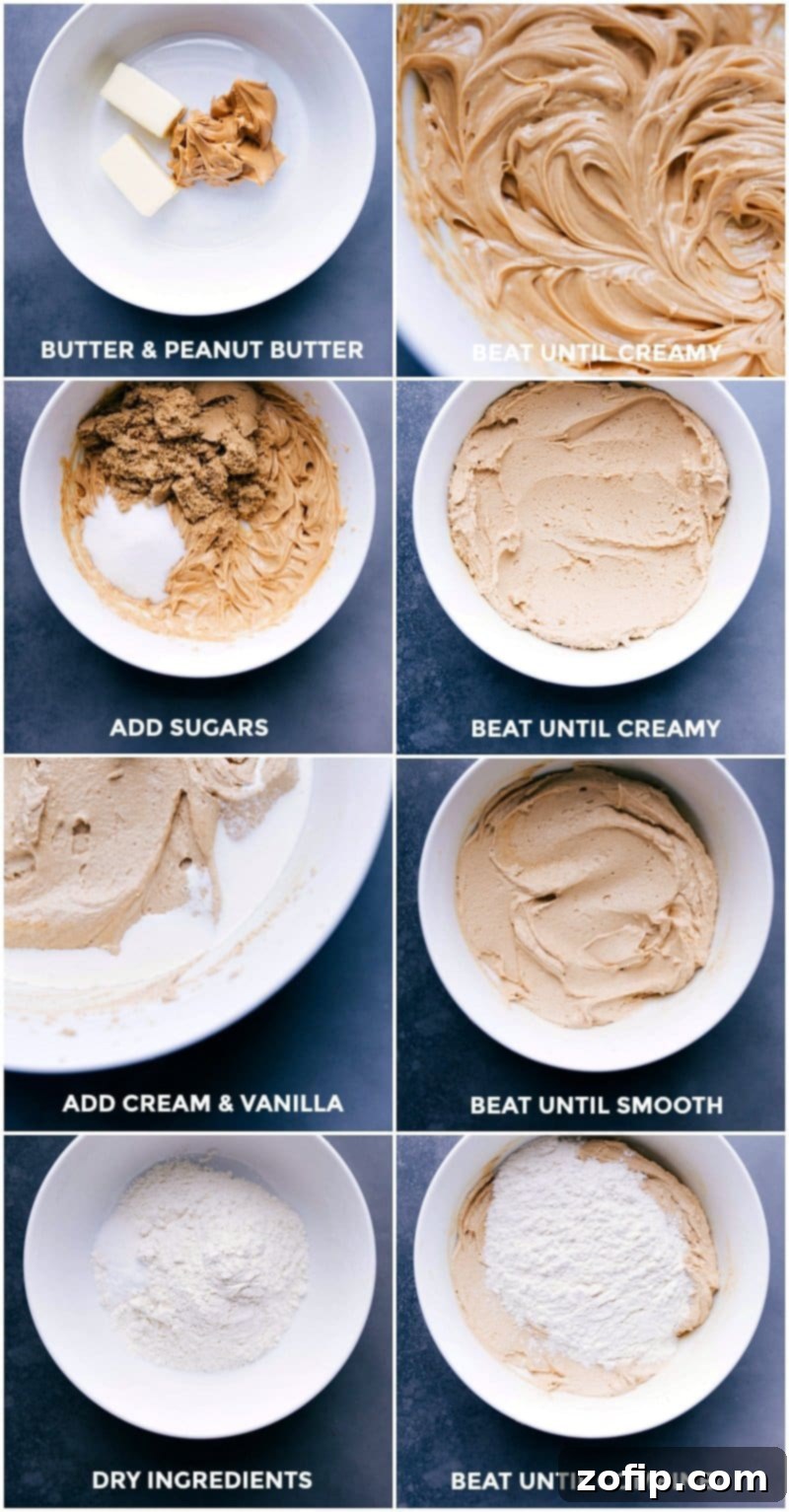
Step-by-Step Guide to Making Safe Edible Peanut Butter Cookie Dough
Creating this delightful, safe-to-eat cookie dough is a straightforward process. Follow these simple steps for perfect results:
- **Prepare the Flour (Heat Treat)**: This is the most crucial step for safety. Begin by thoroughly heat-treating your all-purpose flour to eliminate any potential bacteria. Once treated, allow the flour to cool completely to room temperature. It should be light, white, and fluffy before moving on.
- **Combine Dry Ingredients**: In a medium-sized bowl, whisk together the cooled, heat-treated flour, salt, and optional baking soda. The baking soda, even though not for leavening, contributes to that classic cookie dough flavor. Ensure these dry ingredients are well combined.
- **Cream Wet Ingredients**: In a large mixing bowl, ideally with a stand mixer (a hand mixer works too!), beat together the room temperature unsalted butter and creamy peanut butter until the mixture is incredibly smooth and light, about 2-3 minutes. Next, add both granulated sugar and light brown sugar. Continue beating for another 3-4 minutes until the mixture becomes notably light, fluffy, and perfectly creamy. Finish by adding the heavy cream and vanilla extract (if using), mixing just until incorporated.
- **Blend Wet and Dry**: Gradually add the dry ingredient mixture to the wet ingredients. Beat on low speed until just combined. Be careful not to overmix the dough, as this can affect its texture. If the dough appears too dry, add a tiny bit more heavy cream, a teaspoon at a time. If it seems too wet, a tablespoon or two of additional heat-treated flour can help. The goal is a pliable, scoopable dough.
- **Stir in Your Favorites**: Now for the fun part! Gently fold in any optional mix-ins you desire, such as chocolate chips, chopped nuts, or candy pieces.
- **Enjoy Immediately**: Your delicious and safe edible peanut butter cookie dough is ready! You can enjoy it fresh at room temperature, chilled for a firmer consistency, or even frozen for a delightful frosty treat.
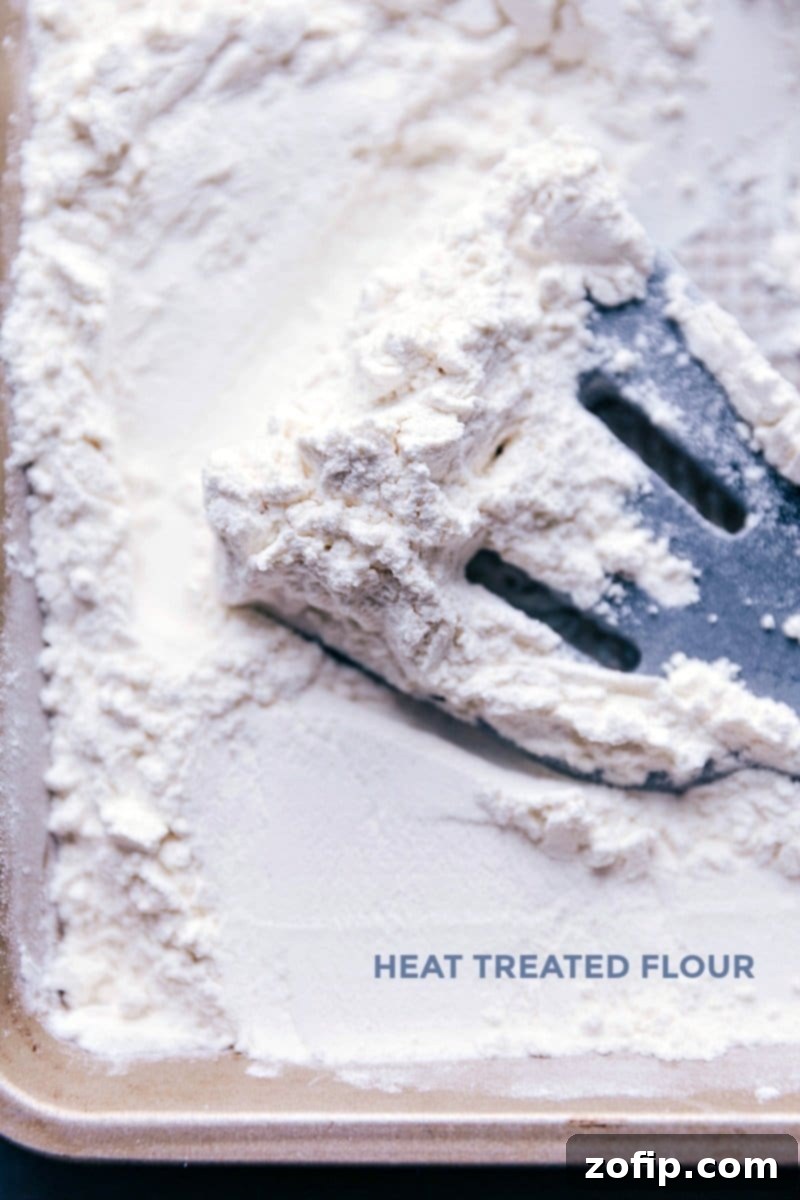
Mastering Heat Treatment for Flour Safety
Heat treating flour is a non-negotiable step when preparing edible cookie dough. Raw flour can harbor harmful bacteria, like E. coli, which makes consuming it unsafe. Fortunately, making flour safe is simple, and there are a few reliable methods:
- **Opt for Pre-Treated Flour**: The easiest option is to buy flour that has already undergone a heat treatment process. Look for labels indicating “heat-treated” or “safe for raw consumption.” This flour has been processed to kill off contaminants, offering ultimate convenience and peace of mind. You can often find more information about these specialized flours here.
- **The Microwave Method**: This is a quick and efficient way to heat treat flour at home.
- Place the required amount of all-purpose flour (it’s wise to treat an extra 1/2 to 1 cup more than the recipe calls for, just in case) into a microwave-safe bowl.
- Microwave on high power in short 30-second bursts.
- After each burst, remove the bowl and stir the flour thoroughly. This prevents burning and ensures even heating.
- Continue this process until the flour consistently reaches an internal temperature of 165°F (74°C) when tested with a food thermometer in several spots.
- Be vigilant to avoid burning or clumping. If any part of the flour discolors or smells burnt, discard it. The goal is light, white, and fluffy flour.
- **The Oven Method**: A great alternative if you prefer not to use a microwave or are treating a larger batch.
- Preheat your oven to 300°F (150°C).
- Line a large baking sheet with sides (a rimmed baking sheet works best) with parchment paper or a nonstick baking mat.
- Spread the flour evenly across the prepared baking sheet. Again, consider treating a bit more than you need.
- Bake the flour, removing the tray to stir and check the temperature every 1 to 1.5 minutes.
- Use a food thermometer to ensure the flour reaches 165°F (74°C) consistently. In most ovens, this takes approximately 3 to 6 minutes.
- Once it reaches the safe temperature, remove it from the oven immediately.
- **Cooling is Key**: Regardless of the method you choose, it is absolutely essential to let the heat-treated flour cool completely to room temperature before incorporating it into your cookie dough recipe. Hot flour can melt butter and affect the dough’s texture.
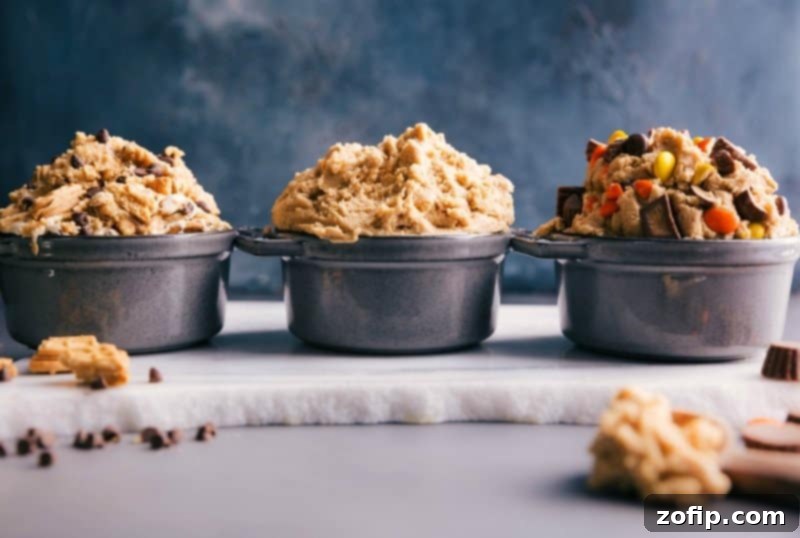
Creative Variations to Personalize This Edible Peanut Butter Cookie Dough
Personalize this Peanut Butter Cookie Dough
One of the joys of edible cookie dough is its endless customization possibilities. Here are some fantastic ideas to make this peanut butter delight uniquely yours:
- The Classic Basic Version: Begin with the plain, unadulterated base recipe. Its rich, creamy peanut butter flavor is fantastic all on its own.
- Ultimate Peanut Lovers’ Version: For the true peanut butter aficionado, fold in generous amounts of coarsely chopped Reese’s Pieces® and miniature Reese’s Peanut Butter Cups. This adds an extra layer of peanut buttery goodness and a delightful textural contrast.
- Fluffernutter Fantasy Version: Transform your cookie dough into a dreamy Fluffernutter sandwich experience! Swirl in marshmallow fluff, then mix in mini chocolate chips and chopped Nutter Butter® cookies for a playful, sweet, and crunchy combination.
- Other Irresistible Mix-ins: The possibilities are endless! Get creative with:
- **Chocolate**: Milk chocolate chips, dark chocolate chunks, white chocolate chips, mini chocolate chips, or chocolate-covered pretzels for a salty-sweet crunch.
- **Candy & Nuts**: M&Ms, chopped Snickers or Butterfinger bars, peanut butter chips, chopped roasted peanuts, or even candied pecans.
- **Baked Goods**: Crumbled Oreos®, brownie bits, cheesecake bites, or crushed graham crackers.
- **Flavors**: A drizzle of caramel sauce, a sprinkle of sea salt flakes, or a pinch of cinnamon for a warming spice.

Storage Tips for Your Edible Peanut Butter Cookie Dough
While you can certainly scale down the recipe, I highly recommend making a full batch. This cookie dough is so incredibly good, especially straight from the freezer, that you’ll be glad to have extra on hand!
To store your delicious edible peanut butter cookie dough and maintain its freshness:
- **Refrigeration**: For short-term storage, transfer the dough to an airtight container. It will stay fresh and delightful in the refrigerator for up to 5 days.
- **Freezing for Longer Enjoyment**: For extended storage, divide the dough into individual or desired portions. Wrap each portion tightly in plastic wrap, ensuring no air can get in. Then, place these wrapped portions into an airtight freezer-safe container or a heavy-duty freezer bag. Label with the date and freeze. This method keeps the cookie dough fresh and delicious for up to 3 months. Simply thaw in the refrigerator or enjoy directly from frozen!
More Irresistible Peanut Butter Treats & Edible Doughs
If you’re a fan of peanut butter, your culinary adventure doesn’t have to stop here! Explore these other fantastic peanut butter recipes and delightful edible dough creations:
- Peanut Butter Granola: A wonderfully delicious snack or a perfect addition to your breakfast.
- Peanut Butter Blossoms: Classic peanut butter cookies crowned with a chocolate kiss – a timeless favorite!
- The BEST Chewy Peanut Butter Cookies: A reader-favorite recipe known for its perfect chewy texture and rich flavor.
- Peanut Butter Rice Krispies Treats: Elevated with a delectable chocolate topping for an extra layer of indulgence.
- No-Bake Peanut Butter Cheesecake: A creamy, dreamy cheesecake that requires no baking and is packed with peanut butter flavor.
- Don’t forget to check out our other safe edible doughs like Edible Brownie Batter and Edible Cake Batter for even more no-bake fun!

Pin
Peanut Butter Cookie Dough
Video
Equipment
- Stand mixer or hand mixer
Ingredients
- 1-1/4 cups all-purpose flour
- 1/2 teaspoon salt
- 1/2 teaspoon baking soda optional
- 8 tablespoons unsalted butter at room temperature
- 3/4 cup creamy peanut butter
- 1/4 cup granulated sugar
- 1/2 cup + 2 tablespoons light brown sugar firmly packed
- 2 tablespoons heavy cream
- 1 teaspoon vanilla extract optional
- Optional additions see note 1
Instructions
- You can heat treat flour in the microwave (see note 2) or in the oven (see note 3). Test the flour to ensure it’s reached a safe temperature of 165°F. Let flour cool completely to room temperature before using. Don’t use any burnt or clumpy flour (if it’s off-color or smells burnt, it’s burnt). The flour should be light, white, and fluffy. Spoon the cooled flour into a measuring cup and level the top of the measuring cup with the back of a table knife.
- Add the spooned and leveled flour, salt, and baking soda to a medium bowl and stir. (While we aren’t baking this dough, the baking soda gives it an authentic cookie dough flavor; leave it out if desired, just don’t forget the salt!)
- In a large bowl with a stand mixer (or use a hand mixer), beat the room temperature (not melted) butter and peanut butter. Beat until very smooth and creamy, about 2–3 minutes. Add granulated sugar and brown sugar and beat to combine. Beat for an additional 3–4 minutes or until mixture becomes light, smooth, and fluffy. Add heavy cream and vanilla (if using) and mix until combined.
- Add the dry ingredients to the wet ingredients. Beat until just combined; do not overmix. Use a spatula to scrape the sides as needed. If the dough is at all dry, add a bit more heavy cream; if it is wet, add a tablespoon or 2 more of the heat-treated flour.
- Stir in any of desired mix-ins and enjoy! I love this dough freshly made, chilled, or even frozen!
Recipe Notes
Note 2: Heat treat flour in the microwave: Add the flour to a microwave-safe bowl. I recommend heat treating more than the recipe calls for (1/2 to 1 cup extra) to ensure you have enough. Microwave on high in bursts of 30 seconds, stirring between each burst. Take your time to make sure none of the flour burns or clumps. Use a thermometer to test the flour in a few places to make sure it has reached 165°F throughout all the flour.
Note 3: Heat treat flour in the oven: Preheat the oven to 300°F. Line a large sheet pan (with sides) with a nonstick liner or parchment paper. Spread flour on the pan (treat 1/2 to 1 cup more than you’ll use). Bake the flour, removing and stirring it, every 1 and 1/2 minutes. Every time you remove the flour to stir, test it with the thermometer. As soon as it reaches 165°F, it’s safe. (This takes about 3–6 minutes in my oven.)
Storage: Keep this cookie dough in the fridge for up to 5 days. To freeze, divide the dough into portions, wrap each tightly with plastic wrap, and place them in an airtight bag or container in the freezer for up to 3 months.
Nutrition
Nutrition information is automatically calculated, so should only be used as an approximation.