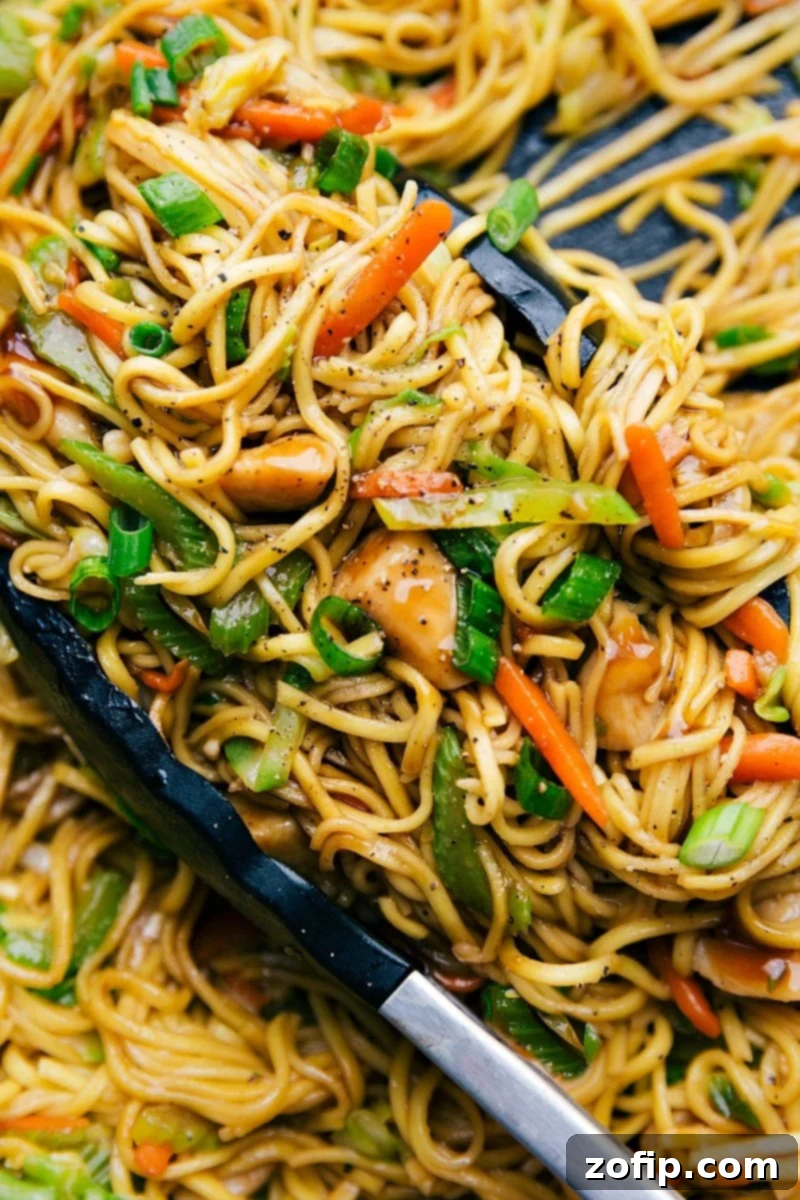
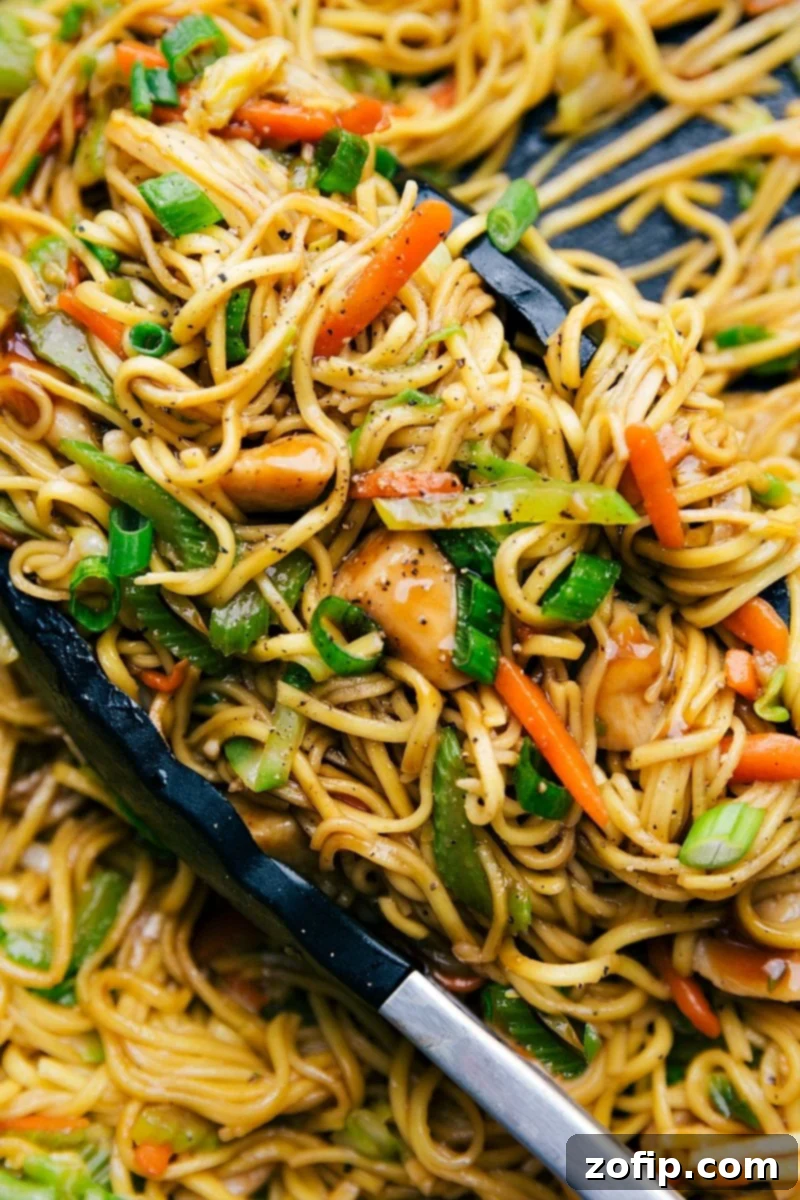
Craving the irresistible flavors of your favorite Chinese takeout? Look no further! This ultimate Chicken Chow Mein recipe delivers an authentic, mouthwatering experience right in your own kitchen, all within a quick 30 minutes. Forget the long waits and achieve a perfect balance of tender chicken, crisp-tender vegetables, and slippery noodles coated in a rich, savory sauce that’s undeniably better than any takeout version you’ve had before.

Author’s Note
Why You’ll Love Skipping the Drive-Through!
Like many families, my kids are absolutely captivated by the vibrant flavors of Panda Express. If they had their way, we’d be making a weekly pilgrimage! While I totally understand the appeal of a quick, satisfying meal, I often find myself leaving with that familiar heavy feeling. After successfully perfecting a homemade version of their beloved Orange Chicken, I felt inspired to tackle another one of their favorites: a fun, flavorful Chicken Chow Mein. My goal was to create a recipe that could not only compete with their go-to from Panda but actually surpass it in taste and freshness.
I dove into the process of testing, tweaking, and tasting, experimenting with different noodle types, vegetable combinations, and sauce ratios. The journey was all about finding that perfect harmony: exceptionally tender chicken, perfectly sauced noodles, and vegetables that retained their crisp-tender bite. When the moment of truth arrived and they tasted this homemade version, their reaction was everything I hoped for. They didn’t just like it; they *loved* it, declaring it even better than what they’d get from Panda Express. That’s when I knew this recipe was a definite keeper, destined to become a regular fixture in our family dinner rotation. Now, you can experience the same joy and satisfaction of a delicious, healthier, and truly fresh meal made right at home.
Essential Chicken Chow Mein Ingredients & Smart Swaps
Crafting the perfect Chicken Chow Mein starts with a selection of fresh, high-quality ingredients. We’ve also included some handy quick swaps and tips to ensure you can whip up this dish even when your pantry isn’t fully stocked. These components come together to create the signature savory, slightly sweet, and umami-rich flavor profile that makes chow mein so beloved.
| Ingredient | Quick Swap / Tip for Success |
|---|---|
| Chicken (tossed with baking soda) | Boneless, skinless chicken breasts or thighs work best. For ultra-tender chicken, don’t skip the baking soda soak; it’s a game-changer! Short on time? You can omit the baking soda, but cook the chicken slightly less to prevent it from drying out. |
| Chow Mein Noodles | Authentic chow mein noodles are ideal, but fresh yakisoba noodles, dried ramen (without the seasoning packet), or even thin spaghetti can be excellent substitutes. If you’re gluten-free, rice noodles are a great option – just make sure to rinse them thoroughly after cooking to prevent stickiness. |
| Oyster Sauce | This thick, dark sauce provides a unique depth of umami and a subtle sweetness. If you don’t have it, a quick stand-in can be made by mixing 1 tablespoon of hoisin sauce with 1 teaspoon of soy sauce. |
| Soy Sauce | Reduced-sodium soy sauce is recommended to control saltiness. For a gluten-free or lower sodium alternative, coconut aminos work wonderfully. Just add a pinch of salt if you find the flavor needs a boost. |
| Brown Sugar | Adds a touch of sweetness to balance the savory elements. Honey or maple syrup can be used in the same amount for a similar effect. |
| Cornstarch | Crucial for thickening the sauce, giving it that glossy, clings-to-the-noodles texture. Arrowroot powder or potato starch can be used as equally effective substitutes. |
| Cabbage | Shredded green cabbage adds a fresh, crisp element. To save time on prep, a bagged coleslaw mix (without the dressing) is a perfect shortcut. |
| Fresh Ginger & Garlic | These aromatics provide the foundation of flavor. Fresh is always best, but when not handy, use 1 teaspoon of jarred minced ginger and 1 teaspoon of jarred minced garlic paste. |
| Carrots & Celery | These vegetables add crunch, color, and essential nutrients. Julienning them thinly ensures they cook quickly and evenly, blending perfectly into the dish. |
| Green Onions | Used for both their white parts (for initial sautéing) and green parts (for garnish), they add a pungent freshness. |
| Vegetable Oil | A neutral oil with a high smoke point is essential for stir-frying at high temperatures. Canola oil or peanut oil are also good choices. |
| Chicken Stock (or Broth) | Forms the liquid base of our flavorful sauce. Use low-sodium chicken stock or broth to better control the overall saltiness of the dish. |
| Toasted Sesame Oil | A drizzle of this oil at the end imparts a wonderful nutty aroma and deepens the Asian flavor profile. Regular sesame oil can be used, but toasted offers a more intense flavor. |
| Pepper | A simple seasoning to enhance the overall taste. Freshly ground black pepper is always recommended. |
Mastering Homemade Chicken Chow Mein: A Step-by-Step Guide
Making delicious Chicken Chow Mein at home is simpler than you might think, especially with these clear, easy-to-follow steps. The key is to have all your ingredients prepped and ready before you start cooking, as stir-frying happens quickly over high heat.
Chicken Tenderization & Prep:
Begin by cutting your chicken (breasts or thighs) into small, uniform bite-sized pieces, roughly ½-inch thick. This ensures quick and even cooking. For exceptionally tender chicken, a secret technique involves tossing the chicken pieces with ¾ teaspoon of baking soda in a small bowl. Cover and refrigerate for just 15 minutes. This brief soak helps break down the protein, resulting in incredibly succulent chicken. After 15 minutes, transfer the chicken to a fine mesh sieve and rinse thoroughly under cold water to remove any residual baking soda. Pat the chicken pieces completely dry with paper towels. While optional, this step truly elevates the texture of the chicken, making it tender and juicy.
Vegetable Preparation:
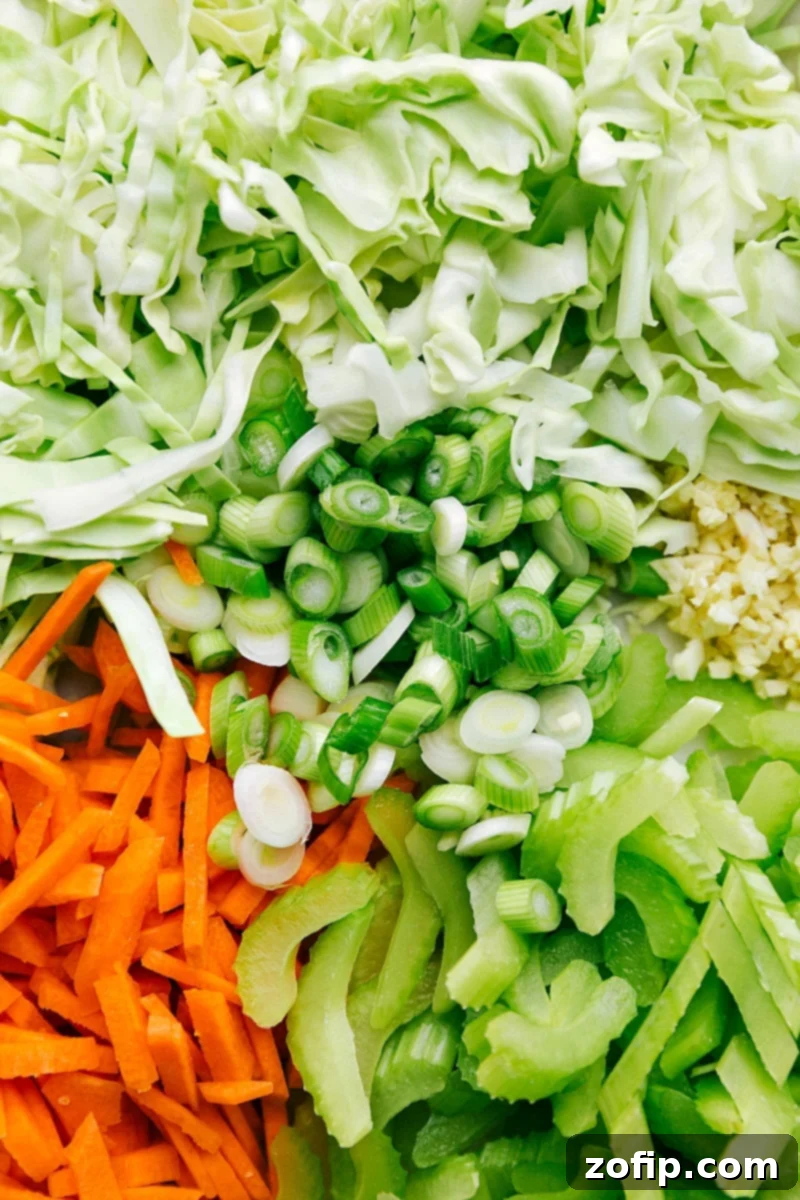
“Mise en place” is crucial for stir-fries! Prepare all your vegetables before you even turn on the stove. Finely shred the green cabbage (about 3 cups). Coarsely mince 1½ teaspoons of fresh ginger and 1½ teaspoons of fresh garlic. Peel 1 carrot and then julienne it into very small, thin matchstick-like pieces (approximately ¾ cup). To do this, you can first cut the carrot into rounds, then stack the rounds and slice them into thin matchsticks. Very thinly slice ¾ cup of celery. Thinly slice ¼ cup of green onions, separating the white root ends from the green tops. Keep the white parts for sautéing and reserve the green tops for a fresh garnish at the end.
Crafting the Savory Sauce:
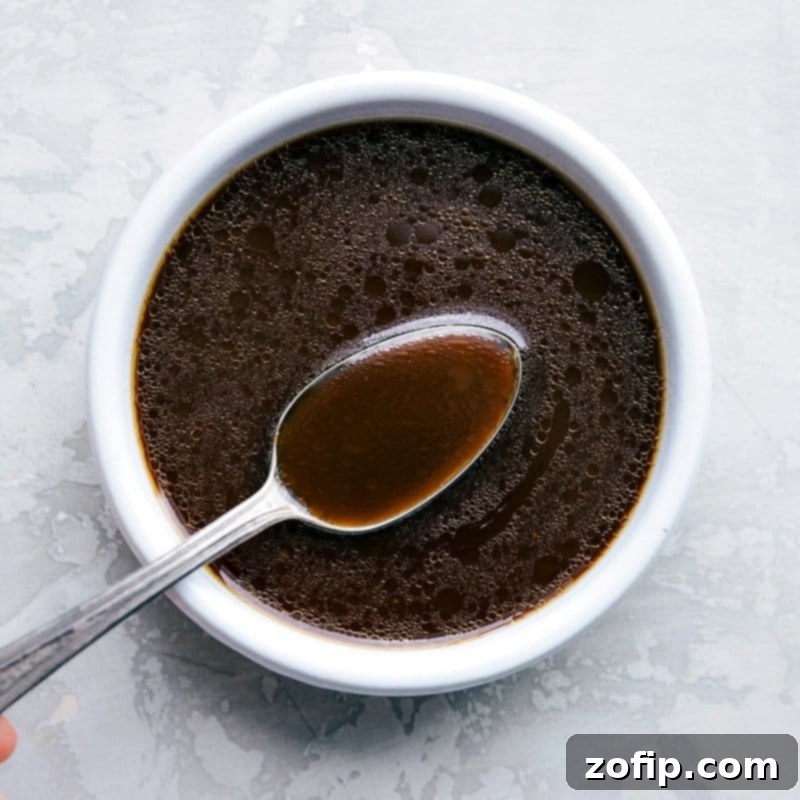
In a small bowl, prepare your flavorful chow mein sauce. First, whisk together ½ tablespoon of cornstarch and 1½ tablespoons of reduced-sodium soy sauce with a fork until the mixture is completely smooth and no lumps remain. This cornstarch slurry is essential for thickening the sauce. Then, stir in 1½ tablespoons of oyster sauce, ⅓ cup of chicken stock or broth, 1 tablespoon of lightly packed light brown sugar, ½ teaspoon of toasted sesame oil, and ½ teaspoon of black pepper. Whisk all the ingredients together until the sauce is well combined and smooth. Set this bowl aside, ready to be added when needed.
Noodle Perfection:
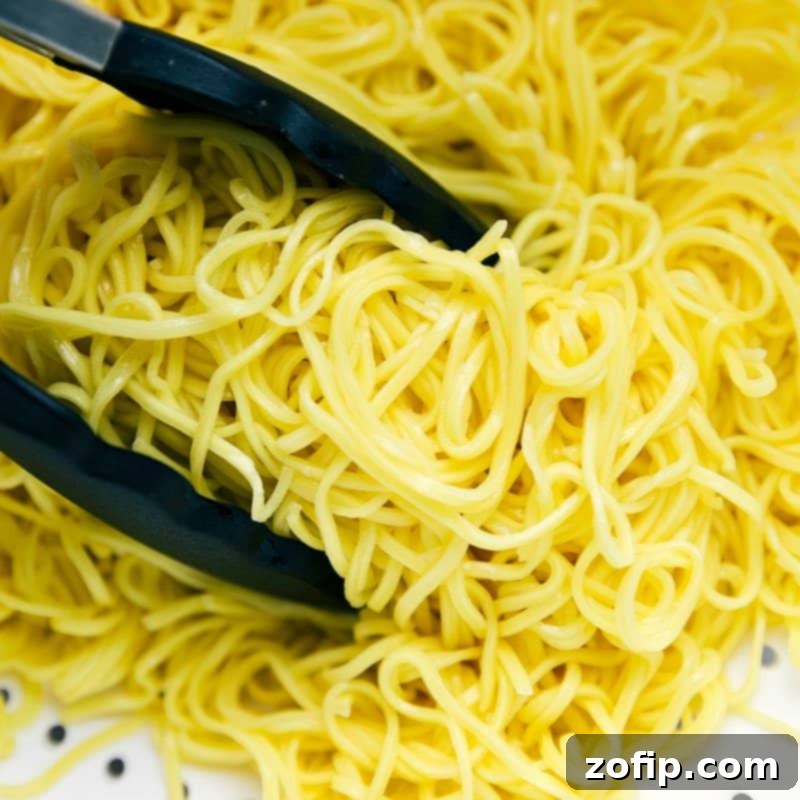
Cook your 6-ounce package of chow mein noodles according to the package directions. Chow mein noodles typically cook very quickly. Once al dente, drain them immediately and rinse thoroughly under cold water. Rinsing prevents the noodles from sticking together and stops the cooking process, ensuring they maintain a pleasant chewiness. Set the rinsed noodles aside in a colander to drain any excess water.
The Sautéing Stage:
Heat 1½ tablespoons of vegetable oil in a large skillet or wok over high heat. High heat is vital for achieving that classic stir-fried “wok hei” flavor. Once the oil is shimmering, add the thinly sliced white roots of the green onions. Sauté for about 1-2 minutes until slightly softened and fragrant. Next, add the minced garlic and ginger, cooking for only about 20 seconds, stirring constantly. Be very careful not to let the garlic or ginger burn, as this can make the dish bitter. Immediately add the prepared chicken pieces to the pan. Stir-fry continuously for about 1 minute, or until both sides of the chicken are lightly browned and almost cooked through.
Combining & Finishing:
To the pan with the chicken, add the shredded cabbage, julienned carrots, and thinly sliced celery. Stir-fry continuously for about 1–2 minutes. The vegetables should become crisp on the outside and tender-crisp inside, with the cabbage just slightly wilted but still retaining some bite. Don’t overcook them! At this point, add the cooked and drained noodles to the pan. Give your reserved sauce mixture a quick whisk again to ensure the cornstarch is well incorporated, then pour it over the noodles and vegetables. Using tongs, toss everything together vigorously for about 1 minute, allowing the sauce to evenly coat all ingredients and thicken beautifully. Finally, stir in the thinly sliced green tops of the green onions. Serve immediately and enjoy your freshly made, delicious Chicken Chow Mein!
Featured Comment
“This chow mein is just like takeout but so much better! Can’t believe how easy it was to make this at home.”
– Courtney
Pro Tips For Chow Mein Perfection
Achieving restaurant-quality Chicken Chow Mein at home is entirely possible with a few expert techniques. These tips will help you maximize flavor, texture, and efficiency in your stir-frying process, ensuring every bite is a delight.
Ultra-Tender Chicken:
To ensure your chicken is exceptionally tender and juicy, cut the pieces into small, uniform ½-inch cubes or thin strips. This not only allows them to cook incredibly fast but also prevents them from drying out, even when stir-fried at high heat. The baking soda tenderization step mentioned in the recipe is also key here; it helps to break down muscle fibers for a melt-in-your-mouth texture.
Evenly Cooked Veggies:
The secret to perfectly crisp-tender vegetables in stir-fries is uniform cuts. Make sure your cabbage is finely shredded, carrots are thinly julienned, and celery is thinly sliced. Consistent sizing means all vegetables cook at roughly the same rate, preventing some from becoming mushy while others remain raw. This ensures every bite offers a satisfying crunch without overcooking.
High Heat, Quick Cook:
A roaring hot pan or wok is non-negotiable for authentic stir-frying. High heat allows the ingredients to sear quickly, locking in their flavors and creating that coveted “wok hei” – the smoky, charred aroma unique to well-executed stir-fries. Cook in batches if your pan isn’t large enough to prevent overcrowding, which lowers the temperature and leads to steaming instead of searing. This quick cooking method is what keeps the chicken juicy and the vegetables crisp.
Prep Everything First:
As emphasized earlier, stir-frying is a rapid process. Once you start, there’s no time to chop vegetables or mix sauces. Have all your ingredients measured, chopped, and arranged near your cooking station before you even turn on the heat. This “mise en place” strategy will make the cooking process smooth, enjoyable, and stress-free.
Don’t Overcrowd the Pan:
If you’re making a larger batch, or your pan is on the smaller side, cook the chicken and vegetables in separate batches. Overcrowding the pan reduces the heat dramatically, causing ingredients to steam rather than stir-fry. Steamed ingredients become watery and limp, missing that distinct stir-fried texture and flavor.
Storage and Reheating
- Storage: To store leftover Chicken Chow Mein, first allow it to cool completely to room temperature. Then, transfer it to an airtight container. It can be safely refrigerated for up to 3 to 4 days, making it a fantastic option for meal prep.
- Reheat: For best results, reheat chow mein in a skillet over medium heat, stirring occasionally until warmed through. If the noodles appear a bit dry, add a splash of water or chicken broth to loosen the sauce and restore moisture. Alternatively, you can microwave it, but use a lower power setting and stir halfway through for even heating.
- Freeze: Freezing Chicken Chow Mein is generally not recommended. The noodles and vegetables tend to lose their desirable texture when thawed, often becoming mushy. This dish is best enjoyed fresh or after a few days in the refrigerator.
More Delicious Chicken Dinners You’ll Love:
If you enjoyed this quick and easy Chicken Chow Mein, you’re in for a treat! Explore more of our highly-rated chicken recipes that are perfect for weeknight meals, special occasions, or just when you need a burst of flavor. From creamy curries to vibrant grilled dishes, these chicken dinners are guaranteed to become new family favorites.
Dinner
Coconut Curry Chicken
Dinner
Mango Chicken
Dinner
Chimichurri Chicken
Dinner
Cilantro Lime Chicken
Chicken Chow Mein
With tender chicken, crisp veggies, and a delicious savory sauce, this simple Chicken Chow Mein recipe is quick, easy, and tastes even better than takeout.
Equipment
- Large pan or wok
A spacious pan or wok is crucial for stir-frying, allowing ingredients to spread out and sear effectively without steaming. Choose one with high sides to contain ingredients during vigorous tossing.
Ingredients
For the Chow Mein:
- 1/2 pound boneless, skinless chicken breasts or thighs, cut into ½-inch pieces
- 3/4 teaspoon baking soda for tenderizing (optional but recommended)
- 3 cups shredded green cabbage
- 1-1/2 teaspoons minced fresh ginger
- 1-1/2 teaspoons minced fresh garlic
- 3/4 cup julienned carrots
- 3/4 cup thinly sliced celery
- 1/4 cup green onions thinly sliced, white and green parts separated
- 1-1/2 tablespoons vegetable oil
- 1 (6-ounce) package chow mein noodles
For the Sauce:
- 1/2 tablespoon cornstarch
- 1-1/2 tablespoons reduced-sodium soy sauce
- 1-1/2 tablespoons oyster sauce
- 1/3 cup chicken stock or chicken broth
- 1 tablespoon light brown sugar lightly packed
- 1/2 teaspoon toasted sesame oil or plain sesame oil
- 1/2 teaspoon black pepper
Instructions
- Cut the chicken into small, bite-sized pieces (about ½-inch). Place them in a small bowl and toss thoroughly with ¾ teaspoon of baking soda. Cover the bowl and refrigerate for 15 minutes. This crucial step ensures super tender chicken. After 15 minutes, transfer the chicken to a fine mesh sieve and rinse meticulously under cold running water. Pat the chicken completely dry with paper towels to ensure it browns nicely during stir-frying. If you’re short on time, you can skip the baking soda soak, but be mindful not to overcook the chicken.
- Prepare all your ingredients before you begin cooking, as stir-frying moves very quickly. Finely shred the green cabbage (aim for 3 cups). Coarsely mince 1½ teaspoons of fresh ginger and 1½ teaspoons of fresh garlic. Peel and then julienne the carrot into very thin, small matchsticks (yielding about ¾ cup). Very thinly slice the celery (about ¾ cup). Thinly slice the green onions (about ¼ cup total), separating the white root ends from the green tops. Reserve the green tops for a final garnish.
- In a small bowl, prepare the chow mein sauce. First, whisk together ½ tablespoon of cornstarch and 1½ tablespoons of reduced-sodium soy sauce with a fork until the mixture is completely smooth and free of any lumps. Then, stir in the 1½ tablespoons of oyster sauce, ⅓ cup of chicken stock (or broth), 1 tablespoon of light brown sugar, ½ teaspoon of toasted sesame oil, and ½ teaspoon of black pepper. Whisk all the ingredients until the sauce is well combined and smooth. Set this bowl aside.
- Cook the chow mein noodles according to the package directions until they are al dente. Immediately drain the cooked noodles in a colander and rinse them thoroughly under cold water to prevent them from sticking together and to halt the cooking process. Set the rinsed noodles aside, allowing any excess water to drain.
- Heat 1½ tablespoons of vegetable oil in a large pan or wok over high heat until it’s shimmering. Add the thinly sliced white roots of the green onions to the hot pan and sauté for 1-2 minutes until they soften slightly and become fragrant. Next, add the minced garlic and ginger, stir-frying for only about 20 seconds. Be very careful not to let them burn, as burnt aromatics can impart a bitter flavor. Add the prepared chicken pieces to the pan and stir-fry constantly for about 1 minute, or until both sides are lightly browned and almost cooked through.
- Add the shredded cabbage, julienned carrots, and thinly sliced celery to the pan with the chicken. Stir-fry continuously for about 1–2 minutes, or until the vegetables are crisp-tender and the cabbage is slightly wilted but still has some bite. Do not overcook them. Next, add the cooked and drained noodles to the pan. Give your prepared sauce mixture a final quick whisk, then pour it over the noodles and vegetables. Using tongs, toss everything together vigorously for 1 minute until all ingredients are evenly coated and the sauce has thickened to a glossy consistency. Finally, stir in the reserved thinly sliced green tops of the green onions. Serve your delicious homemade Chicken Chow Mein immediately while hot!
Recipe Notes
Storage: To store leftover Chicken Chow Mein, allow it to cool completely to room temperature before transferring it to an airtight container. It can be refrigerated for 3–4 days. For reheating, gently warm in a skillet over medium heat, adding a splash of water or broth if needed to loosen the sauce. Freezing is not recommended, as noodles and fresh vegetables tend to lose their optimal texture upon thawing.
Nutrition
Calories: 351kcal |
Carbohydrates: 25g |
Protein: 29g |
Fat: 15g |
Saturated Fat: 10g |
Cholesterol: 74mg |
Sodium: 1812mg |
Potassium: 955mg |
Fiber: 5g |
Sugar: 13g |
Vitamin A: 8450IU |
Vitamin C: 47mg |
Calcium: 88mg |
Iron: 2mg
Nutrition information is automatically calculated and should be used as an approximation.