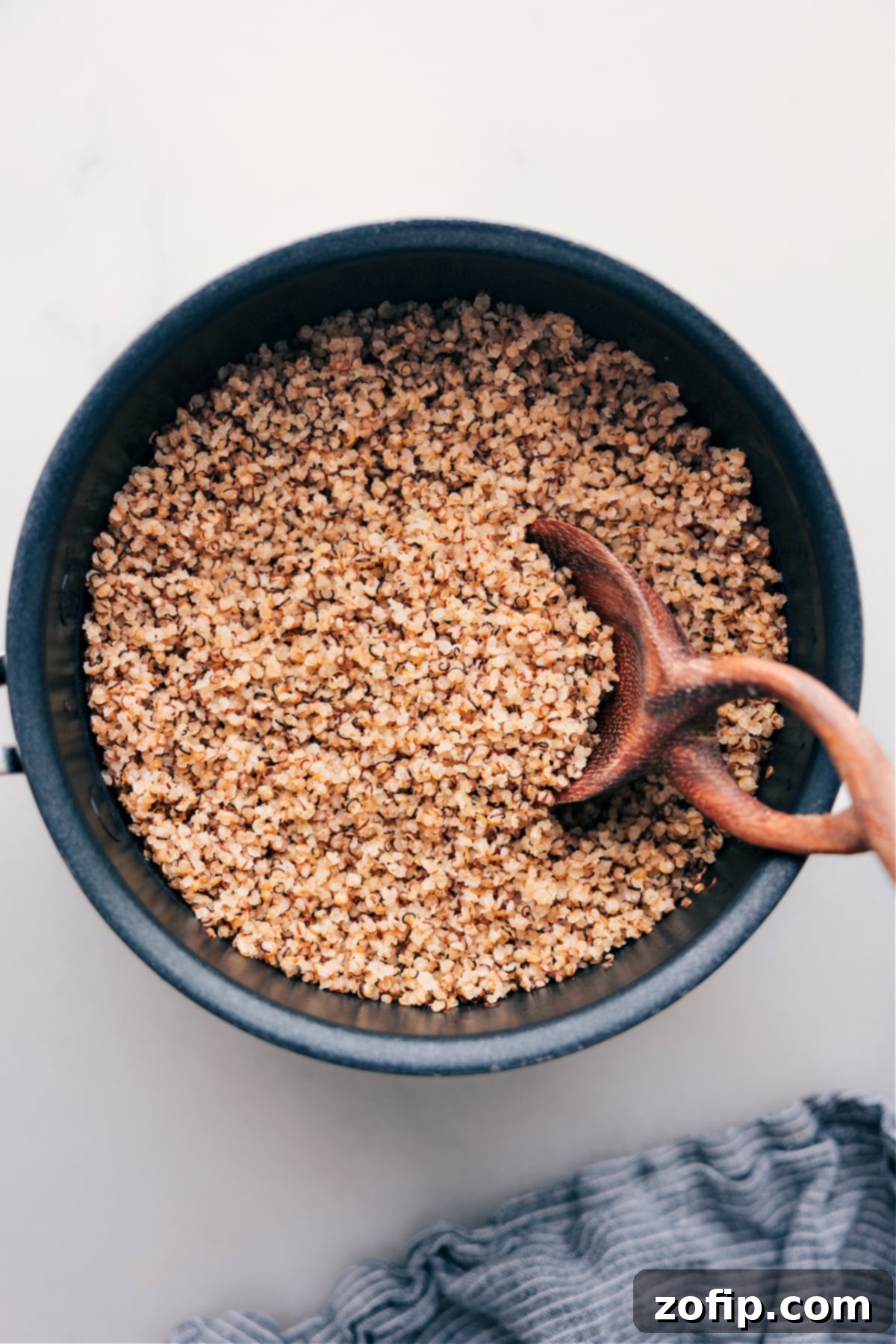
Master the art of cooking quinoa on the stovetop perfectly every time! This comprehensive guide provides simple tips and tricks to achieve light, fluffy, and flavorful quinoa that will elevate any meal. Whether you’re a seasoned chef or a kitchen novice, our foolproof method ensures delightful results.
Looking for more inspiration? Explore our collection of favorite quinoa recipes to add to your culinary repertoire.
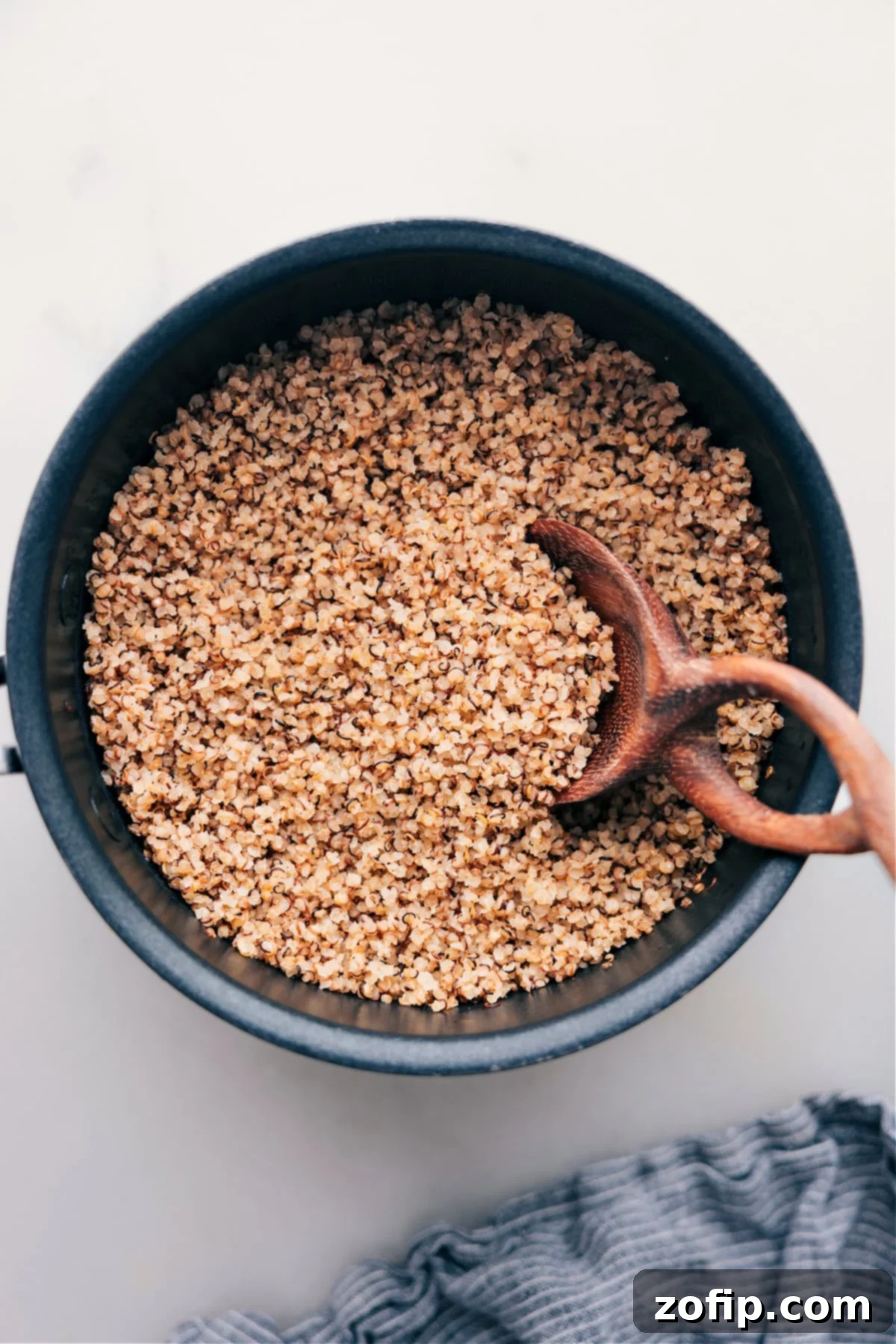
What Is Quinoa and Why You Should Eat It?
Quinoa, pronounced “KEEN-wah,” is an ancient grain that has soared in popularity for all the right reasons. Technically a seed, not a grain, it’s celebrated as a **gluten-free superfood** due to its impressive nutritional profile. Originating from the Andes Mountains, quinoa has been a staple food for centuries and is now recognized globally as a powerhouse ingredient.
Beyond its culinary versatility, quinoa is a complete protein, meaning it contains all nine essential amino acids necessary for human health. This makes it an exceptional choice for vegetarians, vegans, and anyone looking to boost their protein intake. Furthermore, it’s rich in fiber, which aids digestion and promotes satiety, helping you feel fuller for longer. Packed with antioxidants, vitamins (like B vitamins and E), and minerals (such as iron, magnesium, phosphorus, and manganese), quinoa offers a holistic boost to your diet.
Cooking quinoa on the stovetop is surprisingly simple, akin to preparing rice, yet the results are far more rewarding. Our method will guide you to consistently achieve light, fluffy, and incredibly flavorful quinoa, transforming this humble seed into a star component of your meals.
Choosing the Right Quinoa for Your Dish: Varieties Explained
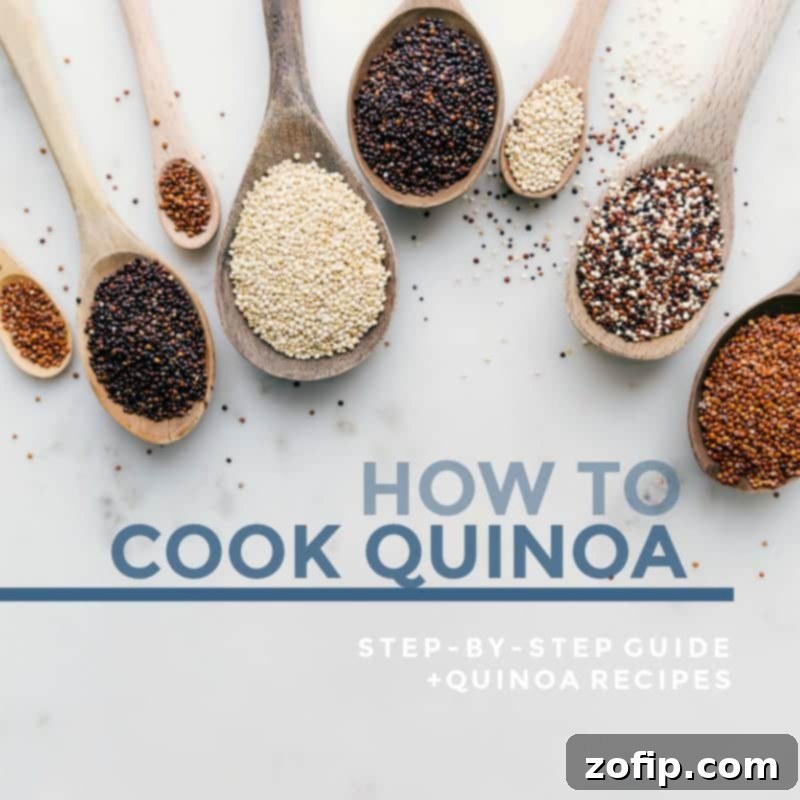
While over 120 varieties of quinoa exist, three main types dominate the market: white, red, and black. Each offers a slightly different texture and flavor profile, making them suitable for various culinary applications. You might also find tri-colored quinoa, which is a blend of all three.
- White Quinoa: This is the most common and widely available variety, often simply labeled as “quinoa.” It has the mildest flavor and the softest, fluffiest texture when cooked, making it incredibly versatile. It cooks the fastest and is ideal for everyday use, absorbing flavors beautifully.
- Red Quinoa: With a slightly nuttier flavor and a chewier texture, red quinoa holds its shape exceptionally well after cooking. This characteristic makes it a fantastic choice for salads, where you want the grains to remain distinct and not become mushy. It takes a few minutes longer to cook than white quinoa.
- Black Quinoa: The most robust of the three, black quinoa boasts an earthier and subtly sweeter flavor profile. It maintains its firm, slightly crunchy texture even after cooking, adding a satisfying bite to dishes. Like red quinoa, it’s excellent in salads and takes slightly longer to cook than its white counterpart.
Is Quinoa Gluten-Free? Understanding Cross-Contamination: Yes, quinoa is naturally gluten-free. However, it’s crucial to be aware that many quinoa products are processed in facilities that also handle gluten-containing grains. To ensure your quinoa is safe for those with celiac disease or gluten sensitivity, always check the label for a “certified gluten-free” seal. This certification guarantees that the product meets strict standards for minimal to no cross-contamination.
What You’ll Need to Cook Quinoa: The Essentials
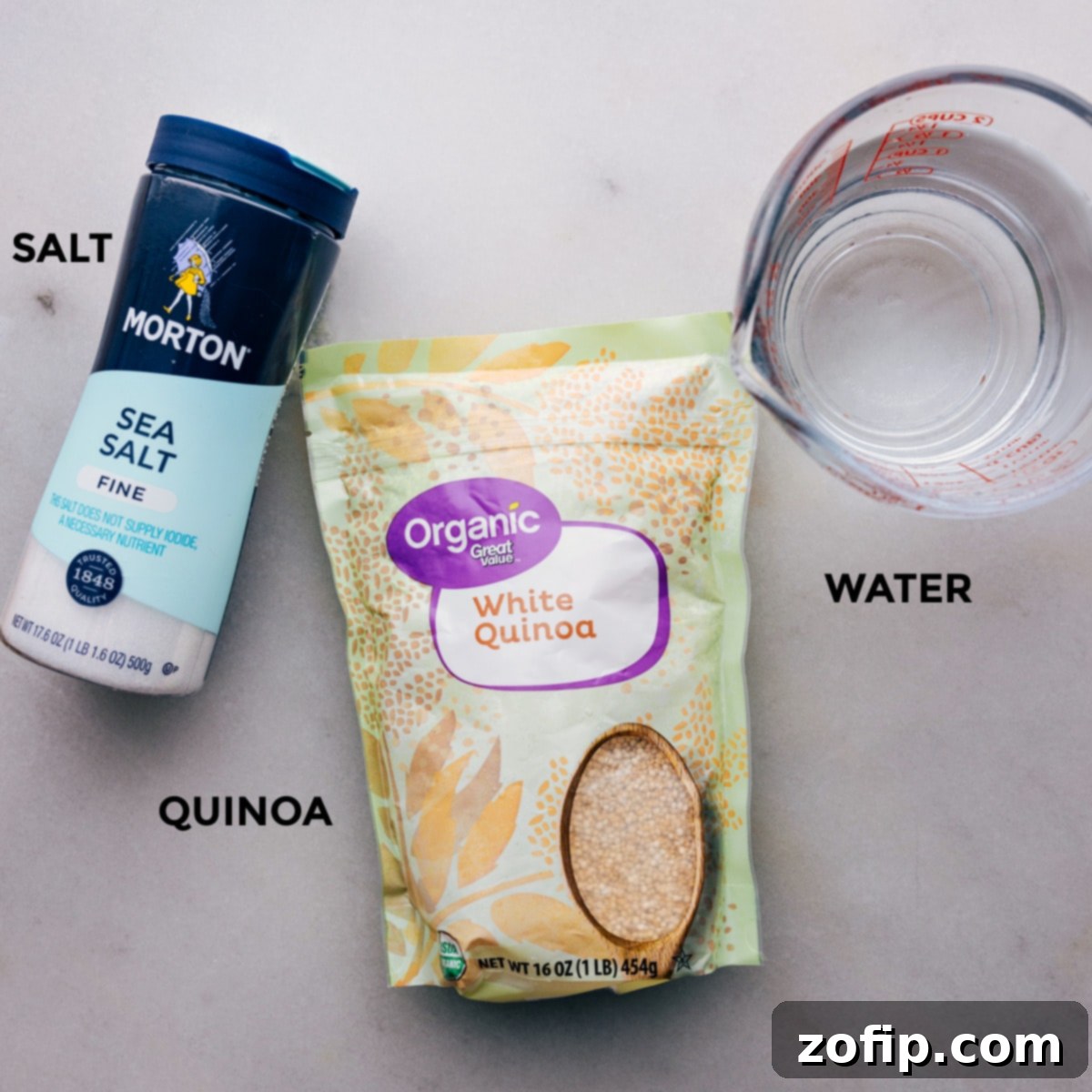
Preparing perfect quinoa requires just a few basic ingredients and simple kitchen tools. The beauty lies in the simplicity and the quality of your components.
- Quinoa: As discussed, choose your favorite variety. White quinoa is generally recommended for beginners due to its milder flavor and softer texture.
- Water: The golden rule for stovetop quinoa is a 2:1 ratio of water to quinoa. For example, if you’re cooking 1 cup of dry quinoa, you’ll need 2 cups of water. Filtered water can sometimes lead to a cleaner taste, but tap water works perfectly fine. You can also use vegetable or chicken broth for added flavor.
- Salt: A pinch of salt is crucial to enhance the quinoa’s natural flavor. We recommend about half a teaspoon of fine sea salt per cup of dry quinoa. Adjust to your preference.
Essential Equipment for Perfect Quinoa
You don’t need fancy gadgets to cook quinoa. Just these few items:
- Medium Saucepan with a Tight-Fitting Lid: A good quality pot will ensure even heat distribution and prevent scorching. A tight lid is essential for steaming the quinoa effectively.
- Fine-Mesh Sieve or Strainer: Absolutely critical for rinsing the quinoa thoroughly. The small holes prevent the tiny grains from washing away.
- Fork: For fluffing the cooked quinoa at the end.
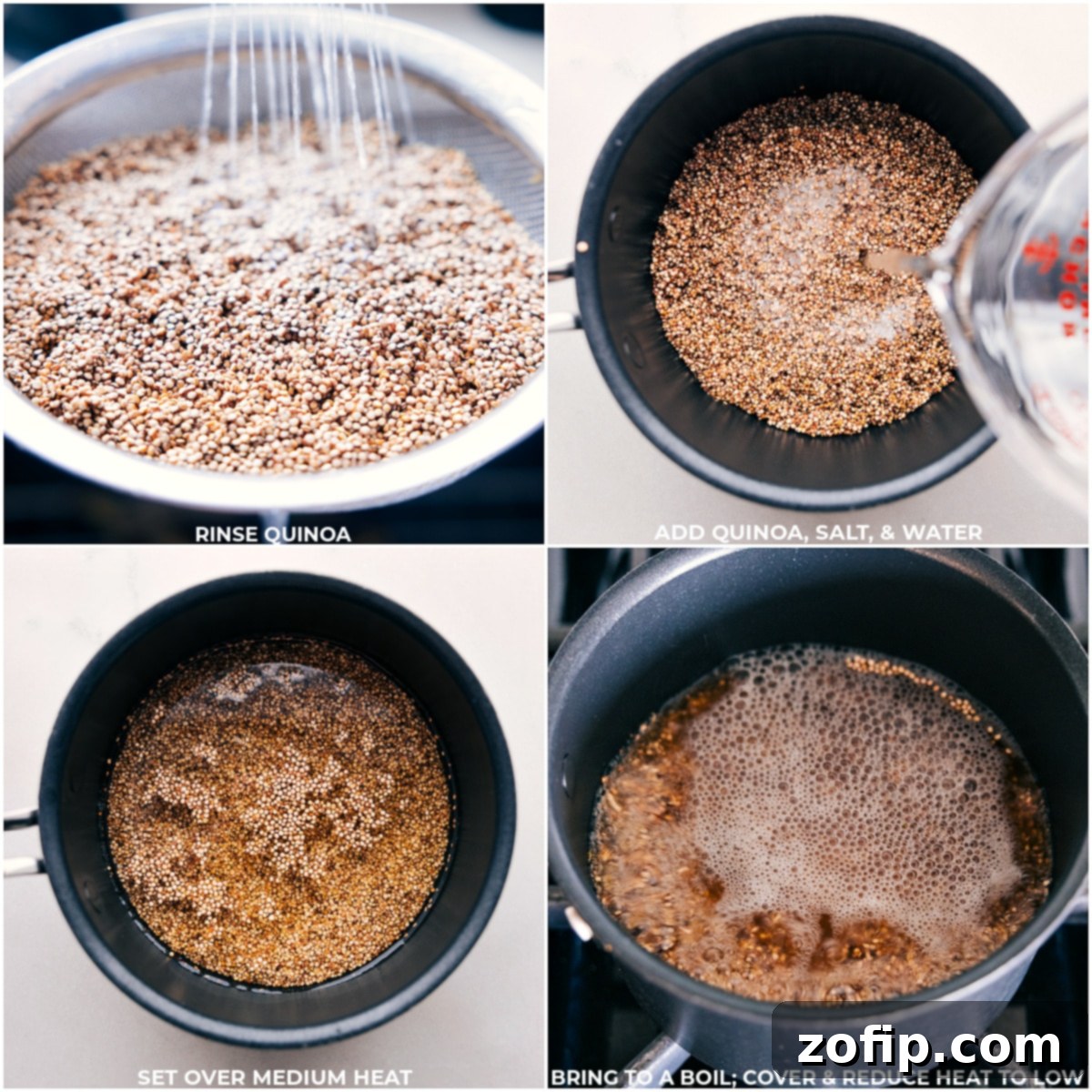
How To Cook Quinoa on the Stovetop: A Foolproof Method
Follow these simple steps to achieve perfectly cooked, fluffy quinoa every time. This method ensures optimal texture and flavor, preventing common issues like mushiness or bitterness.
- Optional: Toasting for Enhanced Flavor (4-6 minutes): For an extra layer of nutty flavor, heat a completely dry medium pot over medium-high heat. Add the dry, unrinsed quinoa to the pot (no oil needed at this stage). Toast the quinoa for 4-6 minutes, stirring frequently with a wooden spoon or spatula, until it releases a distinct nutty aroma and some grains start to turn a light golden color. Be vigilant to prevent burning. This step deepens the flavor profile significantly.
- Crucial: Rinsing the Quinoa (30 seconds): Transfer the toasted (or untoasted, if skipping step 1) quinoa to a fine-mesh sieve. Rinse it thoroughly under cold running water for at least 30 seconds, using your fingers to gently agitate the grains. Continue rinsing until the water runs clear, ensuring all excess water is shaken off. This vital step removes saponin, a natural bitter coating on quinoa, which can otherwise impart an unpleasant soapy taste.
- Cooking the Quinoa (13-15 minutes simmer): Return the rinsed quinoa to the same pot. Add the measured water (2 cups for every 1 cup of dry quinoa) and salt. Bring the mixture to a boil over medium-high heat. Once the water is bubbling gently across the entire surface, immediately reduce the heat to the lowest setting, cover the pot tightly with a lid, and simmer for 13-15 minutes. During this time, resist the urge to lift the lid or stir the quinoa, as this disrupts the steaming process. For larger batches (more than 1 cup), cooking time may be extended slightly. After 13-15 minutes, check if all the water has been absorbed; you should see small “tails” emerging from the grains, indicating they are cooked.
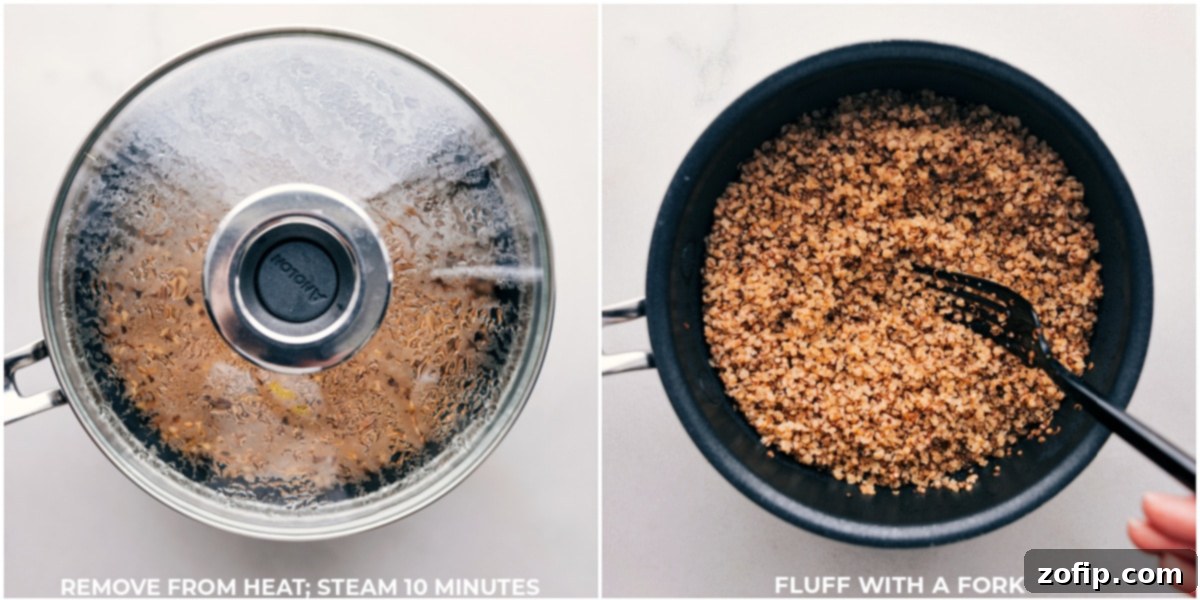
- Essential: Resting the Quinoa (10 minutes): Once the water is fully absorbed, quickly replace the lid if you lifted it, and remove the pot from the heat. Let the quinoa stand, covered, for a crucial 10 minutes. This resting period allows the quinoa to continue steaming in its own residual heat, resulting in a lighter, fluffier texture and preventing it from becoming soggy. Do not skip this step!
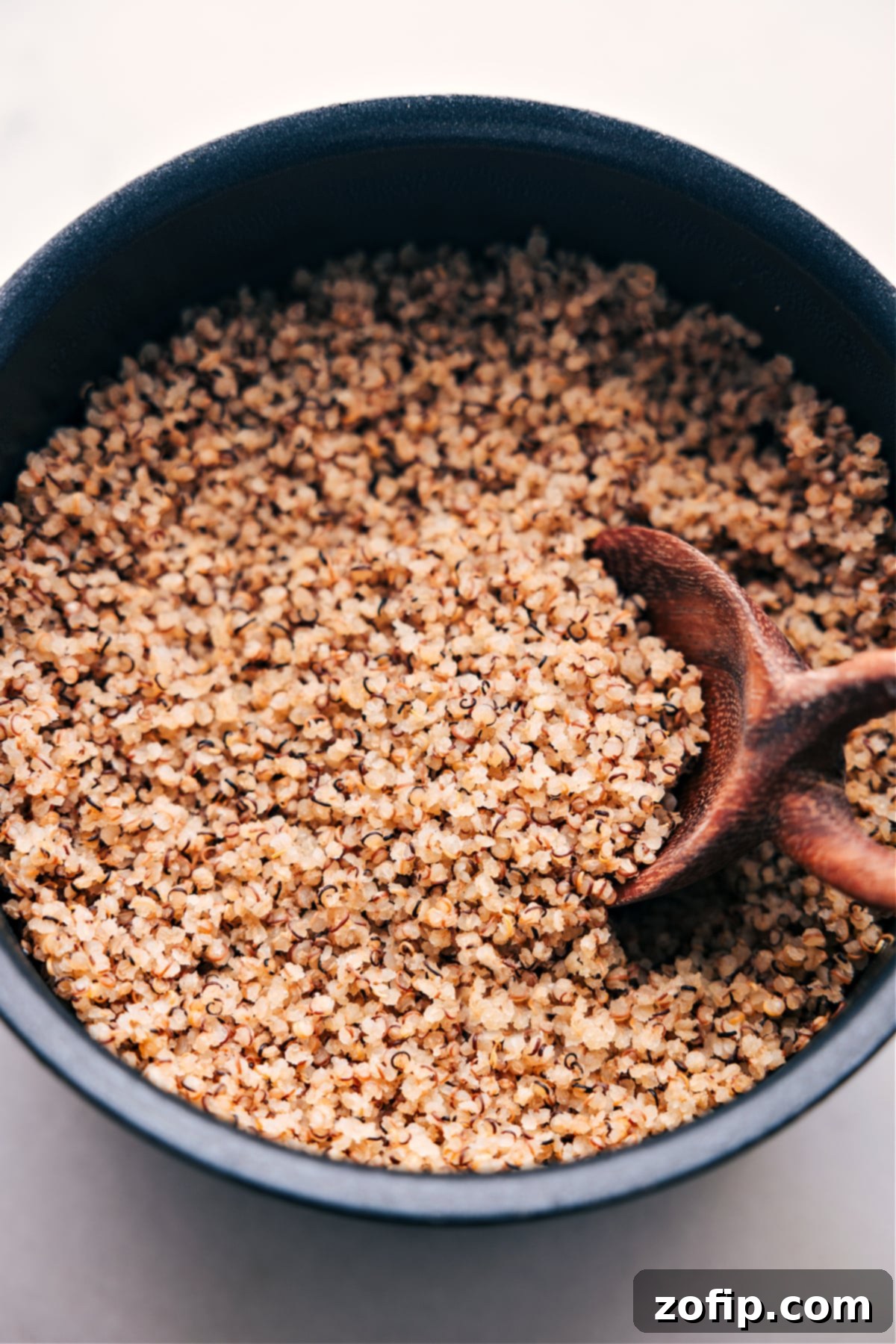
- Finishing Touch: Fluffing and Serving: After resting, uncover the pot. Using a fork, gently fluff the quinoa to separate the grains. The result should be perfectly light, fluffy, and distinct grains. Serve immediately as a side dish, a base for bowls, or incorporate into your favorite recipes.
Quinoa Yield: For reference, one cup of dry quinoa yields approximately three cups of perfectly cooked quinoa.
Why Rinsing Quinoa Is a Must
Rinsing quinoa is not just a suggestion; it’s a critical step for a delicious outcome. Quinoa naturally has a coating called saponin, which serves as a natural defense mechanism against birds and insects. While harmless to humans, saponin has a distinctly bitter, sometimes soapy taste. Failing to rinse quinoa can result in an unpalatable dish.
To effectively remove this bitter coating, place the quinoa in a fine-mesh strainer and rinse it under cold running water for at least 30 seconds, or until the water runs completely clear. Agitating the grains gently with your fingers helps ensure all surfaces are thoroughly washed. This simple step guarantees your cooked quinoa will be clean, mild, and ready to absorb the flavors you choose to add.
How To Improve the Flavor of Quinoa: Creative Enhancements
Plain quinoa has a subtle, earthy flavor, making it an excellent canvas for various culinary creations. If your cooked quinoa is part of a larger recipe with strong flavors, additional seasoning may not be necessary. However, for standalone quinoa or as a neutral base, enhancing its flavor can transform it from simple to sublime.
Here are some ways to infuse more flavor into your quinoa:
- Use Broth Instead of Water: Replace water with vegetable, chicken, or beef broth for a savory depth.
- Aromatics: Sauté minced garlic, onions, or shallots in a tablespoon of oil (olive oil or butter work well) in the pot before adding the rinsed quinoa. Cook until fragrant, about 1-2 minutes.
- Spices and Herbs: After sautéing aromatics (or directly in the dry pot if skipping aromatics), add about 1 teaspoon of your favorite spices (e.g., turmeric, curry powder, paprika, chili powder, cumin, za’atar) and stir for 30 seconds to “bloom” them. Then add the rinsed quinoa, water/broth, and salt, and proceed with the cooking instructions. Fresh herbs like parsley, cilantro, or dill can be stirred in after the quinoa is cooked and fluffed.
- Citrus Zest: A little lemon or lime zest stirred into the cooked quinoa brightens its flavor considerably.
- Nutritional Yeast: For a cheesy, umami flavor, stir in a tablespoon or two of nutritional yeast after cooking.
- A Touch of Fat: A drizzle of high-quality olive oil, a pat of butter, or a spoonful of pesto stirred into the warm, fluffed quinoa adds richness.
Troubleshooting Common Quinoa Problems
Even with a foolproof recipe, sometimes things don’t go exactly as planned. Here are solutions to common quinoa cooking issues:
- Mushy Quinoa: This usually means too much water or overcooking. Ensure you’re sticking to the 2:1 water-to-quinoa ratio and avoiding lifting the lid during cooking. The resting period is crucial for absorbing excess moisture. If it’s already mushy, spread it out on a baking sheet to dry slightly before using it in a dish where texture isn’t paramount.
- Crunchy or Undercooked Quinoa: Not enough water, not enough cooking time, or the lid wasn’t tight enough, allowing steam to escape. If your quinoa is still crunchy after cooking, add 1/4 cup of hot water or broth, cover the pot tightly, and let it steam on very low heat for another 5-10 minutes, followed by the resting period.
- Bitter Quinoa: This is almost always due to insufficient rinsing of the saponin coating. Ensure you rinse thoroughly under cold running water for at least 30 seconds, until the water runs clear.
- Scorched Bottom: Heat was too high during simmering. Always reduce the heat to the lowest setting once the water comes to a boil. A heavy-bottomed pot can also help prevent scorching.
Serving Suggestions for Cooked Quinoa
Cooked quinoa is incredibly versatile and can be incorporated into a multitude of dishes. Its mild flavor and satisfying texture make it an excellent substitute for rice or couscous, or a hearty addition to almost any meal.
- As a Side Dish: Serve warm, seasoned quinoa alongside grilled chicken, fish, or roasted vegetables.
- Breakfast Bowl: Sweeten it with fruit, nuts, honey, or maple syrup for a healthy breakfast porridge.
- Salad Base: Quinoa salads are popular for a reason! It adds protein and texture to greens, roasted vegetables, and dressings.
- Stuffed Vegetables: Use it as a filling for bell peppers, zucchini, or tomatoes.
- Veggie Burgers: A fantastic binder and texture enhancer in homemade veggie patties.
- Soups and Stews: Stir cooked quinoa into hearty soups or stews for added substance and nutrition.
- Grain Bowls: Combine with your favorite protein, roasted vegetables, and a flavorful dressing for a complete and customizable meal.
Storage Tips for Quinoa
Leftover Quinoa? Here’s How to Store It:
- Uncooked Quinoa: Store dry, uncooked quinoa in an airtight container in a cool, dark, and dry place (like a pantry). It can last for 2-3 years, or even longer if stored in the freezer.
- Cooked Quinoa: Allow cooked quinoa to cool completely before transferring it to an airtight container. Refrigerate for up to 5-7 days. For longer storage, cooked quinoa can be frozen in individual portions for up to 12 months. Thaw in the refrigerator overnight or reheat directly from frozen.
Reader Favorite Quinoa Recipes:
Once you’ve mastered the art of cooking quinoa, you’ll be eager to incorporate it into more meals. Here are some of our most loved quinoa recipes to inspire your next dish:
- Sweet Potato Quinoa Salad
- Fresh Quinoa Salad with Avocado
- Healthy Quinoa and Veggie Detox Salad
- Easy One-Skillet Southwest Quinoa Chili
- Vibrant Thai Quinoa Salad
How to Cook Quinoa: The Basic Recipe
By Chelsea Lords
A simple, effective method to cook quinoa on the stovetop, yielding light, fluffy, and flavorful grains every time.
Prep Time: 5 minutes
Cook Time: 15 minutes
Rest Time: 10 minutes
Total Time: 30 minutes
Yields: 3 cups cooked quinoa
Servings: Approximately 3 servings
Equipment
- Medium saucepan with a tight-fitting lid
- Fine-mesh sieve or strainer
- Fork
Ingredients
- 1 cup quinoa (white, red, or black – see notes for varieties)
- 2 cups water (or vegetable/chicken broth for more flavor)
- 1/2 teaspoon salt (fine sea salt recommended)
Instructions
- Optional Toasting: Heat a dry medium pot over medium-high heat. Add the dry quinoa and toast for 4-6 minutes, stirring regularly, until it smells nutty. Watch carefully to prevent burning.
- Rinse Quinoa: Pour the quinoa (toasted or untoasted) into a fine-mesh sieve. Rinse thoroughly under cold running water for 30 seconds, agitating with your fingers, until the water runs clear. Shake off excess water.
- Cook: Return the rinsed quinoa to the pot along with the water (or broth) and salt. Bring to a boil over medium-high heat. Once bubbling, immediately cover the pot with a tight-fitting lid, reduce heat to low, and simmer for 13-15 minutes. Do not lift the lid or stir during this time.
- Rest: After 13-15 minutes, remove the pot from heat (keeping it covered). Let the quinoa stand, undisturbed, for 10 minutes. This steaming step is crucial for perfect texture.
- Fluff and Serve: Uncover the pot. Use a fork to gently fluff the quinoa, separating the grains. Serve warm as a side, base, or in your favorite recipes.
Recipe Notes
- Quinoa Variety: White quinoa is the most common and cooks fastest. Red and black quinoa have nuttier flavors and retain their shape better, ideal for salads.
- Storage: Store uncooked quinoa in an airtight container in a dry place for 2-3 years. Cooked quinoa can be refrigerated in an airtight container for 5-7 days or frozen for up to 12 months.
Nutrition Information (Approximate)
- Serving: 1 serving
- Calories: 300 kcal
- Carbohydrates: 41g
- Protein: 12g
- Fat: 10g
- Saturated Fat: 1g
- Polyunsaturated Fat: 3g
- Monounsaturated Fat: 5g
- Cholesterol: 4mg
- Sodium: 203mg
- Potassium: 466mg
- Fiber: 4g
- Sugar: 2g
- Vitamin A: 12 IU
- Vitamin C: 1mg
- Calcium: 31mg
- Iron: 3mg
Nutrition information is automatically calculated and should only be used as an approximation.
Enjoyed this guide? Leave a comment below and share your quinoa cooking experience!