The Ultimate Garden Salad: Your Go-To Fresh & Easy Side Dish
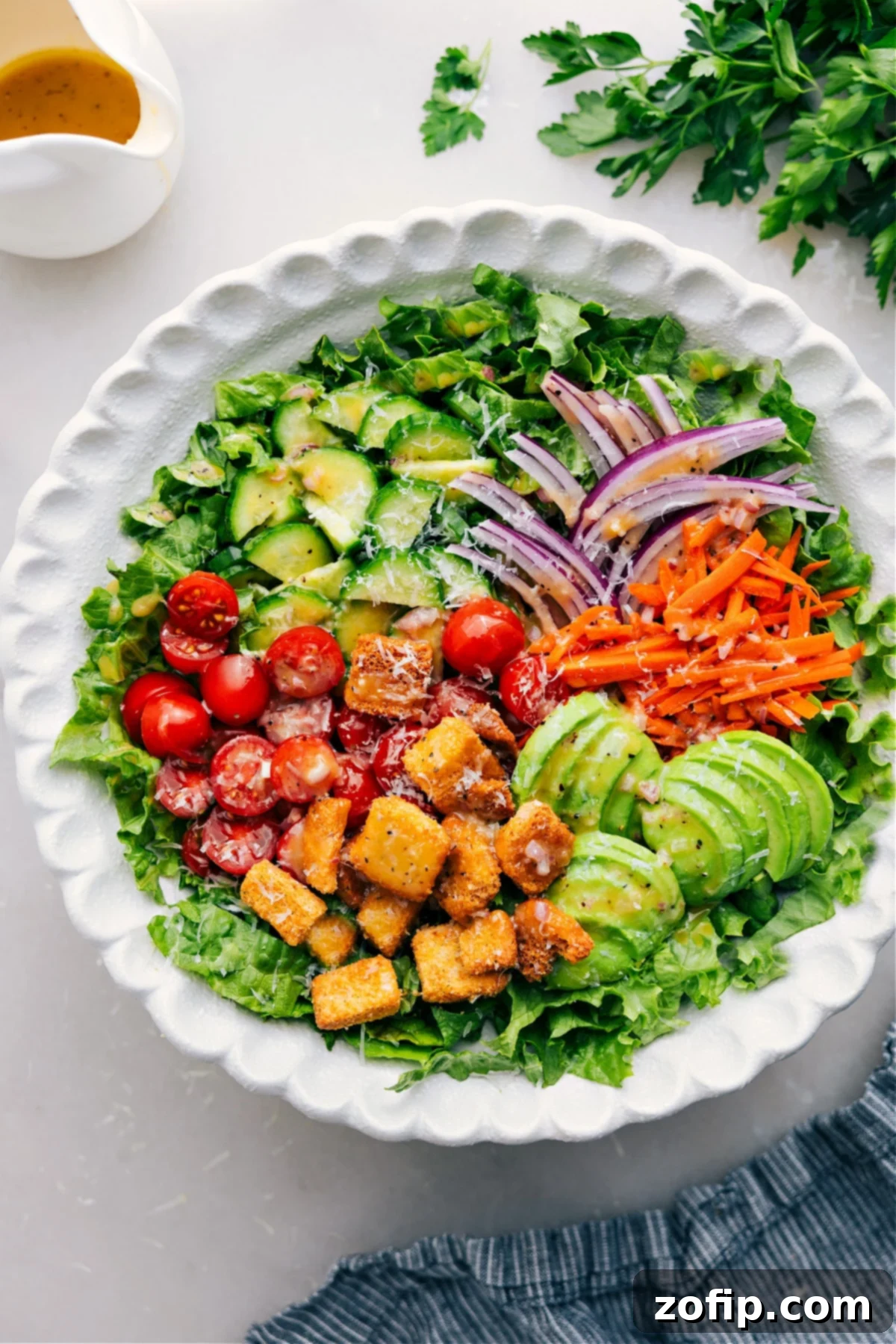
Garden Salad is more than just a side; it’s a celebration of fresh, crisp produce! In minutes, you can assemble a vibrant medley of colorful vegetables, perfectly complemented by a simple yet flavorful homemade dressing. This versatile salad pairs seamlessly with almost any meal, making it an indispensable part of your culinary repertoire.
The Simplicity of a Perfect Garden Salad Recipe
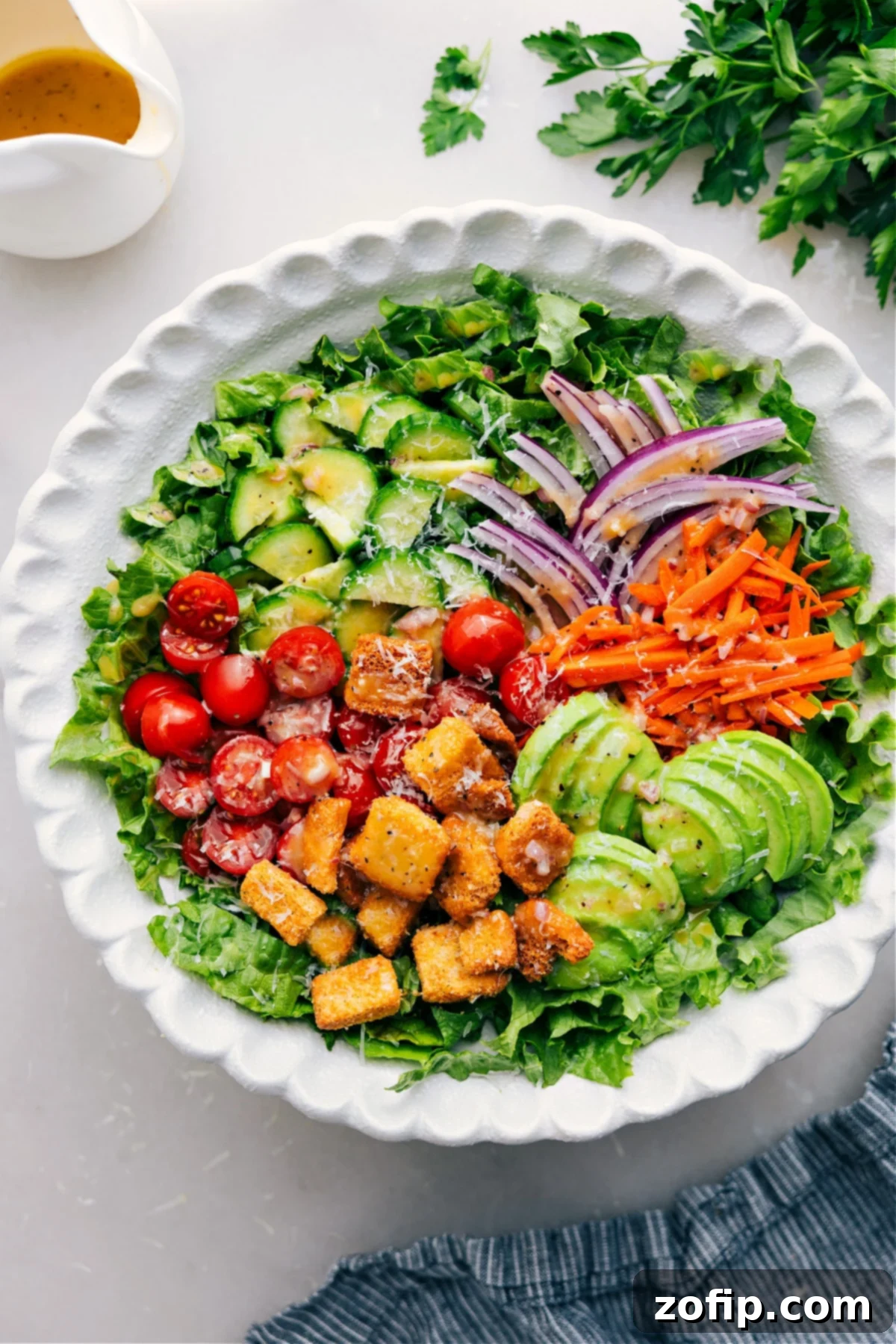
When it comes to enhancing a meal, a garden salad is my ultimate choice. Whether I’m serving succulent grilled chicken, a hearty ground beef stroganoff, or a perfectly cooked steak, a generous bowl of crisp greens and vibrant, fresh vegetables provides the ideal balance. Its light and refreshing nature cuts through the richness of heavier main courses, creating a harmonious dining experience.
The beauty of a classic garden salad lies in its straightforward preparation. It’s designed to complement your main dish, not to overshadow it or demand extensive kitchen time. This recipe embodies that philosophy: minimal prep, a selection of fresh, wholesome ingredients, and a bright, zesty dressing that effortlessly elevates any plate. It’s the kind of recipe you’ll commit to memory and turn to repeatedly.
Why Make Your Own Garden Salad?
Opting for a homemade garden salad offers numerous advantages over pre-packaged alternatives. Firstly, you have complete control over the quality and freshness of your ingredients. You can select the ripest tomatoes, the crispest lettuce, and the most flavorful cucumbers, ensuring every bite is bursting with natural goodness. Secondly, making your own salad is often more cost-effective, allowing you to enjoy healthy, delicious food without breaking the bank.
Beyond economics, customization is key. A homemade garden salad allows you to tailor it exactly to your preferences or dietary needs. Want more protein? Add some grilled chicken or chickpeas. Craving extra crunch? Load up on croutons or toasted nuts. The possibilities are endless, making each salad a unique creation.
Essential Ingredients for Your Best Garden Salad
Crafting a truly exceptional garden salad starts with selecting the right components. While you can always tailor this list to your personal taste and what’s available, these are my go-to ingredients for a quick, flavorful, and satisfying salad. Feel free to mix and match to create your perfect bowl!
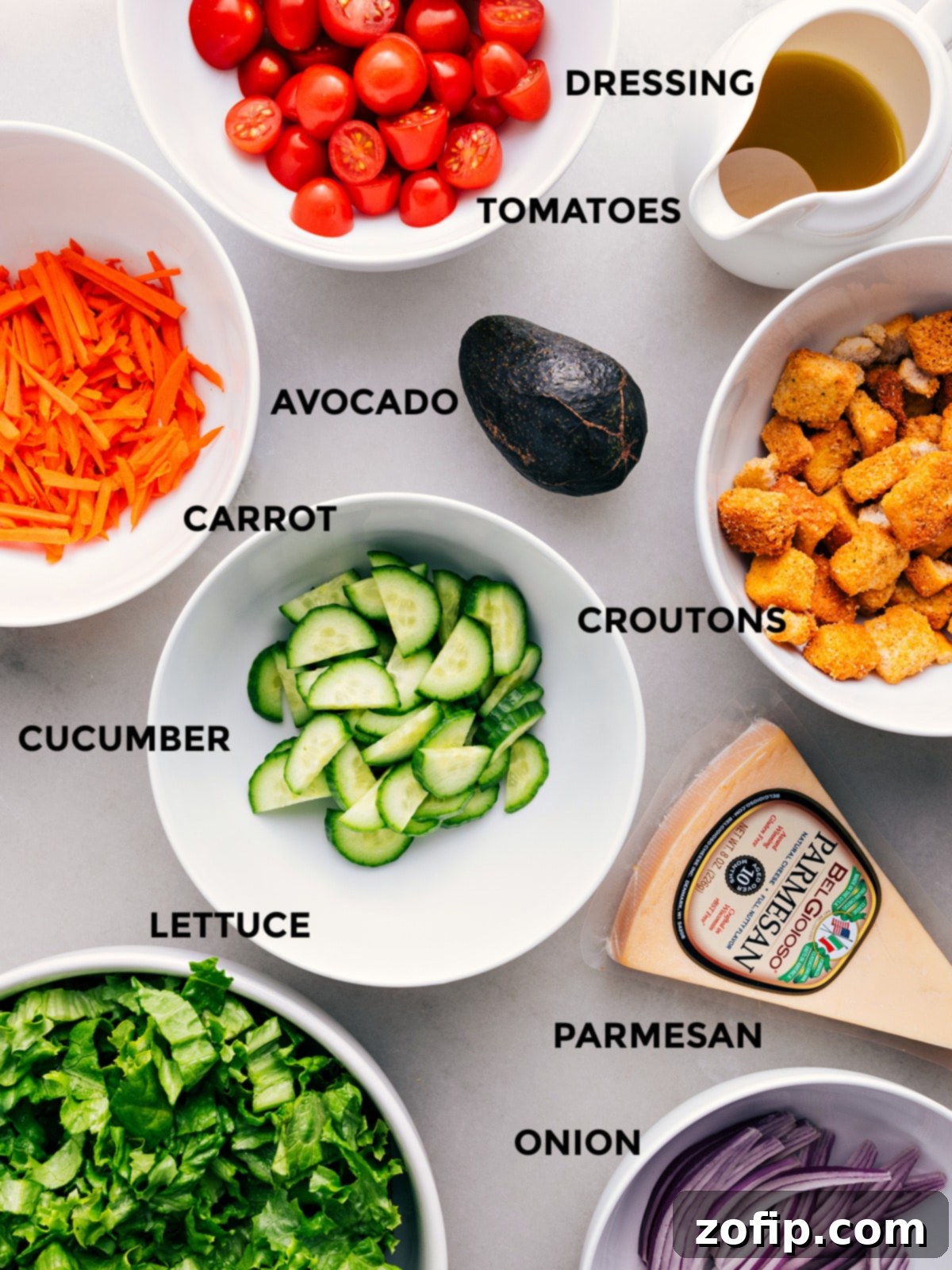
- Lettuce (Romaine or Green Leaf): The foundation of any great garden salad. Romaine offers a sturdy crunch, while green leaf lettuce provides a softer texture. Ensure your greens are thoroughly washed and dried to prevent a watery dressing.
- Tomatoes: For bursts of juicy sweetness. While garden-fresh heirloom tomatoes are ideal in season, cherry or grape tomatoes are fantastic year-round, offering consistent flavor and texture. Halve them for easier eating and an appealing presentation.
- Cucumbers: Essential for that refreshing crunch. English or Persian cucumbers (often labeled “salad cucumbers”) have thinner skins and fewer seeds, making them exceptionally crisp and flavorful. Slice them into half-moons or dice them for varying textures.
- Carrot: Adds a touch of sweetness, vibrant color, and an earthy crunch. Grate a large carrot for fine shreds, peel it into elegant ribbons, or use pre-shredded carrots for convenience.
- Avocado: A ripe avocado introduces a luxurious creaminess and healthy fats. Its smooth texture provides a wonderful contrast to the crisp vegetables. Add it just before serving to prevent browning.
- Red Onion: For a sharp, piquant kick. If raw onion flavor is too intense, a simple trick is to soak the thinly sliced pieces in salted ice water for 10-15 minutes, then drain thoroughly. This mellows the flavor without compromising its crispness.
- Croutons: The ultimate texture enhancer, adding a satisfying crunch. While store-bought croutons are convenient, homemade croutons made from day-old bread offer superior flavor and can be seasoned exactly to your liking.
Crafting the Perfect Garden Salad Dressing
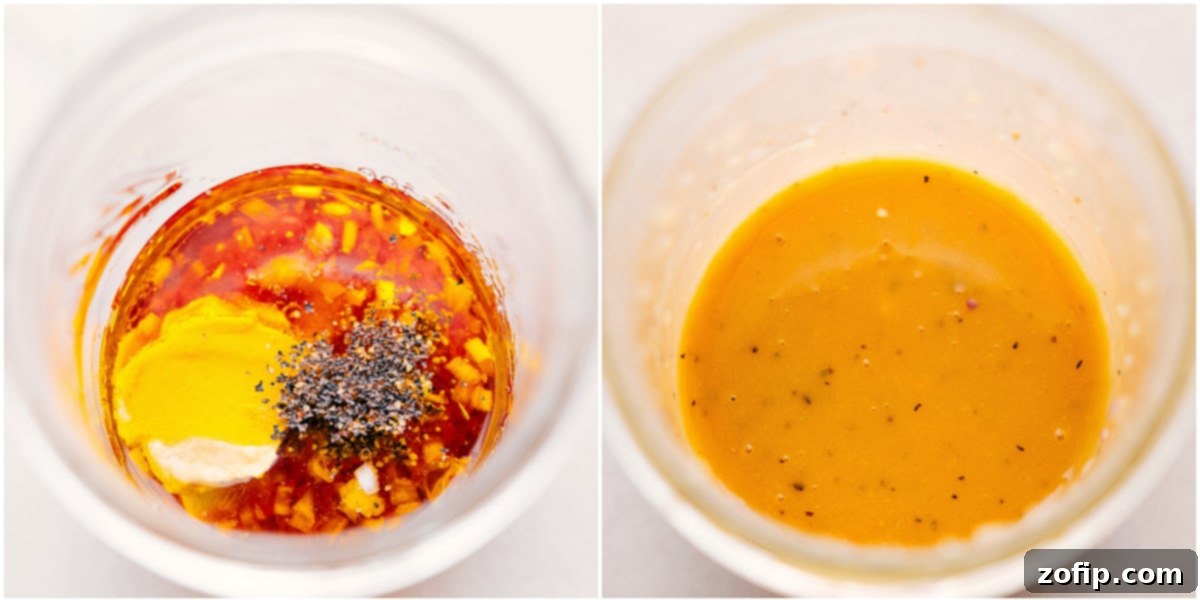
A simple, well-balanced vinaigrette is the soul of a garden salad. Our homemade dressing is incredibly easy to whip up and features a delightful blend of savory, sweet, and tangy notes that complement the fresh vegetables without overpowering them.
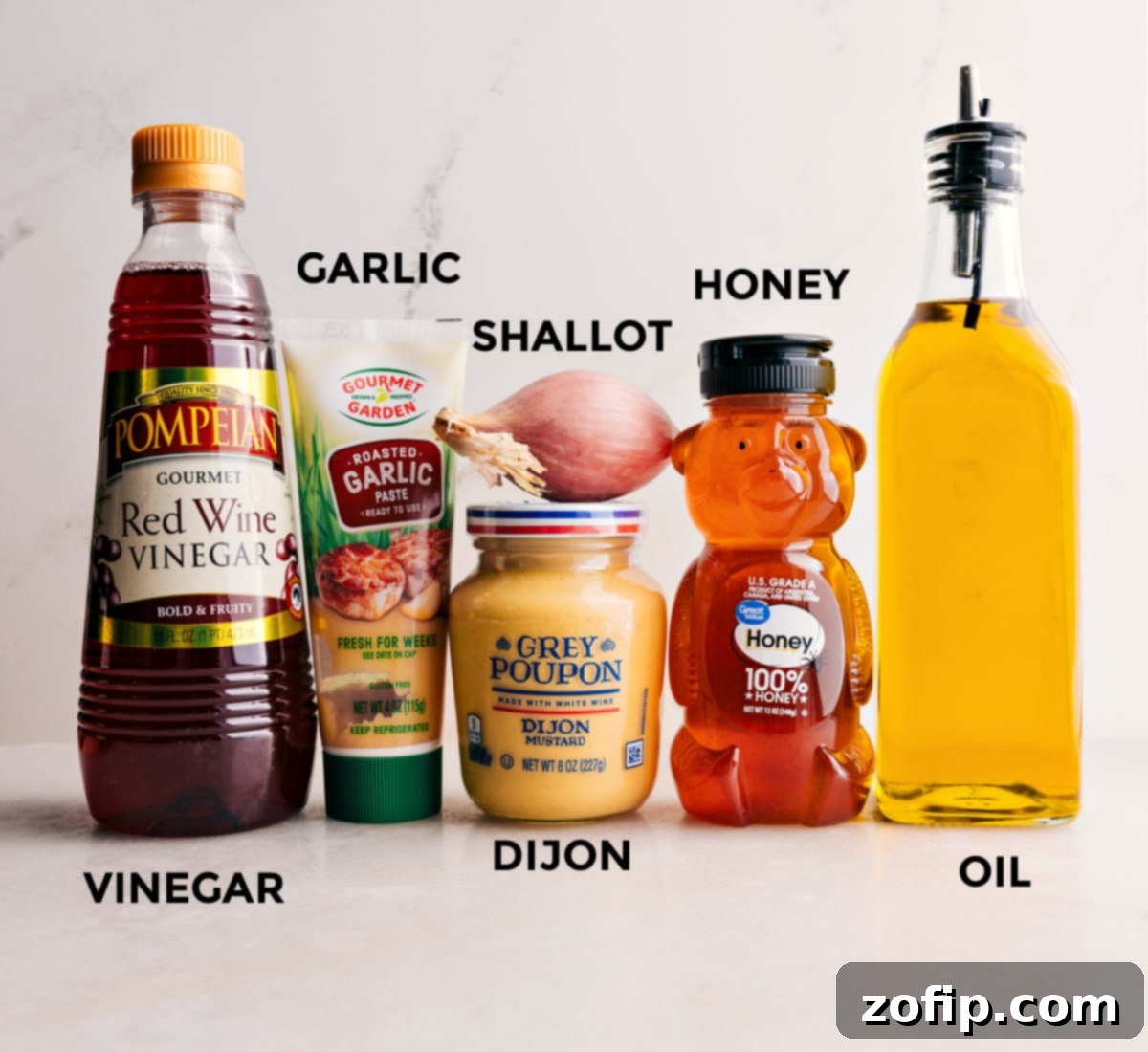
- Olive Oil: The base of our vinaigrette, providing richness and smoothness. Extra-virgin olive oil delivers the best flavor profile.
- Red Wine Vinegar: Adds a crucial tangy acidity that brightens the entire salad. Apple cider vinegar is a great alternative if you prefer a slightly different tang.
- Dijon Mustard: Acts as an emulsifier, helping the oil and vinegar combine into a creamy, cohesive dressing. It also imparts a subtle, savory depth.
- Honey: A touch of sweetness balances the acidity of the vinegar and mustard. Adjust the amount to suit your preference for a sweeter or tarter dressing.
- Minced Garlic & Shallot: These aromatics are flavor powerhouses, adding savory complexity and a subtle pungency that elevates the dressing from ordinary to extraordinary.
- Salt & Pepper: Essential for seasoning and enhancing all the individual flavors. Always taste and adjust as needed.
If you’re looking to explore other dressing options, this salad also pairs beautifully with a classic balsamic vinaigrette, a bright citrus vinaigrette, a refreshing lemon vinaigrette, a sweet poppy seed dressing, or a creamy honey mustard dressing.
Elevating Your Garden Salad: Creative Variations & Toppings
The true beauty of a garden salad is its adaptability. It serves as a perfect canvas for your culinary creativity. Transform it into a hearty meal or add intriguing textures and flavors with these easy additions:
- Cheese Topping: A sprinkle of cheese can add a delightful savory note. Consider crumbled feta for a salty tang, creamy goat cheese, sharp shredded cheddar, or finely grated Parmesan for an umami boost.
- Raw Veggies for Extra Crunch: Beyond the basics, incorporate other fresh, crunchy vegetables. Think sweet corn kernels, thinly sliced mushrooms, crisp snap peas or snow peas, or colorful bell peppers (red, yellow, orange) for added sweetness and vitamins.
- Roasted Veggies for Depth: Roasting vegetables brings out their natural sweetness and adds a warm, tender contrast to the fresh greens. Try chunks of roasted butternut squash, tender broccoli florets, caramelized sweet potatoes, or sweet roasted carrots.
- Fresh Herbs for Aromatic Flair: Finely chopped fresh herbs can dramatically enhance the flavor profile. Green onions offer a mild oniony bite, while basil, mint, or dill can add refreshing, aromatic notes.
- Protein Boost for a Complete Meal: To turn your side salad into a satisfying main course, add a protein source. Sliced hard-boiled eggs, diced ham, grilled or shredded chicken, tender steak strips, pan-seared shrimp, or flaky fish are all excellent choices. For plant-based options, consider chickpeas, black beans, or lentils.
- Nuts & Seeds: Toasted almonds, walnuts, pecans, sunflower seeds, or pumpkin seeds (pepitas) add healthy fats and an irresistible textural crunch.
- Fruits: For a touch of sweetness and unique flavor, slices of apple, pear, or berries (strawberries, blueberries) can be surprisingly delicious additions, especially with a milder dressing.
- Grains: Cooked quinoa or couscous can make the salad more substantial and add a different texture, transforming it into a hearty grain bowl.
Storage Tips for Your Garden Salad
Ensuring your garden salad stays fresh is key to enjoying its crisp texture and vibrant flavors.
- Best Eaten Fresh: For the optimal experience, garden salads are always best enjoyed immediately after being dressed. The dressing can quickly make greens soggy.
- Make Ahead Strategy: If preparing in advance, store all salad ingredients separately in airtight containers. Keep the dressing in its own container in the refrigerator. This way, you can assemble and dress individual portions as needed, ensuring maximum freshness.
- Dressing Longevity: Your homemade dressing can be stored in the fridge for up to a week. Give it a good shake before each use.
- Reviving the Dressing: Should your dressing solidify or separate in the fridge (especially due to the olive oil), simply let it sit at room temperature for 20-30 minutes, then shake vigorously until smooth and emulsified again.
Explore More Simple & Delicious Salad Recipes:
Salads With Meat
Applebee’s Chicken Salad
Salads
Summer Couscous Salad
Salads
Spring Quinoa Salad
Salads
Caesar Salad
Garden Salad
Chelsea Lords
20
minutes
20
minutes
4
as a side
Video
Equipment
- Large bowl
- Jar with a lid (for dressing)
Ingredients
- 7 cups chopped green leaf lettuce (see note 1)
- 1 cup cucumbers (cut in half moons, see note 2)
- 1 cup halved cherry tomatoes
- 1/2 cup thinly sliced red onion (optional)
- 1/2 cup grated carrot (see note 3)
- Toppings as desired (see note 4)
- 3 tablespoons olive oil
- 1-1/2 tablespoons red wine vinegar (or apple cider vinegar)
- 2-1/4 teaspoons Dijon-style mustard
- 1 tablespoon honey
- 1/2 teaspoon minced garlic (1 clove)
- 2 teaspoons finely minced shallot (optional)
- Salt and pepper (to taste)
Instructions
- Combine all dressing ingredients (olive oil, red wine vinegar, Dijon mustard, honey, minced garlic, minced shallot) in a small jar with a lid. Season with salt and pepper to taste (I typically start with 1/4 teaspoon of each). Secure the lid and shake vigorously until all ingredients are thoroughly combined and the dressing is emulsified. If the honey has settled at the bottom, use a spoon to stir it in completely.
- In a large salad bowl, add the completely washed and thoroughly dried chopped romaine or green leaf lettuce (see note 1 for tips on drying). Arrange the cucumbers, halved cherry tomatoes, thinly sliced red onion, and grated carrot on top of the greens.
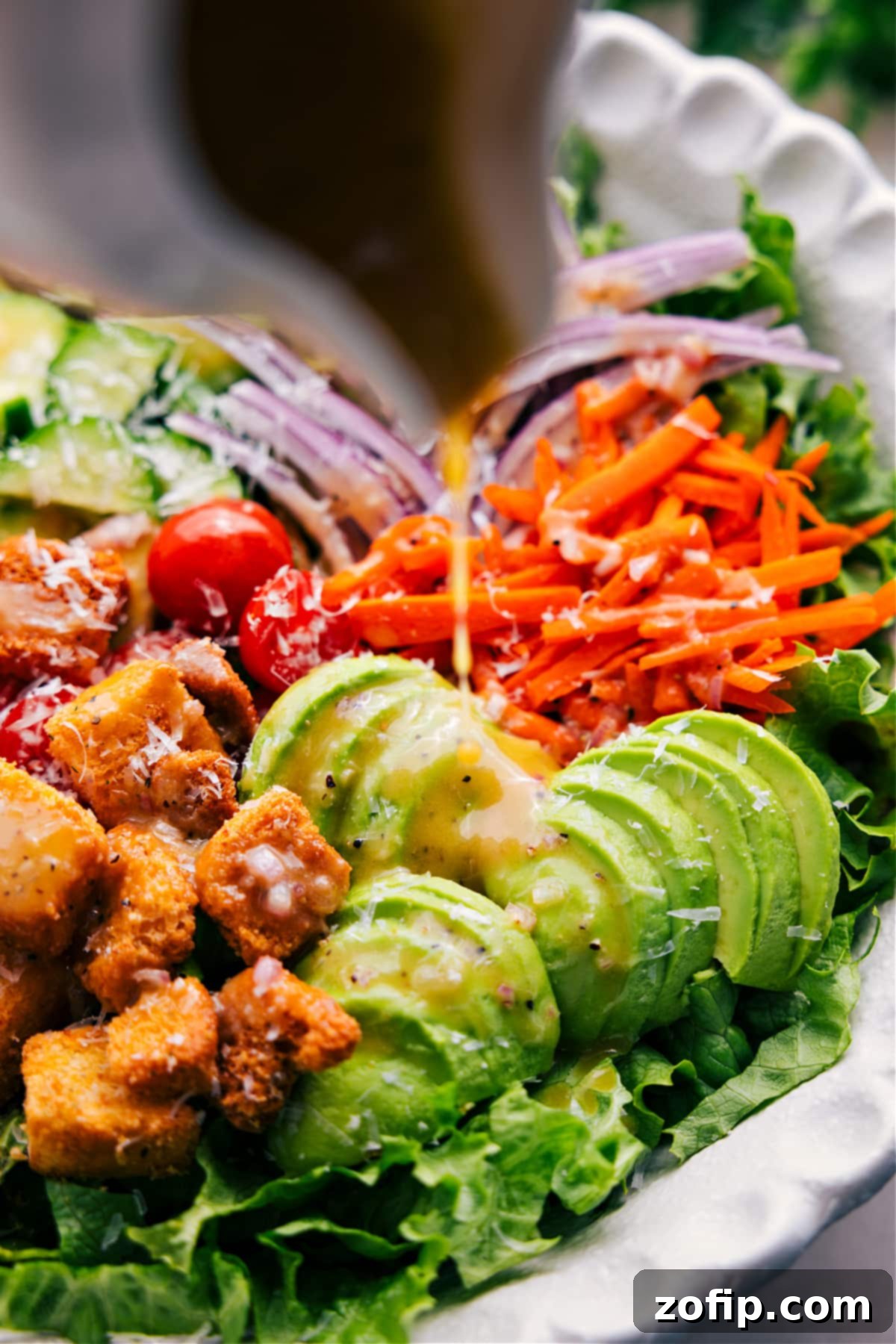
- If you plan to eat the entire salad immediately, drizzle the desired amount of dressing over the vegetables and greens. Toss gently to ensure all ingredients are evenly coated. If you intend to save some salad for later, only dress the portion you will consume at that moment to prevent sogginess. Add any optional toppings, such as avocado or croutons, just before serving. Taste the salad and adjust seasoning (salt, pepper, or a little more dressing) if needed. Serve immediately and enjoy the fresh flavors!
Recipe Notes
Note 2: Choosing Cucumbers: For the best crispness and flavor, opt for English or Persian cucumbers. These varieties are often labeled as “salad cucumbers” and have a less watery texture than standard slicing cucumbers.
Note 3: Preparing Carrots: Approximately 1 large carrot will yield about 1/2 cup when grated. For the ideal texture and visual appeal, peel the carrot first, then use the large holes of a box grater. This creates nice, substantial shreds.
Note 4: Optional Toppings: Enhance your garden salad with these delightful additions: 1 large ripe avocado (cubed or sliced), 1 cup of crispy croutons, and your favorite cheese to taste (such as crumbled feta, creamy goat cheese, sharp cheddar, or finely grated Parmesan).
Nutrition Note: The provided nutrition information is an approximation and does not include any optional toppings you may add.
Storage: Once dressed, this salad does not store well as the greens will become soggy. For storing leftovers or preparing ahead, keep all undressed salad ingredients (greens and chopped vegetables) in separate airtight containers in the refrigerator for up to 3 days. The homemade dressing can be stored separately in the fridge for up to a week. If the dressing separates or appears solid, allow it to sit at room temperature for 20-30 minutes, then shake it well before serving.
Nutrition
Nutrition information is automatically calculated and should only be used as an approximation.
Enjoyed this recipe? Share your thoughts below!
Your feedback helps us grow and inspires other home cooks.
Frequently Asked Questions About Garden Salads
- What makes a garden salad different from other salads?
- A garden salad is typically characterized by its use of fresh, raw vegetables, often including lettuce, tomatoes, cucumbers, and carrots, tossed in a vinaigrette-style dressing. Its appeal lies in its simplicity, freshness, and versatility as a side dish.
- Can I make this garden salad ahead of time?
- You can prepare all the ingredients (chop vegetables, wash and dry lettuce, make dressing) and store them separately in airtight containers in the refrigerator for up to 3 days. Assemble and dress the salad just before serving to maintain crispness.
- What are the best types of lettuce for a garden salad?
- Crisp varieties like romaine, green leaf, or even a spring mix work wonderfully. Romaine offers a good crunch, while green leaf is slightly softer. Avoid iceberg lettuce if you prefer more nutrient density and flavor.
- How can I prevent my salad from getting soggy?
- The most important step is to ensure your greens are completely dry after washing. A salad spinner is highly effective. Also, only dress the portion of the salad you plan to eat immediately. Store dressing separately.
- Is this garden salad healthy?
- Absolutely! Packed with fresh vegetables, this salad is rich in vitamins, minerals, and fiber. The homemade vinaigrette uses wholesome ingredients, contributing to a balanced and nutritious side dish. Add lean protein for a complete, healthy meal.
Conclusion: The Endless Appeal of a Garden Salad
From its humble origins to its versatile variations, the garden salad remains a culinary staple for good reason. It’s a testament to the idea that some of the most satisfying dishes are also the simplest. With crisp, fresh ingredients and a zesty homemade dressing, you can effortlessly bring vibrant flavors and healthy goodness to any table.
Whether you’re looking for a quick weeknight side, a refreshing complement to a rich meal, or a customizable base for a light lunch, this garden salad recipe offers endless possibilities. Embrace the freshness, experiment with toppings, and savor the simple pleasure of a perfectly prepared garden salad.