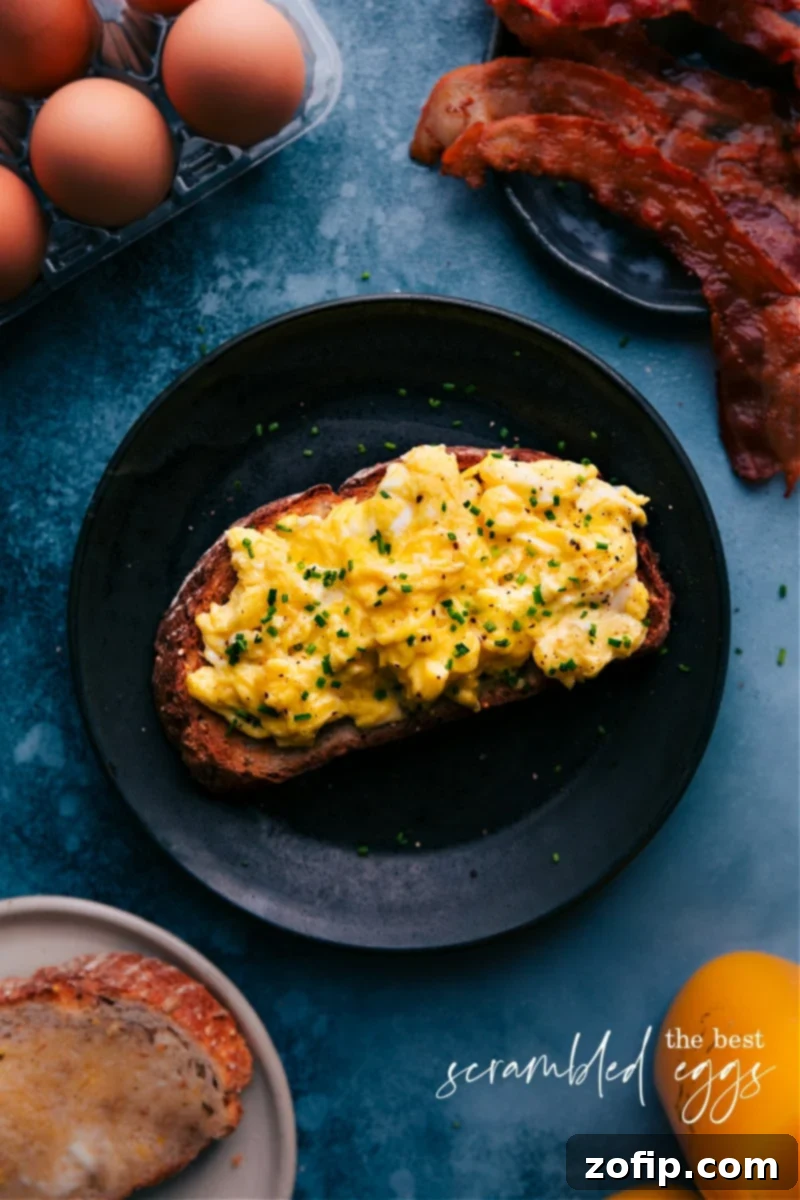
Unlock the Secret to Perfect Scrambled Eggs: Creamy, Custardy & Irresistible
Elevate your breakfast game with this ultimate Scrambled Eggs recipe. Discover simple ingredients and a foolproof technique for consistently creamy, custardy, and utterly delicious eggs that will truly transform your morning meal. Prepare for rave reviews and constant requests for seconds!

A Note from the Chef
Fluffy, Custardy Eggs Worth Waking Up For!
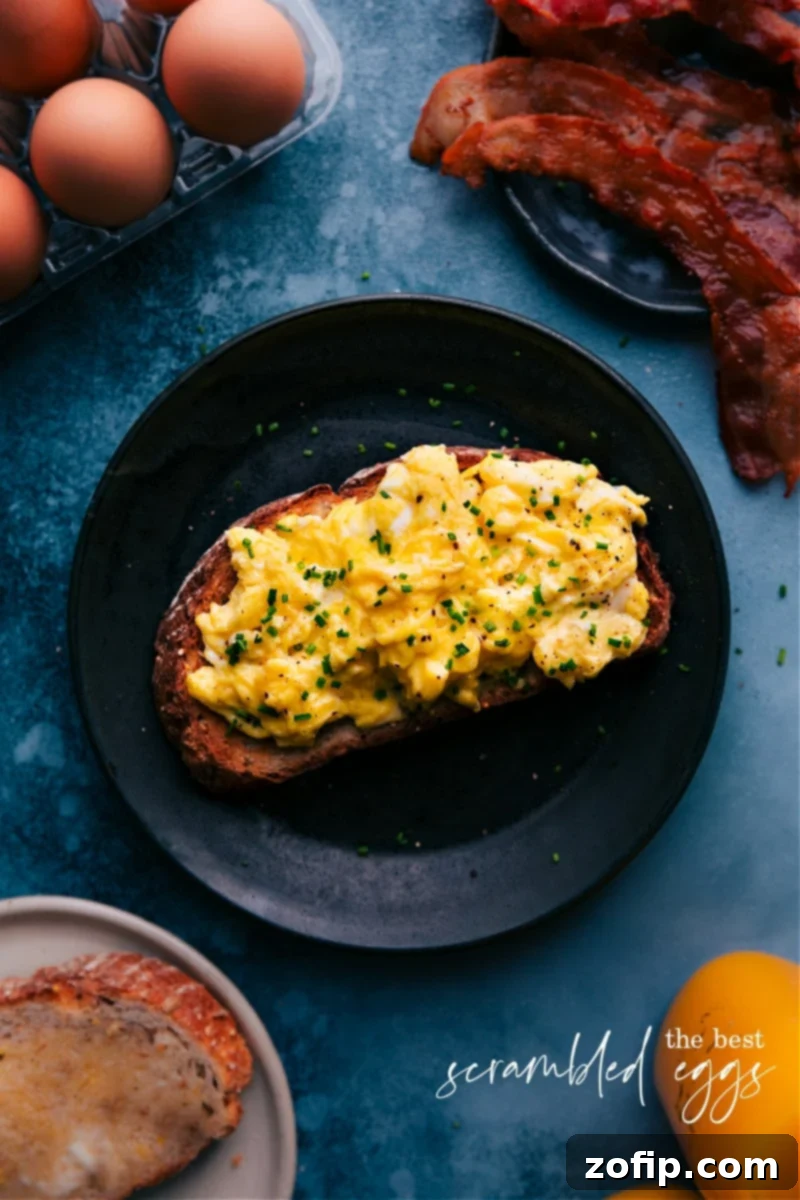
In my home, scrambled eggs, often paired with fluffy pancakes, are a daily delight. As a mom, I prepare breakfast for my children almost every morning, and while eggs can sometimes be uninspiring, this particular recipe guarantees a breakfast experience that’s anything but bland. It’s truly a game-changer for anyone seeking a nourishing and delicious start to their day, whether it’s a hectic Tuesday or a lazy Sunday.
The true beauty of this recipe lies not just in its simplicity of ingredients, but profoundly in its *technique*. Through years of perfecting, I’ve discovered that using a flexible silicone spatula to gently push and fold the eggs as they slowly cook allows the raw egg to consistently flow underneath the forming curds. This deliberate, unhurried method is crucial; it prevents the eggs from overcooking and creates those exquisite soft, custardy folds that are light, airy, yet incredibly rich in flavor and texture. It’s a delicate dance of controlled heat and gentle movement, resulting in eggs that are consistently creamy and delightful, never dry or rubbery.
Seeing my kids devour these eggs with such enthusiasm fills me with joy, knowing they’re starting their day with a filling, protein-packed meal that they genuinely love. They are more than just a meal; they’re a comforting staple that brings everyone to the table, creating cherished morning memories. Let me guide you through each step to help you achieve scrambled egg perfection right in your own kitchen!
Key Ingredients for the Best Creamy Scrambled Eggs
Crafting perfectly creamy and custardy scrambled eggs starts with understanding your ingredients. While simplicity is key, selecting quality components and knowing their role in the final texture and flavor can make all the difference. Here’s a detailed look at what you’ll need to achieve truly exceptional results:
| Ingredient | Why It Matters & Pro Tips for Perfect Scrambled Eggs |
|---|---|
| Eggs | The absolute star of this breakfast show! For the richest flavor, most vibrant yolks, and best overall texture, free-range or organic eggs are highly recommended. Their superior quality shines through in every bite. However, don’t fret if you don’t have them; any fresh large eggs will yield delicious results with the proper technique. The number of eggs can easily be adjusted based on the desired number of servings. |
| Milk or Cream | A strategic splash of dairy is crucial for achieving that desirable creamy, custardy, and tender texture. Whole milk provides an excellent balance of richness without making the eggs too heavy. For an ultra-luxurious, indulgent, and velvety scramble, consider swapping whole milk for an equal or slightly lesser amount of heavy cream. Even skim milk or a plant-based dairy alternative (like almond or oat milk) can be used, though be aware that the final texture may vary slightly. |
| Salt & Pepper | These fundamental seasonings are indispensable for enhancing the natural, delicate flavor of the eggs. Always season to your personal taste preferences. It’s best practice to add a small pinch of salt and freshly ground black pepper to the raw egg mixture before whisking; this ensures even distribution of flavor throughout. You can always adjust with an additional sprinkle once the eggs are cooked, if necessary. Freshly ground pepper offers a superior aroma and brighter taste compared to pre-ground. |
| Unsalted Butter | Butter is not just for lubrication; it’s a flavor powerhouse! Unsalted butter is highly recommended as it gives you complete control over the overall sodium content of your dish. Butter not only prevents the eggs from sticking to the pan but also infuses them with a rich, nutty, savory depth that olive oil simply can’t replicate. If you prefer, ghee (clarified butter) or a high-quality olive oil can be used as alternatives, but the flavor profile will differ, with butter offering unparalleled richness. |
| Fresh Chives | (Optional, but highly recommended) Fresh herbs are a wonderful addition that can elevate simple scrambled eggs into a gourmet experience. Finely chopped fresh chives are my top choice for their mild, delicate oniony flavor and their beautiful pop of vibrant green color. If fresh chives aren’t readily available, fresh parsley or thinly sliced green onions (scallions) make excellent, flavorful substitutes. Add them right at the very end of cooking or sprinkle them generously as a fresh garnish. |
| Hot Sauce | (Totally optional, but adds a delightful kick!) For those who appreciate a bit of heat and excitement in their breakfast, a dash of your favorite hot sauce can add an exciting and flavorful layer. Incorporate it directly into the egg mixture before cooking for an integrated spice, or serve it on the side so each person can customize their own level of heat. |
Quick Tip: The Crucial Role of Whisking Your Eggs
Thoroughly whisking your egg mixture before it even touches the pan is a non-negotiable step for truly outstanding scrambled eggs. This vital action ensures that all ingredients – eggs, milk, salt, and pepper – are uniformly combined, leading to a consistent texture and flavor in every bite. Even distribution of salt is particularly important for tenderness, as salt helps to tenderize the egg proteins. Moreover, the incorporation of air during vigorous whisking results in a noticeably fluffier, lighter, and more delicate scramble. Aim for a homogeneous, pale yellow color with no visible streaks of egg white remaining, indicating a perfectly aerated and blended mixture.

Mastering the Art: How to Make the Best Scrambled Eggs (Foolproof Tips)
Achieving perfectly creamy and custardy scrambled eggs is often considered an art form, but it’s one that is surprisingly easy to master with a few key techniques and a little patience. Forget dry, rubbery, or bland eggs; these expert tips will ensure a restaurant-quality scramble on your plate every single time:
- Choose the Right Pan: Your pan choice plays a more significant role than you might imagine. A high-quality nonstick pan is your ultimate ally here, as it effectively prevents sticking and ensures effortless cleanup. Alternatively, a meticulously well-seasoned cast-iron skillet can also work wonders, providing excellent heat retention. The size of the pan is also critical: use a smaller pan (typically 8-inch) for fewer eggs (2-3) to allow for thicker, more cohesive curds to form. For larger batches of eggs (4 or more), opt for a larger pan (10-inch or more) to ensure even cooking and prevent overcrowding, which can lead to steaming rather than scrambling.
- Control the Heat, Always Low and Slow: This is arguably the most crucial tip for perfect scrambled eggs. Resist the common urge to crank up the heat! Scrambled eggs should always be cooked over consistently medium-low heat. High heat will cook the eggs too rapidly, causing the proteins to seize up, squeeze out moisture, and inevitably result in dry, tough, and rubbery eggs. Cooking them low and slow allows the delicate curds to form gently, retaining maximum moisture and resulting in that coveted creamy, melt-in-your-mouth texture.
- Whisk Thoroughly and Vigorously: As highlighted in our quick tip, the importance of thoroughly whisking your eggs, milk, salt, and pepper in a bowl cannot be overstated. Beat the mixture vigorously until it is entirely uniform in color and slightly frothy. This crucial step not only incorporates beneficial air, making the eggs noticeably fluffier, but also ensures that all seasonings are perfectly and evenly distributed throughout the mixture, leading to consistent flavor in every bite.
- Embrace the Silicone Spatula Technique: A flexible silicone spatula is an indispensable tool for achieving the ideal scrambled egg texture. Instead of stirring constantly and rapidly (which can break up the curds too much), use the spatula to gently push the cooked edges of the eggs towards the center of the pan. This action allows the uncooked liquid egg mixture to flow underneath, making contact with the hot pan and forming new, soft curds. Continue this gentle pushing and folding motion. Imagine you’re creating soft, delicate, ribbon-like curds, rather than aggressively breaking them apart. This technique is precisely what yields those beautiful, tender, and custardy folds.
- Remove from Heat Early: This is a powerful secret to ensuring perfectly moist eggs every time. You should remove the pan from the heat when the eggs still look slightly underdone, visibly wet, and possess a distinct sheen. The significant residual heat retained in the pan and within the eggs themselves will continue to cook them gently for another minute or so, reaching perfect doneness without any risk of becoming overcooked and dry. This technique prevents that unpleasant rubbery texture.
- Serve Immediately for Optimal Enjoyment: Scrambled eggs are at their absolute peak of perfection the moment they come off the stove. Their delicate texture, warm temperature, and supremely creamy consistency are best savored right away. If left to sit, even off the heat, they can continue to cook from residual warmth, lose their ideal custardy quality, and begin to dry out. Plate them promptly and enjoy!
The Science Behind the Perfect Scramble: Why This Method is Best
Understanding *why* this gentle, low-heat technique yields such superior results can further enhance your cooking prowess and ensure consistent success. Eggs are primarily composed of protein and fat, with a high water content. When egg proteins are exposed to high heat too quickly, they coagulate (set) very rapidly and tightly. This tight coagulation squeezes out the water from the egg mixture, resulting in a rubbery, dry, and unappealing texture. By cooking over medium-low heat and employing a gentle pushing and folding motion, you allow the egg proteins to set slowly and more loosely. This controlled cooking environment ensures that moisture is retained within the egg structure, creating that desirable creamy, custardy consistency.
The addition of dairy (milk or cream) also plays a vital role. The fats and proteins in milk help to inhibit excessive protein coagulation, contributing to the formation of softer, more tender curds. Furthermore, the butter serves multiple purposes: it acts as a non-stick agent, preventing the eggs from adhering to the pan, and, most importantly, infuses the eggs with a rich, luxurious flavor and mouthfeel that contributes significantly to their overall richness and appeal.
Knowing When Your Scrambled Eggs Are Perfectly Done
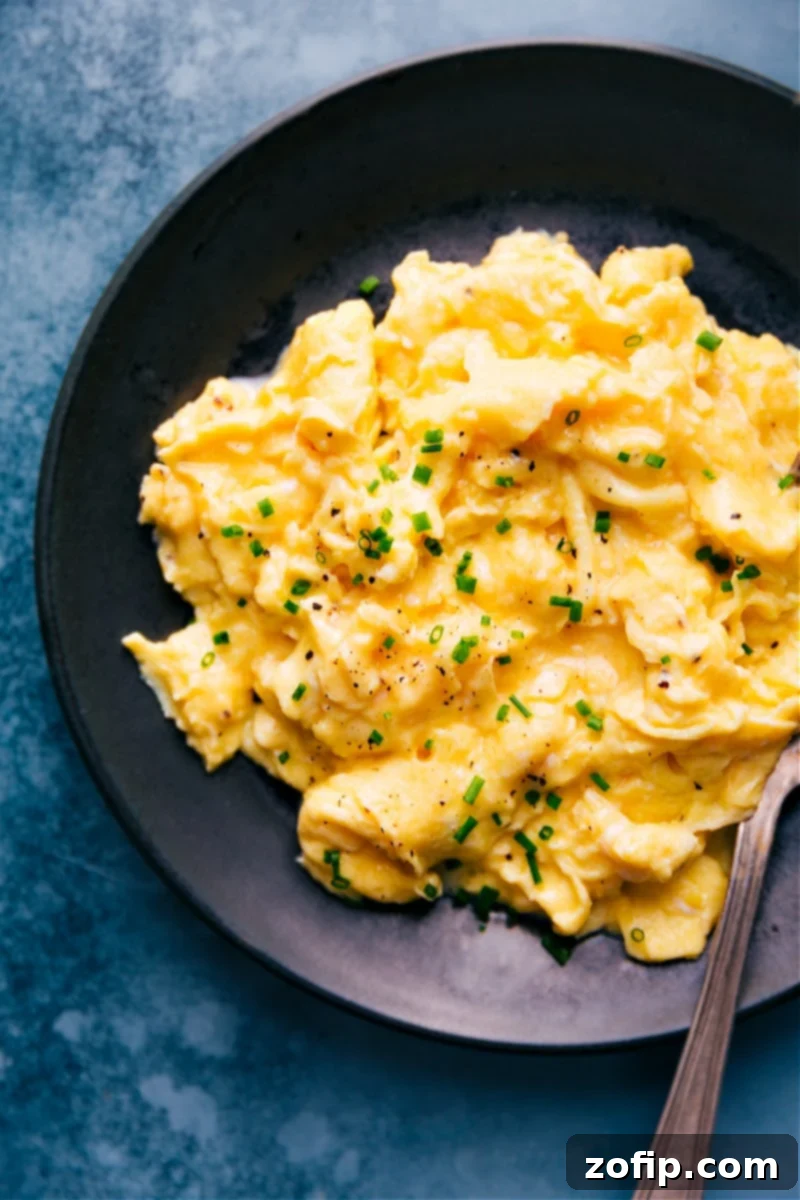
Mastering the art of scrambled eggs means knowing exactly when to pull them off the heat. They cook remarkably fast, so vigilance is absolutely key! The ultimate goal is a soft, creamy, and delicate texture, never dry, firm, or overcooked. Keep a close eye on them and consistently use gentle pushes and folds with your silicone spatula. Here’s how to tell when they’ve reached that ideal state of perfection:
- They Hold Their Shape Softly: Your eggs are done when they begin to pile up and maintain a soft, cohesive, yet still slightly loose shape in the pan. They shouldn’t be completely runny, but also definitely not firm, solid bricks. There should be a beautiful, soft structure to the curds.
- No Visible Raw Liquid: Upon close inspection, there should be no raw, translucent liquid egg mixture leaking around the edges of the cooked curds or pooling in the pan. All of the liquid egg should have integrated into the scramble, though some sheen should remain.
- A Distinct, Slight Sheen: The surface of the eggs should still look noticeably slightly shiny or glossy. This sheen is your critical visual cue that they are perfectly moist and haven’t lost their precious internal moisture. If they look completely matte, dull, or dry, they’ve likely gone a little too far. Remember, the golden rule is to remove them from the heat *just* before they look fully cooked; the residual heat from the pan and the eggs themselves will gently finish the cooking process to perfection.
Storage and Reheating Scrambled Eggs
While the magic of perfectly cooked scrambled eggs truly shines when they are freshly made, it’s understandable that sometimes you might have leftovers or want to prepare a component of a meal ahead. Here’s what you need to know about storage and reheating:
Scrambled eggs are undeniably best eaten immediately after they are made. Their delicate, creamy, and custardy texture is fleeting and diminishes rapidly upon cooling and subsequent reheating. When stored and reheated, eggs tend to dry out, become rubbery, and lose much of their original appeal and desirable texture.
If you absolutely must store them, transfer any cooled leftovers promptly into an airtight container and place it in the refrigerator for no more than 1-2 days. To reheat, do so very gently on low heat in a non-stick skillet. You may want to add a tiny splash of milk or a small pat of butter to help restore some moisture and improve the texture slightly. Stir gently and heat just until warmed through. Avoid microwaving, as this method is notorious for making eggs rubbery and tough. Please manage your expectations; reheated eggs, while edible, will simply not achieve the same fresh quality, texture, and flavor as a freshly made batch.
Crafting the Ultimate Breakfast & Brunch Spread with Scrambled Eggs
These perfect, creamy scrambled eggs are a fantastic centerpiece for any breakfast or brunch table, but they also pair wonderfully with a variety of sides to create a truly memorable and satisfying meal. Here are some delicious and versatile ideas to complete your ultimate breakfast spread:
- Artisan Toast: Serve your creamy eggs alongside (or piled high atop) a slice of perfectly toasted artisan bread. Explore different varieties like hearty whole wheat, tangy sourdough, classic rye, a rustic multi-grain, or even a crisp English muffin for added texture and complex flavors. A simple smear of butter, a drizzle of olive oil, or a dollop of cream cheese can elevate this classic pairing.
- Crispy Meats: For a more substantial and savory meal, add a side of crispy, perfectly cooked bacon or savory sausage links or patties. The salty, smoky, and rich flavors of these meats provide a delightful contrast and complement to the delicate texture of the eggs. Consider baking your bacon for an easy, hands-off, and mess-free approach!
- Fresh or Sautéed Vegetables: Boost your nutrient intake and add vibrant color and fresh flavors with vegetables. Sautéing finely diced bell peppers (any color), onions, mushrooms, tender zucchini, or fresh spinach with a hint of garlic can create a delicious, wholesome side dish that complements the eggs beautifully. A medley of lightly roasted vegetables, seasoned simply with salt and pepper, also works wonderfully.
- Creamy Avocado: Sliced fresh avocado is an almost indispensable companion to perfectly scrambled eggs, offering healthy fats, a smooth, creamy texture, and a subtly nutty flavor. Take this pairing a step further by making delicious avocado toast and generously topping it with your perfectly cooked scramble for a trendy, nutritious, and incredibly satisfying meal.
- Hearty Potatoes: No truly satisfying brunch is complete without some form of potato. Classic crispy home fries, golden hash browns, or flavorful breakfast potatoes (perhaps seasoned with paprika and onion) provide a comforting, substantial, and filling element that transforms your breakfast into a complete and hearty experience.
- Sweet & Savory Balance: Don’t forget something sweet to balance the savory richness! A small bowl of fresh mixed berries (strawberries, blueberries, raspberries), a vibrant side of fruit salad, or even a drizzle of pure maple syrup on a nearby stack of pancakes or waffles can provide a lovely counterpoint to the eggs, rounding out the meal perfectly.
Explore More Delicious Breakfast & Brunch Recipes:
Breakfast
The BEST Crepes Recipe
Pancakes And Waffles
Delicious Banana Waffle Recipe
Breakfast
Wholesome Oatmeal Breakfast Bars
Dinner
Sausage and Potatoes Skillet Meal

Print Recipe
Creamy & Custardy Scrambled Eggs Recipe
Recipe Video Guide
Watch this helpful step-by-step video to guide you through creating perfectly creamy and custardy scrambled eggs:
Equipment You’ll Need
- Large nonstick pan or a well-seasoned cast-iron pan (see note 1 for size recommendations)
- Flexible silicone spatula
- Whisk
- Medium mixing bowl
Ingredients for Creamy Scrambled Eggs
- 4 large eggs (see note 2 for quality recommendations)
- 2 tablespoons milk (whole milk is recommended for the best texture; alternatively, use 1-1/2 tablespoons heavy cream for extra richness)
- Salt and freshly ground black pepper (to taste)
- 1 tablespoon unsalted butter
- Fresh chives (finely chopped, for garnishing, optional)
- Hot sauce (optional, add a splash if you desire a little kick!)
Step-by-Step Instructions
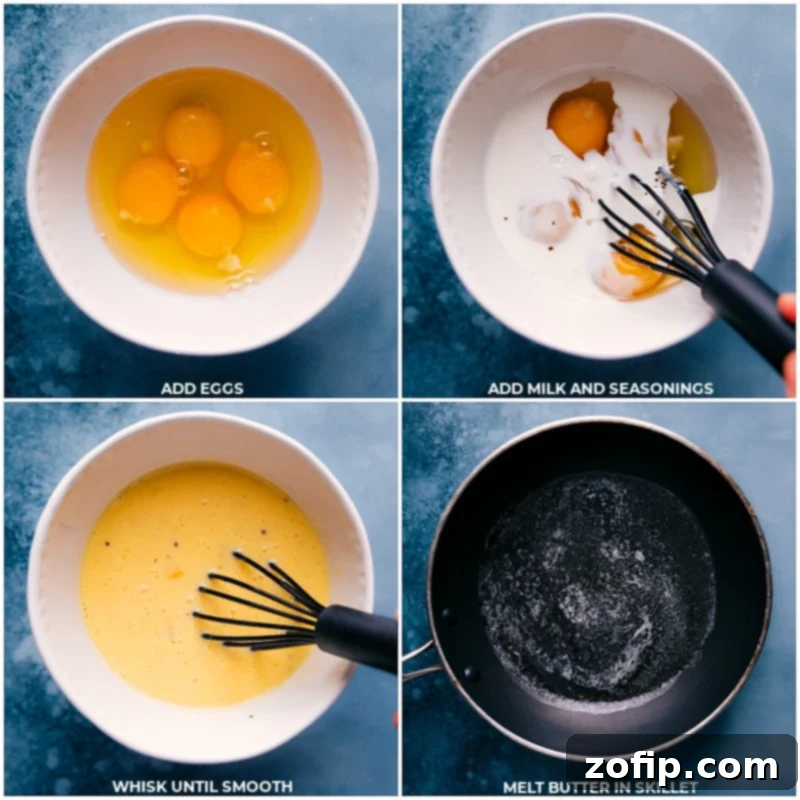
- In a medium mixing bowl, combine the large eggs and milk. Season generously to taste with salt and freshly ground pepper (a good starting point is 1/4 teaspoon salt and a tiny pinch of pepper for 4 eggs). Whisk the mixture briskly and thoroughly until it achieves a uniform, pale yellow color with no streaks of egg white remaining. This ensures air incorporation for fluffiness and even seasoning.
- Place a non-stick pan (or a well-seasoned cast-iron skillet) over medium heat. Add the unsalted butter and allow it to melt completely, swirling the pan to ensure the entire bottom surface is fully coated. Once the butter is melted and slightly foamy, immediately reduce the heat to medium-low. This controlled, gentle heat is absolutely critical for achieving creamy, tender eggs.
- Pour the whisked egg mixture into the prepared pan. Let it sit undisturbed for about 5-10 seconds until the edges just begin to set slightly. Using a flexible silicone spatula, gently push the cooked edges of the eggs from one side of the skillet towards the center, allowing the raw liquid egg to flow underneath and make direct contact with the hot pan.
Continue this gentle pushing and folding technique, slowly working your way around the pan. It’s crucial to avoid rapid or aggressive stirring. The goal is to encourage the formation of soft, custardy curds. As the eggs cook, you can press the curds gently to one side, swirling the pan periodically to ensure all uncooked egg comes into contact with the heat source.
Continue this delicate process until the eggs look mostly cooked but are still visibly moist and slightly shiny, appearing custardy rather than firm or dry. Remove the pan from the heat immediately. Gently fold the eggs for another 10-15 seconds off the heat; the significant residual warmth in the pan and the eggs themselves will complete the cooking process perfectly without any risk of over-drying them.
You’ll know your scrambled eggs are perfectly done when they form soft, cohesive piles that hold their shape in the pan. There should be no raw, runny egg liquid around the edges, and the surface should retain a distinct, slight sheen, indicating their ideal moistness and tenderness. - Promptly transfer the creamy, custardy scrambled eggs to warm serving plates. Garnish generously with fresh chopped chives or a dash of your favorite hot sauce if desired. Serve immediately and savor every delicious bite of your perfectly cooked breakfast!
Recipe Notes & Expert Tips
Note 2: The Importance of Egg Quality: While any fresh eggs will certainly work well with this technique, for the most superior flavor, richness, and overall deliciousness, I highly recommend using free-range organic eggs. They are consistently noted for their deeper, more vibrant yolk color and richer taste profile, contributing significantly to the overall gourmet quality of your scrambled eggs.
Storage: Best Eaten Fresh: Scrambled eggs are undeniably best enjoyed immediately after being made. Their delicate, creamy, and custardy texture, which we strive for, diminishes rapidly upon cooling and subsequent reheating. If you absolutely must store them, place any cooled leftovers promptly into an airtight container and refrigerate for up to 1-2 days. To reheat, do so very gently on low heat in a non-stick skillet, perhaps with a tiny splash of milk or a small pat of butter to help restore some moisture. Avoid microwaving, as this method is notorious for making eggs rubbery and tough. Please be aware that reheated eggs, while edible, will simply not achieve the same fresh quality, texture, and flavor as a freshly made batch.
Nutrition Information (Approximate)
Calories: 194kcal |
Carbohydrates: 0.7g |
Protein: 12.6g |
Fat: 15.3g |
Cholesterol: 387.3mg |
Sodium: 142.8mg |
Sugar: 0.4g
Nutrition information is automatically calculated and should only be used as an approximation. Exact values may vary based on specific ingredients, portion sizes, and preparation methods.
Scrambled Eggs FAQs: Your Most Common Questions Answered
For the absolute best taste and luxurious texture, scrambled eggs are truly at their peak when served immediately after cooking. Their delicate, custardy consistency is fleeting and quickly diminishes upon cooling. If you absolutely must prepare them in advance, store them promptly in an airtight container in the refrigerator for no more than 1-2 days. To reheat, gently warm them in a non-stick skillet over very low heat, adding a tiny splash of milk or a small pat of butter to help restore some moisture. Stir very gently and heat just until warmed through. Avoid microwaving at all costs, as it almost invariably makes them rubbery and dry. Please be aware that reheated eggs, while edible, will not achieve the same fresh quality, fluffy texture, and vibrant flavor as a freshly made batch.
Preventing sticky scrambled eggs involves a combination of key techniques. First and foremost, always use a high-quality non-stick pan or a very well-seasoned cast-iron skillet. Before adding the eggs, ensure the pan is adequately heated over medium heat. Then, melt a generous amount of butter (or ghee/oil) and swirl it to coat the entire cooking surface thoroughly. The fat acts as a crucial barrier, preventing the eggs from adhering. Finally, and equally important, cook your eggs over medium-low heat; high heat can cause eggs to bond to the pan surface more aggressively and quickly, leading to sticking and overcooking.
Scrambled eggs are incredibly versatile and can be customized with a wide array of delicious additions to suit almost any palate! For a savory and nutritious boost, consider adding finely diced vegetables such as colorful bell peppers, sweet onions, earthy mushrooms, or fresh, wilted spinach. Fresh herbs like fragrant parsley, zesty cilantro, delicate dill, or aromatic basil can introduce wonderful nuances. Elevate the creaminess and flavor with a sprinkle of shredded cheese – sharp cheddar, nutty Gruyère, tangy feta, or creamy goat cheese are excellent choices, typically folded in towards the end of cooking. For even richer eggs, mix a tiny amount of cream cheese or crème fraîche into the whisked egg mixture. Cooked meats like crispy bacon crumbles, savory crumbled sausage, or diced ham can be folded in once the eggs begin to set. To finish, consider fresh toppings like homemade salsa, a dollop of cool sour cream, or a dash of your favorite hot sauce for an extra kick! The possibilities for creating a unique and delicious scramble are truly endless.
For the lightest and fluffiest scrambled eggs, proper whisking technique is absolutely crucial. Use a fork or a dedicated whisk to beat the eggs vigorously in a bowl until they are completely uniform in color, with no visible streaks of egg white or yolk remaining. This thorough whisking incorporates a significant amount of air, which directly contributes to a lighter, more airy, and delicate texture in the final cooked eggs. Additionally, vigorous whisking ensures that any added milk, cream, or seasonings (like salt and pepper) are evenly distributed throughout the entire mixture, guaranteeing consistent flavor in every bite. Aim for a slightly frothy consistency before pouring them into the pan.
Yes, you absolutely can use a small amount of water instead of milk for scrambled eggs, and it’s a technique favored by some chefs! While milk (or cream) adds richness and helps to create a creamier, more custardy texture by inhibiting protein coagulation, water works differently. When water heats up in the pan, it quickly turns into steam. This steam then gets trapped within the egg curds, which helps to puff them up and makes them lighter and more airy in texture. The result is typically a fluffier, slightly less rich scramble than one made with milk. For optimal results with water, use about 1 teaspoon of water per egg. Experiment with both methods to see which texture and mouthfeel you prefer!
As a general guideline, you should plan for 2-3 large eggs per person for a standard, satisfying serving of scrambled eggs, especially if they are intended to be the main protein component of the meal. If you’re serving them as part of a larger, more elaborate breakfast or brunch spread with many other filling sides (such as bacon, sausage, toast, and potatoes), 2 eggs per person might be perfectly sufficient. For individuals with heartier appetites or those who simply prefer a more generous portion, 3 eggs per person is an excellent and filling choice. This recipe, for instance, uses 4 large eggs to serve 2 people, which equates to a perfectly satisfying and substantial portion of 2 eggs per person.