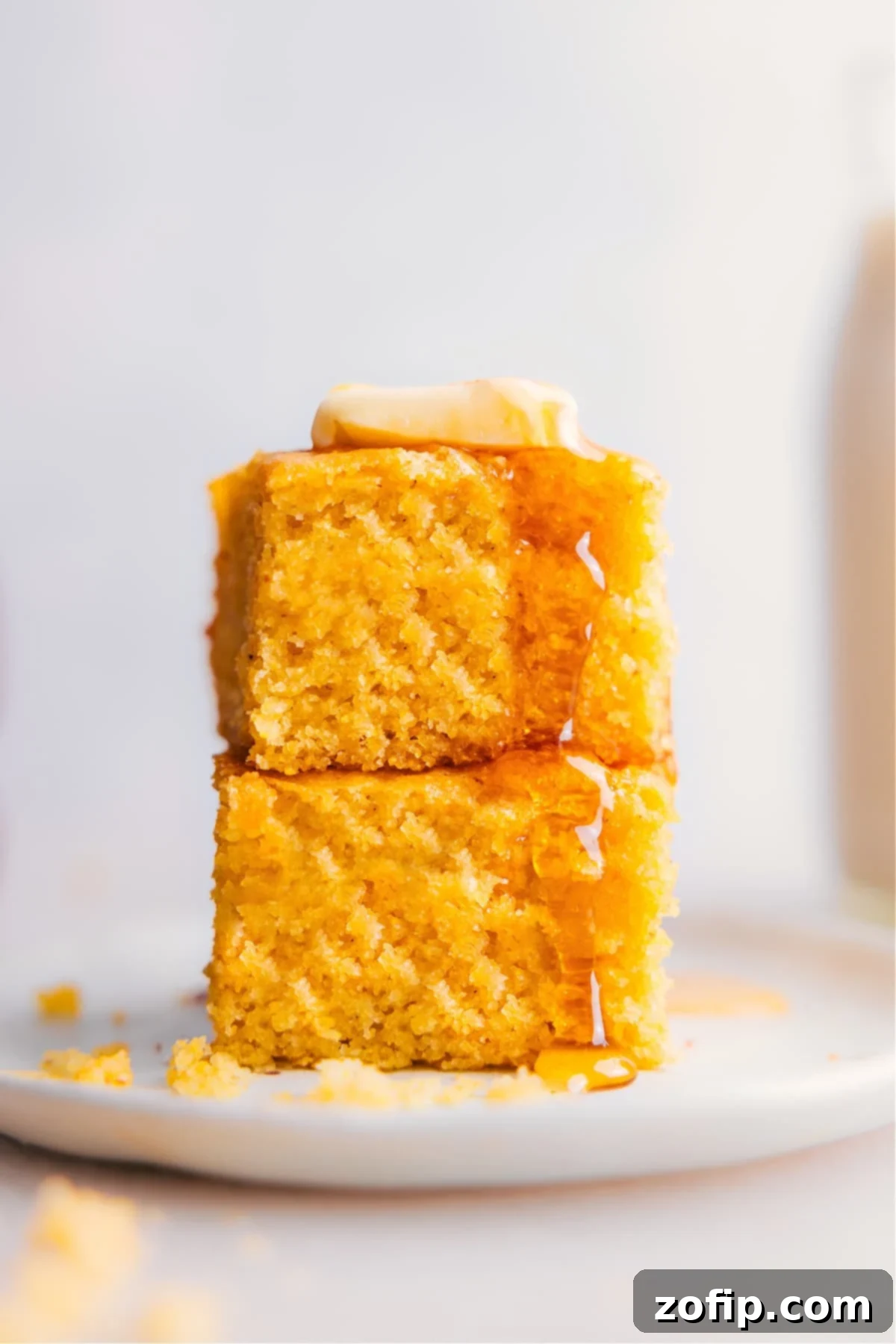
The Ultimate Homemade Cornbread Recipe: Buttery, Fluffy, and Ready in Minutes
Imagine a golden slice of pure comfort: warm, soft, and richly buttery. This isn’t just any cornbread; it’s the **ultimate homemade cornbread recipe** that delivers exceptional flavor and texture in under 15 minutes of hands-on preparation. Forget the store-bought box mixes; this simple yet sophisticated recipe is just as easy and vastly more delicious, transforming everyday ingredients into an unforgettable side dish or snack. Perfect for any meal, this fluffy cornbread will quickly become a cherished family favorite.
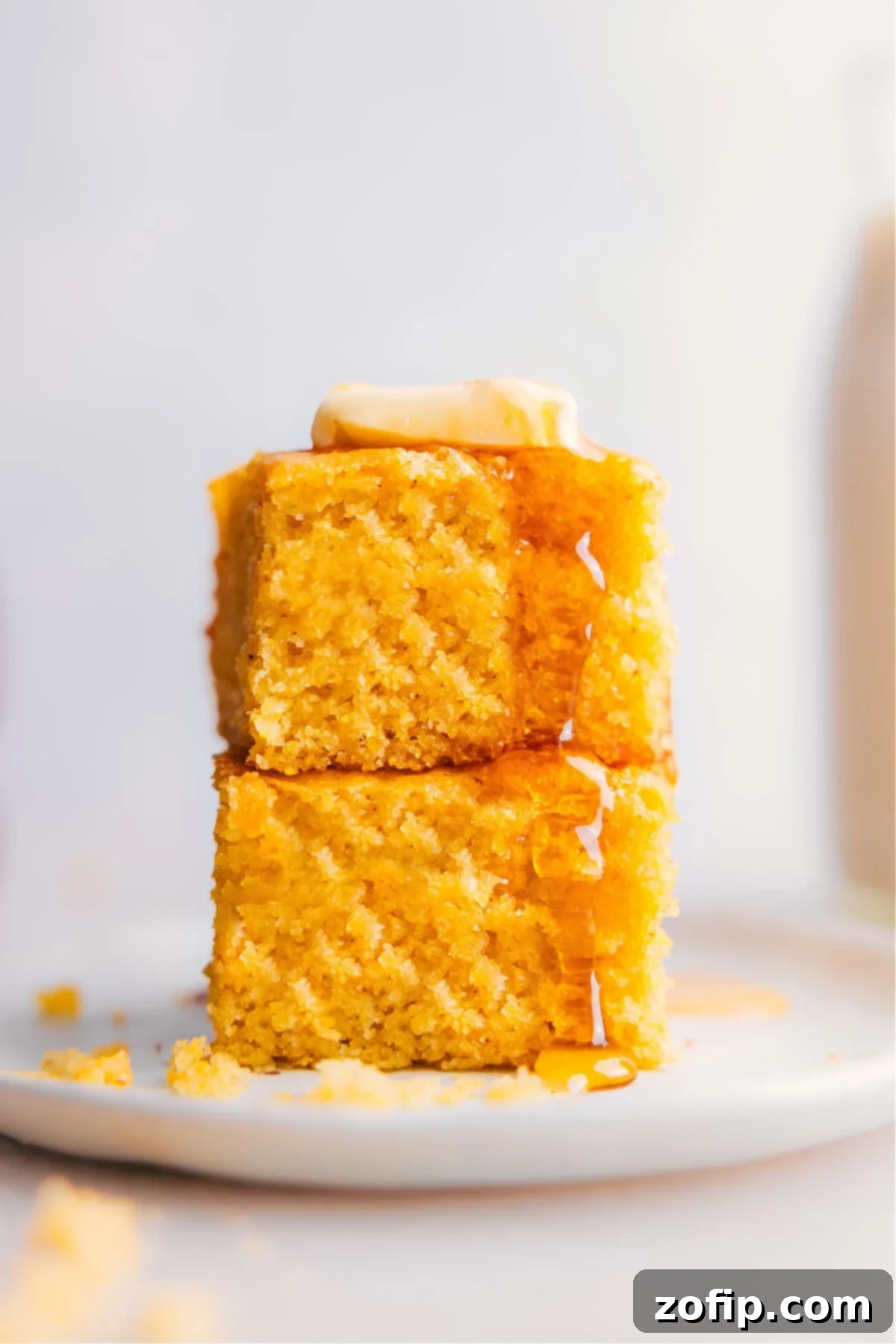

From the Author’s Kitchen: The Cornbread You’ll Never Have Leftovers Of!
Why This Homemade Cornbread Recipe Stands Out
If you’ve been following my culinary journey, you know my undeniable chili obsession runs deep. My website boasts a collection of chili recipes so vast, I’ve honestly lost count! And while the chili itself is the star, the array of delicious sides and toppings truly elevate the experience. Whether it’s spooning chili over a baked potato, scooping it with crispy tortilla chips, or my personal favorite – serving it alongside a generous, warm slice of cornbread – these accompaniments are crucial to a perfect chili night.
This deep love for chili naturally led me on a quest to perfect my own cornbread recipe. I envisioned a cornbread that encapsulated all the finest qualities in one pan: a profound softness and tender crumb, a subtle tang from buttermilk, just the right hint of sweetness, and those irresistibly crisp, buttery edges that make every bite divine. Through numerous tests and careful tweaks, I finally discovered that flawless balance, yielding a cornbread that consistently disappears from the table.
I understand there are passionate bakers who prefer their cornbread entirely unsweetened, often baked in a traditional cast iron skillet. That’s a valid and delicious approach! However, I firmly reside in the camp of lightly sweet, exceptionally tender, and effortlessly sliceable cornbread. This recipe embodies exactly that: it’s beautifully soft, boasts a golden hue, and carries just enough sweetness to harmoniously complement a hearty bowl of chili, or simply be enjoyed on its own with a smear of butter.
What makes this recipe truly special is its incredible ease. Despite its gourmet taste and texture, it requires minimal effort and simple ingredients you likely already have on hand. It’s a testament to the fact that homemade doesn’t have to mean complicated. Get ready to experience the pure joy of fresh, warm cornbread that’s superior to any mix you’ll find, making you the hero of any meal.
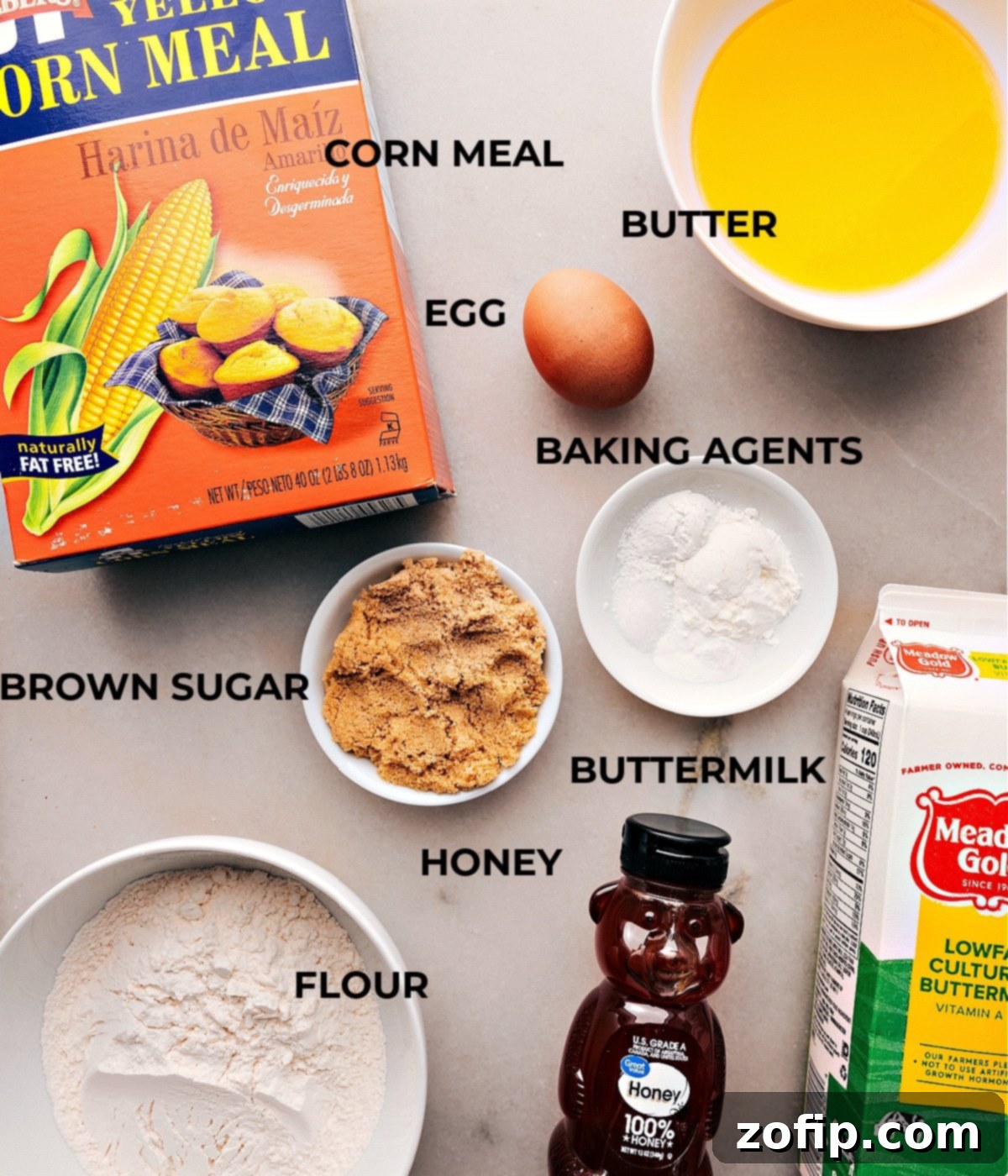
Key Ingredients for Your Perfect Cornbread
Creating truly exceptional cornbread starts with understanding the role of each ingredient. Here’s a detailed look at what you’ll need and how each component contributes to that irresistible texture and flavor.
| Ingredient | Why it’s important & Smart Swaps/Tips |
|---|---|
| Butter | Butter is the heart of our buttery cornbread, providing rich flavor and incredible tenderness. You can use either salted or unsalted butter; if opting for salted, consider slightly reducing the added salt in the recipe to maintain balance. Ensure it’s melted and then cooled slightly before combining with wet ingredients to prevent it from solidifying or “seizing” when mixed with colder buttermilk and egg. |
| Buttermilk | Buttermilk is crucial for adding a distinctive tangy flavor and contributing to the cornbread’s incredibly tender crumb. Its acidity also reacts with baking soda to give your cornbread a beautiful rise. Homemade Buttermilk Substitute: If you don’t have buttermilk on hand, simply mix 1 cup of regular milk (dairy or non-dairy) with 1 tablespoon of white vinegar or lemon juice. Let it sit for 5-10 minutes until it slightly curdles, then use as directed. |
| Honey | Honey provides a natural, subtle sweetness and adds a beautiful moistness to the cornbread. It also imparts a lovely depth of flavor that complements the cornmeal. Maple syrup can be used as a substitute, but be aware that it will slightly alter the final flavor profile, adding a distinct maple note. |
| Brown and White sugar | This combination of sugars strikes the perfect balance of sweetness and texture. Granulated (white) sugar provides clean sweetness, while brown sugar adds moisture, a hint of caramel-like flavor, and contributes to those desirable crisp edges. You can use all white sugar if necessary, but brown sugar truly enhances the overall depth and tenderness. |
| All-purpose flour | All-purpose flour provides structure to the cornbread. It helps bind the ingredients together, preventing a crumbly texture. Do not swap with self-rising flour unless you significantly reduce or omit the baking powder and baking soda, as self-rising flour already contains leavening agents. |
| Yellow cornmeal | This is the star ingredient! Yellow cornmeal gives cornbread its signature flavor and texture. For this recipe, we recommend enriched and degermed cornmeal (most common types in stores). Important: Do not use polenta; it is too coarse and will result in a gritty texture. Fine to medium-ground cornmeal works best for a tender crumb, ensuring it’s not too rough. |
| Cornstarch | Adding a tablespoon of cornstarch might seem unusual, but it’s our secret weapon for an incredibly soft and tender crumb. It helps to weaken the gluten development in the flour, resulting in a lighter, more delicate texture. While you can leave it out, the cornbread’s crumb will be slightly tighter. |
| Baking powder & baking soda | These are our leavening agents, essential for achieving a light and fluffy cornbread. Baking soda reacts with the acidic buttermilk, while baking powder provides additional lift. Always ensure your baking powder and baking soda are fresh for the best rise; expired leavening can lead to dense, flat cornbread. |
| Egg | A large egg acts as a binder, adds richness, and contributes to the overall structure and moisture of the cornbread. Using a room temperature egg is highly recommended, as it incorporates more smoothly into the batter and helps prevent the melted butter from seizing up and forming lumps. |
Crafting Your Homemade Cornbread: A Simple Step-by-Step Guide
Making delicious homemade cornbread is surprisingly straightforward. Follow these steps for perfect results every time, and you’ll soon see why this recipe is a favorite!
- Prepare Your Pan & Preheat Oven: Begin by preheating your oven to 375°F (190°C). This ensures even baking and a quick start once the batter is ready. Place 8 tablespoons of butter into a microwave-safe bowl and melt it. Set this melted butter aside to cool to room temperature. Simultaneously, take your buttermilk and egg out of the fridge to allow them to reach room temperature. This crucial step prevents the butter from seizing when combined.
- Whisk Wet Ingredients: In a large mixing bowl, combine the room temperature buttermilk, egg, 2 tablespoons of honey, light brown sugar, and granulated sugar. Whisk these ingredients together until they are well combined and smooth. While continuously whisking, slowly drizzle in the cooled melted butter. Whisk until the mixture is completely smooth and emulsified; if your wet ingredients were too cold or the butter too hot, it might clump slightly.
- Combine Dry Ingredients: In a separate large bowl, whisk together the all-purpose flour, yellow cornmeal, baking powder, baking soda, salt, and cornstarch. Whisking thoroughly ensures that all the leavening agents and dry ingredients are evenly distributed, which is vital for a consistent rise and texture.
- Gently Combine Wet and Dry: Pour the wet ingredients mixture into the center of the dry ingredients. With a spatula or wooden spoon, *gently* fold the ingredients together just until they are combined. Small lumps in the batter are perfectly fine, even desirable – overmixing is the enemy of tender cornbread, leading to a tough, dry texture. Stop mixing as soon as no streaks of dry flour remain.
- Prepare the Baking Pan: Place the remaining 1 tablespoon of butter into a 9×9-inch baking pan (or an 8×8-inch pan for thicker slices, adjusting baking time). Place this pan directly into your preheated oven for exactly 1 minute. This melts the butter and gets the pan hot. Carefully remove the hot pan from the oven. Tilt the pan to evenly coat the entire bottom and lower sides with the melted butter. This creates those coveted crisp, buttery edges.
- Bake to Golden Perfection: Pour your prepared cornbread batter into the hot, buttered pan. Use a spatula to gently spread the batter and smooth the top evenly. Place the pan back into the preheated oven and bake for 19-20 minutes, or until the edges are beautifully golden brown and the center springs back gently when lightly pressed. A wooden skewer inserted into the center should come out with moist crumbs, but not wet batter.
- The Finishing Touch: Once baked, remove the pan from the oven and place it on a wire cooling rack. Let the cornbread cool in the pan for about 10 minutes. This allows it to set and makes it easier to slice. While still warm, gently brush the remaining honey over the top of the cornbread for an extra touch of sweetness and glaze. Cut into squares and serve warm.
Pro Tips for Your Best Cornbread
- Don’t Overmix: This is arguably the most critical tip. Overmixing develops gluten in the flour, leading to a tough, dense cornbread. Mix just until combined; a few lumps are fine!
- Work Quickly: Once the wet and dry ingredients are combined, the leavening agents begin to activate. Get the batter into the prepared hot pan and into the oven as quickly as possible to maximize rise.
- Ingredient Temperature Matters: Using room temperature wet ingredients (buttermilk, egg) is key for a smooth batter. It prevents the melted butter from seizing and creating small, hard clumps.
- Choose Your Pan Wisely: A dark metal baking pan or, for the ultimate crusty cornbread, a cast-iron skillet, will give you crispier edges and a more developed crust than a lighter-colored pan.
- Don’t Peek Too Soon: Resist the urge to open the oven door during the first 10-15 minutes of baking. This can cause the cornbread to fall and result in a less fluffy texture.
Storage Solutions for Your Cornbread
Ensure your delicious cornbread stays fresh and moist with these storage tips:
- Room Temperature: For optimal freshness, homemade cornbread is truly best enjoyed the day it’s baked. However, you can store any leftovers in an airtight container at room temperature for 2-3 days.
- Refrigerator: To extend its life, store cornbread in an airtight container in the refrigerator for up to a week.
- Freezer: Cornbread freezes beautifully! To freeze, first allow the cornbread to cool completely. Cut it into individual squares, then wrap each piece tightly in plastic wrap, followed by aluminum foil. Store these double-wrapped squares in a freezer-safe bag or container for up to 3 months. Thaw frozen cornbread in the refrigerator overnight, or gently reheat from frozen in a microwave or oven.
- For Stuffing: If you’re making cornbread specifically for a stuffing recipe, you can bake it up to 3 days in advance. Once cooled, store it in an airtight container in the refrigerator.
Perfect Pairings: What to Serve with Your Cornbread
This versatile cornbread is the ideal companion to a wide array of dishes. Its sweet and savory notes make it suitable for breakfast, lunch, dinner, or even as a simple snack. Here are some of our favorite ways to enjoy it:
Dinner
Hearty Crockpot Chili
Dinner
Robust Instant Pot Beef Stew
Soups And Stews
Flavorful Vegetarian Chili
Soups And Stews
Comforting Creamy Chicken Noodle Soup
BBQ
Smoky Pulled Pork Sandwiches
Southern Classic
Crispy Southern Fried Chicken
Side Dish
Braised Collard Greens
Holiday Meal
Sweet & Savory Maple Glazed Ham
Frequently Asked Questions About Homemade Cornbread
- What kind of cornmeal is best for cornbread?
- For this particular recipe, we recommend a fine to medium-ground yellow cornmeal that is enriched and degermed. This type of cornmeal provides a tender crumb and classic cornbread flavor without being too gritty. Avoid coarse polenta, which is too rough for tender cornbread.
- Can I make this cornbread in a cast iron skillet?
- Absolutely! In fact, a well-seasoned cast iron skillet (a 9 or 10-inch skillet would work well) is excellent for achieving incredibly crispy, golden-brown edges. Follow the same steps, placing the butter in the skillet and preheating it in the oven before pouring in the batter.
- My cornbread turned out dry and crumbly. What went wrong?
- Several factors can lead to dry cornbread. The most common culprits are overmixing the batter (which develops too much gluten), overbaking (drying out the moisture), or not enough fat/liquid in the recipe. Ensure you mix just until combined, watch the oven carefully, and measure ingredients precisely. Using room temperature wet ingredients also helps achieve a smoother, more hydrated batter.
- Is cornbread supposed to be sweet or savory?
- This is a classic debate! Southern cornbread traditionally varies, with some preferring it savory and unsweetened, while others, like this recipe, enjoy a lightly sweet profile. Our recipe falls into the lightly sweet category, which we find perfectly complements a wide range of dishes, especially hearty stews and chili. You can slightly adjust the sugar content to your preference.
- Can I add mix-ins to this cornbread recipe?
- Yes, absolutely! This recipe provides an excellent base for various delicious additions. Consider folding in 1/2 cup of shredded cheddar cheese, 1/4 cup of diced jalapeños (fresh or pickled), 1/2 cup of fresh or frozen corn kernels, or even a handful of cooked bacon bits. Add these mix-ins gently with the dry ingredients before combining with the wet.
- Why are room temperature ingredients important?
- Using room temperature buttermilk and egg helps create a smooth, emulsified batter when combined with melted butter. If cold ingredients meet warm butter, the butter can seize and form small, hard clumps, leading to a less uniform texture in your final cornbread.
Print Recipe
Buttery & Fluffy Cornbread Recipe
Chelsea Lords
15 minutes
19 minutes
34 minutes
12 pieces
Equipment
- 9 x 9-inch baking pan
- Cooling rack
Ingredients
- 9 tablespoons butter divided
- 1 cup buttermilk
- 1 large egg
- 4 tablespoons honey separated
- 1/4 cup light brown sugar firmly packed
- 2 tablespoons granulated sugar
- 1 cup all-purpose flour
- 3/4 cup yellow cornmeal enriched and degermed; I use Albers
- 1 teaspoon baking powder
- 1/2 teaspoon baking soda
- 1/2 teaspoon salt
- 1 tablespoon cornstarch
Instructions
- Preheat oven to 375°F (190°C). Place 8 tablespoons butter in a microwave-safe bowl and melt. Set melted butter aside to cool to room temperature before using. Remove the wet ingredients (buttermilk, egg) from the fridge so they reach room temperature.
- In a large bowl, combine the buttermilk, egg, 2 tablespoons honey, brown sugar, and granulated sugar. While whisking constantly, slowly drizzle in the melted (room temperature) butter until smooth and combined. If the wet ingredients are cold and butter is warm, it will clump.
- In another large bowl, combine the flour, cornmeal, baking powder, baking soda, salt, and cornstarch. Pour the wet ingredients into the center of the dry ingredients and gently mix (or fold with a spatula) until just combined. Do not overmix; small lumps are perfectly fine.
- Place the 1 tablespoon remaining butter in a 9×9-inch baking pan. Place in the preheated oven for exactly 1 minute, then remove. Tilt the pan to coat the entire bottom in the melted butter. Pour the prepared batter into this hot pan and use a spatula to spread and make the top even.
- Bake for 19–20 minutes or until the edges are golden brown and the center springs back when pressed gently.
- Place the pan on a wire cooling rack and let it cool for 10 minutes. Gently brush the remaining honey over the cornbread. Cut into squares and serve warm.
Recipe Notes
Cornbread tips:
- Mix by hand and avoid overmixing. It is actually good to have a few lumps in the batter. They will hydrate during baking and give your cornbread a great texture!
- Once wet ingredients are combined with dry, work quickly with the batter. The moisture will begin to activate the leavening agents, so we want to get it in the oven as quick as possible to ensure maximum rise.
- A dark pan will make crustier cornbread than a light pan. For the crustiest cornbread, use a cast-iron skillet, which distributes heat beautifully for crispy edges.
Storage: Cornbread is best eaten the day it’s baked for peak freshness. To store leftovers, wrap individual pieces tightly in plastic wrap, then foil, and place in the fridge. If you are making cornbread for stuffing, it can be baked up to 3 days ahead (then store in an airtight container in the fridge).
Nutrition
Calories: 292kcal |
Carbohydrates: 39g |
Protein: 4g |
Fat: 14g |
Saturated Fat: 8g |
Polyunsaturated Fat: 1g |
Monounsaturated Fat: 4g |
Trans Fat: 0.5g |
Cholesterol: 54mg |
Sodium: 366mg |
Potassium: 118mg |
Fiber: 2g |
Sugar: 18g |
Vitamin A: 424IU |
Vitamin C: 0.05mg |
Calcium: 72mg |
Iron: 1mg
Nutrition information is automatically calculated and should only be used as an approximation. Exact values may vary based on ingredients and preparation methods.
Love this recipe? Leave a comment below!