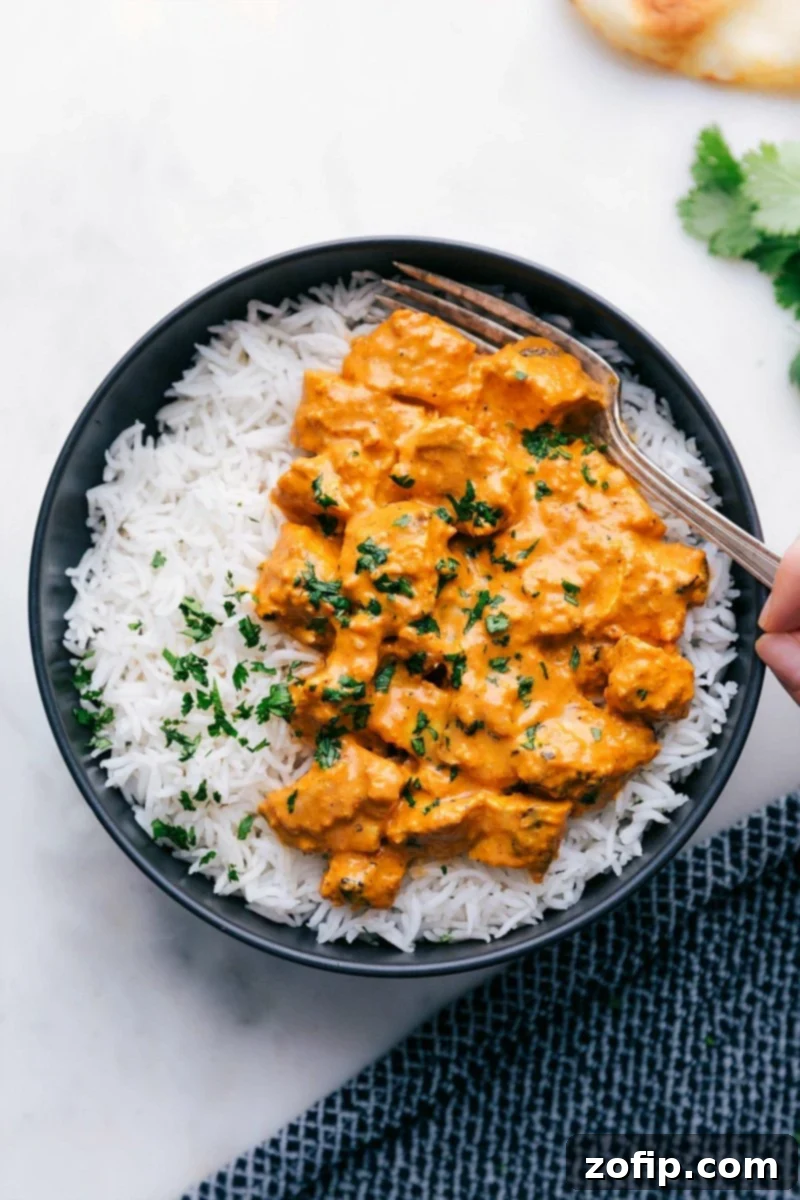
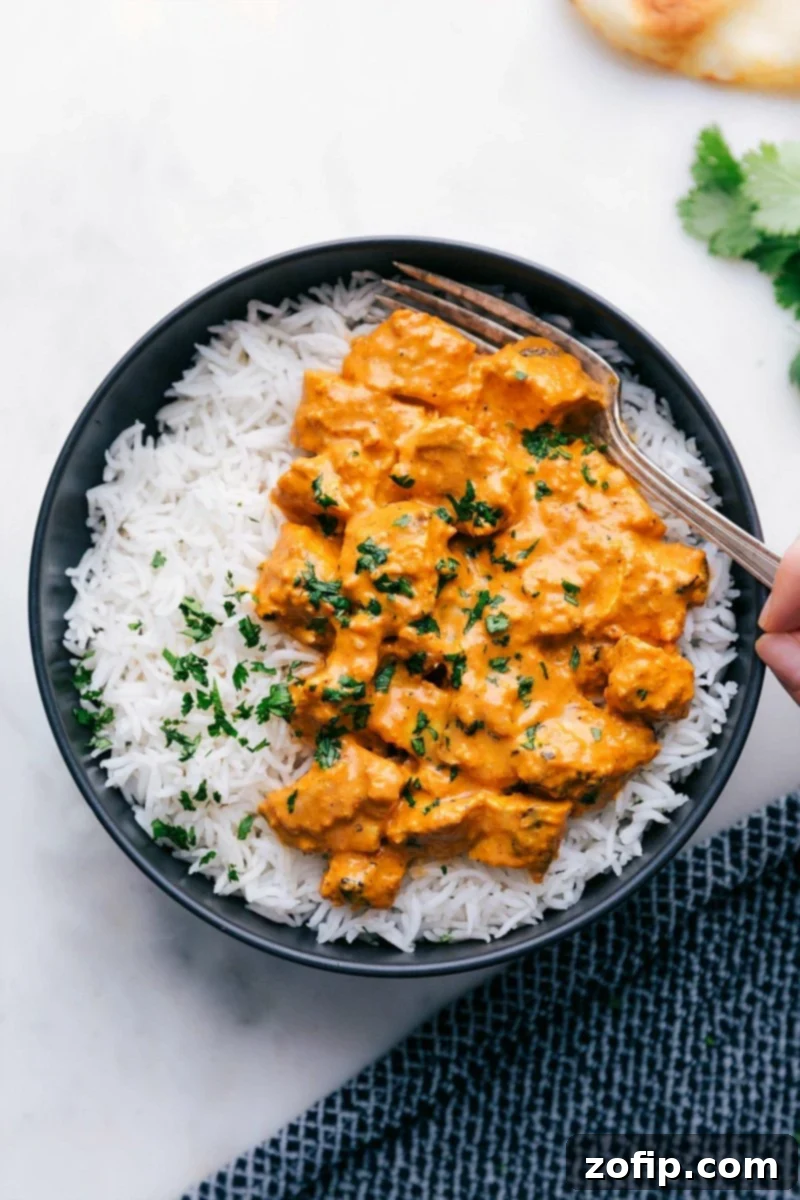
Indulge in the vibrant and irresistible flavors of India with our ultimate Homemade Chicken Tikka Masala Recipe. This iconic dish, celebrated globally for its creamy texture and rich, aromatic spice blend, features perfectly marinated, tender chicken enveloped in a luscious, tomato-based sauce. Say goodbye to takeout and prepare to create an authentic, deeply satisfying culinary experience right in your own kitchen that rivals any restaurant! Our comprehensive guide will walk you through every step, ensuring you achieve a truly spectacular Chicken Tikka Masala.

Author’s Note
Forget Takeout, This Tikka Masala Beats It Every Time!
Chicken Tikka Masala is a culinary legend for a reason—it’s absolutely divine! Its comforting richness and complex array of flavors make it an undisputed family favorite. Whenever we consider ordering Indian food, the decision is almost always unanimous: Tikka Masala it is! This unwavering love for the dish fueled my passion to create my very own version, one that could capture the authentic essence and luxurious texture of a restaurant-quality curry, right here at home.
My journey to perfecting this recipe began during my incredible travels through India. I was fortunate enough to participate in various cooking classes, immersing myself in the rich culinary traditions of the subcontinent. These invaluable experiences taught me the profound significance of each spice, how to layer them expertly to build depth, and the secrets behind achieving that perfectly balanced, aromatic curry flavor. I discovered the nuances of blooming spices, the importance of fresh aromatics, and the delicate dance of sour, sweet, and savory elements.
I poured every lesson and every vibrant memory into developing this recipe, and I can honestly say it’s some of the very best Chicken Tikka Masala I have ever tasted! It consistently receives rave reviews, and I’m confident it will become a staple in your household too. An added bonus? This dish is fantastic for meal prep or enjoying as leftovers, as the flavors deepen and meld beautifully overnight, making it taste even better the next day. So, go ahead, dive in, and enjoy the magic of homemade Chicken Tikka Masala!

Unlocking the Flavors: Essential Chicken Tikka Masala Ingredients
The secret to an exceptional Chicken Tikka Masala lies in the thoughtful selection and preparation of its ingredients. Each component, from the succulent chicken to the fragrant spices and creamy sauce, plays a crucial role in building the complex and irresistible flavor profile this dish is known for. Here’s a closer look at the stars of our recipe, along with important tips and potential swaps:
| Ingredient | Why It Matters & Pro Tips for Best Results |
|---|---|
| Yogurt + Lemon Juice (in marinade) | These acidic ingredients are fundamental for tenderizing the chicken and ensuring it absorbs the flavors deeply. Use full-fat plain yogurt, not Greek yogurt, as Greek yogurt is too thick and has a higher tendency to curdle when heated, which can affect the sauce’s texture later. If you’re dairy intolerant, unsweetened full-fat coconut yogurt can be a suitable alternative, though it will introduce a subtle coconut flavor. |
| Garam Masala + Cumin + Coriander + Turmeric | This quartet of ground spices forms the aromatic heart of both the marinade and the masala sauce. To ensure the most vibrant flavors, always make sure your spices are fresh, ideally within ~6 months of purchase. Stale spices will result in a muted taste. If you don’t have ground coriander, you can slightly increase the amount of cumin, but the full blend offers the best complexity. Turmeric also contributes to the dish’s beautiful golden-orange hue. |
| Tomato Paste / Crushed Tomatoes | These are the foundation of the rich, savory, and slightly tangy sauce. Opt for a good-quality brand of fire-roasted crushed tomatoes, as their smoky depth significantly enhances the overall flavor. If, after tasting, you find the sauce too acidic, a small pinch of sugar (½–1 tsp) can wonderfully balance the flavors without making the dish sweet. |
| Heavy Cream | Heavy cream is the magic ingredient that delivers the classic silky, luxurious, and truly indulgent texture of Chicken Tikka Masala. For a dairy-free version, you can replace up to half of the heavy cream with full-fat coconut milk or a homemade cashew cream, but be aware the flavor and richness will shift. For the traditional restaurant-style experience, heavy cream is indispensable. |
| Onion / Garlic / Ginger | This aromatic trio is the backbone of almost all great Indian curries. Always use fresh garlic and ginger, not pre-minced jarred versions, for optimal pungency and flavor. Grate or finely mince them just before use. Similarly, finely chop your onions so they soften and practically melt into the sauce, creating a smooth and seamless base without any chunky bits. |
| Chicken Breasts or Thighs | The star protein of our dish! Both boneless, skinless chicken breasts and thighs work exceptionally well. Thighs are generally more forgiving and tend to stay juicier due to higher fat content, while breasts offer a leaner option that can be incredibly tender with proper marination. We will explore the best preparation methods for each in a dedicated section below. |
| Vegetable Oil | A neutral oil like vegetable, canola, or sunflower oil is ideal for sautéing the aromatics and blooming the spices. It allows the authentic flavors of the spices to shine without imparting any competing taste. |
| Ground Cardamom & Crushed Red Pepper Flakes | Ground cardamom adds an exquisite, fragrant, and slightly sweet aroma, giving the dish an authentic Indian touch. Crushed red pepper flakes are your control for heat – add more for a spicier kick or less for a milder curry. |
| Fresh Cilantro | Beyond just a garnish, fresh cilantro is incorporated into the sauce for its bright, herbaceous notes that cut through the richness. A final sprinkle before serving adds a beautiful finish and a burst of freshness. |
Quick Tip: Don’t Confuse Chicken Tikka Masala with Chicken Marsala!
It’s a common culinary mix-up, but it’s important to remember: don’t confuse this aromatic Chicken Tikka Masala with Chicken Marsala! While both dishes famously feature chicken, they are distinct entities originating from different culinary traditions. Chicken Tikka Masala is a beloved Indian curry, characterized by its richly spiced, creamy, tomato-based sauce and succulent marinated chicken. Chicken Marsala, on the other hand, is an Italian-American classic, typically featuring pan-fried chicken cutlets with mushrooms in a savory sauce made with Marsala wine. Both are incredibly delicious in their own right, but their flavor profiles, ingredients, and cultural origins are worlds apart!
Mastering the Art: A Step-by-Step Guide to Making Homemade Chicken Tikka Masala
Crafting this flavorful Indian masterpiece at home is a rewarding experience. While it involves a few stages, each step is straightforward and crucial for building the complex layers of flavor that define a truly authentic Chicken Tikka Masala. Here’s a simplified overview of the cooking process:
- Marinate the Chicken with Spices & Yogurt: This initial step is paramount. You’ll combine a potent blend of ground spices with plain yogurt and lemon juice. The chicken pieces are then thoroughly coated and allowed to marinate for an extended period, which is key for both tenderizing the meat and infusing it with incredible depth of flavor.
- Sauté Aromatics and Bloom Spices for the Sauce: Begin creating the heart of your masala sauce by gently sautéing finely chopped onions until soft. Next, you’ll add tomato paste and the remaining aromatic spices, allowing them to “bloom” in hot oil. This process releases their essential oils and intensifies their flavors, building a rich and fragrant foundation for your curry.
- Build and Simmer the Tomato-Cream Base: Introduce crushed tomatoes to the spiced aromatic base, bringing it to a simmer. This allows the tomato’s acidity to mellow and deepen. Finally, heavy cream is stirred in, providing that signature velvety texture and luxurious richness, followed by a gentle, extended simmer to meld all the flavors.
- Grill or Pan-Sear the Marinated Chicken: The marinated chicken is then cooked until beautifully charred and fully tender, either on a hot grill or pan-seared on the stovetop. This cooking method adds a crucial smoky dimension and a lovely texture to the chicken pieces.
- Combine and Serve Your Masterpiece: The final step involves incorporating the perfectly cooked chicken into the luscious, simmered masala sauce, ensuring every piece is generously coated. Serve this exquisite dish immediately with traditional accompaniments like fluffy basmati rice and warm naan bread, and a garnish of fresh cilantro.

Chicken Breasts or Chicken Thighs: Choosing Your Protein for Perfect Tikka Masala
When preparing this delicious Chicken Tikka Masala recipe, you have the flexibility to use either boneless, skinless chicken breasts or thighs. Each cut offers distinct advantages that can influence the final taste and texture of your dish. Understanding these differences will help you choose the best option for your preference:
- Chicken Breasts: For those who prefer a leaner protein, chicken breasts are an excellent choice. To achieve optimal flavor and ensure they remain incredibly tender and juicy, it is crucial to marinate them overnight (preferably the full 24 hours). Before marinating, consider halving them horizontally and pounding them to an even ¾-inch thickness. This not only helps them absorb the marinade more effectively but also ensures they cook evenly and quickly, preventing them from drying out.
- Chicken Thighs: Many culinary experts and home cooks prefer chicken thighs for their richer flavor and naturally juicier, more succulent texture. This is due to their slightly higher fat content, which makes them much more forgiving during cooking and less prone to drying out. Thighs generally require less marinating time than breasts to become tender, but a longer marination period (up to 24 hours) will only enhance their depth of flavor. If using thighs, you can cut them into bite-sized pieces before marinating, or leave them whole if grilling.
Regardless of your choice, the marination step is paramount. Aim for at least 6 hours to allow the flavors to penetrate and the yogurt’s acidity to tenderize the chicken. For the most deeply flavored and tender results, a full 24-hour marination is ideal. However, do not exceed 24 hours, as the prolonged exposure to the acidic yogurt can begin to break down the chicken’s protein fibers too much, potentially leading to a mushy texture.
Essential Tips for a Restaurant-Quality Chicken Tikka Masala at Home
Achieving that coveted restaurant-quality Chicken Tikka Masala in your own kitchen is entirely within reach with a few key techniques and considerations. Follow these expert tips to ensure your dish is nothing short of spectacular, bursting with authentic flavors and a luxurious texture:
- Prioritize Marination Time: This step cannot be overstated. The longer the chicken marinates (minimum 6 hours, ideally 24 hours), the more deeply it will absorb the vibrant spices and the more tender and juicy it will become. This is the foundation of authentic tikka flavor.
- Invest in Quality Ingredients: The quality of your canned tomatoes greatly impacts the depth and richness of your sauce. Opt for premium fire-roasted crushed tomatoes for a subtly smoky and robust base. Similarly, always use fresh, high-quality spices.
- Embrace Fresh Aromatics: Always use fresh ginger and garlic. Pre-minced varieties simply cannot compare in terms of pungent flavor and aromatic intensity. Grate or finely mince them yourself just before use for the most vibrant taste. Finely chopping your onions also helps them melt seamlessly into the sauce.
- Master the Art of Blooming Spices: When adding the ground spices to hot oil with the onions and tomato paste, allow them to cook for a few minutes, stirring constantly. This process, known as “blooming,” releases their essential oils, intensifying their flavors and aromas. Be vigilant and reduce heat if necessary to prevent them from burning, as burnt spices taste bitter.
- Balance Acidity with a Touch of Sweetness: Depending on the natural acidity of your canned tomatoes, your sauce might taste a little sharp or tangy. A small pinch of sugar (½ to 1 teaspoon) added at the end of cooking can wonderfully balance these flavors, bringing everything into perfect harmony without making the dish overtly sweet.
- Don’t Rush the Simmer: The longer the masala sauce simmers over low heat, the more the flavors meld, deepen, and concentrate. This slow cooking allows the sauce to thicken naturally and for the spices to fully integrate, creating a complex, harmonious, and rich taste that is the hallmark of a great curry.
- Rest the Chicken After Cooking: Once the chicken is grilled or pan-seared, transfer it to a plate, cover loosely with foil, and let it rest for a few minutes before chopping. This crucial step allows the juices to redistribute throughout the meat, ensuring every bite is moist and tender.

Serving Your Delicious Homemade Chicken Tikka Masala
Chicken Tikka Masala is a feast for the senses, and while it’s a complete meal on its own, it truly shines when served with traditional Indian accompaniments that complement its rich and complex flavors. Here are some classic serving suggestions to complete your meal:
- Fluffy Basmati Rice: Light, fragrant, and perfectly cooked basmati rice is the ideal bed for soaking up every drop of that creamy, spiced masala sauce.
- Warm Naan Bread: Soft, chewy, and slightly leavened naan bread is absolutely essential for scooping up the luscious curry. Consider garlic naan or butter naan for an extra layer of flavor.
- Cooling Raita: A simple cucumber and yogurt raita provides a refreshing contrast to the richness and warmth of the curry, offering a palate cleanser with every bite.
- Fresh Cilantro Garnish: A generous sprinkle of freshly chopped cilantro not only adds a beautiful pop of vibrant green color but also a burst of fresh, herbaceous flavor that brightens the entire dish.
- Lemon or Lime Wedges: Offering fresh lemon or lime wedges allows diners to add a squeeze of citrus just before eating, which can cut through the richness and brighten the flavors.
Storage & Make-Ahead Tips for Chicken Tikka Masala
One of the many wonderful qualities of Chicken Tikka Masala is that its flavors often deepen and meld even further over time. This makes it an excellent candidate for meal prepping or simply enjoying as delightful leftovers. It truly tastes even better the next day!
Detailed Storage Guidelines
- Refrigeration: Allow your homemade Chicken Tikka Masala to cool completely to room temperature before storing. Transfer it to airtight containers and refrigerate promptly. It will keep beautifully for 3-5 days.
- Reheating: For best results, gently reheat the Chicken Tikka Masala on the stove over medium-low heat, stirring occasionally. If the sauce has thickened significantly during refrigeration, you can easily adjust its consistency by stirring in a little water, chicken broth, or a splash of additional heavy cream until it reaches your desired texture.
- Freezing: Chicken Tikka Masala freezes exceptionally well, making it perfect for longer-term storage. Once cooled, transfer the curry into freezer-safe airtight containers or heavy-duty freezer bags. It can be frozen for up to 2-3 months without significant loss of quality.
- Thawing & Reheating from Frozen: To reheat from frozen, it’s best to thaw the Tikka Masala in the refrigerator overnight. Once thawed, reheat it slowly on the stove over low heat, stirring frequently. Be particularly careful to avoid high heat when reheating a cream-based sauce from frozen, as this can sometimes cause the cream to curdle.
Customizing Your Chicken Tikka Masala: Adapt to Your Taste!
This recipe provides a fantastic, authentic foundation for Chicken Tikka Masala, but don’t hesitate to experiment and tailor it to your personal preferences or dietary needs. The beauty of cooking lies in its flexibility!
- Adjust the Spice Level: For those who crave extra heat, feel free to increase the amount of crushed red pepper flakes. You can also add a finely minced green chili (like a serrano or jalapeño) to the sauce along with the onions for an authentic kick. If you prefer a milder flavor, simply reduce the red pepper flakes or omit them entirely.
- Dairy-Free Delight: To make this recipe dairy-free, as mentioned earlier, use full-fat unsweetened coconut yogurt for marinating the chicken. For the sauce, replace all or part of the heavy cream with full-fat coconut milk or a homemade cashew cream (blended soaked cashews with water) for a rich, plant-based alternative.
- Go Vegetarian or Vegan: The rich masala sauce base is incredibly versatile for plant-based adaptations! Substitute the chicken with firm tofu (pressed and cubed), paneer cheese (for vegetarian), chickpeas, or a hearty mix of vegetables such as cauliflower florets, diced potatoes, bell peppers, or mushrooms. Ensure any vegetarian proteins are marinated or seasoned appropriately for flavor.
- Enhance Smoky Flavor: If a grill isn’t available, you can still achieve a wonderful smoky char. Cook the chicken in a hot cast-iron skillet or under a broiler. For an extra layer of authentic smokiness, some Indian cooks perform a “dhungar” (smoking) technique by placing a small, red-hot piece of charcoal in a small metal bowl of ghee within the covered curry for a few minutes.
- Explore Different Proteins: While chicken is traditional, this masala sauce pairs beautifully with other proteins. Consider using lamb, beef, or even large shrimp (adjusting cooking times significantly for seafood to prevent overcooking).
- Add a Touch of Sweetness: Some recipes include a small amount of sugar, or even a touch of honey or maple syrup, to enhance the sweetness and provide a deeper caramelization to the sauce. This can also help to further balance the tartness of the tomatoes.
Explore More Delicious Indian-Inspired Chicken Dinners:
Dinner
Coconut Curry Chicken
Dinner
Mango Chicken Curry
Dinner
Easy One-Skillet Chicken Curry
Dinner
Grilled Curry Chicken

Print Recipe
Classic Homemade Chicken Tikka Masala
Equipment
- Large Pan
- Grill or grill pan or a nonstick pan
Ingredients
For the Chicken Marinade:
- 6 garlic cloves finely minced (approx. 2 tablespoons)
- 1-1/2 tablespoons ginger peeled, finely grated (approx. 1.5-inch piece)
- 1-1/2 tablespoons ground turmeric
- 2 teaspoons garam masala
- 2 teaspoons ground cumin
- 2 teaspoons ground coriander
- 1 tablespoon fine sea salt (if not using Kosher salt or sensitive to salt, reduce to personal preference)
- 3/4 cup plain yogurt (whole-milk; not Greek yogurt)
- 1 lemon (juiced, yielding about 2 teaspoons for marinade)
- 2 pounds boneless, skinless chicken breasts or thighs (cut into 1.5-inch pieces if pan-searing, or halved and pounded if grilling)
For the Masala Sauce:
- 3 tablespoons vegetable oil
- 1 small yellow onion finely chopped
- 1/4 cup tomato paste
- 1/4 teaspoon ground cardamom
- 1/2 teaspoon crushed red pepper flakes (adjust to taste for desired heat)
- 1 (28-ounce) can fire-roasted crushed tomatoes
- 2 cups heavy cream
- 3/4 cup chopped fresh cilantro (plus extra sprigs for garnish)
- Optional: 1/2 to 1 teaspoon sugar (to balance acidity)
For Serving:
- Basmati rice freshly cooked
- Naan bread warmed
- Raita (optional, for cooling contrast)
Instructions
- Prepare the Chicken Marinade: In a small bowl, combine the minced garlic, grated ginger, ground turmeric, garam masala, cumin, coriander, and salt. Stir thoroughly until all spices are well mixed. In a separate, larger bowl, whisk together the plain whole-milk yogurt, about half of the prepared spice mixture, and 2 teaspoons of fresh lemon juice. If using chicken breasts, halve them horizontally and then gently pound them to an even thickness (about ¾-inch) using a meat mallet or the bottom of a heavy frying pan. Add the chicken pieces to the yogurt mixture, ensuring each piece is completely coated. Cover the bowl tightly or transfer the chicken to a large resealable bag and refrigerate for a minimum of 6 hours, or ideally 24 hours, for the best flavor and tenderness. Cover and chill the remaining half of the spice mixture for the sauce.
- Start the Sauce Base: Heat the vegetable oil in a large, heavy-bottomed pan or Dutch oven over medium heat. Add the finely chopped yellow onion and cook, stirring occasionally, until it begins to soften and become translucent, which typically takes about 2-3 minutes. Stir in the tomato paste, ground cardamom, and crushed red pepper flakes. Continue to cook, stirring frequently, until the tomato paste darkens in color and the onion is very soft, about 5 minutes. Now, add the reserved second half of the spice mixture. Cook, stirring often, for about 4 minutes, until the bottom of the pan starts to brown slightly and the mixture is very fragrant. Reduce the heat if necessary to prevent the spices from burning.
- Simmer the Sauce: Pour the fire-roasted crushed tomatoes into the pan with the onion and spice mixture. Increase the heat to bring the sauce to a gentle boil, then immediately reduce the heat to low. Allow the sauce to simmer, stirring often and scraping the bottom of the pot to prevent sticking, until it visibly thickens, which will take approximately 8 minutes. Stir in the heavy cream and ¾ cup of chopped fresh cilantro. Continue to simmer the sauce over low heat, stirring occasionally, for an additional 30-40 minutes, or until the sauce has thickened to your desired consistency and the flavors have fully melded. For an extra smooth sauce, you can carefully transfer it to a blender (in batches if necessary) or use an immersion blender to puree until smooth. Taste the sauce and adjust seasonings as needed, adding more salt if desired. Depending on the acidity of your tomatoes, you may wish to add 1-2 teaspoons of sugar to balance the flavors.
- Cook the Chicken: Preheat a grill or grill pan to medium-high heat (around 400°F/200°C). Prepare the grill grates by generously oiling them: drench a rolled-up paper towel in vegetable oil and carefully rub it over the hot grates using long-handled tongs (this step is crucial to prevent sticking). Remove the marinated chicken from the yogurt mixture, discarding any excess marinade. Grill the chicken pieces, turning once halfway through, for about 4-6 minutes per side, or until the thickest part registers an internal temperature of 165°F (74°C) and the juices run clear. Transfer the cooked chicken to a clean plate, cover loosely with foil, and let it rest for a few minutes to allow the juices to redistribute, ensuring tender and moist chicken. Chop the chicken into bite-sized pieces, then stir them directly into the prepared masala sauce until every piece is well coated. Serve immediately over freshly cooked basmati rice with warm naan bread. Garnish with additional chopped cilantro as desired.
Recipe Notes
Nutrition Note: The nutritional information provided is an approximation and does not include any accompaniments such as naan bread or rice.
Storage: Keep leftover Chicken Tikka Masala in airtight containers in the refrigerator for 3–5 days. Reheat gently on the stove, adjusting sauce thickness with water or cream as needed. For longer storage, freeze the cooled curry in freezer-safe containers for up to 2-3 months. Thaw overnight in the fridge and reheat on low heat to prevent the cream from curdling.
Nutrition Information
Calories: 843 kcal |
Carbohydrates: 16g |
Protein: 54g |
Fat: 63g |
Saturated Fat: 38g |
Cholesterol: 314 mg |
Sodium: 2209 mg |
Potassium: 1332 mg |
Fiber: 3g |
Sugar: 6g |
Vitamin A: 2125 IU |
Vitamin C: 13 mg |
Calcium: 186 mg |
Iron: 3 mg
Nutrition information is automatically calculated and is an approximation only. Actual values may vary based on specific ingredients, preparation methods, and serving sizes.
Loved This Recipe? Leave a Comment Below!We’d love to hear your thoughts and experiences with this Chicken Tikka Masala.