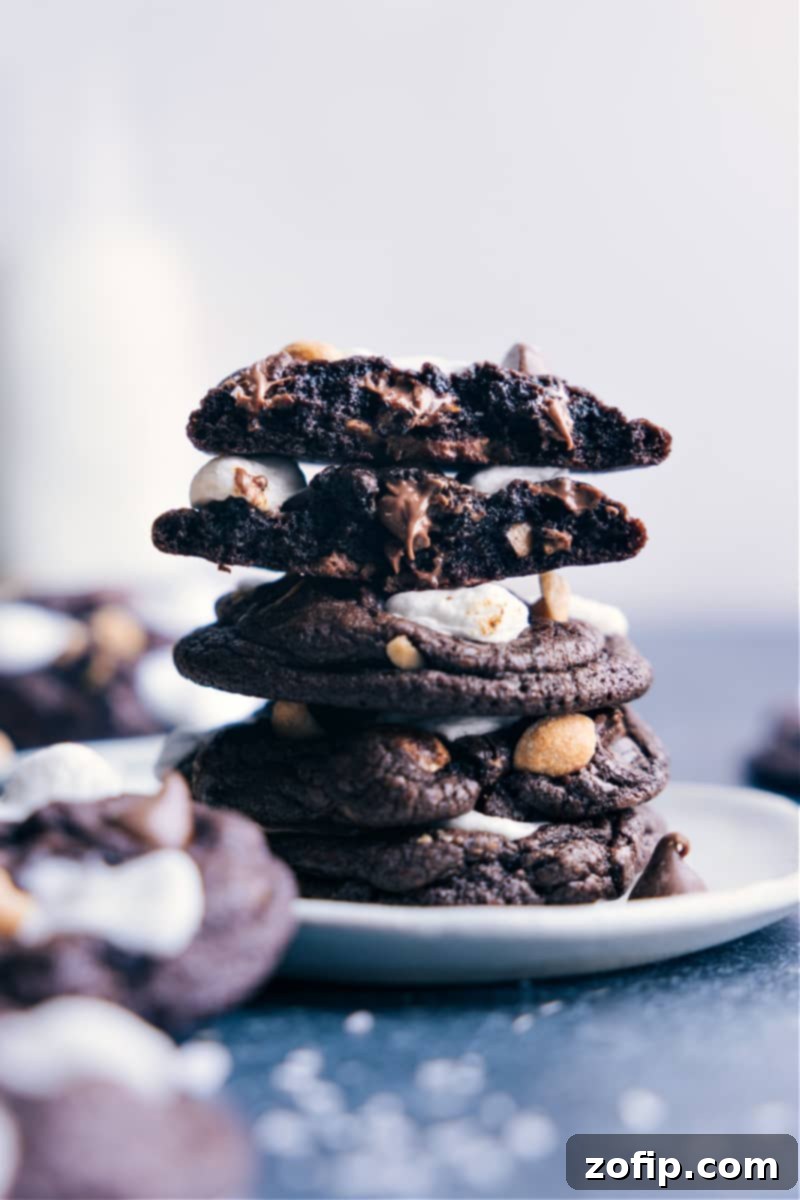
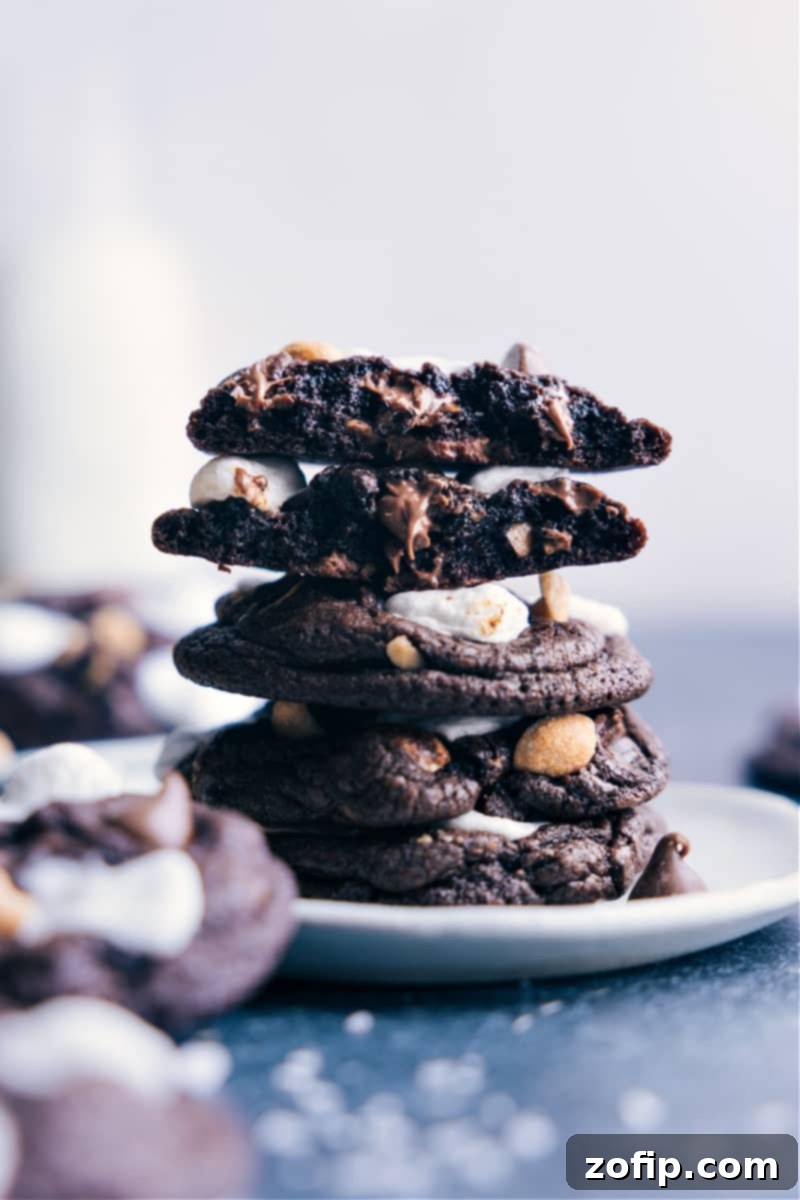
Rocky Road Cookies are a true masterpiece for any dessert enthusiast: incredibly chewy, deeply rich, and bursting with decadent chocolate flavor! Each bite offers an irresistible combination of luscious, melty chocolate, perfectly roasted and lightly salted nuts, and delightfully gooey marshmallows. For every Rocky Road aficionado, these cookies aren’t just a treat; they’re the ultimate indulgence, designed to satisfy the deepest chocolate cravings.

Author’s Insight
Rocky Road Cookies: Elevating the Classic Chocolate Experience
Why settle for a plain chocolate cookie when you can transform it into something extraordinary? That’s precisely the philosophy behind these Rocky Road Cookies. Whenever I crave a chocolate cookie that truly stands out, I elevate it with generous additions of soft marshmallows, crunchy nuts, and sometimes even a delicate sprinkle of flaky sea salt for that perfect balance.
This isn’t just another cookie recipe; it’s a carefully crafted formula that consistently yields the best Rocky Road Cookies you’ll ever taste. The secret lies in a few specific, high-quality ingredients that are often overlooked in typical chocolate cookie recipes but make all the difference in achieving that signature fudgy texture and rich flavor.
While the process itself is straightforward and easy to follow, the success of these cookies hinges on starting with the correct ingredients. It might be tempting to make substitutions, but for optimal results – the kind that avoids mediocre cookies or, worse, cookies that don’t bake correctly – I strongly advise against it. If your pantry doesn’t stock Dutch-process cocoa powder or cake flour, a quick trip to the grocery store is absolutely worth the wait. Trust me, the superior texture and deep chocolate flavor of your finished cookies will speak for themselves.
Key Ingredients for Unforgettable Rocky Road Cookies
Crafting the perfect Rocky Road cookie means paying close attention to your ingredient choices. Here’s a breakdown of why each component is vital and how to select the best for your batch:
- Dutch-Process Cocoa Powder: This is not your average cocoa! Dutch-process cocoa has been treated to reduce its acidity, resulting in a darker color and a smoother, less bitter chocolate flavor. Substituting it with regular cocoa powder will significantly alter both the final texture and the rich, deep color of your cookies. It’s essential for that signature fudge-like quality.
- Cake Flour: The secret weapon for soft, tender cookies. Cake flour has a lower protein content than all-purpose flour, which creates a more delicate crumb. Do not substitute it with all-purpose flour if you want to achieve that wonderfully tender, melt-in-your-mouth texture that makes these cookies so exceptional.
- Peanuts: I highly recommend using dry-roasted and lightly salted peanuts. The roasting brings out a deeper, nuttier flavor, and the touch of salt perfectly complements the sweetness of the chocolate and marshmallows. Feel free to swap them with your favorite nut—pecans or walnuts are also fantastic choices.
- Mini Marshmallows: Quality matters here! Always opt for fresh, soft mini marshmallows. Before buying, give the bag a gentle squeeze to ensure they haven’t hardened. Fresh marshmallows will melt beautifully into gooey pockets, creating that classic Rocky Road experience. Full-sized marshmallows are too large and will alter the cookie’s structure.
- Butter: Room temperature unsalted butter is crucial. It should be soft enough to indent when pressed but still cool to the touch. This allows it to cream properly with the sugar, creating an airy, smooth base for the dough that contributes to the cookies’ chewiness. Butter that is too soft or melted will lead to greasy, flat cookies.
Essential Tools for Perfect Cookie Baking
Having the right tools can make all the difference in your baking success. These are my top recommendations for achieving perfect Rocky Road Cookies every time:
- Silicone Baking Mat: A silicone mat is a game-changer for cookie baking. It provides even heat distribution, preventing the bottoms of your cookies from becoming overly crispy or burnt, ensuring a consistently chewy texture. If you don’t have one, parchment paper is a good alternative.
- Digital Food Scale: For professional-level results and consistent baking, a food scale is indispensable. It allows you to measure your dough balls to the exact same weight, ensuring that every cookie bakes evenly and perfectly. Eyeballing dough portions can lead to some cookies being undercooked and others overcooked.
- Hand or Stand Mixer: A reliable mixer is essential for properly creaming butter and brown sugar. This step incorporates air into the mixture, which is fundamental for the cookies’ texture and rise. Whether you use a powerful stand mixer or a robust hand mixer, ensure it can achieve a thick, pale, and creamy consistency.
Mastering Rocky Road Cookies: Expert Baking Tips
Follow these essential tips to ensure your Rocky Road Cookies turn out perfectly fudgy, chewy, and utterly delicious:
- Strict Ingredient Adherence: As emphasized earlier, using the specified ingredients, particularly Dutch-process cocoa and cake flour, is paramount. These ingredients are chosen for a reason and contribute significantly to the unique texture and flavor profile of these cookies. Substitutions are not recommended for the best results.
- The Critical Chill: Do not skip the chilling step! Refrigerating the dough for the recommended time is vital. It allows the flour to fully hydrate, preventing the cookies from spreading too much in the oven, ensuring they remain thick and chewy, and enhancing their overall texture and flavor development.
- Perfect Butter Temperature: Room temperature butter is crucial, but there’s a fine line. It should be soft enough to create a slight indent when pressed with your finger, but still cool to the touch. If your finger leaves a deep, greasy mark, your butter is too soft. In this case, pop it into the fridge for 10-15 minutes to firm up slightly. Butter that’s too soft won’t cream properly with sugar, resulting in greasy, flat cookies.
- Accurate Flour Measurement: Measuring flour correctly is a foundational baking skill. Avoid scooping flour directly from the bag with your measuring cup, as this packs it down and results in too much flour. Instead, spoon the flour lightly into your measuring cup until it’s overflowing, then use the back of a straight knife or leveler to scrape off the excess. This method, known as “spoon and level,” ensures you use the precise amount required for optimal cookie texture.
- Don’t Overmix the Dough: Once you add the dry ingredients, mix only until just combined. Overmixing develops the gluten in the flour, which can lead to tough, dense cookies instead of the desired chewy texture.
- Slightly Underbaked is Best: For truly fudgy and chewy Rocky Road Cookies, remove them from the oven when the edges are set but the centers still look slightly soft or underbaked. They will continue to cook and firm up as they cool on the baking sheet, achieving that perfect gooey-yet-stable consistency.
- Strategic Marshmallow Placement: Add the mini marshmallows during the last few minutes of baking, after the initial bake. This prevents them from fully melting and disappearing into the cookie, ensuring they become beautifully gooey and slightly toasted on top.
Storage Solutions
Rocky Road Cookies Storage & Freezing Guide
- Room Temperature Storage: Once completely cooled, store your Rocky Road Cookies in an airtight container at room temperature. They are absolutely at their best fresh out of the oven or on the day they are baked. While they will last for 2-3 days, keep in mind that the marshmallows may begin to lose their soft, gooey texture over time, and the overall flavor and chewiness might diminish slightly after 3-4 days.
- Freezing for Freshness: For longer storage, it’s highly recommended to freeze the unbaked cookie dough rather than the baked cookies. Freezing baked cookies can sometimes affect the texture of the marshmallows, making them a bit firmer.
- How to Freeze Dough: To freeze the dough, form individual dough balls as instructed in the recipe. Place these dough balls onto a parchment-lined baking sheet and freeze until they are completely firm. Once solid, transfer the frozen dough balls to an airtight freezer-safe container or a heavy-duty freezer bag. They can be stored in the freezer for up to 3 months.
- Baking from Frozen: When you’re ready to bake, there’s no need to thaw the dough! Simply place the frozen cookie dough balls on a prepared baking sheet and bake as usual, adding an extra 2-4 minutes to the baking time if needed, or until the edges are set and the cookies are slightly underbaked in the center.
Explore More Irresistible Cookie Recipes:
Desserts
Pistachio Cookies
Desserts
Maple Cookies Recipe
Desserts
Graham Cracker Cookies
Desserts
Brownie Cookies

Pin Recipe
Print Recipe
Rocky Road Cookies
Chelsea Lords
25 minutes
13 minutes
1 hour
1 hour 38 minutes
35 cookies
Recipe Video
Watch a video walkthrough of how to make these delicious Rocky Road Cookies!
Equipment
- Stand mixer fitted with whisk attachment
- Large sheet pan (15″ x 21″)
- Parchment paper
- Silicone baking mat or parchment paper
- Cooling rack
Ingredients
Note: This recipe yields approximately 35 cookies using US standard measurements.
- 16 tablespoons unsalted butter at room temperature, see note 1
- 1-1/2 cups light brown sugar firmly packed
- 2 large eggs
- 2 teaspoons vanilla extract
- 1 teaspoon cornstarch
- 1 teaspoon baking soda
- 1 teaspoon salt
- 1/2 cup Dutch-process cocoa powder not plain cocoa powder
- 1 cup cake flour see note 2
- 1-1/2 cups all-purpose flour
- 2 cups milk chocolate chips or semi-sweet chocolate chips
- 1 cup dry roasted and lightly salted peanuts or other nut you enjoy
- Miniature marshmallows not full-sized ones, for topping
- Flaky sea salt optional, for topping
Instructions
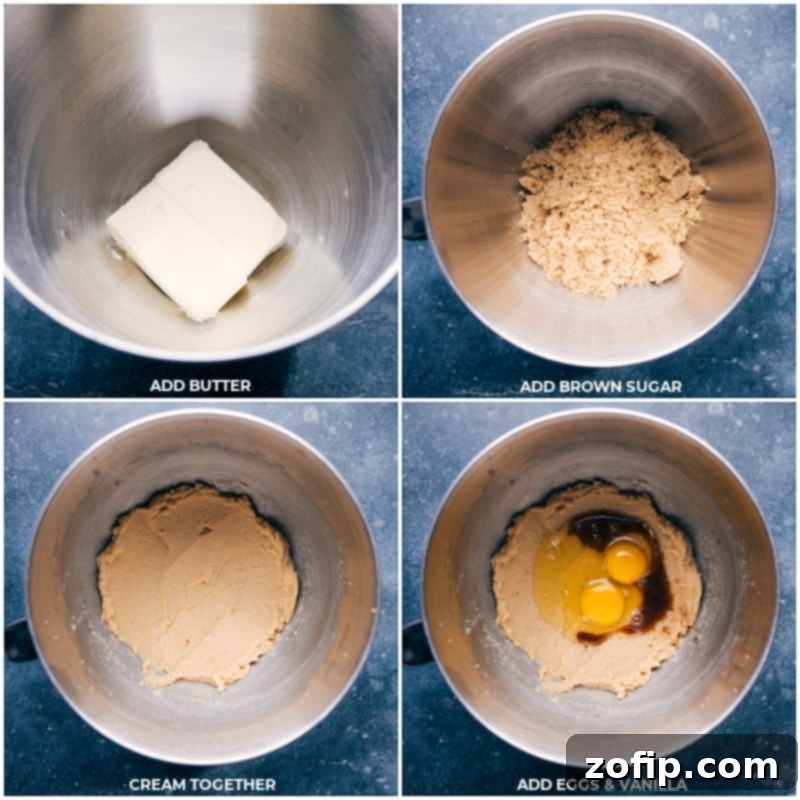
- Step 1: Cream Butter and Sugar. In the bowl of a stand mixer fitted with a whisk attachment, add the room-temperature unsalted butter and light brown sugar. Beat on medium-high speed for about 3-4 minutes, or until the mixture is completely combined, light in color, and incredibly creamy. It should resemble the consistency of smooth peanut butter. (See Note 1 for butter temperature tips and Note 3 for ingredient importance.)
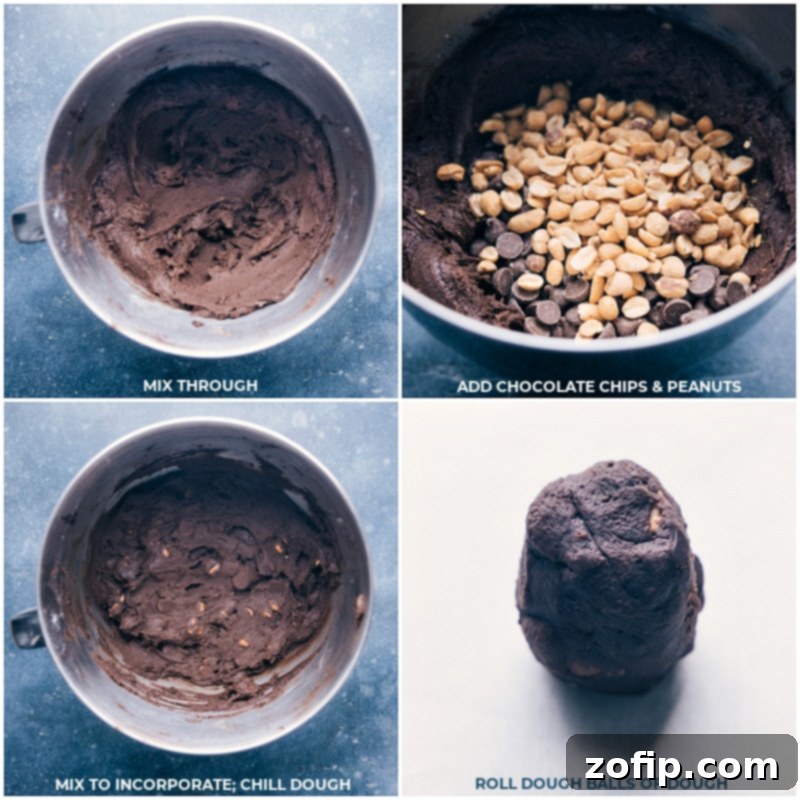
- Step 2: Incorporate Wet & Dry Ingredients. Add the eggs and vanilla extract to the creamed mixture and beat until just combined. Next, add the cornstarch, baking soda, salt, and Dutch-process cocoa powder. Mix on low speed until these dry ingredients are just incorporated, scraping down the sides of the bowl with a spatula as needed to ensure everything is well mixed. Finally, add the cake flour and all-purpose flour (see Note 4 for proper flour measurement) and beat until the flour streaks have just disappeared. Be careful not to overmix, as this can lead to tough cookies.
- Step 3: Add Mix-ins and Chill Dough. Using a spatula, gently fold in the milk chocolate chips and dry-roasted peanuts until evenly distributed throughout the dough. Cover the bowl tightly with plastic wrap and refrigerate the dough for a minimum of 45 minutes, up to 2 hours. Chilling is a crucial step that helps prevent the cookies from spreading too much during baking. If chilling for longer than 2 hours, you might need to let the dough sit at room temperature for about 30 minutes before proceeding, to make it easier to roll into balls.
- Step 4: Form Cookies and Bake. After the chilling period, remove the dough from the fridge. Preheat your oven to 325°F (162°C). Prepare an extra-large baking sheet by lining it with a silicone baking mat or parchment paper. Form the dough into balls, each weighing approximately 40g (just over 2 tablespoons). You should yield about 35 dough balls. Roll them into tall, rather than wide, balls and place them on a parchment-paper-lined sheet pan or plate. Return these formed dough balls to the fridge or freezer for an additional 15 minutes of chilling before baking. Place about 6 dough balls on the prepared baking sheet, ensuring ample space between each cookie for spreading. Bake for 10 minutes.
- Step 5: Add Marshmallows and Finish Baking. After the initial 10 minutes of baking, remove the cookies from the oven. Quickly press 3 mini marshmallows into the top of each cookie. Return the baking sheet to the oven and continue baking for another 2-4 minutes, or until the edges are lightly set and the marshmallows are gooey and slightly puffed, but not overly browned. The cookies should still appear slightly underbaked in the center; this is ideal for achieving a perfectly fudgy and chewy texture as they cool.
- Step 6: Cool and Serve. Immediately after removing the cookies from the oven, you have the option to press a few extra chocolate chips and/or peanuts onto the tops for an even more irresistible appearance. Allow the cookies to cool on the baking sheet for 5 minutes before carefully transferring them to a wire cooling rack to cool completely and fully firm up. Repeat the baking process with the remaining cookie dough, or freeze the rest for future enjoyment (refer to the Storage section for freezing instructions).
Recipe Notes
Note 2: The Importance of Cake Flour. Cake flour is specifically milled to have a lower protein content compared to all-purpose flour. This results in a more delicate gluten structure, which in turn gives these Rocky Road Cookies their exceptionally tender and soft crumb. You’ll typically find cake flour in the baking aisle of your grocery store, usually near other types of flour. For this recipe, I do not recommend substituting with all-purpose flour or attempting to make homemade cake flour, as these alternatives will not yield the same superior texture.
Note 3: Why Ingredient Quality Matters. To truly capture the magic of these Rocky Road Cookies—their rich flavor, perfect chewiness, and delightful texture—it’s highly recommended to use the exact ingredients specified in the recipe. This includes specific types of cocoa powder and flour. If you don’t have them on hand, a quick trip to the grocery store is genuinely worth the effort. The wait ensures you won’t end up with lackluster cookies that fail to meet expectations or, worse, cookies that don’t bake up properly due to incorrect ingredient profiles.
Note 4: Mastering Flour Measurement. Accurate flour measurement is a fundamental baking technique that impacts the final texture of your cookies. A common mistake is to press a measuring cup directly into a bag of flour and scoop, which compacts the flour and leads to using significantly more than intended. This excess flour can make cookies dense and dry. Instead, use the “spoon and level” method: gently spoon the flour into your measuring cup until it’s overfilled, then use the straight edge of a butter knife or a similar flat object to level off the excess at the top. This ensures you have the precise amount of flour for the best results. (For a visual guide, watch this video.)
Note 5: Customizing Your Rocky Road. While peanuts are traditional, feel free to experiment with other nuts like walnuts, pecans, or even a mix of several. For chocolate, milk chocolate chips provide a classic sweet balance, but semi-sweet or even a combination of dark and milk chocolate chips can be used for a more intense chocolate flavor.
Nutrition Information
Calories: 143kcal |
Carbohydrates: 18.7g |
Protein: 2.4g |
Fat: 6.9g |
Cholesterol: 24.9mg |
Sodium: 53.9mg |
Fiber: 0.7g |
Sugar: 10.1g
Nutrition information is automatically calculated and is an approximation only. Actual nutritional values may vary based on specific ingredients and preparation methods.