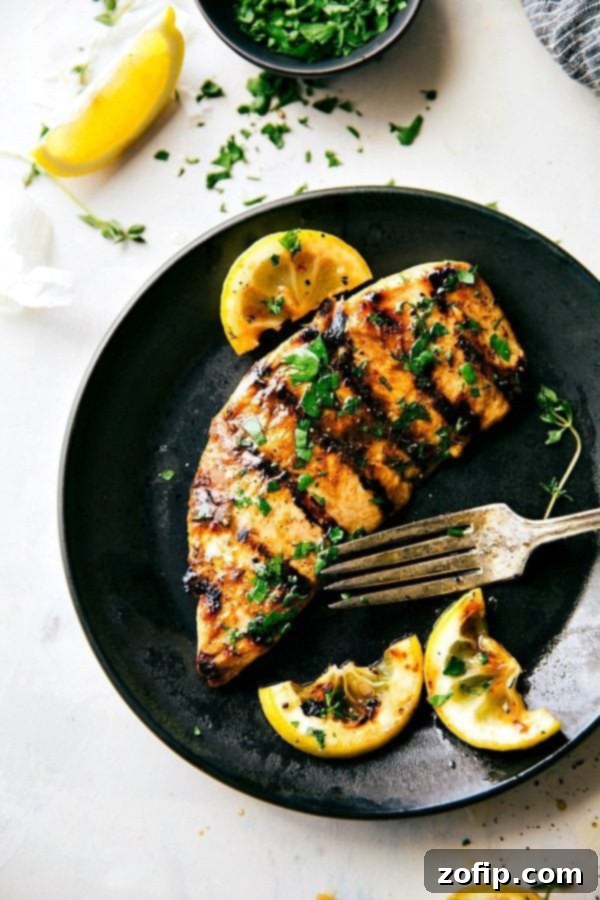
Transform your BBQ experience with this incredible Grilled Chicken Marinade! This simple, yet powerful recipe is your ticket to serving the juiciest, most intensely flavorful chicken your family and friends will ever taste. Say goodbye to dry, bland chicken and hello to culinary perfection, ideal for every summer cookout and weeknight meal.
Elevate your perfect grilled chicken by pairing it with a refreshing summer side. Try this vibrant Greek Pasta Salad or a delightful, easy-to-make Fruit Salad.
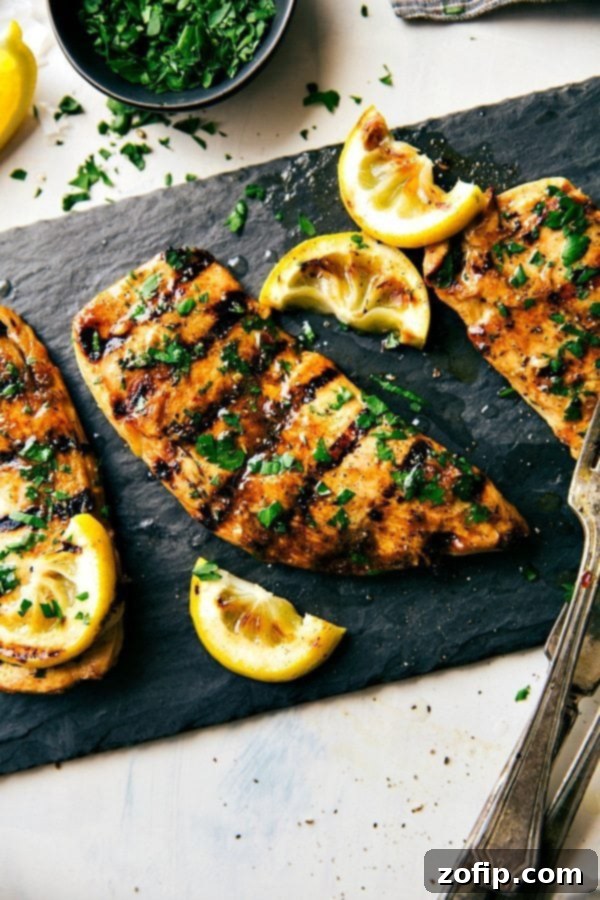
The Ultimate Grilled Chicken Marinade: Your Key to Flavor
There’s something uniquely satisfying about grilled chicken. It’s a staple in countless households, a symbol of summer gatherings, and for my family, it’s practically a way of life! In fact, one of the very first purchases my husband and I made as a newly married couple wasn’t a fancy piece of furniture or an essential appliance, but a grill! We prioritized it even over a bed, because, let’s be honest, nothing beats the smoky, charred goodness of perfectly grilled food.
I still remember driving our moving truck, filled with our modest belongings, straight to a big-box home improvement store just before returning it. We hauled that new grill home, brimming with excitement. For weeks, every meal seemed to find its way onto those grates, a testament to our shared love for outdoor cooking. Grilled chicken quickly became our most common dinner, a testament to its versatility and crowd-pleasing appeal.
Over the years, I’ve developed and shared dozens of grilled chicken recipes. Reader favorites include vibrant Grilled Taco Chicken Bowls, exotic Mango Chicken, and tropical Pineapple Chicken. But today, I’m thrilled to finally share my foundational, all-purpose, absolute best grilled chicken marinade recipe. This isn’t just a marinade; it’s a game-changer that promises succulent, flavor-packed chicken every single time. So, let’s dive into the magic behind these simple, yet powerful ingredients.
Why This Marinade is Your New Go-To
What makes a truly exceptional chicken marinade? It’s a delicate balance of elements that work synergistically to tenderize the meat, infuse it with deep flavor, and ensure it remains incredibly juicy, even under the intense heat of the grill. This particular recipe masterfully combines the four essential components of any great marinade: fat, salt, acid, and a touch of sweetness with aromatic elements. This scientific approach ensures not only incredible taste but also an ideal texture, transforming ordinary chicken breasts into an extraordinary culinary experience.
- Tenderizes the Chicken: The acidic ingredients gently break down tough muscle fibers, resulting in a remarkably tender bite.
- Boosts Flavor: Each ingredient is carefully selected to contribute layers of savory, sweet, tangy, and umami notes that penetrate deep into the meat.
- Ensures Juiciness: The oil component helps lock in moisture, preventing the chicken from drying out during grilling.
- Creates a Beautiful Sear: Sugars in the marinade caramelize on the grill, creating an appetizing golden-brown crust.
Key Ingredients for the Perfect Grilled Chicken Marinade
Every fantastic marinade recipe, including this one, hinges on a perfect balance of four primary components: fat, salt, acid, and flavor enhancers (often perceived as “heat” or bold aromatics). In this recipe, we expertly hit all these notes. Here’s a detailed look at what goes into our extraordinary grilled chicken marinade and why each ingredient is essential:
- Vegetable Oil: The fat component in our marinade is crucial for two main reasons. First, it helps keep the chicken moist and juicy by preventing moisture loss during cooking. Second, it acts as a carrier for the fat-soluble flavors in the marinade, ensuring they penetrate deeply into the meat. While olive oil can be used, vegetable oil is an excellent, more economical choice, especially when you need a generous amount.
- Lemon Juice and Red Wine Vinegar: These are our primary acidic agents. Acids are magical in marinades because they begin to denature the proteins in the chicken, effectively tenderizing the meat without cooking it. The lemon juice also adds a bright, fresh citrusy note, while red wine vinegar contributes a slightly fruity and tangy depth.
- Worcestershire Sauce: This fermented condiment is a powerhouse of flavor, renowned for its rich umami, salty, and slightly tangy profile. It adds incredible depth and savory complexity to the chicken, making each bite more satisfying.
- Honey: A touch of sweetness is vital for balancing the acidity and saltiness of the other ingredients. Honey provides a subtle, natural sweetness that helps create a beautiful caramelization on the grill, enhancing the chicken’s appearance and taste. It also contributes to the tender texture.
- Reduced-Sodium Soy Sauce: This ingredient serves multiple purposes. It’s a significant source of salt, which seasons the chicken from within and helps with moisture retention. More importantly, soy sauce is packed with umami, delivering a savory punch that makes the chicken truly irresistible. Using reduced-sodium ensures you can control the overall saltiness better.
- Garlic, Yellow Mustard, Pepper, and Fresh Flat-Leaf Parsley: These are our aromatic flavor enhancers. Minced garlic provides a pungent, savory base. Yellow mustard adds a mild tang and helps emulsify the marinade, ensuring all flavors are well distributed. Freshly ground black pepper provides a subtle warmth, and minced fresh parsley adds a burst of herbal freshness and visual appeal, transforming plain chicken into a dazzling centerpiece.
Quick Tip: Understanding Umami
Umami is often described as the “fifth basic taste,” alongside sweetness, sourness, bitterness, and saltiness. It’s a savory taste, characteristic of rich broths, cooked meats, and fermented products. Ingredients like Worcestershire sauce and soy sauce are rich in glutamates, which activate our umami taste receptors. Including umami-rich ingredients in your marinade deepens the overall flavor profile, making the chicken incredibly satisfying and moreish.
How to Marinate Chicken for Maximum Flavor: Simple Steps
The best part about this Grilled Chicken Marinade is how incredibly easy it is to prepare! With minimal effort, you’ll unlock maximum flavor. Here’s how to do it:
- Whisk Ingredients: In a large bowl, simply whisk together all the marinade ingredients until well combined.
- Prepare Chicken: Trim any excess fat from your boneless, skinless chicken breasts. For more even cooking and better flavor absorption, you can slice thicker breasts horizontally to create thinner cutlets (about 1-inch thick) or gently pound them to an even thickness.
- Submerge Chicken: Place the prepared chicken breasts into the marinade, ensuring they are fully submerged. You can use a large bowl or a resealable plastic bag.
- Refrigerate: Place the chicken in the refrigerator to marinate.
I’ve also gathered essential tips below to ensure your chicken marinating and grilling process is foolproof, leading to perfectly cooked, flavorful results every time.
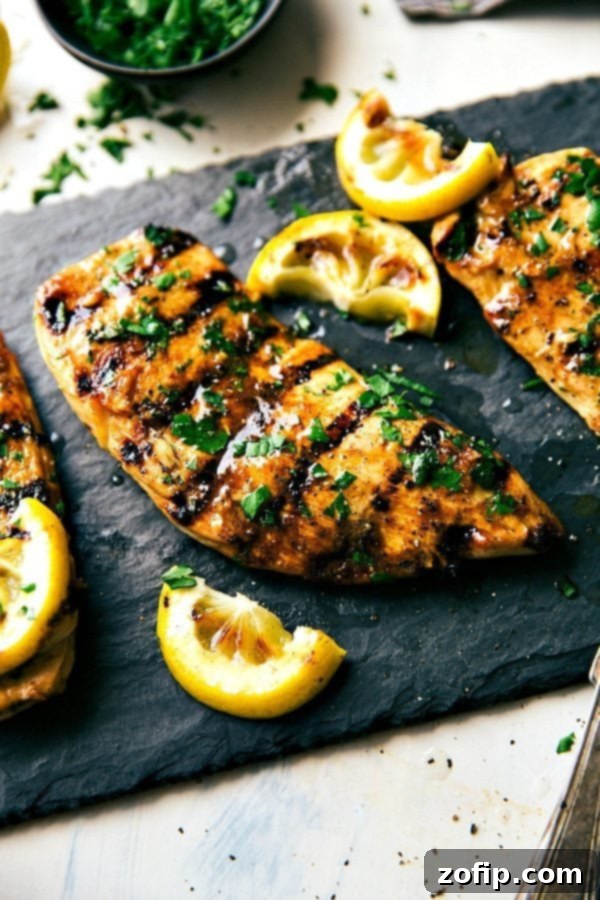
Expert Chicken Marinating and Grilling Tips
Achieving perfectly tender and flavorful grilled chicken isn’t just about the marinade; it’s also about technique. Follow these essential tips to ensure your chicken comes out juicy, tender, and delicious every time you fire up the grill:
- Score Meat Before Marinating (Optional but Recommended): To help the marinade penetrate deeper and faster, gently prick the surface of the chicken breasts a few times with the tines of a fork. This creates tiny channels for the flavor to seep in.
- Slice or Pound Breasts for Even Thickness: Chicken breasts can vary widely in thickness. To ensure even cooking and consistent flavor absorption, slice thicker breasts horizontally into two thinner cutlets, or place them between two sheets of plastic wrap and pound them gently with a meat mallet to an even thickness of about 1 inch. This also maximizes the surface area exposed to the marinade.
- Flip and/or Stir During Marinating: If using a bag, flip it periodically to ensure all sides of the chicken get equal exposure to the marinade. If using a bowl, stir the chicken every hour or so. This prevents flavor inconsistencies.
- Always Refrigerate: For food safety, always marinate chicken in the refrigerator. Never leave it out on the counter, as bacteria can multiply rapidly at room temperature.
- Generously Oil Your Grill Grates: This is crucial for preventing sticking and achieving those beautiful grill marks. Roll up a few paper towels, drench them in a high-smoke-point oil (like canola or vegetable oil), and using tongs, rub the drenched paper towels along the preheated grill grates. Repeat a few times for good coverage.
- Reserve Marinade for Basting: Before adding the raw chicken to the marinade, set aside about 1/3 cup of the mixture. This reserved marinade can be brushed over the chicken as it grills, adding an extra layer of flavor and keeping it moist. Crucially, always keep this reserved portion separate from the marinade that has touched raw chicken.
- Preheat Your Grill Adequately: Don’t rush the preheating process. Get your grill to the recommended temperature (typically 375–450°F / 190–230°C for chicken) before placing the chicken on it. A hot grill ensures a good sear and prevents sticking. Avoid excessively high temperatures (above 450°F) to prevent the chicken from drying out or burning before it cooks through.
- Use a Meat Thermometer: The only sure way to know if chicken is safely cooked is to use a meat thermometer. Insert it into the thickest part of the chicken, avoiding bone. Chicken is safely cooked when it reaches an internal temperature of 165°F (74°C).
- Let the Cooked Chicken Rest: Once the chicken reaches the desired internal temperature, remove it from the grill and tent it loosely with foil. Let it rest for 5-10 minutes before slicing. This allows the juices to redistribute throughout the meat, resulting in a significantly juicier and more tender final product. Skipping this step is a common mistake that leads to dry chicken!
Not grilling the chicken today? No problem! This versatile marinade works wonderfully with other cooking methods too. Check below for alternative cooking instructions.
Alternate Cooking Methods for Marinaded Chicken
While this marinade is designed to shine on the grill, it’s incredibly versatile and can be used for baking or sautéing as well. Remember that cooking times will vary depending on several factors like chicken thickness and oven/stove settings, so always use a meat thermometer to ensure your chicken reaches a safe internal temperature of 165 degrees Fahrenheit (74°C). This prevents undercooked (unsafe) or overcooked (dry) chicken.
- Baked Chicken:
- Preheat your oven to 450 degrees F (232°C).
- Line a baking sheet with parchment paper for easy cleanup.
- Place the marinated chicken breasts on the prepared baking sheet. For baking, it’s generally best not to cut breasts in half horizontally as they can dry out more easily; keeping them thicker helps retain moisture.
- Bake for approximately 15-18 minutes, flipping the chicken halfway through to ensure even cooking and browning.
- Once cooked, remove from the oven, loosely cover the baking sheet with foil, and let the chicken rest for 5-10 minutes before serving.
- Sautéed Chicken:
- Heat 1 tablespoon of your preferred cooking oil (vegetable or olive oil) in a large sauté pan or cast-iron skillet over medium-high heat.
- If your chicken breasts were very thick, ensure they are horizontally halved or pounded to about 1-inch thickness for quicker, more even cooking.
- Add the marinated chicken breasts to the hot pan. Cook for 4-6 minutes per side, or until the chicken is golden brown, cooked through, and the juices run clear.
- As you cook, you can generously brush the chicken with the reserved marinade (make sure it’s the portion that hasn’t touched raw chicken) to add extra flavor.
- Transfer the cooked chicken to a clean plate and loosely cover with foil. Let it rest for 5-10 minutes before slicing and serving.
- Important Note for Sautéing/Stir-frying: To ensure the meat properly sears and doesn’t “stew,” make sure to drain off any excess marinade from the chicken before adding it to the hot pan. Too much liquid will lower the pan’s temperature and prevent proper browning.
Optimal Marinating Time: How Long is Just Right?
While many recipes suggest that “the longer, the better” for marinating, this grilled chicken marinade is a unique exception. Through extensive testing, I’ve found that an optimal marinating time of around 4-6 hours yields the absolute best end product—tender, juicy, and packed with flavor.
However, don’t fret if you’re short on time! Even a quick 30 minutes of marinating will significantly enhance the chicken’s flavor. But it’s crucial not to exceed 6 hours. Marinating for much longer than 6 hours (especially overnight) can cause the acidic components (lemon juice and vinegar) to begin “cooking” or denaturing the chicken too much, leading to a slightly mushy or stringy texture rather than simply tenderizing it. Stick to the 4-6 hour sweet spot for perfect results!
Marinade Safety: Can You Cook Chicken in Its Marinade?
This is a critical food safety question! Once raw chicken has been soaking in any liquid, that liquid is no longer safe to consume directly, as it contains raw chicken juices and potential bacteria. Therefore, you should never bake or cook chicken directly in the marinade it sat in.
However, you can safely baste the chicken with marinade during the early stages of the cooking process (e.g., on the grill or in the oven). This is because the marinade will reach a high enough temperature to kill any bacteria along with the chicken itself. If you wish to use marinade as a finishing sauce or to baste chicken towards the very end of cooking, you must first bring it to a rolling boil for at least 1-2 full minutes in a separate pot. This ensures it’s safe to consume. Always use a clean basting brush or spoon for the cooked chicken, separate from any that touched raw meat.
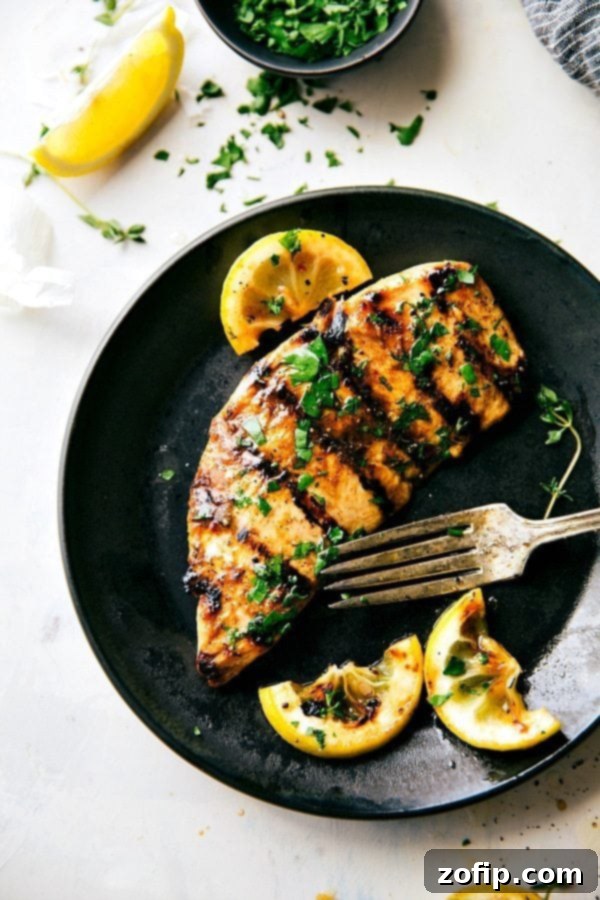
Delicious Ways to Serve Your Perfect Grilled Chicken
Once you’ve mastered this incredible grilled chicken, the possibilities for serving are endless! Here are some fantastic ideas to “jazz up” your grilled chicken and turn it into a complete, show-stopping meal:
- Top with Fresh Salsa: The vibrant flavors of a homemade fruit or vegetable salsa beautifully complement the savory chicken. My personal favorite is this bright and tangy Mango Salsa, offering a sweet and spicy kick. A corn and black bean salsa or a classic pico de gallo would also be excellent choices.
- Serve on a Fresh Salad: Chop the cooled grilled chicken into bite-sized pieces and add it to a bed of mixed greens. Drizzle with a zesty vinaigrette, or for a creamy indulgence, try the cilantro-ranch dressing from this amazing BBQ Chicken Salad recipe. Add other toppings like avocado, cherry tomatoes, and crunchy tortilla strips.
- Create a Hearty Burrito Bowl: Build your own customized burrito bowl by serving the sliced grilled chicken over a base of fluffy rice (white or brown) or quinoa. Add your favorite toppings like black beans, corn, sliced avocado, diced bell peppers, and a sprinkle of cheese. Finish with a squeeze of fresh lime juice, a dollop of sour cream or Greek yogurt, and some fresh cilantro for an explosion of flavors.
- Pair with Roasted Vegetables: For a simple yet incredibly nutritious meal, serve your grilled chicken alongside a medley of Easy Roasted Vegetables. Broccoli, bell peppers, zucchini, and cherry tomatoes tossed with olive oil and herbs roast beautifully and complement the chicken perfectly.
- Sprinkle with Fresh Herbs: A simple garnish can make a huge difference! After grilling, sprinkle your chicken with a generous amount of fresh cilantro, parsley, chopped green onions, or basil. The fresh herbs add a burst of color and an aromatic finish.
- Make Sandwiches or Wraps: Slice the chicken and layer it into warm pita bread, crusty rolls, or soft tortillas with your favorite sandwich toppings like lettuce, tomato, onion, and a flavorful sauce.
More Mouthwatering Chicken and Grilling Recipes
If you loved this grilled chicken marinade, you’ll definitely want to explore these other fantastic recipes to expand your grilling repertoire and enjoy even more delicious chicken dishes:
- Grilled Honey Lime Chicken
- Grilled Cilantro Lime Chicken
- Sausage and Veggie Foil Packs
- Steak Marinade (this one is the best ever for steaks!)
- Chicken Tacos (Mexican street corn-inspired for a festive twist!)
Crucial Food Safety Reminder: Never Re-use Raw Marinade!
For your safety and the safety of your guests, it is absolutely essential to understand this rule: Once the marinade has touched raw meat, it is no longer safe to consume directly. If you plan to use extra marinade as a sauce or for basting the chicken during or after cooking, make sure to set aside a portion of the marinade BEFORE adding it to the raw chicken. This separate, untouched portion is safe to use as desired, after bringing to a boil for at least 1-2 minutes. Otherwise, discard all marinade that came into contact with raw chicken.
Grilled Chicken Marinade Recipe
This ultimate Grilled Chicken Marinade is quick to make, delivers bold flavor, and keeps chicken perfectly juicy—your summer grilling game just got better!
By: Chelsea Lords
Prep Time: 15 minutes
Cook Time: 10 minutes
Marinating Time: 4 hours (optimal)
Total Time: Approximately 4 hours 25 minutes
Servings: 6 servings
Equipment
- Grill
- Large bowl or resealable plastic bag
- Whisk
Ingredients
Main Chicken
- 1-1/2 pounds boneless, skinless chicken breasts
Marinade
- 3/4 cup vegetable oil
- 1/4 cup + 2 tablespoons reduced-sodium soy sauce
- 3 tablespoons Worcestershire sauce
- 1/4 cup red wine vinegar
- Juice and 1 teaspoon zest from 2 large lemons
- 1/2 tablespoon black pepper (use 1 teaspoon if sensitive to spice)
- 2 teaspoons fresh flat-leaf parsley, finely minced
- 3 tablespoons yellow mustard
- 1 to 2 teaspoons minced garlic (use 2 for a more intense flavor)
- 1 tablespoon honey
Optional Honey Lemon Sauce
- 3 tablespoons unsalted butter, melted
- 1-2 teaspoons lemon zest (from 1 lemon)
- 3 tablespoons fresh lemon juice
- 3 tablespoons olive oil
- 3 tablespoons honey
- Pinch of pepper and fresh parsley (optional, for garnish)
Instructions
- Prepare Marinade: In a large bowl, combine vegetable oil, soy sauce, Worcestershire sauce, red wine vinegar, 1 teaspoon lemon zest, 3–4 tablespoons lemon juice, pepper, minced parsley, yellow mustard, minced garlic, and honey. Whisk thoroughly until all ingredients are well combined.
- Reserve Marinade: Set aside 1/3 cup of the prepared marinade in a separate small bowl. This will be used for basting the chicken later and ensures food safety.
- Prepare Chicken: Trim any visible fat from the chicken breasts. To ensure even cooking and better flavor penetration, pound the chicken to an even thickness of about 1 inch. If breasts are very thick, slice them horizontally to create thinner cutlets before pounding.
- Marinate Chicken: Place the prepared chicken breasts into the remaining marinade in the large bowl or a resealable plastic bag. Ensure the chicken is fully coated. Marinate in the refrigerator for at least 30 minutes, but ideally for 4–6 hours for the best flavor and texture. Do not marinate for more than 6 hours, as the acidity can begin to alter the chicken’s texture.
- Prepare Grill: Preheat your grill to a medium-high temperature, approximately 375–450°F (190–230°C). Once hot, clean the grates thoroughly. To grease the grates, roll up a few paper towels, drench them in vegetable oil, and using tongs, carefully rub them along the hot grill grates several times. Avoid exceeding 450°F to prevent the chicken from drying out.
- Grill Chicken: Place the marinated chicken breasts on the greased, preheated grill. Close the lid as much as possible to maintain consistent heat. Grill for approximately 4–6 minutes per side, depending on the thickness of the chicken and the heat of your grill. The chicken should have nice grill marks and reach an internal temperature of 160°F (71°C) at its thickest part (carry-over heat will bring it to 165°F/74°C). For 1-inch thick breasts grilled at 400°F (204°C), typically 5 minutes on the first side and 4 minutes on the second side is sufficient.
- Baste While Grilling: During grilling, generously brush the chicken with the 1/3 cup of reserved marinade mixture. This adds an extra layer of flavor and helps keep the chicken moist.
- Rest Chicken: Once cooked, remove the chicken from the grill and place it on a clean plate or cutting board. Tent it loosely with foil and let it rest for 5-10 minutes before slicing and serving. This resting period is crucial for the juices to redistribute, ensuring moist and tender chicken.
- Make Optional Honey Lemon Sauce (if desired): In a small bowl, whisk together the melted butter, 1–2 teaspoons lemon zest, 3 tablespoons lemon juice, olive oil, and honey. If desired, add a pinch of pepper and some fresh parsley. Drizzle this sauce over the grilled chicken just before serving for an extra burst of bright flavor.
Recipe Notes
Storage: Store leftover grilled chicken in an airtight container in the refrigerator for up to 3-4 days. For longer storage, freeze it in a freezer-safe container or bag for up to 3 months. Thaw overnight in the fridge before reheating.
Nutrition Information
Serving: 1 serving | Calories: 497kcal | Carbohydrates: 16g | Protein: 26g | Fat: 38g | Saturated Fat: 24g | Cholesterol: 73mg | Sodium: 802mg | Potassium: 541mg | Fiber: 1g | Sugar: 13g | Vitamin A: 46IU | Vitamin C: 3mg | Calcium: 32mg | Iron: 1mg
Nutrition information is automatically calculated and should only be used as an approximation.
We hope you love this recipe! Don’t forget to leave a comment below and share your thoughts. Your feedback is always appreciated!