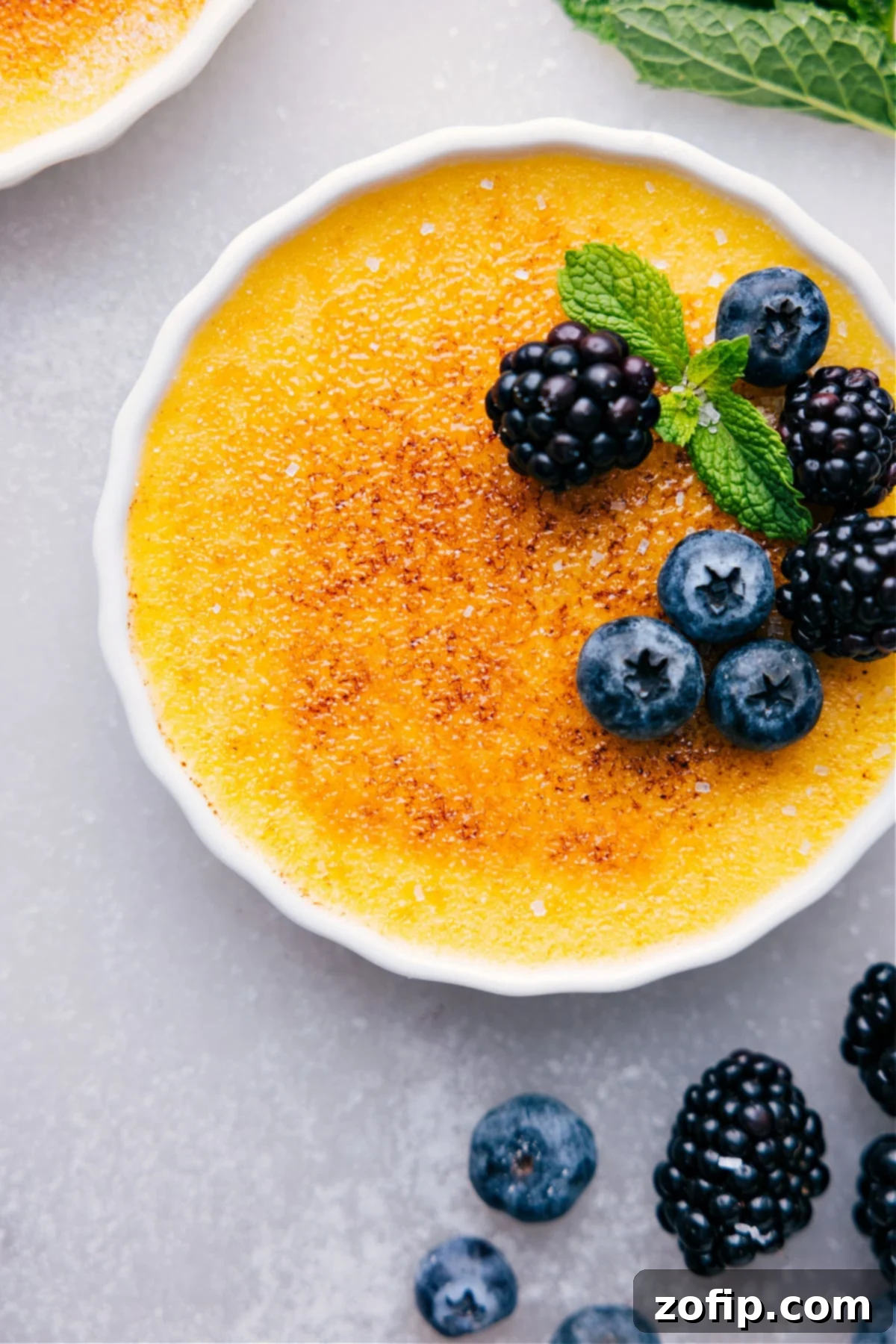
Mastering the **Best Crème Brûlée Recipe** is a culinary achievement that’s far more accessible than it appears. This classic French dessert, revered for its incredibly creamy custard base and signature crackling caramelized sugar topping, can be perfected in your home kitchen with ease. Prepare to impress your guests and delight your taste buds with a dessert that embodies elegance and rich flavor, crafted with the precision of a pastry chef.
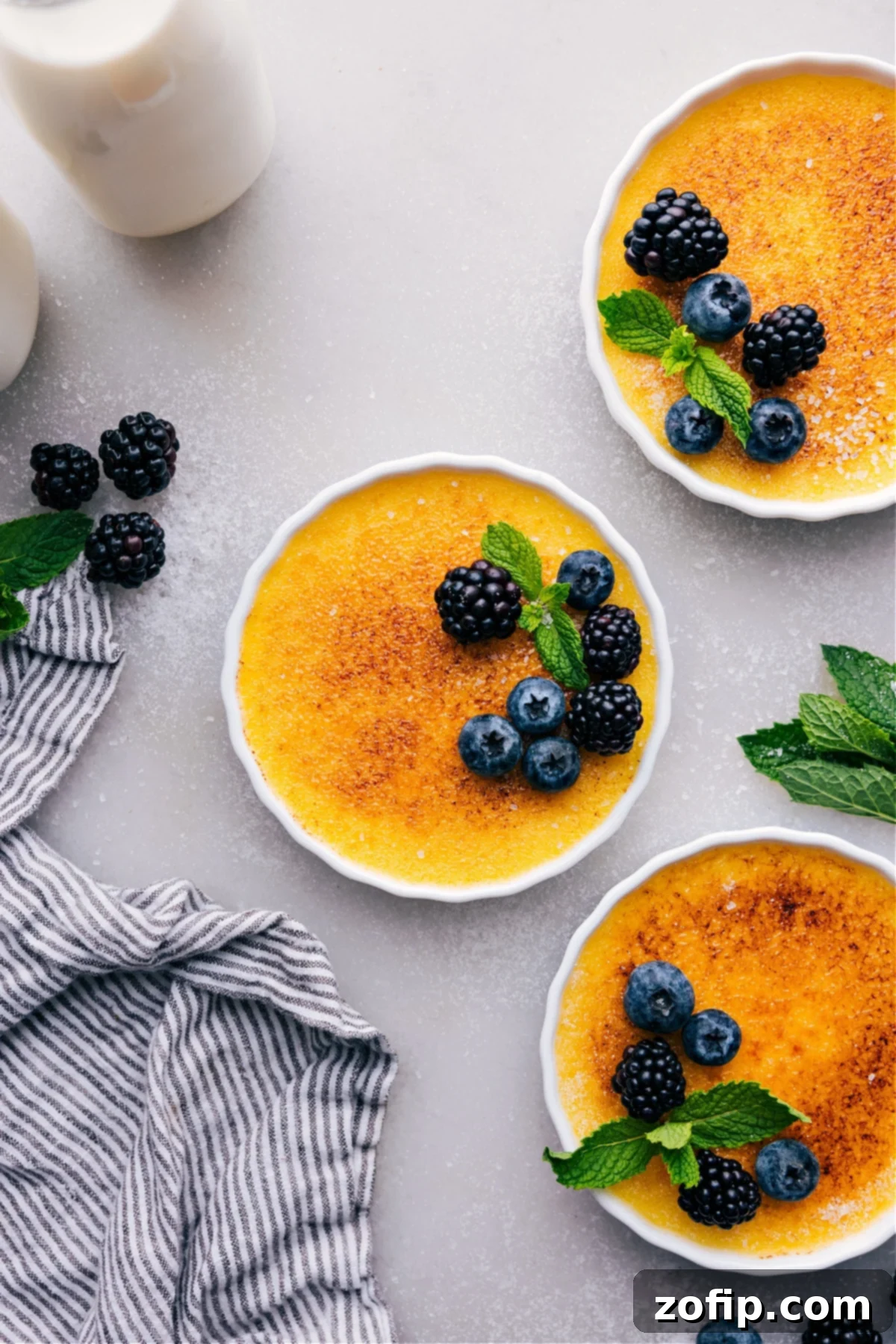

Author’s Insight
A Restaurant-Quality Recipe, Straight From a Pastry Chef!
My journey into the world of fine dining gifted me invaluable experiences, one of the most cherished being the time I spent learning from an exceptional pastry chef. He was renowned throughout the city for his unparalleled Crème Brûlée – a dessert that consistently drew rave reviews. I vividly remember the first evening he entrusted me with the kitchen torch to caramelize the sugar topping. Initially, it felt like an intimidating task, fraught with the potential for disaster. However, with his patient guidance and a few simple pointers, I quickly discovered the sheer joy and simplicity of transforming a delicate sugar layer into a perfect, glassy crust.
This same chef generously shared the nuances of his “foolproof” Crème Brûlée recipe, and these cherished secrets have been an integral part of my culinary repertoire ever since. What truly astonished me was **how straightforward the entire process truly is**. Forget complex techniques or an endless list of exotic ingredients; this remarkable dessert requires just five core ingredients, a gentle baking method in a water bath, and that satisfying final flourish with a kitchen torch. It’s the ultimate combination of simplicity and sophistication, proving that you don’t need to spend hours slaving away to create something truly impressive.
Beyond its deceptive ease, this recipe also stands out as the ultimate **make-ahead dessert**. The rich, vanilla-infused custard can be prepared well in advance, allowing you to focus on other aspects of your meal preparation. Then, just before serving, you can add that iconic, shatteringly crisp sugar topping, ensuring maximum freshness and a dramatic presentation. This flexibility makes it a go-to choice for dinner parties, special celebrations, or simply when you desire an elegant treat without the last-minute rush. It’s always a crowd-pleaser, guaranteed to elicit gasps of delight and requests for the recipe!

Essential Ingredients for the Best Crème Brûlée
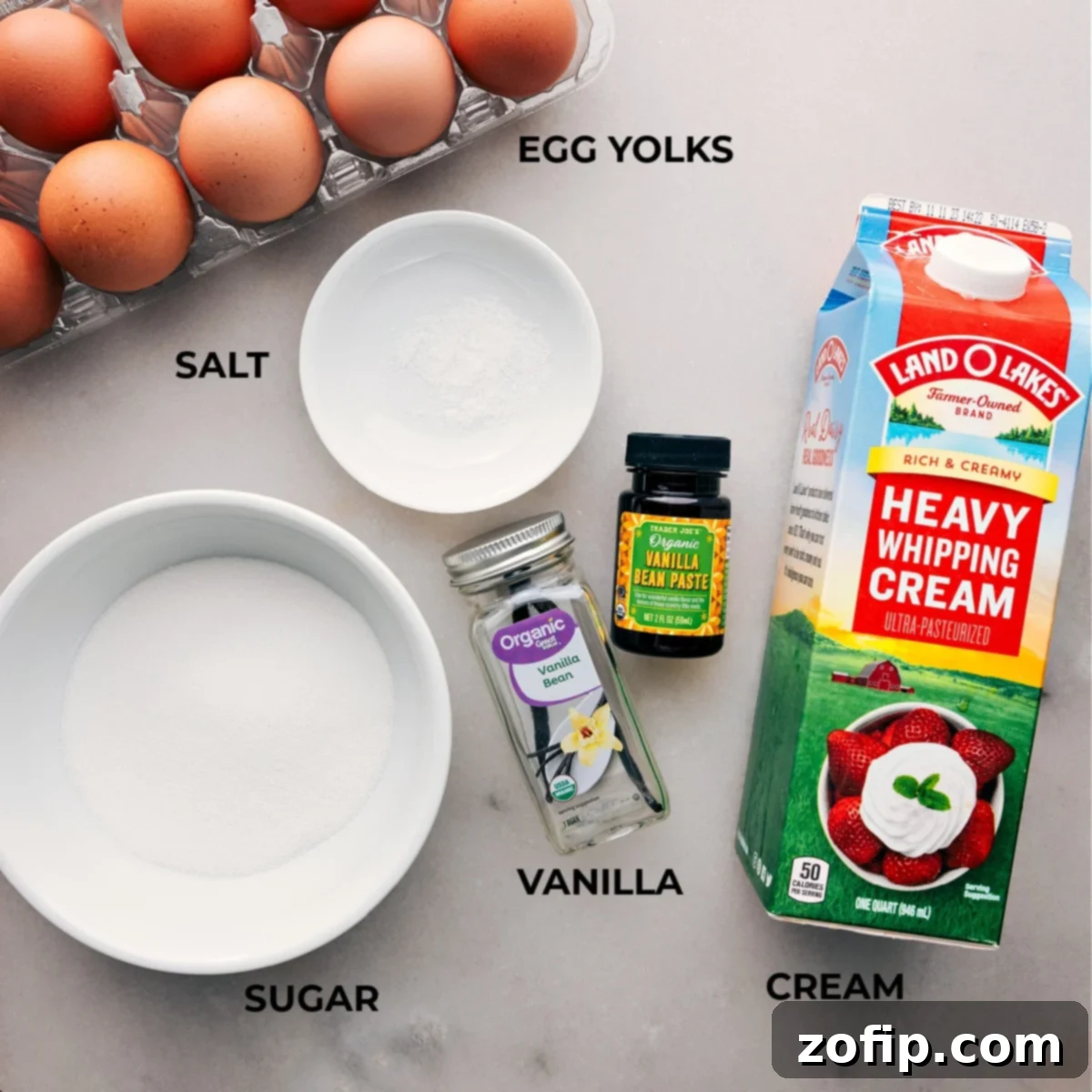
Creating an authentic Crème Brûlée relies on a short list of high-quality ingredients. Each component plays a vital role in achieving that signature rich, creamy texture and unforgettable flavor. Don’t be tempted to cut corners here; the purity of these ingredients is what elevates a good Crème Brûlée to a truly exceptional one.
| Ingredient | Notes & Swaps for Best Results |
|---|---|
| Heavy Cream | This is the heart of your custard, providing its luxurious, silky texture and unparalleled richness. Using full-fat heavy cream (at least 36% milk fat) is non-negotiable for a truly decadent Crème Brûlée. Avoid lighter creams, half-and-half, or milk, as they contain less fat and will not set properly, resulting in a watery or grainy custard. |
| Egg Yolks | Egg yolks are the primary thickening agent for the custard, contributing to its smooth consistency, golden hue, and opulent flavor. For the best results, use large, fresh egg yolks, ideally from organic or pasture-raised eggs, which tend to have a deeper color and richer flavor. Don’t worry about leftover egg whites – they can be saved and used for delicious recipes like Meringue Cookies, fluffy omelets, or angel food cake. |
| Granulated Sugar | Sugar serves a dual purpose in Crème Brûlée: it sweetens the custard to perfection and, crucially, creates that iconic crisp, caramelized topping. For the custard, regular granulated sugar works beautifully. However, for the topping, **superfine sugar (caster sugar)** is highly recommended. Its finer granules melt and caramelize more evenly and quickly, leading to a superior, glass-like crust without burning. If you only have regular granulated sugar, you can pulse it briefly in a food processor to make it finer. |
| Vanilla | Vanilla is the quintessential flavor for Crème Brûlée, adding a warm, aromatic depth that balances the richness of the cream and eggs. A **real vanilla bean** offers the most exquisite and authentic flavor, with those beautiful specks visible in the finished custard. To use, simply split the bean lengthwise and scrape out the fragrant seeds. If a vanilla bean isn’t available, high-quality vanilla bean paste (which often contains vanilla seeds) or pure vanilla extract can be used as alternatives, though they may offer a slightly less intense flavor profile. |
| Salt | Just a tiny pinch of salt might seem insignificant, but it’s a critical ingredient that brightens and balances the sweetness of the custard, enhancing all the other flavors without making the dessert taste salty. It’s the secret touch that makes the vanilla and cream truly sing. |
Step-by-Step Guide: How To Make the Best Crème Brûlée
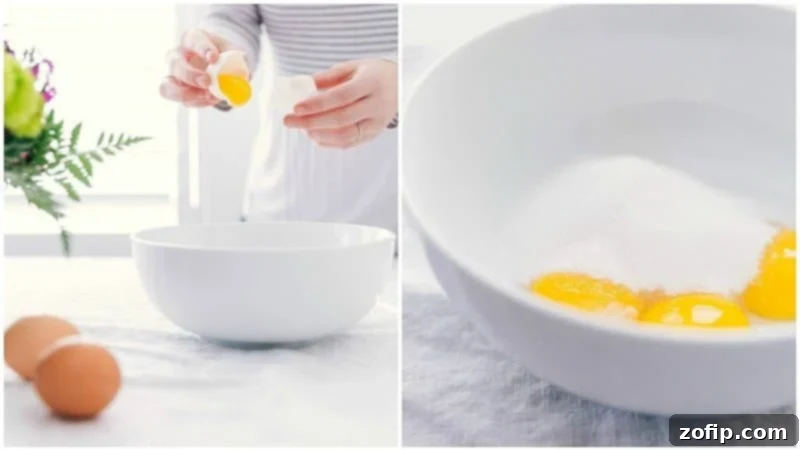
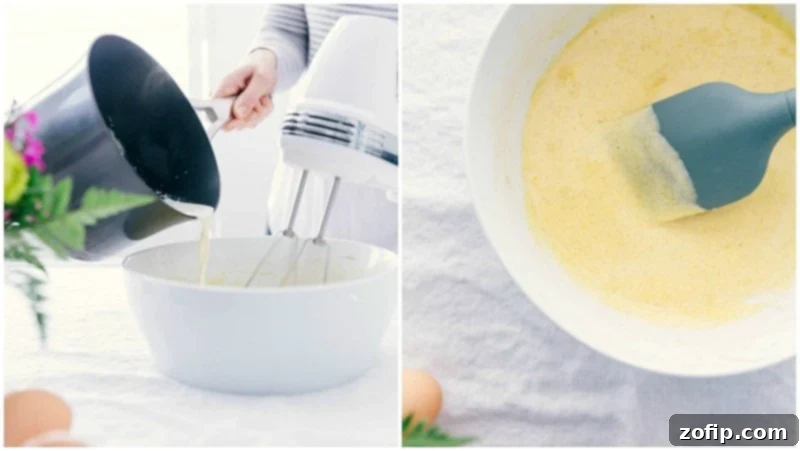
Crafting the perfect Crème Brûlée is a rewarding process that combines simple steps with a little patience. Follow these detailed instructions to achieve a silky-smooth custard and that irresistible caramelized crust every time:
- Prepare Your Vanilla and Oven: Begin by preheating your oven to 325°F (160°C). If you’re using a vanilla bean, carefully slice it lengthwise with a sharp knife and scrape out the tiny, fragrant seeds. Place these seeds in a large mixing bowl. The empty vanilla bean pod goes into a medium pot with your heavy cream and a pinch of salt. If using vanilla extract or paste, you’ll add these later.
- Infuse the Cream: Gently heat the cream, vanilla pod, and salt mixture on the stove over low heat. The goal is to bring it to a gentle simmer, allowing the vanilla flavor to deeply infuse into the cream, without letting it boil. This typically takes about 10 minutes. Once fragrant and just simmering, remove the pot from the heat and discard the vanilla pod. If using vanilla extract or paste, stir it into the warm cream now.
- Create the Egg & Sugar Base: In your large mixing bowl (the one with the vanilla seeds if you used a bean), combine the egg yolks with ½ cup of the granulated sugar. Whisk these ingredients together by hand until they are just combined and appear pale yellow. Avoid whisking too vigorously, as incorporating too much air can lead to a frothy custard that might crack during baking or have an undesirable texture. Simultaneously, bring 6 cups of water to a boil for your water bath.
- Temper the Eggs: This is a crucial step to prevent your eggs from scrambling. While continuously whisking the egg yolk mixture slowly and steadily, gradually pour about ¼ of the warm vanilla cream into the bowl. This slowly raises the temperature of the egg yolks without cooking them. Mix until thoroughly combined, then continue to slowly pour in the remaining warm cream mixture, whisking consistently until everything is well incorporated. This process ensures a smooth, lump-free custard base.
- Prepare for Baking (Water Bath): Arrange your ramekins (4-, 5-, or 6-ounce) in a 9×13-inch baking pan. Carefully pour the custard mixture into each ramekin, filling them almost to the top. Next, using a heatproof measuring cup or ladle, carefully pour the boiling water into the larger baking pan. The water should come halfway up the sides of the ramekins. This water bath (bain-marie) ensures even, gentle cooking, preventing the custards from curdling or cracking, and results in a wonderfully smooth texture.
- Bake and Chill: Carefully transfer the baking pan (with the ramekins in the water bath) to your preheated oven. Bake for 30-35 minutes. The custards are done when the edges are set, but the center still has a slight, delicate jiggle when you gently shake the pan. Do not overbake! Remove the ramekins from the water bath and let them cool completely at room temperature. Once cooled, cover each ramekin tightly with plastic wrap and refrigerate for a minimum of 6-8 hours, or ideally, overnight. Chilling is essential for the custard to fully set and develop its rich, firm-yet-creamy texture. These can be stored in the fridge for up to 4-5 days.
- Caramelize and Serve: When you’re ready to serve, sprinkle the remaining ¼ cup of granulated sugar (preferably superfine sugar) evenly over the chilled custards. Gently swirl the ramekins to ensure the sugar forms a thin, even layer across the entire surface; tip any excess into the next ramekin. Using a kitchen torch, caramelize the sugar until it melts, bubbles, and turns a beautiful golden amber, or even slightly charred if you prefer a more intense flavor. Work quickly and keep the torch moving to prevent burning. Garnish immediately with fresh berries for a touch of color and freshness, then serve without delay to enjoy that satisfying crack!
Quick Tip: Achieving the Perfect Crème Brûlée Texture
The ideal Crème Brûlée should possess a luscious, thick custard-like consistency, reminiscent of a rich, full-fat Greek yogurt – smooth and velvety. When you take a spoonful, it should melt in your mouth, delivering an indulgent creaminess balanced by the crisp, slightly bitter sweetness of the caramelized sugar. Avoid a rubbery or watery texture; the slight jiggle at the center during baking is your cue for perfection.
Expert Tips for Crème Brûlée Success
Even though Crème Brûlée is simpler than it looks, a few expert tips can elevate your dessert from good to truly exceptional. These insights, learned from years in professional kitchens, will help you avoid common pitfalls and achieve a consistently perfect result:
- Ramekin Size Matters: For optimal baking and chilling, use 4-, 5-, or 6-ounce ramekins. These sizes allow the custard to cook evenly and set beautifully. If you opt for larger ramekins, be aware that the custard will be thicker and will require a longer baking time. Always ensure your ramekins are oven-safe and can withstand the heat of a water bath.
- Quality Egg Yolks: The color and richness of your custard are largely determined by the quality of your egg yolks. Organic or free-range eggs often yield yolks with a deeper, more vibrant color, which translates to a more visually appealing and richer-tasting Crème Brûlée. Freshness is also key for the best texture and flavor.
- The Power of Vanilla: While vanilla extract or paste will work, nothing compares to the authentic, complex aroma and flavor imparted by a **real vanilla bean**. The tiny black specks from the bean also add a touch of professional elegance to your dessert. If using extract, opt for pure vanilla extract over imitation for superior flavor.
- Mastering Tempering Eggs: This step is non-negotiable for a smooth custard. Slowly adding a small amount of hot cream to the whisked egg yolks while continuously stirring gradually raises the temperature of the eggs. This prevents the yolks from cooking too quickly and scrambling, ensuring a silky-smooth, lump-free custard. If you pour the hot cream in too fast, you risk creating an unappetizing texture.
- Superfine Sugar for the Topping: For that perfectly thin, even, and spectacularly crisp caramel layer, **superfine sugar (caster sugar)** is your secret weapon. Its smaller granules melt more quickly and evenly under the torch, reducing the risk of burning and creating a glassy, brittle crust that shatters beautifully. Regular granulated sugar can be used, but superfine sugar offers a superior finish.
- The Essential Water Bath: Baking Crème Brûlée in a water bath (bain-marie) is crucial. This method provides a moist, even heat environment, which prevents the edges of the custard from overcooking or drying out while the center sets. It also helps prevent cracking on the surface of the custard, ensuring a flawless presentation. Be careful not to splash water into the ramekins themselves during this process.
- Patience with Chilling: Resist the urge to serve your Crème Brûlée too soon! Chilling for at least 6-8 hours, or ideally overnight, is fundamental for the custard to fully set and achieve its perfect, firm-yet-creamy consistency. This allows the flavors to meld and the texture to become truly luxurious. A well-chilled custard also holds up better to the torching process.
Essential Crème Brûlée Tools
While the ingredients list is short, making Crème Brûlée does require a few specific tools to achieve professional results. These are the exact items I use and recommend for your home kitchen:
- Ramekins: Individual ceramic dishes, typically 4-6 ounces, perfect for single servings of Crème Brûlée.
- Kitchen Torch: An absolute must for achieving that iconic crackly sugar topping. While an oven broiler can be an alternative, a torch offers superior control and precision.
- 9×13 Inch Baking Pan: Essential for creating the water bath, ensuring your custards bake evenly and gently.
What To Serve With Crème Brûlée:
Desserts
How to Make Whipped Cream
Desserts
Shortbread Cookies
Desserts
Vanilla Frozen Yogurt

The Best Crème Brûlée Recipe
By Chelsea Lords
This incredible Crème Brûlée recipe looks fancy but is surprisingly quick and easy to make! With a velvety creamy custard and a beautifully caramelized sugar topping, it’s a true showstopper. This particular recipe comes straight from a pastry chef renowned for crafting the best Crème Brûlée, ensuring a restaurant-quality dessert right in your home. Top these elegant custards with fresh berries for an unforgettable finish.
Prep Time: 20 minutes
Cook Time: 30 minutes
Chilling Time: 8 hours
Total Time: 8 hours 50 minutes
Servings: 5 (5-ounce) ramekins, or 6 (4-ounce) ramekins, or 4 (6-ounce) ramekins
Equipment
- Ramekins (see note 1)
- Kitchen torch (or oven broiler, see note 1 for torch recommendation)
- Medium pot
- 9×13-inch baking pan
Ingredients
- 1 full vanilla bean (or ½ tablespoon vanilla extract, or 1 teaspoon vanilla bean paste)
- ¼ teaspoon salt
- 2 cups heavy cream
- 5 large egg yolks (must be at room temperature, see note 2)
- ¾ cup granulated sugar (divided: ½ cup for custard, ¼ cup for topping; superfine sugar is ideal for topping if you have it!)
- 6 cups water (for water bath)
- Fresh berries (optional, for serving)
Instructions
- Preheat oven to 325°F (160°C).
- If using a vanilla bean, slice it open lengthwise and scrape out the seeds. Place the seeds in a large bowl. Put the empty vanilla bean pod in a medium pot and combine it with the salt and heavy cream.
- Heat the cream mixture on the stove over low heat until it just simmers (do not boil), allowing the vanilla to infuse for about 10 minutes. Remove from heat; discard the vanilla pod. If using vanilla extract or paste, stir it into the warm cream now.
- Meanwhile, in the large bowl with vanilla seeds (or just an empty bowl if using extract/paste), add the egg yolks and ½ cup of the granulated sugar. Whisk by hand until just combined and pale. Simultaneously, bring 6 cups of water to a boil for the water bath.
- Avoid whisking the egg mixture too briskly, which can create excess bubbles. While whisking at a slow and steady pace, gradually pour about ¼ of the warmed cream mixture into the egg and sugar blend. Mix until combined, then continue to slowly add the remaining cream mixture, whisking consistently until smooth.
- Position your ramekins in a 9×13-inch baking pan. Carefully pour the custard mixture into the ramekins, filling them almost to the top. Using a glass liquid measuring cup, carefully scoop the boiling water into the larger pan until it reaches halfway up the sides of the ramekins.
- Carefully transfer the pan to the preheated oven and bake for 30–35 minutes, or until the custards are set around the edges but still have a slight jiggle in the center when gently shaken. Remove the ramekins from the water bath and allow them to cool completely at room temperature. Once cooled, cover them with plastic wrap and chill in the refrigerator for 6–8 hours (overnight is best, and they can be stored for up to 4–5 days).
- When ready to serve, sprinkle the remaining ¼ cup of granulated sugar evenly over the chilled custards. Swirl the ramekin gently to ensure the sugar is evenly distributed across the surface, tipping any excess into the next ramekin. Using a kitchen torch, caramelize the sugar until it melts, bubbles, and turns a rich golden amber or even slightly charred, creating a crisp crust. Garnish with fresh berries immediately and serve.
- Alternative Caramelization (No Torch Method): Ensure your Crème Brûlées have been chilled for at least 24 hours for best results. Adjust your oven rack to the topmost position and preheat your broiler to high. Place the sugar-topped custards on a baking tray on the top shelf and broil for 1–3 minutes, watching them *very closely* to prevent burning. The sugar will caramelize quickly. Immediately refrigerate the brûlées for 10–20 minutes to re-firm the custard slightly after the heat.
Recipe Notes
Note 1: For the perfect individual servings, these are the ramekins I use and highly recommend. If you’re in the market for a kitchen torch, this is my favorite kitchen torch for consistent and effortless caramelization.
Note 2: Room temperature eggs are crucial for a smooth custard as they combine more easily with other ingredients without curdling. To quickly bring eggs to room temperature, simply immerse un-cracked eggs in a bowl of warm water for 3–5 minutes. Alternatively, you can separate cold eggs (which is easier) and then allow the yolks to sit in a bowl on your counter for about 15-20 minutes to warm up.
Note 3: Storage: Allow the Crème Brûlée to cool completely to room temperature after baking and chilling. Then, cover each individual dish securely with plastic wrap to prevent moisture loss and absorption of other fridge odors. Store them in the refrigerator for 2-3 days before adding the sugar topping. Once topped with caramelized sugar, Crème Brûlée is best served immediately as the crust will soften over time.
Nutrition
Serving: 1 serving | Calories: 500 kcal | Carbohydrates: 33g | Protein: 5g | Fat: 40g | Saturated Fat: 24g | Cholesterol: 315mg | Sodium: 175mg | Potassium: 90mg | Sugar: 30g | Vitamin A: 1645IU | Vitamin C: 1mg | Calcium: 92mg | Iron: 1mg
Nutrition information is automatically calculated and should be used as an approximation only.
Best Crème Brûlée Recipe FAQs
Crème Brûlée is traditionally served cool or at room temperature, never piping hot. The rich custard is chilled for several hours (or overnight) to allow it to set perfectly and for its flavors to fully develop. The sugar topping is then caramelized using a kitchen torch just moments before serving, creating a warm, crisp, and freshly shattered layer over the cool, velvety custard. This delightful contrast in temperatures and textures is a hallmark of the dessert.
Determining when your Crème Brûlée custard is perfectly baked is key to its creamy texture. The custard is done when the edges appear set and firm, but the center still has a slight, delicate wobble or jiggle when you gently nudge the ramekin. It should not be liquid, but rather resemble a very soft-set jelly. The residual heat will continue to cook the custard slightly as it cools, and it will firm up considerably once it has been fully chilled in the refrigerator. Overbaking can lead to a rubbery or curdled texture, so it’s better to underbake slightly than overbake.
Absolutely, you can still achieve a delicious caramelized topping even if you don’t own a kitchen torch! The most common alternative is to use your oven’s broiler. To do this, ensure your Crème Brûlées are thoroughly chilled (at least 24 hours of chilling is recommended for the oven method). Position an oven rack on the topmost level and preheat your broiler to high. Sprinkle superfine sugar evenly over the chilled custards. Place the custards on a baking tray on the top shelf, directly under the broiler, and broil for a very short period, typically 1-3 minutes. You must watch them *continuously and extremely closely* as sugar can go from perfectly caramelized to burnt in seconds. Once the sugar has melted and turned a golden amber, remove them from the oven. For the best texture, immediately refrigerate the brûlées for another 10-20 minutes to allow the custard to re-firm after the heat exposure, ensuring it’s cold when served.