
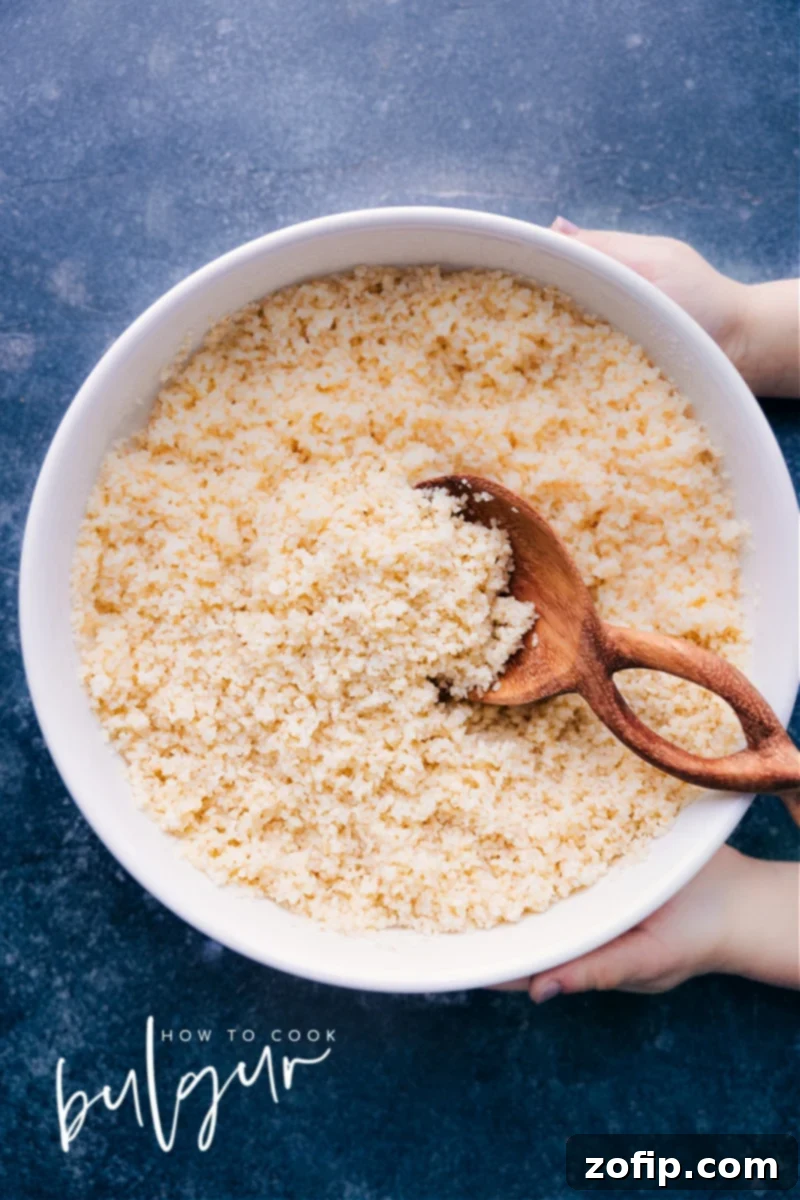
Master the art of cooking bulgur wheat to perfection! This comprehensive guide will show you How to Cook Bulgur Wheat so it’s consistently fluffy, bursting with nutty flavor, and delightfully chewy – never mushy. Whether you’re a novice in the kitchen or looking to refine your technique, this quick and easy method is your key to success. Bulgur is not only fast to prepare but also packed with essential nutrients, making it a stellar addition to countless meals and a versatile staple for any pantry.
What Exactly Is Bulgur Wheat?
Bulgur wheat, often simply called bulgur, is an ancient whole grain crafted from cracked durum wheat kernels. Its journey from field to plate involves a unique process: the wheat is first parboiled (steamed), then dried, and finally ground into various sizes. This pre-cooking step is what makes bulgur exceptionally quick to prepare at home, as it only requires rehydration rather than extensive cooking. Revered for centuries in Middle Eastern and Mediterranean cuisines, bulgur boasts a distinct, slightly nutty flavor and a satisfyingly chewy texture. It’s an incredibly versatile ingredient, excelling in everything from vibrant salads and hearty stews to serving as a nutritious side dish. Beyond its culinary appeal, bulgur is a powerhouse of nutrition, offering an excellent source of dietary fiber, plant-based protein, and a rich array of essential vitamins and minerals.
Elevate Your Meals: Make Bulgur a Pantry Essential!
Are you seeking to break free from the monotony of the same old side dishes or grain options in your daily meals? Look no further than bulgur wheat! This remarkably versatile grain offers a delightful combination of taste and nutrition, making it an invaluable addition to your culinary repertoire. Bulgur’s subtle, nutty, and slightly sweet flavor profile harmonizes beautifully with an extensive range of ingredients and cuisines. Its inherent versatility is truly one of its greatest strengths.
Bulgur adapts effortlessly to a diverse array of dishes. Imagine it in refreshing **salads**, as the satisfying base for vibrant **grain bowls**, or even as a wholesome component in nourishing **breakfast bowls**! In salads, bulgur wheat introduces a hearty, textural depth and its characteristic nutty flavor, transforming simple greens into a more substantial meal. For grain bowls, it serves as an ideal foundation, ready to be layered with your favorite roasted vegetables, lean proteins, and flavorful sauces. And when it comes to breakfast, bulgur pairs wonderfully with yogurt, fresh fruit, and crunchy nuts for a truly satisfying start to your day. Don’t limit yourself to sweet options; consider a savory breakfast bowl with eggs, herbs, or avocado for an unexpected treat!
Quick Tip: Delicious Bulgur Salad Ideas
Ready to explore bulgur’s potential in salads? Try some of our personal favorites:
- This refreshing cucumber and apricot Bulgur Salad
- A timeless Middle Eastern classic: Tabouli (Tabbouleh)
- Or a unique and delightful personal favorite: Blueberry Corn Salad

Understanding Bulgur Coarseness: A Guide to Its Types and Uses
One of the fascinating aspects of bulgur wheat is its availability in various textures, categorized into four distinct types based on how finely or coarsely the grains are milled. This degree of fineness or coarseness directly influences cooking time and, consequently, its ideal culinary application. The texture refers to the size of the cracked wheat pieces after they have undergone the parboiling and drying process.
- Fine Bulgur (No. 1): This is the quickest-cooking type, ideal for dishes where a delicate texture is desired. It’s perfect for traditional tabbouleh salad, kishk, or as a very quick side dish. Its small size allows it to rehydrate rapidly without extensive cooking.
- Medium Bulgur (No. 2): Slightly larger than fine bulgur, medium bulgur offers a bit more chew. It’s excellent for hearty cereals, savory porridges, adding texture to veggie burgers, or as a stuffing for vegetables like dolmas. Its versatility makes it a great all-rounder.
- Coarse Bulgur (No. 3): With a more substantial texture, coarse bulgur requires a longer cooking time and offers a robust chew. It’s traditionally used in pilafs, stews, and as a hearty stuffing for larger vegetables like bell peppers or zucchini, where it can absorb flavors beautifully without becoming mushy.
- Very Coarse Bulgur (No. 4): This is the largest and chewiest variety, demanding the longest cooking time. Very coarse bulgur is best suited for robust pilafs, thick soups, substantial stews, and traditional Syrian kibbeh, providing significant body and a satisfying mouthfeel to the dish.
It’s crucial to note that this specific recipe for How To Cook Bulgur Wheat is tailored to achieve perfect results with fine bulgur. Attempting this method with medium, coarse, or very coarse bulgur will likely result in undercooked grains, as they require more liquid and a longer rehydration or simmering time.

Bulgur Wheat vs. Rice: A Nutritional Deep Dive
When it comes to comparing nutritional value, bulgur wheat truly shines and holds its own, often surpassing other popular grains like rice. For instance, when pitted against brown rice, bulgur offers more than twice the fiber and an impressive four times as much folate! As a whole grain, bulgur wheat is a powerhouse of nutrition, delivering a multitude of health benefits that can significantly contribute to a balanced diet. Here’s a closer look at its key advantages:
- Rich in Dietary Fiber: Bulgur is an exceptional source of fiber, which is vital for digestive health. It promotes regular bowel movements, helps prevent constipation, and supports a healthy gut microbiome. Furthermore, the high fiber content contributes to a prolonged feeling of fullness, aiding in appetite control.
- Aids Blood Sugar Regulation: With its low glycemic index (GI), bulgur helps to stabilize blood sugar levels. This makes it a smart choice for individuals managing diabetes or anyone aiming to maintain steady energy throughout the day, avoiding the sharp spikes and crashes often associated with refined carbohydrates.
- Packed with Essential Nutrients: Beyond fiber, bulgur is a good source of various vitamins and minerals crucial for overall health. These include iron (essential for oxygen transport), magnesium (important for muscle and nerve function, blood sugar control, and bone health), and B vitamins like B6 and B9 (folate), which play roles in energy metabolism and cell growth.
- Beneficial for Weight Management: Bulgur is relatively low in calories but remarkably high in fiber and protein. This combination makes it incredibly satiating, helping to reduce overall calorie intake and making it a valuable food for those on a weight management journey.
- Reduces Inflammation: Bulgur contains powerful antioxidants and anti-inflammatory compounds. Regular consumption of foods rich in these compounds can help combat oxidative stress and chronic inflammation in the body, potentially lowering the risk of various chronic diseases.
- Promotes Heart Health: The potassium content in bulgur, coupled with its fiber, contributes to cardiovascular wellness. Potassium helps to balance sodium levels and can assist in lowering blood pressure, while fiber helps reduce cholesterol, thus supporting a healthy heart.
Storing and Reheating Cooked Bulgur Wheat
- Storing: To maintain its freshness and texture, store cooked bulgur wheat in an airtight container in the refrigerator. It will stay delicious for up to 5 days. For longer storage, cooked bulgur can be frozen in an airtight container or freezer-safe bag for up to 3 months. Thaw overnight in the refrigerator before reheating.
- Reheating: For best results, reheat bulgur wheat gently. In the microwave, transfer it to a microwave-safe dish and heat in 30-second increments, stirring well between each interval, until it is thoroughly warmed. If reheating on the stovetop, add a splash of water or broth to a pan with the bulgur, cover, and heat over low flame until warmed through, stirring occasionally.
If your bulgur has become a bit dry after refrigeration, a small splash of water or vegetable broth added before reheating will help to rehydrate it, restoring its fluffy texture and preventing it from becoming brittle.
Beyond the Side Dish: Creative Ways to Use Cooked Bulgur Wheat
Once you’ve mastered cooking bulgur wheat, a world of culinary possibilities opens up! Its mild flavor and satisfying texture make it a fantastic foundation or addition to a vast array of dishes. Here are just a few ideas to inspire your next meal:
- Vibrant Salads: Elevate any salad by adding cooked bulgur for a delightful nutty flavor, chewy texture, and a significant boost of nutrition. It’s perfect for Mediterranean-inspired salads with cucumbers, tomatoes, and herbs, or for heartier lentil and bulgur salads.
- Nourishing Grain Bowls: Use bulgur as the wholesome base for your customized grain bowls. Top it with an assortment of roasted or fresh vegetables, your preferred protein (chicken, tofu, chickpeas), and a drizzle of a flavorful sauce like tahini or a lemon-herb dressing.
- Healthy Burgers and Meatballs: Incorporate cooked bulgur into your veggie burgers or meatballs. It acts as an excellent binder, adds texture, and enhances the nutritional value, helping to stretch ingredients while boosting fiber.
- Wholesome Breakfast Bowls: Start your day right by adding cooked bulgur to your breakfast. Mix it with yogurt, fresh fruit, a sprinkle of nuts, and a touch of honey for a sweet and hearty option. Or, go savory with poached eggs, sautéed greens, and a dash of hot sauce.
- Hearty Soups and Stews: Stir cooked bulgur into your favorite soups and stews during the last few minutes of cooking. It will absorb the broth beautifully, adding body, texture, and a nutritional punch, making your dish more filling and satisfying.
- A Perfect Side Dish: Of course, cooked bulgur is an outstanding side dish on its own. Serve it alongside grilled chicken, fish, roasted vegetables, or any main protein for a healthy and flavorful alternative to rice or couscous.
- Stuffed Vegetables: Utilize bulgur as a key component in stuffings for bell peppers, zucchini, tomatoes, or even cabbage rolls. It provides a wonderful texture and absorbs the flavors of the surrounding ingredients.
Frequently Asked Questions About Cooking Bulgur Wheat
Where can I find bulgur wheat in the grocery store?
You can typically find bulgur wheat in the international or ethnic foods aisle, especially in sections dedicated to Middle Eastern or Mediterranean ingredients. It’s also commonly located in the health food, bulk foods, or cereal/grain aisles of most well-stocked grocery stores. If you’re having trouble locating it in mainstream supermarkets, consider checking specialty food stores or ordering it online for convenience. Sometimes, it might be labeled simply as “cracked wheat.”
Should I soak bulgur before cooking?
For fine bulgur, as used in this recipe, there is no need to soak it before cooking. The magic of bulgur lies in its parboiled state; it simply rehydrates beautifully and quickly when you pour boiling water over it and allow it to rest. For coarser varieties, a brief soak or a longer simmering time might be recommended, but for fine bulgur, the boiling water method is perfect.
Is bulgur wheat gluten-free?
No, bulgur wheat is not gluten-free. As its name implies, it is a product of wheat and therefore contains gluten. Individuals with celiac disease, gluten sensitivity, or those following a gluten-free diet should avoid bulgur wheat and opt for naturally gluten-free grains like quinoa, brown rice, or millet instead.
Can I use different liquids instead of water to cook bulgur?
Absolutely! While water works perfectly, using vegetable or chicken broth (or even a combination of broth and water) can infuse your bulgur with extra flavor. This is especially recommended if you’re serving it as a standalone side dish or as the base for a savory grain bowl.
What if my bulgur is still hard after resting?
If your bulgur still feels a bit too firm after the initial resting time, it likely needs a little more liquid or time. Simply add another tablespoon or two of boiling water, re-cover the bowl tightly, and let it sit for an additional 5-10 minutes. This should allow the grains to fully rehydrate and soften to a pleasant chewiness.
Delicious Recipes Featuring Bulgur Wheat: Transform Your Meals!
Now that you’re a bulgur cooking expert, it’s time to integrate this fantastic grain into more of your favorite meals. Here are some recipe ideas where bulgur can shine, either as a direct substitute or a complementary addition:
- Hearty Rice and Beans: Replace the rice with fluffy bulgur for a fiber-rich twist on this comforting classic.
- Fresh Caprese Quinoa Salad: Swap out the quinoa for bulgur to create a delightful Mediterranean-inspired salad with a unique texture.
- Savory Honey-Garlic Chicken Thighs: Serve these succulent chicken thighs over a bed of perfectly cooked bulgur instead of rice for a wholesome and flavorful meal.
- Irresistible Cashew Chicken: Enjoy this popular stir-fry served over bulgur to add an extra layer of nutrition and a pleasant, nutty counterpoint to the rich sauce.
- Quick and Easy Vegan Curry: Pair your vibrant vegan curry with bulgur for a hearty and absorbent base that soaks up all the delicious flavors.
- Mediterranean Stuffed Bell Peppers: Mix cooked bulgur with ground meat (or lentils), herbs, and spices, then stuff into bell peppers and bake for a wholesome main dish.
How To Cook Bulgur Wheat
Chelsea Lords
5 minutes
15 minutes
20 minutes
2-1/2 cups (6 servings)
Equipment
- Small Pot
- Wide, shallow bowl
- Plastic wrap or tight-fitting lid
- Fork
Ingredients
- 3/4 cup fine bulgur wheat (see Note 1 below)
- 1-1/4 cups boiling water
- 3/4 teaspoon salt
- Optional: 1 tablespoon olive oil or butter
Instructions
- Bring a small pot of water to a rolling boil. While the water is heating, add the fine bulgur wheat to a wide, shallow bowl. Sprinkle the salt evenly over the bulgur.
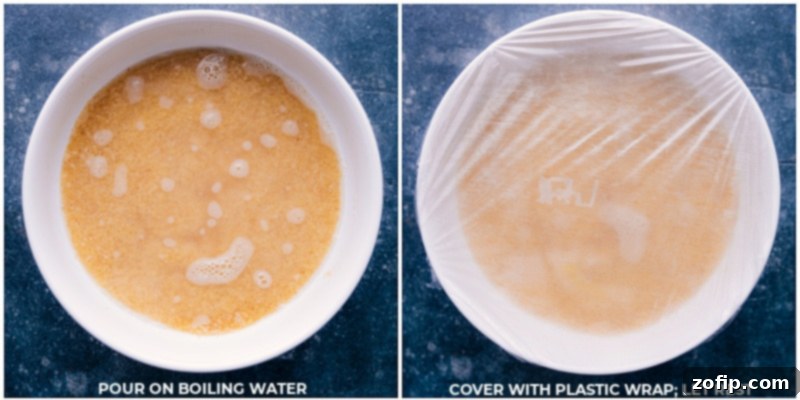
- Carefully measure out 1-1/4 cups of the boiling water and pour it directly over the bulgur and salt in the bowl. Stir briefly to ensure all grains are submerged and the salt is dissolved.
- Immediately cover the bowl tightly with plastic wrap or a snug-fitting lid. This traps the steam, allowing the bulgur to rehydrate evenly and cook perfectly.
- Let the covered bulgur sit undisturbed at room temperature for 15–25 minutes. The exact time may vary slightly depending on the specific fineness of your bulgur and the tightness of your cover, but the goal is for all the water to be absorbed into the grains.
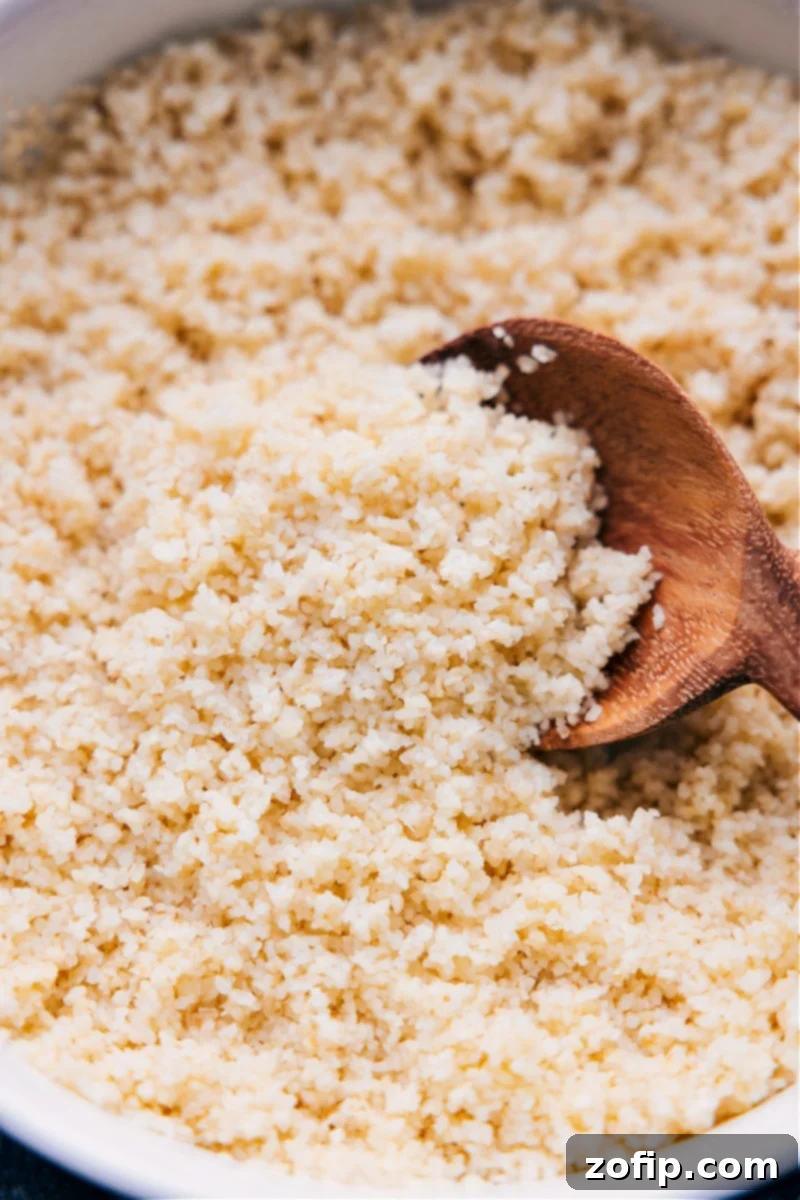
- Once the water is absorbed, remove the plastic wrap or lid. Use a fork to gently fluff the bulgur grains, separating them to achieve that desirable light and airy texture.
- Serve immediately as a delicious side dish, integrate it into a vibrant salad, use it as the base for a hearty grain bowl, or even mix it into your breakfast creations. Enjoy your perfectly cooked bulgur!
Recipe Notes
Enhance Flavor: For an even more flavorful bulgur, you can replace the boiling water with vegetable or chicken broth. You can also add a tablespoon of olive oil or a knob of butter to the bulgur before adding the boiling liquid for richness.
Storage: Keep any leftover cooked bulgur wheat in an airtight container in the refrigerator for up to 5 days. It also freezes well for longer storage (up to 3 months); just thaw overnight in the fridge.
Reheating: To reheat, transfer bulgur to a microwave-safe dish and heat in 30-second bursts, stirring between each, until warmed through. If it seems dry, add a tiny splash of water or broth before reheating.
Nutrition
Serving: 1serving
|
Calories: 180kcal
|
Carbohydrates: 40g
|
Protein: 6g
|
Fat: 1g
|
Saturated Fat: 0.1g
|
Polyunsaturated Fat: 0.3g
|
Monounsaturated Fat: 0.1g
|
Sodium: 881mg
|
Potassium: 215mg
|
Fiber: 10g
|
Sugar: 0.2g
|
Vitamin A: 5IU
|
Calcium: 19mg
|
Iron: 1mg
Nutrition information is automatically calculated and should be used as an approximation.
We hope you enjoy cooking bulgur wheat as much as we do! Your feedback helps us grow. Like this recipe? Leave a comment below!