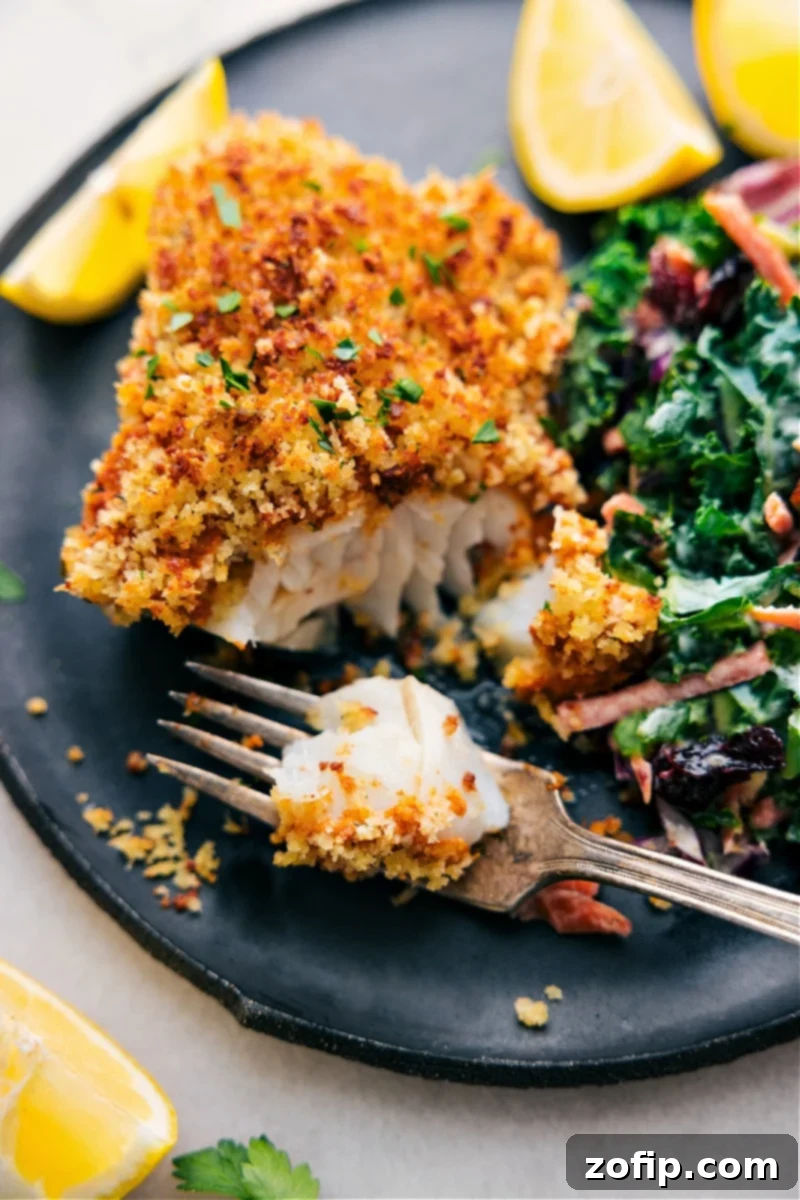
Effortless Baked Cod Recipe: Transform dinner with this incredibly simple yet sensational baked cod. Crafted with just a handful of pantry essentials, this recipe guarantees fish that’s wonderfully crispy on top, exquisitely flaky in the center, and astonishingly ready to serve in under 30 minutes. Say goodbye to complicated cooking and hello to a delicious, wholesome meal that fits perfectly into any busy schedule.
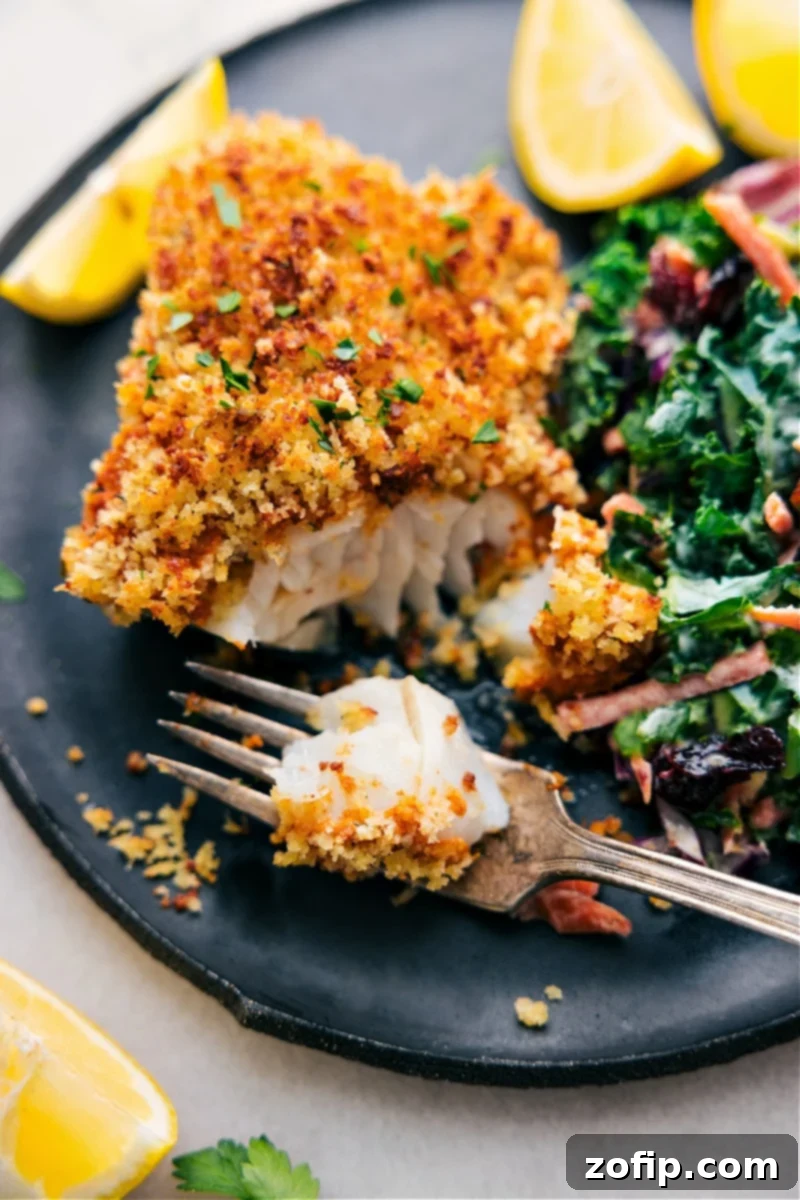
The Baked Cod Recipe You’ll Crave: Quick, Easy, and Utterly Delicious!
There’s nothing quite like a comforting, flavorful seafood dish, especially when it comes together with minimal effort. While classic fish sticks have always held a special place in my heart – and my family’s dinner requests – their preparation often requires a bit more time than a busy weeknight allows. The joy of a crispy, savory fish coating paired with tender, moist fish is undeniable, but the breading and frying process can be a deterrent when you’re short on time.
That’s precisely why I set out to capture those same beloved flavors and textures but with a significantly simpler, quicker approach. This baked cod recipe is my answer to the craving for that satisfying crunch and delicate fish, without the fuss. It’s become a staple in my kitchen, a dish my family adores, and one I find myself returning to again and again.
The secret lies in streamlining the process. Instead of meticulously coating individual pieces, this method involves a quick, flavorful spread and a generous topping applied uniformly. Just like with my popular Baked Chicken Breast recipe, we kick things off in a hot pan. This crucial step creates an instant sear on the bottom, ensuring a crispy foundation and significantly reducing the overall baking time. The result? The exact same incredible flavor profile – that perfect balance of tender fish and a golden, crunchy exterior – but with substantially less work. It’s a game-changer for anyone seeking a delicious, healthy, and speedy seafood dinner.
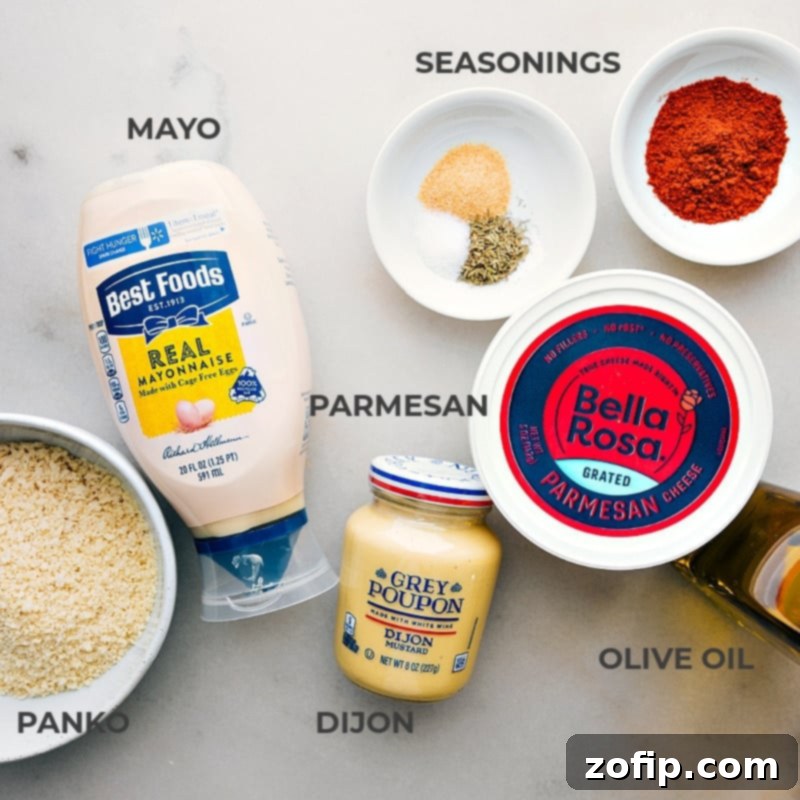
Essential Ingredients for a Perfect Baked Cod
One of the beauties of this baked cod recipe is its reliance on a few common pantry staples and fresh, quality ingredients. Each component plays a vital role in building the layers of flavor and texture that make this dish so irresistible. Here’s what you’ll need to create this culinary delight:
- Fresh Cod Fillets: The star of our dish! Opt for fresh cod whenever possible, as it cooks more quickly and generally offers a superior flavor and texture compared to frozen. When selecting, look for fillets that are firm, shiny, and have a mild, oceanic scent – avoid anything with a strong “fishy” odor. Ideally, choose fillets that are about 1-inch thick for even cooking. If using frozen cod, ensure it’s thoroughly thawed and patted dry before use.
- Dijon Mustard: This is a key flavor enhancer for the coating. Dijon offers a tangy, slightly spicy, and sophisticated flavor that complements the cod beautifully without overpowering it. Unlike yellow mustard, which can be too sharp and strong, Dijon provides a more balanced and refined taste, contributing to the “fish stick” nostalgia in a grown-up way.
- Mayonnaise: Our binding agent and a source of richness. Use a high-quality mayonnaise brand that you genuinely enjoy, such as Best Foods or Hellmann’s. Mayo not only helps the topping adhere to the fish but also adds moisture and a creamy texture to the base layer, preventing the fish from drying out during baking.
- Paprika: Adds a touch of warmth, subtle sweetness, and a lovely reddish hue to the coating. Regular paprika works wonderfully, but if you’re looking to introduce a deeper, more complex flavor profile, smoked paprika is an excellent alternative that imparts a delightful smoky note without being too dominant.
- Panko Breadcrumbs: Essential for that signature crispy texture! Panko breadcrumbs are a Japanese-style breadcrumb known for their larger, flakier, and airier texture compared to traditional breadcrumbs. This unique structure allows them to absorb less oil, resulting in a significantly crunchier and lighter crust that stays crisp throughout the cooking process.
- Grated Parmesan Cheese: Contributes a savory, umami-rich depth and helps create an even more golden, crispy crust. For the best melting and flavor, always opt for freshly grated Parmesan cheese from a block or a good quality refrigerated grated variety. Avoid shelf-stable or canned Parmesan, as their texture and flavor won’t deliver the same premium results.
- Olive Oil: Used both in the pan for searing and within the breadcrumb mixture. Olive oil helps in achieving that desirable crispy bottom on the fish and ensures the topping becomes beautifully golden and crunchy in the oven. A good quality extra virgin olive oil can also add a subtle fruity note.
- Dried Thyme: Provides an aromatic, earthy undertone that pairs wonderfully with seafood and the other ingredients. Thyme adds a herbaceous complexity that elevates the overall flavor of the dish.
- Garlic Powder: A foundational flavor that enhances savory notes without the harshness of fresh garlic. Garlic powder integrates smoothly into the topping, providing a consistent, mellow garlic presence.
- Salt and Pepper: Basic seasonings to bring out the best in the cod and balance the flavors of the coating. Remember to season the fish lightly before applying the coating, as the mayonnaise and Parmesan also contribute to the saltiness.
- Lemon: Absolutely crucial for serving! Fresh lemon wedges offer a bright, acidic counterpoint that cuts through the richness of the fish and topping, awakening the palate and adding a burst of freshness.
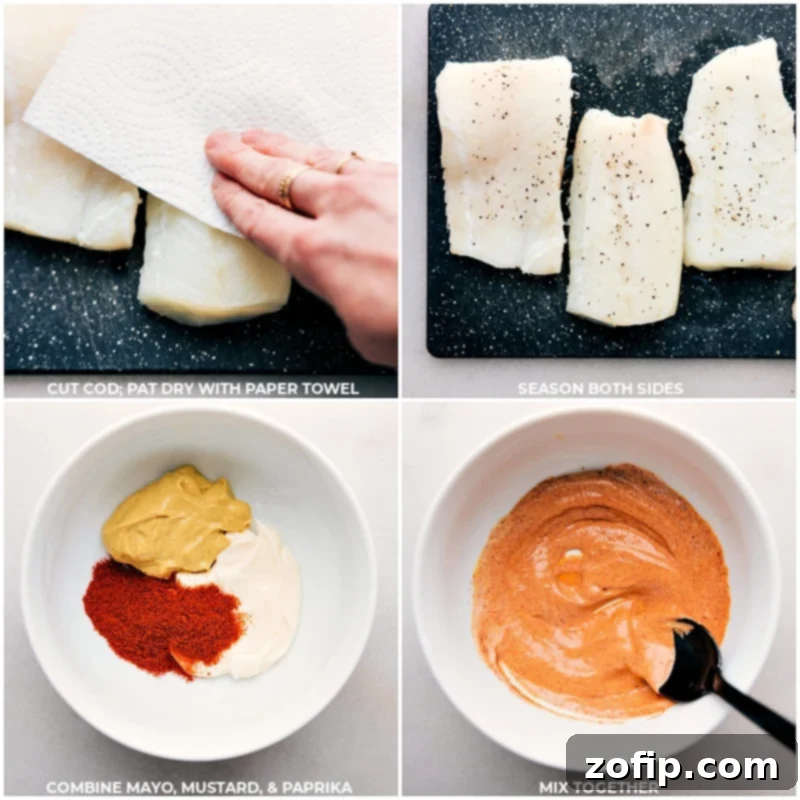
Mastering Cod Preparation for Optimal Results
Proper preparation of your cod fillets is key to achieving that perfect flaky texture and ensuring the topping adheres beautifully. Follow these steps carefully to set yourself up for success:
- Fish Selection and Thawing: Start with fresh cod for the best texture and fastest cooking time. Look for fillets that are firm, translucent, and have a mild, clean smell. If you’re using frozen cod, make sure it’s completely thawed before you begin. You can thaw it overnight in the refrigerator or, for a quicker method, submerge the sealed package in cold water, changing the water every 30 minutes until thawed. Ensure it reaches room temperature for more even cooking.
- Rinsing and Drying: Gently rinse the cod fillets under cold water and then, crucially, pat them thoroughly dry with paper towels. This step is non-negotiable! Excess moisture on the fish surface can lead to steaming rather than searing and crisping, and it will prevent the delicious topping from adhering properly. A dry surface promotes even cooking and a beautifully crisp crust.
- Portioning for Even Cooking: If your cod comes in a large fillet, cut it into four equal 5-ounce pieces. Aim for uniform thickness, ideally around 1 inch. Using straight, clean cuts will help the fish maintain its integrity and prevent it from flaking apart too early during handling. Consistent portion sizes ensure that all pieces cook evenly and are ready at the same time.
- Light Seasoning: Lightly sprinkle all sides of each cod piece with salt and pepper. Be mindful not to over-season at this stage, as both the mayonnaise mixture and the Parmesan cheese in the topping will contribute additional saltiness. This initial seasoning enhances the natural flavor of the fish without making it too salty overall.
Expert Tips for the Best Baked Cod Recipe
Achieving perfectly baked cod is simple when you know a few tricks. These tips will help you create a dish that’s consistently flavorful, moist, and boasts an irresistibly crispy crust every time:
- Always Opt for Fresh Fish: While frozen cod can be used (ensure it’s fully thawed), fresh cod truly makes a difference in terms of flavor, texture, and how well it holds up during cooking. Its natural moisture and firm flesh contribute to a superior final product. A fresh fillet will have a mild, clean aroma, not a strong “fishy” smell.
- Preheat Your Skillet: This step is critical for developing a crispy bottom crust. Heating your oven-safe pan on high heat for a couple of minutes before adding the fish creates an immediate sear. This quick caramelization not only adds flavor but also locks in moisture and significantly cuts down on the overall baking time, preventing the fish from becoming dry.
- Keep a Close Eye on the Broiler: The broiler is your secret weapon for a golden, crispy topping, but it works very quickly. Place the pan on the top rack, about 5-6 inches from the heat source, and watch it like a hawk. Those few seconds can mean the difference between perfectly golden and unfortunately burnt. It usually takes less than a minute.
- Adjust Bake Time According to Fillet Thickness: Not all cod fillets are created equal. If your pieces are thicker than 1 inch, they’ll require a few extra minutes in the oven. Conversely, thinner fillets will cook faster. The best way to check for doneness is when the fish is opaque throughout and flakes easily with a fork. An internal temperature of 145°F (63°C) is ideal for cooked fish.
- Quality Mayo and Mustard Matter: Since these ingredients form the base of our flavorful coating, using brands you love will elevate the entire dish. High-quality mayonnaise offers better creaminess and taste, while a good Dijon mustard provides a balanced tang and depth that cheap alternatives might lack.
- Do Not Overcook the Fish: Overcooked fish is dry, rubbery, and loses its delicate flavor. Cod cooks relatively quickly, especially in a hot oven after an initial sear. As soon as the fish turns opaque and flakes easily with a fork, remove it from the oven. Even a minute or two too long can change the texture drastically.
- Pat Fish Dry Thoroughly: As mentioned in the prepping section, removing as much surface moisture as possible is crucial. A dry surface allows the coating to adhere better and promotes a crispier texture.
- Don’t Skimp on the Panko: Panko breadcrumbs are superior for crispiness. Their light, airy structure ensures a crunchy topping that isn’t heavy or greasy. Regular breadcrumbs will work in a pinch, but for the best texture, stick with panko.
- Use Fresh Lemon: A squeeze of fresh lemon juice just before serving brightens all the flavors and adds a zesty finish that perfectly complements the rich, crispy cod.
Delightful Serving Suggestions for Your Baked Cod
This versatile baked cod pairs beautifully with a wide array of side dishes, making it easy to create a complete and satisfying meal. The light, flaky fish with its crispy topping can be complemented by fresh vegetables, hearty grains, or comforting starches. Here are some of my favorite ways to serve this delicious dish:
- Roasted Vegetables: A perfect healthy and colorful accompaniment. The natural sweetness and slight char of roasted vegetables provide a wonderful contrast to the savory cod. Think roasted asparagus, tender zucchini, vibrant broccoli, or sweet cherry tomatoes. Their simplicity allows the fish to remain the star.
- Wholesome Grains: For a more substantial meal, serve your cod alongside nutritious grains. Light and fluffy quinoa, wholesome brown rice, or chewy farro are excellent choices. They absorb the flavors beautifully and add a delightful texture.
- Comforting Potatoes: You can never go wrong with potatoes! Creamy mashed potatoes provide a comforting base, while crispy roasted sweet potatoes offer a touch of sweetness. For something truly indulgent, a cheesy potato gratin makes this meal feel extra special.
- Fresh Green Salad: A crisp green salad with a light, zesty vinaigrette dressing offers a refreshing crunch and helps balance the richness of the fish. It’s an easy way to add fresh greens to your plate.
- Tangy Coleslaw: For a side that’s both crisp and tangy, a classic coleslaw is an excellent choice. Its creamy yet zesty profile provides a delightful contrast, reminiscent of traditional fish and chips.
- Crusty Bread: Don’t let any of that delicious sauce go to waste! A slice of warm, crusty bread is perfect for soaking up any juices and flavors from the plate.
Frequently Asked Questions About Baked Cod
To help you perfect your baked cod, here are answers to some common questions:
- Can I use frozen cod? Yes, you can! Just ensure it’s completely thawed before you begin. Place it in the refrigerator overnight or run it under cold water until soft. Pat it very dry with paper towels before seasoning and coating to prevent it from steaming.
- What if I don’t have Dijon mustard? While Dijon provides a unique flavor, if absolutely necessary, you could try a small amount of whole grain mustard or even a tiny bit of dry mustard powder mixed with a little vinegar to recreate some of the tang. However, Dijon is highly recommended for the best flavor.
- Can I substitute other fish? Absolutely! This coating and cooking method works well with other mild, white, flaky fish like haddock, pollock, tilapia, or halibut. Adjust cooking times based on the thickness of the fillet, as different fish may cook at slightly different rates.
- How do I know when the cod is cooked through? The fish is done when it’s opaque throughout and flakes easily with a fork. You can also use an instant-read thermometer; the internal temperature should reach 145°F (63°C) at its thickest part. Avoid overcooking to keep it moist.
- Can I make this ahead of time? The topping is best when freshly prepared and baked. However, you can mix the mayo-mustard spread and the panko topping ingredients a few hours in advance and store them separately in the refrigerator. Assemble and bake just before serving for the crispiest results.
- How do I store and reheat leftovers? Store any leftover baked cod in an airtight container in the refrigerator for up to 3 days. To reheat, place it on a baking sheet in a preheated oven (around 350°F / 175°C) or an air fryer until warmed through and the topping crisps up again. Microwaving is not recommended as it can make the fish rubbery.
More Delicious Seafood Favorites:
Dinner
Irresistible Shrimp Tacos
Dinner
The BEST Baked Fish and Chips
Seafood
Favorite Salmon Burgers Recipe
Seafood
Classic Tuna Nicoise Salad
Print Recipe
Baked Cod Recipe
Recipe Video
A video tutorial for this recipe is available on the original recipe page for visual guidance.
Equipment
- Large oven-safe pan
Ingredients
- 4 pieces (5-ounce) fresh cod (see Note 1)
- Cooking spray
- 1/4 teaspoon salt
- 1/4 teaspoon pepper
- 2 tablespoons Dijon-style mustard
- 2 tablespoons mayo
- 2 teaspoons paprika
- 3/4 cup panko breadcrumbs (see Note 2)
- 1/2 cup grated Parmesan cheese (see Note 3)
- 1/2 teaspoon dried thyme
- 1/2 teaspoon garlic powder
- 3 tablespoons olive oil, divided
- 1 lemon, cut into 4 lemon wedges, for serving
Instructions
- Preheat oven to 400°F (200°C). Drizzle 1 tablespoon of olive oil into a large, oven-safe pan and set aside. Pat the cod fillets thoroughly dry with paper towels and cut them into four equal 5-ounce portions. Season all sides lightly with salt and pepper.
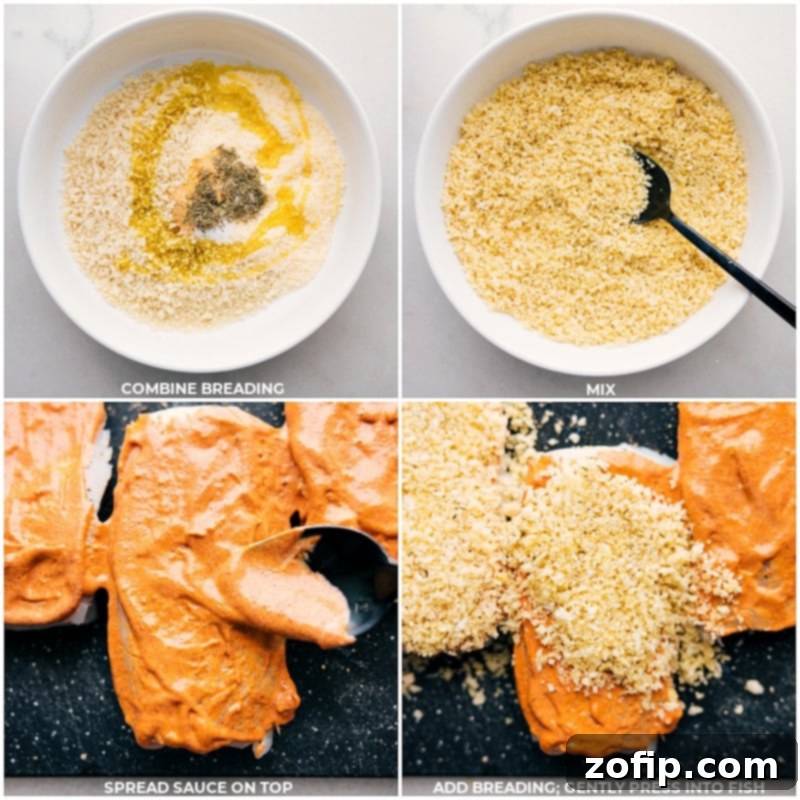
- In a small bowl, whisk together the mayonnaise, Dijon mustard, and paprika until the mixture is smooth and well combined. Spoon this flavorful mixture evenly over the tops and sides of the fish fillets, ensuring not to apply it to the bottom. Try to use most of the mixture for a robust flavor base.
- In a separate bowl, combine the panko breadcrumbs, grated Parmesan cheese, dried thyme, garlic powder, 1/4 teaspoon of salt, and the remaining 2 tablespoons of olive oil. Stir everything together until well combined. If needed, use your fingers to gently knead the mixture to ensure the oil is evenly distributed. Then, generously sprinkle this breadcrumb mixture evenly over the fish, gently pressing it onto the tops and sides to help it adhere. You should use most of the breading, though a small amount might be leftover.
- Place the prepared pan on your stovetop and heat it on high until hot, which usually takes about 2 minutes. Carefully transfer the breaded cod fillets to the hot pan, ensuring the breading side is facing up. Generously spray each piece of fish with cooking spray. Immediately transfer the pan to the preheated oven. Bake for 10–12 minutes, adjusting the time based on the thickness of your cod fillets. For a golden, crispy topping, move the pan to the top oven rack, approximately 5 inches from the heat source, and broil for an additional 45 seconds or until the top is beautifully browned. Keep a very close eye on it during broiling to prevent burning.
- Carefully remove the pan from the oven. Transfer the cooked fish out of the pan and onto serving plates. Serve immediately with fresh lemon wedges, allowing guests to squeeze lemon juice over their fish for an added burst of freshness. Enjoy your perfectly baked cod!
Recipe Notes
Note 2: Panko breadcrumbs are highly recommended for this recipe. Their distinctively larger, flakier, and airier texture creates an exceptionally crunchier and lighter crust compared to standard breadcrumbs. Panko also absorbs less oil, which contributes to a crispier and less greasy result.
Note 3: The quality of your Parmesan cheese significantly impacts the flavor. Please do not use shelf-stable or canned Parmesan; these often have an undesirable flavor and texture that can detract from the dish. Instead, opt for good quality refrigerated, freshly grated Parmesan cheese. Alternatively, you can buy a wedge of Parmesan and grate it yourself using the small holes of a box grater for superior taste and melt.
Storage: Leftover baked cod can be stored in an airtight container in the refrigerator for up to 3 days. To reheat, place it on a baking sheet in a preheated oven or an air fryer until it’s warmed through and the topping becomes crisp again. This method helps maintain its texture better than microwaving.
Nutrition
Nutrition information is automatically calculated and should only be used as an approximation.
Enjoyed this recipe? We’d love to hear from you! Leave a comment below and share your experience!