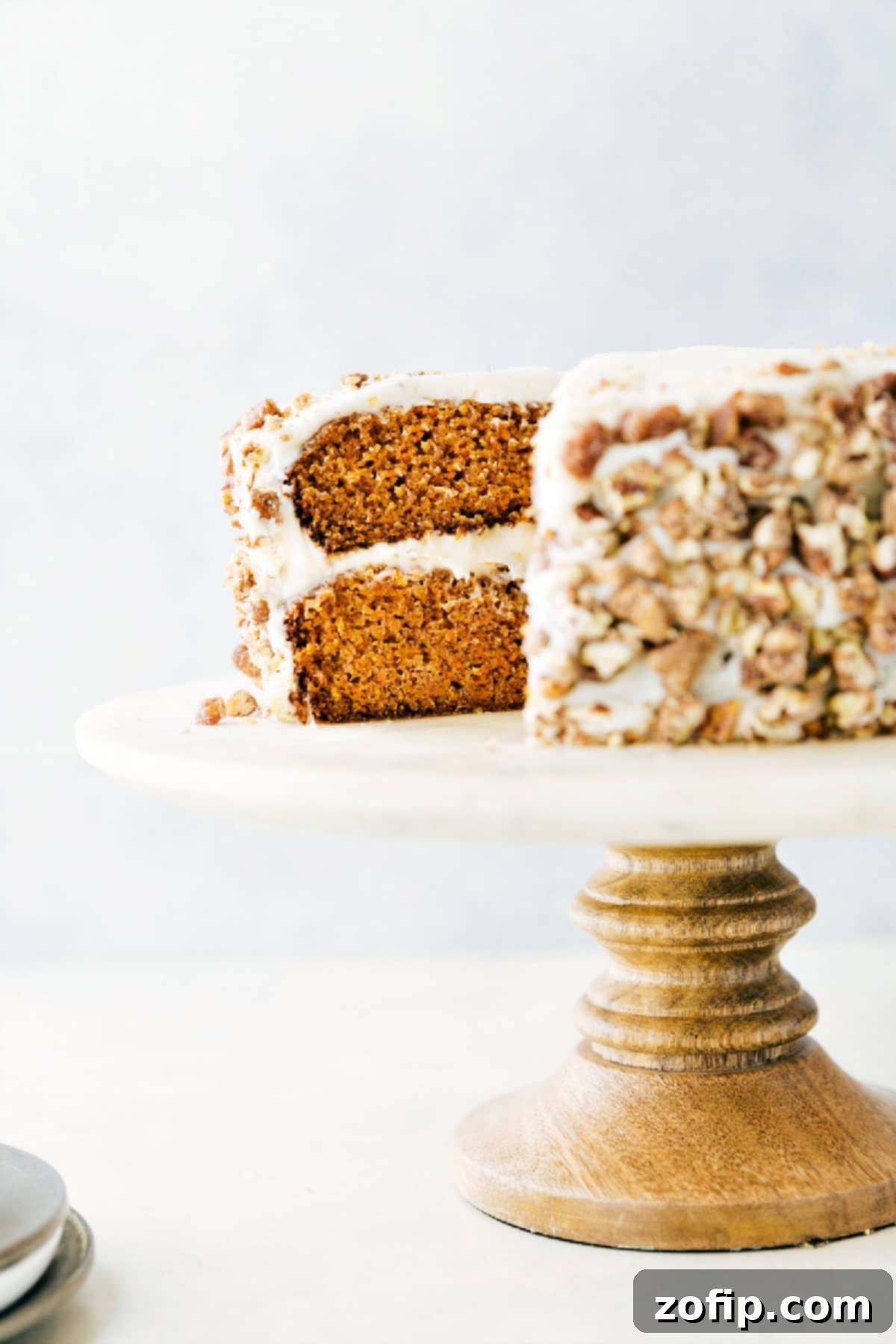
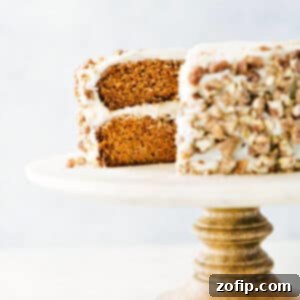
Carrot Cake isn’t just a dessert; it’s a celebration of flavors and textures, a culinary hug in every bite. And when it’s done right—think exceptionally soft, wonderfully spiced, lavishly frosted with rich cream cheese, and crowned with delightful candied pecans—it truly elevates to a whole new level of deliciousness. This is more than just a recipe; it’s a journey to crafting the perfect, unforgettable carrot cake that will impress everyone.
If you’re a devoted fan of carrot cake and eager to explore more delightful variations, be sure to try our irresistible Carrot Pumpkin Cake or these charming Carrot Cake Cupcakes, perfect for individual servings.
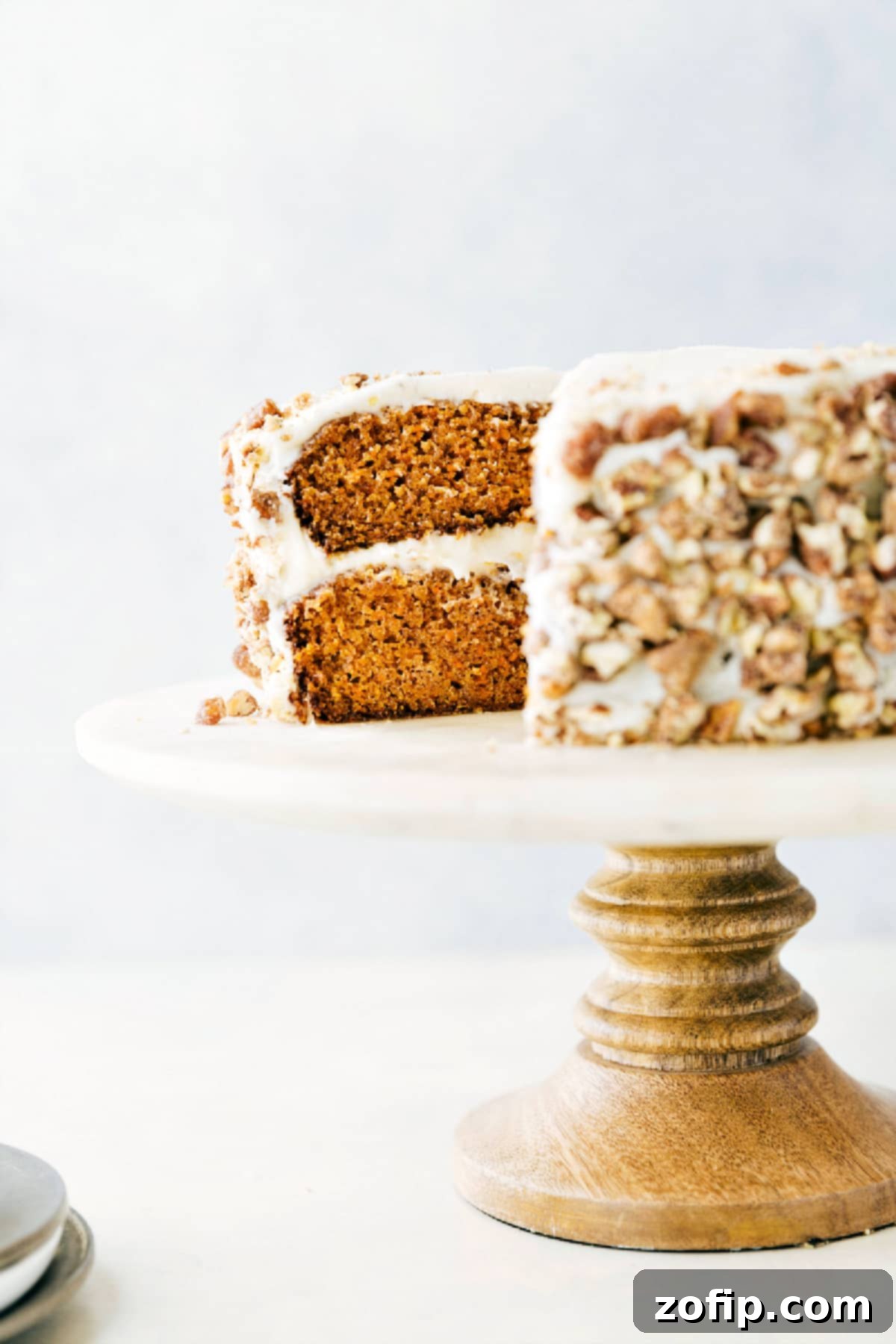
Crafting the Ultimate Carrot Cake: A Recipe Years in the Making
Why This is Truly the Best Carrot Cake Recipe You’ll Ever Make
This particular carrot cake recipe is the culmination of years of dedication, refinement, and a deep love for baking. It holds a special place in my heart, primarily because it’s my dad’s all-time favorite dessert. Ensuring it was absolutely perfect became a mission, and I’m proud to say that, after countless batches and meticulous adjustments, this recipe consistently delivers. My dad, a true connoisseur, declares it the best he’s ever tasted—and I wholeheartedly concur. Prepare yourself for a dessert experience that transcends the ordinary.
What sets this homemade carrot cake apart? It all starts with an unbelievably soft and profoundly moist crumb, a texture achieved through carefully balanced ingredients. Each forkful is a symphony of warm, inviting spices: the comforting sweetness of cinnamon, the subtle kick of ginger, the aromatic depth of nutmeg, and a whisper of cloves. This harmonious blend creates a profile that is both classic and captivating, inviting you to savor every moment.
Complementing this exquisite cake is a luscious, sweet, and perfectly tangy cream cheese frosting. It’s not just a topping; it’s an integral part of the experience, gently permeating the cake layers to enhance their moisture and flavor. The way the smooth, creamy frosting melds with the spiced cake creates an irresistible combination that truly earns a “chef’s kiss” of approval.
For an elevated finish and a delightful textural contrast, we highly recommend topping your carrot cake with our homemade candied pecans. Their crisp, sweet crunch adds a “wow factor” that makes this cake even more special, though it remains a triumph even without them. For those feeling adventurous, take a cue from my past culinary experiences at a renowned restaurant: incorporate a thin layer of vibrant lemon curd between the cake layers. This unexpected, bright, and zesty twist was a massive hit then, and it continues to dazzle here, adding an exciting dimension to the classic flavors.
Essential Equipment: Choosing and Preparing Your Cake Pans
The foundation of a perfect layered cake begins with your equipment, and cake pans are paramount. This particular carrot cake recipe is specifically designed for two 8×2-inch round cake pans. Using the correct pan size isn’t just a suggestion; it’s crucial for ensuring the cake bakes evenly, rises properly, and achieves its signature moist texture. Pans that are too large will result in thinner, drier cakes, while pans that are too small may overflow or bake unevenly in the center.
A common pitfall in baking tender cakes is improper pan preparation, which can lead to heartbreaking sticking. With a cake as delicate and moist as this one, lining your pans with parchment paper is absolutely non-negotiable. Believe me, I’ve learned this the hard way! There’s nothing more frustrating than dedicating time, effort, and quality ingredients to a cake, only for it to cling stubbornly to the pan and fall apart upon inversion. Parchment paper creates a barrier that guarantees a clean release every single time, preserving the structural integrity and beautiful appearance of your layers.
Achieving perfectly round parchment liners might seem daunting, but it’s surprisingly simple. Here’s the easiest, foolproof method to line your cake pans:
- Begin by tearing off a piece of parchment paper that is slightly larger than the diameter of your cake pan.
- Fold the parchment paper in half, then fold it in half again to form a smaller square.
- Next, fold this square diagonally to create a triangle. Fold it one more time into an even narrower triangle.
- Hold the pointed tip of this triangle at the very center of your cake pan. With scissors, cut the outer edge of the parchment where it meets the rim of the pan, following the curve.
- Unfold the parchment paper, and you will have a perfect circle ready to press snugly into the bottom of your prepared pan.
Pro Tip for Flawless Release
To ensure absolutely no sticking, even with parchment, always take this extra step: lightly grease the bottom of your pans before placing the parchment circles. Then, generously coat both the pan sides and the parchment-lined bottom with nonstick cooking spray. Finally, lightly dust the entire interior with a thin layer of flour, tapping out any excess. This triple-action method provides unparalleled assurance that your precious cake layers will release cleanly and effortlessly.
The Secret to an Exceptionally Moist Carrot Cake
A dry carrot cake is a missed opportunity, and unfortunately, it’s a common outcome when certain crucial steps are overlooked. Factors like incorrect ingredient choices, over-mixing the batter, an imbalance of flour, or overbaking can all lead to a crumb that lacks the desired tenderness. But fear not, achieving a super soft and incredibly moist carrot cake is entirely within reach with these expert tips:
- Finely Grate Carrots by Hand: This is arguably the most critical step for optimal moisture and texture. Always use the smallest holes on a box grater to finely shred your carrots. This creates tiny, tender pieces that seamlessly meld into the cake batter, releasing their natural moisture during baking. Avoid pre-shredded bagged carrots from the store; they are often thicker, drier, and can result in stringy, noticeable chunks in your finished cake. Similarly, a food processor can over-process, creating a mushy texture that impacts the final crumb. Hand-grating ensures the perfect consistency.
- Adhere Strictly to Baking Directions and Oven Temperature: Precision is key in baking. Always ensure your oven is accurately preheated to the specified temperature (350°F for this recipe). An oven that runs too hot or too cold can dramatically affect baking time and moisture retention. Using an oven thermometer can help verify your oven’s accuracy. Follow the baking duration closely, but always rely on visual and physical cues for doneness, as described below, to prevent overbaking.
- Embrace Both Oil and Applesauce: This recipe leverages a powerful duo for ultimate moisture: vegetable oil and applesauce. Vegetable oil contributes a consistent, even moisture throughout the cake, resulting in a tender crumb that stays fresh longer than butter-based cakes. Applesauce acts as a natural humectant, locking in moisture and also allowing for a slight reduction in sugar without compromising sweetness. These two ingredients are fundamental to the cake’s signature softness and moistness, so it’s essential not to substitute or omit them. Their unique properties are indispensable for the perfect carrot cake experience.
Achieving Perfectly Even Cake Layers Every Time
When baking a beautiful layered carrot cake, visual appeal is just as important as taste. Uneven cake layers can lead to a lopsided final product and inconsistent baking. To ensure your cake stands tall and proud, with perfectly uniform layers, the key is to divide your batter equally among your prepared pans. This fundamental step not only contributes to a stunning presentation but also promotes consistent baking, as layers of similar thickness will cook at the same rate.
The most reliable method for achieving this precision is by utilizing a kitchen scale. After pouring what appears to be an even amount of batter into each pan, place one pan on your kitchen scale and note its weight. Then, repeat with the second pan. Adjust the batter by adding or removing small spoonfuls until both pans register the exact same weight. This simple trick eliminates guesswork and guarantees perfectly even layers that stack beautifully, resulting in a professionally finished cake that is both impressive to behold and a joy to slice into.
Knowing When Your Carrot Cake is Perfectly Baked
Overbaking is a common culprit for dry cakes, so it’s essential to know precisely when your carrot cake has reached its perfect point of doneness. Rely on a combination of visual cues and physical tests:
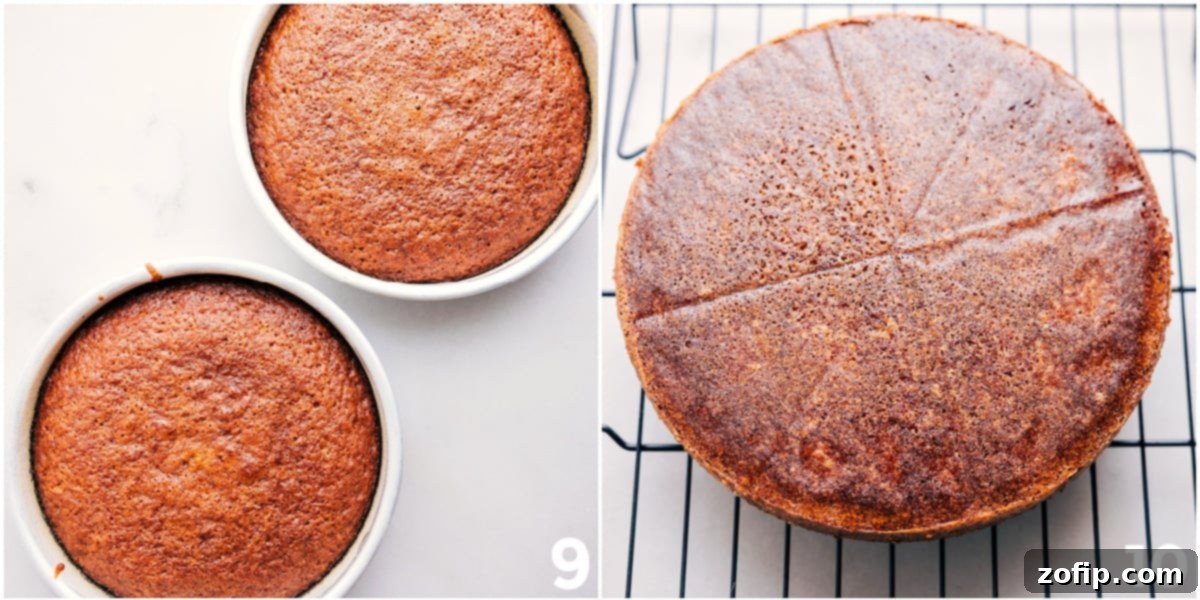
- Visual Cues: Observe the edges of the cake. A perfectly baked cake will subtly begin to pull away from the sides of the pan. The top surface should have a beautiful golden-brown, slightly caramelized appearance, indicating that the sugars have properly cooked and browned.
- Physical Test (The Toothpick Method):: Gently insert a wooden toothpick, skewer, or thin knife into the very center of the cake. When it’s done, the toothpick should come out clean, with no wet batter clinging to it. A few moist crumbs are perfectly acceptable and actually indicate a wonderfully tender and moist interior – don’t wait until it’s completely dry! If you see wet batter, continue baking for a few more minutes and test again.
Effortlessly Inverting and Cooling Your Cake Layers
Once your carrot cake layers are baked to perfection, the next critical step is proper inversion and cooling. Timing is key here to prevent sticking and ensure your beautiful layers remain intact. I recommend removing the cakes from their pans while they are still slightly warm, typically around 15 minutes after they come out of the oven. Waiting too long can cause them to contract and stick, while removing them too soon can lead to breakage.
To invert, first gently run a thin, flexible knife or offset spatula around the inner edges of each cake pan to loosen any clinging bits. Place a wire cooling rack directly on top of the cake pan, then carefully but confidently flip the pan over, allowing the cake to release onto the rack. Gently lift the pan away, remove the parchment paper from the bottom of the cake, and let the layers continue to cool completely on the wire rack. This crucial cooling period allows the cake’s structure to set, prevents condensation, and ensures that your frosting won’t melt upon application. Patience during this stage is vital for a beautifully frosted cake.
The Irresistible Tangy & Sweet Cream Cheese Frosting
No carrot cake is complete without its iconic companion: a rich, velvety cream cheese frosting. This particular recipe yields a frosting that is perfectly balanced—soft, wonderfully tangy from the cream cheese, and just sweet enough to complement the spiced cake without overwhelming it. It’s truly the ideal match, creating a harmonious flavor profile that defines classic carrot cake.
To achieve frosting perfection, keep these essential tips in mind:
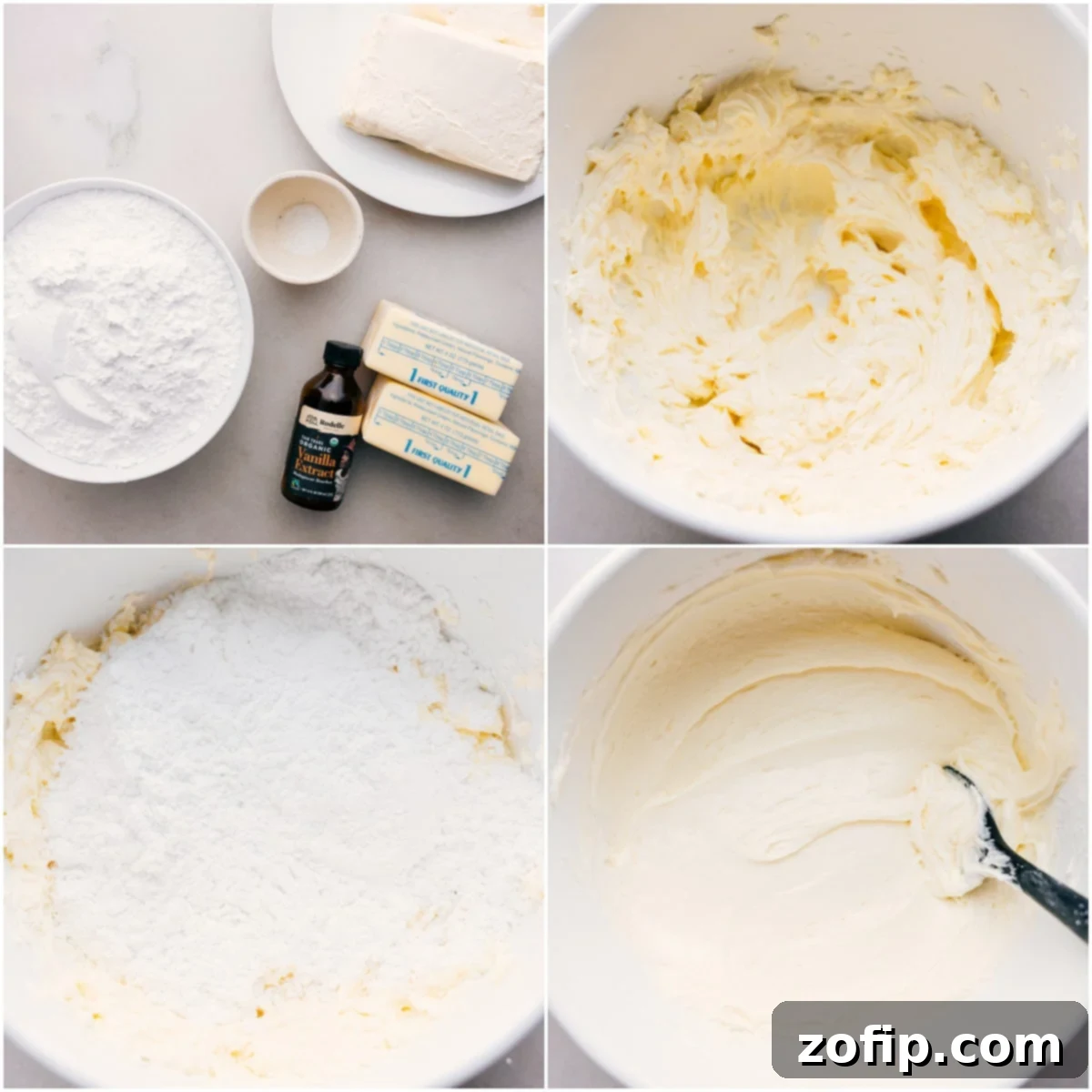
- Ensure Butter and Cream Cheese are at True Room Temperature: This is arguably the most crucial step for a smooth, lump-free cream cheese frosting. Set your cream cheese (full-fat for the best texture and flavor!) and unsalted butter out on the counter at least an hour before you plan to make the frosting. Properly softened ingredients will cream together seamlessly, creating an emulsified base that holds air and results in a light, fluffy texture. Cold ingredients will lead to a lumpy frosting, while overly warm butter can make it greasy and runny. If you’re short on time, explore these helpful quick softening tips.
- Incorporate Powdered Sugar Gradually: Powdered sugar (confectioners’ sugar) is key to the frosting’s sweetness and structure. Add it slowly, about 1-2 cups at a time, beating well after each addition until fully incorporated and smooth. This method allows you to control the consistency and sweetness to your preference. If you desire a sweeter and firmer frosting (perhaps for piping intricate designs), add a little more powdered sugar. For a tangier, softer, and more spreadable frosting, use slightly less. Always taste as you go to find your perfect balance.
Expert Carrot Cake Baking Tips for Success
Even with the best recipe, a few extra pointers can make all the difference in achieving a truly flawless carrot cake. These expert tips cover crucial steps that often go overlooked:
- Finely Grate Carrots for Optimal Texture: As mentioned previously, the size of your grated carrots significantly impacts the cake’s texture and moisture. Always use the smallest holes on your grater. This ensures the carrots break down beautifully during baking, integrating seamlessly into the batter for a consistently soft crumb, rather than chunky pieces that can alter the cake’s delicate structure.
- Measure Carrots Without Packing: When measuring your grated carrots, gently spoon them into your measuring cup. Do not press them down or pack them firmly. Packing will result in an excess of carrots, which can alter the wet-to-dry ingredient ratio, making the cake denser and potentially throwing off the balance of moisture.
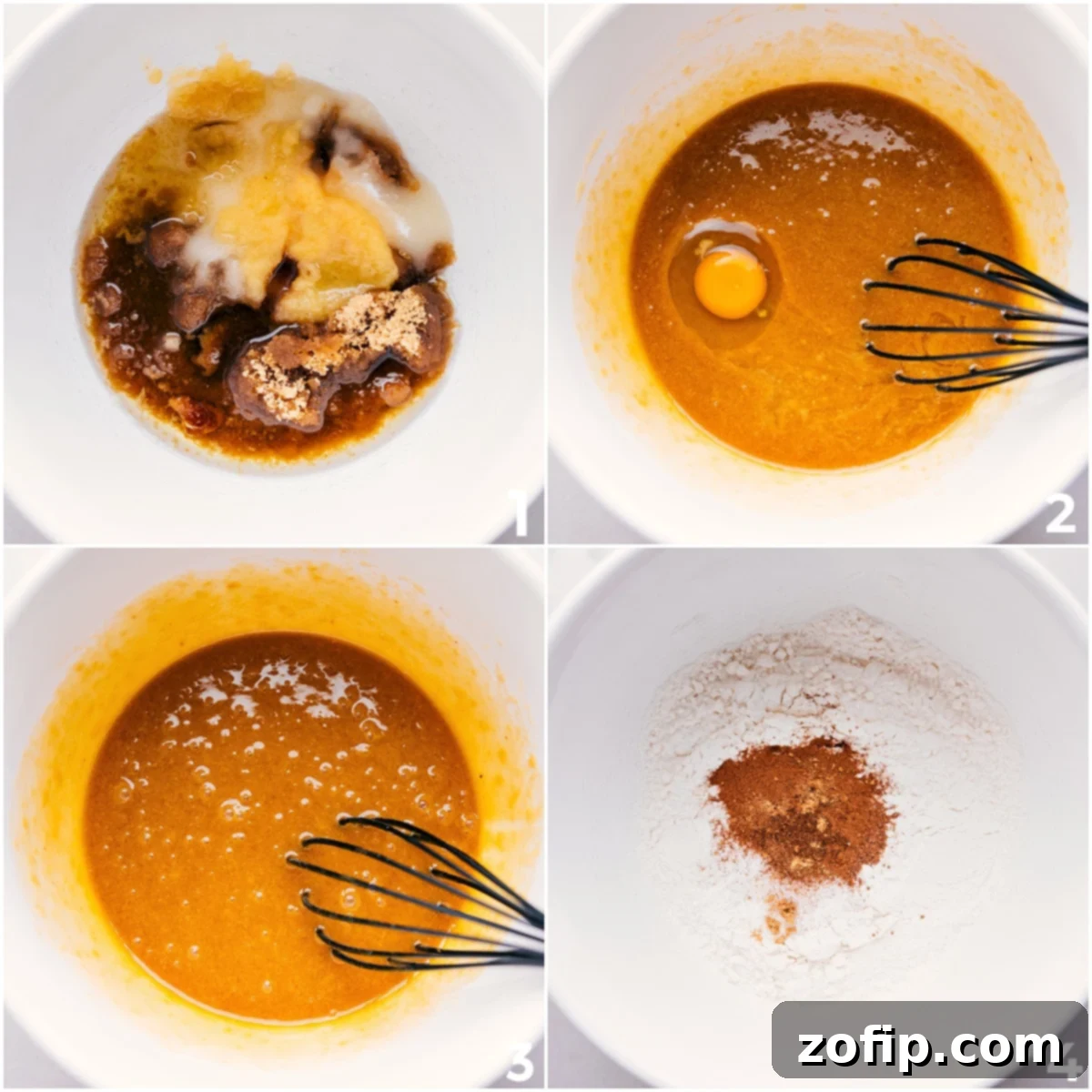
- Thoroughly Whisk Wet Ingredients: In a separate bowl, dedicate ample time to whisking your wet ingredients (oil, applesauce, sugars, vanilla, eggs) until they are completely smooth and emulsified. Continue whisking until you see no visible streaks of oil floating on the surface. A well-combined wet mixture is essential for a uniform batter and a tender, consistent cake crumb.
- Crucial Cooling Before Frosting: This step cannot be stressed enough: your cake layers must be *completely* cooled to room temperature before you even think about applying the cream cheese frosting. Even slightly warm cake will cause the butter and cream cheese in your frosting to melt, resulting in a runny, messy disaster and a cake that slides apart. Patience here pays off immensely in the final presentation and stability of your dessert.
Creative Variations & Flavor Enhancements
Looking to add an extra layer of gourmet sophistication to your carrot cake? We highly recommend incorporating a vibrant layer of homemade lemon curd between the cake layers and frosting. This addition is an absolute game-changer, introducing a bright, zesty counterpoint that perfectly complements the rich, spiced notes of the carrot cake and the tang of the cream cheese frosting. To implement this, simply spread a thin, even layer of cream cheese frosting onto your first cooled cake layer, then carefully add a delicate layer of lemon curd before topping with the second cake layer and finishing with frosting.
Beyond lemon curd, consider other delightful additions: a sprinkle of shredded coconut for tropical notes, plump golden raisins for extra chewiness, or even chopped walnuts or pecans (in addition to or instead of candied pecans) mixed into the batter for more textural depth. Feel free to experiment and make this extraordinary carrot cake truly your own!
Make Ahead and Storage Solutions for Your Carrot Cake
This carrot cake is fantastic when made in stages, making it perfect for entertaining or enjoying over several days. Here’s how to properly store its components and the finished product to maintain maximum freshness and flavor:
- Unfrosted Cake Layers: Once your baked cake layers have cooled completely, wrap each layer individually and tightly in plastic wrap. For short-term storage, they can be kept in the refrigerator for up to 2 days. If you’re planning further ahead, the wrapped layers can be frozen for up to 1 month. When ready to use, simply thaw the frozen layers in the refrigerator for 8-10 hours, or overnight, before proceeding with frosting.
- Frosted Cake: A fully assembled and frosted carrot cake should be stored in the refrigerator. Cover it securely with a cake dome or plastic wrap to prevent it from drying out or absorbing refrigerator odors. When stored correctly, your frosted cake will remain wonderfully fresh and delicious for up to 4 days. It’s important to note that cream cheese frosting doesn’t hold up well to freezing once it’s applied to the cake, as it can separate and become watery upon thawing.
- Cream Cheese Frosting: The cream cheese frosting can be prepared up to 1 day in advance. Store it in an airtight container in the refrigerator. Before using, allow the frosting to sit at room temperature for 30-45 minutes to soften slightly, then give it a good whisk or beat with a mixer until smooth and spreadable again. Similar to frosted cakes, cream cheese frosting generally does not freeze well on its own; its texture can become grainy or watery after thawing.
Explore More Delicious Dessert Recipes
If you’ve enjoyed this incredible carrot cake, we’re sure you’ll love exploring some of our other cherished dessert recipes:
- Pumpkin Cake with its own delightful cream cheese frosting, perfect for fall.
- Irresistible Carmelitas, rich oatmeal chocolate caramel bars that are a pure indulgence.
- Our comforting Blueberry Coffee Cake, featuring a buttery streusel and sweet glaze, ideal for breakfast or brunch.
- Easy-to-make Cookie Bars loaded with melty chocolate chips, a crowd-pleaser for any occasion.
- A refreshing Strawberry Cheesecake Ice Cream Cake with a classic graham cracker crust, perfect for warm weather.
Pin
The Best Ever Carrot Cake
Video
Equipment
- 2 8-inch round cake pans
- Stand mixer
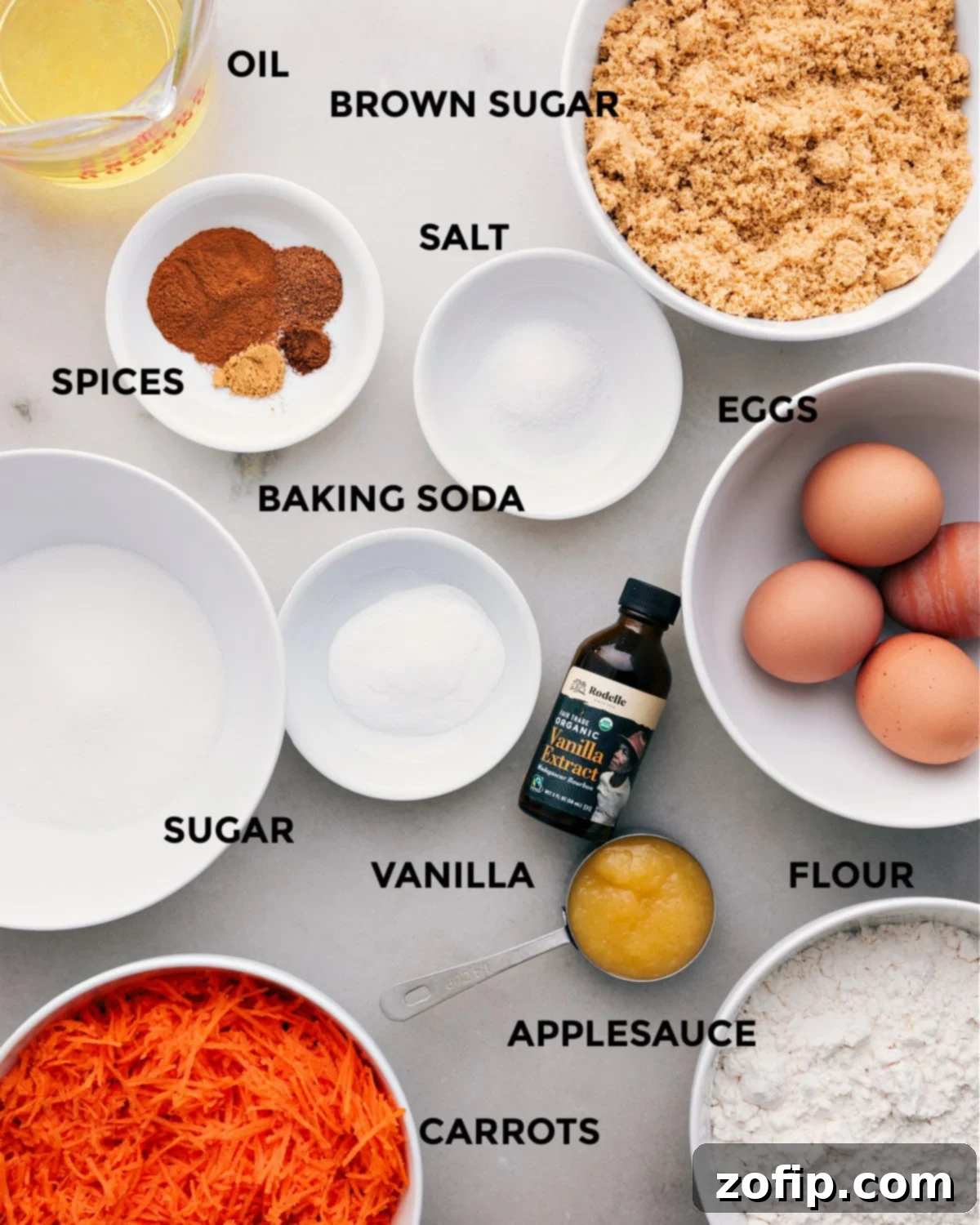
Ingredients
- 2 cups all-purpose flour
- 2 teaspoons baking soda
- 1 teaspoon fine sea salt
- 1-1/2 teaspoons ground cinnamon
- 1/4 teaspoon ground nutmeg
- 1/8 teaspoon ground ginger
- 1/8 teaspoon ground cloves
- 1 cup vegetable oil
- 1/4 cup unsweetened applesauce
- 1-1/2 cups light brown sugar
- 1/2 cup granulated sugar
- 3/4 tablespoon pure vanilla extract
- 4 large eggs
- 3 cups finely grated carrots (using the small side of a box grater)
- 2 (8-ounce) packages full-fat cream cheese (room temperature)
- 16 tablespoons unsalted butter (room temperature)
- 1-1/2 teaspoon pure vanilla extract
- 6 cups powdered sugar (confectioners’ sugar)
- 1 large egg white (discard the yolk or save it for another recipe)
- 1 teaspoon water
- 1/2 teaspoon pure vanilla extract
- 1/2 cup granulated sugar
- 1/2 teaspoon salt
- 1/2 teaspoon ground cinnamon
- 2 cups pecan halves
Instructions
Cake Preparation
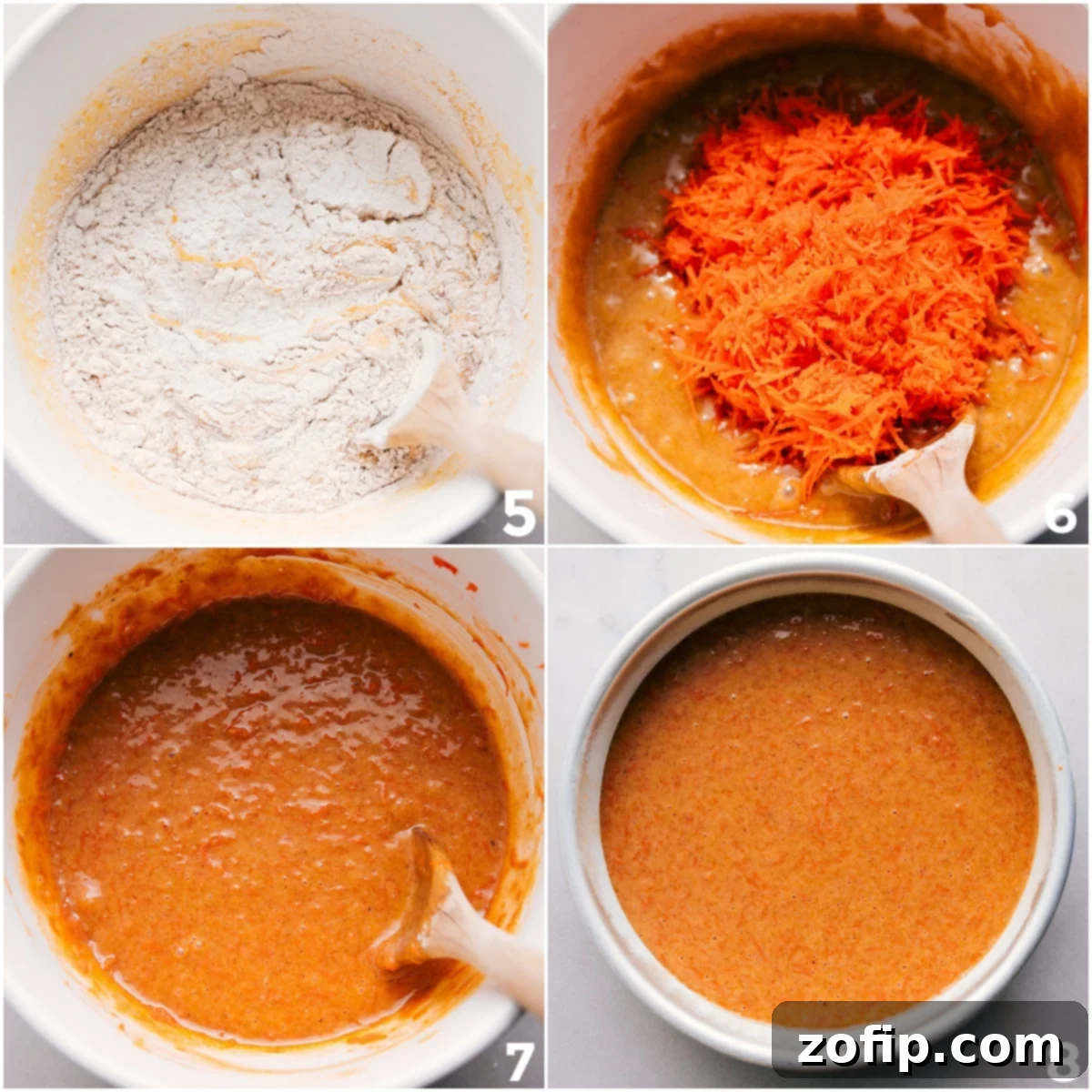
- Preheat your oven to 350°F (175°C). Prepare two 8-inch round cake pans by generously spraying them with nonstick cooking spray. Line the bottoms of each pan with parchment paper (refer to Note 1 for detailed instructions on cutting perfect parchment rounds). Lightly dust the floured pans with all-purpose flour, tapping out any excess. Set the prepared pans aside. Peel and finely grate the fresh carrots using the small side of a box grater – avoid pre-shredded or food processor-grated carrots for the best results. Measure out 3 cups of grated carrots, ensuring they are not packed.
- In a large mixing bowl, thoroughly whisk together all the dry ingredients: flour, baking soda, salt, ground cinnamon, ground nutmeg, ground ginger, and ground cloves. Ensure they are well combined and lump-free. Set this bowl aside.
- In a separate, even larger bowl, briskly whisk together the wet ingredients: vegetable oil, applesauce, light brown sugar, granulated sugar, and pure vanilla extract until the mixture is completely smooth and no oil streaks remain. Incorporate the eggs one at a time, whisking vigorously after each addition until the batter is fully combined and boasts a uniform consistency. Gradually add the reserved dry ingredients to the wet mixture, stirring gently with a wooden spoon or spatula until they are just combined and no dry streaks of flour are visible. Be careful not to overmix. Finally, gently fold in the finely grated carrots until evenly distributed throughout the batter.
- Divide the cake batter evenly between the two prepared pans. For perfectly uniform layers, use a kitchen scale to ensure both pans hold the exact same amount of batter (refer to Note 2). Bake for 30–40 minutes, or until a toothpick inserted into the center of each cake comes out clean or with only a few moist crumbs attached. Allow the cakes to cool in their pans on a wire rack for 15 minutes before carefully inverting them onto the wire rack to cool completely. Ensure the cakes are entirely cool before moving on to frosting.
Optional Candied Pecans
- Reduce your oven temperature to 250°F (120°C). Line a large sheet pan with parchment paper. In a medium bowl, whisk together the egg white, water, and pure vanilla extract until the mixture becomes frothy. In a separate bowl, combine the granulated sugar, salt, and ground cinnamon. Toss the pecan halves in the egg white mixture until fully coated, then use a slotted spoon to transfer them to the sugar mixture, tossing until each pecan is evenly coated. Spread the coated pecans in a single layer on the prepared sheet pan. Bake for 45–60 minutes, stirring the pecans every 15 minutes to ensure even cooking and prevent sticking. Once baked, let them cool completely on the pan. They will crisp up as they cool. Once fully cooled, finely chop them for decorating the cake.
Cream Cheese Frosting and Assembly
- In the bowl of a stand mixer fitted with the paddle attachment (or using a hand mixer), beat the softened cream cheese and unsalted butter until the mixture is completely smooth, light, and fluffy, with no lumps remaining. This usually takes 2-3 minutes on medium speed. Add the pure vanilla extract and a tiny pinch of salt, mixing to combine. Gradually add the powdered sugar, 2 cups at a time, beating on low speed until each addition is fully incorporated, then increase speed to medium and beat until smooth. Continue until all sugar is added and the frosting is creamy. Adjust sweetness or tanginess with more vanilla, salt, or powdered sugar to taste.
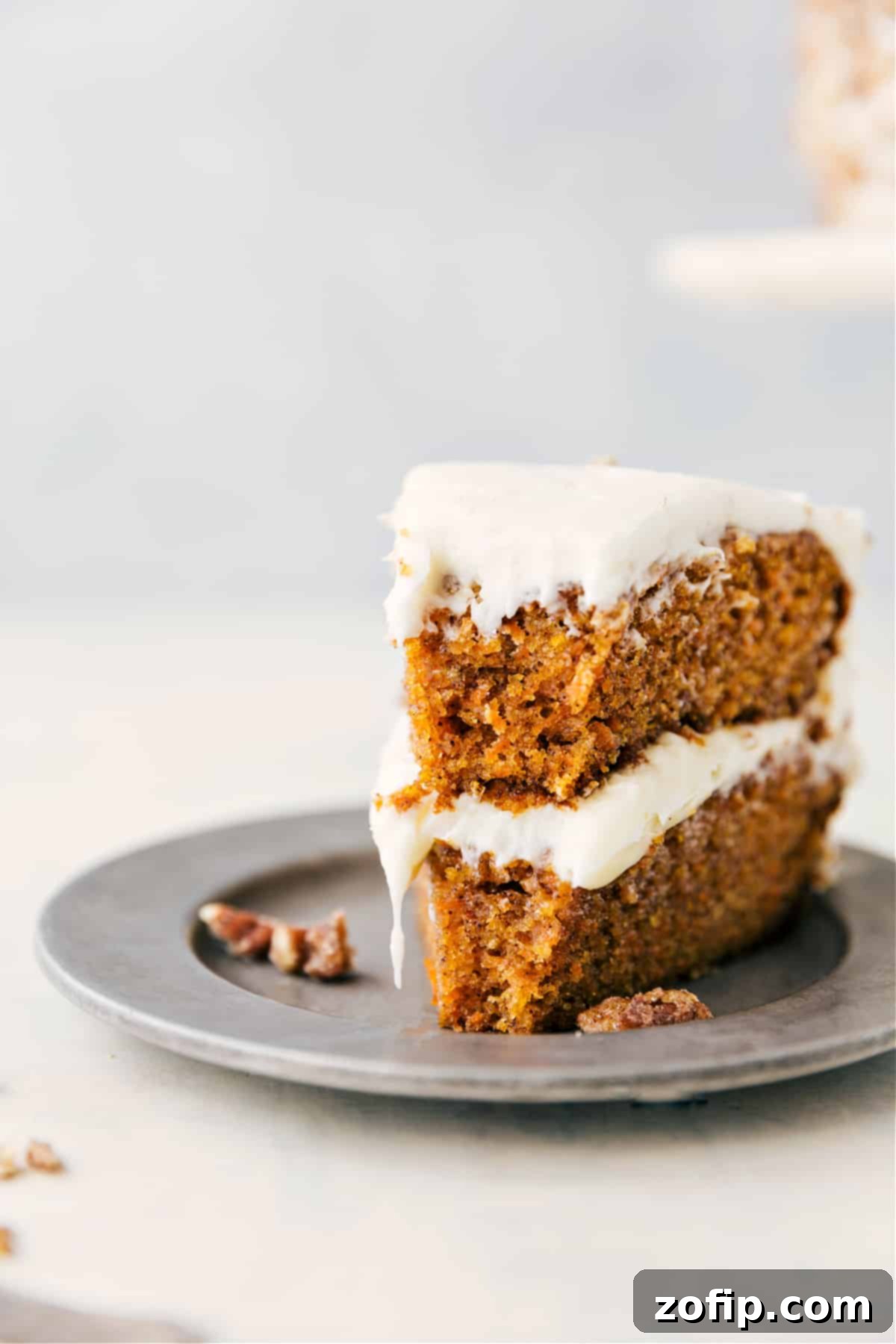
- To assemble your carrot cake, place a small dab of cream cheese frosting on your cake stand or serving plate; this will act as an anchor for the bottom layer. Carefully place the first cooled cake layer onto the stand and spread an even, generous layer of frosting over the top. If desired, you can add a thin layer of lemon curd on top of the frosting for an extra burst of flavor. Gently place the second cake layer on top, then proceed to frost the entire cake—sides and top—with the remaining cream cheese frosting, smoothing it out for a polished finish.
- If at any point your frosting becomes too soft to work with (especially if your kitchen is warm), refrigerate it briefly for 10-15 minutes, then beat it again until it reaches the desired consistency. Alternatively, you can mix in up to ½ cup more powdered sugar to firm it up. For a beautiful presentation, gently press finely chopped candied pecans around the sides of the cake, or scatter them generously over the top. Serve and enjoy this spectacular homemade carrot cake!
Recipe Notes
- Tear a piece of parchment paper slightly larger than your cake pan.
- Fold it in half, then in half again to form a smaller square.
- Fold it diagonally into a triangle, then fold in half again.
- Align the pointed tip with the center of your cake pan and trim the outer edge to match the pan’s curve.
- Unfold the parchment, and you’ll have a perfect round to place in your pan.
Note 2: For Even Cake Layers To guarantee uniform cake layers that stack beautifully, weigh the batter in each prepared pan using a kitchen scale. Adjust the amount of batter in each pan with a spoon until they both hold the exact same weight.
Storage: Wrap cooled, unfrosted cake layers tightly in plastic wrap and refrigerate for up to 2 days, or freeze for up to 1 month. Thaw frozen layers in the fridge overnight before frosting. A fully assembled and frosted cake should be stored covered in the refrigerator for up to 4 days. Frosted cake does not freeze well. The cream cheese frosting can be made 1 day ahead, stored airtight in the fridge, and brought to room temperature (30–45 minutes) before re-beating and using. Cream cheese frosting itself does not freeze well.
Nutrition Information
Calories: 408kcal |
Carbohydrates: 54.5g |
Protein: 4.6g |
Fat: 20g |
Cholesterol: 62mg |
Sodium: 54mg |
Fiber: 1.5g |
Sugar: 36.7g