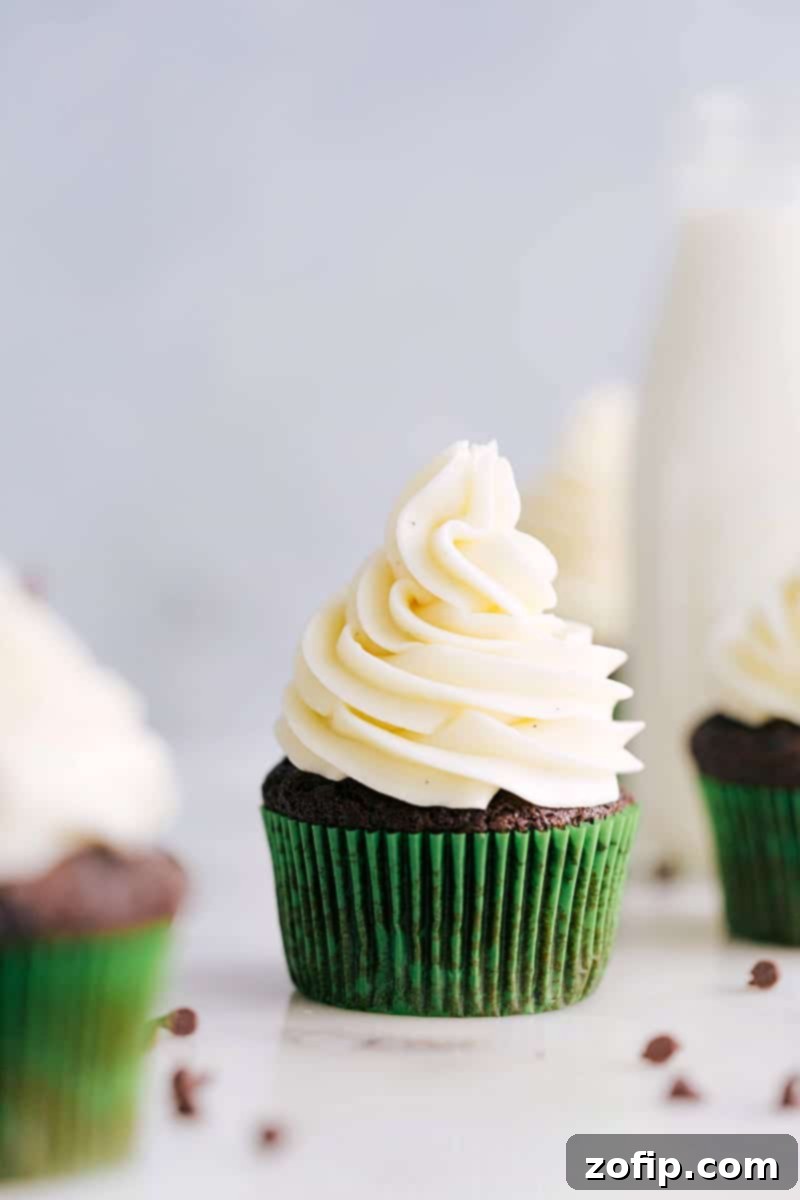
Master the art of creating the perfect Cream Cheese Frosting – a smooth, incredibly creamy, and irresistibly flavorful topping that elevates any dessert. This comprehensive guide will walk you through every step, from selecting the right ingredients to advanced tips for customization and storage.
Whether you’re topping classic Carrot Cake Cupcakes, luscious Banana Cupcakes, or tender Chewy Sugar Cookies, this homemade cream cheese frosting recipe is your ultimate companion for creating memorable desserts.
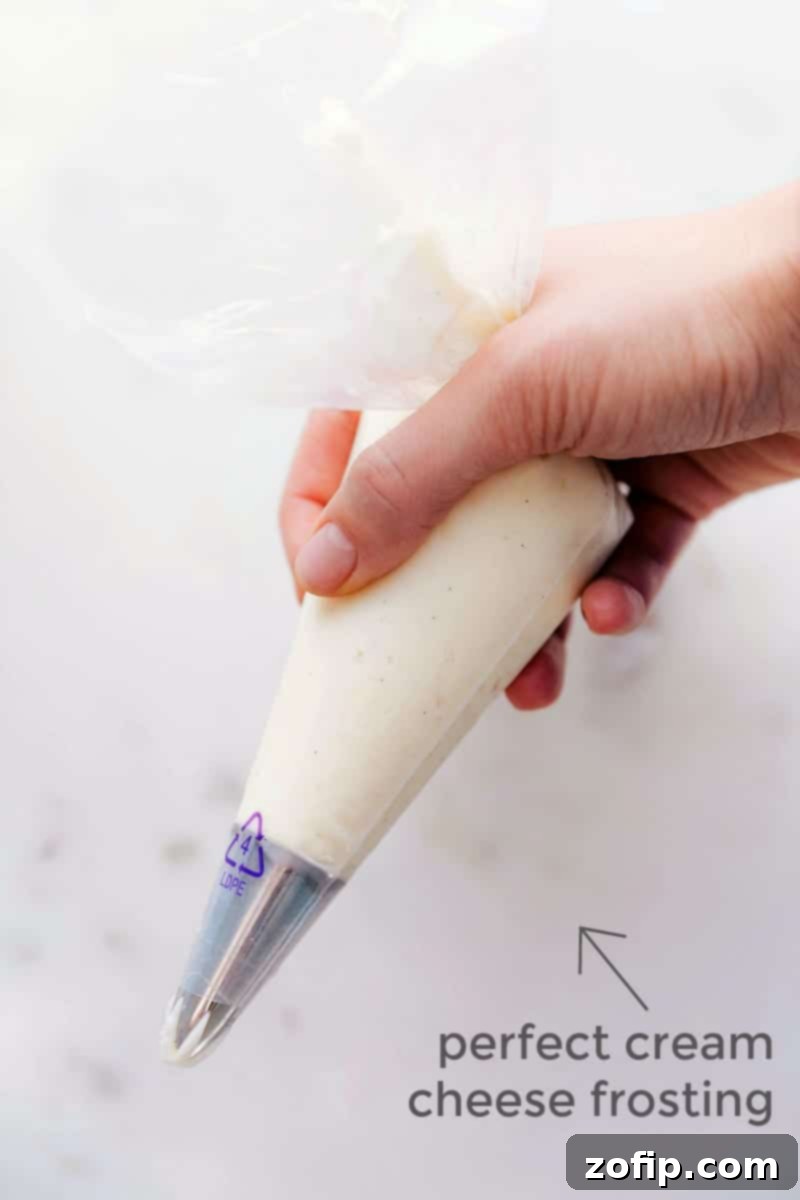
The Ultimate Cream Cheese Frosting Recipe
There’s nothing quite like homemade cream cheese frosting to transform a simple cake or cookie into a gourmet delight. This isn’t just any recipe; it’s a cherished classic passed down through generations in my family, a go-to for countless desserts. Its balanced sweetness, subtle tang, and incredibly smooth texture make it superior to any store-bought alternative. With just a few simple ingredients and techniques, you can achieve bakery-quality results right in your own kitchen.
Join me as we explore the secrets to making this truly delicious frosting, delve into my top tips for perfection, and discover how to effortlessly adapt this versatile recipe to suit various desserts and personal preferences. Get ready to impress with this easy-to-follow guide!
How to Make the Best Cream Cheese Frosting: A Step-by-Step Guide
Crafting the perfect cream cheese frosting is simpler than you might think, but a few key steps ensure a smooth, lump-free, and delightful result. Here’s a detailed breakdown of the process:
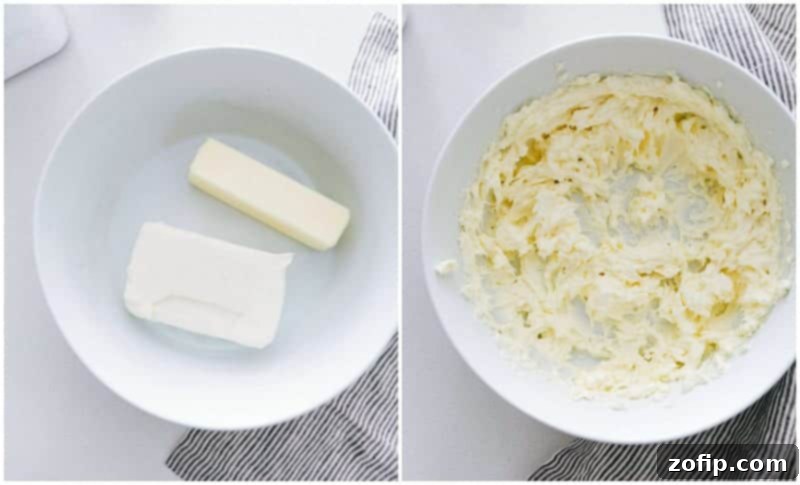
- Achieve Room Temperature Ingredients: This is arguably the most critical step. Approximately one hour before you begin, set out your unsalted butter and full-fat cream cheese. Cold ingredients will not emulsify properly, leading to a lumpy, inconsistent frosting. For quick softening, you can follow these tips, but patience yields the best texture.
- Cream Butter and Cream Cheese Together: In a large mixing bowl, using an electric mixer (either a hand mixer or a stand mixer with a paddle attachment works wonderfully), combine the softened butter and cream cheese. Beat them on medium-high speed until the mixture is incredibly smooth, light, and airy, with no visible lumps. This creaming process incorporates air, giving the frosting its signature fluffy texture.
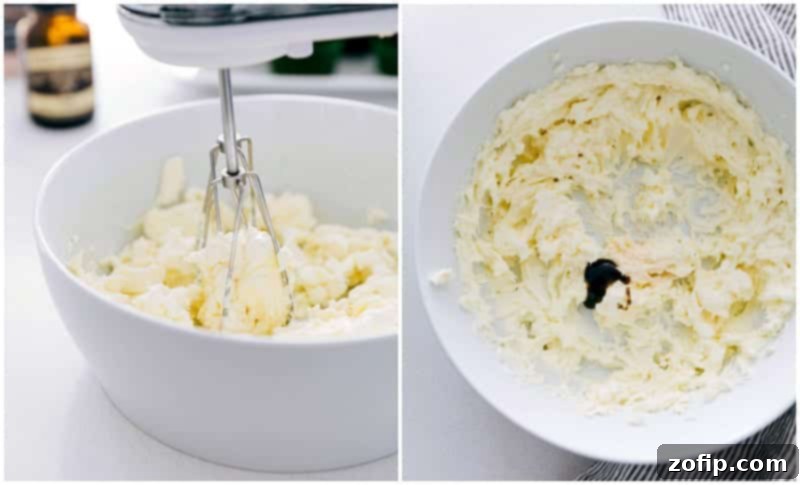
- Infuse with Flavor: Reduce the mixer speed to low, then add the vanilla extract (or paste), salt, and the secret ingredient – a touch of ground cinnamon. While you won’t distinctly taste the cinnamon, it subtly enhances the overall flavor profile, adding a warm, complex depth that sets this frosting apart. This addition creates a more rounded and sophisticated taste.
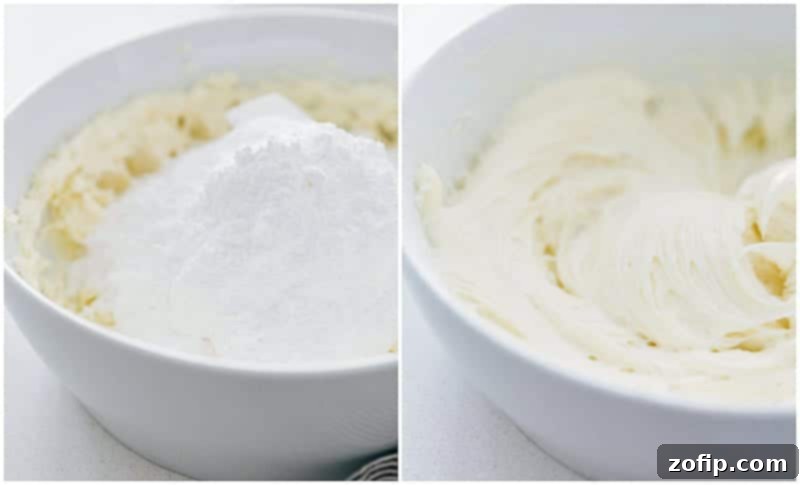
- Gradually Add Powdered Sugar: With the mixer still on low speed, begin incorporating the powdered sugar, a half cup at a time. Adding it slowly prevents a “sugar dust cloud” and allows the sugar to fully dissolve, ensuring a smooth consistency. Continue mixing until all the sugar is incorporated and the frosting is well blended.
- Customize Sweetness and Firmness: This is where personal preference comes in! The amount of powdered sugar directly impacts both the sweetness and the firmness of your frosting.
- More sugar will result in a sweeter, firmer frosting, ideal for piping and intricate decorations.
- Less sugar will yield a tangier, slightly softer frosting, which is excellent for spreading over cakes where a robust cream cheese flavor is desired.
Pro Tip: Avoid the Sugar Cloud!
When adding powdered sugar, start with the mixer on its lowest setting. If you’re new to making frosting, resist the urge to dump all the sugar in at once. A slow, steady addition will save you from a kitchen covered in fine sugar dust!
Versatility: What Desserts Pair Perfectly with Cream Cheese Frosting?
This easy cream cheese frosting is incredibly versatile and can beautifully top a wide array of baked goods. From classic cakes and humble cookies to decadent brownies and charming cupcakes, its rich, tangy-sweet profile complements almost any dessert. While this recipe is undeniably delicious on just about anything, customizing it slightly can enhance its suitability for specific applications.

Customizing Your Cream Cheese Frosting for Every Dessert
Achieving the perfect consistency for your cream cheese frosting is key to a flawless dessert. Here’s how you can fine-tune this recipe:
Cream Cheese Frosting for Carrot Cake or Pumpkin Cake
For moist, flavorful cakes like Carrot Cake or Pumpkin Cake, a slightly less firm frosting is often preferred. I recommend using a bit less powdered sugar than the recipe calls for. This yields a tangier, less sweet frosting that spreads beautifully and allows the spiced cake flavors to shine through. Since you’re typically spreading rather than piping, a softer consistency is ideal and incredibly delicious.
Cream Cheese Frosting for Cupcakes: Perfect for Piping
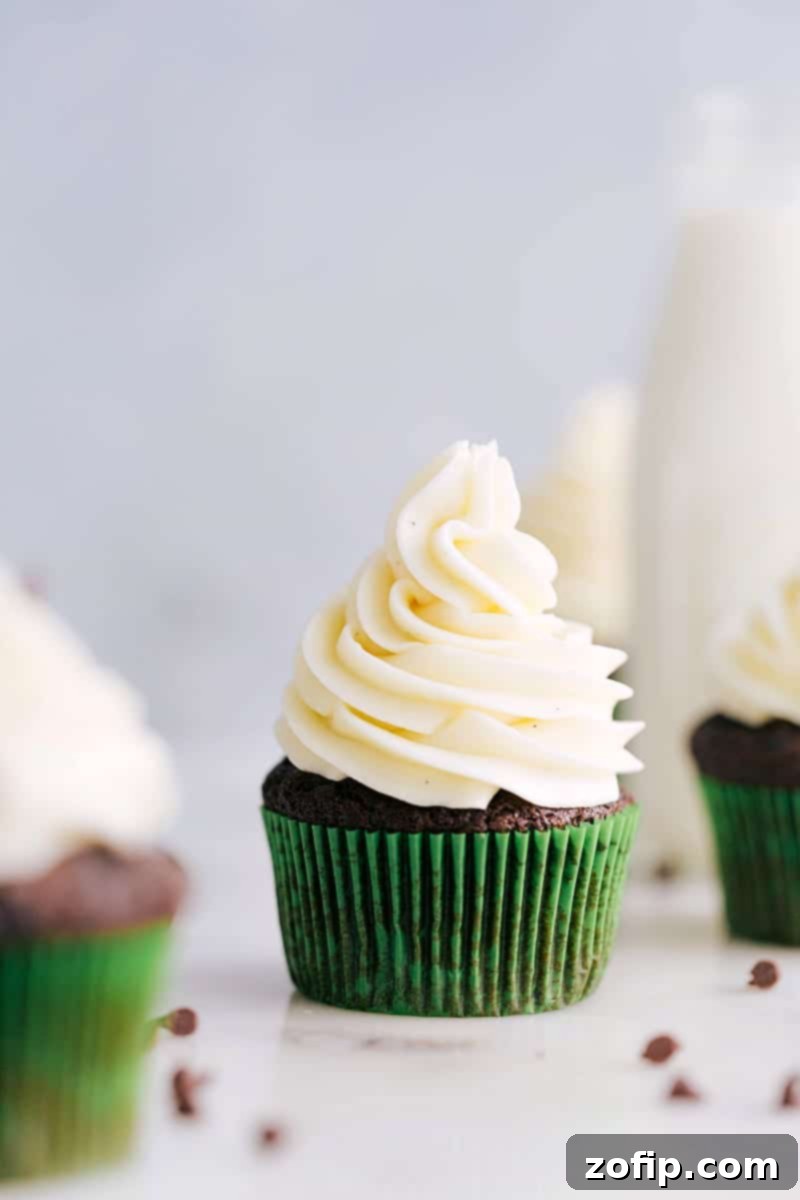
If your goal is to pipe elegant swirls onto cupcakes, firmness is paramount. To achieve a stable, pipeable frosting that holds its shape, I suggest using the full 3 cups of powdered sugar, and possibly even an extra 1/2 cup if needed. This additional sugar increases the density and stability of the frosting. For best results when decorating, consider using popular piping tips like the 1M Tip for classic rosettes, the #2A Round Piping Tip for smooth domes, or the #2D Drop Flower Piping Tip for intricate floral designs.
How to Make Delicious Chocolate Cream Cheese Frosting
For the ultimate chocolate lover, transforming this classic into a rich chocolate cream cheese frosting is wonderfully simple. Just add ½ cup of unsweetened cocoa powder along with the powdered sugar. This variation is divine on chocolate brownies or cakes, and it creates an especially decadent topping for banana cakes, offering a wonderful balance of fruity and rich chocolate flavors.
Cream Cheese Frosting FAQs: Your Questions Answered
Here are answers to some of the most common questions about making and using cream cheese frosting:
Which Cream Cheese is Best for Frosting?
For the richest flavor and best texture, always opt for high-quality, full-fat cream cheese. Low-fat or “light” varieties tend to contain more water and stabilizers, which can result in a runnier, less flavorful frosting that is harder to work with. The full-fat version guarantees that luxurious, creamy consistency we all crave.
Can You Use Salted Butter in Cream Cheese Frosting?
- While it’s technically possible to use salted butter, I strongly recommend using unsalted butter. This allows you complete control over the salt content, ensuring your frosting achieves the perfect balance of sweet and tangy without being overly salty.
- If salted butter is all you have, feel free to use it. In this case, omit the additional salt called for in the recipe initially. Once the frosting is mixed, taste it and add a tiny pinch of salt only if you feel it needs more to enhance the flavors.
What’s the Difference Between Icing and Frosting?
- Icing is generally thinner, glossier, and more sugary. It’s often used for intricate decorations, drizzling, or glazing, and tends to set harder.
- Frosting, like our cream cheese frosting, is typically thicker, fluffier, and boasts a richer, more substantial texture. It’s primarily used for coating cakes, cupcakes, and other desserts, adding both flavor and moisture.
Can You Add Milk to Cream Cheese Frosting?
Yes, if your frosting ends up too thick (which can happen if too much powdered sugar is added or if your cream cheese was a bit too firm), you can absolutely thin it out. Add a tablespoon or two of milk or, even better, heavy cream. Heavy cream will maintain the richness and creaminess more effectively than milk, helping you achieve the desired smooth, spreadable consistency.
Storing Cream Cheese Frosting: Tips for Freshness and Longevity
Proper storage is crucial for cream cheese frosting to maintain its delicious taste and texture, and to ensure food safety.
Do You Have to Refrigerate a Cake with Cream Cheese Frosting?
Yes, absolutely. Because cream cheese is a dairy product, it requires refrigeration to prevent spoilage. Any cake or dessert frosted with cream cheese frosting must be stored in the refrigerator. To ensure optimal serving temperature, simply take the cake out of the fridge an hour or two before you plan to serve it, allowing it to come back to a more palatable room temperature.
How Long Can You Leave Cream Cheese at Room Temperature?
Both fresh cream cheese and finished cream cheese frosting should not be left at room temperature for more than 2 hours. Beyond this timeframe, harmful bacteria can begin to grow, making it unsafe for consumption.
Can You Freeze Cream Cheese Frosting?
Yes, this frosting freezes exceptionally well thanks to its high fat content from both butter and cream cheese. You can store cream cheese frosting in an airtight container in the freezer for up to 3 months. When you’re ready to use it, remember to thaw it safely in the refrigerator. I recommend transferring it from the freezer to the fridge the day before you intend to use it. Once thawed, give it a quick whip with your electric mixer to restore its fluffy texture. Many frosted cakes and desserts also freeze beautifully, allowing you to enjoy them later. Just be sure to thaw them in the fridge as well.
More Irresistible Desserts Featuring This Frosting
This cream cheese frosting isn’t just for carrot cake! Explore more delightful ways to incorporate this beloved topping into your baking:
- Carrot Pumpkin Cake (A true READER FAVORITE!)
- Pumpkin Cupcakes with Cinnamon Cream Cheese Frosting
- Strawberry Cream Cake
Print Recipe
Cream Cheese Frosting
By Chelsea Lords
Smooth, creamy, and flavorful cream cheese frosting made from cream cheese, butter, powdered sugar, vanilla, and a pinch of salt!
Prep Time: 10 minutes
Allow ingredients to get to room temperature: 1 hour
Total Time: 10 minutes
Servings: 10 “sky-high” cupcakes (see note 1)
Equipment
- Hand mixer
Ingredients
- 1/2 cup unsalted butter, at room temperature
- 1 (8-ounce) package cream cheese, full-fat, at room temperature (do not use low fat)
- 1/2 teaspoon vanilla bean paste or use 1 teaspoon vanilla extract
- 1/8 teaspoon salt
- 1/4 teaspoon ground cinnamon (optional, but heightens the flavor)
- 3 cups powdered sugar
Instructions
- Using a hand mixer, cream together the room-temperature butter and cream cheese on medium-high speed until completely smooth.
- Mix in vanilla extract, salt, and cinnamon. With the mixer running at low speed, slowly add powdered sugar and beat until well blended and smooth. Add powdered sugar to preference. (Less sugar will yield a tangier, less sweet, and harder to spread frosting; more sugar will yield a thicker, easier to frost, sweeter, and less tangy frosting.)
- Chill the frosting for 15–25 minutes before frosting cake/cupcakes/cookies (optional; I find it easier to work with) or store in an airtight container in the fridge until ready to use. If storing for more than a few hours, it will need to sit out at room temperature for 10–15 minutes before frosting.
Recipe Notes
Note 1: This frosting will generously frost a 2-layer cake, and depending on how much frosting you use, will frost around 20 cupcakes and 26 cookies. For “sky-high” frosting on cupcakes (as pictured in the post)—this recipe will cover about 10 cupcakes.
Nutrition Note: Nutritional information is based on frosting 10 cupcakes.
Storage: Store leftover cream cheese frosting in an airtight container in the fridge for up to a week. Let it sit at room temp for a few minutes before using, or rewhip for a fluffier texture. Freeze for up to 3 months and thaw in the fridge before using.
Nutrition
Serving: 1 serving | Calories: 246kcal | Carbohydrates: 38g | Protein: 4g | Fat: 9g | Saturated Fat: 6g | Trans Fat: 1g | Cholesterol: 27mg | Sodium: 190mg | Potassium: 67mg | Fiber: 1g | Sugar: 37g | Vitamin A: 296IU | Vitamin C: 1mg | Calcium: 83mg | Iron: 1mg
Nutrition information is automatically calculated, so should only be used as an approximation.