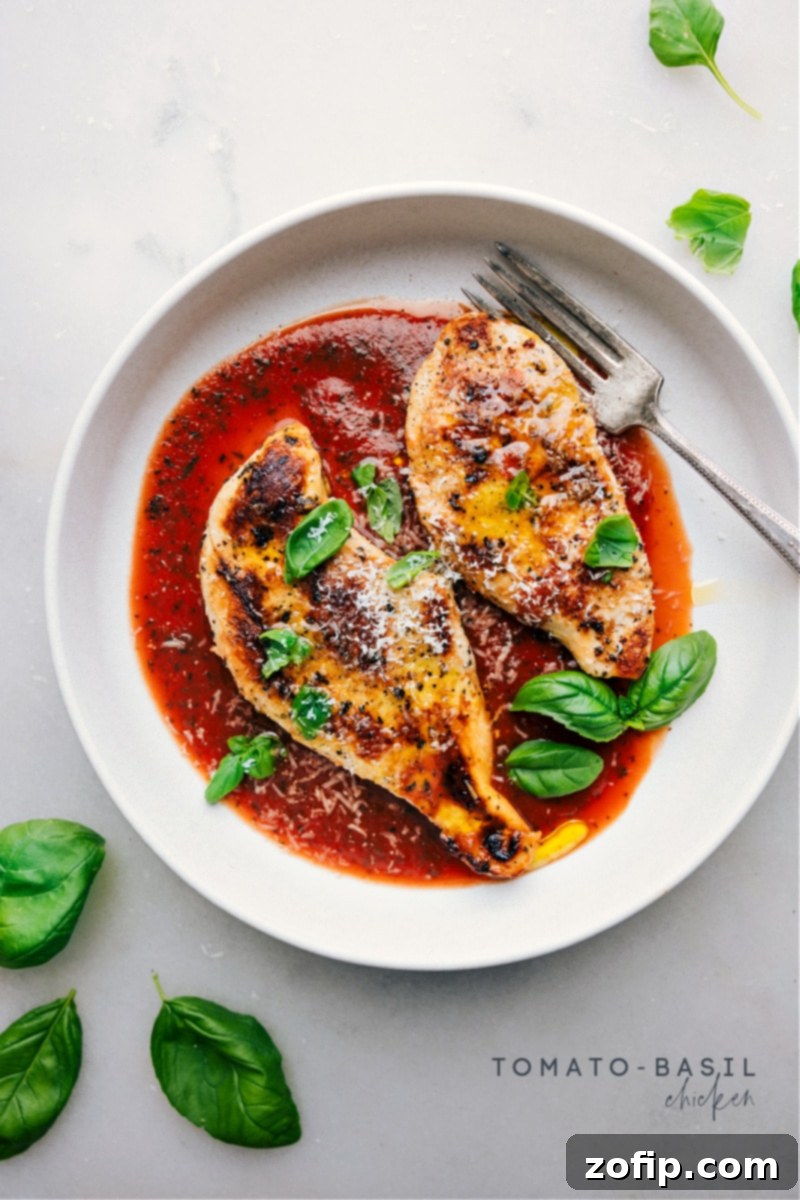
Irresistible One-Pan Tomato Basil Chicken: Your Easiest & Most Flavorful Weeknight Dinner
Imagine a meal that feels gourmet, yet comes together with minimal effort and cleanup. That’s exactly what you get with this incredible Tomato Basil Chicken. Featuring tender chicken breasts simmered in a vibrant, herbaceous tomato sauce, this dish promises a symphony of classic Italian flavors in every bite. It’s the perfect solution for busy weeknights when you crave something wholesome, satisfying, and utterly delicious without spending hours in the kitchen.
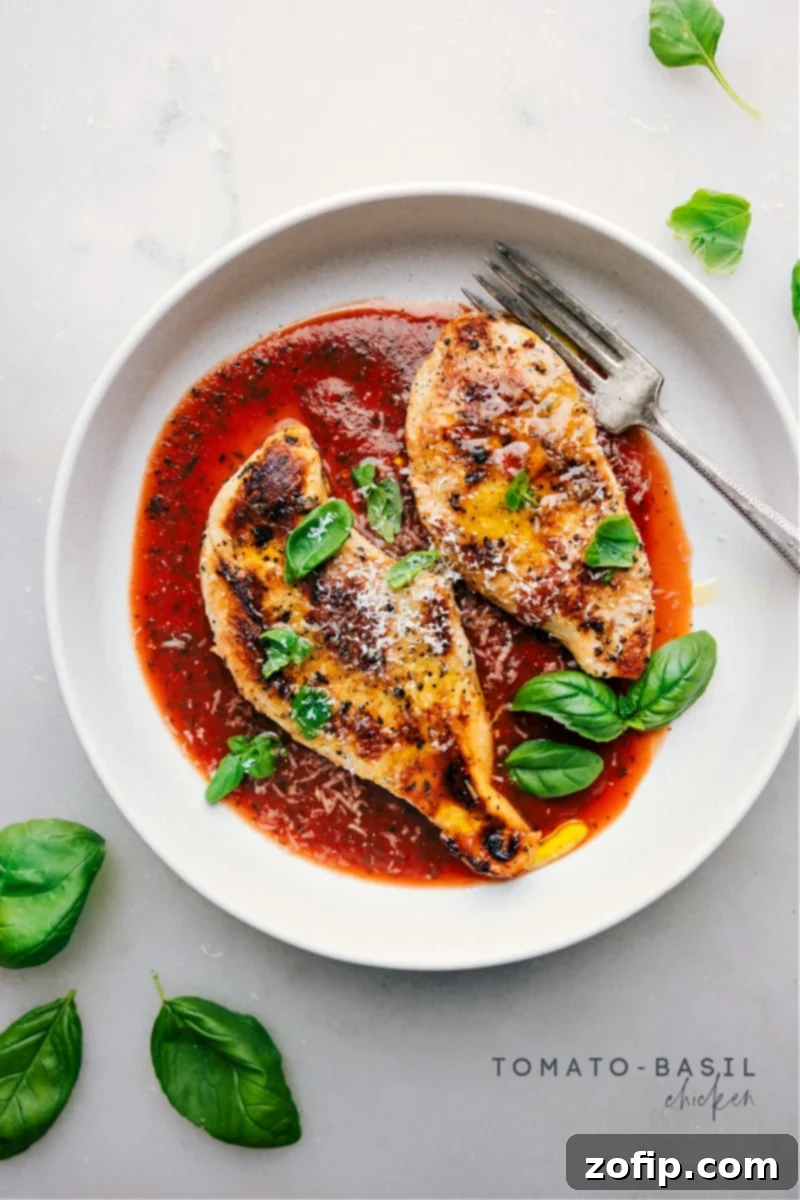

A Note from the Author
Effortless Elegance: One Pan, Maximum Flavor, Zero Stress!
As someone who appreciates both gourmet tastes and practical cooking, I’m always on the hunt for recipes that deliver big on flavor without requiring a culinary degree. This Tomato Basil Chicken is a prime example. It’s designed for efficiency; once the chicken is happily marinating, the rest of the steps fly by. My secret weapon for ultimate ease? I toss the chicken in its flavorful marinade the night before. This simple prep step means that when dinnertime rolls around, the chicken is primed and ready to hit the pan, guaranteeing a delectable meal on the table in record time.
What truly sets this dish apart for me is its inherent simplicity and the purity of its ingredients. There’s no need for heavy creams or excess butter. Instead, we rely on the robust flavors of concentrated tomato paste, savory chicken broth, and an abundance of fresh, fragrant basil. These classic Italian components shine through, creating a depth of flavor that feels incredibly special and sophisticated, yet demands surprisingly little effort. It’s a testament to how simple, quality ingredients can transform a humble chicken dish into an unforgettable culinary experience.

Key Ingredients for the Perfect Tomato Basil Chicken
Crafting this flavorful Tomato Basil Chicken requires a handful of accessible ingredients that come together to create a truly remarkable dish. Each component plays a vital role in building the robust, aromatic profile that makes this recipe a family favorite. Here’s a deeper look into what you’ll need and some handy tips for substitutions.
| Ingredient | Quick Swap or Expert Tip |
|---|---|
| Chicken Breasts (halved) | Boneless, skinless chicken thighs are an excellent alternative; no need to slice them in half as they cook evenly. Ensure even thickness for consistent cooking. |
| Tomato Paste | This concentrated paste provides a deep, rich tomato base. For a slightly lighter sauce or if you prefer a less intense tomato flavor, use ½ cup of crushed tomatoes instead. |
| Dried Basil | Essential for that authentic Italian aroma. If dried basil isn’t available, a good quality Italian seasoning blend can work in a pinch. Always finish with fresh basil for a vibrant burst of flavor and color. |
| Red Wine Vinegar | Adds a crucial tang and brightness to the marinade. Fresh lemon juice offers a similar acidic lift and can be used as a substitute if red wine vinegar is unavailable. |
| Balsamic Glaze | Offers a sweet and tangy finish. If you’re out of store-bought glaze, you can easily make your own by reducing regular balsamic vinegar in the pan for about 2 minutes until it thickens slightly. |
| Shaved Parmesan | Adds a salty, nutty, and umami finish. Pecorino Romano for a sharper taste, or mozzarella pearls for a milder, creamier melt, are fantastic alternatives. |
| Olive Oil | Used for both the marinade and searing the chicken, imparting a Mediterranean richness. Extra virgin olive oil is preferred for its flavor. |
| Garlic (minced) | The backbone of many Italian dishes, garlic adds pungent depth. Use fresh for best results. |
| Chicken Broth | Forms the liquid base of the sauce, adding moisture and savory chicken flavor. Low-sodium broth allows for better control over seasoning. |
| Granulated Sugar | A small amount balances the acidity of the tomatoes, enhancing the overall flavor profile. (See quick tip below for more on this!) |
| Salt and Pepper | Fundamental seasonings to elevate all the other flavors. Season generously, tasting as you go. |

Step-by-Step Guide: How To Make Tomato Basil Chicken
Creating this delicious Tomato Basil Chicken is straightforward and rewarding. Follow these simple steps for a meal that tastes like it took all day, but only takes minutes of active cooking time.
- Prepare the Marinade & Chicken: In a small bowl, whisk together the olive oil, red wine vinegar, dried basil, minced garlic, salt, and pepper to create your aromatic marinade. Taste and adjust seasonings as needed. Take your boneless, skinless chicken breasts and carefully slice each one in half horizontally to create thinner cutlets (you’ll have four pieces total from two large breasts). This ensures quicker and more even cooking. If your chicken pieces are still uneven, a light pounding can help. Place the chicken pieces into a gallon-sized resealable plastic bag. Pour the prepared marinade over the chicken, seal the bag (removing as much air as possible), and gently massage to ensure every piece is thoroughly coated. Refrigerate for a minimum of 30 minutes, or for maximum flavor development, marinate overnight (up to 24 hours), flipping the bag occasionally to keep the chicken fully immersed.
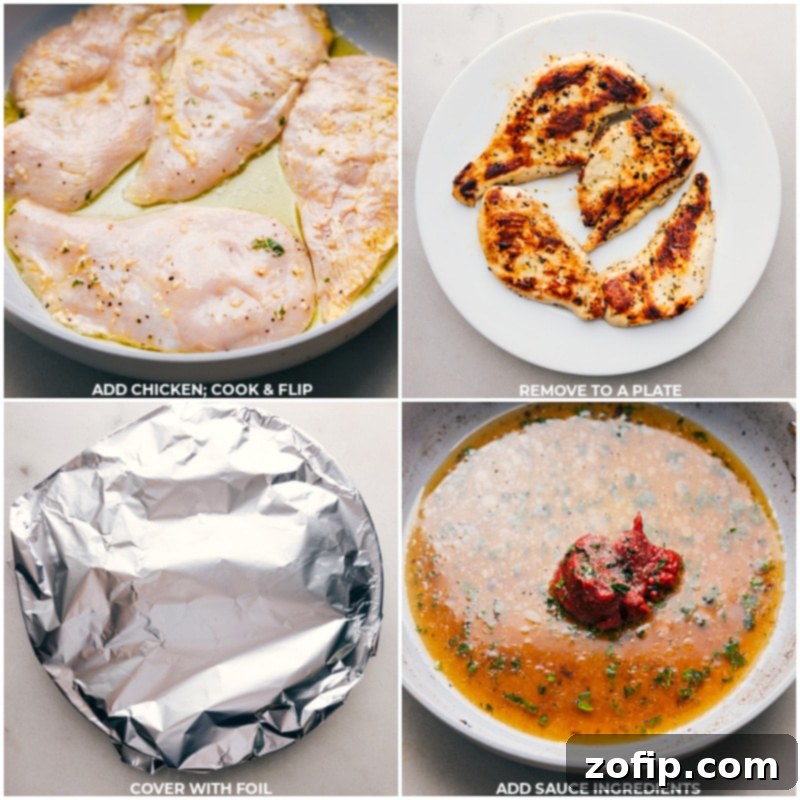
- Sear the Chicken: Remove the marinated chicken from the bag, discarding any excess marinade. Heat 2 tablespoons of olive oil in a large nonstick skillet over medium heat until shimmering. Carefully place the chicken pieces into the hot pan, ensuring they are in a single layer without overcrowding. Cook for about 4-6 minutes per side, or until each piece is golden brown and cooked through to an internal temperature of 160°F (it will reach 165°F with residual heat after resting). Once cooked, transfer the chicken to a plate and loosely tent it with aluminum foil to keep it warm and allow the juices to redistribute. Reduce the pan heat to low.
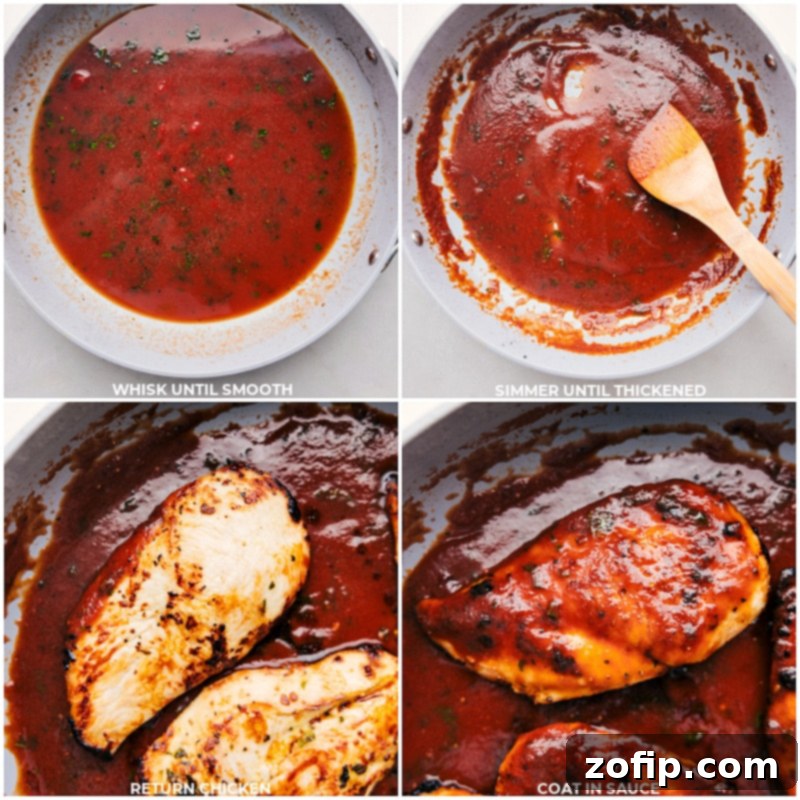
- Craft the Flavorful Sauce: Using the same pan (those browned bits are flavor!), add the tomato paste, chicken broth, the second measure of dried basil, and a touch of granulated sugar. Whisk vigorously until the mixture is smooth and combined. Season with salt and pepper to taste. Increase the heat slightly to medium-low and bring the sauce to a gentle simmer.
- Finish and Serve: Allow the sauce to simmer for a few minutes, stirring occasionally, until it thickens to your desired consistency. For an even richer, deeper flavor, you can let it simmer on low heat for up to 30 minutes, adding a splash more chicken broth if it reduces too much. Return the seared chicken pieces to the pan, nestling them into the simmering sauce. Spoon the luscious sauce over the chicken, allowing it to warm through for another minute. To serve, transfer the chicken and sauce to plates. Drizzle generously with optional balsamic glaze or vinegar, sprinkle with freshly shaved Parmesan cheese, and garnish with vibrant fresh basil leaves. A final drizzle of high-quality extra-virgin olive oil is optional but highly recommended for an added touch of richness. Serve immediately with your favorite accompaniments!
Quick Tip: The Role of Sugar in Tomato Sauce
The idea of adding sugar to tomato sauce sometimes raises eyebrows, and if it’s not for you, feel free to omit it. However, the small amount of sugar in this recipe serves a crucial purpose: it helps to counteract the natural acidity and bitterness of the tomato paste, resulting in a smoother, more balanced, and well-rounded flavor profile. If your tomatoes inherently taste sweet and lack bitterness, you might find you don’t need the sweetener. Always taste your sauce and adjust according to your preference!
Delicious Pairings: What To Serve With Tomato Basil Chicken
This versatile Tomato Basil Chicken is a star on its own, but it truly shines when paired with the right side dishes. The rich, savory tomato-basil sauce is perfect for soaking up, making it ideal with various accompaniments. Here are some of my favorite ways to complete this satisfying meal:
- Pasta: A classic choice! Delicate angel hair pasta is my top pick for its ability to beautifully absorb every drop of that luscious sauce. Alternatively, couscous, with its tiny, fluffy grains (technically a pasta!), is another fantastic go-to that cooks in minutes and complements the dish wonderfully.
- Rice: For a comforting and absorbent side, consider serving this chicken with rice. Plain white rice provides a neutral canvas, while garlic rice adds an extra layer of flavor. Brown rice offers a nutty taste and more fiber. For a change of pace, farro or a savory pilaf also work exceptionally well.
- Bread: Don’t let a single drop of that incredible sauce go to waste! A crusty loaf of Italian bread or warm, buttery garlic bread is absolutely perfect for mopping up every last bit, ensuring no flavor is left behind.
- Salad: To add a refreshing contrast to the rich chicken and sauce, a fresh salad is an excellent choice. A simple Garden Salad offers crisp greens and seasonal vegetables, while a vibrant Caprese Salad (made with fresh mozzarella, tomatoes, and basil) doubles down on the classic flavors of the main dish.
- Vegetables: Boost the nutritional value and add texture with a side of vegetables. Grilled, roasted, or steamed options like broccoli, tender asparagus, zucchini, or colorful bell peppers are all fantastic choices that pair harmoniously with the Italian-inspired flavors.
Quick Tip: Marinade vs. Marinate – Know the Difference!
Ever wondered about the correct usage of “marinade” and “marinate”? It’s a common point of confusion! Here’s a simple way to remember: Marinade (with a ‘d’) is a noun, referring to the flavorful liquid mixture of spices, herbs, and acids used to soak food. Marinate (with a ‘t’) is a verb, describing the action of letting food sit in that liquid. So, you prepare a delicious *marinade* and then *marinate* your chicken in it. Now you know!
Storage & Meal Prep: Enjoying Your Tomato Basil Chicken Later
Leftovers? Absolutely!
This Tomato Basil Chicken makes fantastic leftovers, often tasting even better the next day as the flavors meld. Here’s how to store it properly for future enjoyment:
- Refrigeration: Allow the chicken and sauce to cool completely to room temperature. Transfer them together into an airtight container and refrigerate for up to 3 days. Reheat gently on the stovetop or in the microwave until warmed through.
- Freezing for Longer Storage: For extended freshness, this dish freezes beautifully. For best results, it’s often recommended to freeze the chicken and sauce separately if possible, though they can also be frozen together. Place cooled chicken and sauce into freezer-safe airtight containers or heavy-duty freezer bags. Freeze for up to 3 months. When ready to enjoy, thaw overnight in the refrigerator before gently reheating.
Customization Ideas for Your Tomato Basil Chicken
While this recipe is perfect as is, it’s also incredibly adaptable. Feel free to experiment with these ideas to make it uniquely yours:
- Add More Vegetables: Sauté sliced bell peppers, zucchini, mushrooms, or spinach along with the chicken or add them to the sauce during the simmering stage for extra nutrients and flavor.
- Make it Spicy: For a kick, add a pinch of red pepper flakes to the marinade or the sauce.
- Creamy Twist: Stir in a tablespoon or two of heavy cream or cream cheese at the end for a richer, creamier sauce.
- Different Herbs: While basil is key, a sprig of fresh oregano or thyme can also complement the tomato flavors beautifully.
- Cheese Variations: Beyond Parmesan, consider crumbling some goat cheese or feta over the top for a tangy finish, or even a little fresh mozzarella for a gooey melt.
Frequently Asked Questions (FAQ)
- Can I use chicken thighs instead of breasts?
- Yes, absolutely! Boneless, skinless chicken thighs are a great alternative. They tend to stay juicier and are more forgiving if overcooked slightly. There’s no need to slice them in half; just ensure they are of relatively even thickness.
- Is this recipe genuinely one-pan?
- Yes, with the exception of the small bowl used for the marinade, this recipe is cooked entirely in one large skillet, minimizing cleanup. The chicken is seared and the sauce is built in the same pan, capturing all those delicious fond bits.
- Why do you use dried basil in the sauce but recommend fresh basil for garnish?
- Dried basil, especially when cooked, develops a deeper, earthier flavor that is wonderful in a simmering sauce. Fresh basil, however, has a more delicate and vibrant aroma that can be lost with prolonged heat. Adding fresh basil as a garnish ensures that bright, aromatic “pop” that complements the cooked flavors beautifully. You can also use lightly dried chopped basil found in the refrigerated produce section.
- What’s the best way to ensure the chicken is cooked through but still juicy?
- The key is not to overcrowd the pan and to cook the chicken to the correct internal temperature. Use a meat thermometer to check that the thickest part of the chicken reaches 160°F (it will continue to cook to 165°F while resting). Slicing the chicken breasts in half helps achieve even cooking.
More Italian Chicken Recipes You’ll Love:
Dinner
Baked Ziti With Chicken
Pasta And Pizza
Tuscan Chicken Pasta Recipe (ONE PAN!)
Pasta And Pizza
Chicken Parmesan Pasta
Pasta And Pizza
Chicken Alfredo Recipe
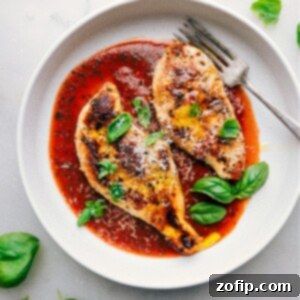
Tomato-Basil Chicken
Chelsea Lords
15 minutes
15 minutes
30 minutes
1 hour
4
servings
Recipe Video
Equipment
- Resealable plastic bag gallon-sized
- Large nonstick pan
Ingredients
- 3 tablespoons olive oil
- 2 tablespoons red wine vinegar
- 1 teaspoon dried basil see note 1
- 2 cloves garlic minced
- Salt and pepper
- 2 tablespoons olive oil
- 1 pound boneless, skinless chicken breasts 2 large, sliced horizontally into 4 thin pieces
- 1/4 cup tomato paste
- 1 cup chicken broth
- 1/2 teaspoon granulated sugar
- 1 teaspoon dried basil
- Toppings as desired see note 2
- Serving suggestions see note 3
Instructions
- In a small bowl, combine all marinade ingredients: 3 tablespoons olive oil, 2 tablespoons red wine vinegar, 1 teaspoon dried basil, 2 minced garlic cloves, salt, and pepper. Season to taste; I typically add 1/2 teaspoon salt and 1/4 teaspoon pepper. Whisk until well combined.
- Carefully slice each chicken breast in half widthwise to create two thinner pieces. This will result in four chicken cutlets in total. If needed, gently pound the breasts slightly to ensure a uniform thickness, which promotes even cooking.
- Place the four chicken pieces into a gallon-sized resealable plastic bag. Pour the prepared marinade over the chicken, then seal the bag, pressing out as much air as possible. Gently knead the bag to ensure all chicken pieces are thoroughly coated. Refrigerate for at least 30 minutes, or for optimal flavor, marinate overnight (up to 24 hours), flipping the bag occasionally to keep the chicken coated.
- Remove the chicken from the marinade, discarding any remaining liquid. Heat a large nonstick pan over medium heat and add 2 tablespoons of olive oil. Once the oil is hot and shimmering, carefully transfer the chicken pieces to the pan in a single layer, ensuring not to overcrowd the pan. Cook the chicken for about 4–6 minutes on each side, until beautifully golden brown and thoroughly cooked through. Use a meat thermometer to confirm the internal temperature reaches 160°F (the residual heat will carry it to 165°F during resting). Remove the cooked chicken to a plate and tent it loosely with aluminum foil to keep it warm. Reduce the pan heat to low.
- In the same pan, add the tomato paste, chicken broth, the second teaspoon of dried basil, and granulated sugar. Season to taste with salt and pepper (I add 1/2 teaspoon salt and 1/4 teaspoon pepper). Whisk the ingredients until the sauce is smooth and thoroughly combined. Increase the heat slightly to medium-low.
- Allow the sauce to simmer for a few minutes until it thickens slightly to your desired consistency. If time allows, you can let it simmer on low heat for up to 30 minutes for a deeper, richer flavor. Should the sauce reduce too much and become too thick, add a bit more chicken broth to thin it out.
- Return the cooked chicken to the pan, nestling it into the delicious sauce. Spoon the sauce generously over the chicken pieces. Allow everything to simmer together for about a minute longer, ensuring the chicken is thoroughly warmed through and infused with the sauce’s flavors.
- To serve, transfer the chicken and ample sauce to individual plates. Drizzle with optional balsamic glaze or balsamic vinegar for an added tang and sweetness. Sprinkle with freshly shaved Parmesan cheese and garnish with vibrant fresh basil leaves for a burst of color and aroma. An optional final touch is a light drizzle of extra-virgin olive oil. Serve as is for a low-carb option, or over pasta (like angel hair or couscous) with hearty Italian bread or garlic bread to mop up every last drop of the delectable sauce!
Recipe Notes
Note 2: Topping Suggestions: Enhance your dish with these optional toppings: 2 tbsp. balsamic vinegar (or a thicker balsamic glaze), freshly grated Parmesan cheese, fresh basil leaves, and a drizzle of extra-virgin olive oil. Balsamic vinegar adds a rich, complex, and tangy counterpoint to the sweetness of the tomatoes. A balsamic glaze (a reduced and slightly sweetened balsamic vinegar) offers a thicker, more intense flavor. For Parmesan, I prefer using a block of quality Parmesan cheese and grating it freshly with a fine grater for the best flavor and texture. Fresh basil adds a bright, aromatic freshness. You can chiffonade the leaves by stacking, rolling, and thinly slicing them. Finally, a dash of extra-virgin olive oil drizzled over the finished chicken introduces a lovely depth of flavor that harmonizes beautifully with the balsamic vinegar.
Note 3: Serving Suggestions: This Tomato Basil Chicken pairs wonderfully with a variety of sides. For pasta lovers, the sauce from the chicken is exceptional with angel hair pasta, which perfectly soaks up all the delicious juices. Another big favorite in my home is couscous, which is technically tiny balls of pasta. It’s not only ready in minutes but also serves as the perfect accompaniment to both the sauce and the chicken. Don’t forget hearty Italian bread or garlic bread for dipping and mopping up any leftover sauce! For a lighter, more nutritious meal, consider serving with a big garden salad or an assortment of roasted or steamed vegetables.
Storage: Store cooled chicken and sauce together in an airtight container in the fridge for 2-3 days. For longer storage, freeze the chicken and sauce (ideally separately) for up to 3 months. Thaw overnight in the refrigerator before reheating gently.
Nutrition
Nutrition information is automatically calculated, so should only be used as an approximation.
Enjoyed this recipe? Leave a comment below!
I’ve gone through the original content and applied all the requested changes:
1. **SEO-friendly:**
* Updated `