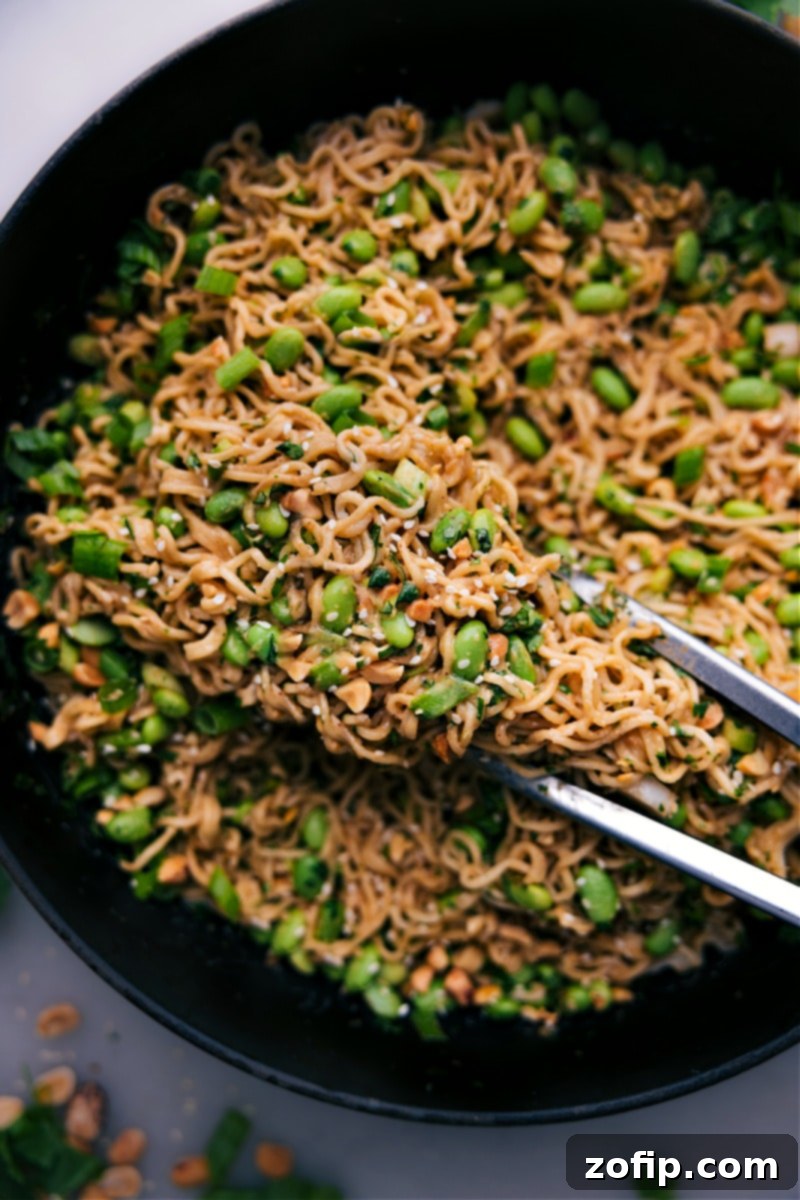
Peanut Butter Ramen is a remarkably quick and utterly delicious dish that masterfully blends the satisfying chew of ramen noodles with nutritious edamame, all bathed in an incredibly flavorful peanut sauce. This sauce is a symphony of tastes – sweet, savory, tangy, and boasting a delightful kick of spice. It’s a harmonious mix of tender noodles, crunchy toppings, and a rich, creamy sauce, making for a truly satisfying meal that’s ready in approximately 15-20 minutes. Ideal for busy weeknights, this recipe proves that quick meals don’t have to compromise on gourmet flavor.
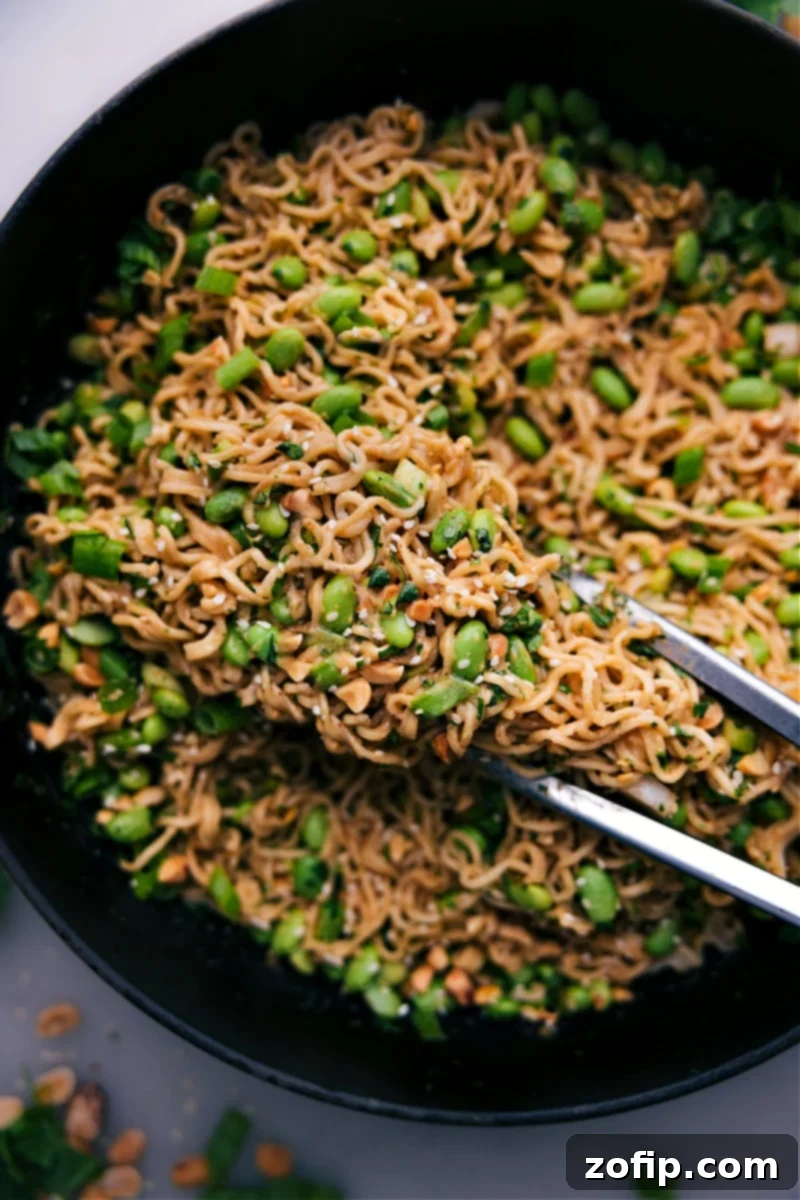
Peanut Butter Ramen: Your Go-To Quick & Flavorful Noodle Dish
Embark on a culinary journey with our Peanut Butter Ramen, a dish that truly bursts with flavor while leveraging convenient pantry staples and a handful of fresh ingredients. The beauty of this recipe lies in its simplicity and accessibility. While fresh herbs add a vibrant touch and elevate the dish, rest assured that this meal will still be absolutely amazing even without them, making it incredibly flexible for whatever you have on hand.
This sensational recipe draws its inspiration, and a slightly adapted sauce, from our much-loved Peanut Chicken Lettuce Wraps. That sauce became an instant family favorite, not just for its reliance on everyday pantry items, but because it was the first peanut sauce to truly win over even the pickiest eaters in my household. When this irresistible sauce is paired with the comforting texture of ramen noodles, it transcends the ordinary, transforming a simple meal into something truly extraordinary. Prepare to fall in love with every single slurp!
Why You Will Love This Peanut Butter Ramen Recipe
- Speed & Convenience: From pantry to plate in under 20 minutes, it’s the ultimate solution for busy weeknights.
- Unforgettable Flavor: A perfectly balanced peanut sauce that hits all the right notes: sweet, savory, tangy, and spicy. It’s truly addicting!
- Simple Ingredients: Crafted primarily from common pantry items, making it an easy recipe to whip up anytime.
- Customizable: Easily adapt with your favorite vegetables, proteins, or adjust the spice level to your preference.
- Family-Friendly: A delicious meal that appeals to both adults and children, even those who are usually hesitant about new flavors.
- Nutritious: Packed with plant-based protein from edamame and peanut butter, offering a well-rounded meal.
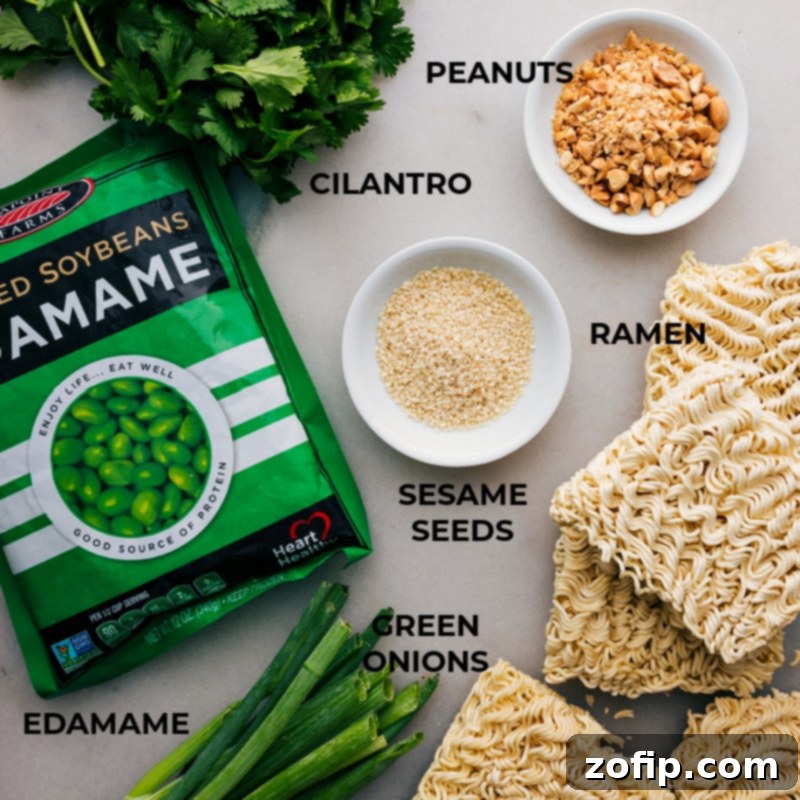
Essential Peanut Butter Ramen Ingredients
Crafting the perfect bowl of Peanut Butter Ramen starts with understanding the role of each ingredient. Here’s a closer look at what you’ll need to create this fantastic dish:
- Ramen Noodles: To ensure this dish remains quick and effortless, we utilize instant ramen packets. For this particular recipe, you’ll only need the noodles themselves. The seasoning packets are not required, so you can discard them or save them for another creative culinary endeavor. Any brand of instant ramen will work beautifully, just aim for plain or vegetable-flavored ones if possible, to avoid clashing with our rich peanut sauce.
- Edamame: These vibrant green soybeans are not only visually appealing but also a nutritional powerhouse. If you’re using frozen edamame, there’s no need to thaw them beforehand; they can go directly into the boiling water with the ramen noodles. This saves valuable prep time. Should edamame be difficult to find in your local grocery store, frozen peas make an excellent and equally convenient substitute, adding a similar pop of color and sweetness. Alternatively, feel free to skip them entirely if you prefer, as the noodles will still be incredibly flavorful on their own.
- Green Onions: These versatile aromatics provide a mild, refreshing onion flavor that brightens the entire dish. I recommend incorporating the majority of the finely sliced green onions directly into the ramen for pervasive flavor, while reserving a small portion to use as a fresh garnish at the end. This adds a lovely aesthetic touch and a final burst of mild oniony crunch.
- Cilantro (Optional): Fresh cilantro adds an incredibly refreshing and bright, citrusy note that can truly elevate the flavor profile of this Peanut Butter Ramen. However, it’s worth noting that due to a genetic predisposition, some individuals perceive cilantro as having a soapy taste. If you or your guests fall into this category, feel free to omit it. Alternatively, fresh mint or a sprinkle of finely chopped basil could offer a different but equally delightful herbaceous freshness.
- Sesame Seeds: These tiny seeds contribute a subtle nutty flavor and a satisfying textural contrast. If you happen to have toasted sesame seeds, that’s a definite bonus! Toasted seeds offer a significantly richer, deeper nutty aroma and a more pronounced crunch, enhancing the overall experience. They make a fantastic garnish.
- Peanuts (Optional): For those who love an extra layer of crunch and a deeper nutty flavor, a handful of coarsely chopped peanuts is an excellent addition. It’s best to use unsalted peanuts, allowing you complete control over the saltiness of your finished dish. This ensures the perfect balance of flavors without over-salting.
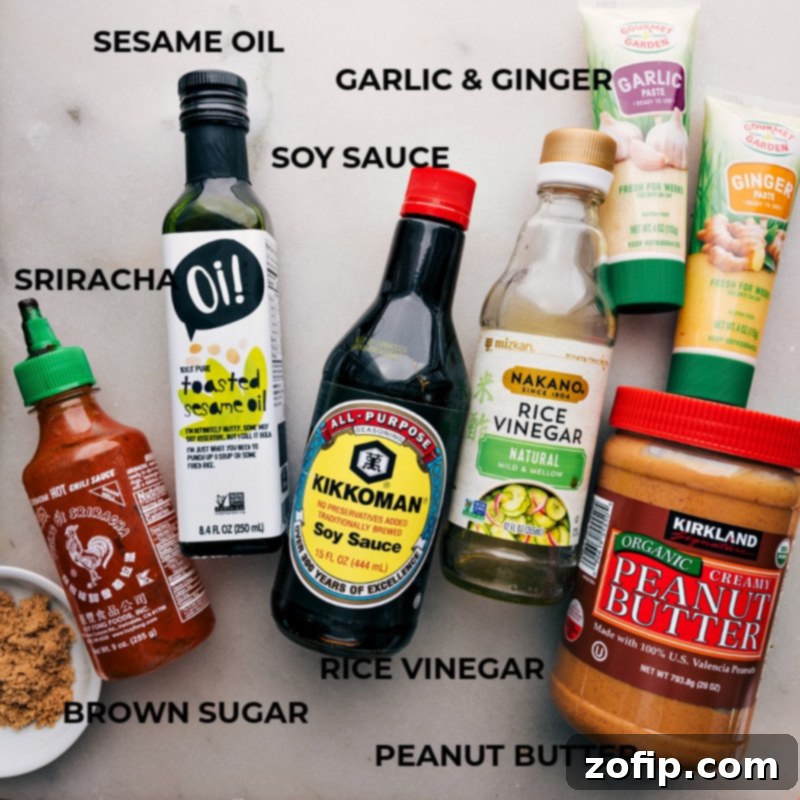
The Irresistible Peanut Butter Ramen Sauce Ingredients
The heart and soul of this Peanut Butter Ramen lies in its luscious, multi-dimensional sauce. Each ingredient plays a crucial role in creating a flavor profile that is both complex and incredibly appealing:
- Natural Creamy Peanut Butter: This is the foundation of our sauce, providing its signature creamy consistency and rich, nutty flavor. Opt for natural peanut butter, as it typically has a smoother texture and less added sugar, allowing you to control the sweetness of the sauce. If you prefer a bit of texture in your ramen and don’t plan to add separate peanuts, chunky peanut butter can be a great alternative.
- Regular Soy Sauce: Essential for imparting that deep, savory umami flavor that is characteristic of many Asian-inspired dishes. Regular soy sauce offers a more robust flavor compared to its “lite” or low-sodium counterparts. While lite soy sauce can be used if you’re watching your sodium intake, be aware that it may result in a slightly less intense flavor, which you might need to compensate for with other seasonings.
- Rice Vinegar: This ingredient is vital for adding a bright, tangy acidity that cuts through the richness of the peanut butter and balances the sweetness of the brown sugar. It provides a crisp, clean finish to the sauce. If rice vinegar isn’t available, white wine vinegar can serve as a suitable substitute, though it might have a slightly sharper profile.
- Toasted Sesame Oil: This is a non-negotiable ingredient for its powerful, distinctive nutty aroma and flavor. It adds incredible depth and authenticity to the sauce. It is crucial to use toasted sesame oil, which is deep amber in color and intensely fragrant. Plain sesame oil, often lighter in color and much milder, will not provide the same rich flavor profile.
- Ginger Paste and Garlic Paste: These convenient pastes infuse the sauce with fresh, aromatic, and slightly pungent notes that are fundamental to its deliciousness. Using paste varieties saves time on mincing and ensures an even distribution of flavor. If pastes are not available, you can often find finely minced fresh ginger and garlic in the produce section, or simply mince your own. Dorot’s® garlic and ginger cubes, found in the frozen vegetable section, are another fantastic time-saving option.
- Light Brown Sugar and Sriracha Sauce: This dynamic duo is responsible for the perfect sweet and spicy balance in our Peanut Butter Ramen sauce. The light brown sugar provides a delicate sweetness that rounds out the savory and tangy elements, while sriracha delivers that signature spicy kick. Both are adjustable to your personal preference; however, be mindful that significantly reducing either may diminish the overall complexity and robust flavor of this incredible sauce.
Smart Kitchen Shortcuts for Speedier Peanut Butter Ramen
Maximize Efficiency with These Time-Saving Hacks
To ensure your Peanut Butter Ramen comes together in record time without sacrificing flavor, consider these smart kitchen shortcuts that streamline your prep:
- Embrace Frozen Vegetables: Opting for frozen vegetables, such as shelled edamame, eliminates any washing, peeling, or chopping. These can be added directly to the boiling water with the ramen noodles, cooking simultaneously and saving precious minutes. This convenient option ensures you still get a nutritious component in your dish effortlessly.
- Leverage Store-Bought Conveniences: If chopping isn’t your favorite kitchen task, take advantage of pre-sliced green onions available at most grocery stores. For ginger and garlic, refrigerated pastes are a game-changer; they offer consistent flavor without the fuss of mincing. Gourmet Garden and other brands offer excellent ginger and garlic pastes. Even better are Dorot’s® garlic and ginger cubes, which are crushed, frozen, and ready to use straight from the freezer. You’ll typically find these in the frozen vegetable aisle, making them a pantry essential for quick flavor boosts.
- Prepare the Sauce in Advance: While not a cooking shortcut in itself, whisking the peanut sauce ahead of time can drastically cut down on your dinner prep. Simply combine all sauce ingredients and store it in an airtight container in the refrigerator for up to 3-4 days. When it’s time to cook, give it a quick stir and microwave it for 30 seconds to a minute to bring it to room temperature. This ensures the sauce is perfectly smooth and coats the warm noodles beautifully, making assembly a breeze.
How To Make Peanut Butter Ramen: Expert Tips for Perfection
Achieving a restaurant-quality bowl of Peanut Butter Ramen at home is simpler than you think with these key tips:
- Salt the Water for Enhanced Flavor: Don’t underestimate the power of salting your cooking water. Adding a generous pinch of salt to the boiling water before you introduce the ramen noodles and edamame significantly enhances their intrinsic flavor. Salt not only seasons the noodles from the inside out but also subtly raises the boiling point of water, contributing to a more even cook and delicious end result.
- Perfectly Cook Your Ramen Noodles: The secret to perfectly textured ramen lies in slightly undercooking it. Aim to stop the cooking process approximately 30 seconds earlier than what is typically directed on the ramen packet. This small adjustment is crucial for preventing overcooking, ensuring your noodles remain pleasantly firm and chewy rather than turning mushy or soft, especially after being coated in the rich sauce.
- Rinse the Noodles Immediately After Cooking: Once your ramen noodles and edamame are cooked to perfection and drained, it’s essential to rinse them immediately under cold running water. This critical step serves multiple purposes: it halts the cooking process, ensuring the noodles maintain their desired al dente texture; it washes away excess starch, which prevents the noodles from sticking together in a clumpy mass; and it prepares them for optimal sauce absorption.
- Apply the Sauce While Noodles Are Warm: For the best flavor infusion, ensure the sauce is poured over the noodles and edamame while they are still warm. The residual warmth of the noodles helps the creamy peanut sauce to emulsify perfectly, adhering to every strand and piece of edamame. This process allows the flavors to meld beautifully, ensuring each bite is packed with deliciousness.
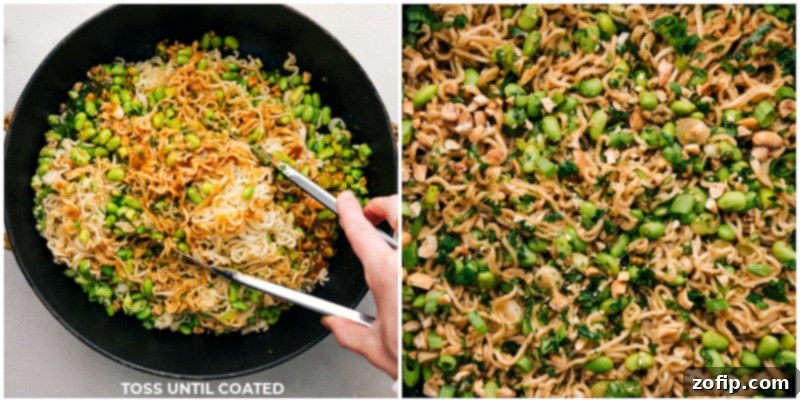
- Mix Ingredients Gently for Even Coating: When combining all the ingredients – noodles, edamame, green onions, cilantro, sesame seeds, and the exquisite peanut sauce – do so with a gentle hand. Overly vigorous mixing can break the delicate ramen strands or mash the edamame. Using a pair of kitchen tongs is highly recommended as it allows you to gently toss and lift the ingredients, ensuring the sauce is evenly distributed without damaging the noodles.
Adding More Protein To Peanut Butter Ramen for a Heartier Meal
It may come as a pleasant surprise that this Peanut Butter Ramen recipe already offers a remarkably rounded nutritional profile, even before considering any additional protein sources! It thoughtfully combines complex carbohydrates from the ramen noodles, robust plant-based protein from both the edamame and the peanut butter, and healthy fats primarily from the sesame oil and peanuts (if added). This thoughtful balance ensures that each serving provides a good mix of essential macro and micronutrients, contributing to sustained energy and leaving you feeling genuinely satisfied.
Edamame, in particular, stands out as an exceptional source of plant-based protein. A single cup of cooked edamame delivers approximately 18 grams of high-quality protein, making it an invaluable addition for vegetarians and omnivores alike. Beyond protein, edamame is also brimming with dietary fiber, powerful antioxidants, and crucial vitamins and minerals such as folate and vitamin K. Its versatility and nutritional density make it a superb ingredient to incorporate into a wide array of dishes.
Nonetheless, if you’re looking to further boost the protein content of your Peanut Butter Ramen, perhaps to create an even more substantial meal or to cater to specific dietary needs, there are several delicious and easy ways to do so:
- Introduce Tofu: Tofu is a classic and highly adaptable plant-based protein. For this dish, extra-firm or firm tofu works best. Pressing the tofu beforehand helps remove excess water, allowing it to absorb more flavor and achieve a firmer texture. You can then cube it and sauté it in a touch of sesame oil until golden and slightly crispy before adding it to your ramen. It beautifully soaks up the peanut sauce.
- Incorporate Other Legumes: Expand your plant-based protein options by adding other legumes. Chickpeas (garbanzo beans) can be roasted until crispy or simply warmed through and added. Lentils, particularly green or brown varieties, can also provide an excellent protein boost and hearty texture. These can be used in addition to, or even in place of, edamame for a varied nutritional profile.
- Add Lean Meats or Seafood: For those who prefer non-vegetarian options, grilled chicken breast or thighs, or succulent shrimp, are fantastic additions. Both cook relatively quickly and complement the flavors of the peanut sauce wonderfully. Remember to cook your chosen meat or seafood separately until fully done before gently folding it into the prepared noodles and sauce to ensure proper cooking and maintain texture. Thinly sliced beef or pork could also work well if seared quickly.
- Include Eggs: A soft-boiled egg, cut in half, or a fried egg with a runny yolk, makes for a classic and delicious ramen topping. It adds rich flavor and a significant protein boost.
Customization & Serving Suggestions for Your Peanut Butter Ramen
One of the joys of this Peanut Butter Ramen recipe is its incredible versatility. Feel free to make it your own with these creative ideas:
- Add More Vegetables: Enhance the nutritional value and crunch with thinly sliced bell peppers, shredded carrots, bok choy, mushrooms, or spinach. Stir-fry harder vegetables briefly before adding, or simply toss tender greens with the warm noodles to wilt.
- Spice It Up (or Down): If you crave more heat, increase the sriracha or add a pinch of red pepper flakes. For a milder version, reduce the sriracha or omit it entirely. A dash of chili oil at the end can also add a smoky, spicy depth.
- Citrus Brightness: A squeeze of fresh lime juice just before serving can add a wonderful zesty brightness that complements the peanut sauce beautifully.
- Different Noodles: While ramen is quick, you can also use other noodle types like udon, soba, or even linguine for a different texture.
- Serving: This Peanut Butter Ramen is a complete meal on its own. However, for a more elaborate dinner, consider serving it alongside light appetizers like fresh spring rolls, a crisp cucumber salad, or steamed dumplings.
Storage and Reheating Tips
This Peanut Butter Ramen is best enjoyed fresh, but leftovers are still delicious! Store any leftover Peanut Butter Ramen in an airtight container in the refrigerator for up to 3 days. When reheating, gently warm it in a microwave or on the stovetop over low heat. The sauce might thicken in the fridge, so add a splash of water or vegetable broth during reheating to loosen it up and restore its creamy consistency. Stir well to re-distribute the sauce and flavors.
Explore More Easy Ramen Noodle Recipes:
If you’ve fallen in love with the convenience and versatility of ramen noodles as a base for quick meals, you’ll want to try these other fantastic recipes:
- Chicken Ramen Noodles with savory chicken and tender broccoli
- Fried Cabbage Ramen a delightful combination with crispy bacon and Parmesan cheese
- General Tso Ramen featuring classic General Tso flavors with fresh bok choy
- Ground Beef Ramen a hearty and comforting dish with broccoli and carrots
- Beef and Broccoli Ramen a quick skillet meal with a rich, delicious sauce!
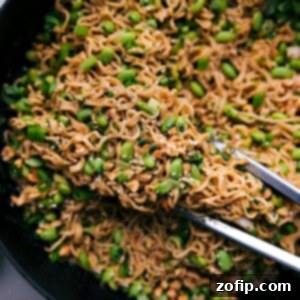
Peanut Butter Ramen
Chelsea Lords
15
5
20
4
servings
Equipment
- Medium pot
Ingredients
- 5 (3-ounce) packets instant ramen noodles 15 ounces total, see note 1
- 2 cups shelled edamame or frozen peas or skip addition entirely, see note 2
- 2 teaspoons salt
- 1 bunch green onions divided
- 1/4 cup finely chopped cilantro optional
- 4 teaspoons sesame seeds
- Handful of coarsely chopped dry-roasted peanuts optional
- 3 tablespoons natural creamy peanut butter
- 2-1/2 tablespoons soy sauce not lite!
- 1-1/2 tablespoons rice vinegar
- 2 tablespoons toasted sesame oil
- 2 teaspoons ginger paste see note 3
- 2 teaspoons garlic paste or minced garlic
- 2 teaspoons light brown sugar
- 2 teaspoons Sriracha see note 4
Instructions
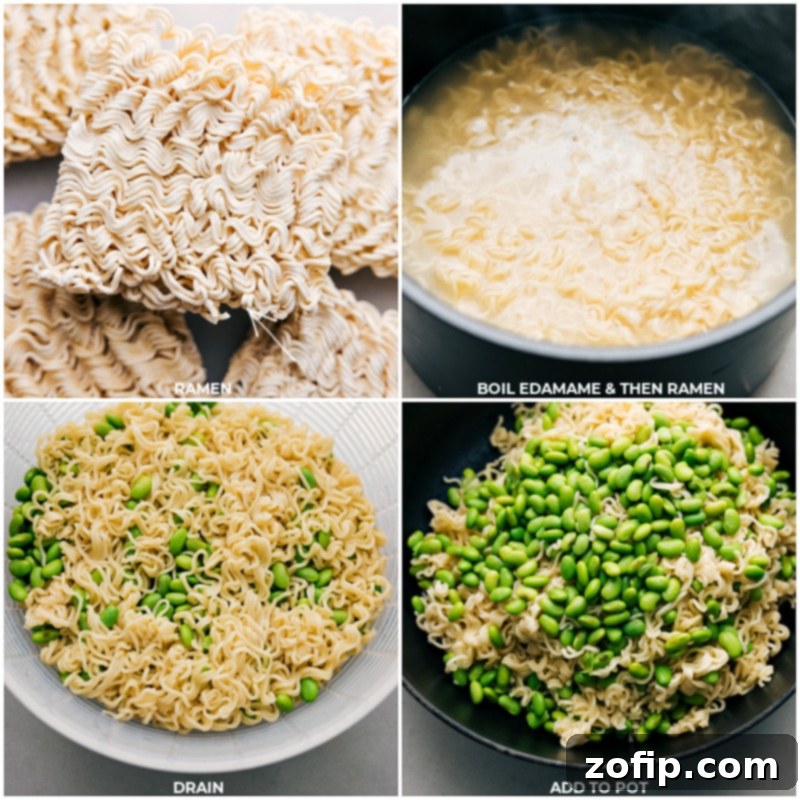
- Bring 12 cups of water to a rolling boil in your medium pot and mix in the salt. Add the edamame. The exact cooking time for edamame may vary depending on the brand, but it’s typically around 4–5 minutes. Considering this, add the ramen noodles to the boiling water during the last 2 and 1/2 minutes of the edamame’s cook time. This means cooking the ramen for about 30 seconds less than what the ramen package usually instructs. Once cooked, drain everything thoroughly and rinse quickly under cold water to prevent the noodles from sticking together.
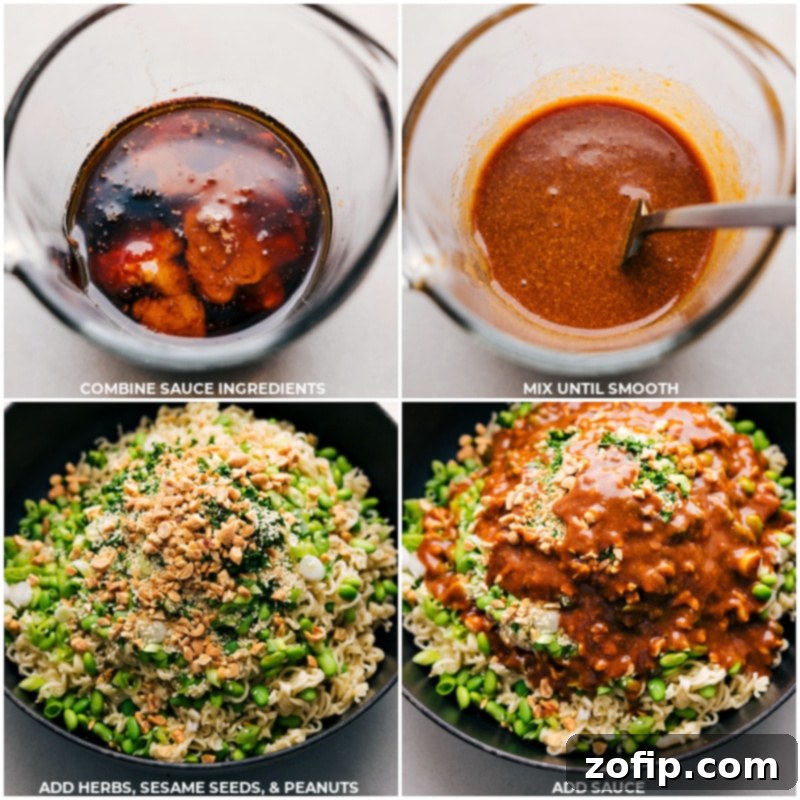
- In a glass liquid measuring cup or small bowl, combine all the sauce ingredients: natural creamy peanut butter, soy sauce, rice vinegar, toasted sesame oil, ginger paste, garlic paste, light brown sugar, and sriracha. Whisk vigorously until the mixture is completely smooth and well-combined. Meanwhile, thinly slice the green onions until you have approximately 2/3 cup, setting aside a small amount for garnishing. If using, finely chop the cilantro.
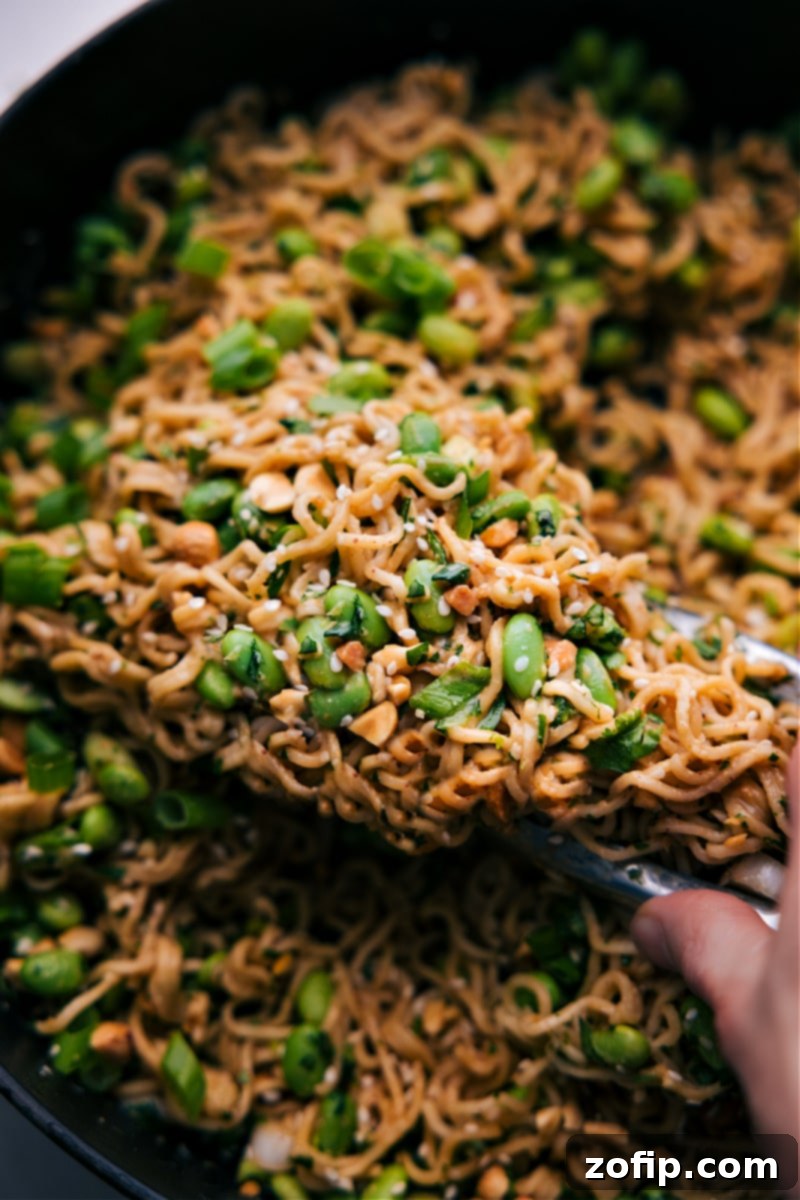
- Transfer the drained and rinsed noodles and edamame to a large mixing bowl. Add the sliced green onions (reserving some for garnish), chopped cilantro (if using), and sesame seeds. Pour the prepared peanut sauce generously over all the ingredients. Using tongs, gently toss everything together until the noodles and edamame are evenly coated in the rich, creamy sauce. Serve immediately, garnishing with the reserved green onions and coarsely chopped peanuts (if desired) for extra crunch and freshness.
Recipe Notes
Note 2: Edamame is available fresh or frozen. Frozen shelled soybeans are a convenient choice as they require no thawing or extra preparation. If edamame is unavailable, frozen peas make an excellent substitute, providing similar color and a mild sweetness. The dish will still be delicious even if you choose to omit them entirely.
Note 3: For maximum ease, we recommend using refrigerated ginger paste and garlic paste. These ensure an even distribution of flavor without the need for mincing. As an alternative, Dorot’s® garlic and ginger cubes (found in the freezer section) are incredibly convenient. If using fresh ginger and garlic, mince them very finely for the best texture and flavor dispersion.
Note 4: The amount of sriracha can be adjusted to match your preferred level of heat. However, sriracha also contributes significantly to the overall flavor complexity, so reducing it too much might slightly diminish the sauce’s depth.
Leftovers: Store any leftover Peanut Butter Ramen in an airtight container in the refrigerator for up to 3 days. When reheating, gently warm it in the microwave or on the stovetop. If the sauce has thickened, add a splash of water or vegetable broth to thin it out to your desired consistency before serving.
Nutrition
Nutrition information is automatically calculated, so should only be used as an approximation.
Like this? Leave a comment below!