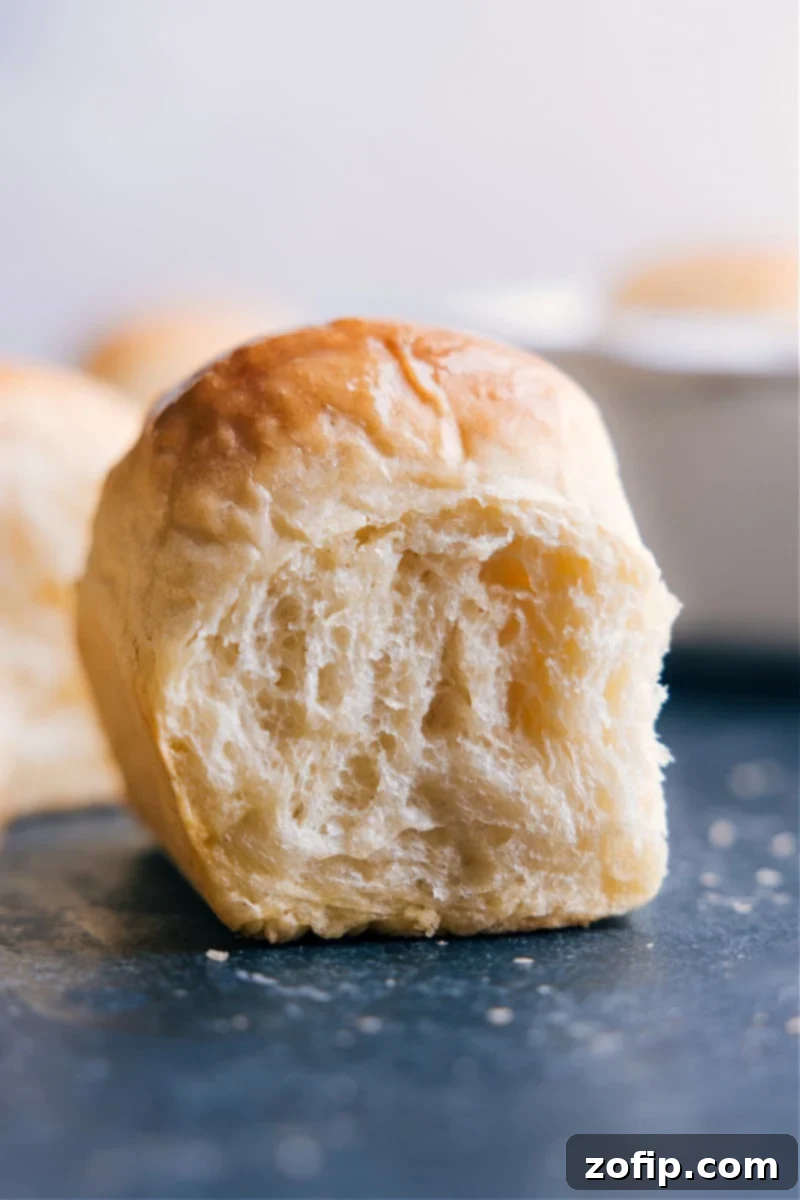
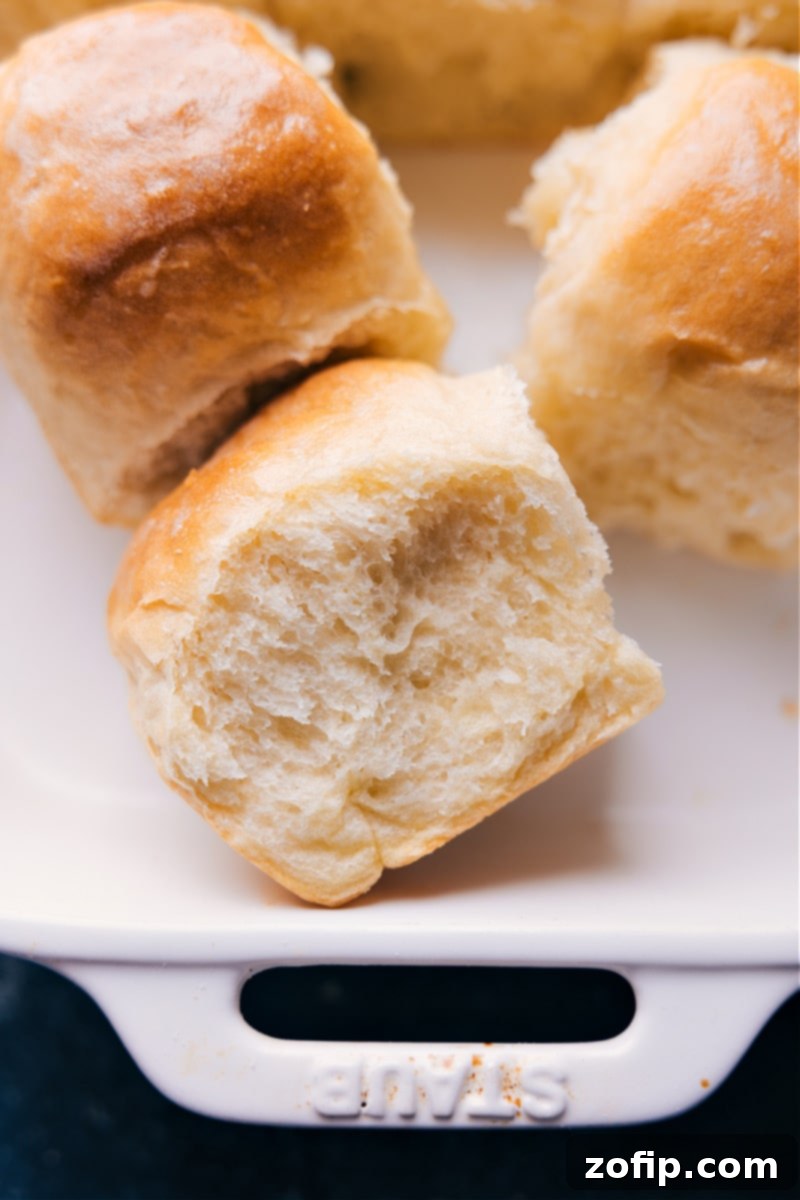
Welcome to the only recipe you’ll ever need for perfectly fluffy, soft, and utterly irresistible dinner rolls! Say goodbye to tedious kneading, bulky stand mixers, and complicated steps. This “Life-Changing No-Knead Dinner Rolls” recipe simplifies homemade bread-making, proving that incredible results are just a few stirs away.
Imagine rolls that rise high, boasting a tender, cloud-like interior and a delicately crisp, golden-brown crust. They’re not just rolls; they’re a revelation, transforming your meal from ordinary to extraordinary. Whether you’re a seasoned baker or taking your first foray into bread, this guide will walk you through every step, sharing all the essential tips and tricks for guaranteed success.
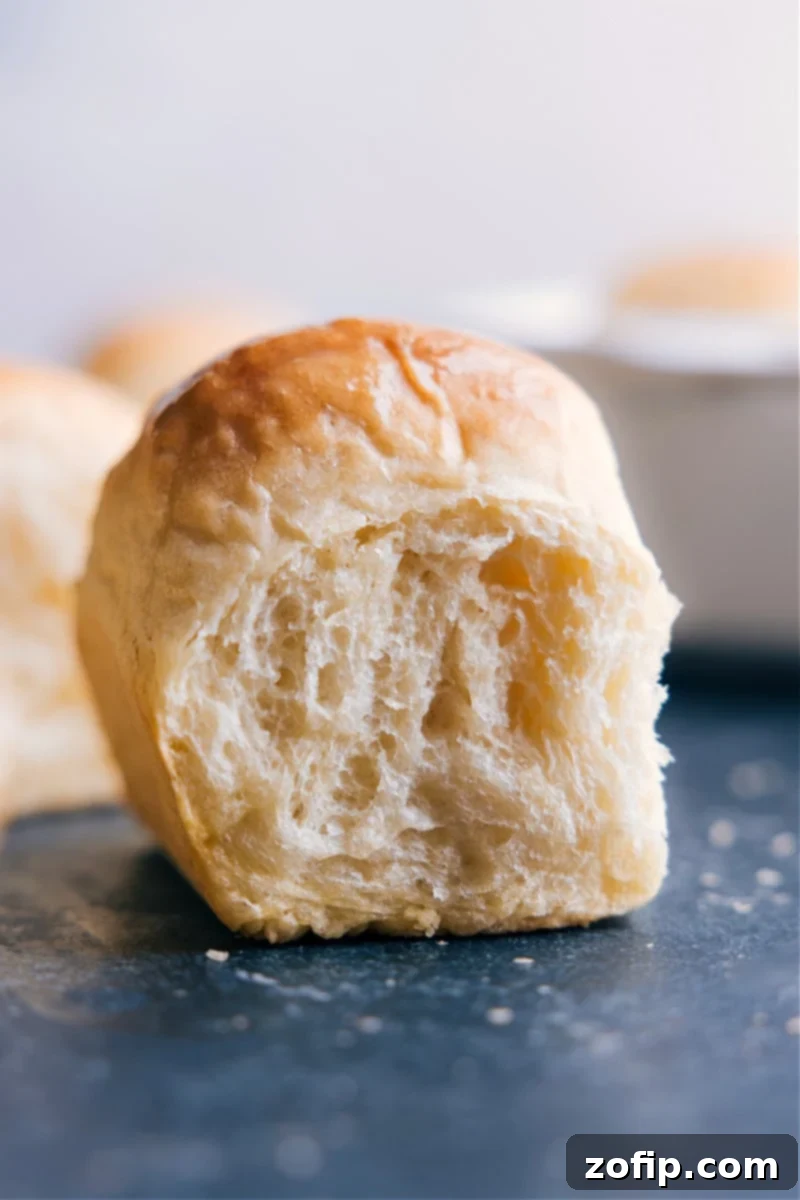
Why These No-Knead Dinner Rolls Will Transform Your Kitchen
If you’ve been searching for the ultimate dinner roll recipe, look no further. These aren’t just good; they are, quite simply, the best dinner rolls you’ll ever bake. Each roll is generously sized, incredibly soft, rich with buttery flavor, and absolutely divine when served warm from the oven. Pair them with a dollop of homemade honey butter, sweet apple butter, or your favorite jam, and prepare for a truly memorable culinary experience.
Beyond their incredible taste and texture, what truly sets these rolls apart is their remarkable simplicity. Inspired by our wildly popular No-Knead Bread recipe, we’ve adapted the method to create equally effortless rolls. This recipe is a consistent favorite in our household because it removes all the common barriers to homemade bread, making it accessible and enjoyable for everyone. It’s the perfect solution for busy weeknights, holiday gatherings, or any time you crave fresh, warm bread without the fuss.
The Magic Behind Our Effortless Dinner Rolls:
- Minimal Ingredients: You only need 7 basic ingredients, likely already in your pantry.
- No Specialized Equipment: Forget about expensive stand mixers or hand mixers. A simple spatula is all you need!
- Hand-Mixed Dough: The dough comes together quickly and easily by hand, no strenuous kneading required.
- Flexible Schedule: These rolls can be prepared and baked on the same day for spontaneous cravings, or you can make the dough ahead of time for ultimate convenience.
- Guaranteed Success: With our detailed instructions and expert tips, even novice bakers can achieve bakery-quality results.
We are confident that these rolls will become a staple in your home, just as they have in ours. Get ready to impress your family and friends with minimal effort!
Your Easy Guide to Making Perfect Dinner Rolls
Making these sensational dinner rolls is a straightforward process that anyone can master. Follow these simple steps to bring warm, homemade goodness to your table:
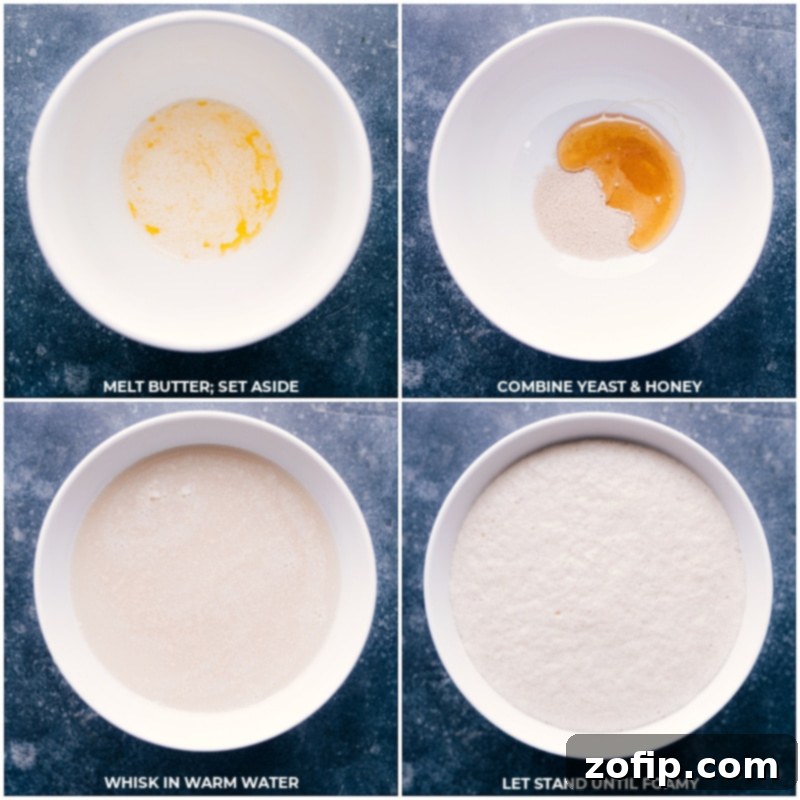
- Activate the Yeast: In a medium bowl, gently combine warm water with yeast and a touch of honey. This crucial step is known as “proofing the yeast.” Allow the mixture to rest for 5-10 minutes. You’ll know it’s ready when a light, foamy layer appears on the surface, indicating active and healthy yeast.
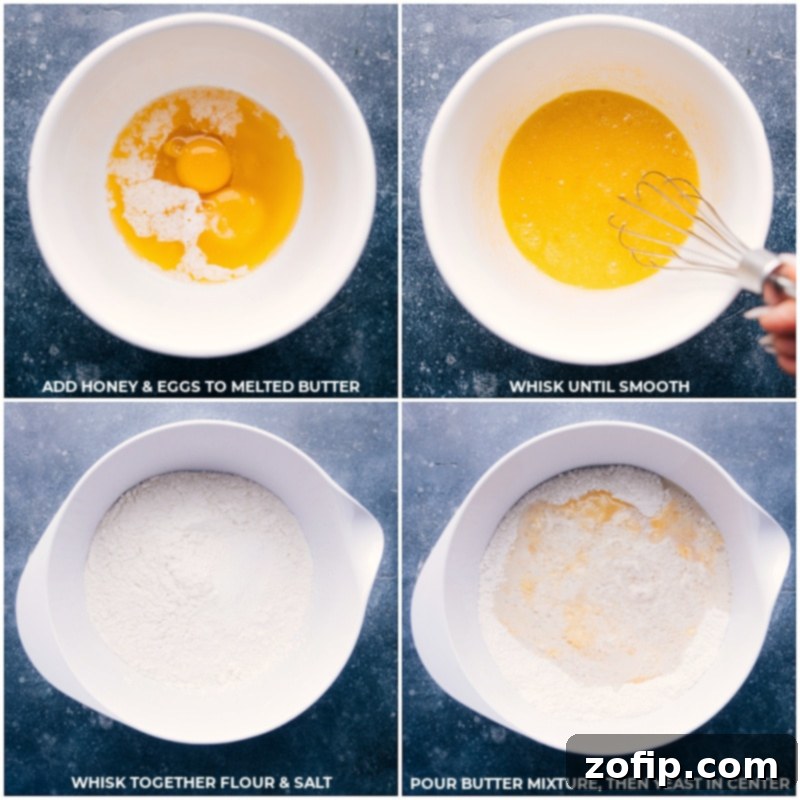
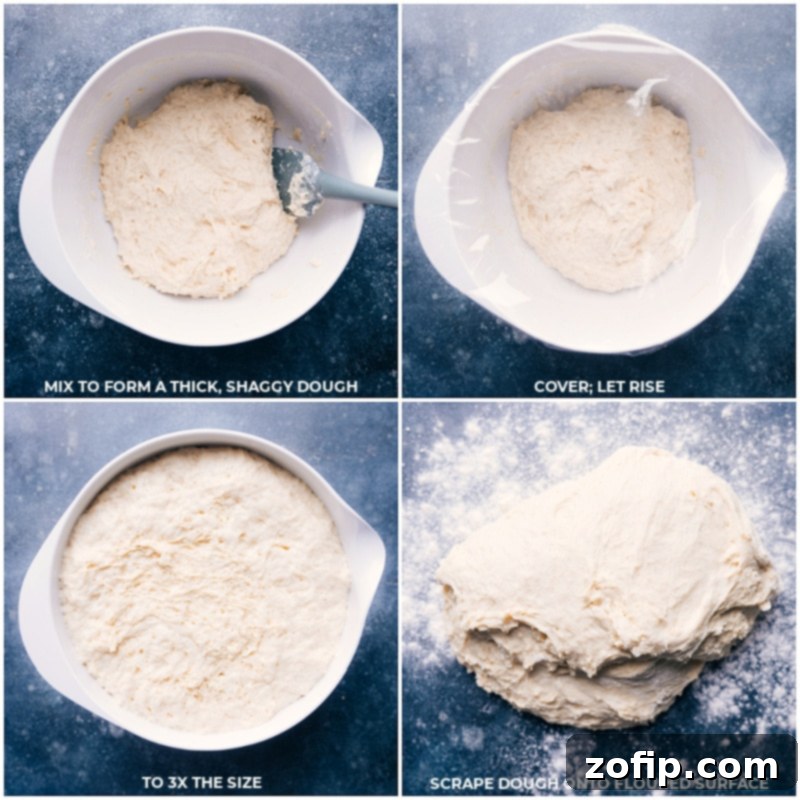
- Combine Wet and Dry Ingredients: In a separate bowl, whisk together the melted butter, eggs, and the remaining honey until smooth. In a large mixing bowl, whisk your all-purpose flour and salt. Create a well in the center of the flour mixture, then pour in both the butter-egg mixture and the foamy yeast mixture. Using a sturdy rubber spatula, gently stir everything together until a thick, somewhat shaggy dough forms. The beauty of this recipe is that no intensive kneading is needed; simply mix until all the flour is incorporated and there are no dry streaks.
- First Rise (Bulk Fermentation): Cover your bowl of dough tightly with plastic wrap or a clean kitchen towel. Place it in a warm, draft-free spot. Let the dough rise for 1½ to 2 hours, or until it has visibly doubled (or nearly tripled) in size. This first rise allows the flavors to develop and the gluten to relax, contributing to the rolls’ incredible texture.
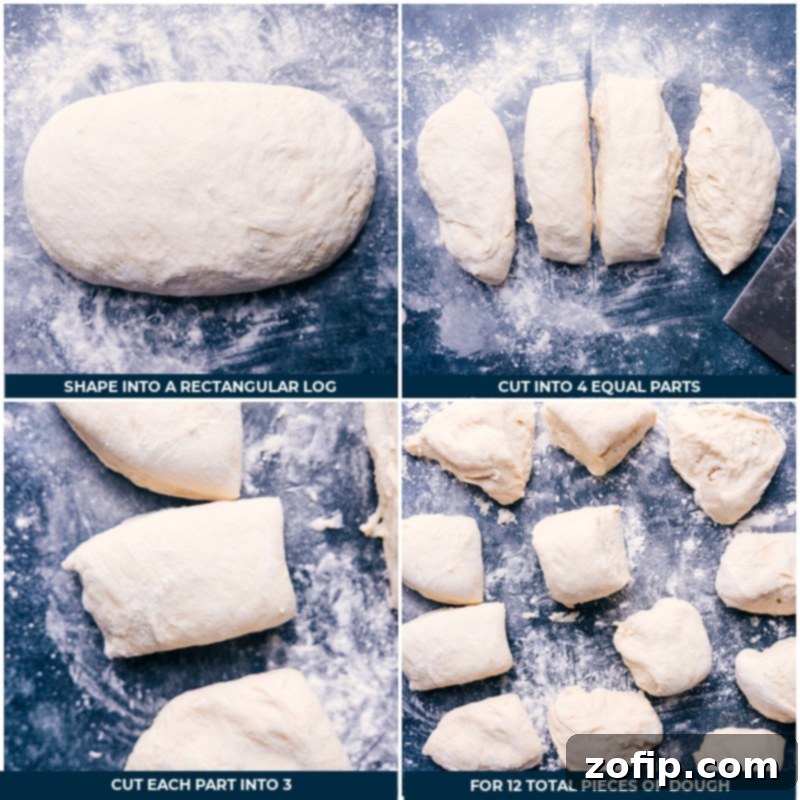
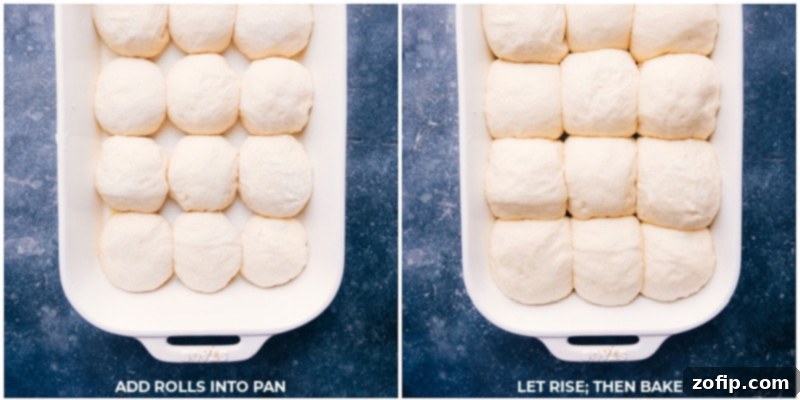
- Shape the Rolls: Once the dough has completed its first rise, gently turn it out onto a lightly floured surface. Shape it into a rectangular log and divide it into 12 equal pieces. For beautifully round rolls, take each piece, pull the edges from the top down towards the bottom, and pinch them together underneath to create a smooth, taut surface on top. Place these neatly shaped dough balls into a greased 9×13-inch baking pan. Cover them again with lightly greased plastic wrap and let them rise for a second time for 30-45 minutes, or until they have nearly doubled in size.
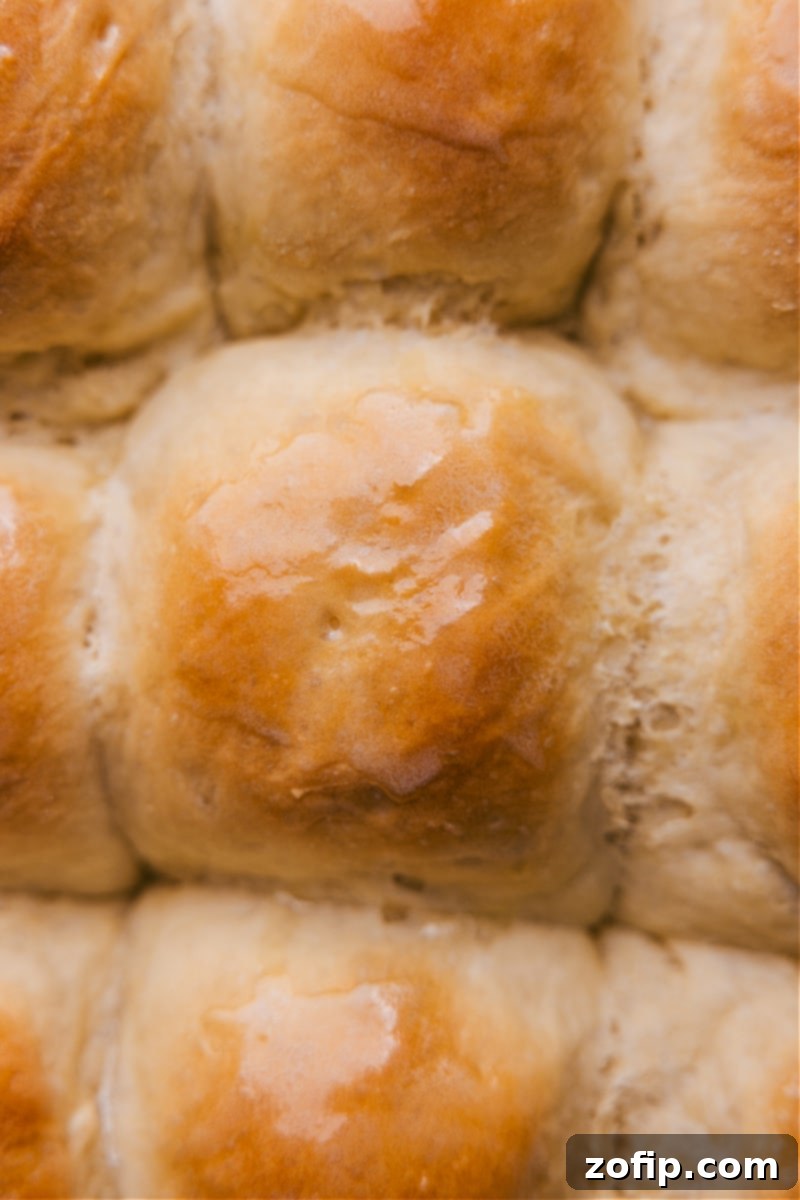
- Bake to Golden Perfection: While your rolls are enjoying their second rise, preheat your oven to 350°F (175°C). Once risen, remove the plastic wrap and bake the rolls until they are beautifully golden brown on top and sound hollow when tapped. Immediately after removing them from the oven, brush the tops with a little extra melted butter for an irresistible sheen and added flavor. Serve warm and enjoy!
Quick Tip: Understanding Yeast Proofing
The term “proofing” yeast often sounds intimidating, but it’s quite simple. When you mix yeast with warm water and a little sugar (in this case, honey), you’re essentially giving it a test. If the yeast is alive and active, it will “proof” itself by becoming foamy and bubbly. This visual confirmation assures you that your yeast is ready to work its magic, ensuring your rolls will rise beautifully and achieve that desired light, airy texture.
Expert Tips for Perfect No-Knead Dinner Rolls Every Time
Achieving bakery-quality dinner rolls at home is easier than you think, especially with a few insider tips:
- Check Your Yeast’s Vitality: The foamy appearance after proofing is non-negotiable. If your yeast mixture doesn’t become bubbly, it could be expired, or your water might have been too hot (killing the yeast) or too cold (inhibiting activation). Don’t proceed with inactive yeast; start over with fresh yeast and properly tempered water to avoid dense, flat rolls.
- Optimize Rising Conditions: Yeast thrives in warmth. To encourage a faster rise, place your covered dough in a warm spot. This could be near a fireplace on low heat, in a slightly warmed (to about 170°F/75°C then turned off) and then cooled oven, or even on top of your refrigerator. Aim for an ambient temperature around 70°F (21°C). Too hot will kill the yeast, and too cold will significantly slow down the rising process.
- Precise Flour Measurement: While this is a no-knead recipe, too much flour can still lead to a tough dough. The best way to measure flour is using a kitchen scale for accuracy. If you don’t have one, lightly spoon flour into your measuring cup and then level it off with a straight edge, rather than scooping directly from the bag, which can compact the flour.
- Mastering Roll Shaping: The technique for shaping rolls is key to their smooth, round appearance. After dividing the dough, gently pull the top edges of each piece downwards, tucking and pinching them together underneath the dough ball. This creates tension on the surface, resulting in a perfectly smooth, round roll that bakes beautifully.
- Don’t Rush the Second Rise: The second rise is just as important as the first. It gives the rolls their final volume and contributes to their light, airy texture. Ensure they have nearly doubled in size before baking. If your kitchen is cool, this might take a bit longer.
Creative Variations to Elevate Your Dinner Rolls
While delicious as is, these honey-kissed rolls offer a wonderful canvas for culinary creativity. Their inherent light sweetness makes them delightful with sweet accompaniments like jam. For those who prefer an even sweeter treat, consider incorporating a few tablespoons of white granulated sugar into the flour mixture during the initial mixing stage. But don’t stop there!
- Garlic Herb Rolls: Mix in 1-2 teaspoons of dried garlic powder and 1 tablespoon of finely chopped fresh rosemary or chives with the flour. After baking, brush with melted garlic butter and sprinkle with flaky sea salt.
- Cheesy Rolls: Fold in ½ cup of shredded cheddar or Parmesan cheese when forming the dough balls. A sprinkle of cheese on top before the second rise also adds a lovely crust.
- Whole Wheat Blend: For a slightly heartier roll, substitute up to 1 cup of the all-purpose flour with whole wheat flour. This will result in a denser texture but adds a wonderful nutty flavor and increased fiber.
- Sweet Potato Rolls: Incorporate ½ cup of mashed cooked sweet potato into the wet ingredients for a beautiful color, subtle sweetness, and incredibly moist texture. You might need to adjust flour slightly.
Dinner Rolls FAQs: Your Questions Answered
Dinner rolls are small, individual portions of bread traditionally served as an accompaniment to meals. Their primary purpose is to complement the main course, providing a delicious vehicle for soaking up sauces, spreading butter or jam, and offering a comforting, satisfying element to the dining experience. They are designed for easy sharing and often signal a more complete and welcoming meal.
While the world of bread is vast and varied, dinner rolls typically distinguish themselves by their specific characteristics. They come in many forms—from rustic, crusty variations to dense, chewy versions, and those made with specialty flours. However, the most classic dinner rolls, like those in this recipe, are renowned for being puffy and airy, with a wonderfully soft interior, a delicate and tender crust, and often a subtle, appealing buttery flavor. They are typically made with white all-purpose flour, contributing to their light texture and popular appeal.
Several common issues can prevent your dinner rolls from achieving that coveted light and fluffy texture:
- Inactive Yeast: The most frequent culprit is yeast that isn’t active or has expired. Always proof your yeast to ensure it’s alive and ready to make your dough rise.
- Too Much Flour: Over-measuring flour is another common mistake. Excess flour results in a stiff, dry dough that struggles to rise and will yield dense, tough rolls. Accurately measuring, preferably by weight, is key.
- Insufficient Proofing (Rising) Time: Rushing the rising process will result in underdeveloped gluten and less aeration. Allow your dough ample time to double or triple in size during both the first and second rises for maximum fluffiness.
- Incorrect Water Temperature: Water that is too hot can kill the yeast, while water that is too cold won’t activate it effectively. Aim for water around 105-115°F (40-46°C).
Elevating your dinner rolls is easy and adds a delightful touch to any meal. Here are some ideas:
- Herbed Butter: Brush baked rolls with melted butter infused with finely chopped fresh herbs like thyme, parsley, oregano, or rosemary.
- Gourmet Butter & Jam Bar: Offer a selection of high-quality compound butters (e.g., honey butter, garlic herb butter) and artisanal jams alongside your rolls for guests to customize their experience.
- Flaky Sea Salt Finish: For a simple yet elegant upgrade, brush warm rolls with melted butter and sprinkle generously with flaky sea salt. The textural contrast and burst of salinity are exquisite.
- Sweet Glaze: For a dessert-like roll, whisk powdered sugar with a tiny bit of milk or lemon juice to create a thin glaze, drizzling it over warm rolls.
- Everything Bagel Seasoning: For a savory kick, brush rolls with an egg wash before baking and sprinkle with everything bagel seasoning.
Perfect Pairings: What to Serve with Your Dinner Rolls
These soft, fluffy dinner rolls are incredibly versatile and make a fantastic accompaniment to a wide array of dishes. Their tender crumb is perfect for dunking, sopping up rich sauces, or simply enjoying as a comforting side.
- Hearty Main Courses: They are an ideal companion for robust, flavorful meals. Imagine tearing off a warm roll to enjoy with classics like a savory Shepherd’s Pie, a tender CrockPot Roast with its rich gravy, or a comforting bowl of Spaghetti Bolognese. The rolls provide a wonderful balance to these substantial dishes.
- Comforting Soups and Stews: There’s nothing quite like dipping a warm, buttery roll into a delicious bowl of soup. These rolls are perfect for classic favorites such as creamy Broccoli Cheddar Soup, a wholesome Creamy Vegetable Soup, or a hearty Tortellini Soup. They soak up the flavorful broth beautifully.
- Holiday Feasts: These easy no-knead dinner rolls are an absolute must-have for any festive gathering. Their homemade touch makes them particularly special for major holiday dinners like Easter, Thanksgiving, and Christmas, where they reliably disappear quickly from the table.
- Breakfast or Brunch: Don’t limit them to dinner! These lightly sweet rolls are fantastic split and toasted, served with extra honey, jam, or even a savory egg dish for a delightful breakfast or brunch.
Storing and Reheating Your Homemade Dinner Rolls
While these rolls are truly exceptional when enjoyed fresh from the oven, proper storage can help maintain their deliciousness for a little longer. Knowing how to store and reheat them ensures you can savor their goodness beyond the first serving.
- Immediate Enjoyment: For the absolute best experience, aim to enjoy these rolls on the same day they are baked. Their peak freshness, softness, and crisp edges are most pronounced then.
- Room Temperature Storage: If you have leftovers, allow the rolls to cool completely on a wire rack for at least an hour. This prevents condensation which can make them soggy. Once cooled, store them in an airtight container or bag at room temperature. Avoid refrigerating bread, as the cool temperatures can actually accelerate staling, making them dry and firm more quickly. They will generally stay good for 1-2 days at room temperature.
- Freezing for Longer Preservation: To extend their shelf life significantly, freezing is an excellent option. Once the rolls are completely cooled, wrap each roll individually in aluminum foil, then place the wrapped rolls into a heavy-duty freezer bag. This double layer of protection helps prevent freezer burn. They can be frozen for up to 2-3 months.
- Thawing and Reheating: When you’re ready to enjoy frozen rolls, simply take them out of the freezer and let them thaw overnight at room temperature while still wrapped in foil. To reheat, leave them wrapped in foil and warm them in a preheated oven at 300°F (150°C) for about 10-15 minutes, or until heated through. This method helps them retain their moisture and prevents them from drying out.
Important Note: It’s worth remembering that frozen or day-old rolls may lose a small degree of their initial fresh-baked texture and flavor. However, reheating them properly will still yield wonderfully warm and comforting results.
Pro Tip: Watch the Video Tutorial!
Even though this no-knead dinner roll recipe is remarkably simple, watching the quick video tutorial can provide invaluable visual guidance. Seeing the dough consistency, the shaping technique, and the rise progression in action can make all the difference, especially for first-time bakers. We highly recommend watching the video and reading through the entire recipe before you begin your baking adventure for the smoothest experience!
Explore More Effortless Bread Recipes
If you’ve fallen in love with the ease and deliciousness of these no-knead dinner rolls, you’re in for a treat! Our collection features more simple bread recipes designed to bring the joy of homemade baking into your kitchen without the stress:
- Hawaiian Roll Cinnamon Rolls: A delightful shortcut to cinnamon rolls using pre-made packaged rolls – minimal effort, maximum flavor!
- No-Knead Focaccia: Achieve a beautifully airy and flavorful focaccia with a perfectly crisp crust, all without any kneading.
- Artisan-Style Herb Bread: An overnight recipe that yields a rustic, crusty, and incredibly aromatic bread with minimal hands-on time.
- Classic French Bread: Master the art of a crusty exterior and a soft, chewy interior with our straightforward French bread recipe.
- Easy Cinnamon Roll Recipe: Indulge in warm, gooey cinnamon rolls with this incredibly simple, no-knead method that promises perfect results every time.
Pin
Life-Changing No-Knead Dinner Rolls
Chelsea Lords
15 minutes
45 minutes
2 hours
3 hours
12 rolls
Video Tutorial
For visual guidance on making these rolls, you can view the video tutorial here. (Note: Original interactive player removed for static HTML output.)
Equipment
- 9 x 13-inch baking pan (ceramic recommended for even baking)
Ingredients
- 5 tablespoons unsalted butter divided
- 3 teaspoons instant yeast (or active dry yeast, see note 1 below)
- 3 tablespoons honey divided
- 1-1/2 cups water warm (approx. 110℉ / 43°C)
- 2 large eggs
- 4-1/2 cups all-purpose flour plus more for shaping rolls
- 2 teaspoons salt
Instructions
- In a microwave-safe bowl, melt 4 tablespoons of the unsalted butter. Set it aside to cool to room temperature while you prepare the other ingredients.
- In a medium bowl, combine the instant yeast, 1 tablespoon of honey, and the warm water (see note 2 below for temperature guidance). Whisk these ingredients gently and allow the mixture to sit undisturbed for 5 minutes, or until it develops a creamy/foamy appearance on the surface. If it doesn’t foam, your yeast may be inactive or the water temperature was incorrect, and you’ll need to start this step over.
- To the bowl with the cooled melted butter, add the remaining 2 tablespoons of honey and the 2 large eggs. Whisk these wet ingredients thoroughly until the mixture is smooth and well combined.
- In a large mixing bowl, whisk together the all-purpose flour and salt. Create a well in the center of the dry ingredients. Pour in the butter-egg mixture and then the foamy yeast mixture. Using a strong rubber spatula, stir the ingredients until a thick, shaggy dough forms. Ensure there are no dry streaks of flour remaining at the bottom of the bowl. This dough requires no traditional kneading. Cover the bowl tightly with plastic wrap.
- First Rise (Bulk Fermentation):
For Same-Day Rolls: Place the covered dough in a warm, draft-free environment (ideally around 70°F or 21°C) for 90 to 120 minutes, or until the dough has nearly tripled in size. This usually takes about 90 minutes.
For Overnight (Make-Ahead) Rolls: Allow the dough to rise at room temperature for an initial 30 minutes. After this brief rise, transfer the covered bowl to the refrigerator and chill for 8 to 12 hours. Before shaping, remove the dough from the refrigerator and let it stand at room temperature for approximately 30 minutes, or until it has visibly tripled in size.
- Shape the Rolls: Generously spray a 9×13-inch baking pan with cooking spray. Lightly flour a clean work surface and your hands to prevent sticking. Using a flour-dusted spatula, scrape the dough out onto the floured surface. Gently shape the dough into a rectangular log. Cut this log into 4 equal pieces, then cut each of those pieces into 3 more, resulting in 12 dough balls in total. Dust with additional flour as needed to keep the dough manageable.
To shape each piece into a smooth ball, gently pull the dough from the top towards the bottom, pinching the edges firmly underneath to create a taut, smooth surface on top. Place the pinched side down on the work surface and gently roll it into a round ball. Arrange these shaped balls evenly into the prepared pan in 4 rows of 3. Cover the pan loosely with lightly greased plastic wrap.
- Second Rise (Proofing): Allow the shaped rolls to rise for another 20 to 30 minutes (this can extend up to 45 minutes, depending on your environment), or until they have nearly doubled in size and look puffy.
- While the rolls are rising, preheat your oven to 350°F (175°C). Once the rolls have completed their second rise, carefully remove the plastic wrap. Bake for 45 to 50 minutes, or until the tops are a beautiful golden brown and the rolls sound hollow when gently tapped. Immediately upon removal from the oven, brush the tops with the remaining 1 tablespoon of melted butter for a glorious sheen and added richness.
- Let the freshly baked rolls cool slightly in the pan before serving warm. Enjoy!
Recipe Notes
Note 2 – Water Temperature: For optimal yeast activation, the water temperature is crucial. It should feel comfortably warm to the touch, similar to a baby’s bathwater, or between 105-115°F (40-46°C). Test it on your wrist; it should not feel hot or cold.
Storage & Freezing: These rolls are truly at their peak freshness and flavor on the same day they are made. For storing leftovers, ensure they are completely cooled before placing them in an airtight container or bag at room temperature. Avoid refrigeration as it can make bread stale faster. For longer storage, cool rolls completely, wrap them individually in aluminum foil, and then place them in an airtight freezer bag for up to 2-3 months. To thaw, leave wrapped rolls out overnight at room temperature. Reheat in foil at 300°F (150°C) for about 10-15 minutes before serving for best results.
Nutrition Information
Calories: 400kcal |
Carbohydrates: 72g |
Protein: 11g |
Fat: 7g |
Saturated Fat: 3g |
Polyunsaturated Fat: 1g |
Monounsaturated Fat: 2g |
Trans Fat: 0.2g |
Cholesterol: 44mg |
Sodium: 405mg |
Potassium: 148mg |
Fiber: 3g |
Sugar: 3g |
Vitamin A: 191IU |
Vitamin C: 0.01mg |
Calcium: 28mg |
Iron: 4mg
Nutrition information is automatically calculated, so should only be used as an approximation.
Enjoy this recipe? Share your thoughts below!