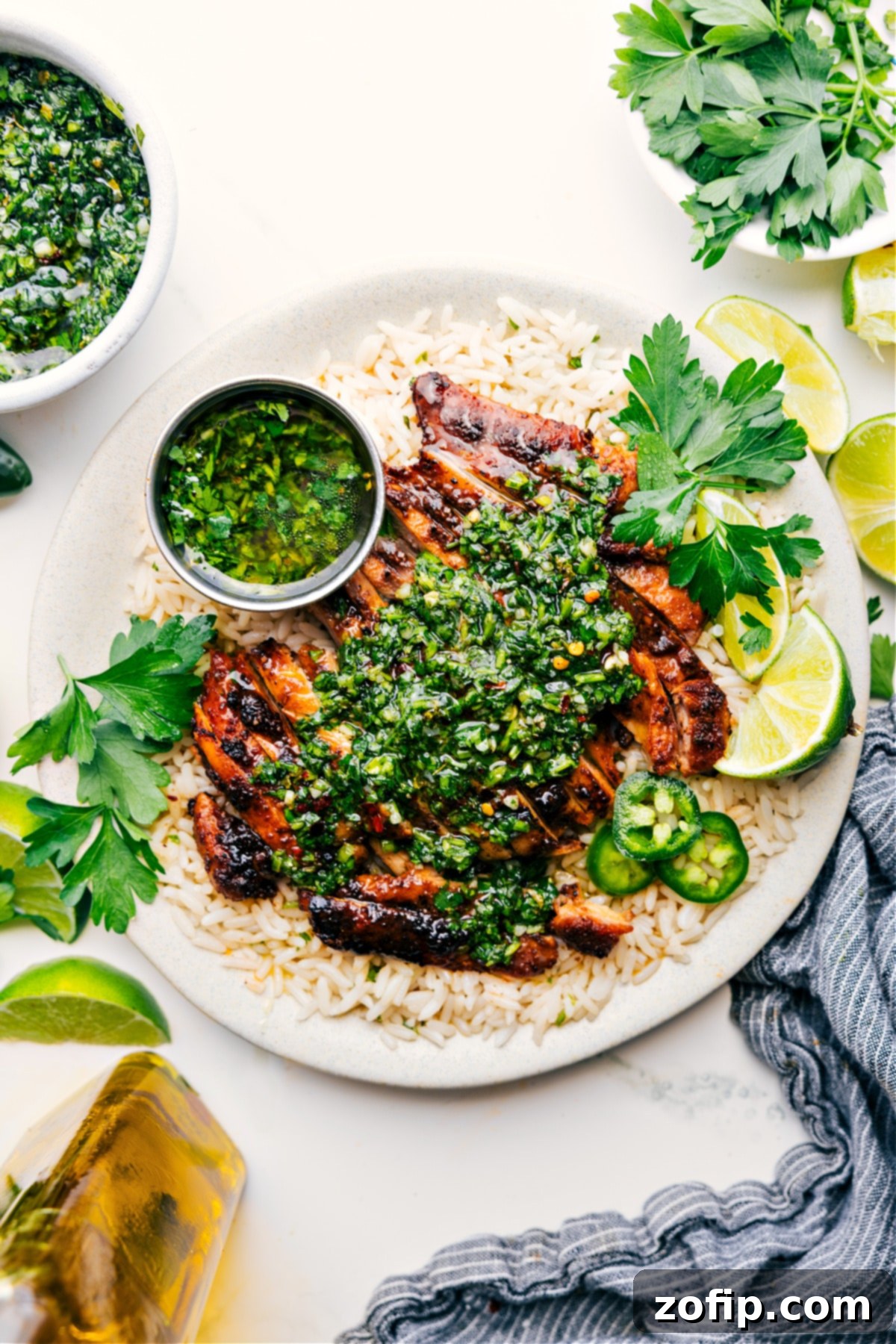
Chimichurri Chicken is the ultimate answer to your weeknight dinner dilemmas. It’s incredibly fast to prepare, simple to cook, and bursting with an explosion of fresh, zesty flavors that will transform your dinner routine. If you’re searching for a healthy, vibrant meal that doesn’t compromise on taste or time, this recipe is about to become your new favorite.
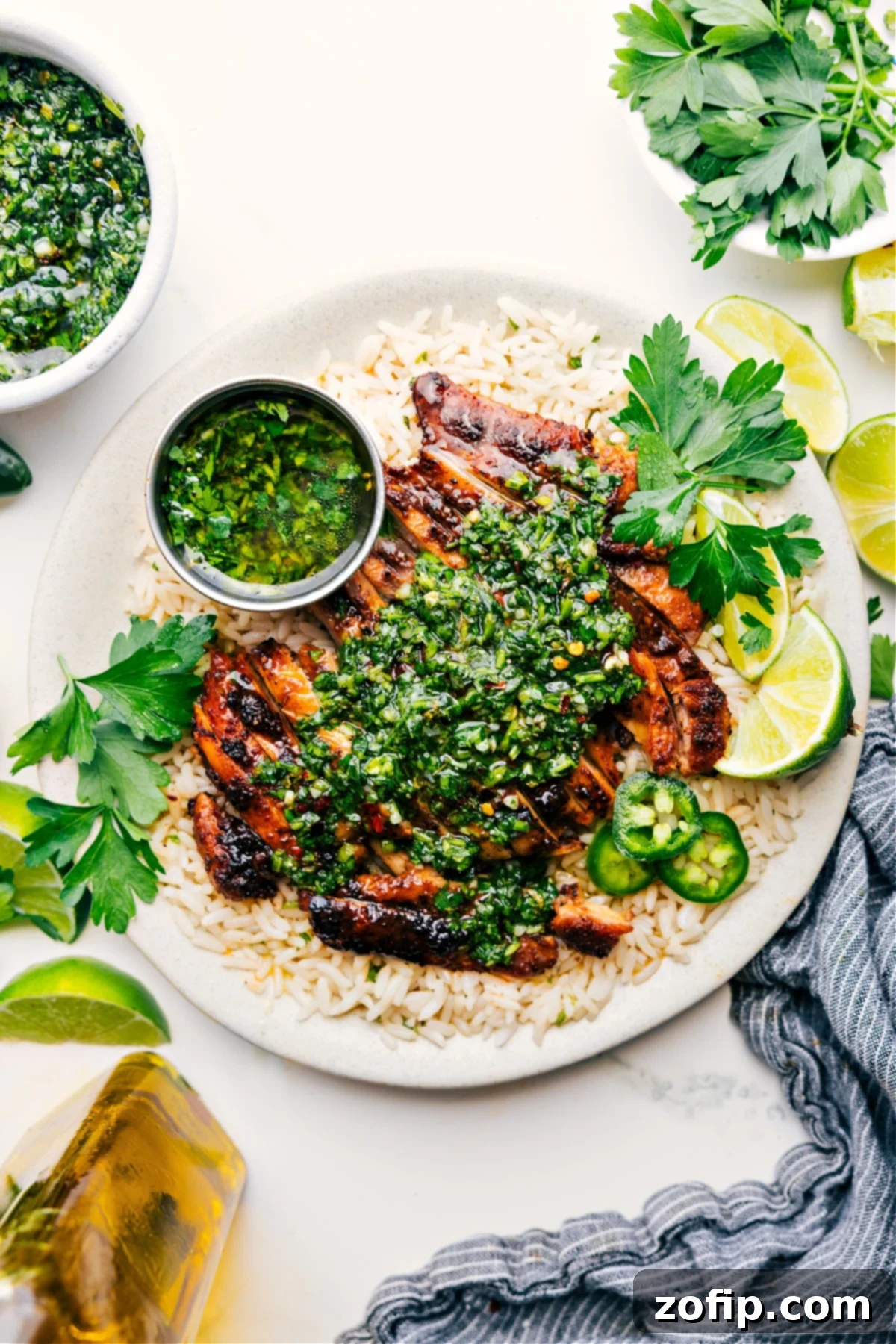

A Personal Note on Sauce Perfection
The Irresistible Green Sauce I Crave on Everything!
As a lifelong enthusiast of flavor-packed sauces, I’m always looking for ways to elevate simple dishes. After more than a decade of crafting and sharing recipes, I’ve curated a list of absolute favorite condiments, and this chimichurri recipe sits proudly at the very top! It’s not just a sauce; it’s a game-changer.
While my version takes a delightful twist on Argentina’s traditional chimichurri verde, it perfectly captures the essence of that iconic herb sauce, adapted to be incredibly approachable and utterly delicious for the home cook. It’s the one I return to time and again for its vibrant taste and remarkable versatility, proving that classic flavors can always be made fresh and exciting.
Nothing enhances the natural flavors of meat quite like this dynamic sauce. I absolutely adore it drizzled over my perfectly baked chicken thighs, which come out incredibly juicy and tender. But rest assured, it works wonders on lean chicken breasts too, adding an unparalleled layer of zest and herbaceousness. And for an unforgettable culinary experience, you simply must try it with grilled flank steak. Trust me, the combination is pure magic and will have you coming back for more!
Why You’ll Fall in Love with This Chimichurri Chicken Recipe
This Chimichurri Chicken recipe isn’t just another meal; it’s a flavor revelation that promises to simplify your cooking while delivering maximum taste. Here’s why it’s destined to become a staple in your kitchen:
- Effortlessly Delicious: With minimal prep and straightforward cooking steps, you can have a gourmet-tasting meal on the table in under an hour. This makes it an ideal solution for busy weeknights when time is precious but you still crave something homemade and special.
- Bursting with Freshness: The star of this dish is undoubtedly the vibrant homemade chimichurri sauce. Packed with fresh herbs, robust garlic, and a tangy kick, it elevates simple chicken to extraordinary heights, infusing every bite with bright, clean flavors.
- Healthy & Wholesome: Lean protein from the chicken, whether thighs or breasts, paired with a nutrient-rich, herb-based sauce, makes for a satisfying and guilt-free dinner option. It’s a meal you can feel good about serving to your family.
- Incredibly Versatile: Not only is the chicken adaptable (easily swap thighs for breasts), but the chimichurri sauce itself is a culinary superstar. It effortlessly enhances everything from grilled meats and roasted vegetables to grains and salads, making it a valuable tool in your kitchen arsenal.
- Customizable Flavor Profile: You have full control over the taste! Easily adjust the spice level by adding more red pepper flakes, dial up the tanginess with extra lime or vinegar, or add a touch more honey for subtle sweetness, all to suit your personal preference.
Essential Ingredients for Your Perfect Chimichurri Chicken
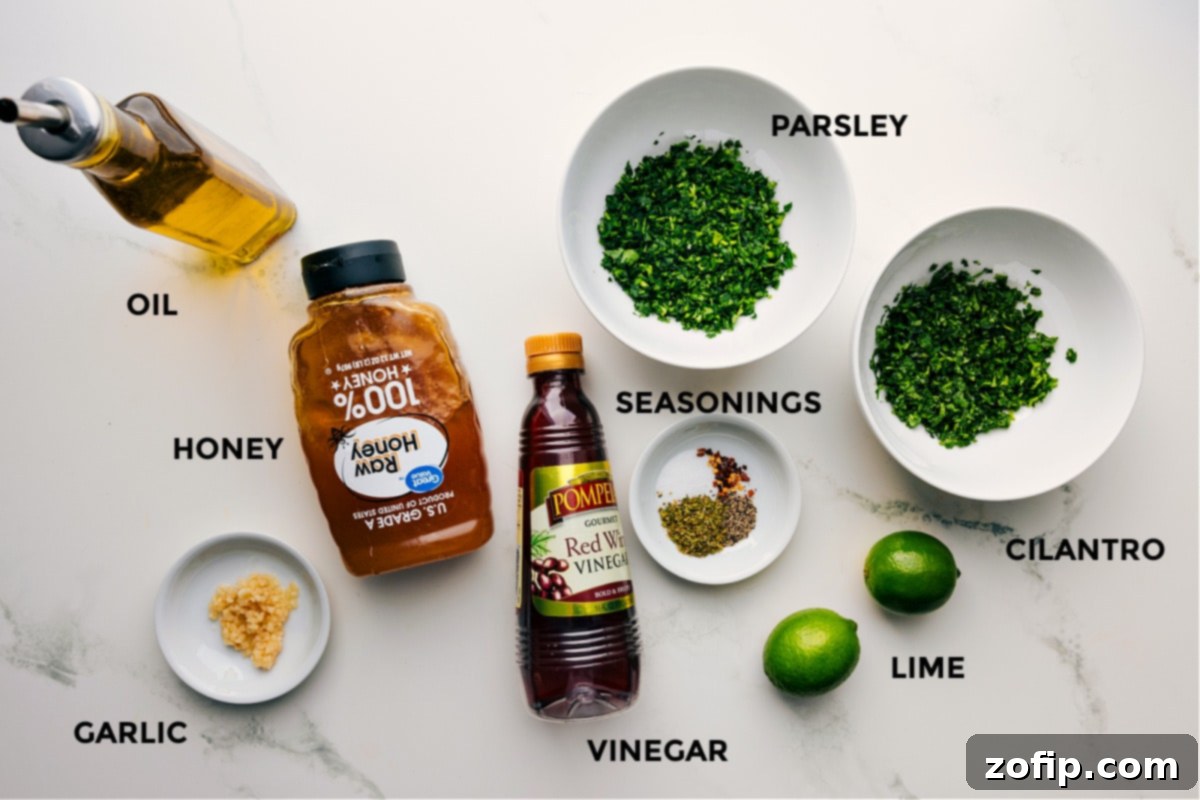
Crafting the perfect Chimichurri Chicken starts with selecting high-quality, fresh ingredients. Each component plays a vital role in achieving that signature vibrant flavor. Here’s a breakdown of what you’ll need and some helpful tips:
- Fresh Cilantro & Flat-Leaf Parsley: These vibrant herbs form the aromatic backbone of your chimichurri sauce. It’s crucial to ensure they are thoroughly washed and then impeccably dried before chopping. Any excess water will dilute the concentrated flavors of the sauce, so take your time with this step. For the most authentic and fresh taste, always opt for fresh herbs here; dried versions simply won’t yield the same results.
- Chicken (Thighs or Breasts): For this recipe, I typically prefer using boneless, skinless chicken thighs. Their inherent juiciness and higher fat content make them incredibly forgiving during cooking, resulting in a more flavorful and tender outcome, especially when baked. However, boneless, skinless chicken breasts are an excellent lean alternative. If choosing breasts, a slightly different cooking method (like quick pan-searing or grilling) and careful attention to thickness will ensure they remain moist and delicious.
- Red Wine Vinegar: This ingredient is key for providing the essential tangy, acidic backbone that brightens all the other flavors in the chimichurri. It cuts through the richness of the chicken beautifully. If red wine vinegar is unavailable, white vinegar can be used in a pinch, but be sure to steer clear of strong, aged vinegars like balsamic, which can easily overpower the delicate herb notes.
- Honey (Optional but Recommended): A small addition of honey perfectly balances the bright acidity from the vinegar and lime, introducing a subtle sweetness that rounds out the entire flavor profile of the sauce. Begin with a minimal amount and adjust according to your personal taste preference for sweetness.
- High-Quality Olive Oil: As a significant component of the chimichurri sauce, the quality of your olive oil truly makes a difference. Invest in a good extra virgin olive oil for the richest, most authentic, and robust flavor. It provides a luxurious base that carries all the herb and spice notes.
- Fresh Garlic: Minced fresh garlic is indispensable for achieving that signature pungent, aromatic depth characteristic of traditional chimichurri. Do not be tempted to substitute with garlic powder; the fresh intensity is crucial.
- Fresh Lime Juice: Freshly squeezed lime juice adds another layer of bright acidity, zest, and a wonderful citrusy aroma. It complements the herbaceousness of the cilantro and parsley beautifully, adding complexity and a refreshing finish.
- Dried Oregano: While fresh herbs dominate, dried oregano contributes a distinct earthy, slightly peppery note that is a traditional element in many chimichurri recipes. Its concentrated flavor adds depth.
- Red Pepper Flakes: For a gentle warmth and a subtle kick, red pepper flakes are often preferred over fresh chili in chimichurri. They infuse the oil with a balanced heat that’s easy to adjust to your desired spice level without overwhelming the other ingredients.
- Salt & Black Pepper: These fundamental seasonings are essential for bringing out and enhancing all the flavors in both the chicken and the chimichurri sauce. Always taste and adjust as needed to achieve perfect seasoning.
The Art of Chimichurri: Hand-Chopped vs. Blended for the Perfect Texture
The method you choose for preparing your chimichurri’s herb base can significantly impact both its texture and flavor, influencing the overall dining experience. Let’s explore the two primary approaches:
Hand-Chopped (My Preferred Method for Ultimate Chimichurri Chicken)
- Rustic, Delightful Texture: This traditional method yields a beautifully chunky, rustic sauce that provides a satisfying bite and visual appeal. The distinct pieces of herbs create a more dynamic mouthfeel.
- Vibrant Color Retention: Hand-chopping helps prevent the delicate herbs from oxidizing too quickly, which keeps them looking brighter and maintaining their vibrant green color longer.
- Ideal for Topping & Tossing: A hand-chopped chimichurri is perfect for spooning generously over grilled or baked meats, allowing its robust texture to truly shine. It also integrates wonderfully when tossed with various grains or roasted vegetables, adding substance to the dish.
Blended or Food Processed Method
- Smooth, Uniform Consistency: Using a blender or food processor achieves a more uniform and smooth texture, which can be advantageous if you’re using the chimichurri primarily as a thin marinade or a dressing.
- Ultimate Time-Saver: This is undoubtedly the fastest and most convenient method when you’re pressed for time and need a quick sauce.
- Careful to Avoid Dullness: A crucial tip for blending: be extremely careful not to over-process! Pulsing for too long can “bruise” the herbs, leading to a duller green color and a less fresh, sometimes slightly bitter, taste. Aim for just a few quick pulses to chop, not to create a completely smooth puree.
My Recommendation: For serving this spectacular Chimichurri Chicken, I highly recommend hand-chopping your herbs. The resulting texture adds so much character and an authentic feel to the dish. However, if your schedule is tight or if you intend to primarily use the chimichurri as a marinade for your chicken before cooking, a quick pulse in a food processor is perfectly acceptable. Just remember the golden rule: pulse, don’t pulverize!
What to Serve with Chimichurri Chicken for a Complete Meal
This vibrant Chimichurri Chicken pairs beautifully with a variety of side dishes, creating a balanced and delightful meal. Here are some fantastic suggestions to complement its bold flavors:
Healthy
Chickpea Salad Recipe
Side Dishes
Cilantro Lime Rice
Healthy
Cucumber Salad
Side Dishes
Roasted Asparagus (Two Ways!)

Print Recipe
Chimichurri Chicken
Chelsea Lords
This Chimichurri Chicken recipe is a total flavor upgrade for your dinner routine. The perfectly seasoned chicken paired with our vibrant, homemade herb sauce creates an unforgettable culinary experience.
30 minutes
30 minutes
4 servings
Video Guide
Watch this quick video to see how easily this incredible Chimichurri Chicken comes together, from chopping the herbs to serving your delicious meal!
Ingredients
- 4 cloves garlic, finely chopped (approximately 1 tablespoon)
- 2 tablespoons red wine vinegar
- 1 large lime, juiced (about 2 tablespoons juice; or use additional red wine vinegar)
- ½ cup finely chopped fresh cilantro (measure after chopping)
- ½ cup finely chopped fresh flat-leaf parsley (measure after chopping)
- ½ cup high-quality olive oil
- ¾ teaspoon dried oregano (or 1 tablespoon tightly packed fresh oregano, finely chopped)
- ⅛ teaspoon red pepper flakes, or more to taste for extra heat
- 1 tablespoon honey (optional, add to taste for a touch of sweetness)
- ½ teaspoon salt, or to taste
- ¼ teaspoon black pepper, freshly ground, or to taste
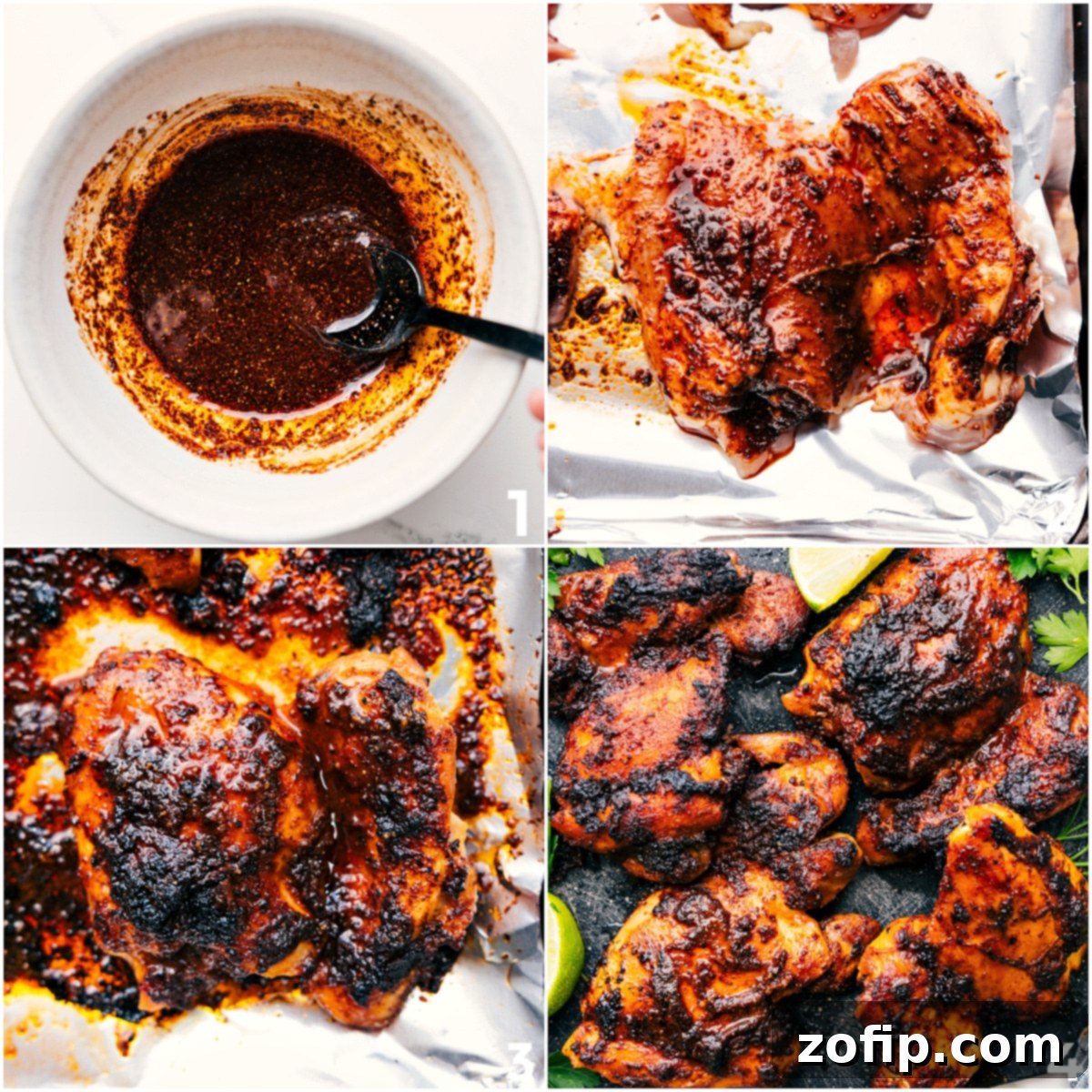
- 1 batch baked chicken thighs (or see Note 1 below for preparing chicken breasts)
- 1 batch cilantro-lime rice, or your favorite plain white rice
Instructions
Step 1: Prepare the Chimichurri Sauce. Begin by juicing your large lime to obtain approximately 2 tablespoons of fresh juice. In a wide-mouth mason jar or a medium bowl, combine the finely chopped garlic, red wine vinegar, and fresh lime juice. Add the olive oil, dried oregano, red pepper flakes, and the optional honey. Seal the jar tightly and shake vigorously, or whisk well, to thoroughly combine all the ingredients. Finely chop the fresh parsley and cilantro. Measure out ½ cup of each and stir these fresh herbs into the jar with the liquid mixture. Season generously with salt and black pepper to taste. Seal the jar again and either refrigerate overnight (for flavors to meld beautifully) or let it sit at room temperature while you prepare the remaining components of your meal.
Step 2: Cook the Chicken. Prepare your chicken thighs according to the linked recipe for baked boneless chicken thighs, ensuring they are cooked through and tender. Alternatively, you can use your preferred method for cooking seasoned chicken. (The linked recipe typically calls for 2 pounds of chicken thighs; if you desire a more generous amount of chimichurri per serving, consider either doubling the chimichurri sauce recipe or halving the amount of chicken you prepare.)
Step 3: Prepare the Rice. Choose one of the delicious linked rice recipes provided above, such as Cilantro-Lime Rice, or simply cook your rice using your usual, reliable method. Ensure it’s ready to serve alongside your flavorful chicken.
Step 4: Assemble and Serve. Spoon your cooked rice generously into individual serving bowls. If you opted for plain rice, stirring in about ⅓ cup of the chimichurri sauce directly into the rice before adding the chicken can infuse it with incredible additional flavor. Top each bowl with slices or pieces of the cooked chicken, and then spoon an ample amount of the fresh chimichurri sauce over everything. Serve immediately and enjoy your vibrant, flavorful Chimichurri Chicken!
Recipe Notes & Expert Tips for Success
Note 1: Customizing with Chicken Breasts. If you prefer to use boneless, skinless chicken breasts, aim for about 1 pound (typically 2 medium breasts). To ensure even cooking and maximum tenderness without drying out, slice each breast horizontally to create thinner cutlets. Then, use a meat mallet or a heavy rolling pin to pound them to an even thickness (around ½-inch). This critical step helps them cook quickly and uniformly.
For seasoning chicken breasts, prepare a quick rub by mixing together the following in a small bowl:
- 3 tablespoons olive oil
- 2½ teaspoons ground cumin
- 1 teaspoon ground coriander
- 2 teaspoons salt
- 1 teaspoon black pepper
Add this aromatic spice mixture along with the chicken cutlets to a resealable bag. Knead the bag gently to ensure the chicken is thoroughly and evenly coated with the rub. Marinate for at least 30 minutes to infuse rich flavor, or for up to 24 hours in the refrigerator for even deeper seasoning. Alternatively, if you’re short on time, you can cook the chicken immediately after coating.
Optimal Cooking Methods for Chicken Breasts:
- Grilling: Preheat your grill to medium-high heat. Place the seasoned chicken cutlets on the hot grates and cook for 2 to 4 minutes per side, or until the internal temperature reaches 160–165°F (71-74°C) and the juices run clear. It’s crucial not to overcook. Allow the chicken to rest for 5 to 10 minutes off the grill before slicing against the grain to retain all those delicious juices.
- Pan-Searing: Heat 2 tablespoons of olive oil in a large, heavy-bottomed skillet (like cast iron) over medium-high heat until the oil is shimmering and just starting to smoke lightly. Add the chicken cutlets and cook for 2 to 4 minutes per side, until a beautiful golden-brown crust forms and the chicken is cooked through (160–165°F / 71-74°C). If needed, add an additional tablespoon of oil after flipping to maintain a good sear.
Mini Food Processor Method for Quick Chimichurri: If you’re particularly short on time and prefer a quicker method for preparing the sauce, you can use a mini food processor. Combine all chimichurri ingredients except the olive oil in the food processor. Pulse a few times until the parsley and cilantro are finely chopped but still retain some texture; be very careful not to over-process into a smooth puree, as this can affect the flavor and color. Transfer the mixture to a bowl, then gently stir in the olive oil by hand. This technique helps maintain some of the desired chunky texture and prevents the herbs from getting “bruised” and dull.
Smart Storage Tips: For both optimal flavor and food safety, it’s best to store cooked chicken and chimichurri sauce separately. Keep cooked chicken in an airtight container in the refrigerator for up to 5 days. Homemade chimichurri sauce, when stored in a sealed jar or container in the refrigerator, will maintain its vibrant freshness and intense flavor for up to 3 days. Beyond that, the fresh herbs may start to lose their characteristic brightness and become less appealing.
Freezing Chimichurri for Later: To extend the life of your delicious chimichurri, especially if you’ve made a large batch, it freezes exceptionally well. Simply pour any unused sauce into an ice cube tray and freeze until the cubes are completely solid. Once frozen, transfer these chimichurri cubes to a sealed freezer bag or an airtight, freezer-safe container. It can be stored this way for up to 3 months. When you’re ready to add a burst of flavor to another meal, just thaw the desired number of cubes in the refrigerator overnight or on the countertop for a few hours before using.
Nutrition Information (Approximate per serving)
|
Calories: 505 kcal
|
Carbohydrates: 9 g
|
Protein: 32 g
|
Fat: 38 g
|
Saturated Fat: 6 g
|
Cholesterol: 94 mg
|
Sodium: 182 mg
|
Potassium: 646 mg
|
Fiber: 1 g
|
Sugar: 5 g
|
Vitamin A: 845 IU
|
Vitamin C: 18 mg
|
Calcium: 48 mg
|
Iron: 2 mg
Nutrition information is automatically calculated and should be used as an approximation only. Actual values may vary based on specific ingredients and preparation methods.
Enjoyed this recipe? Share your thoughts below!
Creative Ways to Use Leftover Chimichurri Sauce
Don’t let any of that amazing homemade chimichurri go to waste! Beyond being a fantastic topping for chicken, this versatile herb sauce can transform many other dishes and elevate everyday meals into something extraordinary. Here are some of my favorite creative applications for any leftover chimichurri:
- Flavor Booster for Grains: Stir it into hot couscous, fluffy cooked quinoa, or plain white rice for an instant burst of fresh, herbaceous flavor. It’s especially good with Cilantro Lime Rice, enhancing its already bright profile.
- Marinade Marvel: Utilize it as a vibrant, tenderizing marinade for almost any protein you can think of – beef (particularly steak), pork, various types of fish, or even plant-based options like firm tofu. Its acidic components will tenderize the food while the herbs deeply infuse flavor before cooking.
- Enhance Roasted or Grilled Vegetables: Drizzle generously over roasted vegetables like bell peppers, zucchini, eggplant, or asparagus. It also works wonders tossed with freshly grilled corn on the cob or a medley of seasonal summer vegetables.
- Salad Dressing Superstar: Whisk it with a little extra olive oil if needed to thin it slightly, then use it as a bright and zesty dressing for green salads. It pairs exceptionally well with salads featuring creamy avocado, juicy cherry tomatoes, crisp cucumbers, and thinly sliced red onions.
- Irresistible Sandwich Spread: Fold a tablespoon or two of chimichurri into mayonnaise, sour cream, or plain Greek yogurt. This creates a delicious, herb-packed spread perfect for elevating sandwiches, wraps, or even as a flavorful dip for crispy fries or sweet potato wedges.
- Taco & Bowl Topper: A generous dollop of chimichurri is an excellent and unexpected addition to taco bowls, vibrant burrito bowls, or even just warmed black beans. It adds a fresh, zesty counterpoint to rich, savory components.
- Quick & Flavorful Dip for Bread: Serve it simply in a small bowl with slices of crusty bread or warm pita for an incredibly flavorful appetizer or a quick, satisfying snack. It’s an instant crowd-pleaser.
Storage and Make-Ahead Tips for Your Chimichurri Sauce
Should Chimichurri Sauce Be Refrigerated?
Chimichurri sauce tastes most vibrant and aromatic when served at room temperature, as this allows its complex, herbaceous components to fully express themselves. However, to develop its flavors even further, it benefits greatly from resting for at least an hour or, ideally, overnight in the refrigerator before serving. Always store your homemade chimichurri sauce in a sealed, airtight container, such as a mason jar, in the refrigerator. When stored properly, it will maintain its freshness and vibrant flavor for up to 3 days. Beyond this period, the fresh herbs may start to lose their characteristic brightness and potent flavor.
For longer storage, chimichurri sauce freezes exceptionally well, making it perfect for meal prep or preserving a larger batch. Simply pour any unused sauce into an ice cube tray and freeze until the cubes are completely solid. Once frozen, transfer these convenient chimichurri cubes to a sealed freezer bag or an airtight, freezer-safe container. It can be stored this way in the freezer for up to 3 months without significant loss of quality. When you’re ready to add a burst of fresh flavor to another meal, just thaw the desired number of cubes in the refrigerator overnight or on the countertop for a few hours. This makes adding incredible flavor to future meals incredibly convenient!
Common Questions About Chimichurri Chicken
What exactly is Chimichurri?
Chimichurri is a vibrant, uncooked green sauce that originated in Argentina, where it is traditionally served with grilled meat, known as asado. Its classic composition includes finely chopped fresh parsley, minced garlic, olive oil, oregano, and red wine vinegar. My recipe incorporates cilantro and a touch of lime for an extra layer of refreshing brightness, offering a delightful twist on the traditional profile while maintaining its authentic spirit.
Can I prepare Chimichurri Chicken ahead of time?
Absolutely! The chimichurri sauce is an ideal component for make-ahead meal planning. It can be prepared 1-3 days in advance and stored in an airtight container in the refrigerator; in fact, its flavors often deepen and meld beautifully after a day or two. The chicken can also be cooked ahead of time and gently reheated, or you can season the chicken with the spice rub and marinate it for up to 24 hours before cooking for truly enhanced flavor.
Is Chimichurri Chicken typically spicy?
The spice level of Chimichurri Chicken is entirely customizable to your preference! This particular recipe calls for ⅛ teaspoon of red pepper flakes, which provides a very mild and pleasant warmth that complements the other flavors without overwhelming them. If you prefer a bolder, more fiery kick, feel free to increase the amount of red pepper flakes to ½ teaspoon or even more, according to your personal taste and heat tolerance.
What kind of chicken works best for Chimichurri Chicken?
Boneless, skinless chicken thighs are often highly recommended for Chimichurri Chicken due to their natural juiciness and rich flavor, especially when they are baked or grilled. However, boneless, skinless chicken breasts also work wonderfully as a leaner option. If you opt for breasts, it is crucial to ensure they are pounded to an even thickness to promote quick and uniform cooking, which helps prevent them from drying out. Pan-searing or grilling are excellent methods for chicken breasts to achieve the best texture and flavor with this sauce.
Can I use dried herbs instead of fresh ones for chimichurri?
While dried oregano works well and is included in this recipe, fresh herbs are fundamentally key to the vibrant taste, aromatic freshness, and characteristic texture of authentic chimichurri. For the parsley and cilantro, using fresh herbs is strongly recommended for the best flavor and authentic consistency. Dried versions of these softer herbs will drastically alter the flavor profile and texture of the sauce, and are generally not advised for the main bulk of the chimichurri.